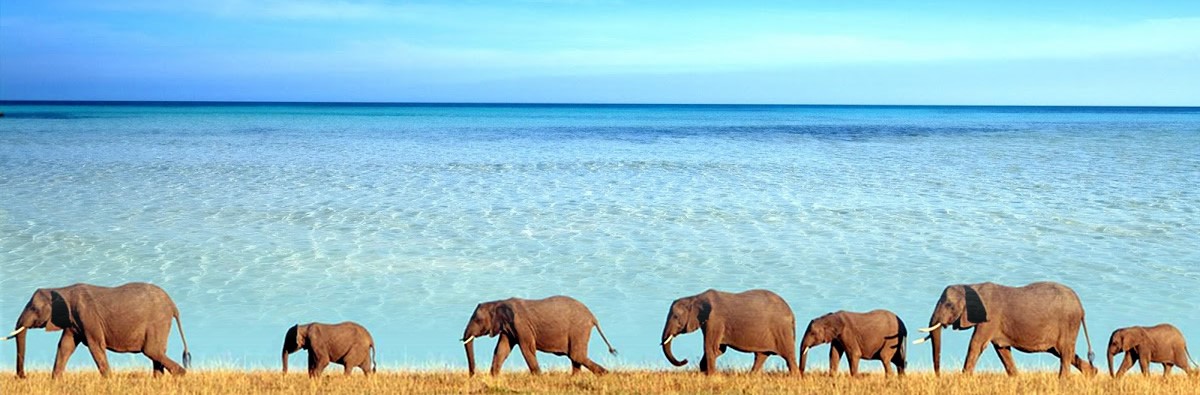
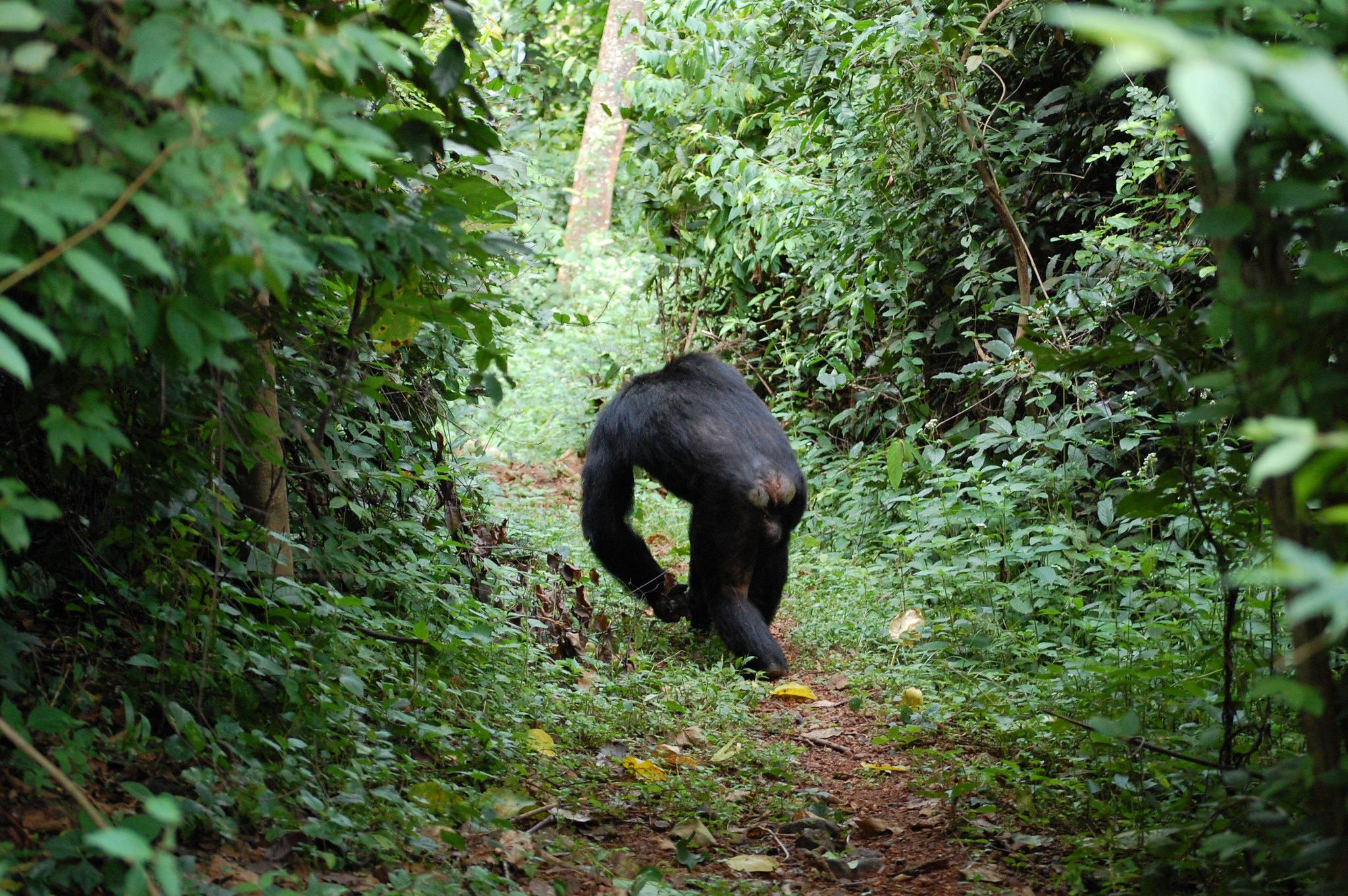
Rubondo Island National Park stands as an unspoiled gem amidst the serene waters of Lake Victoria, often surprising visitors with its unique blend of terrestrial and aquatic wildlife. Spanning over 456 square kilometers, this pristine reserve is not just a refuge for elephants and chimpanzees but also a natural haven for countless bird species. Its appeal lies in its ability to offer an untouched, tranquil experience, often leaving experts in awe of its biodiversity.
The park’s intriguing history dates back to 1967, when the Tanzanian government decided to transform it into a sanctuary for endangered animal species. Today, it houses diverse flora and fauna, providing a critical habitat for rubondo-form chimpanzees that were introduced from European zoos. Notably, Rubondo reflects significant conservation efforts, with its unique ecological system supporting over 400 bird species, marking it a paradise for ornithologists and naturalists alike.
Rubondo Island National Park, located in Lake Victoria, Tanzania, is renowned for its diverse wildlife and conservation success. As a sanctuary for chimpanzees and elephants, the park also hosts over 400 bird species. Its unique ecosystem offers both terrestrial and aquatic environments, making it a prime destination for ecotourism and biodiversity preservation.
 Source: wikimedia.org
Essence of Rubondo Island National Park
Rubondo Island National Park is a tranquil paradise nestled in Lake Victoria. This park is unique due to its isolated location, providing a serene escape from the bustling world. The island, spanning over 456 square kilometers, showcases a diverse range of ecosystems. Dense forests, open grasslands, and swamps create varied habitats for a wide array of wildlife. It’s a place where nature thrives.
Visitors are often surprised by the rich biodiversity here. The park is home to endangered chimpanzees, elephants, and other exotic animals. According to this post, the island also shelters over 400 bird species. This makes it a bird-watcher’s dream, attracting enthusiasts from around the globe. The sight of colorful birds in the pristine environment is truly captivating.
Rubondo’s history dates back to 1967 when it was established to protect endangered species. Since then, it has been a beacon of conservation success. The government and various organizations have worked tirelessly to maintain its natural beauty. This has resulted in an increase in wildlife populations and a boost in ecotourism. Here is the article discussing the significant conservation efforts made.
Tourists can engage in various activities while visiting the park. From guided nature walks to boat safaris, there is something for everyone. Angling is also a popular sport thanks to Lake Victoria’s abundant fish species. Visitors can explore the lush landscapes and enjoy breathtaking views. Rubondo Island National Park offers an unmatched experience for nature lovers.
History and Foundation of the Park
The establishment of Rubondo Island National Park dates back to the late 1960s, during a time when conservation efforts were ramping up worldwide. In 1967, the Tanzanian government officially declared Rubondo Island a national park. The primary goal was to protect endangered animal species and preserve the island’s rich biodiversity. This initiative led to the relocation of various species to the island, creating a unique sanctuary. Today, Rubondo stands as a testament to these early conservation efforts.
One of the remarkable aspects of Rubondo’s history is the introduction of chimpanzees in the 1960s and 1970s. These primates were brought from European zoos and released into the wild to establish a stable population. According to this post, efforts to adapt the chimpanzees to their new environment were successful, and they now thrive on the island. This introduction not only aided in chimpanzee conservation but also added a unique element to the park’s ecosystem. Visitors today can witness the descendants of these pioneering primates.
Throughout the years, Rubondo Island National Park has been a focal point for numerous conservation initiatives. Various organizations have partnered with the Tanzanian government to protect the island’s natural resources. These efforts have aimed at safeguarding habitats, preventing poaching, and promoting sustainable tourism. The park’s success in these areas underscores the importance of collaborative conservation efforts. It’s a prime example of how proactive measures can lead to the preservation of wildlife.
The foundation of Rubondo also involved widespread ecological surveys and research. Scientists and conservationists mapped out the island’s diverse habitats and identified key species that needed protection. These surveys provided the groundwork for comprehensive management plans, ensuring the park’s ecological integrity. This methodical approach has been crucial in maintaining the balance between human activity and nature. Rubondo Island National Park continues to be a model for conservation and ecological research.
The Breathtaking Biodiversity at Rubondo Island National Park
Rubondo Island National Park is a biodiversity hotspot, teeming with an incredible array of plants and animals. The island’s diverse habitats, ranging from dense forests to open savannas, provide a home for countless species. Visitors can marvel at bustling mammalian life, including elephants, hippos, and even rare sitatungas. Among the primate population, chimpanzees are a major attraction, showcasing the success of conservation efforts. The island’s unique ecosystems support a balanced and vibrant wildlife community.
Bird watchers find Rubondo Island a paradise, as it hosts over 400 bird species. From the majestic fish eagle to the colorful kingfisher, the skies are alive with avian activity. The mix of terrestrial and aquatic environments creates ideal breeding grounds for these birds. Some migrate seasonally, adding even more variety throughout the year. Whether you’re a novice or a seasoned birder, every visit promises new and exciting discoveries.
The waters surrounding Rubondo Island are inhabited by rich aquatic life. Lake Victoria, one of the largest freshwater lakes in the world, boasts a plethora of fish species. Among the most famous are the tilapia and Nile perch, prized by both local fishermen and wildlife enthusiasts. Table:
| Fish Species | Notable Features |
|---|
| Tilapia | Popular for local dishes and supports local economy |
| Nile Perch | Renowned for its large size and game-fishing appeal |
The island’s flora is just as diverse, with a mixture of indigenous and introduced species. The lush landscapes are comprised of fig trees, mahogany, and striking wildflowers. These plants not only add to the island’s beauty but also provide essential resources for the wildlife. The vegetation plays a critical role in the park’s ecology, offering food, shelter, and breeding grounds. Together, the flora and fauna create a harmonious and self-sustaining environment.
Conservation Efforts and Success Stories
Rubondo Island National Park has been a significant focus for conservation efforts since its establishment. The park was initially intended to provide a safe haven for endangered species and reintroduce them into the wild. Over the years, these efforts have yielded remarkable results, safeguarding both flora and fauna. Various conservation programs have been implemented to support this mission. The collaborative work among scientists, conservationists, and the government has proved highly effective.
One of the most notable successes is the introduction of chimpanzees to the island. These primates were brought from European zoos in the 1960s and 1970s. Today, the chimpanzee population thrives, showcasing the effectiveness of these conservation strategies. Visitors can observe these fascinating creatures in their natural habitat, reflecting significant progress. This achievement highlights the importance of dedicated conservation measures.
To further protect wildlife, anti-poaching initiatives have been rigorously established. Poaching once posed a severe threat to many of the park’s species. In response, the government and various NGOs have set up patrol units to monitor and deter illegal activities. These strategies have led to a significant decrease in poaching incidents. The presence of well-trained rangers ensures that wildlife can flourish without human interference.
Rubondo also focuses on community-based conservation, involving local communities in the protection efforts. This approach fosters a sense of ownership and responsibility among the residents. Additionally, educational programs teach the importance of conservation and sustainable practices. Engaging locals in these initiatives has strengthened the overall impact. It’s a model that emphasizes cooperation and shared goals.
The park’s flora has equally benefited from conservation efforts. Numerous indigenous plant species have been preserved and restored, contributing to the ecological balance. Reforestation projects have been initiated to counteract deforestation and soil erosion. These projects not only enhance biodiversity but also improve the environment for the island’s wildlife. The green cover is steadily increasing, thanks to these concerted efforts.
Success stories from Rubondo include the recovery of certain bird populations that were previously at risk. Conservationists have worked hard to create optimal breeding conditions for these birds. Efforts such as habitat restoration and the establishment of protected breeding zones have been crucial. Today, the island boasts a rich and diverse birdlife. These successes underline the effectiveness of comprehensive conservation strategies.
Enthralling Safari Experience and Tourist Activities
Rubondo Island National Park offers a rich safari experience that captivates nature enthusiasts. The park’s unique setup allows for both traditional jeep safaris and boat safaris. Exploring by boat offers a closer look at the park’s remarkable aquatic life and the shores where hippos and crocodiles reside. Guided tours provide insightful information about the area’s flora and fauna. These excursions are both educational and exhilarating.
For those who prefer on-foot adventures, guided nature walks are available. These walks offer a more intimate encounter with the island’s environment. Guides share knowledge about the diverse plant species and the smaller, often overlooked wildlife. Walking trails wind through dense forests and along scenic pathways. This immersive experience allows visitors to connect deeply with nature.
Sit-atunga and bird watching are also popular activities within the park. Rubondo is a bird watcher’s paradise, with over 400 bird species to observe. The diversity of birdlife can be explored through dedicated bird-watching spots and platforms. Visitors often spot rare and migratory birds along the shores and within the forests. A successful bird-watching trip can be a highlight for many tourists.
Fishing in Lake Victoria is a major draw for many visitors. The lake is famous for its abundance of tilapia and Nile perch. Angling enthusiasts can participate in fishing expeditions organized by local guides. These trips not only provide great fishing opportunities but also splendid views of the surrounding landscapes. Fishing in the calm waters of Lake Victoria is a tranquil yet thrilling experience.
The park also boasts several accommodation options to enhance the visitor experience. From rustic camping sites to luxurious lodges, there is something to suit every budget and preference. The lodges offer comfort while ensuring guests remain close to nature. Staying overnight in the park allows visitors to experience the serene beauty of the island under the starlit sky. It’s a perfect way to conclude a day full of adventure.
The Role of Rubondo Island National Park in Tanzanian Ecotourism
Rubondo Island National Park plays a significant role in promoting ecotourism in Tanzania. The park’s pristine environment attracts nature lovers and conservationists from around the world. Its unique blend of land and aquatic habitats provides a rare opportunity to experience diverse wildlife up close. This rich biodiversity has made Rubondo a key destination on the ecotourism map. The park’s commitment to sustainability further enhances its appeal.
Ecotourism at Rubondo contributes to local economic growth by creating jobs and supporting local businesses. Guides, lodge staff, and service providers benefit from increased tourism activity. This involvement helps local communities recognize the importance of preserving their natural environment. By promoting sustainable practices, the park ensures that tourism does not harm its delicate ecosystems. The balance between tourism and conservation is carefully maintained.
The park’s success in ecotourism is largely due to its engaging activities and educational programs. Visitors can participate in guided tours, learning about conservation efforts and the significance of protecting the environment. These programs aim to inspire visitors to adopt sustainable practices in their daily lives. The park also collaborates with schools and organizations to promote environmental education. Knowledge sharing is a vital aspect of Rubondo’s ecotourism strategy.
Rubondo’s role in Tanzanian ecotourism extends beyond its borders. The park serves as a model for other conservation areas looking to develop sustainable tourism practices. Its achievements highlight the potential for responsible tourism to support both conservation and community development. Visitors leave with a deeper appreciation for nature and a commitment to preserving similar habitats elsewhere. Rubondo’s influence on ecotourism is both profound and enduring.
To encourage further growth, the park has been upgrading its facilities and infrastructure. Improved accommodations and amenities make it easier for tourists to enjoy their stay. Enhancements in accessibility have also opened the park to a wider audience. These developments are aligned with Rubondo’s vision to be a leading ecotourism hotspot in Tanzania. As interest in sustainable travel grows, Rubondo continues to set a shining example.
 Source: tripadvisor.com
Frequently Asked Questions
Rubondo Island National Park, famous for its rich biodiversity, offers a unique glimpse into conservation and ecotourism efforts. Here are some frequently asked questions to help you understand more about this extraordinary destination.
1. What wildlife can be seen at Rubondo Island National Park?
The park is home to a variety of wildlife, including chimpanzees, elephants, and hippos. These animals thrive in the park’s varied habitats, from dense forests to savannas. Bird watchers will be thrilled by the more than 400 bird species residing in the park. Visitors also occasionally spot shy animals like the sitatunga antelope.
In addition to these, the surrounding waters of Lake Victoria host rich aquatic life. Fish species like tilapia and Nile perch are abundant, making the park ideal for fishing activities. The unique combination of terrestrial and aquatic wildlife offers a diverse and enriching experience for all visitors. Reptiles like crocodiles can also be seen along the shores.
2. How did the chimpanzees come to live in Rubondo Island National Park?
The chimpanzees on Rubondo Island were introduced in the 1960s and 1970s. They were relocated from European zoos as part of a conservation project. This project aimed to establish a stable, wild population of chimpanzees. The effort was highly successful, with the primates now thriving in their natural habitat.
This not only helped in the conservation of chimpanzees but also enriched the island’s biodiversity. Tourists now have the unique opportunity to observe these primates in the wild. The project is often cited as a model for successful animal reintroduction initiatives. The well-being of these chimpanzees is closely monitored by conservationists.
3. Are there guided tours available in the park?
Yes, Rubondo Island National Park offers guided tours to enhance the visitor experience. These tours are led by knowledgeable guides who provide insights into the park’s wildlife and ecosystems. Visitors can choose from a variety of tours, including jeep safaris, boat safaris, and nature walks.
Guided tours ensure a safe and educational journey through the park. They help in spotting wildlife and understanding the significance of conservation efforts. Engaging with a guide can make the visit more informative and enjoyable. They also tailor the tours to meet the interests and requirements of different groups.
4. What accommodations are available for visitors?
The park offers a range of accommodation options, from rustic campsites to luxury lodges. These accommodations are designed to suit different budgets and preferences. Camping enthusiasts can enjoy the natural surroundings, while those preferring more comfort can stay in well-appointed lodges.
Staying overnight allows visitors to experience the park’s serene beauty under the starlit sky. Facilities are equipped to ensure a comfortable and enjoyable stay. The lodgings also provide easy access to major park activities and tour starting points. This enhances the overall experience of exploring Rubondo Island National Park.
5. How does the park contribute to local communities?
Rubondo Island National Park plays a crucial role in supporting local communities. The park generates employment opportunities for residents, including roles in guiding, hospitality, and conservation. This economic support helps improve living standards and brings awareness to conservation efforts.
Additionally, the park’s educational programs engage local schools and organizations in environmental education. These programs emphasize sustainable practices and the importance of wildlife protection. The park’s involvement with the community fosters a cooperative spirit towards conservation. This collaboration ensures both the ecological and economic sustainability of the area.
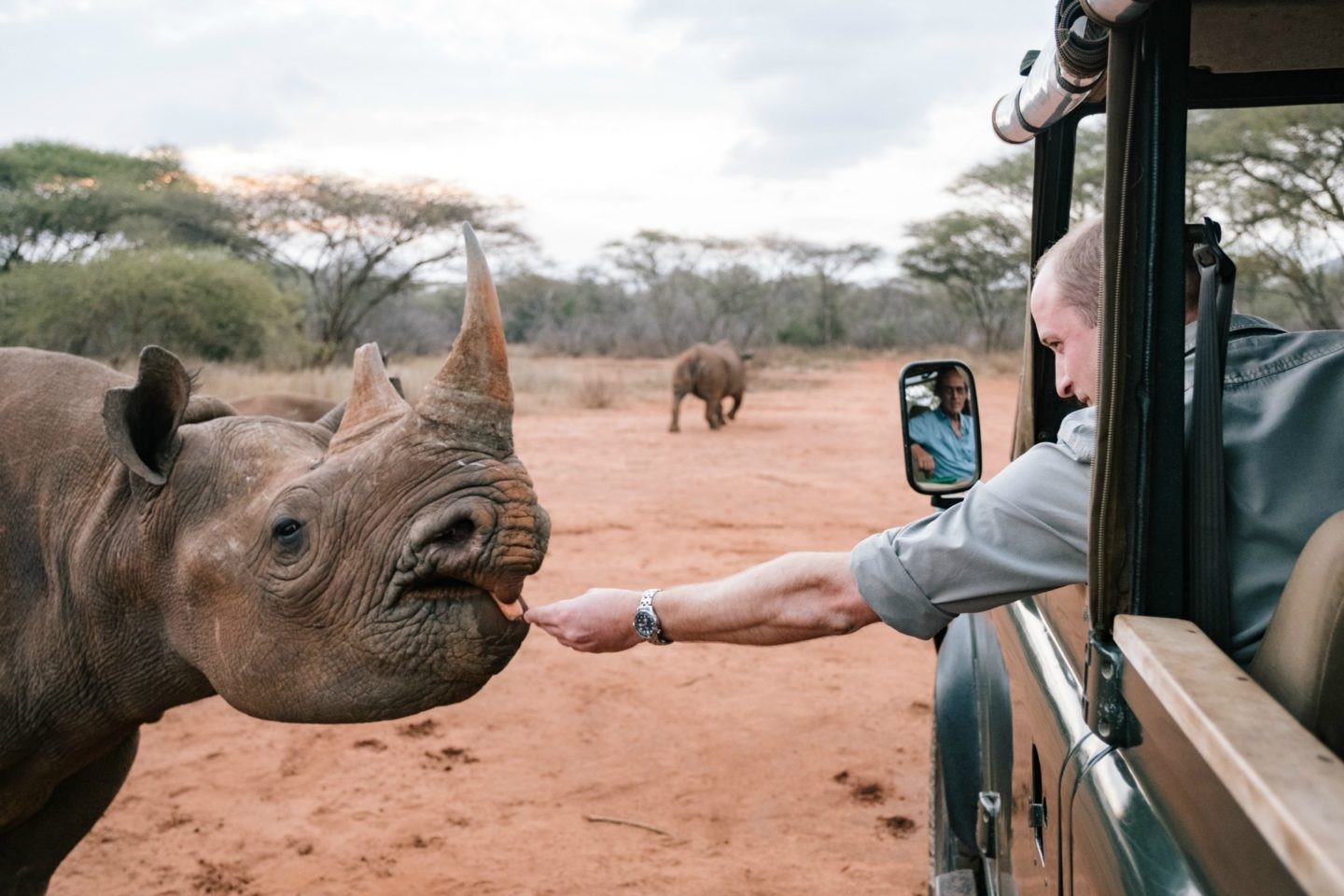
At Mkomazi National Park, the dance of endangered black rhinos and African wild dogs is a sight few have had the privilege to witness. Hidden within the shadows of Mount Kilimanjaro, this lesser-known gem offers an uncharted safari experience, far removed from Africa’s well-trodden paths. It’s a sanctuary for those seeking the splendor of nature without the clamor of the crowd.
Mkomazi’s significance within Tanzania’s conservation landscape is unparalleled, being a pivotal component in the protection of endangered species. Established as a game reserve in 1951, it was later transformed into a national park in 2008, illustrating a dedication to sustainable tourism and wildlife preservation. Today, with its 3,245-square-kilometer expanse, Mkomazi stands as a testament to human ambition married with environmental stewardship.
Mkomazi National Park safari offers a unique experience with its diverse landscapes and rare wildlife, including black rhinos and African wild dogs. Located in Tanzania, the park is renowned for its conservation efforts and provides a tranquil setting for observing nature’s wonders away from the typical tourist routes.
Source: safaris-uganda.com
Mkomazi National Park Safari: A Hidden Gem
Many people may not know about Mkomazi National Park, but it’s a place full of surprises. Located in Tanzania, this park protects amazing animals like the black rhino and African wild dogs. Visitors can see these rare creatures during a safari. Unlike other crowded parks, Mkomazi offers a peaceful and unique experience. Here, nature and wildlife can truly shine without disruption.
One of the park’s special features is its beautiful landscape. It combines mountains, savannas, and grasslands, making every corner an adventure to explore. Within its boundaries, you can find a variety of animals and plants. This diverse environment supports a rich ecosystem, contributing to the park’s uniqueness. It’s a place where nature enthusiasts can delight in its untamed beauty.
The park is also known for its conservation efforts. Mkomazi plays a crucial role in protecting endangered species. They have several programs dedicated to saving these animals from extinction. This is why many conservationists support Mkomazi’s mission. According to here is the post, visiting such parks also helps fund these essential activities, ensuring this vital work continues.
If you’re planning to visit, there are many things to consider. When to go, what to bring, and how to get there are crucial parts of planning. The dry season is often the best time to spot wildlife. Additionally, understanding local customs can help make your visit smoother. Many travelers share their experiences, offering tips to make the most out of a visit to this hidden gem.
Wildlife Spotting during Safari
Embarking on a safari in Mkomazi National Park offers thrilling wildlife spotting opportunities. The park is a haven for a variety of animals, including the rare African wild dogs and elusive black rhinos. Visitors can also see majestic elephants wandering across the savanna. These encounters create unforgettable memories for every safari-goer. The diversity of wildlife makes each outing unique.
Safari guides use their expertise to help visitors spot different animals. They share interesting facts about animal behavior and habitats, enriching the experience. Often, safari jeeps are equipped with binoculars for visitors to get a closer look. Guides follow tracks and signs left by animals to lead you to the best viewing areas. With their help, every safari is a learning adventure.
Timing and patience are key for a successful wildlife spotting experience. The early morning and late afternoon are ideal times as animals are more active then. It’s advisable to remain quiet and attentive to your surroundings. The thrill of spotting a lion or watching giraffes graze makes the wait worthwhile. Each sighting is a testament to the park’s vibrant ecosystem.
Some animals are spotted more frequently than others. Common sightings include zebras, antelopes, and numerous bird species. A tally of species spotted can be a fun activity for young explorers, creating excitement for the next safari. This interaction with nature provides valuable lessons on wildlife conservation. Plus, it fosters a lifelong appreciation for the environment.
The Unique Landscape of Mkomazi National Park
Mkomazi National Park boasts an extraordinary landscape that captivates every visitor. The park seamlessly blends mountains, savannas, and grasslands, creating breathtaking scenery. Mount Kilimanjaro serves as a stunning backdrop, adding to the park’s allure. As you explore, the terrain shifts dramatically, offering diverse vistas. This diversity makes the park a true spectacle of nature.
The varied terrain supports a wide range of plant and animal life. Different species of trees, shrubs, and grasses thrive here, each adapted to the unique environment. Some areas are dotted with acacia trees, providing shade and habitat for wildlife. The park’s waterholes also attract an array of animals, creating perfect spots for photography. These features highlight the park’s rich biodiversity.
Visitors are often amazed by the array of colors throughout Mkomazi. During certain seasons, blooming wildflowers paint the landscape in vibrant hues. Peering over a grassy plain, you might spot a herd of elephants with the colorful backdrop. This visual feast is a delight for photographers and nature lovers. The park’s palette changes with the seasons, offering new views for every visit.
Trails within the park offer exciting exploration options. Experienced guides lead hikes to showcase unique spots within the landscape. Observing the terrain up close reveals details often missed from a distance. Some popular activities include guided walks and jeep safaris. These adventures let you appreciate the park’s beauty and complexity in The Ultimate Experience.
Conservation Efforts at Mkomazi National Park
Mkomazi National Park plays a vital role in wildlife conservation. The park focuses on protecting endangered species such as black rhinos and African wild dogs. Through collaborative efforts, they run dedicated programs to increase these animals’ numbers. Conservationists work tirelessly, conducting research and monitoring wildlife health. These actions help to ensure a stable future for these species.
One of the park’s key initiatives is the Rhino Sanctuary. This secure area offers protection from poachers and other threats. Within the sanctuary, rhinos can thrive and reproduce safely. Rangers patrol the area, using technology to monitor animal movements. Such strong measures have made a significant impact on the rhino population.
The park also promotes community involvement in conservation. By engaging local communities, they foster a sense of ownership over natural resources. This participatory approach leads to better protection efforts. Locals are educated about the importance of preserving wildlife and their habitats. Additionally, the park provides job opportunities, supporting the local economy while promoting sustainability.
Besides animal conservation, Mkomazi emphasizes environmental preservation. Measures are taken to protect the park’s unique landscapes from human impact. Efforts include reforestation projects and waste management strategies. Maintaining the diverse habitat is crucial for both flora and fauna. These projects highlight the park’s commitment to lasting environmental health.
Education and awareness programs are another facet of the park’s conservation strategy. Visitors and locals alike participate in workshops and tours. These programs focus on teaching the importance of conservation and sustainable practices. Educating youth is particularly emphasized, as they are the future stewards of these lands. Through such efforts, the park fosters a culture of conservation for generations to come.
Planning Your Safari: Practical Information
When planning your safari to Mkomazi National Park, timing plays a crucial role. The dry season from June to October is ideal for wildlife viewing. During this period, animals gather around water sources, making them easier to spot. The park is less lush, but the visibility is excellent. Prepare to be amazed by the concentrated wildlife action during these months.
Proper packing is essential for a comfortable safari experience. Lightweight, neutral-colored clothing is recommended to blend in with the surroundings. Don’t forget essentials like hats, sunglasses, and sunscreen to protect against the sun. Binoculars and cameras are a must-have for capturing memorable moments. A good pair of walking shoes will also come in handy for any guided nature walks.
Booking accommodations within or near the park is another important step. Options range from luxurious lodges to more budget-friendly campsites. Many facilities offer package deals that include guided safaris. Early booking is advised, especially during peak seasons. Accommodations often provide meals, which is one less thing for you to worry about.
Understanding the park’s rules and regulations enhances your visit. For example, staying inside the vehicle during most of the safari ensures safety and minimizes disturbance to wildlife. Respecting animal space and maintaining silence can lead to more rewarding sightings. Guides will inform you of all the necessary do’s and don’ts. Following these guidelines helps preserve the natural environment for future visitors.
Various activities are available besides traditional jeep safaris. Visitors can engage in bird watching, hiking, or visiting the rhino sanctuary. Educational tours are often available, offering deeper insights into conservation efforts. Interacting with local communities can also be a rich cultural experience. These activities provide a well-rounded visit, making it more than just a wildlife adventure.
Experiencing Local Culture around Mkomazi National Park
Exploring the local culture near Mkomazi National Park enriches the safari experience. The area is home to vibrant communities with deep-rooted traditions. Opportunities to learn about their way of life bring added depth to your visit. Cultural tours often include visits to local villages. These tours are a chance to see how traditional lifestyles merge with modern influences.
Local markets are bustling hubs of activity and color. They offer a variety of goods, from handmade crafts to fresh produce. Visitors can purchase unique souvenirs, supporting local artisans in the process. Tasting local foods is another adventure in itself. Spicy dishes and exotic fruits offer flavors that spark curiosity and delight the senses.
Traditional dance performances are a highlight of cultural visits. Many communities showcase their heritage through music and dance, inviting others to participate. These performances offer a glimpse into the community’s history and values. Often, storytelling accompanies music, providing context to the dance’s meaning. Engaging with these activities fosters a stronger connection to the local culture.
While engaging in cultural experiences, respecting local customs is essential. Simple gestures, such as dressing modestly and learning a few words in the local language, are appreciated. Listening and showing genuine interest in their stories builds mutual respect. Guides can offer advice on cultural etiquette for an even smoother interaction. By being respectful, you help maintain the community’s welcoming atmosphere.
Participating in community-driven projects can also leave a positive impact. Some initiatives focus on education, health, or conservation efforts. Joining these activities provides insight into the community’s challenges and triumphs. It also allows visitors to contribute to ongoing projects effectively. These contributions can make a lasting difference, benefiting both the community and the travelers involved.
Source: tanzania-specialist.com
Frequently Asked Questions
Embarking on a Mkomazi National Park safari opens doors to unique wildlife encounters and conservation insights. Below are some common questions and answers to guide you on this adventure.
1. What wildlife can you see in Mkomazi National Park?
Mkomazi National Park is home to a rich variety of wildlife, making it a paradise for nature enthusiasts. Among the many species, visitors can spot the rare black rhinos and African wild dogs. These animals are part of the park’s renowned conservation projects, protecting endangered species and supporting their populations. Additionally, visitors can see majestic elephants, giraffes, zebras, and countless bird species that thrive within the park’s diverse habitats.
The park’s landscape plays a crucial role in supporting its wildlife diversity. Its vast savannas, hills, and water sources create ideal conditions for different animal species. The unique ecosystem allows for exciting game drives where lucky visitors might witness the extraordinary behaviors of Africa’s wildlife up close. With guided tours, you can explore these creatures’ natural environments and learn about their survival tactics.
2. Why is conservation important in Mkomazi National Park?
Conservation is vital in Mkomazi National Park due to the endangered species it harbors. The park’s dedicated conservation efforts focus on preserving black rhinos and African wild dogs, both at risk of extinction. These animals face numerous threats, including poaching and habitat loss, which the park actively combats through various programs and strategies. By protecting these species, the park maintains ecological balance and preserves biodiversity for future generations.
Efforts in conservation also foster partnerships with local communities, promoting sustainable practices that benefit both people and wildlife. These collaborations nurture a sense of stewardship among residents, encouraging them to protect the park’s natural resources. Moreover, conservation attracts researchers and tourists interested in ecology, which in turn supports the area’s economy and funds further preservation actions. This holistic approach underscores why conservation remains a priority for Mkomazi National Park.
3. What is the best time to visit Mkomazi National Park?
The best time to visit Mkomazi National Park is during the dry season, typically from June to October. This period offers ideal conditions for wildlife viewing as animals gather around waterholes, making them easier to spot. Additionally, lower grasses and less foliage improve visibility and create fantastic opportunities for photography. The pleasant weather during these months also enhances the overall experience, allowing for comfortable exploration and extended game drives.
Visiting during the dry season not only guarantees exceptional sighting chances but also aligns with peak tourist season. This means organized activities and tours are more readily available, allowing visitors to maximize their itinerary. Furthermore, the dry season coinciding with the arrival of migratory birds adds another layer of excitement for birdwatching enthusiasts. Regardless of the season, each visit to the park promises captivating wildlife encounters and dazzling landscapes.
4. How does Mkomazi support the local community?
Mkomazi National Park supports the local community through job creation and educational opportunities. The park’s existence boosts employment in areas such as tourism, guiding, and conservation work. This allows locals to earn a living while contributing to the park’s success and long-term sustainability. Educational programs run by the park also increase awareness about conservation, equipping community members with knowledge and skills to make informed decisions about their environment.
In collaboration with local leaders, the park implements initiatives that address specific community needs. These projects focus on improving infrastructure, providing access to resources, and promoting health and welfare. Furthermore, the park encourages eco-tourism, which stimulates local businesses like craft markets and eateries. Through these efforts, Mkomazi fosters a thriving ecosystem where both the human and natural worlds benefit and coexist harmoniously.
5. What activities can visitors enjoy in Mkomazi National Park?
Visitors to Mkomazi National Park can engage in a variety of exciting activities that enhance their safari experience. Game drives are the most popular way to explore the park’s diverse wildlife and stunning landscapes. With knowledgeable guides, tourists can learn about animal behavior and the park’s conservation efforts. Birdwatching, too, is a favorite pastime due to the multitude of exotic bird species populating the area.
Aside from wildlife observation, the park offers opportunities for cultural experiences with local communities. Visitors can partake in guided walks, which include trips to nearby villages, allowing them to learn about local customs and traditions. Educational programs and rhino sanctuary visits further enrich the adventure, offering insights into ongoing conservation projects. These varied activities ensure a well-rounded visit that caters to all interests.
With over 400 bird species calling it home, the Udzungwa Mountains is a hiking destination unlike any other. Tucked away in Tanzania, this expanse of lush forests and rugged terrain provides an exhilarating challenge for even the most seasoned hikers. The biodiversity and scenic vistas create a perfect blend of adventure and nature observation.
The Udzungwa Mountains form part of the Eastern Arc Mountains and are recognized for their exceptional biodiversity. Established as a national park in 1992, this area now attracts roughly 3,000 hikers annually, indicating its rising popularity within the hiking community. Steeped in history and natural beauty, hiking here offers an immersive experience into one of Tanzania’s pristine environments.
Udzungwa Mountains hiking offers a unique adventure through Tanzania’s lush rainforests and diverse ecosystems. Expert hikers encounter rare wildlife, including the Udzungwa red colobus monkey and over 400 bird species, while exploring scenic trails with varying difficulty levels. The mountains’ rich biodiversity makes it a sought-after destination among seasoned adventurers.
 Source: strikinglycdn.com
Udzungwa Mountains Hiking Experience
The Udzungwa Mountains hiking experience is an adventure like no other. With its sprawling forests and diverse wildlife, hikers are guaranteed a memorable trek. Imagine walking through trails where monkeys swing from trees and rare birds sing melodious tunes. Each step taken offers a new discovery, a glimpse of nature’s untouched beauty. The lush greenery and refreshing waterfalls add to the scenic charm.
Hiking through Udzungwa allows you to encounter numerous plant species, some of which are unique to this region. These mountains form part of the Eastern Arc, an area renowned for its incredible biodiversity. According to the article, these mountains house over 400 bird species, making it a haven for birdwatchers. You might also spot elusive mammals like the Iringa red colobus monkey. Nature lovers are in for a treat with every hike.
Adventure seekers will find multiple trails tailored to different skill levels. The trails range from easy walks to challenging climbs, ensuring everyone can find a suitable path. For the more experienced hiker, the trek to the Sanje Waterfall is a must-see. This three-tiered waterfall offers breathtaking views and a perfect spot to rest and recharge. Whether you’re a novice or a pro, the Udzungwa Mountains cater to all.
Visiting the Udzungwa Mountains is not just about physical activity; it’s an immersive nature experience. Here, you’ll learn about the region’s historical significance and cultural heritage. Guided tours offer insights into local traditions and conservation efforts. Here is the article describing the importance of preserving these natural wonders for future generations. Hiking these trails, you’re not only taking a journey through landscapes but also through time and culture.
Adventure and Biodiversity: Uniqueness of Hiking in Udzungwa
Hiking in the Udzungwa Mountains offers a perfect blend of adventure and biodiversity. This unique combination draws hikers from across the globe seeking both thrill and nature. Every turn on the trail can lead to encounters with rare species and spectacular views. Imagine standing at the edge of a high waterfall, surrounded by vibrant green foliage. The sense of discovery keeps adventurers coming back.
The biodiversity in Udzungwa is awe-inspiring. Over 2,500 plant species thrive here, some found nowhere else on Earth. According to experts, this rich biodiversity is crucial for ecological research. Hikers often spot medicinal plants and vibrant flowers. The variety of species in the region makes every hike a new learning experience.
Unique wildlife sightings add to the hiking adventure. The Udzungwa forests are home to several endemic bird species. Birdwatchers relish the chance to spot the Udzungwa partridge and Rufous-winged sunbird. Additionally, the forests are inhabited by the rare Udzungwa red colobus monkey. Each sighting adds to the excitement and uniqueness of the trek.
List of Unique Species
- Udzungwa red colobus monkey
- Udzungwa partridge
- Rufous-winged sunbird
- 2,500+ plant species
The diverse flora and fauna make Udzungwa a premier destination for nature enthusiasts. Each hike through different trails reveals the region’s ecological treasures. It broadens perspectives and deepens appreciation for conservation efforts. Adventure and biodiversity truly converge here, offering an unforgettable hiking experience.
Recognizing Udzungwa Mountains’ Exceptional Biodiversity
The Udzungwa Mountains are renowned for their exceptional biodiversity. Nestled in Tanzania, this region boasts a variety of ecosystems. These include rainforests, grasslands, and mountain peaks. Such diversity supports countless species, creating a haven for wildlife. Conservationists stress the importance of protecting these ecosystems.
The plant life in Udzungwa is astounding. With over 2,500 plant species, including many endemic ones, the richness of flora is evident. Scientists regularly study these plants to understand their ecological roles. These studies reveal their importance to both local communities and global biodiversity. Protecting these plants is vital to maintaining the area’s ecological balance.
Rich animal life also thrives in these mountains. The area shelters unique primates like the Iringa red colobus monkey. Bird species such as the Udzungwa partridge add to the region’s avian diversity. The forests house several small mammals and reptiles too. This blend of wildlife makes the Udzungwa Mountains a hotspot for biodiversity enthusiasts.
Table of Notable Wildlife
| Species | Category |
|---|
| Iringa red colobus | Primate |
| Udzungwa partridge | Bird |
| Lesser galago | Mammal |
| Peters’ elephantnose fish | Fish |
The table highlights some unique species found in Udzungwa. Recognizing these species helps underscore the mountain’s critical role in global biodiversity. Preservation efforts continue to ensure these species thrive for future generations. Understanding and appreciating this biodiversity is crucial for effective conservation.
Udzungwa National Park: The breathtaking destination for Hikers
Udzungwa National Park is a spectacular destination that captivates hikers with its vast landscapes and rich biodiversity. Located in Tanzania, it covers an area of approximately 1,990 square kilometers. Hikers trek through lush rainforests, climb steep escarpments, and navigate through picturesque valleys. The diverse trails offer a range of experiences for both novice and experienced hikers. The chance to explore pristine nature makes every moment in the park memorable.
One of the highlights for hikers is the breathtaking Sanje Waterfall. Standing 170 meters tall, it is one of the highest waterfalls in Tanzania. Hikers can enjoy a challenging trek to reach its base, where the sheer power and beauty of the cascading water amaze them. This is a popular spot for taking stunning photographs or cooling off in the refreshing spray. The hike to the waterfall is well worth the effort for the panoramic views it offers.
The park’s appeal lies not just in its natural beauty but also in its incredible wildlife. It is home to several rare and endemic species of primates, including the Udzungwa red colobus. Bird enthusiasts also flock here to spot various unique bird species. The diverse animal life enriches the hiking experience. Observing animals in their natural habitat adds a thrilling dimension to the adventure.
Table of Notable Trails
| Trail | Length | Difficulty |
|---|
| Sanje Waterfall Trail | 4 km | Moderate |
| Prince Bernhard Trail | 5 km | Challenging |
| Ruipa River Trail | 20 km | Easy to Moderate |
The table showcases notable trails in Udzungwa, revealing the range of trails available for different skill levels. With diverse paths and majestic views, Udzungwa is undoubtedly a premier hiking destination. Each trail invites explorers to witness the majestic beauty of Tanzania’s landscapes. As they wander the trails, hikers become part of a world rich in life and natural wonders.
Visitors also have opportunities to engage with local communities. Cultural tours offer insights into the heritage and traditions of the people living near the park. This exchange enriches the hiking adventure, providing deeper understanding and appreciation. Through these interactions, visitors gain unique perspectives on life in this vibrant region. Such experiences make a trip to Udzungwa National Park truly unforgettable.
Rising Popularity of Udzungwa Mountains Among Hikers
The Udzungwa Mountains are quickly becoming a favorite spot for hikers from around the world. With their impressive landscapes and unique wildlife, more adventurers are drawn to this Tanzanian gem. The park’s well-maintained trails cater to all skill levels, offering both beginners and seasoned trekkers a memorable journey. The diverse environments make each hike an exceptional experience. Access to such rich natural beauty has spurred a hike in visitor numbers.
A big reason for Udzungwa’s popularity is its range of hiking trails. From easy paths that meander through the forest to challenging mountain climbs, there’s something for everyone. A variety of lengths and difficulty levels ensures that every hiker finds a trail that suits their preferences. The Sanje Waterfall trail remains a popular choice due to its stunning views. Each trail introduces hikers to a different aspect of the mountains’ allure.
Recent visitor statistics paint a clear picture of the park’s growing appeal.
| Year | Visitors |
|---|
| 2018 | 2,500 |
| 2019 | 3,100 |
| 2020 | 3,800 |
| 2021 | 4,500 |
The steady rise in visitor numbers demonstrates the mountains’ increasing draw. More travelers are adding Udzungwa to their lists of must-visit destinations. This rise is a testament to its status as a premier hiking location.
The park’s conservation efforts play a significant role in maintaining its natural charm. By preserving the unique flora and fauna, the park ensures that it remains a haven for wildlife and a treasure for hikers. The commitment to conservation also draws those interested in ecology and sustainability. These efforts help protect the environment and provide educational opportunities for visitors. Experiencing the park’s pristine beauty firsthand leaves a lasting impression on every hiker.
For those seeking both adventure and a deeper connection with nature, Udzungwa Mountains offer an unparalleled experience. The area’s growing popularity reflects its ability to enchant and inspire. Each visitor becomes part of an enduring story, one that celebrates natural splendor and human discovery. As more people explore these captivating mountains, the world learns more about its wonders. The Udzungwa Mountains truly offer a journey worth taking.
Immersing In The Udzungwa Mountains: What makes it a Premium Hiking Stop
The Udzungwa Mountains offer an unparalleled hiking experience that attracts adventurers from across the globe. The breathtaking views, combined with diverse wildlife and unique plant species, make this destination a premium choice. Hikers can explore trails that range from gentle slopes to challenging ascents. Picturesque waterfalls, lush forests, and panoramic vistas greet visitors at every turn. The natural beauty and serenity of the mountains provide a perfect escape from daily life.
The mountain range is home to a variety of ecosystems, enhancing the hiking experience. Each ecosystem supports different types of flora and fauna, adding layers of interest to treks. Hikers can encounter rainforests, bamboo groves, and alpine meadows. The constantly changing scenery keeps the journey dynamic and engaging. These diverse environments also support rare and endemic species, making each hike a unique adventure.
Wildlife enthusiasts will find the Udzungwa Mountains particularly rewarding.
- Udzungwa red colobus monkey
- Iringa red colobus monkey
- Rufous-winged sunbird
- Mountain dwarf gecko
This list highlights some of the unique species that inhabit the area. Spotting these animals in their natural habitat adds excitement and wonder to the hiking experience. The richness of biodiversity makes Udzungwa an ideal spot for nature observation.
Additionally, the Udzungwa Mountains are steeped in cultural history. Local communities have lived here for centuries, and hikers can learn about their traditions and ways of life. Guided tours often incorporate visits to local villages, providing insights into their customs. These cultural interactions enrich the hiking experience, offering a deeper understanding of the region. It’s a chance to connect with the people and stories that shape this remarkable place.
The park’s excellent infrastructure further elevates its status as a premium hiking stop. Well-marked trails, guided tours, and visitor centers ensure a safe and informative experience. Efforts to maintain the trails and preserve the environment are evident throughout the park. This commitment to quality attracts hikers who seek both adventure and responsible tourism. A hike in the Udzungwa Mountains promises not just scenic beauty but also a well-rounded and fulfilling journey.
 Source: strikinglycdn.com
Frequently Asked Questions
Udzungwa Mountains offer a captivating blend of adventure and natural beauty. Here are some common queries to assist you in planning your journey.
1. What wildlife can be seen in the Udzungwa Mountains?
In the Udzungwa Mountains, hikers can witness a remarkable array of wildlife. The park is home to the renowned Udzungwa red colobus monkey and the Iringa red colobus, both endemic to the area. Birdwatchers will be delighted by the sight of the Udzungwa partridge and the Rufous-winged sunbird, among hundreds of other bird species.
Additionally, the mountains are inhabited by various reptiles and lesser-known mammals. This diverse wildlife contributes to the region’s status as a biodiversity hotspot, making each hike a unique adventure. Observing these creatures in their natural habitat offers an unmatched experience for nature lovers.
2. How can I prepare for a hike in the Udzungwa Mountains?
Preparing for a hike in the Udzungwa Mountains requires a few essential steps. First, ensure you have the proper gear, like sturdy hiking shoes, a hat, and a water bottle. Check the weather forecast and pack accordingly, keeping in mind that the area receives substantial rainfall.
Another critical aspect is obtaining a map or hiring a local guide, as they offer invaluable insight into the trails and wildlife. Remember to pace yourself, and take breaks to appreciate the stunning landscapes. By covering these bases, you are set for a rewarding and memorable adventure.
3. Are there any cultural sites to visit near the Udzungwa Mountains?
Exploring the Udzungwa Mountains also offers opportunities to delve into the region’s rich cultural heritage. Visitors can engage with local communities, learning about their traditions and customs. These interactions enhance the hiking experience, providing a glimpse into the lives of the people who call this area home.
Nearby villages often welcome hikers and tourists, offering guided tours and cultural experiences. This unique blend of adventure and cultural immersion makes a trip to the Udzungwa Mountains even more rewarding. Each interaction helps to paint a broader picture of the area’s historical significance.
4. When is the best time to hike in the Udzungwa Mountains?
The ideal time to hike in the Udzungwa Mountains is during the dry seasons, typically from June to October and January to February. These periods provide more accessible trails and a comfortable hiking climate. Clear skies and manageable temperatures enhance the experience, allowing hikers to immerse themselves in the natural beauty.
During the rainy season, trails can become slippery and challenging. However, the lush vegetation and fullness of the waterfalls during this time offer a different but equally remarkable experience. Regardless of when you visit, prepare appropriately to make the most of your adventure.
5. How do conservation efforts impact the Udzungwa Mountains?
Conservation efforts play a vital role in preserving the biodiversity of the Udzungwa Mountains. By protecting habitats and species, these efforts ensure the area’s natural beauty remains intact for future generations. This attracts ecotourists and researchers, keen to study and experience the park’s rich flora and fauna.
Local communities and conservation organizations often collaborate, promoting sustainable tourism and protecting resources. By raising awareness and fostering engagement, these initiatives benefit both the environment and the people living nearby. This sustainable approach highlights the importance of balancing ecological preservation with human activity.
Amidst Africa’s rugged beauty, Saadani National Park is a unique setting where the savannah meets the ocean’s embrace. This distinctive blend allows safari enthusiasts to witness wildlife against a backdrop of rolling waves, an enchanting paradox rare to other parks. It’s not every day one can see elephants and hippopotamuses wandering along the sandy shores!
Established in 2005, Saadani National Park offers an immersive experience, fusing Tanzania’s lush greenery with azure beaches. Covering over 1,100 square kilometers, this haven shelters a wide spectrum of wildlife, from the endemic Zanzibar Red Colobus to the majestic lions. Impressively, the park’s pristine coastline is a crucial nesting site for endangered sea turtles, enhancing its conservation significance.
Saadani National Park beach safari offers a unique blend of wilderness and seashore, where elephants roam beaches and the diverse wildlife thrives alongside marine life. This rare juxtaposition enhances the safari experience, making it a destination for those seeking both adventure in savannah landscapes and relaxation by the ocean’s edge.
Source: tanzania-specialist.com
Saadani National Park: Where the Bush Meets the Beach
Saadani National Park in Tanzania is the only place where you can enjoy the best of both worlds. Here, the wild bush seamlessly blends with the sparkling ocean, creating a unique safari experience. Visitors can spot elephants and lions roaming the beach, a sight you’ll rarely find anywhere else in Africa. Imagine watching giraffes graze against the backdrop of a setting sun over the Indian Ocean. This remarkable blend makes Saadani an unparalleled destination for nature lovers.
The park covers an area of over 1,100 square kilometers, providing ample space for a variety of wildlife. Besides elephants and lions, you may encounter buffaloes, warthogs, and even rare species like the Zanzibar Red Colobus monkey. Bird watchers will find paradise here with more than 300 bird species to spot. According to this post, Tanga is emerging as a significant tourism hub, enhancing the appeal of nearby attractions like Saadani.
Saadani’s coastal environment also plays a significant role in marine conservation. The beaches serve as important nesting grounds for endangered green turtles. During your visit, you may be lucky enough to witness these incredible creatures laying eggs or hatchlings making their way to the sea. Additionally, the Wami River that flows through the park is home to hippos and crocodiles, expanding the park’s diverse ecosystem.
Whether you prefer relaxing on the beach or exploring the wild, Saadani offers something for everyone. Guided tours are available for both land and water safaris, providing a comprehensive view of the park’s diverse landscapes. For more information on the costs of a Tanzania safari, you can refer to this article. This one-of-a-kind park ensures a memorable experience that combines the rugged adventure of the African bush with the serene beauty of a coastal paradise.
Unique Features of Saadani National Park
Saadani National Park offers a remarkable blend of habitats, making it stand out among other parks in Africa. One unique feature is its location along the coastline, where the bush meets the beach. This rare combination allows visitors to see elephants and lions strolling near the ocean. The park’s setting also provides a unique opportunity for guests to enjoy both wildlife and marine life. Visitors can go from watching hippos in the Wami River to relaxing on a sandy beach within minutes.
The flora and fauna diversity in Saadani is another highlight, offering a rich tapestry of sights and sounds. The park boasts lush mangroves and open grasslands, supporting various species. Saadani is one of Tanzania’s few parks where you might see both African elephants and green turtles during the same adventure. The coastal forest is home to unique bird species, making it a bird-watcher’s paradise. This incredible biodiversity sets Saadani apart from other national parks.
The park also features several freshwater sources like the Wami River, which contributes to its vibrant ecosystem. This river nourishes the land and provides vital habitats for crocodiles and hippos. Its mangrove-lined banks are perfect for boat safaris, offering a different perspective of the wildlife. The sound of water mingling with animal calls creates a unique, tranquil ambiance. Exploring the river offers a peaceful yet adventurous experience.
Community involvement plays a big role in Saadani’s conservation efforts. Locals participate in protecting endangered species and managing resources sustainably. This collaboration allows tourists to interact with the community and learn about their culture. Visitors can support these initiatives by choosing eco-friendly tours and accommodations. Together, these features make Saadani National Park an extraordinary and fulfilling destination.
Wildlife Encounters on a Saadani Beach Safari
On a Saadani Beach Safari, wildlife encounters offer exciting surprises at every turn. Picture an elephant dipping its trunk in the ocean while giraffes stroll along the beach. These animals share this coastal paradise, creating scenes unique to Saadani National Park. The juxtaposition of sandy beaches and the lush savannah brings a touch of magic to every safari. It’s an experience that seamlessly blends the wonders of land and sea.
The park is home to a wide array of animals, including lions, zebras, and buffalos. You might spot a pride of lions basking under the sun or a lonesome buffalo wandering through the savanna. Bird enthusiasts will find joy in watching colorful kingfishers and vibrant flamingos. The variety of species makes each excursion a unique adventure. With so much to see, every safari reveals new discoveries.
Exploring this park by boat reveals a different perspective of its wildlife. Glide along the Wami River and observe crocodiles sunbathing on riverbanks while hippos snort in the cool waters. This aquatic journey offers a quieter way to witness animals in their natural habitat. Unlike other safaris, this method provides a close and serene experience with nature. The gentle bob of the boat adds to the soothing ambiance.
Portable blinds set up at popular viewing points ensure visitors don’t miss any action. These viewing spots allow for unobstructed glimpses of animals without disturbing their habitat. Catch sight of elephants grazing or perhaps a curious monkey peeking from the trees. Whether you’re an avid photographer or a first-timer, these viewing opportunities create unforgettable memories. Each visit promises scenes you’ll want to capture and cherish.
Conservation Efforts at Saadani National Park
Conservation efforts at Saadani National Park are vital for preserving its unique ecosystem. One of the primary initiatives focuses on protecting endangered species like the Zanzibar Red Colobus monkey and green turtles. Ranger patrols and community involvement help monitor and safeguard these animals. These measures ensure that endangered species have safe habitats to thrive. This collective effort helps maintain ecological balance.
Marine conservation is another key focus at Saadani. The park’s coastal location provides critical nesting sites for green turtles. During nesting season, rangers and volunteers monitor the beaches to protect the nests from predators. Efforts are made to educate visitors about the importance of these nesting sites. This shared knowledge helps bolster the turtles’ chances of survival.
Community-based conservation projects play a significant role in the park’s strategy. Local communities are involved in promoting sustainable practices and protecting natural resources. Educational programs teach residents the benefits of conservation, fostering a sense of ownership and responsibility. This approach ensures that conservation efforts are sustainable and supported at the grassroots level. It’s a win-win situation for both the park and the community.
Saadani also employs technology to aid in its conservation tasks. Drones and GPS tracking collars are used to monitor animal movements and prevent poaching. These advanced tools provide real-time data, making it easier to protect wildlife. Technology enhances the effectiveness of rangers’ patrolling efforts. This combination of traditional and modern methods strengthens conservation outcomes.
Besides protecting wildlife, Saadani promotes eco-tourism as part of its conservation efforts. Visitors are encouraged to participate in sustainable tourism activities that have minimal impact on the environment. Various lodges and tour operators adhere to eco-friendly practices. This approach not only protects the park but also enriches the visitor experience. Eco-tourism generates funds for ongoing conservation projects.
Ongoing research and scientific studies further support conservation efforts. Scientists work within the park to study and understand its diverse ecosystems. Their findings help shape effective conservation strategies. Collaborations with international organizations also bring in additional resources and expertise. This multi-faceted approach ensures that Saadani remains a sanctuary for generations to come.
Preparing for a Saadani Beach Safari: What You Need to Know
Getting ready for a Saadani Beach Safari can be an adventure in itself. Knowing what to pack is essential for a successful trip. Comfortable, lightweight clothing is recommended due to the tropical climate. Don’t forget a hat and sunglasses to shield you from the sun. A pair of sturdy shoes will also be useful for exploring the diverse terrains.
Another crucial preparation step is arranging your travel documents. Be sure to have a valid passport and necessary visas well ahead of time. Double-check the local health guidelines and get any recommended vaccines. It’s wise to carry a small first-aid kit for minor health issues. Always ensure your travel and health insurance are up to date.
- Camera with extra batteries
- Binoculars for wildlife viewing
- Reusable water bottle
- Sunscreen and insect repellant
- Guidebooks or maps
Accommodation options at Saadani range from luxurious lodges to more rustic campsites. It’s a good idea to book your stay in advance, especially during peak seasons. Many lodges offer package deals that include guided tours. Check online reviews and compare prices to find a place that suits your needs. Selecting the right accommodation can enhance your overall safari experience.
Planning your itinerary is key to maximizing your time at the park. Guided tours offer a structured way to see the park’s highlights, such as wildlife safaris and river cruises. Be sure to allocate time for relaxation on the beautiful beaches as well. Factor in opportunities to learn about local culture and participate in community projects. A well-balanced itinerary ensures you experience all that Saadani National Park has to offer.
Source: tanzania-specialist.com
Frequently Asked Questions
Saadani National Park offers a unique safari experience where the wild savannah meets the ocean. Learn about its diverse wildlife, unique features, and conservation efforts with these frequently asked questions.
1. What makes Saadani National Park unique compared to other parks in Tanzania?
Saadani National Park is unique because it is the only coastal wildlife park in East Africa, where the bush and the beach come together. This extraordinary setting allows for a rare safari experience where you can see elephants and other wildlife roaming near the ocean waves.
Unlike most parks that are inland, Saadani provides a blend of terrestrial and marine environments, offering both land and water-based activities. Visitors can explore savannah landscapes and relax on sandy beaches, making it an unparalleled destination for nature enthusiasts.
2. What types of wildlife can be seen at Saadani National Park?
Saadani National Park hosts a wide array of wildlife, including elephants, lions, giraffes, and buffaloes. Birdwatchers will also find a paradise here, with over 300 bird species, including kingfishers and flamingos, gracing the skies and waterways.
The park’s marine life is also impressive, with the Indian Ocean visible from its borders. You may even get a chance to see dolphins and sea turtles, particularly around the coastal areas. This combination of terrestrial and marine biodiversity makes Saadani a must-visit for any wildlife enthusiast.
3. What conservation efforts are in place at Saadani National Park?
Conservation at Saadani focuses heavily on protecting endangered species, like the green turtle and Zanzibar Red Colobus. The park collaborates with local communities for sustainable resource management, fostering a joint effort in protecting its diverse ecosystems.
Innovations like drone surveillance and GPS tracking of animals help in anti-poaching activities. Community-based ecotourism projects are also implemented to provide locals with economic benefits, ensuring conservation efforts are sustainable for the long term.
4. What is the best time to visit Saadani National Park for a safari?
The best time for a safari in Saadani is during the dry season, from June to October. During these months, wildlife is more easily spotted as animals gather around water sources, and the vegetation is less dense.
Marine activities such as turtle watching are best from June to September when these creatures come to nest. Visiting during the dry season also means fewer rain interruptions, making it ideal for river safaris and other outdoor activities.
5. How can visitors contribute to conservation while visiting Saadani National Park?
Visitors can contribute by choosing eco-friendly accommodations and tours that support conservation efforts. Engaging in community initiatives, such as purchasing local crafts or participating in volunteer programs, also directly benefits conservation endeavors.
Tourists are encouraged to follow park guidelines to minimize their environmental impact. Simple actions like proper waste disposal and respecting wildlife strengthen conservation efforts, helping protect the park’s natural beauty for future generations.
Envision the sight of a majestic lion under the tranquil shadows of the acacia trees, its raw power and grace epitomizing the allure of Mikumi National Park. This Tanzanian gem stretches over 3,230 square kilometers, making it one of the country’s largest parks. It’s the perfect haven for those who seek more than just a peek into the wild – it offers an immersion into the untamed beauty of Africa.
Mikumi National Park was established in 1964, forming part of the Selous Game Reserve ecosystem. The park is renowned for its population of elephants and buffalo, with contrasting statistics indicating an increase in wildlife conservation efforts. Home to over 400 species of birds, the park serves as a critical avian sanctuary, making it a paradise for birdwatchers and wildlife photographers alike.
A Mikumi National Park safari offers a rich wildlife experience featuring diverse ecosystems and numerous species like elephants, lions, and over 400 bird types. The park’s proximity to Dar es Salaam makes it easily accessible while maintaining an exclusive atmosphere. Guided safaris enhance the adventure with expert knowledge and tailored experiences.
Source: lakemanyaranationalparks.com
Exploring Mikumi National Park Safari
Mikumi National Park is a treasure trove of wildlife and natural beauty. Spanning over 3,230 square kilometers, it is home to a diverse array of animals including lions, giraffes, and elephants. Visitors can observe wildlife in their natural habitat and experience the thrill of a genuine African safari. The park’s landscape ranges from sprawling savannas to lush forest areas. This variety ensures an exciting and rich safari experience for all.
The best time to visit Mikumi is during the dry season, which runs from June to September. During this period, animals are easier to spot as they gather around water sources. Being able to witness such behavior up close is both thrilling and educational. Moreover, the dry season offers excellent photographic opportunities due to the clear skies. According to this post, nighttime game drives can offer a unique perspective of the park’s wildlife.
When planning your safari, it’s important to consider the cost. A typical safari in Tanzania, including Mikumi National Park, can vary in price depending on the length of stay and activities chosen. For a more detailed breakdown of costs, you can refer to this article. Planning ahead ensures you get the most out of your visit without unexpected expenses.
The park is equipped with several lodges and campsites that cater to different budget ranges. Whether you prefer luxury accommodations or a more rugged camping experience, there’s something for everyone. To enhance your visit, consider guided tours which can offer deeper insights into the park’s ecology and history. Exploring Mikumi National Park is an unforgettable experience, combining adventure, education, and the pure joy of witnessing wildlife in its natural splendor.
Discovering the Park’s Wildlife Diversity
Mikumi National Park is a hub for diverse wildlife, offering sightings of numerous animal species. The park is renowned for its population of elephants, which roam freely across the vast plains. Lions and leopards also inhabit the area, adding to the excitement of a safari. Observing these majestic predators in their natural habitat is an unforgettable experience. Moreover, visitors often spot playful warthogs and graceful antelopes.
Birdwatchers will find Mikumi National Park a paradise with over 400 bird species. The park’s rich avian diversity includes lilac-breasted rollers and yellow-throated longclaws. A good set of binoculars enhances the experience, allowing for close-up views of these feathered inhabitants. Birds are most active in the morning, so early risers have the best opportunities. Capturing their colorful plumage through photographs can be rewarding.
The park’s various ecosystems, from swamps to savannas, support a wide array of wildlife. A visit might reveal a herd of zebras grazing nearby or a solitary wildebeest wandering the grasslands. The mix of terrains ensures every safari is unique and full of surprises. Many animals thrive in the park’s lush riparian zones, offering sightings not found on drier landscapes. Experiencing these environments enriches the understanding of Tanzanian wildlife.
Guided tours provide insights into the animals and their behaviors. Safari guides share interesting facts and stories, making the experience more informative and engaging. These tours can be tailored to specific interests, like focusing on birdwatching or large mammals. Visiting in different seasons offers varied wildlife encounters, with certain species being more prominent at different times. Every journey into Mikumi National Park is a new adventure in exploration and discovery.
The Unique Safari Experience in Mikumi National Park
Exploring Mikumi National Park offers an extraordinary safari experience that sets it apart from others. Visitors can enjoy game drives through the park’s expansive terrains, allowing close encounters with wildlife. Unlike more crowded parks, Mikumi provides a more intimate and personal safari atmosphere. This sense of exclusivity enhances the adventure and offers a deeper connection with nature. The park’s diverse landscapes further add to the rarity of the experience.
One special feature is the observation of diverse animal habitats, each with its distinct ecosystem. The vast floodplains are home to herds of buffalo, while hippos and crocodiles lounge in the waterholes. These environments offer perfect opportunities for photography and wildlife watching. Another highlight is the Mkata floodplain, well-known for its prolific wildlife presence. The abundance of animals in this area makes every visit worthwhile.
The park boasts guided walking safaris that provide a unique perspective. These walks enable visitors to explore the ecosystem at a slower, more absorbing pace. Knowledgeable guides enhance the journey by sharing their expertise about the flora and fauna. Walking safaris allow people to feel the pulse of the park more intimately. These experiences are best suited for those eager to see the smaller details often missed on vehicle safaris.
Night safaris are another thrilling aspect of Mikumi. As the sun sets, different nocturnal creatures emerge, offering a completely different experience. Hiring a skilled guide for these trips ensures safety and maximizes the chances of spotting rare species. The symphony of night sounds and the excitement of nighttime sightings make these safaris unforgettable. For those seeking a comprehensive safari adventure, Mikumi offers a myriad of possibilities to explore and enjoy.
Getting the Most Out of Your Safari in Mikumi National Park
A successful safari in Mikumi National Park starts with choosing the right time to visit. The dry season, from June to October, offers the best wildlife viewing opportunities. Animals congregate around water sources, making them easier to spot. Planning your trip during these months can enhance your overall experience. Remember to book in advance, as it’s a popular time for visitors.
Hiring a local guide can significantly enrich your safari experience. Guides are knowledgeable about the park and its inhabitants, providing insights that you might miss on your own. They’ll point out hidden animals and share interesting facts about the local ecology. It’s not just about seeing the animals, but understanding their behaviors and roles in the ecosystem. Having a guide ensures a deeper connection to the environment.
Consider experiencing the park through different types of safaris. Traditional game drives offer a classic safari experience, ideal for seeing larger animals. Walking safaris provide a closer, more intimate view of nature and are perfect for those wanting to explore smaller creatures. Night safaris introduce a thrilling element, allowing the discovery of nocturnal species you wouldn’t see during the day. Each option offers a unique perspective on the park’s wildlife.
When on safari, patience is key. Animals move at their own pace and appear in their own time. Take your time and enjoy the scenery, as this increases your chances of witnessing spontaneous animal behavior. Carrying a good pair of binoculars and a camera can help capture those special moments. With patience and preparation, each day in Mikumi promises new adventures.
Don’t forget to respect the park’s rules and guidelines. Maintaining a safe distance from animals ensures both their safety and yours. Stick to designated paths and avoid littering to preserve the park’s pristine environment. This allows future visitors to enjoy the park’s beauty as well. Respect for nature and its wonders is part of being a responsible safari-goer.
Why Choose Mikumi National Park for a Safari Experience
Mikumi National Park stands out due to its accessibility and diverse habitats. Located just a few hours from Dar es Salaam, it’s an ideal destination for travelers with limited time. The park offers a rich variety of landscapes, from open plains to dense forests. This diversity provides a home to many different types of animals. The ease of access makes it a convenient choice for a safari experience.
Visitors can witness an impressive range of wildlife without the crowds found in more popular parks. Lions, elephants, zebras, and giraffes are common sightings in Mikumi. The park also has a healthy population of hippos and crocodiles, especially near the waterholes. Birdwatchers can enjoy spotting over 400 bird species, making it a paradise for avian enthusiasts. This rich biodiversity ensures that every trip is filled with exciting discoveries.
The park supports sustainable tourism practices, contributing to wildlife conservation. By visiting Mikumi, tourists help fund conservation efforts and support local communities. This approach ensures that the park remains a protected haven for its inhabitants. Visitors can feel good knowing that their adventure supports environmental preservation. Sustainable tourism adds an extra layer of meaning to the safari experience.
Accommodation options in Mikumi cater to various budgets and preferences. Visitors can choose from luxury lodges, tented camps, or budget-friendly campsites. This variety means that anyone can enjoy a safari, regardless of their budget. Comfortable lodging coupled with the thrilling safari creates a perfect blend of adventure and relaxation. There’s an option to suit every traveler’s needs.
Guided tours and safari packages make planning easy and stress-free. Experienced guides enhance the experience with their knowledge and passion for wildlife. They can tailor tours to focus on specific interests, like birdwatching or big game sightings. Pre-arranged packages include everything from transport to accommodation, taking the hassle out of planning. This convenience allows travelers to focus on enjoying their safari adventure in Mikumi National Park.
 Source: tripadvisor.com
Frequently Asked Questions
Discover more about Mikumi National Park and its exciting safari experiences. Here are some commonly asked questions to help you plan your adventure.
1. What is the best time of year to visit Mikumi National Park?
The best time to visit Mikumi National Park is during the dry season, which lasts from June to October. During these months, animals are more concentrated around waterholes and rivers, making them easier to spot. The weather is also more comfortable for outdoor activities.
Visiting during this time offers excellent opportunities for photography, as the skies are usually clear. Additionally, the lack of rain reduces the risk of roads being impassable, ensuring you can explore the park thoroughly. This period also includes the migration season, adding to the abundance of wildlife.
2. How can I book a safari in Mikumi National Park?
Booking a safari in Mikumi National Park is relatively easy through numerous online platforms and local tour operators. Many travel agencies offer comprehensive safari packages, including accommodation, transport, and guided tours. Booking in advance is recommended, especially during peak seasons.
You can also book directly through the Tanzania National Parks Authority (TANAPA) for a more tailored experience. Using a reputable tour operator ensures you get a well-organized trip, complete with expert guides. This makes your safari both enjoyable and informative.
3. What kind of wildlife can I expect to see in Mikumi National Park?
Mikumi National Park is teeming with a wide variety of wildlife, including large mammals and numerous bird species. You can expect to see elephants, lions, giraffes, zebras, and hippos. The park is also home to buffaloes and different types of antelopes.
For bird enthusiasts, the park boasts over 400 species of birds, offering plenty of birdwatching opportunities. The diversity of habitats within the park supports this rich wildlife, ensuring that every safari outing offers new sightings. This makes Mikumi an excellent destination for animal lovers.
4. What activities can I do in Mikumi National Park?
In addition to game drives, Mikumi National Park offers several other exciting activities. Walking safaris provide a close-up view of the flora and smaller fauna. These guided walks are perfect for experiencing the park’s biodiversity up close.
Night safaris are another unique activity, allowing visitors to see nocturnal animals in their natural habitats. Birdwatching is also popular, given the park’s vast avian population. These activities ensure that visitors have a variety of experiences to choose from.
5. Are there accommodation options within Mikumi National Park?
Yes, Mikumi National Park offers a range of accommodation options to suit various budgets and preferences. Luxury lodges provide high-end amenities and excellent services. Tented camps offer a more adventurous experience without sacrificing comfort.
For those who prefer budget-friendly options, several campsites and mid-range lodges are available. These accommodations allow visitors to stay close to nature while enjoying their safari experience. Booking in advance is advisable to ensure availability, especially during the peak season.
Ever wondered where Dr. Jane Goodall made her groundbreaking discoveries about chimpanzees? It was at Gombe Stream National Park, a small gem in Tanzania that has become synonymous with primate research. Nestled along the shores of Lake Tanganyika, this haven is not just for primates but also a hotspot for researchers and conservationists.
Established in 1968, Gombe Stream National Park spans approximately 35 square kilometers. It provides shelter to hundreds of chimpanzees, and the park’s effort in conservation is monumental. With ongoing research and preservation initiatives, Gombe continues to be a pivotal site for understanding primate behavior and forest ecosystem resilience.
Gombe Stream National Park in Tanzania is renowned for its ongoing primate research, particularly on chimpanzees, initiated by Dr. Jane Goodall. Spanning about 35 square kilometers along Lake Tanganyika, it provides vital insights into primate behavior and conservation while also offering a rich biodiversity experience for visitors and researchers alike.
Source: wikimedia.org
Gombe Stream National Park: A Snapshot
Gombe Stream National Park is a stunning mosaic of forests and streams. Located in western Tanzania, it hugs the shores of Lake Tanganyika. The park spans only about 35 square kilometers, making it one of the smallest in the country. Despite its size, it is home to an incredible diversity of wildlife. Tourists often marvel at the sight of chimps swinging between trees, adding a touch of charm to the natural landscape.
Beyond the captivating chimps, Gombe is a sanctuary for many other creatures. It’s not uncommon to spot olive baboons and red-tailed monkeys in the thick vegetation. Diverse birdlife also thrives, with fishermen eagles soaring high above. The park’s unique ecosystem allows a multitude of species to coexist. Such biodiversity makes it a dream destination for wildlife enthusiasts.
Getting to Gombe Stream National Park is an adventure in itself. Visitors usually take a boat from nearby Kigoma, which is an exciting experience. Once there, guided tours help visitors explore the park’s wonders at a relaxed pace. According to this post, it’s considered one of the top places for a wild adventure in Tanzania. This makes it not just a place to visit but a journey to savor.
The park’s story is rich with history. Jane Goodall’s remarkable chimpanzee studies began here in the 1960s. Her pioneering work continues to draw researchers from around the globe. The park remains a vital site for conservation efforts, focusing on preserving its unique ecosystems. Gombe Stream National Park is much more than a tourist attraction; it’s a cradle of scientific discovery.
Location and Size
Gombe Stream National Park rests along the stunning shores of Lake Tanganyika in Tanzania. This lake, the second deepest in the world, provides a breathtaking backdrop for the park. The park lies only 16 kilometers north of Kigoma, a bustling local town. It is quite remote, requiring a boat ride from Kigoma to reach this natural treasure. This isolation adds to its allure, making it feel like a hidden paradise.
The park itself covers an area of around 35 square kilometers. Despite its small size, the park is full of life. Within this compact space, dense forests, rivers, and valleys create a rich tapestry of terrains. Each area within the park offers a unique habitat for different types of wildlife. The intimate scale also means it’s easy to explore, offering visitors a chance to see much of it without long travel times.
While small, the park’s strategic location plays a vital role in conservation. It’s situated in a crucial ecological zone along the Albertine Rift. This positioning supports a wide variety of plant and animal life. The park’s location helps protect species by providing a corridor for migration and genetic diversity. Gombe Stream thus stands as a critical link in the ecological chain.
Its relatively compact size doesn’t mean limited exploration opportunities. Visitors have the chance to trek through its lush forests and along the lakeshore. Spotting wildlife, particularly chimpanzees, is a highlight not to be missed. These adventures offer an up-close experience with nature in a way that larger parks might not. Gombe Stream invites exploration, promising discoveries around every corner.
Flora and Fauna
Gombe Stream National Park is a botanical wonder, teeming with diverse plant life. Its thick forests are mostly tropical, filled with towering trees and lush undergrowth. These forests provide ample shade and resources for the animals living here. The different layers of vegetation create unique pockets where various creatures thrive. From ferns to tall canopy trees, every plant plays a part in this vibrant ecosystem.
The fauna of Gombe Stream is equally impressive. The park is most famous for its chimpanzees, which are often observed swinging playfully in the trees. But these primates are not the only residents. You can also spot red colobus monkeys, vervet monkeys, and bushpigs wandering through the park. Each species contributes a rhythm to the park’s lively harmony.
Birdwatching enthusiasts find Gombe Stream National Park a paradise. Its varied habitats attract numerous bird species, making it an ideal spot. Among the colorful residents are the African fish eagle and the pied kingfisher. Bird songs fill the air, adding a musical backdrop to every visit. The diversity of birds is truly remarkable and draws visitors worldwide.
The rich tapestry of flora and fauna is complemented by the park’s aquatic life. The shores of Lake Tanganyika border the park, offering views of hippos and crocodiles. Fish species in the lake add to the park’s biodiversity. This wide range of animals and plants makes every visit a chance to see something new. Gombe Stream’s thriving environment highlights the beauty of Tanzania’s wildlife.
The History of Gombe Stream National Park
Gombe Stream National Park has a rich history intertwined with groundbreaking research. In 1960, Jane Goodall arrived in Gombe to study the behavior of chimpanzees. Her observations changed how we understand these incredible creatures. At that time, little was known about chimpanzee communities. Her work brought global attention to Gombe and its inhabitants.
In 1968, the area officially became a national park. Its establishment aimed to protect the unique chimpanzee population and their habitat. The park’s creation was a significant step for conservation in Tanzania. This recognition helped ensure the survival of many species. It also made Gombe a critical site for ecological research.
Jane Goodall’s work in Gombe is still ongoing. Her research data span decades, offering invaluable insights into chimpanzee life. The park has since attracted a multitude of scientists from around the globe. Many come to continue her legacy and further study these fascinating primates. Gombe Stream has become synonymous with primate research.
Over time, the park has evolved to address new conservation challenges. With the help of local communities, efforts are focused on preserving the environment. Education initiatives aim to raise awareness about wildlife protection. These projects highlight the importance of sustainable practices. Community involvement is crucial in maintaining the park’s ecological balance.
The park’s history is not limited to academic research alone. It has also become a renowned tourist destination. Every year, visitors flock to experience its pristine beauty and witness the chimpanzees firsthand. Gombe offers an unparalleled glimpse into nature’s wonders. Its story continues to inspire generations.
The Role of Gombe Stream National Park in Chimpanzee Research
Gombe Stream National Park has played a pivotal role in chimpanzee research since the 1960s. Dr. Jane Goodall’s pioneering studies began here, offering insights that revolutionized our understanding of primates. Her research revealed complex behaviors such as tool use and social bonding. These findings were groundbreaking, challenging previous assumptions about primate intelligence. Gombe quickly became a hub for primate research.
The park is home to one of the longest-running studies on chimpanzees in the world. Over the decades, researchers have gathered extensive data on chimpanzee behavior, genetics, and social structures. This long-term research is crucial in understanding changes over generations. It helps scientists observe how environmental and social factors impact chimp populations. The depth of this data is unmatched globally.
Collaboration is a hallmark of research at Gombe Stream National Park. Scientists from various institutions partner to share findings and enhance studies. This collaborative environment fosters innovation in primate research. The park’s data contributes to broader ecological and conservation studies. These insights are vital for creating effective preservation strategies.
Technology has also advanced research in Gombe. Modern tools like GPS tracking and genetic analysis add precision to studies. Researchers can now follow individual chimps’ movements and social interactions with incredible detail. This technological integration enriches the existing body of knowledge. It allows scientists to uncover patterns previously unnoticed.
Gombe’s research has global implications for conservation. Understanding chimpanzee behavior aids in developing better protection plans for endangered species. The park’s work informs various conservation initiatives worldwide. By learning from Gombe, efforts to preserve primates and their habitats are more effective. The research conducted here serves as a model for primate conservation globally.
Visiting Gombe Stream National Park: What to Expect
Visiting Gombe Stream National Park offers an exciting adventure filled with nature and wildlife. As you take a boat ride from Kigoma, the anticipation builds with every wave. The park welcomes you with breathtaking views of Lake Tanganyika. It is a world where lush green forests meet sparkling waters. From the moment you arrive, you’re immersed in its extraordinary beauty.
One of the highlights is the chance to see chimpanzees in their natural habitat. Guided tours take you deep into the forest, where you may witness these fascinating primates up close. Observing their social interactions is an unforgettable experience. Besides chimps, the park teems with wildlife such as baboons and vervet monkeys. It’s a paradise for wildlife enthusiasts.
Hiking trails weave through the park, leading to stunning viewpoints. Each trail offers a different perspective of Gombe’s unique landscape. The fresh, crisp air and vibrant sounds of nature accompany every step. Along the way, you can spot diverse bird species and colorful butterflies. These trails provide a peaceful escape from the bustle of everyday life.
Visitors can also enjoy activities along the lake. Swimming and snorkeling in the clear waters of Lake Tanganyika is a refreshing treat. The lake’s biodiversity includes numerous fish species, enhancing the underwater exploration experience. Relaxing by the lake ensures that everyone can soak in the natural surroundings. It’s perfect for winding down after a day of exploration.
Planning a visit requires some preparation. As the park is in a remote location, arranging transportation in advance is essential. Accommodations are available nearby, ranging from simple lodges to more comfortable stays. Bringing proper gear, like hiking boots and sun protection, will ensure a pleasant trip. With some preparation, a journey to Gombe Stream National Park becomes a cherished memory.
Source: tanzaniatourism.com
Frequently Asked Questions
Below you will find answers to some of the most frequently asked questions about the fascinating Gombe Stream National Park. From research history to travel tips, we’ve got you covered.
1. What is the best time to visit Gombe Stream National Park?
The best time to visit Gombe Stream National Park is during the dry season, which runs from June to October. During this period, the trails are easier to navigate and the chimpanzees are more likely to be found near the park headquarters.
In the dry season, the weather is pleasant, and there’s minimal rain to disrupt your plans. However, the park can be visited year-round, each season offering unique experiences and different aspects of wildlife activity.
2. How can I reach Gombe Stream National Park?
Reaching Gombe Stream National Park usually involves multiple modes of travel. First, you can fly into the nearest major city, Kigoma, by taking a domestic flight from Dar es Salaam or other Tanzanian cities.
From Kigoma, visitors typically take a boat ride along Lake Tanganyika to access the park. This boat trip adds an adventurous element to the journey, offering scenic views and a hint of the wilderness awaiting you.
3. What wildlife species can be seen in Gombe Stream National Park?
Gombe Stream National Park is best known for its chimpanzee population. Additionally, visitors can encounter other primates like red colobus monkeys, olive baboons, and vervet monkeys within the park.
Birdwatchers will be delighted to find a range of exotic bird species. The park’s proximity to Lake Tanganyika also offers a chance to see aquatic life, including hippos and various fish species.
4. Are guided tours available in Gombe Stream National Park?
Yes, guided tours are available and highly recommended in Gombe Stream National Park. Expert guides lead these tours, offering valuable insights into the park’s history, wildlife, and ongoing research.
Guided tours are crucial in tracking and observing chimpanzees. They ensure a safe experience and maximize the chances of witnessing these fascinating creatures in their natural habitat.
5. What preparations are necessary before visiting Gombe Stream National Park?
Before visiting Gombe Stream National Park, it’s essential to prepare adequately. Ensure you have all necessary travel documents, including visas if required. Pack light but carry essentials such as sturdy hiking boots, sunscreen, and insect repellent.
It’s also advisable to book accommodations and guided tours in advance to avoid any last-minute hassles. Lastly, getting vaccinated and carrying some basic medical supplies can add to your safety and comfort during the trip.