It’s a captivating sight: mighty lions perched gracefully in the acacia trees of Lake Manyara. These scenes defy the traditional image of lions prowling the vast savannahs. Perhaps it’s nature’s ingenuity, offering them a vantage point and a cool respite from the plains below.
Located in the Northern regions of Tanzania, the Lake Manyara National Park is renowned for these arboreal cats. Thought to be an adaptation to avoid biting insects or to enjoy a cool breeze, this behavior distinguishes the lions here. With lion populations facing challenges, such unique behaviors offer invaluable insights into predator adaptability in response to environmental stressors.
Tree-climbing lions in Lake Manyara National Park exhibit a remarkable adaptation, often scaling trees to escape heat and insects. This behavior provides them with a strategic vantage point and cool resting spots. Their unique arboreal habits enrich biodiversity studies while enhancing eco-tourism appeal in the region.
 Source: lakemanyaranationalparks.com
Tree-climbing lions Lake Manyara: An Exception in the Lion Kingdom
Lake Manyara’s lions are famous for their unusual tree-climbing behavior. Unlike most lions, these big cats often climb up into the branches of tall trees. This unique habit sets them apart and has intrigued visitors for years. According to this post, these lions tend to climb trees to avoid ground threats and enjoy a peaceful nap above.
In the lush surrounds of Lake Manyara National Park, these lions have adapted to their environment. The park’s landscape offers a varied mix of savannas, forests, and leafy tree branches perfect for climbing. These tree-dwelling lions find respite from the hot African sun by resting in the cool shade provided by the leaves. Besides offering a cooling seat, trees provide a prime viewpoint for surveying potential prey.
The reasons for tree-climbing by lions aren’t fully understood, but many believe it’s due to factors like escaping insect bites or scouting for prey. There are observations of other lion groups climbing trees, but it is especially common here. It’s observed that lions in Manyara also climb to avoid elephants, which can be aggressive competitors for food. This tendency is both practical and fascinating for those studying animal behavior.
For adventurers keen on witnessing this rare sight, Lake Manyara offers incredible safari experiences. Positioned in northern Tanzania, the park draws tourists eager to capture photos of these arboreal lions. More about such experiences can be read here in the article.. This phenomenon enhances the park’s allure and is a compelling reason to explore the intriguing wildlife of Manyara.
Why Lions in Lake Manyara Climb Trees
One reason lions in Lake Manyara climb trees is to escape the heat. The African sun can be scorching, and the branches offer a cool shade. By resting up high, lions can avoid overheating. It is a natural way to keep cool, using the environment to their advantage.
Another reason is to escape annoying insects. In many parts of Africa, biting flies and other insects can be relentless. Climbing trees helps the lions avoid these pests. This behavior reduces irritation and helps them rest more comfortably.
Tree climbing also provides a strategic advantage for spotting prey. From a high vantage point, lions can see further across the savannah. This makes it easier to scout for food without being detected. The elevated position offers an excellent viewpoint for planning their next hunt.
Lastly, climbing trees can help lions avoid larger predators. Although lions are apex predators, they still face threats from animals like buffalo and elephants. By climbing trees, they can stay safe from these bigger, more dangerous animals. It’s a smart survival tactic in the wild.
The Habitat of Tree-climbing Lions in Lake Manyara
Lake Manyara National Park is home to one of the most unique lion populations. The park stretches across diverse landscapes of savannah, swamp, and forest. This variety provides a rich environment for wildlife, including these exceptional tree-climbing lions. Here, they thrive amid the dense acacia trees and lush greenery. The adaptability of these lions to such varied terrains is truly fascinating.
The park’s environment supports a wide range of prey, vital for the lions’ survival. Animals like baboons, wildebeests, and zebras roam these lands. This abundance ensures that lions have plenty of food sources. Furthermore, it allows them to balance their energy between hunting and rest. This rich habitat plays a crucial role in maintaining the lion population.
Water sources, like the lake itself, provide additional benefits for these big cats. The availability of water maintains the surrounding vegetation, offering shade and hiding spots. It also attracts other animals, which are potential prey for the lions. These water resources are essential in supporting their rich ecosystem. It ensures that the wildlife continues to flourish in harmony.
The varied climate of Lake Manyara also influences lion behavior. With the rainy season bringing lush growth and the dry season providing open spaces, lions adapt accordingly. During wetter months, they explore the dense forests more frequently. In dry times, the open plains make it easier for spotting prey. This dynamic habitat truly shapes the lifestyle of the lions.
Behaviors and Lifestyle of Tree-climbing Lions
The daily life of tree-climbing lions includes unique behaviors. Unlike most lions, these creatures prefer heights, often seen resting in tree branches. This behavior may help them avoid ground-level dangers and bothersome insects. It also narrows their interactions to their pride, reducing conflicts with other animals. Each day is a blend of climbing, resting, and hunting.
Their hunting strategies differ slightly due to their tree-climbing ability. From above, they can spot potential prey with ease. Lions leverage this vantage point to plan their attacks more effectively. Their prey includes animals like antelope, buffalo, and zebra. This distinct advantage helps maintain their position as efficient predators.
Social dynamics within the pride also show unique traits. Tree-climbing lions live in close-knit family units, with strong bonds. Female lions usually handle much of the hunting, while males protect the pride. The trees act as social hubs where pride members rest together. These close quarters strengthen pride relationships.
Communication is an integral part of their lifestyle. Lions use a variety of sounds, ranging from deep roars to softer purrs. Roaring helps them claim territory and keep other predators away. It also aids in locating pride members scattered across their territory. These vocalizations enhance their social structure.
Their diet in Lake Manyara is diverse, matching the rich available prey. They rely on the park’s resources, consuming a range of mammals. Common prey includes gazelles, impalas, and even fish sometimes. This varied diet is critical for their health and energy. The abundance of food supports their dynamic lifestyle.
Resting behavior also reflects adaptation to their environment. These lions spend more time in trees during the hottest parts of the day. The shady branches offer a cool retreat from the sun. This behavior ensures they save energy for hunting during cooler hours. Their routine demonstrates remarkable adaptability.
Conservation Status and Challenges of Tree-climbing Lions
Tree-climbing lions in Lake Manyara face several conservation challenges. One major issue is habitat loss, driven by human activities. As land is converted for agriculture and settlements, these lions lose their natural habitats. This encroachment threatens their food sources and resting areas. It also increases human-wildlife conflict, leading to further risks.
Poaching is another serious threat to these unique lions. Illegal hunting of both the lions and their prey disrupts the delicate balance in the ecosystem. Poachers target lions for their parts, despite protective laws. This unlawful activity severely impacts their numbers. Enforcing anti-poaching measures is crucial to their survival.
Climate change is also altering their habitat. Fluctuating weather patterns can impact water sources and vegetation. Droughts may reduce the availability of prey and water. This forces lions to travel further, increasing their vulnerability. Conservation efforts must consider these environmental changes.
Health issues, including diseases, pose significant threats as well. The close quarters of pride living in trees can spread illness quickly. Monitoring lion health helps manage these risks. Veterinary interventions and regular check-ups are essential. Healthy lions are more resilient to other challenges.
Efforts to protect these exceptional lions include:
- Establishing protected areas and corridors
- Enforcing anti-poaching laws and regulations
- Promoting community engagement in conservation
- Implementing climate resilience strategies
These steps help mitigate the threats and ensure the lions’ survival.
Organizations and governments working together can make a difference. Awareness programs educate communities about the importance of lion conservation. Support from local and international bodies strengthens these efforts. Ensuring the future of tree-climbing lions requires a coordinated approach. Everyone’s involvement is crucial in preserving these majestic animals.
Observing Tree-climbing Lions in Lake Manyara National Park
Visiting Lake Manyara National Park offers a unique opportunity to see tree-climbing lions in action. These lions are often spotted lounging on branches high above the ground. For wildlife enthusiasts, it’s an incredible sight that sets this park apart from others. Safaris through the park provide a chance to witness this unusual lion behavior firsthand. Guided tours can increase the odds of seeing these rare predators.
The best time to observe the lions is early morning or late afternoon. During these cooler hours, lions are more active. Visitors may spot them ascending or descending trees. The breathtaking vistas of the park enhance the experience. A pair of binoculars can help with sighting these distant feline figures.
In addition to lions, the park hosts diverse wildlife. Animals like elephants, giraffes, and hippos roam the grounds. Birdwatchers can enjoy the numerous exotic species flying overhead. This creates a rich and varied exploration experience. The park’s ecosystem supports a wide range of species, making every visit exciting.
While observing, it’s essential to respect wildlife and park regulations. Keeping a safe distance ensures both visitor and animal safety. Guides help maintain protocols for ethical wildlife observation. Following these rules contributes to conservation efforts. Respect for nature ensures the protection of these extraordinary creatures.
Visitors should also be prepared for various weather conditions. Wearing layered clothing makes adjusting to temperature changes easy. Bringing sunscreen, hats, and water can make the safari more comfortable. Wild terrain can be unpredictable, so readiness enhances the adventure. This preparation allows for a seamless and enjoyable experience.
The thrilling encounter with tree-climbing lions and other wildlife is unforgettable. Lake Manyara ensures an educational and exciting journey into the wild. Every trek holds the promise of discovery and wonder. Trips to this splendid park create lasting memories for all who visit. These experiences promote a deeper appreciation for nature.
Source: wildlifesafaritanzania.com
Frequently Asked Questions
Tree-climbing lions in Lake Manyara possess unique behaviors that set them apart from other lions. Here, we answer questions that dive into their distinct lifestyle and environment.
1. What makes Lake Manyara’s lions different from other lions?
Lions in Lake Manyara are exceptional due to their tree-climbing behavior. While lions typically roam the grassy plains, these lions frequently climb trees. This unusual activity is believed to be a response to the environment, allowing them to escape the heat and insects on the ground.
Their adaptation provides several advantages, such as a better vantage point for spotting prey. It also enables them to find cooler resting spots, showcasing their adaptability. The tree-climbing lions of Lake Manyara contribute to the park’s unique appeal and attract many wildlife enthusiasts.
2. How does the behavior of tree-climbing lions benefit them?
The behavior of climbing trees offers several benefits to the lions. By resting on branches, they avoid ground-level threats like aggressive herds or biting insects. This habit also allows them to escape the heat and stay cool during hot days.
Moreover, elevated positions give a strategic viewpoint to observe the surroundings. This aids in spotting potential prey from a secure location. Therefore, the tree-climbing behavior is an excellent adaptation that enhances their survival in their unique habitat.
3. Why is tree climbing rare among lions?
Tree climbing is rare among lions because it’s not a natural part of their behavior. Most lions prefer to hunt and rest on open ground. However, environmental pressures in Lake Manyara have led these prides to climb trees for additional safety and comfort.
Insects and heat can be significant deterrents, and trees offer a solution. These conditions make tree climbing an attractive alternative for certain lion populations. It’s a fascinating example of how animals adapt to their unique environments.
4. What other wildlife can be observed in Lake Manyara National Park?
Lake Manyara National Park is home to a wide variety of wildlife. Apart from tree-climbing lions, visitors can see elephants, buffalo, and giraffes. The park is also famous for its vibrant bird population, including flamingos along the lake shores.
The diverse ecosystem fosters rich biodiversity, making the park a haven for nature lovers. Reptiles, hippos, and countless bird species add to the allure. This variety makes each visit to the park a unique experience, full of exciting wildlife sightings.
5. Are there conservation efforts to protect the tree-climbing lions?
Conservation efforts are ongoing to protect the tree-climbing lions of Lake Manyara. Organizations focus on habitat preservation, anti-poaching measures, and community engagement to safeguard these lions. Efforts aim to maintain the delicate balance of the park’s ecosystem.
These initiatives are crucial in countering threats like habitat loss and poaching. Conservationists emphasize sustainable tourism and education to raise awareness. Such actions help ensure the continued survival of these unique lions for future generations to appreciate.
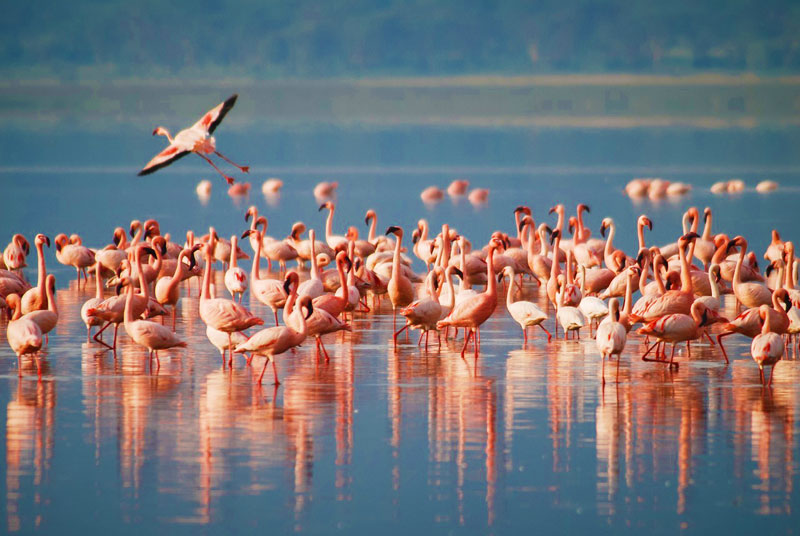
Lake Manyara, nestled at the base of the Great Rift Valley escarpment, hosts thousands of flamingos every year. These birds transform the lake into a surreal pink spectacle, a fascinating sight for onlookers and researchers alike. The sheer number of flamingos is not just visually stunning but also an indication of the lake’s unique ecosystem.
Historically, Lake Manyara has been a sanctuary for these migratory birds, primarily Lesser Flamingos. The lake’s alkaline waters are rich in cyanobacteria, which serve as the primary food source for the flamingos. Notably, this lake plays a critical role in supporting nearly a million flamingos during peak season, showcasing its ecological significance.
Lake Manyara is renowned for its vibrant flamingo population, attracting thousands yearly due to its rich alkaline waters. These birds rely on algae as a primary food source, transforming the lake into a picturesque pink haven. Their presence underscores the ecological significance and biodiversity of the region.
Source: tarangirenationalparks.com
Flamingos Lake Manyara
Lake Manyara in Tanzania is home to one of the most remarkable flamingo populations in the world. Visitors often flock to see thousands of these elegant birds creating a shimmering pink hue over the water. This lake serves as a vital stop for migratory flamingos, attracting them with its abundant food supply. The water contains high levels of algae, providing a rich feeding ground for these birds. In fact, the dense concentration of flamingos is not just a visual treat but also an ecological indicator of the lake’s health.
The serene beauty of Lake Manyara makes it an ideal setting for unique experiences. According to this post, the area offers walking safaris, allowing visitors to enjoy the site up close. Such activities provide an opportunity to appreciate not only the flamingo population but also the diverse wildlife inhabiting the shores. Alongside flamingos, the lake is frequented by hippos, baboons, and various bird species. These experiences enhance the fascination and understanding of the lake’s vibrant ecosystem.
Preserving this breathtaking habitat is crucial for maintaining its natural beauty and biodiversity. Over the years, Lake Manyara has faced challenges from environmental changes and human activities. Conservationists have been working tirelessly to protect the area and reduce the impact of surrounding agriculture. Local initiatives aim to balance ecological needs with tourism, ensuring both the wildlife and local communities benefit. Continued efforts will help maintain Lake Manyara as a sanctuary for flamingos and other species.
For those looking for a more relaxing visit, many accommodations offer panoramic views of the lake. Enjoying a stay at a lodge provides easy access to the park’s peaceful environment. Here is an article offering additional details about such experiences, like the “best view lodge,” which is popular among tourists. By staying nearby, visitors can immerse themselves in the natural wonders of Lake Manyara from sunrise to sunset. This combination of rest and exploration promises to create unforgettable memories.
The Ecological Importance of Lake Manyara
Lake Manyara is more than just a picturesque body of water; it plays a crucial role in the regional ecosystem. It supports a wide array of wildlife, providing a habitat for birds, mammals, and aquatic species. The lake’s alkaline waters are rich in minerals, fostering the growth of algae which serves as food for flamingos and other waterfowl. This beneficial relationship helps maintain Lake Manyara’s biodiversity. Additionally, the surrounding forests and wetlands serve as important areas for animals seeking refuge and breeding grounds.
In addition to its role as a wildlife haven, Lake Manyara contributes significantly to local communities. It provides water for agriculture, supporting farmers who live nearby. The fertile lands around the lake facilitate the growth of crops, contributing to the local economy. Moreover, tourism linked to the lake generates income and employment opportunities. People come from all over to witness the stunning landscapes and thriving wildlife, boosting the area’s economic development.
Efforts to preserve the ecological balance of Lake Manyara are ongoing, incorporating both conservation strategies and community involvement. Programs aim to protect the delicate environment from threats like deforestation and pollution. Local organizations collaborate to promote sustainable practices that benefit both nature and humans. This includes educating the public about the importance of safeguarding natural habitats. By working together, these initiatives strive to support the lake’s vibrant ecosystem.
The lake’s diverse flora and fauna also contribute to scientific understanding and research. Studies conducted in and around Lake Manyara contribute to knowledge about ecological dynamics and environmental changes. The unique mix of species offers insights into adaptation and survival strategies. Researchers and students alike benefit from the wealth of information the area provides. These aspects make Lake Manyara not just an ecological treasure, but also a valuable resource for learning and discovery.
Flamingo Migration Patterns and Seasonal Variations
Flamingos at Lake Manyara are well-known for their fascinating migration patterns. They travel great distances to find suitable conditions for feeding and breeding. During the dry season, water levels drop, altering the habitat significantly. These changes can trigger flamingos to migrate to alternative lakes in East Africa. Their movement is a natural response to the ecological shifts, showcasing the adaptability of these remarkable birds.
Seasonal variations at Lake Manyara greatly influence the behaviors of flamingos. In the wet season, when the lake swells with rainwater, it becomes a thriving hub for feeding. The abundance of algae and small organisms attracts large flocks. This period offers not only food resources but also safe nesting grounds. During these times, flamingos are most visible, turning the area into a bustling pink paradise.
Migration is critical for the survival of flamingos, enabling them to access different resources throughout the year. The distance they travel can vary, sometimes covering hundreds of kilometers. Successful migration ensures they find not just food but also ideal conditions for rearing their young. Safeguarding these migration routes is essential for their continued survival. Conservationists focus on protecting key habitats along these paths.
Tracking these migration patterns aids researchers in understanding flamingo behavior and ecosystem health. Scientists use techniques like banding and satellite tracking to monitor their journeys. Information gathered helps predict future movements and manage conservation efforts effectively. These studies contribute valuable data to broader ecological understanding. The knowledge gained underscores the complex interactions between wildlife and their environments.
Role of Alkaline Water in Flamingo’s Diet
The alkaline water of Lake Manyara is crucial for the diet of flamingos. These birds favor environments where the water is rich in minerals and has a high pH level. Such conditions promote the growth of cyanobacteria and algae, which are primary food sources for flamingos. The presence of these microorganisms in the alkaline water provides the necessary nutrients for flamingos to thrive. This relationship underscores the importance of maintaining the lake’s unique water chemistry.
Flamingos use their specially adapted beaks to filter-feed on the microscopic organisms in the water. They sweep their heads side to side, trapping algae and bacteria in their comb-like structures called lamellae. This efficient feeding method allows them to consume large quantities of food quickly. The high nutrient content in alkaline water supports their energy needs and vibrant plumage. The distinctive pink color of flamingos comes from pigments called carotenoids found in their diet.
Lake Manyara’s alkaline waters create an ideal breeding ground for flamingos. During the breeding season, the abundance of food helps ensure the survival of chicks. Parent flamingos regurgitate partially digested food for their young, providing them with essential nutrients. This diet of cyanobacteria and algae is vital for the rapid growth and development of chicks. Adequate food supply during this period increases the chances of successful breeding.
Changes in water quality can significantly impact the flamingo population. Pollution, climate change, and human activities pose threats to the delicate balance of the lake’s ecosystem. Efforts to monitor and preserve the water quality are essential. Local and international conservation programs aim to protect these crucial habitats. By safeguarding the alkaline environment, we help sustain the flamingo populations that rely on Lake Manyara for nourishment.
The role of alkaline water in the diet of flamingos exemplifies the intricate connections within natural ecosystems. Maintaining the health of Lake Manyara benefits not just flamingos but a diversity of species that depend on the lake. The interdependence between water quality, food availability, and wildlife highlights the need for conservation. Protecting natural habitats ensures that these wondrous birds can continue to grace the skies and waters of Lake Manyara.
Challenges Facing Flamingos at Lake Manyara
Despite their breathtaking presence, flamingos at Lake Manyara encounter several challenges. Pollution is one of the most pressing issues affecting the lake and its inhabitants. Agricultural runoff, containing pesticides and fertilizers, seeps into the water. This contamination can harm the algae and bacteria flamingos feed on. Long-term exposure to polluted water can also threaten their health, leading to decreased flamingo populations.
Climate change is another significant challenge facing flamingos at Lake Manyara. Changes in weather patterns can alter water levels, affecting the availability of food and suitable nesting sites. During extended droughts, the lake can shrink drastically, reducing the habitat for flamingos. Conversely, heavy rains may cause flooding, disrupting breeding grounds and washing away nests. These fluctuations make it harder for flamingos to find stable environments to thrive.
Human activities around Lake Manyara also pose a threat to the flamingo population. Increased tourism can lead to habitat disturbance and pollution if not managed sustainably. Infrastructure development, such as new roads and buildings, can encroach on the natural habitats of flamingos. Uncontrolled fishing and boating activities can also disrupt their feeding and breeding routines. Effective management is essential to balance tourism benefits with conservation needs.
Efforts to address these challenges are underway through various conservation programs. Community education plays a key role in promoting sustainable practices. Initiatives like creating buffer zones between farms and the lake help reduce pollution. There are also projects aimed at conserving water resources to maintain stable lake levels. Collaboration between local communities, governments, and international organizations is crucial for the success of these efforts.
Protecting the flamingos at Lake Manyara requires ongoing commitment and action. Monitoring programs help track the health of the flamingo population and the lake’s ecosystem. Effective conservation strategies can mitigate the impact of human activities and climate change. By addressing these challenges, we can ensure the survival of these graceful birds and the preservation of their habitat. Continued efforts will help safeguard Lake Manyara for future generations.
Conservation Efforts to Protect the Flamingo Population
Conservation efforts at Lake Manyara focus on preserving the habitat and ensuring the long-term survival of the flamingo population. A significant part of these efforts includes monitoring water quality to maintain a healthy ecosystem. Regular testing helps detect pollution levels, allowing for prompt action to protect the lake’s delicate balance. By keeping the water clean, these efforts ensure that flamingos have a safe and nutritious food source. This proactive approach is crucial for sustaining both flamingos and other wildlife dependent on the lake.
Effective conservation also involves habitat restoration projects. These initiatives work to repair degraded areas, making them suitable for wildlife once more. Planting vegetation around the lake helps prevent erosion, stabilize the shoreline, and improve water quality. Such measures create better breeding and feeding grounds for flamingos. Reforesting areas near the lake also provides additional habitats for other species, contributing to the overall biodiversity.
Community engagement is vital for the success of conservation programs. Local communities play an active role in safeguarding Lake Manyara and its inhabitants. Educational campaigns raise awareness about the importance of protecting natural habitats. People are encouraged to adopt sustainable farming practices that minimize pollution. Community-led initiatives, such as clean-up projects and tree planting, foster a sense of responsibility and ownership over local resources.
Collaborative efforts between various stakeholders enhance the effectiveness of conservation strategies. Governments, non-governmental organizations, and research institutions work together on policy development and implementation. These collaborations bring together expertise and resources, amplifying the impact of conservation actions. Joint research projects help identify new challenges and create innovative solutions. By working together, these groups can achieve more significant results in protecting the flamingo population.
Sustainable tourism is another key element in conservation efforts. Proper management ensures that tourism activities do not harm the flamingos or their habitat. Guidelines and regulations help control visitor numbers and activities within the park. Eco-friendly accommodations and tours promote environmental awareness among tourists. Revenue generated from tourism supports conservation projects, creating an economic incentive for preservation.
Long-term conservation plans are essential for addressing future threats and ensuring the ongoing protection of Lake Manyara’s flamingos. These plans include monitoring climate change impacts and developing adaptive strategies. Building resilience within the ecosystem prepares it for potential environmental changes. By planning for the future, conservationists can safeguard this unique habitat for generations to come. Commitment to these efforts is key to the continued survival of the flamingo population at Lake Manyara.
 Source: climbkilimanjaroguide.com
Frequently Asked Questions
Explore the fascinating world of flamingos at Lake Manyara, a key habitat for these elegant birds. Discover answers to common questions about their behavior, habitat, and ecological impact.
1. Why is Lake Manyara a popular habitat for flamingos?
Lake Manyara provides the perfect conditions for flamingos, thanks to its alkaline waters. These waters are rich in microorganisms like algae and plankton, which are the primary food sources for flamingos. The abundance of food here allows large flocks to thrive, especially during the breeding season.
The lake’s sheltered environment also offers protection from predators, making it an ideal breeding ground. During the wet season, rising water levels create safe nesting sites on small islands. These natural features contribute to the high concentration of flamingos at Lake Manyara.
2. What challenges do flamingos face at Lake Manyara?
Flamingos at Lake Manyara face several environmental and human-induced challenges. Climate change can alter water levels, affecting food availability and nesting sites. During droughts, the lake may shrink, leading to reduced habitat for the flamingos.
Human activities like agriculture and tourism introduce pollutants into the lake, threatening the ecosystem. Conserving this habitat requires efforts to balance human use with wildlife needs. Protecting water quality and managing land use are essential strategies for overcoming these challenges.
3. How do flamingos benefit the ecosystem of Lake Manyara?
Flamingos play a vital role in maintaining the ecological balance of Lake Manyara. By feeding on algae and plankton, they help regulate these populations, preventing overgrowth that could harm water quality. This feeding activity supports a healthier ecosystem for all aquatic life.
Moreover, flamingos contribute to nutrient cycling within the lake. Their droppings serve as fertilizer, enriching the water with essential minerals. This boosts plant life, providing a food base for other creatures, enhancing biodiversity and ecosystem health.
4. What conservation efforts are in place to protect flamingos at Lake Manyara?
Various conservation initiatives are underway to safeguard the flamingos of Lake Manyara. These include monitoring water quality to prevent pollution and implementing habitat restoration projects to maintain suitable conditions. Efforts also focus on promoting sustainable tourism to minimize habitat disruption.
Community involvement plays a crucial role, with local education programs raising awareness about the significance of conservation. Collaboration between stakeholders enhances the effectiveness of these strategies, ensuring the sustainable protection of both flamingos and their environment.
5. How can visitors responsibly enjoy the flamingo spectacle at Lake Manyara?
Visitors can enjoy the flamingo spectacle responsibly by adhering to park guidelines and respecting wildlife. This includes keeping a safe distance from the birds to avoid disturbing their natural behavior. Using eco-friendly tour providers can also minimize environmental impact.
Opting for guided tours ensures that tourists receive educational insights while preserving the habitat. Contributing to local conservation efforts or participating in clean-up initiatives enhances experiences and supports ongoing preservation actions for Lake Manyara.
With over a thousand species of birds thriving in its diverse ecosystems, Tanzania is an ornithologist’s paradise. The country’s vast array of wildlife-rich habitats, ranging from the lush wetlands of Selous to the grasslands of the Serengeti, presents unparalleled opportunities for birdwatching. Enthusiasts can witness rare and endemic bird species paint the skies with a medley of colors and calls.
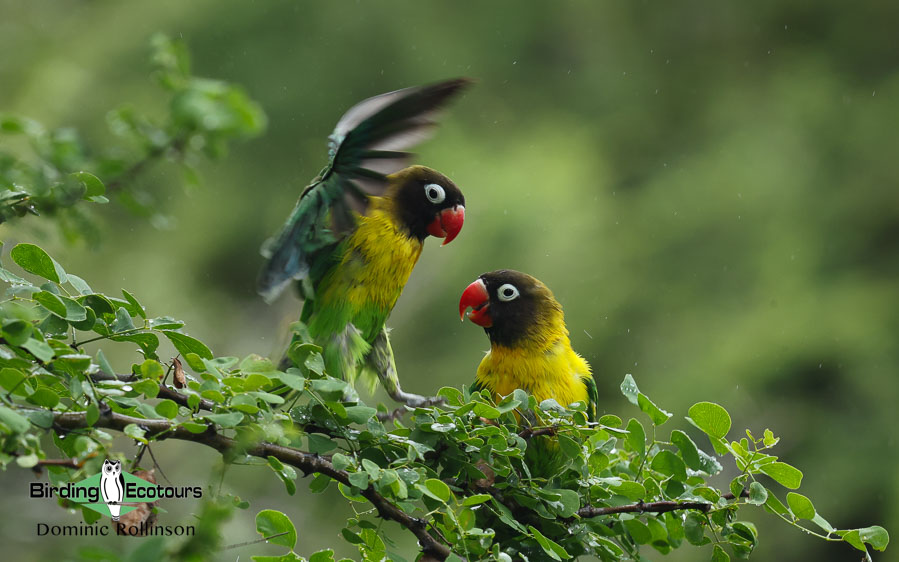
The history of birdwatching in Tanzania is as rich as its landscapes, with ornithologists from around the globe flocking to explore its avian diversity. According to recent statistics, Tanzania hosts approximately a third of the total known bird species in Africa. Whether it’s the elusive Fischer’s Lovebird or the majestic African Fish Eagle, these safaris offer both seasoned and novice birdwatchers an exhilarating experience.
Tanzania’s birdwatching safaris offer a rich variety of over 1,000 bird species, spanning diverse habitats like wetlands, savannas, and forests. These tours not only provide an immersive experience for ornithologists but also support conservation efforts through eco-tourism. This destination is a must-visit for serious bird enthusiasts.
 Source: birdingecotours.com
Tanzania Birdwatching Safari
Tanzania is a leading destination for birdwatchers, offering a stunning array of habitats and species. The country’s diverse ecosystems attract countless bird enthusiasts each year. From the wetlands of Lake Victoria to the forested slopes of Mount Kilimanjaro, Tanzania’s landscapes are home to over a thousand bird species. This makes it a paradise for ornithologists and nature lovers alike. Additionally, guided safaris provide an immersive way to experience this avian wonderland.
One highlight of a Tanzania birdwatching safari is the opportunity to see unique and rare birds. The endemic Grey-breasted Spurfowl and the Fisher’s Lovebird are just a couple of examples. Birdwatchers can also spot migratory species that come from as far as Europe and Asia. This creates an ever-changing, dynamic birdwatching experience throughout the year. According to this post, new safari trends are making these experiences even more thrilling.
Planning your birdwatching safari involves choosing the right time to visit. While Tanzania has something to offer year-round, certain seasons are better for spotting specific species. The wet season from November to May is particularly great for seeing migratory birds. During this time, the landscape is lush and vibrant. Birdwatchers can witness the birds in their natural resting and breeding habitats.
If you are thinking about where to stay, Tanzania offers various accommodations close to prime birdwatching spots. Many luxuriously equipped campsites and lodges are located within or near national parks and reserves. For instance, here is the article about fancy tents in Tanzania that bring you closer to nature. These options allow you to wake up to the sounds of birds singing just outside your tent, offering an unforgettable experience.
What Makes Tanzania an Ideal Birdwatching Destination
Tanzania’s vast landscape is like a canvas painted with diverse habitats that support an incredible variety of birds. This African nation boasts everything from coastal mangroves to savanna grasslands. Such variety makes it a top spot for bird lovers. Birds like the Lilac-breasted Roller and the African Fish Eagle thrive in these diverse settings. Each habitat attracts different species, making birdwatching in Tanzania a unique adventure.
Another reason Tanzania stands out is its protected national parks and reserves. Places like the Serengeti and Ngorongoro Crater offer safe havens for birds. Visitors can explore these areas without disturbing the wildlife. These protected zones maintain the ecological balance needed for birds to flourish. This commitment to conservation enhances the birdwatching experience.
One of the highlights of birdwatching in Tanzania is seeing both rare endemic species and migratory birds. The country’s location on the migratory flyway allows a spectacular variety of birds to be spotted. During certain times of the year, you can see species migrating from as far as Europe. This ongoing avian journey offers an ever-changing experience. Birdwatchers never know what they’ll spot next, keeping every trip exciting.
The hospitality and expertise available also elevate Tanzania’s birdwatching to a higher level. Knowledgeable guides lead tours through the most bird-rich areas. These guides can identify calls and behaviors that might be missed otherwise. Additionally, comfortable lodgings are conveniently located near prime birdwatching spots. This blend of skilled guiding and accommodation ensures a rewarding adventure.
Exploring the Bird Species in Tanzania
Tanzania is home to over 1,000 bird species, offering a delightful range for any bird enthusiast. The country’s diverse environments, from lakes to forests, host incredible birdlife. One unique species to look out for is the Kori Bustard, Africa’s heaviest flying bird. Tanzania also shelters many brightly colored birds like the Beautiful Sunbird. Each region of Tanzania offers sightings of different avian wonders.
In the wetlands, you can spot the striking Pink-backed Pelican gliding gracefully over water. Lake Manyara holds a high density of flamingos that paint the lakes pink. These birds are often seen in large, synchronized flocks. Swamps and marshes harbor countless other water-loving birds. This makes them perfect spots for waterbird photography.
The forests of Tanzania thrive with vibrant songbirds and elusive forest dwellers. Here, the Usambara Eagle-Owl can be spotted perched high in trees. These forests are also home to the enchanting African Emerald Cuckoo. Tanzania’s woodlands are dense and echo with melodious bird calls. This creates a beautiful symphony for animal lovers.
As you explore Tanzania, keep an eye out for the dazzling lilac-breasted rollers. These birds light up the savannas with their brilliant hues. They are often seen performing acrobatic displays during flight. This species alone demonstrates the vivid beauty found in Tanzania. Birdwatchers will enjoy every moment spent in this avian paradise.
Best Time to Visit Tanzania for Birdwatching
The best time to visit Tanzania for birdwatching largely depends on what you want to see. If migratory birds are your focus, the wet season from November to April is ideal. During this period, the landscape becomes lush, attracting a variety of migratory species. Multiple bird species from Europe and Asia stop here to rest and refuel. This makes it a prime time for birdwatching safaris.
The dry season, from June to October, also has its perks for bird enthusiasts. Resident birds are more concentrated around water sources during this time. This offers a different yet equally rewarding viewing experience. Wildlife spotting, including birds, becomes more predictable and easier. Clear skies and dry paths make it a comfortable time for traveling and exploring.
Depending on your specific interests, some months stand out more than others. January and February are fantastic for watching migratory shorebirds. Conversely, December is best for woodland species as they are active and easily visible. The variations in bird activity create unique experiences every month. This ensures that whenever you visit, there’s always something new to discover.
Planning your trip around birdwatching festivals can add an extra dimension to your adventure. Events like the Serengeti Bird Festival in November bring bird lovers together to celebrate avian life. These festivals often include guided tours, bird counts, and photo contests. They provide a great way to meet like-minded enthusiasts. Additionally, local experts often share their knowledge, enriching your overall experience.
The Impact of Birdwatching on Tanzania’s Conservation Efforts
Birdwatching has become a significant force in Tanzania’s conservation efforts. As more tourists flock to see the country’s avian diversity, they also support economic growth. This boost encourages the government and local communities to protect natural habitats. By preserving these areas, both residents and migratory birds benefit. Overall, birdwatching promotes a sustainable approach to wildlife and habitat conservation.
Tourism dollars generated from birdwatchers trickle down to local communities. This money often funds essential services and infrastructure. Many villages near birdwatching hotspots have seen improvements in schools and healthcare. As a result, locals are more inclined to engage in conservation activities. Knowing their well-being is linked to preserving their surroundings motivates them for long-term protection.
Birdwatching also aids in educating both locals and tourists about the importance of biodiversity. Many tours include talks about the various bird species and their roles in the ecosystem. Educated tourists become ambassadors for conservation. They often share their experiences, raising awareness about these issues globally. Understanding the importance of each species helps foster greater respect and care for fragile ecosystems.
Collaborations among organizations play a crucial role in conservation. Partnerships between government agencies, NGOs, and local communities foster unified efforts in bird protection. These collaborations often lead to research programs and sustainable development initiatives. With united efforts, birdwatching transforms from a mere hobby into a powerful conservation tool. The shared goal of preserving Tanzania’s natural beauty drives all involved forward.
Birdwatching festivals also contribute to increasing conservation awareness. These events spotlight the importance of preserving avian habitats. Festivals offer workshops and activities that educate attendees. Visitors leave with a better understanding of how they can aid conservation. By highlighting these challenges, festivals strengthen collective conservation efforts.
Tips for Planning a Successful Birdwatching Safari in Tanzania
Planning a birdwatching safari in Tanzania can be an exciting adventure. Choosing the right season is crucial. The wet season is ideal for spotting migratory birds, while the dry season offers easier travel and clear skies. Make sure to research which species are active during your planned visit. This will help maximize your birdwatching opportunities.
Selecting experienced guides is another key aspect of a successful safari. Knowledgeable guides can identify bird calls and behaviors, enhancing your experience. They know the best spots and times to find rare species. Trusting a local guide can lead to discovering hidden gems. Always read reviews or get recommendations when picking a tour guide.
As for gear, having the right equipment is essential for birdwatching. Bring a good pair of binoculars for clear, close-up views. A field guide will help you identify different species. Comfortable clothing suitable for outdoor activities can make your safari more enjoyable. Don’t forget a camera to capture memorable moments.
Accommodations matter when planning your trip. Choose lodgings close to bird-rich areas like national parks and wetlands. Check if your chosen lodging offers guided birdwatching tours. This can add convenience and enhance your overall experience. Staying near birdwatching hotspots minimizes travel time and increases the chances of sightings.
Lastly, be mindful of local conservation efforts. Respect the wildlife and habitats you visit. Follow guidelines provided by your guides and accommodations. Avoid disturbing the birds, especially during nesting seasons. Contributing to local conservation initiatives can ensure these beautiful environments remain preserved for future generations.
 Source: tanzania-experience.com
Frequently Asked Questions
Birdwatching in Tanzania offers a unique and exciting experience. Here are some common questions and their answers to help you plan your trip better.
1. What are the best regions in Tanzania for birdwatching?
The best regions for birdwatching in Tanzania include Serengeti, Ngorongoro Crater, and Lake Manyara. The Serengeti is famous for its vast savannas and diverse bird species. Ngorongoro Crater, with its unique geological formations, hosts various habitats ideal for different bird species. Lake Manyara is well-known for its large flocks of flamingos and diverse water birds.
Each region offers unique birdwatching opportunities, from savannas to wetlands. Visitors can view a wide variety of birds in each location, making them top choices among ornithologists. These regions are often included in guided tours to maximize birdwatching experiences. Research and choose the areas that best match your interests.
2. Is birdwatching popular among tourists in Tanzania?
Yes, birdwatching is highly popular among tourists visiting Tanzania. The country attracts many birdwatchers each year due to its diverse bird habitats and species. Birdwatching safaris offer tourists a chance to see rare and endemic birds, making it a significant attraction.
Tourists from all over the world visit Tanzania for its unparalleled birdwatching opportunities. The popularity of birdwatching has also boosted local conservation efforts. The increased influx of birdwatchers supports the economy and helps protect natural habitats.
3. What equipment do I need for a birdwatching safari in Tanzania?
For a birdwatching safari in Tanzania, essential equipment includes a good pair of binoculars and a field guide. Binoculars will help you spot distant birds clearly, while a guidebook will aid in identifying various species. Comfortable clothing, a hat for sun protection, and a camera are also recommended.
Having the right gear enhances your birdwatching experience. Don’t forget to pack a notebook to jot down observations. These tools are crucial for making your safari enjoyable and productive. Proper preparation ensures you maximize your birdwatching opportunities in Tanzania.
4. When is the best time of year for birdwatching in Tanzania?
The best time for birdwatching in Tanzania is from November to April, during the wet season. This period is ideal for spotting migratory birds that flock to Tanzania’s lush habitats. However, the dry season from June to October is also excellent for resident bird species. Each season offers unique birdwatching experiences.
Timing your visit correctly ensures you see the most bird species. Wet season landscapes are vibrant and host migratory birds, while the dry season offers easy travel conditions. Make sure to plan according to your interest in either migratory or resident birds. Both seasons provide unforgettable birdwatching opportunities.
5. How do birdwatching safaris in Tanzania support conservation efforts?
Birdwatching safaris in Tanzania support conservation efforts by funding local and national conservation projects. The tourism revenue generated helps protect natural habitats and endangered bird species. Guides and tour operators also educate visitors on the importance of conservation.
Tourists contribute directly to these efforts through park fees and sustainable tourism practices. The increased awareness among visitors helps advocate for bird and habitat protection. These conservation-focused safaris ensure that Tanzania’s rich biodiversity remains intact for future generations.
Home to one of the largest concentrations of black rhinos in East Africa, Tanzania’s Ngorongoro Conservation Area offers a unique glimpse into the life of this critically endangered species. This UNESCO World Heritage site is a biodiversity hotspot that attracts wildlife enthusiasts and experts alike, seeking an authentic and rare wilderness experience. The thrill of spotting a rhino in its natural habitat, set against the backdrop of the majestic Ngorongoro Crater, is simply unparalleled.
Established in 1959, the Ngorongoro Conservation Area balances conservation, tourism, and the needs of local communities. Covering over 8,300 square kilometers, it’s home to more than 25,000 large animals, including approximately 55 black rhinos. A rhino safari here not only supports the preservation of these iconic creatures but also promotes sustainable tourism practices essential for the area’s long-term ecological health.
Tanzania’s Ngorongoro Conservation Area offers a vital habitat for the black rhino, featuring diverse ecosystems and expert-guided safaris. The area’s commitment to conservation and collaboration with local communities ensures a rich biodiversity experience, making it a premier destination for wildlife specialists and dedicated nature enthusiasts seeking to observe rare species in their natural environment.
Source: wildlifekenyasafari.com
Exploring the Ngorongoro Conservation Area
The Ngorongoro Conservation Area in Tanzania is a special place known for its amazing landscapes and diverse wildlife. It’s a favorite spot for adventurers and nature lovers from all over the world. The area covers around 8,300 square kilometers and is home to the famous Ngorongoro Crater. This crater is an extinct volcanic caldera and one of the most breathtaking natural wonders. Here in the crater, you can find an incredible variety of animals, including lions, elephants, and rhinos.
The Ngorongoro area also has a rich history. It was designated a UNESCO World Heritage site in 1979. This shows its importance not only in wildlife conservation but also in cultural heritage. According to here is the article, the Maasai people have lived here for hundreds of years, coexisting with the wildlife. This unique balance of nature and human life makes Ngorongoro a fascinating place to explore.
For those planning a visit, timing is essential. The best time to go on a safari is during the dry season from June to October. The dry season makes it easier to see animals as they gather around water sources. In contrast, the wet season from November to May still offers incredible sights. However, some roads might be more challenging to navigate during the rains.
When exploring, there are opportunities to see iconic species like the critically endangered black rhino. The conservation efforts in the region have played a significant role in their protection. Visitors can go on guided tours to safely explore the landscapes and learn about these majestic creatures. Small-group safaris ensure that the wildlife and their habitats are respected, enhancing the experience for everyone involved, including nature itself.
Overview of the region and its significance for rhino conservation
The Ngorongoro Conservation Area is a remarkable region in Tanzania revered for its vast landscapes and rich biodiversity. This area serves as a crucial sanctuary for the endangered black rhino, a species that has faced numerous threats. Conservation efforts here are pivotal in preserving these magnificent animals. The ecosystem supports a range of other wildlife, making it a living testament to successful conservation. Protecting this region means safeguarding not just the rhinos, but the entire web of life.
Beyond its role in wildlife preservation, the Ngorongoro area is steeped in cultural heritage. It has been inhabited by the Maasai people, who have a deep connection with the land. Their traditional practices have taken conservation into consideration long before global efforts commenced. These practices allow for a harmonious balance between humans and wildlife. According to this post, welcoming practices amplify the region’s conservation efforts.
A broad laundry list of factors makes this region significant. It encompasses a huge volcanic crater, grasslands, and woodlands. These diverse environments provide ample resources and habitats for the animals. Meanwhile, the wetlands and forests act as a natural refuge during harsh seasons. Such geographic diversity enhances the area’s appeal to both tourists and researchers alike.
Successful rhino conservation relies heavily on legal protection and controlled tourism. Controlled tourism helps educate visitors about these critical efforts without disturbing the animals. Local and international collaboration remains essential to keep these projects running smoothly. By supporting these initiatives, visitors contribute to the ongoing conservation mission. Everyone has a role in ensuring these animals have a future.
Key species in Ngorongoro: The Black Rhino
The black rhino is one of the most iconic animals inhabiting the Ngorongoro Conservation Area. These majestic creatures are known for their thick skin and distinct horns. Sadly, they’ve faced serious threats from poaching over the years. Despite this, the rhino population in Ngorongoro remains significant due to dedicated conservation efforts. These efforts have led to a safer environment for the rhinos to thrive.
Black rhinos are critically endangered, making their presence here particularly special. Rhinos have unique browsing diets, mainly feeding on bushes and trees. This helps shape the ecosystem, influencing plant life and other animal populations. Their conservation is not just about saving one species but maintaining ecological balance. Every visitor to Ngorongoro plays a role in supporting this mission.
Here are some interesting facts about black rhinos:
- They can weigh between 1,800 and 3,100 pounds.
- Rhinos can live up to 50 years in the wild.
- Despite their size, they can run at speeds of up to 34 miles per hour.
The battle against poaching is ongoing, yet strides have been made in increasing awareness and security. Patrols and monitoring have become crucial components in protecting these animals. Various organizations partner with local communities to enhance anti-poaching measures. By visiting Ngorongoro, travelers help fund these essential projects, directly impacting the survival of black rhinos. Involving everyone in their protection ensures a brighter future for these magnificent creatures.
Best times to visit for a Rhino Safari
Planning a rhino safari in the Ngorongoro Conservation Area requires choosing the right time to visit. The dry season from June to October is ideal for wildlife viewing, as animals gather around waterholes. This season offers sparse foliage, making it easier to spot rhinos. Cooler temperatures also make safaris more comfortable. Experienced guides lead the way, enhancing the overall experience for visitors.
During the dry season, tourists have higher chances of catching rhinos in action. Fewer rains mean better road conditions within the conservation area. Many travelers prefer this time because the lack of rainfall reveals more of the landscape’s natural beauty. Photographers love the clear skies and stunning sunsets. These conditions are perfect for capturing captivating moments.
The wet season occurs from November to May, bringing life to the landscape. While rains can make certain areas harder to navigate, rhinos remain active. Lush terrain and blooming flora offer a different kind of beauty. Visitors willing to brave this weather are rewarded with fewer crowds. Birdwatchers, in particular, take advantage of this season as migratory species flock to the area.
A clear comparison shows advantages and challenges throughout the year:
| Season | Advantages | Challenges |
|---|
| Dry (June-Oct) | Better visibility, less foliage | Higher tourist concentration |
| Wet (Nov-May) | Fewer tourists, vibrant scenery | Possible travel disruptions |
Regardless of when you visit, each season offers unique aspects. With proper planning, travelers can enjoy memorable experiences in Ngorongoro at any time of the year. Consulting local experts can further enhance plans. Keeping flexibility in mind ensures you’re prepared for unexpected changes in weather or conditions. Such thoughtful planning makes your safari both enjoyable and impactful.
Conservation efforts and their impact on wildlife
Conservation efforts in the Ngorongoro Conservation Area have played a critical role in protecting wildlife. One of the primary focuses has been the protection of the endangered black rhino. Over the years, various organizations have collaborated to improve security and monitoring. Anti-poaching measures include regular patrols and surveillance using modern technology. These actions have significantly reduced poaching incidents in the region.
Community involvement is also a key component of conservation success. The Maasai people, who inhabit the area, are essential partners in these efforts. They participate in conservation programs and educate others about the importance of preserving wildlife. Sustainable tourism practices ensure that the conservation area remains protected. This approach helps maintain a balanced ecosystem where humans and animals can coexist harmoniously.
Funding and international support are vital for ongoing conservation projects. Travel fees and donations contribute to resources for conservation activities. Many tourists are keen to support these efforts, knowing their visits aid in protecting endangered species. Additionally, several global organizations offer grants to support local conservation initiatives. This financial backing ensures the continuation and expansion of necessary projects.
Table showcasing some of the major conservation organizations involved:
| Organization | Contribution |
|---|
| WWF (World Wildlife Fund) | Funding and technical support |
| AWF (African Wildlife Foundation) | Anti-poaching efforts and community engagement |
| Frankfurt Zoological Society | Research and habitat restoration |
The positive impact of these conservation efforts extends beyond just the rhinos. Other species such as elephants, lions, and various bird species also benefit. The increased security and improved habitats have bolstered overall biodiversity. Visitors to Ngorongoro can witness the thriving wildlife and understand the importance of continued conservation. It’s a collective effort that showcases the power of collaboration in safeguarding the natural world.
What to expect on a Tanzania Rhino Safari in Ngorongoro
A Tanzania rhino safari in the Ngorongoro Conservation Area promises an exhilarating experience. Visitors can expect to see the magnificent black rhino in its natural habitat. The open grasslands and dense bushes create prime viewing spots. Safari vehicles are specially equipped to get close to wildlife while ensuring visitor safety. Expert guides provide insights and ensure an educational journey.
The safaris tend to start early in the morning when animals are most active. Visitors will also find that the cooler morning temperature is more comfortable. A typical safari lasts several hours, giving plenty of time to observe the wildlife. Clients are advised to bring cameras for capturing breathtaking moments. Morning safaris offer the best light for photography.
Apart from rhinos, tourists can see a variety of other wildlife. Expect to encounter elephants, zebras, and even lions. The area’s rich biodiversity means that every trip offers something unique. Birdwatchers will enjoy spotting different species of birds. Ngorongoro is truly a wildlife enthusiast’s paradise.
Many safaris offer different packages to fit various budgets and preferences. These can include luxury trips with all amenities or simpler, more affordable options. Visitors are advised to book in advance, especially during peak seasons. Look for packages that include both guided tours and accommodations. This ensures a comprehensive and hassle-free experience.
For practical tips, consider the list:
- Wear layered clothing for varying temperatures.
- Don’t forget sunscreen and hats.
- Bring binoculars for distant sightings.
- Always follow the guide’s instructions.
Ultimately, a rhino safari in Ngorongoro offers an unforgettable adventure. The combination of stunning landscapes and diverse wildlife makes it a top safari destination. Whether you’re a seasoned traveler or a first-time visitor, the experience will be memorable. Come prepared, stay respectful of the environment, and enjoy the wonders that await. This adventure is both thrilling and educational, a perfect blend for any wildlife lover.
Source: nitrocdn.com
Frequently Asked Questions
Explore key insights and intriguing details about the Ngorongoro Conservation Area. Our curated FAQs dive deep into the essentials of a rhino safari experience.
1. What makes the Ngorongoro Conservation Area unique for wildlife enthusiasts?
The Ngorongoro Conservation Area is renowned for its rich biodiversity and captivating landscapes. It hosts a unique range of wildlife, including the critically endangered black rhino, providing an unmatched safari experience. Encompassing the well-preserved Ngorongoro Crater, it creates natural boundaries that serve to concentrate wildlife, making animal sightings both frequent and thrilling.
Visitors can enjoy an ecosystem that is a blend of open savannas, dense forests, and freshwater lakes. This environment creates ideal conditions for a wide array of species, from large mammals to diverse birdlife. Engaging with knowledgeable guides ensures an informative and unforgettable visit, enhancing understanding and appreciation of this conservation triumph.
2. How has conservation impacted the black rhino population in Ngorongoro?
Conservation efforts have significantly boosted the black rhino population in Ngorongoro. The implementation of stringent anti-poaching laws and constant monitoring has provided a safer environment for these amazing creatures. Collaboration between local authorities and international conservation groups has reinforced protective measures, creating a model for other regions.
This concentrated effort has also fostered positive community engagement, with locals becoming active participants in conservation activities. Community education initiatives emphasize the importance of wildlife protection, establishing a collective responsibility for the survival of the black rhinos. Such combined efforts lead to a promising future for these iconic animals.
3. When is the ideal time of year to visit Ngorongoro for a safari?
The best time to visit Ngorongoro for a safari is during the dry season, from June to October. This period offers clear conditions for wildlife viewing as animals gather around scarce water sources. The cooler weather enhances comfort during safari excursions, providing more enjoyable outdoor experiences.
Photographers benefit from the vibrant scenery and excellent light quality during this time. The dry season also minimizes foliage, improving visibility for observing diverse wildlife in their natural habitats. While the wet season holds its unique charm, the dry months are highly recommended for optimal wildlife encounters.
4. What are some essential tips for a successful rhino safari in Ngorongoro?
To ensure a successful rhino safari, consider planning ahead and booking tours with experienced guides. Bringing the right gear, such as layered clothing, sunscreen, and binoculars, enhances your experience. Staying informed about weather conditions and taking expert advice helps visitors make the most of their trip.
It’s also essential to respect the natural environment and adhere to the guidelines of the conservation area. This ensures both personal safety and the protection of wildlife. Engaging with local communities and supporting conservation projects further contributes to the overall impact of your visit.
5. How do local communities participate in conservation efforts?
Local communities in Ngorongoro play a pivotal role in ongoing conservation efforts. They are actively involved in monitoring wildlife and implementing eco-friendly practices, benefiting both the environment and local livelihoods simultaneously. Educational programs focused on sustainable living encourage positive coexistence between people and wildlife.
Community-driven projects often emphasize alternative income sources such as eco-tourism and crafts. These initiatives reduce reliance on natural resources while promoting cultural heritage. Engaging communities fosters a shared commitment to protecting the area’s unique ecosystems for future generations.
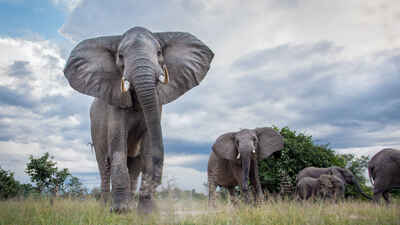
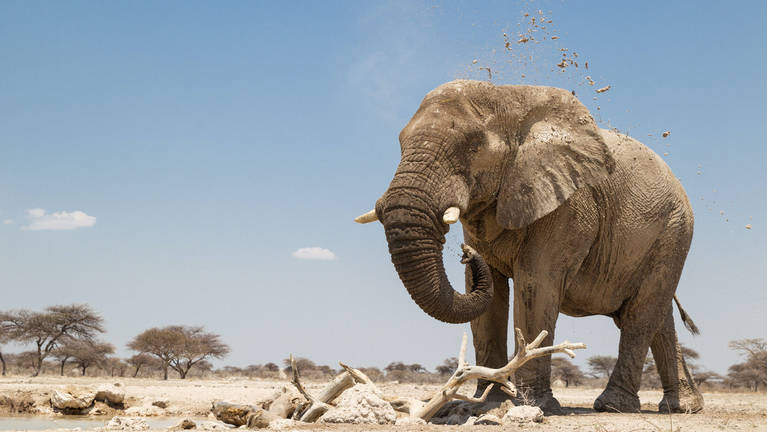
On a Tanzania elephant safari, one might encounter the marvel of witnessing herds of gentle giants traversing the iconic savannahs of Serengeti. Among these majestic creatures, it’s fascinating to note that the African elephant, the largest land animal on Earth, can consume up to 300 pounds of food per day. This impressive foraging occasion is truly a spectacle of nature’s abundance.
Tanzania has a rich heritage as a biodiversity hotspot, housing nearly 20% of Africa’s large mammal population within its borders. Historically, the country has been a stronghold for elephant conservation, a noble endeavor as they are a crucial part of the ecosystem. Notably, efforts have reduced poaching incidents significantly by over 50% in recent years, ensuring these magnificent beasts roam freely in their natural habitat once more.
A Tanzania elephant safari offers experts an immersive experience amid diverse ecosystems such as Serengeti and Tarangire parks. Witnessing the elephants’ behaviors in their natural habitat reveals insights into their social structures and environmental impact, making it a vital journey for both scientific study and conservation advocacy efforts.
 Source: expertafrica.com
Tanzania Elephant Safari: An Unforgettable Experience
Embarking on a Tanzania elephant safari is like stepping into a world where nature’s grandeur unfolds at every turn. The excitement amplifies when spotting a majestic herd of elephants slowly making their way across the vast savannah. These gentle giants, known for their intelligence and strength, are central to the safari experience. With their impressive tusks and large ears, each elephant tells a story of survival and harmony with the environment. Their presence in the wild not only captivates travelers but also highlights the importance of conservation in this beautiful region.
One of the best places to witness these magnificent creatures is the renowned Tarangire National Park. According to the article, the park offers unique walking safaris, providing visitors with an intimate encounter with the elephants. Imagine the thrill of walking alongside these magnificent beings, observing their behavior up close. Such experiences create lasting memories, enriching one’s appreciation for wildlife. Each safari in Tarangire teaches something new about these incredible animals and their habitats.
Traveling on a Tanzania elephant safari provides more than just wildlife sightings; it immerses visitors in the vibrant culture and history of the region. Local guides share fascinating tales of traditional customs and folklore, connecting tourists to the land in meaningful ways. The safaris also offer a chance to stay in eco-friendly lodges, supporting sustainability efforts. These accommodations prioritize comfort while ensuring minimal impact on the natural surroundings. Experiencing local culture alongside wildlife makes each safari adventure truly unique.
Planning an elephant safari requires some preparation, but the rewards are plenty. Here is the post that details the latest safari trends, helping travelers choose the best timing and routes for their journey. Remember to pack light clothing, sturdy walking shoes, and binoculars to enhance the adventure. Being prepared ensures a smoother experience, allowing more time to marvel at the wildlife. Ultimately, a Tanzania elephant safari promises memorable moments and awe-inspiring landscapes.
The Grandeur of Tanzanian Elephants
The grandeur of Tanzanian elephants truly stands out in the animal kingdom. Known for their impressive size and majestic presence, these elephants can weigh up to 14,000 pounds. Their distinctive large ears help them regulate body temperature, making them uniquely adapted to the African climate. Witnessing their sheer power as they roam the savannah is a remarkable experience. Their social structure and intelligence also add to their allure.
Elephants play a crucial role in maintaining the ecosystem. They help shape the landscape by knocking down trees, which encourages the growth of grasslands. This, in turn, supports a range of other wildlife species. Their dung is also a key fertilizer, enriching the soil with essential nutrients. Observing these behaviors reveals how interconnected life is in the wild.
Their communication skills further highlight their complexity. Elephants use a variety of sounds, from trumpeting to low-frequency rumbles, to communicate over vast distances. They also rely on body language and touch to convey emotions and intentions within their groups. This sophisticated communication plays a vital role in their survival, helping them coordinate movements and maintain strong familial bonds. Understanding these dynamics enhances appreciation for these gentle giants.
Visitors on a Tanzania elephant safari often marvel at the intelligence and emotion displayed by these animals. Watching a herd protect their young or mourn the loss of a member offers a deep sense of connection to them. Such sightings inspire awe and foster respect for wildlife conservation. Witnessing these moments underscores the importance of preserving their habitats for future generations. Experiencing the grandeur of Tanzanian elephants is truly unforgettable.
Spotting Elephants: Best Locations within Tanzania
Tanzania offers several stunning locations to spot elephants in their natural habitat. Tarangire National Park is a prime destination, renowned for its large elephant population and seasonal swamps. During the dry season, the elephants gather around the Tarangire River, creating a spectacular view for visitors. Additionally, the park’s unique baobab trees provide a picturesque backdrop, enhancing the overall experience. The diverse wildlife and varied landscapes make it a must-visit spot.
Another exceptional location is the Serengeti National Park, famous for its incredible wildlife and vast plains. Here, visitors can witness elephants migrating alongside zebras and wildebeest during the Great Migration. This area offers endless opportunities for breathtaking photographs. With skilled guides, tourists can understand the complex ecosystems that elephants inhabit. It’s a place where nature’s wonder unfolds in all its glory.
Ruaha National Park, though less known, offers a more intimate setting for elephant sightings. Its remote location ensures that visitors experience the thrill of wilderness without the crowds. The park is home to more than 10,000 elephants, making encounters with these majestic creatures almost guaranteed. Visitors also enjoy the wide open spaces and dramatic landscapes. This park offers a genuine safari adventure for those seeking tranquility and connection with nature.
Ngorongoro Crater is another remarkable place to see elephants in Tanzania. Known for its breathtaking views, the crater provides a unique setting for wildlife observation. Elephants roam the lush crater floor, surrounded by an array of other animals and vibrant vegetation. The setting feels like a lost paradise, where animals thrive in harmony. Each visit reveals the rich diversity that Tanzania has to offer.
Navigating the Tanzania Safari: Essentials to Know
Embarking on a Tanzania safari is an exciting adventure filled with breathtaking landscapes and incredible wildlife encounters. Before heading out, there are essential preparations to make for a smoother journey. Packing light is crucial, as limited luggage space is available on safari vehicles. Focus on breathable fabrics, comfortable shoes, and a good hat to protect against the sun. Don’t forget binoculars for spotting animals!
Understanding the safari seasons in Tanzania is vital for planning. The dry season, from June to October, offers excellent wildlife viewing as animals gather around limited water sources. Conversely, the wet season, from November to May, brings lush landscapes and fewer crowds. Each season has its unique charm, and the choice depends on personal preferences. Knowing the timings can enhance the overall experience.
Choosing the right safari tour operator is key to a successful trip. Look for operators with knowledgeable guides who can provide insights into the region’s ecosystems and wildlife behavior. Reading reviews and comparing packages helps find the best fit for individual needs. Operators might offer tailored safaris, such as photography or walking-based tours. A well-chosen operator can make the adventure both educational and thrilling.
Health and safety should never be overlooked while on safari. Vaccinations and malaria prophylaxis are recommended before arrival; consult a healthcare professional for advice. It’s important to stay hydrated and use insect repellent to avoid bites. Most importantly, follow the guide’s instructions at all times to ensure a safe experience. Respect for wildlife and their habitats is paramount.
The local culture adds vibrancy and depth to the safari experience. Engaging with community projects or visiting local villages enriches the journey, offering insights into Tanzanian customs and traditions. Learning a few Swahili phrases can help connect with local people, adding a charming aspect to the trip. Every interaction provides a new dimension to the safari experience. Understanding local culture makes the journey memorable.
Conservation Efforts: Protecting the Majestic Elephants of Tanzania
Conservation efforts in Tanzania are crucial for safeguarding the majestic elephants that roam its landscapes. Numerous organizations and government agencies work tirelessly to reduce poaching and preserve natural habitats. The use of anti-poaching patrols and surveillance technology has been instrumental in these efforts. By involving local communities in conservation activities, these programs foster a sense of ownership and responsibility. This multi-faceted approach is helping to secure the future of these incredible animals.
One effective strategy has been the establishment of protected areas and wildlife corridors. These spaces provide safe havens for elephants, allowing them to move freely and access essential resources. Wildlife corridors connect fragmented habitats, ensuring genetic diversity and healthy populations. Such measures also reduce human-elephant conflicts, promoting peaceful coexistence. These initiatives are vital for the long-term survival of Tanzania’s elephant population.
Education and awareness campaigns play a significant role in elephant conservation. Informing the public about the importance of elephants in the ecosystem helps garner support for preservation efforts. Schools, communities, and tourists are targeted for educational programs, highlighting the benefits of conservation. By understanding the critical role elephants play, people are more likely to engage in and support these initiatives. Awareness activities have proven to be a powerful tool in changing attitudes and behaviors.
Collaboration between international organizations and local authorities has amplified conservation efforts. Various partnerships provide funding, expertise, and resources necessary to implement effective strategies. These collaborations have led to successful translocation projects, where elephants are moved to safer areas. Sharing knowledge and best practices ensures that conservation techniques remain innovative and effective. Working together, these alliances create a stronger network for protecting elephants.
Research and monitoring are fundamental aspects of conservation. Scientists and researchers conduct extensive studies to understand elephant behaviors, migration patterns, and population dynamics. This data helps inform management and conservation decisions, tailoring strategies to specific needs. Advanced technologies like GPS tracking and aerial surveys provide invaluable insights. Continuous research allows for adaptive management, ensuring that conservation efforts remain relevant and impactful.
 Source: expertafrica.com
Frequently Asked Questions
Exploring a Tanzania elephant safari raises numerous intriguing questions. Here, we address some common inquiries to enhance your safari knowledge.
1. What is the best time to visit Tanzania for an elephant safari?
The best time to visit Tanzania for an elephant safari generally falls between June and October. This is the dry season when wildlife becomes more visible due to scarce water sources. During this time, elephants and other animals often congregate around rivers and watering holes. This offers tourists excellent wildlife-viewing opportunities.
Additionally, the weather is pleasant, making travel more comfortable. The risk of malaria is lower at this time too. Many safari-goers prefer this period because it coincides with the Great Migration in Serengeti. This natural phenomenon presents a unique opportunity to see diverse wildlife along with elephants, enhancing the safari experience.
2. How does poaching affect elephant populations in Tanzania?
Poaching poses a significant threat to elephant populations across Tanzania. Illegal hunting primarily targets elephants for ivory, leading to a decrease in numbers. Despite conservation efforts, elephants remain vulnerable, affecting their social structures and survival rates. Reduced populations can lead to negative impacts on ecology and tourism.
Efforts are ongoing to combat this issue via stricter laws and better enforcement. Community awareness programs educate locals on the importance of conservation. Many initiatives aim to provide alternative livelihoods for those involved in poaching. These efforts are crucial to secure a future for elephants in Tanzania’s wild landscapes.
3. What role do elephants play in the Tanzanian ecosystem?
In Tanzania, elephants are considered keystone species due to their substantial impact on the ecosystem. They are known to aid in maintaining the savannahs and woodlands. By knocking down trees during feeding, they open up landscapes, allowing other plant species to thrive. This promotes biodiversity and nurtures balanced ecosystems.
Furthermore, elephants contribute to seed dispersal, facilitating plant growth. Their dung acts as a rich fertilizer, enriching the soil. This supports various species, including insects and decomposers, creating complex food webs. Maintaining healthy elephant populations is crucial for preserving Tanzania’s ecological integrity.
4. Are there specific tours focused on elephant conservation?
Indeed, several safari tours in Tanzania focus specifically on elephant conservation. These tours not only provide memorable wildlife experiences but also educate participants on conservation strategies. Visitors engage in activities that promote elephant welfare and learn about ongoing protection efforts. These tours often partner with conservation organizations.
Tour guides cover topics such as habitat restoration and anti-poaching measures. Participants may also visit local communities that play a role in conservation. These experiences aim to inspire a deeper commitment to wildlife protection. Choosing such tours can make a meaningful impact on elephant conservation initiatives.
5. How are local communities involved in elephant conservation?
Local communities play a pivotal role in elephant conservation efforts across Tanzania. Engaging communities in conservation provides them with incentives to protect wildlife. Many initiatives focus on education, highlighting the benefits of maintaining healthy elephant populations. Communities are encouraged to partake in tourism-related opportunities that offer alternative livelihoods.
Collaborative efforts often involve wildlife monitoring and participating in conservation projects. This ensures that community members understand the importance of elephants in their ecosystem. By directly involving them, conservation strategies become more effective and long-lasting. This symbiotic relationship benefits both people and the environment, ensuring sustained elephant protection.
Every year, nearly two million wildebeest, zebra, and antelope traverse the perilous landscapes of East Africa – a staggering journey known as the Great Migration. This phenomenon has captured the fascination of biologists and conservationists around the globe, illustrating the sheer scale of nature’s ancient rhythms. As herds form long, sinuous lines, they face numerous threats from predators lurking in the shadows, making it a breathtaking and treacherous expedition.
The Great Migration is often referred to as one of the Seven Natural Wonders of Africa, drawing a historical lineage that spans millions of years. Stretching across Tanzania’s Serengeti and Kenya’s Maasai Mara, this migration highlights the intricate dance between predator and prey, as well as the critical role of such movements in maintaining ecosystem balance. Interestingly, an estimated 250,000 wildebeest die during each migration, underscoring the intensity of this natural cycle.
The Great Migration in Tanzania showcases over a million wildebeest, zebras, and gazelles traversing the Serengeti ecosystem annually. This natural wonder highlights ecological interconnectedness, balancing predator-prey dynamics. It enriches biodiversity and sustains local communities through eco-tourism, proving vital for conservation and regional economic stability.
Source: serengeti.com
The Spectacle of Great Migration Tanzania
The Great Migration in Tanzania is one of nature’s most astounding sights. Imagine vast herds of wildebeest, zebras, and gazelles moving across the Serengeti. They travel in search of fresh grazing grounds, covering a distance that seems endless. Along the way, these animals face challenges like predators and rivers. Each year, they journey in a circular pattern, driven by instinct and survival.
Wildlife enthusiasts and tourists from all over the world visit Tanzania to witness this phenomenon. Viewing points in places like the Serengeti and Maasai Mara offer breathtaking vistas. The dry season, usually from June to October, is one of the best times to observe the migration. According to this post, new safari adventures are trending to help people experience this incredible event. The scenery constantly shifts, providing ever-fascinating photo opportunities.
What’s truly incredible about the migration is its impact on the surrounding environment. The movement of millions of animals helps maintain the ecological balance. They contribute to the recycling of nutrients in the soil, which aids plant growth. Each species plays a unique role in this symbiotic dance. Seeing it happen is a lesson in life, nature, and the power of natural cycles.
This worldwide attraction not only highlights biodiversity but also impacts local communities. Tourism related to the migration supports the economy and conservation efforts. Here is the article that explores how neighboring regions benefit from such natural wonders. The Great Migration stands as a testament to the harmony between wildlife and the communities that coexist with it. Engaging with this marvel leaves a lasting impression on all who witness it.
Unveiling the Scale and Phenomena of Africa’s Great Migration
Every year, the African savannah becomes a stage for one of nature’s largest animal movements. The Great Migration involves over 1.5 million wildebeest, alongside thousands of zebras and gazelles. Together, they make a journey that spans about 1,200 miles. This epic trek is driven by the search for fresh pasture and water. It’s a spectacle that captivates the hearts of those who witness it.
The timing of the migration is influenced by the rainfall patterns on the savannah. These animals follow the rains, as fresh grass grows quickly once the first raindrops fall. This period typically begins around January and continues until around March. This causes the herds to travel in a constant loop, moving from the south of the Serengeti to the Maasai Mara and back. The entire trek takes nearly nine months.
The challenges faced during the migration are immense. Crocodile-infested rivers pose dangerous crossings. Yet, the movement of such large herds is also a boon for predators. Lions, hyenas, and crocodiles lie in wait, ready to pounce on the tired or weak. This creates a spectacular and harsh balance of life and death.
Local communities often come together to celebrate and protect this natural wonder. Tourism linked to the Great Migration provides jobs and supports conservation efforts. People visiting the region are not just spectators but active participants in preserving wildlife. This results in a shared responsibility among locals and visitors alike. The migration’s grandeur indeed serves as a reminder of nature’s magnificence.
The Timeline and Route of Great Migration Tanzania
The Great Migration follows a cycle that repeats every year. It starts in the Serengeti plains of Tanzania, with the calving season in January and February. During this time, tens of thousands of wildebeest calves are born. The herds then travel to the western Serengeti by April and May. Here, they face the first major challenge: crossing the Grumeti River.
As the dry season sets in around June, the massive herds move northward. This journey leads them to the Mara River, a crucial and dangerous part of their route. Crossing the Mara means facing strong currents and waiting predators. Although many survive, some fall prey to the lurking crocodiles. It remains one of the most breathtaking scenes in the migration.
By September, most herds have reached Kenya’s Maasai Mara. They graze on the lush grasses before turning back toward Tanzania. The rains start in November, signaling a return to the Serengeti. This movement highlights their incredibly tuned instincts. Following the rain ensures their survival and supports the delicate balance of the ecosystem.
The entire migration covers about 500 kilometers in a clockwise loop. Observers can choose from numerous vantage points to see the action unfold. The movement patterns may vary slightly, depending on specific environmental conditions each year. Yet, the cycle remains mostly predictable and mesmerizing in its consistency. This perpetual journey pays homage to nature’s incredible rhythms.
The Diverse Species Involved in the Great Migration Tanzania
The Great Migration isn’t just about wildebeest; it involves a variety of species. Zebras play a critical role, often leading the wildebeest herds. Their sharp vision and keen senses help detect predators. Gazelles also participate, although they move in smaller groups. These three herbivores form the core of the migration.
Besides herbivores, various predators follow the migration. Lions, cheetahs, and hyenas track these herds, hunting for the weak and young. These predators play a crucial role in controlling the population. Their presence ensures that only the fittest animals survive. This dynamic interaction highlights the complex food web.
Birds of prey like vultures are also a common sight during the migration. They fly overhead, waiting for the predators to leave their kills. Scavengers ensure that no part of a carcass goes to waste. This behavior helps to clean the environment. It’s a striking example of how different species work together.
Smaller creatures like insects and amphibians benefit from the migration too. They thrive on the nutrients left in the soil by grazing animals. This helps plants grow better, creating a healthier ecosystem. The migration thus supports life at multiple levels. It’s amazing how interconnected these species are.
Finally, the migration also affects the lives of the Maasai people. Though not wildlife, they adapt their lifestyle around this natural event. The Maasai utilize the seasonal movements of the herds. Their traditional knowledge enriches our understanding of the migration. The event connects the wildlife and human communities.
This diverse involvement makes the Great Migration a cornerstone of biodiversity. The migratory species and their predators form a balanced ecosystem. It showcases nature’s intricate design. Every participant has a role that keeps the cycle intact. Observing this offers insights into the delicate balance of life.
Why Great Migration Tanzania is a Natural Wonder
One of the primary reasons the Great Migration is considered a natural wonder is its sheer scale. Millions of animals move in unison across vast landscapes, creating a rhythm of life that captivates the imagination. The sight of endless wildebeest, zebras, and gazelles traversing the Serengeti is stunning. These migrations link various ecosystems. This continuous cycle maintains the natural balance and enriches biodiversity.
The migration also showcases the intricate relationships within the animal kingdom. Predators, such as lions and crocodiles, play a vital role in this natural event. These hunters keep prey populations in check, ensuring that only the strongest survive. This interaction creates an exciting display of survival and endurance. It highlights nature’s beauty and complexity.
Beyond the spectacle, the migration demonstrates the adaptability of species to changing environments. Driven by instinct, these animals travel seeking food and water, essential for their survival. They must navigate dangerous river crossings and avoid predator attacks. This challenging journey serves as a testament to their resilience. The migration becomes a celebration of life’s tenacity.
Local cultures and traditions are closely tied to the land and its wildlife. The Maasai people, for example, have deep-rooted connections with the migration. Their ways of life are shaped by the rhythms of nature, offering a unique window into ancient wisdom. This relationship emphasizes the harmony between humans and wildlife. It enriches the experience of witnessing this natural wonder.
Tourism generated by the migration also supports conservation efforts. The revenue helps protect these lands and species for future generations. Travelers from around the globe come to witness this incredible event, contributing to local economies. This creates a cycle of care and preservation. The migration is truly a global concern as well as a natural wonder.
The Impact of Great Migration Tanzania on Ecosystems and Biodiversity
The Great Migration plays a critical role in maintaining the health of various ecosystems. As millions of animals move across the savannah, they help fertilize the soil with their droppings. This nutrient boost supports the growth of grasses and other plants, which in turn sustains countless herbivores. The trampling of hooves also helps aerate the soil. These actions keep the landscape productive and vibrant.
The constant movement of large herds ensures that no single area is overgrazed. This balanced grazing pattern allows habitats to recover and flourish. Predators following the herds also disperse across a wider range. This reduces the pressure on any single population of prey animals. Overall, the migration promotes a dynamic equilibrium.
The migration creates a ripple effect on biodiversity. Many species depend directly or indirectly on this annual journey for their survival. For instance, birds of prey, scavengers, and small mammals benefit from the ecological changes provoked by the movement of large herds. These interactions create a rich tapestry of life. Ensuring the survival of one species often supports many others.
Water bodies along the migration route experience seasonal changes. Rivers like the Mara and Grumeti play crucial roles, providing hydration points for the herds. The nutrients from animal waste enrich these water bodies, promoting aquatic life. These water sources support diverse ecosystems. Both terrestrial and aquatic habitats benefit.
The migration influences not only the wildlife, but also the human communities living near these areas. Local economies often thrive on tourism linked to the Great Migration. Conservation efforts funded by tourism help preserve these natural habitats. This fosters a sustainable relationship between humans and the environment. It illustrates how closely human well-being is tied to the health of ecosystems.
Source: serengeti.com
Frequently Asked Questions
The Great Migration in Tanzania raises many interesting questions. Here, we address some of the most commonly asked ones to help you understand this amazing natural phenomenon better.
1 What is the best time to witness the Great Migration?
The best time to witness the Great Migration depends on what specifically you want to see. For instance, from January to March, the southern Serengeti is abuzz with the birth of thousands of wildebeest calves. This period offers a unique chance to see newborns taking their first steps.
If you’re interested in dramatic river crossings, July to September is ideal. During these months, herds bravely cross the Mara River, facing crocodiles and strong currents. The event is both thrilling and dangerous, a highlight for many visitors. Different times of the year offer varied experiences, each equally captivating.
2 How does the Great Migration influence local communities?
The Great Migration plays a significant role in the economy of local communities. Many people depend on tourism for their livelihood. Safari guides, lodge staff, and various service providers rely on the influx of tourists who come to witness this event. Their lives are closely linked to the migration.
Additionally, local communities engage in conservation efforts to protect the wildlife and their habitats. These initiatives ensure the sustainability of both the migration and the communities. The cyclical nature of the migration and its impact create a profound connection between humans and nature, benefiting both.
3 What are the main predators that follow the Great Migration?
Several predators follow the Great Migration, with lions, hyenas, and crocodiles being the most prominent. These predators take advantage of the abundance of prey, making them a critical part of this natural spectacle. The migration provides them with ample hunting opportunities.
Lions often hunt in coordinated groups, targeting vulnerable members of the herds. Hyenas, known for their endurance, follow the migration over long distances. Crocodiles lie in wait at river crossings, ready to catch unsuspecting prey. These predatory behaviors contribute to the ecological balance of the region.
4 How do animals navigate during the migration?
Animals rely on several natural cues to navigate during the migration. They follow ancient routes passed down through generations. These paths are dictated by the availability of food and water. Instinct plays a crucial role in guiding their movements.
Weather patterns, such as the onset of rains, also influence their journey. Wildebeest, for instance, have a strong sense of smell, helping them locate fresh grass. Social behaviors, including communication among the herd members, further aid navigation. This ensures their survival in a challenging environment.
5 How does climate change affect the Great Migration?
Climate change poses significant challenges to the Great Migration. Altered rainfall patterns can impact the availability of water and food, disrupting the migration route. Prolonged droughts or irregular weather conditions can force the herds to adapt quickly, sometimes with adverse effects.
Moreover, climate change can lead to habitat loss, affecting both the migratory animals and the ecosystems they rely on. Conservation efforts are increasingly important to mitigate these impacts. By understanding and addressing climate change, we can help preserve this natural wonder for future generations.