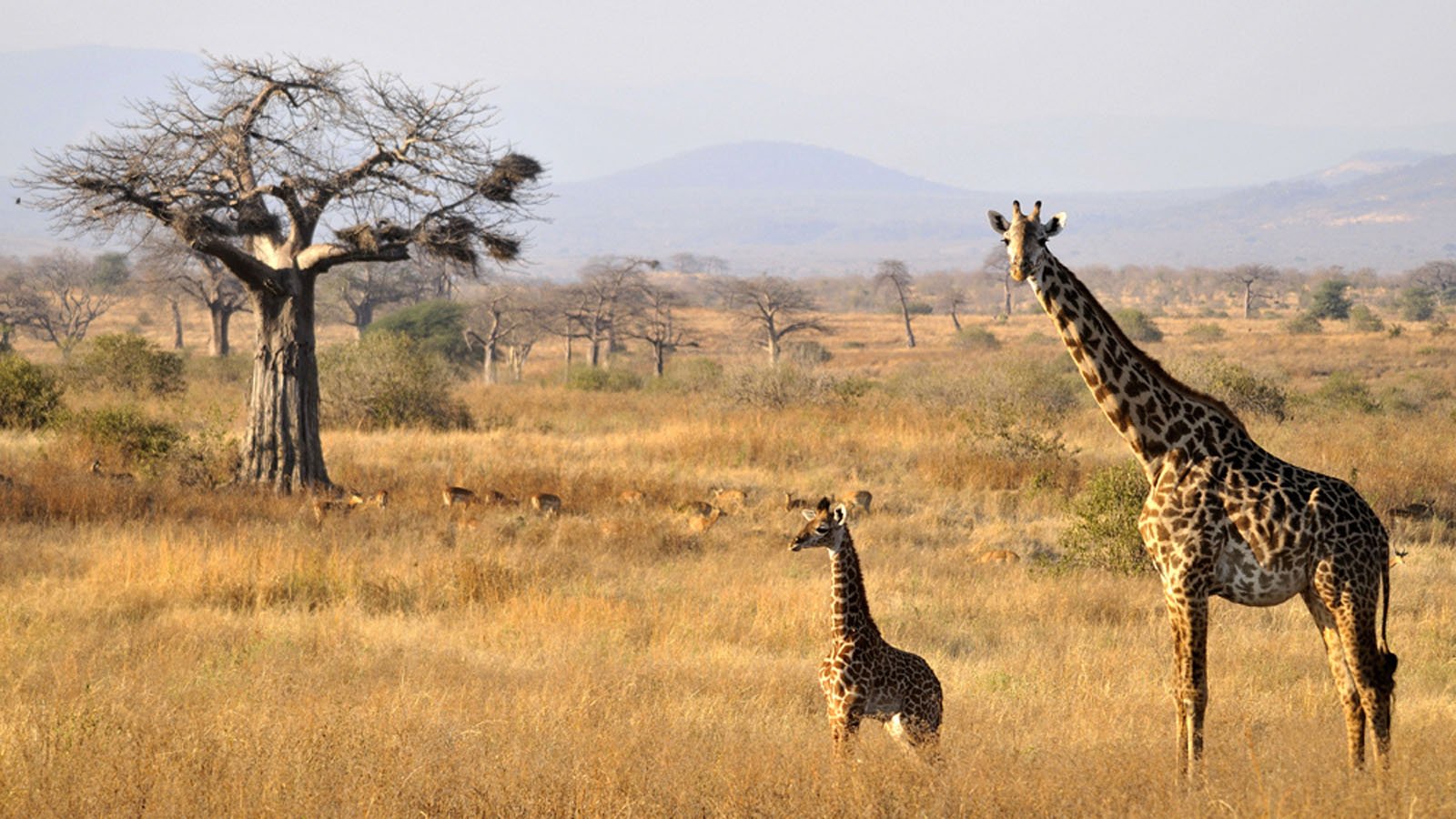
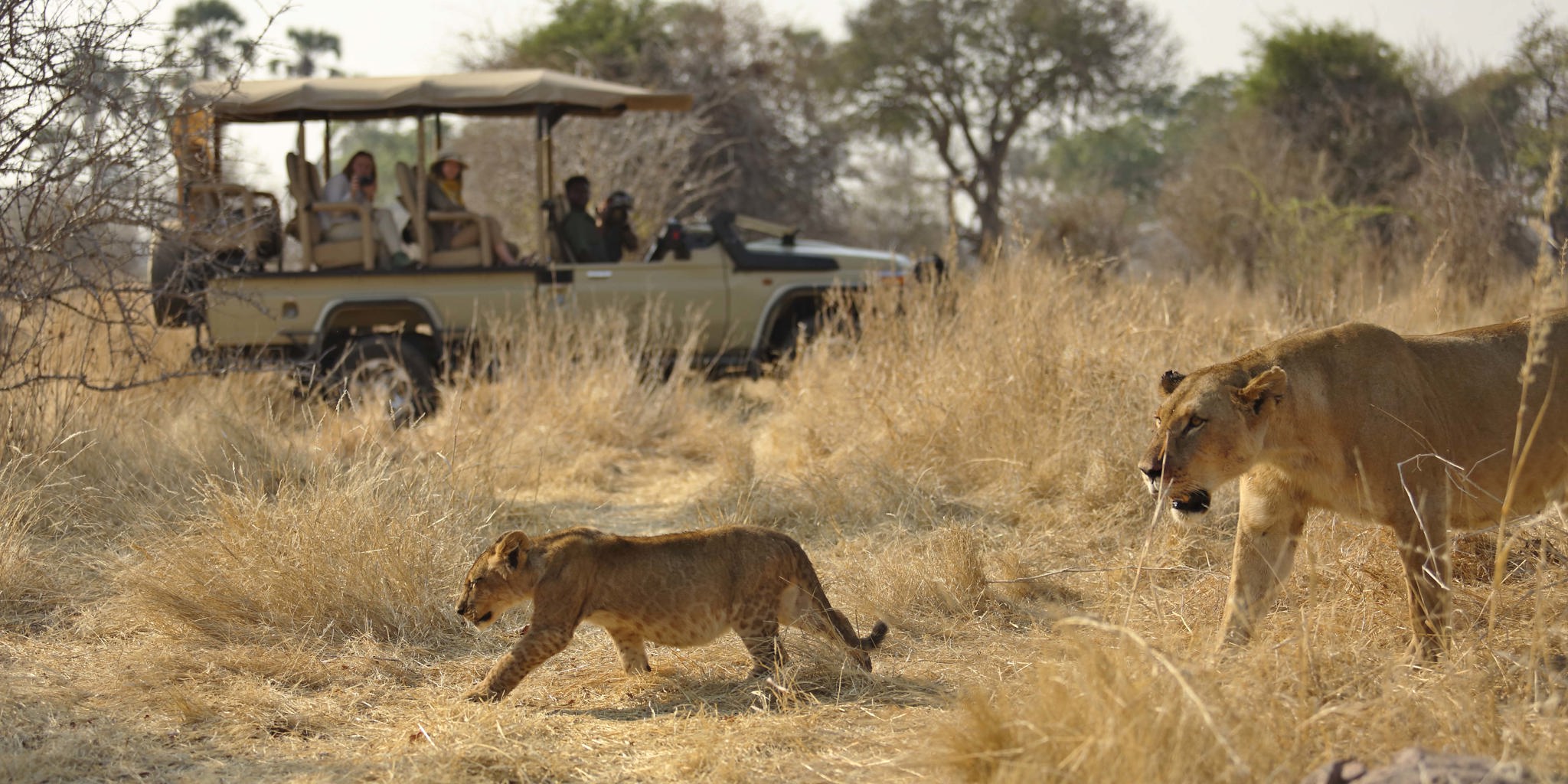
Deep within Tanzania’s remote wilderness lies Katavi National Park, a place where the silence is frequently broken by the echoes of roaring predators and the rustling of untamed grasslands. A hidden jewel for those seeking an authentic safari experience, it offers an exclusive glimpse into the wild heart of Africa. Visitors to this park often find themselves entranced by the sheer diversity of wildlife that flourish in this little-touched realm.
Katavi National Park spans a massive 4,471 square kilometers, making it Tanzania’s third-largest national park. Blessed with a rich history dating back to its establishment in 1974, this park is home to one of the largest buffalo herds in Africa, sometimes numbering upwards of 1,000 strong. For seasoned wildlife enthusiasts, this park presents both a challenge and an opportunity to engage with nature in the rawest form, away from the trappings of typical tourist trails.
Katavi National Park tours offer an exclusive safari experience with minimal crowds, showcasing diverse wildlife such as large buffalo herds and abundant predators. This Tanzanian gem is ideal for professionals seeking in-depth encounters in a truly wild setting, providing unparalleled opportunities for observation and research in untouched landscapes.
 Source: yellowzebrasafaris.com
Exploring the Wonders of Katavi National Park Tours
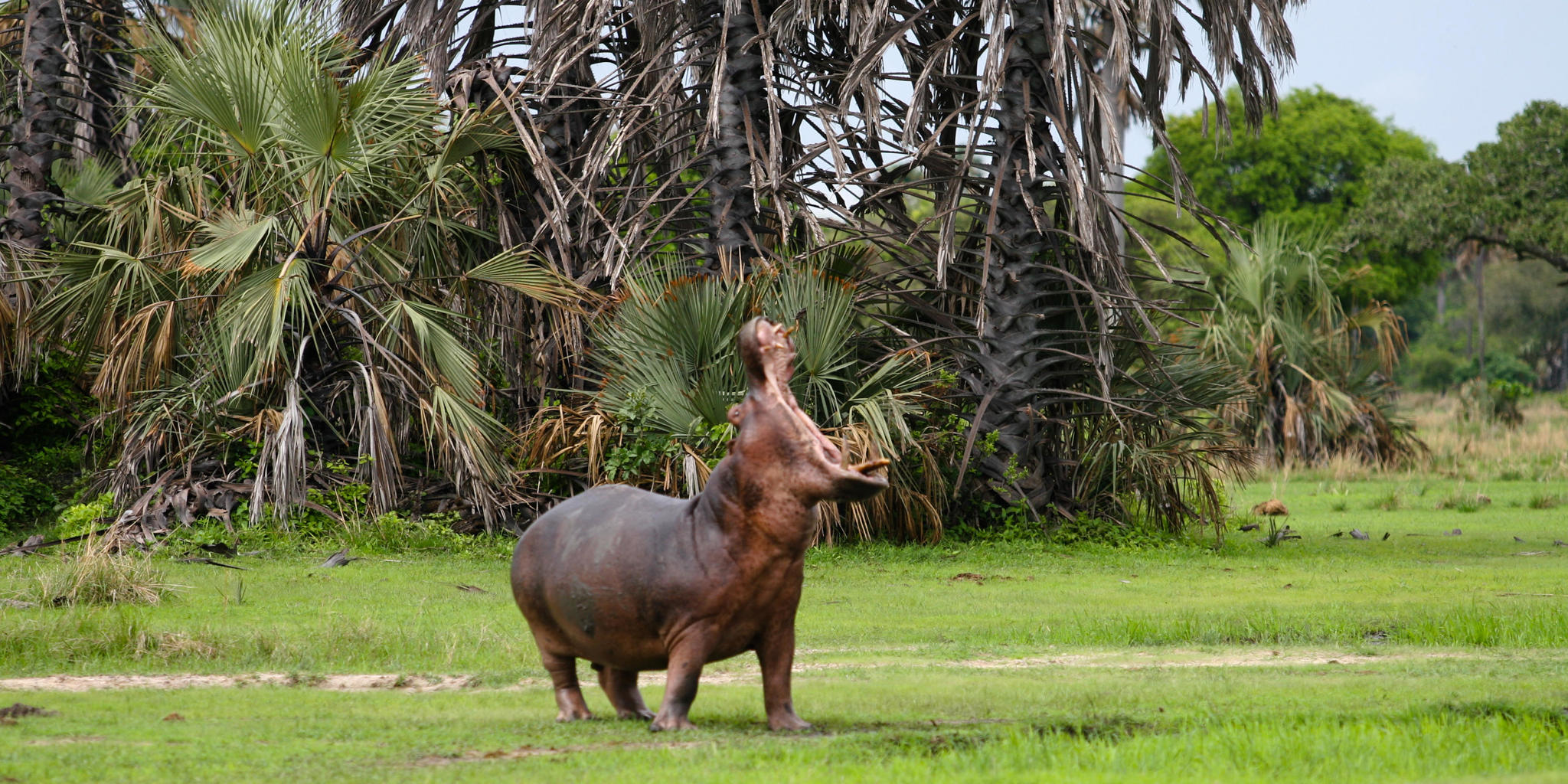
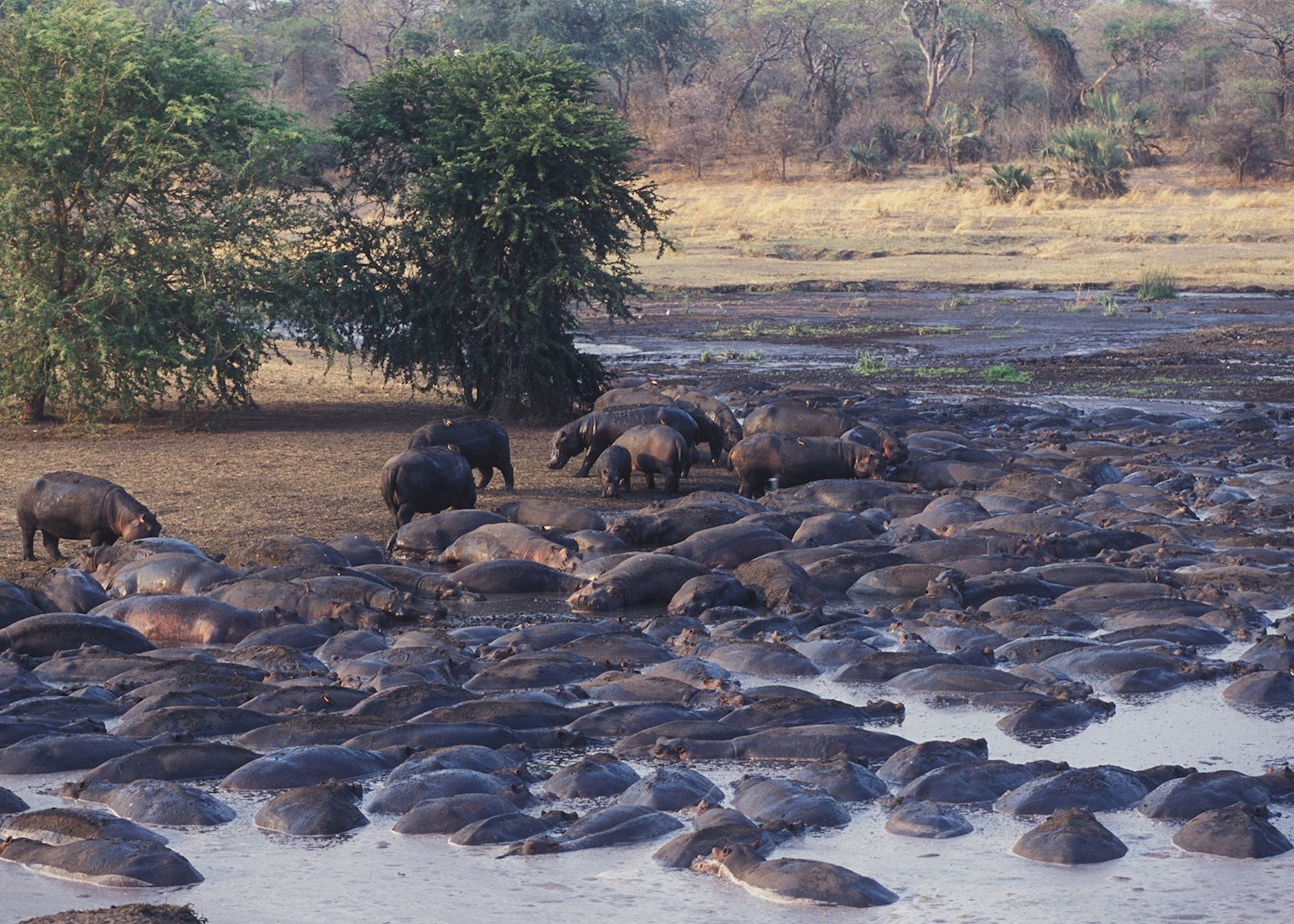
Katavi National Park, located in Tanzania, is one of the least visited parks, yet it offers some of the most incredible wildlife experiences. Imagine a place where you can witness massive herds of buffalo, large pods of hippos, and lions roaming freely in their natural habitat. These tours provide an intimate look at wildlife, unlike busier parks where crowds can diminish the experience. Experts and travelers alike marvel at the untouched beauty of this park. The remoteness of Katavi ensures a serene and exclusive experience for every visitor.
A wide range of tours are available to explore Katavi National Park, catering to different tastes and interests. Some tours focus on game drives which allow you to see the diverse animal life. Others might offer guided walking safaris for those who prefer a more immersive experience. According to this post, these tours are a must-do for global travelers because they offer a unique blend of adventure and tranquility. The personalized attention from experienced guides helps to enhance your understanding of the park’s ecosystem.
In addition to wildlife viewing, Katavi tours often include cultural experiences with local tribes. Meeting the indigenous people provides valuable insight into the human history of the region. These interactions are both educational and enriching, adding depth to your understanding of the Tanzanian landscape and its diverse cultures. Many visitors find these cultural exchanges to be a highlight of their trip, creating lasting memories.
The cost of a safari in Katavi can vary depending on the tour package and season. As outlined here in the article, here is the article, expenses can range significantly, yet the experience is generally considered to be well worth the investment. Packages typically include lodging, meals, and guided activities, ensuring a stress-free adventure. Whether you’re an experienced traveler or new to safaris, Katavi National Park tours offer unparalleled opportunities to connect with nature.
Experiencing the Wild Through Katavi Safari Tours
Embarking on a Katavi safari tour is like stepping into a mesmerizing wildlife documentary. The park’s vast savannas and wetlands teem with an abundance of animal life. On a typical drive, you might spot elephants lumbering gracefully and giraffes reaching for tender tree leaves. Observing predators like lions and leopards in action adds an exhilarating touch. Every turn in the trail reveals nature’s raw beauty intertwined with the rhythm of the wild.
Guided tours offer a unique perspective on the natural behaviors of different species. Experienced guides enhance this journey with their extensive knowledge. They provide insights about animal habits, migration patterns, and ecosystem dynamics. Walking safaris present another thrilling way to get close to nature. These tours bring you face to face with the land and its inhabitants.
A significant part of the Katavi experience is the chance to encounter a variety of bird species. With help from binoculars, you can see vibrant birds like the African fish eagle and the lilac-breasted roller. These colorful creatures fill the skies and sing songs that echo through the park. Birdwatchers can tally sightings in lists, such as:
- African Fish Eagle
- Lilac-breasted Roller
- Grey Crowned Crane
Witnessing the powerful harmony between plant and animal life fosters a deeper appreciation of the environment. Katavi Safari Tours are crafted to leave a lasting impression on visitors. Through these tours, the untouched wilderness invites everyone to pause and reflect. It reminds us of the need to preserve such magical places for generations to come.
Wildlife Encounters at Katavi National Park
In Katavi National Park, each moment offers a chance for thrilling wildlife encounters. Vast herds of buffalo roam the park, creating a stunning spectacle as they move. Hippos, often seen basking in the sun or wallowing in muddy pools, provide endless fascination. Among the bushes, stealthy leopards await their prey, illustrating the cycle of life. The park is an open classroom where animal behaviors unfold before your eyes.
Bird lovers find joy in the park’s diverse avian population. Whether it’s the regal majesty of the African fish eagle or the dazzling colors of bee-eaters, birds are plentiful. Visitors can capture these moments with cameras or simply soak up the scenery. A hearty checklist might include these favorites:
- Marabou Stork
- Martial Eagle
- Pied Kingfisher
An unforgettable highlight is observing elephants congregating near the water holes. Watching these gentle giants interact is a privilege that stays with you. Their social dynamics offer valuable insights into complex, intelligent nature. These encounters create lasting connections between tourists and wildlife. People leave with memories wrapped in awe and respect.
At Katavi, it’s not only the big animals that captivate the senses; the smaller creatures add to the ecosystem’s beauty. Insects, reptiles, and rare flora all contribute to the patchwork of life. Every sighting is a reminder of the park’s rich biodiversity. Such a blend of experiences ignites curiosity and fosters awareness about preserving the wild. This connection to nature helps form a better understanding of the natural world.
The Unique Landscapes of Katavi National Park
Katavi National Park boasts a variety of landscapes that captivate visitors with their diversity and beauty. The floodplains stand out with seasonal changes, transforming dry areas into lush, green expanses filled with life. The Katuma River, winding through the park, nourishes these plains and attracts many animals. During the rainy season, these waters burst with vitality and vibrancy. Such scenery offers unending photographic opportunities for nature lovers.
Woodlands dominate much of Katavi, providing habitat for numerous species. These dense forests create a natural haven where giraffes munch on tree leaves and monkeys swing from branches. The tall trees offer welcome shade from the sun, adding a tranquil atmosphere to the park. Walking through this dense foliage heightens the sense of adventure. Every rustle and movement tells a story of life in the forest.
The park also features rugged hills and rocky escarpments that present breathtaking vistas. These elevated areas offer panoramic views of the expansive plains below, dotted with wildlife. Climbing these hills rewards you with a sense of peace and achievement. Such spots are perfect for quiet reflection and photography. Nature’s palette here paints an unforgettable picture of the African wilderness.
Within Katavi, there are unique seasonal lakes that capture the sound of splashing water and bird calls. These lakes, formed in shallow depressions, teem with aquatic life during the wet season. Hippos cool off in these waters while crocodiles bask on the shores. Birdwatchers delight in the flocks that settle around these natural water bodies. Each visit promises a new and exciting discovery.
The park’s landscapes offer a study in contrasts, showcasing the delicate balance of nature. From the abundant grasslands to the stark escarpments, every feature has a role. Together, they create an ecosystem that supports countless species. Visitors come away with a renewed appreciation for the Earth’s diverse terrains. This connection inspires deeper respect for preservation efforts and ecological stewardship.
The Untold Secrets of Katavi
Katavi National Park is shrouded in mystery, offering secrets waiting to be uncovered by adventurous travelers. Few people know that it’s one of the least visited national parks, which keeps it pristine and wild. This hidden gem provides an experience unlike any other, with less crowded viewing opportunities. The park’s isolation contributes to its mysterious allure. This aspect alone makes it a must-see for those seeking solitude in nature.
One secret of Katavi lies in its hidden wildlife patterns. Unlike more frequented safari parks, Katavi’s animals exhibit more natural behaviors due to the minimal human presence. Observers can learn about unique animal interactions, like the communal nature of hippos in crowded mud pools. The park’s dense population of predators offers a rare glimpse into various hunting techniques, often unseen in busier locations. Such scenes foster a deeper understanding of the animal kingdom.
Katavi holds a significant cultural history few are aware of, with trails and carvings left by ancient tribes. These marks tell stories of past human life and migration patterns over centuries. Local guides illuminate these stories during tours, adding a rich layer to the wildlife experience. Visitors often leave with admiration for both natural and anthropological wonders. It connects the dots between nature, history, and human resilience.
The park’s remote location means that much of its landscape remains untouched and unexplored. Trekkers can venture into areas where new discoveries are made with each step. Such explorations can unearth rare plant species or find lesser-known paths used by wildlife. This unexplored territory holds potential for further study and conservation efforts. Protecting Katavi’s secrets ensures they endure for future generations to marvel at.
Katavi also harbors unique geological formations shaped over thousands of years. Travelers can find unusual rock types and soil compositions scattered across the park’s expanse. Intrigued geologists often find this diversity captivating and return for deeper exploration. This geology plays a critical role in the park’s diverse ecosystem. It’s just one of many layers that make Katavi a treasure trove of wonders.
 Source: audleytravel.com
Frequently Asked Questions
Katavi National Park offers a distinctive safari adventure, enriched with vast wildlife and scenic beauty. Here, we delve into some common inquiries about visiting this remote yet captivating park.
1. What makes Katavi National Park unique compared to other parks?
Katavi National Park is unique due to its remote location and minimal human presence. This seclusion allows visitors to experience wildlife in its most natural state, without the intrusion of crowds. The park is home to vast wetlands and floodplains, creating an ideal habitat for diverse species. This ensures a raw and authentic safari experience for all who visit.
The landscape changes with the seasons, offering different views and wildlife sightings throughout the year. The isolation of the park results in an abundance of exciting wildlife patterns, like large buffalo herds and dense predator packs. Each visit can reveal new aspects of this untouched African wilderness, adding layers to its unique charm.
2. What type of wildlife can you expect to see in Katavi?
In Katavi National Park, you can expect to see a wide range of wildlife, including elephants, hippos, and large herds of buffalo. Predators like lions and leopards are also common, as are various antelope species. For bird enthusiasts, the park hosts an impressive array of bird species that thrive in its diverse habitats.
During the dry season, animals congregate around dwindling water sources, making wildlife sightings even more concentrated and thrilling. This attracts not only large mammals but also a variety of smaller creatures that contribute to the park’s ecological diversity. The rich biodiversity makes every visit both enlightening and unforgettable.
3. When is the best time of year to visit Katavi National Park?
The best time to visit Katavi National Park is during the dry season, from June to October. During this period, wildlife is more visible as animals gather around water sources, making it optimal for spotting a wide range of species. The landscape is also more accessible, allowing easy exploration of this remote area.
While the dry season provides concentrated viewing, the wet season opens a different side of the park. Lush greenery transforms the scenery, and migratory birds flock to the area. Each season offers its own advantages, ensuring there’s always something captivating to explore.
4. How can visitors reach Katavi National Park?
The most common way to reach Katavi National Park is by air, with charter flights from major cities like Dar es Salaam and Arusha. These flights frequently land at the park’s airstrip, providing a convenient and efficient option for visitors. Overland travel is possible but often challenging due to the park’s remote location.
Once there, organized tours typically provide transport within the park, ensuring visitors can fully enjoy the incredible landscapes and wildlife. Advanced planning is essential, as the park’s remote nature requires logistical considerations. Regardless of how you reach it, Katavi’s untouched beauty makes every effort worthwhile.
5. Are there any accommodations within Katavi National Park?
Yes, there are accommodations within Katavi National Park, ranging from basic campsites to luxurious lodges. These camps and lodges often provide full board services and guided safari activities, making them suitable for different budgets and preferences. Staying within the park allows for an immersive wildlife experience, with night sounds from the bush enhancing this adventure.
Guests often have the chance to engage in various activities offered by the accommodations, such as game drives and walking safaris. This proximity to nature grants unique encounters with wildlife right at their doorstep. Many visitors find that this connection to the park adds an extra dimension to their stay.
Home to one of the last remaining wild chimpanzee populations, Mahale Mountains National Park offers an unparalleled trekking experience. Nestled along the shores of Lake Tanganyika in Tanzania, the park provides a unique blend of lush forest and crystal-clear waters. This pristine environment is a sanctuary not only for chimps but also for over 1,000 plant species and countless other wildlife.
Established in 1985, Mahale Mountains National Park covers a protected area of approximately 1,613 square kilometers. It is one of the few places on Earth where humans can observe chimpanzee behavior in their natural habitat without disturbing them. Remarkably, about 800 chimpanzees reside here, making it a critical site for primate conservation and research.
Mahale Mountains chimpanzee trekking offers an immersive experience in Tanzania’s wild landscapes. Expert guides lead treks through lush forests to observe chimpanzees in their natural habitat, ensuring minimal disturbance. The park’s biodiversity and commitment to conservation provide a unique opportunity for experts to study primate behavior and ecosystem dynamics.
 Source: tanzaniaodyssey.com
Exploring Mahale Mountains National Park
Mahale Mountains National Park, located in Tanzania, offers an exceptional experience for nature enthusiasts. The park stretches over 1,613 square kilometers, featuring diverse landscapes. These include rugged mountains, lush forests, and the clear waters of Lake Tanganyika. Visitors often marvel at the serene beauty and untouched wilderness. Many find the park’s remote location adds to its charm.
The park is home to a wide range of wildlife, creating a haven for animal lovers. Besides the famous chimpanzees, Mahale also hosts various bird species, making it a bird-watcher’s paradise. There’s a sense of adventure in every corner, with trails leading through dense vegetation and across rivers. Nature photographers will find endless inspiration with the park’s vibrant flora and fauna. The diversity of species ensures every visit is unique.
Explorers often enjoy guided treks to witness the rare chimpanzees in their natural habitat. According to this post, the park’s guided tours offer deep insights into chimpanzee behavior. Besides wildlife encounters, the park offers other activities. These include forest hikes, boating on Lake Tanganyika, and cultural experiences with local communities. Each activity allows visitors to connect with the park on a deeper level.
The best time to visit Mahale Mountains National Park varies depending on personal preferences. However, the dry season, from June to October, is generally ideal for trekking. The park is less crowded, making wildlife spotting easier. Planning your visit during these months can enhance your experience. For more information, check out here is the article.
The Unique Ecosystem of Mahale Mountains
The Mahale Mountains boast a diverse ecosystem, which is both fascinating and complex. This region is home to dense forests, mountain ranges, and Lake Tanganyika’s waters. These varied environments support an incredible range of animal and plant life. The combination of forest and lake creates a distinctive habitat unlike any other. Visitors can experience these natural wonders during a single visit.
Mahale’s forests are rich in biodiversity, providing shelter for numerous species. Hundreds of different plants thrive here, each adapted to the lush environment. This vibrant plant life supports the park’s unique wildlife. Among the park’s many inhabitants are colorful birds that attract birdwatchers from around the world. Birdwatching is a popular activity for both amateurs and seasoned enthusiasts.
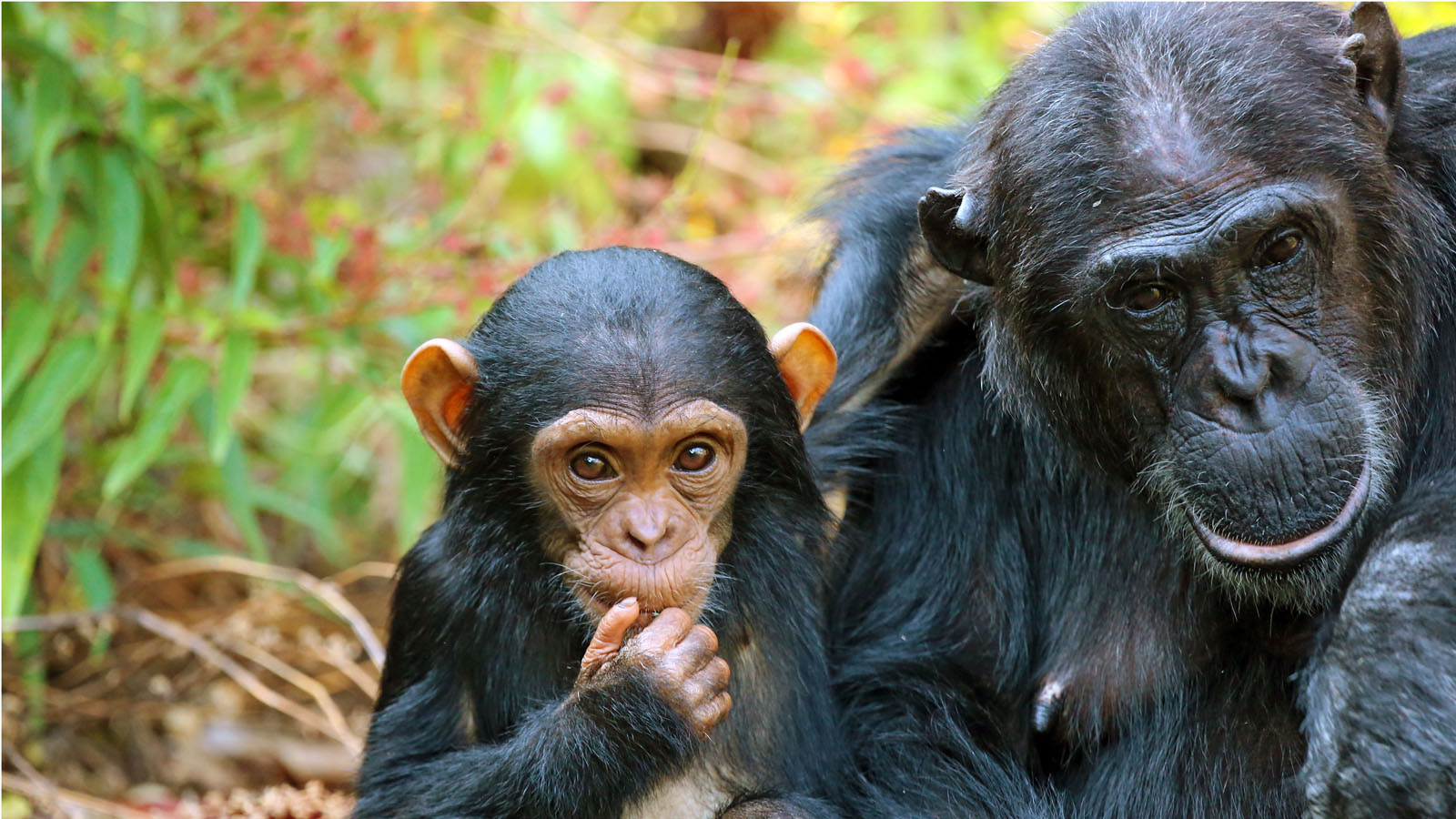
The ecosystem supports a thriving population of chimpanzees, one of the park’s main attractions. These intelligent primates live in social groups, displaying behaviors similar to humans. Observing them in the wild offers insights into their daily lives and social structures. Besides chimpanzees, Nile crocodiles and hippos can be found near Lake Tanganyika. This mix of lake and forest dwellers allows for diverse wildlife encounters.
On the aquatic side, Lake Tanganyika is one of the world’s oldest and largest freshwater lakes. It offers a habitat for a variety of fish, many of which are found nowhere else on Earth. The lake is essential for maintaining the local ecology. Its waters are vital for both the wildlife and the human communities around it. Exploring these waters adds an aquatic dimension to the Mahale adventure.
The Allure of Chimpanzee Trekking in Mahale
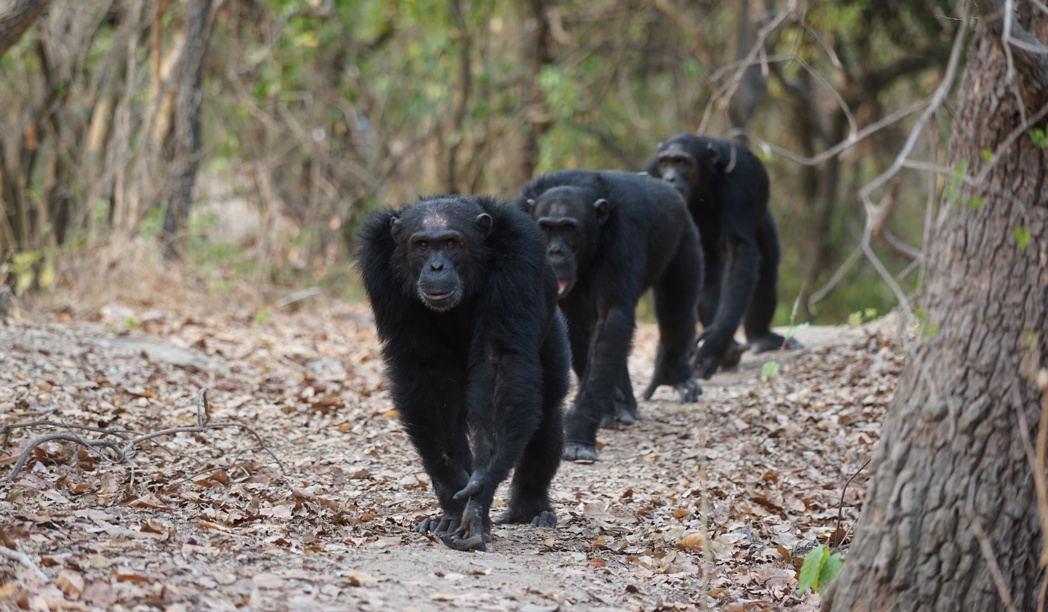
Chimpanzee trekking in Mahale Mountains National Park is a thrilling adventure that draws visitors from around the globe. This unique experience allows travelers to observe chimpanzees in their natural habitat. Trekking through the forest, hikers listen for the calls and movements of these intelligent creatures. The anticipation builds as trekkers get closer, guided by expert trackers who ensure the best chances of sightings. The opportunity to watch chimpanzees playing and interacting captivates every observer.
The experience in Mahale is made special by the limited size of trekking groups, often capped at a small number. This means less disturbance to the chimpanzees and a more intimate experience for visitors. Trekkers must follow strict guidelines to protect the animals and themselves. Maintaining a safe distance is essential to minimize impact on the chimpanzees. These rules also contribute to ongoing conservation efforts in the park.
Trekking is accessible throughout much of the year, with peak times from June to October. The dry season offers better visibility and more comfortable hiking conditions. However, the rainier months bring their own charm, with lush greenery and fewer crowds. Each season provides different perspectives on the chimpanzee’s behaviors and the vibrant ecosystem. It’s worthwhile to explore the park at different times to fully appreciate its beauty.
Many visitors describe the trekking experience in Mahale as life-changing. Beyond just a wildlife encounter, it offers deep connections with nature. The thrill of trekking blends with the tranquility of the forest environment. Observing chimpanzees in their wild state fosters a greater appreciation for these amazing animals. This connection often inspires continued interest in wildlife conservation and environmental protection.
Planning Your Trek: Essential Tips and Insights
When embarking on a chimpanzee trekking adventure in Mahale Mountains, proper planning ensures a rewarding experience. It’s important to book your trip well in advance due to limited permits. Researching the best times to visit can make a significant difference. Generally, the dry season offers more favorable conditions. However, some prefer the vibrant, lush scenery of the rainy months.
Packing the right gear is crucial to a comfortable trek. Sturdy hiking boots provide support on uneven trails. Lightweight breathable clothing is ideal in the tropical climate. Don’t forget a waterproof jacket and sunscreen to prepare for changing weather conditions. A good pair of binoculars can greatly enhance your wildlife viewing experience.
Physical fitness is a key factor in enjoying your trek. The terrain in Mahale is varied, and treks can be rigorous. Engaging in regular exercise before the trip is beneficial. Incorporating activities like walking and hiking into your routine can help. Being fit enhances not only stamina but also overall enjoyment.
It is wise to stay hydrated and snack on nutritious foods during your trek. Carry enough water and high-energy snacks, like nuts and dried fruits. These essentials keep your energy levels up while exploring the jungle. Additionally, paying attention to the guides’ instructions is vital. They ensure safety and maximize the chances of seeing the chimpanzees.
Be prepared for basic conditions as the park is quite remote. Accommodation options include simple campsites to more comfortable lodges. Choosing accommodations that best suit your preference is important. While some visitors enjoy a rustic experience, others may opt for the comforts of a lodge. Either way, experiencing Mahale’s natural beauty will be unforgettable.
Conservation Efforts: Safeguarding Mahale’s Chimpanzee Population
Mahale Mountains National Park is dedicated to protecting its rich biodiversity, particularly its chimpanzee population. The park’s conservation efforts focus on preserving these primates and their habitat. To achieve this, they implement strict policies against deforestation and poaching. Local communities are involved in conservation education to support sustainable practices. These combined efforts help maintain a healthy environment for the chimpanzees.
Conservation programs prioritize research and monitoring of chimpanzee behavior and health. Scientists study their social interactions and habitat use. This valuable data informs strategies to protect the park’s natural resources. Regular health checks for chimpanzee communities ensure early detection of potential threats, such as diseases. Scientists play a crucial role in guiding effective conservation decisions.
Community engagement is integral to the success of conservation efforts. Educating residents about the importance of chimpanzees fosters a sense of responsibility. Conservationists work closely with local schools and organizations to spread awareness. Initiatives like income-generating activities provide alternative livelihoods, reducing reliance on damaging practices. By supporting local communities, conservation goals become more achievable.
Collaborations with international conservation bodies enhance resources and knowledge exchange. Such partnerships bring expertise and funding essential for advanced conservation techniques. Programs often include training for park rangers in advanced monitoring tools. Sharing experiences and strategies with global communities strengthens conservation outcomes. These international connections are invaluable to long-term success.
Technology also plays a role in modern conservation. Use of GPS and drones assists in tracking and protecting wildlife. These tools allow for more precise data collection and monitoring. They provide crucial information for managing both chimpanzee populations and their habitats. Embracing technology ensures conservation efforts remain effective and efficient.
 Source: yellowzebrasafaris.com
Frequently Asked Questions
Chimpanzee trekking in the Mahale Mountains is a captivating experience for nature enthusiasts. Below are some common questions and answers to help you understand this unique adventure better.
1. How can one prepare for chimpanzee trekking in Mahale Mountains?
Preparation for chimpanzee trekking involves understanding the terrain and what to expect. It’s important to wear comfortable hiking boots and lightweight clothing to handle the tropical climate. Bringing essentials like water, snacks, and a hat will ensure you are prepared for a day of trekking.
Guides will give a briefing before the trek, covering rules and safety tips. This is crucial as it helps minimize impact on the environment and ensures a safe experience. Being physically fit also helps as the terrain is often rugged, with varying altitudes.
2. What is the best time of year to visit Mahale Mountains for trekking?
The ideal time for chimpanzee trekking in Mahale Mountains is during the dry season, from June to October. This period offers better trekking conditions with fewer chances of rain to disrupt your adventure. Trails are generally clearer, providing excellent opportunities for observing chimpanzees.
However, some prefer the wet season, from November to May, which offers lush landscapes and fewer visitors. Each season has its own charm, offering different experiences of the wildlife and vegetation in the park.
3. What is the role of local communities in protecting Mahale’s chimpanzees?
Local communities play a vital role in the conservation of the Mahale Mountains. By serving as stewards of the land, they engage in sustainable practices that help protect chimpanzee habitats. Conservation education programs involve the locals, fostering a collective sense of responsibility towards environmental protection.
Additionally, initiatives like sustainable tourism and alternative income sources help reduce dependence on activities that harm the environment. This collaboration between the community and conservationists creates a balanced approach to preserving natural resources.
4. Are there any health precautions to consider while trekking in Mahale?
Trekking in tropical rainforests like Mahale comes with specific health precautions. Travelers must ensure vaccinations, such as yellow fever, are up to date. Also, taking anti-malaria medication beforehand is wise. It’s essential to use insect repellent to protect against mosquito bites.
Moreover, carrying a small first aid kit with essentials like band-aids and antiseptic wipes is recommended. Staying hydrated is equally vital, so always have plenty of water during your trek to keep energy levels up and prevent dehydration.
5. What makes Mahale Mountains a standout destination for chimpanzee trekking?
The Mahale Mountains offer a rare and intimate encounter with chimpanzees in their natural habitat. Unlike other destinations, the park limits visitor numbers to ensure minimal human impact. This allows for a more exclusive and tranquil experience, making it a must-visit for wildlife enthusiasts.
The combination of rich biodiversity and stunning landscapes elevates the trekking experience. The secluded nature of the park adds an adventurous element, drawing explorers looking for unique and memorable wildlife interactions.
Covering an expanse of over 20,000 square kilometers, Ruaha National Park is Tanzania’s largest national park, offering a unique and untamed safari. It’s not just vastness but biodiversity that astounds experts, with over 580 bird species and diverse wildlife calling it home. In the heart of Africa, the roar of lions and the graceful flight of rare birds create an unforgettable symphony that captures the essence of wilderness.
Renowned for its large elephant herds, the park’s history weaves through ancient paths trodden by these majestic animals. Established in 1964, Ruaha stands as a testament to Tanzania’s dedication to conservation. A staggering statistic reveals that Ruaha is part of a larger ecosystem that holds 10% of the world’s lion population, highlighting its critical role in global biodiversity efforts.
Ruaha National Park safari offers a unique experience with its diverse wildlife and expansive landscapes. Visitors can encounter large elephant herds, lions, and over 580 bird species. The park’s remote location ensures less crowded safaris, providing a peaceful, immersive exploration of Tanzania’s largest national park.
Source: tanzaniaodyssey.com
Exploring Ruaha National Park Safari
Located in the heart of Tanzania, Ruaha National Park is one of the country’s most magnificent safari destinations. It’s home to a variety of ecosystems, providing a unique experience for wildlife enthusiasts. Visitors can look forward to seeing lions, elephants, and rare bird species. The park’s expansive landscape, spanning over 20,000 square kilometers, offers breathtaking views and diverse habitats. For more about the park’s activities, check this post.
Ruaha is known for its large population of elephants, with herds often seen roaming across the terrain. The great Ruaha River runs through the park, attracting many animals to its banks, especially during the dry season. This makes riverbanks a prime location for wildlife viewing. Moreover, the park is one of the least crowded in Tanzania, ensuring an intimate safari experience. According to this article, the seclusion and raw beauty of Ruaha make it a must-visit.
One of the most popular activities in Ruaha National Park is the walking safari, allowing visitors to experience the wilderness up close. The walks are conducted by experienced guides who share valuable insights about the flora and fauna. This activity gives a different perspective compared to traditional game drives. It enables visitors to connect with nature on a deeper level. The tranquility of walking through the bush is unmatched.
Ruaha’s birdlife is also extraordinary, boasting over 580 species, making it a birdwatcher’s paradise. From the colorful lilac-breasted roller to the magnificent fish eagle, the diversity is astounding. Bird-watching tours offer a chance to spot these species in their natural habitat. Due to the park’s diverse environments, bird species vary depending on the season. This makes every visit a unique adventure.
Unique features and Diversity of Ruaha National Park
Ruaha National Park stands out for its remarkable blend of landscapes. Rolling hills, vast savannas, and the Great Ruaha River create diverse habitats. This variation supports a rich array of wildlife species. From towering baobabs to dense miombo forests, each area hosts unique flora and fauna. It’s a visual treat for every nature enthusiast.
The park is a treasure trove for bird lovers with over 580 bird species residing here. This makes it one of Africa’s prime bird-watching destinations. You can spot different birds depending on the season, attracting many avid birdwatchers. They include species like the goliath heron and the colorful sunbirds. These feathered wonders add vibrant hues to the park’s scenery.
Ruaha is also well known for its impressive number of predators. Lions, leopards, and cheetahs roam freely, making every safari thrilling. Observing one of Africa’s largest prides of lions is an unforgettable experience. Additionally, the park boasts a healthy population of African wild dogs, a rare sight elsewhere. These predators play a crucial role in maintaining ecological balance.
Apart from its wildlife, Ruaha offers engaging cultural experiences. Visitors can learn about the local tribes and their traditions. These communities live in harmony with nature, and their stories are fascinating. The park also hosts historic ruins from ancient settlements. Exploring these sites adds a layer of cultural depth to your visit.
Wildlife in Ruaha National Park: An Ecological Overview
Ruaha National Park is a haven for a wide variety of wildlife, making it one of Africa’s most significant ecological sites. The park’s diverse habitats support a rich concentration of animals, each thriving in different part of the landscape. Towering baobab trees and open grasslands host animals like giraffes, zebras, and elephants. The dense miombo woodlands are home to buffalo and antelopes. This stunning diversity offers endless opportunities for wildlife sightings.
Predator populations in Ruaha are particularly notable. It has one of the largest lion populations in Africa, often seen in prides. Leopards and cheetahs are also common, making it an exciting place for big cat enthusiasts. African wild dogs, which are considered endangered, find a safe habitat here. The presence of these predators is vital, as they maintain the balance of the ecosystem by controlling herbivore populations.
The Great Ruaha River is a lifeline for both animals and plants. During the dry season, it draws a multitude of wildlife to its banks, creating spectacular scenes of animal gatherings. Hippos wallow in the waters while crocodiles bask on the shores. This area becomes the perfect spot for observing interactions between different animal species. Additionally, the river is home to various fish species that further enrich the park’s biodiversity.
Birdlife in Ruaha is just as impressive, with over 580 recorded species. Birdwatchers can find everything from the majestic fish eagle to the brightly colored bee-eaters. This park is a paradise for ornithologists who wish to study avian life in detail. The variety of bird species ensures that visitors can enjoy a colorful and dynamic experience. Bird-watching safaris often reveal rare and beautiful species, adding another dimension to the park’s ecological richness.
The Safari Experience in Ruaha National Park
A safari in Ruaha National Park offers an unparalleled adventure through untamed landscapes. One of the essential elements is the game drive, which allows visitors to cover vast areas and witness a wide range of animals in their natural habitats. With experienced guides leading the way, guests can expect to learn about the behaviors and characteristics of different species. Early morning and late afternoon drives are particularly rewarding. These times coincide with peak animal activity.
Walking safaris add another layer of excitement to the Ruaha experience. These guided walks bring you closer to the smaller creatures and plant life often missed during game drives. Walking silently through the bush, you might encounter everything from dung beetles to towering giraffes. The sense of intimacy with nature is heightened on foot. Every rustle in the grass becomes part of the adventure.
Night drives offer a completely different perspective. As the sun sets, the park transforms, and nocturnal animals come to life. Guests can observe creatures like bush babies, porcupines, and even the elusive leopard in its nighttime activities. Night drives often unveil a hidden world that daytime safaris cannot. The thrill of spotting glowing eyes in the dark is exhilarating.
Bird-watching safaris cater to enthusiasts eager to spot some of the park’s 580 bird species. Equipped with binoculars and a field guide, visitors can explore various habitats to catch glimpses of these feathered inhabitants. From the banks of the Great Ruaha River to the higher branches of baobab trees, birds abound. Some notable species include the fish eagle and the vibrant lilac-breasted roller.
The accommodations in Ruaha National Park range from luxury lodges to more rustic bush camps. These facilities often blend seamlessly with the environment, offering comfort without disturbing the natural setting. Guests can enjoy amenities like wrap-around decks with panoramic views, plunge pools, and outdoor dining areas. Whether seeking luxury or a more back-to-nature experience, there’s something for everyone. The choice of accommodation can enhance the overall safari experience.
Additionally, cultural tours are available for those interested in the human history of the area. Local guides share stories and customs of the indigenous tribes. Visiting nearby villages offers insights into their traditional ways of life. This enriching experience adds a cultural dimension to the natural wonders of Ruaha. It’s a perfect blend of wildlife and heritage that makes for a comprehensive safari experience.
Conservation Efforts within Ruaha National Park
Conservation efforts in Ruaha National Park are crucial for maintaining its rich biodiversity. The park is home to many endangered species, including the African wild dog and certain bird species. To protect these animals, park authorities have implemented strict anti-poaching measures. This includes patrols and modern technology to monitor wildlife activity. These efforts are essential in combating illegal hunting.
Community involvement plays a significant role in conservation within Ruaha. Local communities are encouraged to participate in sustainable practices that benefit both people and wildlife. For instance, educational programs teach villagers about the importance of preserving natural resources. Engaging locals fosters a sense of ownership and responsibility towards the park. It also helps reduce conflicts between humans and wildlife.
Research initiatives contribute significantly to understanding the park’s ecosystems. Scientists conduct various studies to track animal movements, health, and population changes. This research is vital for developing effective conservation strategies. Collaboration between researchers and park management ensures that data informs policy decisions. In this way, science and conservation efforts work hand in hand.
Ruaha National Park also focuses on habitat restoration projects. These projects aim to revive areas affected by human activities or natural threats. Various reforestation programs are underway to restore indigenous plant species. This not only helps sustain the wildlife but also stabilizes the soil and improves the overall ecosystem. Restored habitats offer a safe refuge for many animals.
Education and awareness campaigns are conducted to inform visitors and locals about the park’s significance. These campaigns highlight the park’s ecological value and the benefits of conservation. By creating awareness, these initiatives inspire others to support preservation efforts. Such campaigns often include school visits and community workshops. An informed public plays a pivotal role in the conservation journey.
 Source: yellowzebrasafaris.com
Frequently Asked Questions
Ruaha National Park is a hidden gem in Tanzania, offering stunning landscapes and rich wildlife. If you’re considering a safari adventure, these questions may provide valuable insights.
1. What is the best time to visit Ruaha National Park?
The best time to visit Ruaha National Park is during the dry season, which runs from June to October. During these months, wildlife gathers around water sources, making game viewing more rewarding. The dry climate ensures easier navigation within the park, enhancing the overall safari experience.
Additionally, the dry season reduces vegetation, offering clearer views of the magnificent wildlife. While the wet season from November to May bursts with greenery and is ideal for birdwatching, it makes some roads challenging to navigate. Therefore, if wildlife viewing is the primary interest, the dry season is recommended.
2. What types of safaris are available in Ruaha National Park?
Ruaha offers a range of safari experiences, including game drives, walking safaris, and bird-watching tours. Game drives are the most popular, allowing visitors to cover large areas to see animals from vehicles. These give a broad overview of the park’s diverse ecosystems and inhabitants.
For those seeking a more intimate connection with nature, walking safaris provide an up-close encounter with the park’s flora and fauna. Led by experienced guides, these offer insights into the smaller details of the ecosystem. Bird-watching tours attract enthusiasts keen on spotting diverse bird species unique to Ruaha.
3. Are there any accommodation options within Ruaha National Park?
Yes, Ruaha National Park offers a variety of accommodation options to suit different preferences. Visitors can choose from luxury lodges, tented camps, and more rustic camping sites. These accommodations are thoughtfully positioned to provide stunning views and easy access to prime wildlife areas.
Many sites feature amenities like dining facilities, swimming pools, and guided safari tours. Whether opting for a lavish lodge or a straightforward campsite, guests enjoy the serenity of nature. Each option seeks to provide comfort without compromising the natural beauty of the surroundings.
4. What is the significance of Ruaha National Park’s ecosystem?
Ruaha National Park is critical for preserving several endangered species and diverse landscapes. Its ecosystem supports a wide range of wildlife, including rare animals like the African wild dog. This biodiversity is crucial for maintaining ecological balance and offers vital research opportunities.
Furthermore, the park’s naturally occurring habitats, from savannas to riverine forests, host numerous plant species vital to maintaining the park’s health. Conservation efforts focus on protecting these vital ecosystems. This ensures that Ruaha remains a thriving habitat for generations to come.
5. How can visitors contribute to conservation efforts in Ruaha National Park?
Visitors can support conservation efforts by choosing eco-friendly safari operators and accommodations. Engaging with options focused on sustainable tourism helps reduce environmental impact. Additionally, donating to organizations dedicated to Ruaha’s preservation can make a difference.
Another way to contribute is by participating in educational tours that raise awareness of conservation challenges. This promotes understanding and generates global interest in protecting such vital ecosystems. Awareness and education are powerful tools that aid in the long-term sustainability of these treasured landscapes.
Home to the elusive tree-climbing lions, Lake Manyara National Park offers a unique safari experience. This intriguing behavior of lions defies their typical ground-dwelling nature, showcasing one of the many surprises of this biodiverse paradise. For the wildlife enthusiast, witnessing such a spectacle is merely one gem in the treasure trove that Lake Manyara presents.
Established as a national park in 1960, Lake Manyara spans over 325 square kilometers, featuring a blend of savannah, swamp, and forest ecosystems. Famous for its lush groundwater forests fed by the underground springs of the eponymous lake, the park supports an impressive diversity of over 400 bird species. As part of Tanzania’s Northern Circuit, it contributes significantly to the annual tourist influx, with thousands drawn to its ecological marvels every year.
Lake Manyara safari, located in Tanzania’s Northern Circuit, offers an unparalleled wildlife experience with its vast ecosystems and diverse species. Notable for its tree-climbing lions, elephants, and vibrant birdlife such as flamingos, the park provides a rich blend of views and interactions that captivate seasoned wildlife enthusiasts.
 Source: imgix.net
Lake Manyara Safari: An Overview
Lake Manyara National Park, nestled in Tanzania, captivates visitors with its stunning scenery and diverse wildlife. The park spans over 325 square kilometers, showcasing rich ecosystems from dense forests to open plains. Tourists often come to see the iconic tree-climbing lions. These lions aren’t the only highlight; the park is also home to large herds of elephants. For bird enthusiasts, the area offers sightings of over 400 bird species.
The park’s unique geology creates a mosaic of habitats that support a wide array of life. Particularly striking are the undulating Rift Valley escarpments. The freshwater lake itself lures flocks of flamingos, painting the landscape pink with their vibrant feathers. Amongst these wonders, a walking safari promises an up-close experience with nature. According to this post, it opens up new avenues to explore the natural beauty of the park.
For those looking for adventure, Lake Manyara offers more than just traditional jeep safaris. Walking safaris bring a unique thrill, allowing tourists to perceive the environment from a different perspective. As you stroll through the park, you can sense the pulse of nature around you. If interested in similar experiences, there are fascinating alternatives like the elephant walks in Tarangire. These walks are remarkable, inviting participants to connect deeply with the surrounding wilderness.
There’s something truly magical about Lake Manyara’s setting, with its breathtaking landscape enveloped by the dramatic backdrop of the Rift Valley. Wildlife roams freely, offering spectacular photo opportunities for those keen on capturing majestic creatures in their natural habitat. Visitors can unwind by the lakeside, enjoying serene views amidst the vibrant wildlife. Whether you’re there for exploration or relaxation, Lake Manyara presents an unparalleled African safari experience. Nature’s grandeur here is always ready to inspire and amaze.
Discovering the Unique Wildlife
Exploring Lake Manyara provides an exceptional chance to observe unique wildlife in their natural environment. The park is renowned for its tree-climbing lions, a rare behavior not commonly seen in other parts of Africa. You’ll also encounter impressive elephants that gracefully wander through the park. These gentle giants are often seen near the lake shores, delighting visitors with their playful antics. Their presence adds to the enchanting safari experience.
Birdwatchers find Lake Manyara a paradise with over 400 distinct bird species. Flamingos are a stunning highlight, often gathering in vast numbers, creating a pink spectacle that is breathtaking. Other notable birds include pelicans and storks, found nesting around the lake. Cormorants dive gracefully, while African spoonbills forage by the water’s edge. The diversity ensures something for every bird enthusiast.
Among the predators, both cheetahs and leopards roam stealthily through the park’s varied landscapes. Their elusive nature often makes sightings thrilling and rewarding. Hyenas, another common predator, are frequently spotted scouring the area in packs. The harmony between predator and prey adds to the park’s captivating ecosystem. With ample opportunities, every moment feels magical for wildlife enthusiasts.
The varied landscape of Lake Manyara also supports smaller creatures that enrich the biodiversity. Baboons and vervet monkeys play around the treetops, offering endless entertainment. Rock hyraxes, often seen sunning themselves, are among the unusual mammals you’ll discover. Reptiles like the Nile monitor lizards can occasionally be spotted basking near the water. This rich tapestry of life ensures a comprehensive look at Africa’s incredible wildlife.
Experience the Ecosystem of Lake Manyara National Park
Lake Manyara National Park offers a stunning mosaic of habitats, each teeming with life. The park includes a groundwater forest fed by underground springs. This lush forest provides a home for an array of creatures, from birds to monkeys. Alongside the forest, you’ll find acacia woodlands and grassy floodplains. This variety ensures a rich and dynamic ecosystem that’s fascinating to explore.
One key feature of Lake Manyara is its alkaline soda lake, which attracts flamingos by the thousands. These birds feed on the algae thriving in the water, creating a vibrant pink spectacle. Other waterfowl like pelicans and herons are also common sights around the lake. The lake acts as a magnet for wildlife, especially during the dry season. Animals gather at the shoreline, creating incredible photo opportunities.
Alonside the animals, the park’s vegetation also varies dramatically from one area to another. Dense forests near the park’s entrance eventually give way to open savannah. Here, acacia trees dot the landscape, providing shelter and food for giraffes and elephants. The shifting scenery is part of what makes a visit to Lake Manyara so captivating. Every turn reveals new landscapes and creatures.
For those interested in the smaller details, Lake Manyara’s diverse plant life is equally fascinating. Unique species of trees and plants can be found, each supporting its own micro-ecosystem. You might spot a baobab tree, towering and ancient. Streams flowing through the park add another layer of life, sustaining a myriad of insects and aquatic creatures. This interconnected web of life is a testament to nature’s brilliance.
Highlighting Key Attractions in Lake Manyara Safari
One of the most captivating attractions in Lake Manyara is the unique spectacle of tree-climbing lions. These majestic animals have adapted to climb trees, a behavior rarely seen in other regions. Watching a lion relax on a branch high above the ground is a memory that lasts a lifetime. This behavior helps them evade insects on the ground and gives them a strategic vantage point. Visitors are often eager to catch a glimpse of these fascinating creatures.
The lush groundwater forests near the park entrance are another highlight. These forests, fed by underground springs, stand thick and green, even during dry seasons. They provide shade and shelter for wildlife, including troops of baboons and playful monkeys. Adventurous visitors can enjoy walking paths that wind through this vibrant landscape. It’s a great spot for those seeking close encounters with nature.
Birdwatchers can delight in the stunning avian diversity found around Lake Manyara. With over 400 species, birds like the pink flamingos steal the show. Other notable residents include hornbills, storks, and the graceful little bee-eaters. These feathered residents transform the park into a birdwatcher’s paradise. Binoculars are a must-have for anyone eager to immerse in this avian spectacle.
Lake Manyara’s alkaline lake is itself a natural wonder, hosting an array of water-loving wildlife. This shimmering expanse calls animals from miles around. Elephants, zebras, and buffalos frequently visit the shores to drink and refresh. The reflective beauty of the water, coupled with the distant Rift Valley escarpment, forms a breathtaking backdrop. This makes every glance around the lake a picturesque moment.
Adventure seekers will find the safari’s diverse activities equally thrilling. Options range from guided walking safaris to scenic drives through different habitats. These activities enable deeper exploration beyond the main paths. Guides share their knowledge readily, enhancing the safari experience. Days spent here promise enriching discovery at every turn.
Why Lake Manyara is a Jewel in Tanzania’s Northern Circuit
Lake Manyara earns its reputation as a jewel thanks to its stunning landscapes and biodiversity. Nestled within the Northern Circuit, it’s a must-visit for safari enthusiasts. The park offers a mix of dense forests, open savannahs, and the sparkling alkaline lake. These features create an ever-changing panorama that keeps visitors engaged. Each habitat hosts its own unique set of wildlife, making every visit a new adventure.
Unlike some larger parks, Lake Manyara offers an intimate safari experience that feels both personal and immersive. The diverse environments ensure every animal encounter is special. From elephants sauntering by the lake to lions lounging in the treetops, the setting never disappoints. Its compact size allows for easier exploration. Visitors can experience a lot in a single day without feeling rushed.
The park is also an ornithologist’s paradise, renowned for its astonishing variety of birds. With over 400 species, birdwatchers can spot everything from vibrant flamingos to agile hawks. This rich avian life complements the larger wildlife, adding depth to the experience. Visitors often end their journeys with countless bird photographs. This diversity bolsters Manyara’s status as a premier destination.
Located near other famous destinations such as Ngorongoro and Serengeti, Lake Manyara serves as an ideal introduction to Tanzania’s ecological wonders. Its proximity to these landmarks makes it a convenient stop. Travelers can easily integrate Manyara into their broader Northern Circuit itinerary. The park’s beauty and accessibility have earned it a dear place in many travelers’ hearts. Exploring here often ignites a lifelong passion for African wildlife.
Apart from its wildlife and landscapes, Lake Manyara’s cultural elements add another layer of intrigue. Nearby communities often engage with visitors, sharing rich Masai traditions. This cultural exchange enhances the travel experience, offering insights into local life. For many, this interaction is as memorable as the wildlife encounters. It highlights the depth and breadth of Tanzania’s treasures.
 Source: wikimedia.org
Frequently Asked Questions
If you’re planning a visit to Lake Manyara National Park, you may have many questions. Here, we address some of the most common queries to ensure you have the best experience possible.
1. What is the best time to visit Lake Manyara National Park?
The best time to visit Lake Manyara National Park is during the dry season from June to October. During this period, animals gather around water sources, making wildlife spotting easier. The park is also less muddy, making travel more comfortable for visitors.
However, the wet season from November to May is ideal for birdwatching. This is when the migratory birds, including the stunning flamingos, are present. The landscape is lush, and the waterfalls are flowing, creating beautiful scenery for photography.
2. How does a walking safari in Lake Manyara differ from a regular safari?
In a walking safari, you get the chance to experience the park on foot, offering an up-close encounter with nature. A trained guide leads you through different terrains, explaining the flora and fauna in detail. This immersive experience lets you observe smaller creatures and plants that are often missed during a vehicle safari.
You can hear the sounds of nature and see animal tracks up close, enhancing the adventure. The slower pace allows for more intimate and educational experiences, making it a different but equally enriching safari option.
3. Are there accommodation options within Lake Manyara National Park?
Yes, there are various accommodation options within and around the park to suit all budgets. These include luxury lodges, tented camps, and basic campsites. Staying within the park offers the added advantage of early morning and late afternoon game drives when animals are most active.
The lodges and campsites provide comfortable amenities to ensure a pleasant stay. Many also offer additional activities like guided walks, birdwatching tours, and night safaris, enhancing your park experience.
4. What wildlife can I expect to see in Lake Manyara National Park?
Lake Manyara is famous for its tree-climbing lions, which are a rare sight. You can also expect to see large herds of elephants, giraffes, zebras, and numerous antelope species. The park is a sanctuary for hippos, which you can often see wallowing in the lake.
Birdwatchers will be thrilled with over 400 bird species, including flamingos, pelicans, and storks. The diverse habitats support a wide range of wildlife, making every visit a unique experience.
5. Is Lake Manyara National Park suitable for family visits?
Yes, Lake Manyara National Park is great for family visits, offering activities suitable for all age groups. Children can enjoy the open space and the opportunity to see animals in their natural habitat. Many lodges offer family-friendly facilities and services to ensure a comfortable stay.
Guides often tailor safaris to keep children engaged, explaining the environment in a fun, easy-to-understand way. With its varied landscapes and abundant wildlife, the park offers educational and memorable experiences for families.
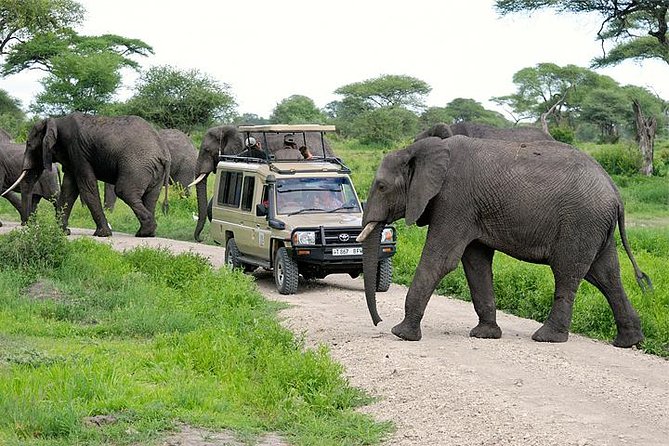
Home to the largest concentration of elephants in Tanzania, Tarangire National Park offers a captivating experience for wildlife enthusiasts. The sheer diversity of wildlife, coupled with the magnificent African landscape, makes it a paradise for nature lovers. Such a dynamic setting invites exploration and promises memories etched in the vast wilderness.
Situated in the northern circuit of Tanzanian safaris, Tarangire spans over 2,850 square kilometers, dotted with ancient baobab trees and wildlife. This park is renowned for its seasonal migration, especially during the dry season when animals converge at the only remaining water source: the Tarangire River. Engaging in a tour here offers an unparalleled opportunity to witness nature in its raw, unadulterated form.
Tarangire National Park tours offer experts an immersive experience into Tanzania’s rich biodiversity, featuring large elephant populations, diverse bird species, and iconic baobab trees. With guided safaris and customizable itineraries, visitors gain in-depth insights into unique ecosystems and wildlife behaviors while enjoying the park’s scenic landscapes and tranquil beauty.
 Source: travel-buddies.com
Experiencing Tarangire National Park
Tarangire National Park is a treasure trove of natural wonders in Tanzania. Known for its breathtaking landscapes, it captivates visitors with its rolling hills and shimmering riverbeds. Here, one can witness the majestic migration of African elephants as they roam across the park. It’s a sight that touches the heart of every nature enthusiast. The park provides a unique experience, making it a must-visit destination for travelers.
The wildlife diversity in Tarangire is astounding. Besides elephants, visitors may encounter lions, zebras, and even giraffes in their natural habitats. It is home to an array of birds, making it a birdwatcher’s paradise. Exploring this park offers a chance to learn about the delicate balance of ecosystems. For more safari inspiration, check this post for a wild adventure.
Tarangire’s flora is equally enriching. Ancient baobab trees spread their branches wide, offering shade and shelter. These trees, along with acacias, enhance the park’s unique atmosphere. Walking through these landscapes provides insight into the park’s biodiversity. A visit here leaves one in awe of nature’s creations.
During the dry season, the park’s river becomes the life source for animals. Herds of zebras and wildebeests gather around, creating a scene of bustling activity. The dry climate shapes the landscape, as detailed in the article about Arusha National Park. Observing these interactions deepens our understanding of nature’s cycles. Such experiences make the journey unforgettable.
Wildlife of Tarangire National Park
Tarangire National Park is famous for its rich wildlife. The park boasts the largest population of elephants in northern Tanzania. These gentle giants are often seen traveling in large groups, offering spectacular views for visitors. The park also shelters a variety of predators, including lions and leopards. With its diverse wildlife, every safari promises a new discovery.
Among the park’s residents are numerous herbivores. The plains are dotted with zebras, giraffes, and wildebeests grazing peacefully. Baboons and vervet monkeys add a playful touch to the scene as they leap from tree to tree. Observing these animals in their natural environment is both educational and thrilling. Their interactions reflect the vibrant life that the park sustains.
The birdlife in Tarangire is equally impressive. Over 500 bird species reside within the park’s boundaries, drawing birdwatchers worldwide. Species like the colorful lilac-breasted roller and the ostrich, the world’s largest bird, can be spotted. The sight of these birds soaring above the savannas adds another layer of beauty to the park. The variety of species encourages a deeper appreciation for avian life.
During the dry months, the Tarangire River becomes a hub of activity. Animals flock to its banks, turning the area into a lively congregation of different species. This contrast of water and wildlife creates a scene straight out of a nature documentary. Visitors have the chance to witness the survival strategies of diverse animals. It highlights the park’s role as a crucial habitat.
Flora and Geographical Features of Tarangire
Tarangire National Park is adorned with unique flora and geographical features. The landscape is dominated by ancient baobab trees, adding a mystical charm. These majestic trees serve as a symbol of strength and resilience. They provide vital resources for wildlife, such as food and shelter. Walking among these giants feels like stepping back in time.
Another fascinating aspect of the park’s flora is the diversity of acacia trees. Different species like the umbrella thorn and whistling thorn dot the savannas. These trees play a crucial role in the ecosystem, supporting various animal species. Giraffes are often seen nibbling on their leaves. The coexistence of these plants and animals highlights nature’s harmony.
The park’s geographical features include rolling hills and expansive plains. The Tarangire River is the lifeline of the park, especially during dry seasons. It attracts a myriad of wildlife, creating vibrant scenes of animal activity. Seasonal swamps and wetlands also add to the geographical diversity. Each of these features contributes to the park’s allure.
Exploring Tarangire offers glimpses into varied landscapes. Rocky outcrops provide panoramic views of the surroundings. Touring the park reveals how the land supports life in different ways. Visitors come away with a deeper appreciation for the environment. The park’s diverse features make each visit a new adventure.
Why Tarangire National Park is a Must-Visit Place for Wildlife Enthusiast
Tarangire National Park is a haven for those passionate about wildlife. Its vast landscapes offer an opportunity to see biodiversity at its finest. The highlight for many is the incredible elephant population, which thrives in this environment. Their movements and behaviors captivate observers, making every visit a learning experience. For animal lovers, witnessing these interactions is truly rewarding.
The park is also known for its remarkable birdlife. With over 500 bird species, it becomes a living encyclopedia for birdwatchers. The diverse bird population includes everything from ostriches to flamingos. Environments such as marshes, riversides, and acacia woodlands host these feathered wonders. Bird enthusiasts can easily spend hours admiring them.
Visitors are drawn by the chance to see predators in action. Lions, cheetahs, and leopards use the park’s terrain to their advantage. Catching sight of these apex predators is thrilling and unforgettable. Observing a lion pride or a stealthy cheetah hunt is a rare gift. Such experiences highlight the intricate food chain of the park.
Besides the wildlife, the park’s geography enhances the experience. The variety in terrains, including plains and riverbanks, supports different animal groups. This diversity means endless exploration possibilities for visitors. Every season brings changes in animal patterns and behaviors. A trip to Tarangire ensures seeing nature at its most dynamic.
Moreover, Tarangire provides a peaceful escape from bustling city life. The wide-open spaces and natural sounds soothe the senses. It encourages visitors to connect deeply with nature. This connection leaves a lasting impression and creates cherished memories. For those longing to unwind, the park is an ideal retreat.
Different Tour Packages for Tarangire National Park
Visitors to Tarangire National Park have several tour packages to choose from. These packages cater to different interests and budgets. Whether you are looking for adventure or relaxation, there is something for everyone. The tours range from half-day visits to extended multi-day excursions. Each package offers a unique way to experience the park.
For those with limited time, half-day tours are an excellent choice. These tours usually include guided game drives, providing snapshots of the park’s wildlife. Morning and afternoon options offer flexibility. They are perfect for a quick yet fulfilling adventure. These shorter tours ensure you don’t miss out, even with a tight schedule.
Full-day tours allow for a more in-depth exploration. These packages often include a picnic lunch within the park. Engaging a professional guide helps enhance the learning experience. You’ll have more time to explore different areas and see a wider variety of animals. This option is ideal for those who want a comprehensive experience.
- Half-day tours: Ideal for quick visits
- Full-day tours: Offers a comprehensive experience
- Overnight safaris: Immersive experience with lodging
- Customizable tours: Tailored to individual preferences
For a truly immersive experience, consider an overnight safari. These tours include lodging options ranging from campsites to luxury lodges. You can enjoy the park’s wildlife both day and night. Campfires and stargazing offer additional magical moments. Overnight tours allow you to truly soak in the environment.
Customizable tours provide flexibility for unique preferences. Whether you want to focus on birdwatching or photograph specific animals, these packages can be tailored to your needs. Personalized tours ensure that you get the most out of your visit. Collaborate with tour operators to design your perfect adventure. This option maximizes your experience in Tarangire.
Planning the Perfect Tarangire National Park Safari
Proper planning is crucial for an unforgettable safari at Tarangire National Park. Begin by deciding the best time to visit. The dry season, from June to October, is ideal as animals gather around water sources. However, the wet season also brings lush landscapes and fewer tourists. Choose a time that matches your interests and schedule.
Transportation is another important consideration. Many safaris start from Arusha, which is well connected by road and air. Options include renting a 4×4 vehicle or joining a guided tour. Guided tours offer insights and local knowledge, enhancing the experience. Ensure your mode of transport is reliable and suited for rough terrain.
Accommodation choices vary widely within and around Tarangire National Park. Options range from budget campsites to luxury lodges. Staying within the park provides easier access to early morning and late afternoon game drives. Each accommodation type offers a different flavor of the safari experience. Select one that fits your budget and comfort level.
- Decide the best time to visit
- Plan transportation from Arusha
- Choose suitable accommodation
- Organize activities to maximize your experience
Plan your activities ahead of time to make the most out of your stay. Apart from game drives, consider guided nature walks or cultural tours. Visiting local communities can bring an added dimension to your safari. Don’t forget to pack essentials like comfortable clothing, binoculars, and a camera. Proper preparation ensures a smooth and enjoyable trip.
Hiring an experienced guide can significantly enhance your safari. Guides have extensive knowledge of the park and its wildlife. They can navigate the park’s vast terrain, ensuring you see the most exciting sights. A good guide adds value through interesting facts and personalized tours. Investing in a guide can transform your safari into an unforgettable adventure.
What to Expect on a Tarangire National Park Tour
Your adventure at Tarangire National Park begins with stunning landscapes and rich biodiversity. As you enter, you’ll be greeted by vast savannas dotted with ancient baobab trees. The tranquil beauty of the park immediately sets the mood for exploration. Expect to feel a deep connection with nature as you embark on your journey. Each visit unfolds new surprises.
One of the main attractions is the large number of elephants. These magnificent creatures are often seen in herds, moving gracefully across the plains. Their presence provides numerous photo opportunities. Alongside them, you’ll also find zebras, wildebeests, and giraffes browsing peacefully. This coexistence of various species makes each game drive exciting.
The birdlife in Tarangire will certainly capture your attention. With over 500 bird species, there’s plenty to see for keen birdwatchers. Look out for colorful lilac-breasted rollers and mighty ostriches among many others. Whether you’re a novice or an experienced birder, spotting these birds adds joy to your tour. Make sure to bring binoculars for closer views.
- Sightings of large elephant herds
- Opportunities to see predators like lions
- A diverse bird population
- Breathtaking landscape views
Don’t be surprised if you witness a predator hunt during your tour. Lions, cheetahs, and leopards roam freely within the park boundaries. Observing their behavior in such a natural setting is both thrilling and educational. Catching sight of these majestic hunters is rare but captivating when it happens. Be ready with your camera to capture these memorable moments.
The serene environment offers more than just wildlife sightings. Marvel at panoramic views from hilltops or relax by riverside spots watching animals gather around water sources during dry seasons. The quietude lets you appreciate the small details too – like noticing intricate patterns on insect wings or hearing birdcalls echo through trees; it’s an experience that rejuvenates all senses!
Source: tripadvisor.com
Frequently Asked Questions
Tarangire National Park is a captivating destination with an abundance of wildlife and stunning landscapes. Here, we answer some common questions to help you understand the park better.
1. What types of animals can be seen in Tarangire National Park?
Tarangire National Park is home to a diverse range of animals. The park is renowned for its large elephant population, which is one of the largest in Tanzania. Additionally, visitors can spot lions, leopards, buffaloes, and zebras throughout the park.
Moreover, the park is inhabited by various antelope species, such as elands and gazelles. Birdwatchers will be thrilled to find over 500 bird species, including the impressive ostrich and vibrant lilac-breasted roller. This diverse wildlife makes every safari adventure unique and exciting.
2. When is the best time to visit Tarangire National Park?
The best time to visit Tarangire National Park is during the dry season, from June to October. During this period, wildlife gathers around the Tarangire River, providing excellent game-viewing opportunities. The dry conditions also make it easier to navigate through the park.
Alternatively, the wet season from November to May offers lush landscapes and fewer tourists. This period is ideal for birdwatching as migratory birds visit the park. Each season offers unique experiences, so your choice depends on personal preferences.
3. Are guided tours recommended in Tarangire National Park?
Yes, guided tours are highly recommended in Tarangire National Park. Professional guides have extensive knowledge of the park’s wildlife and ecosystems, enhancing your overall experience. They can navigate the park efficiently and ensure you witness key wildlife moments.
Guided tours also offer safety and convenience, especially for first-time visitors. Guides share fascinating insights and stories about the park’s history and its inhabitants, making your safari educational and enjoyable. This personal touch makes guided tours an excellent choice.
4. What is the significance of the baobab trees in Tarangire National Park?
Baobab trees are iconic symbols of Tarangire National Park. These ancient trees, also known as the “Tree of Life,” have a unique appearance with wide trunks and tangled branches. They provide essential resources such as shelter and food for the park’s wildlife.
The baobabs are also culturally significant to the local communities. They serve as landmarks and have been featured in local folklore and traditions. The presence of these majestic trees adds an enchanting element to the park’s landscape.
5. What accommodation options are available in Tarangire National Park?
Tarangire National Park offers a range of accommodation options to suit different preferences and budgets. Visitors can choose from luxury lodges, tented camps, and budget campsites. Each option provides a unique experience, whether you prefer comfort or adventure.
Luxury lodges offer premium services and stunning views, while tented camps bring you closer to nature. Budget campsites are ideal for those seeking a rustic experience. Regardless of your choice, staying within the park ensures easy access to early morning and evening game drives.
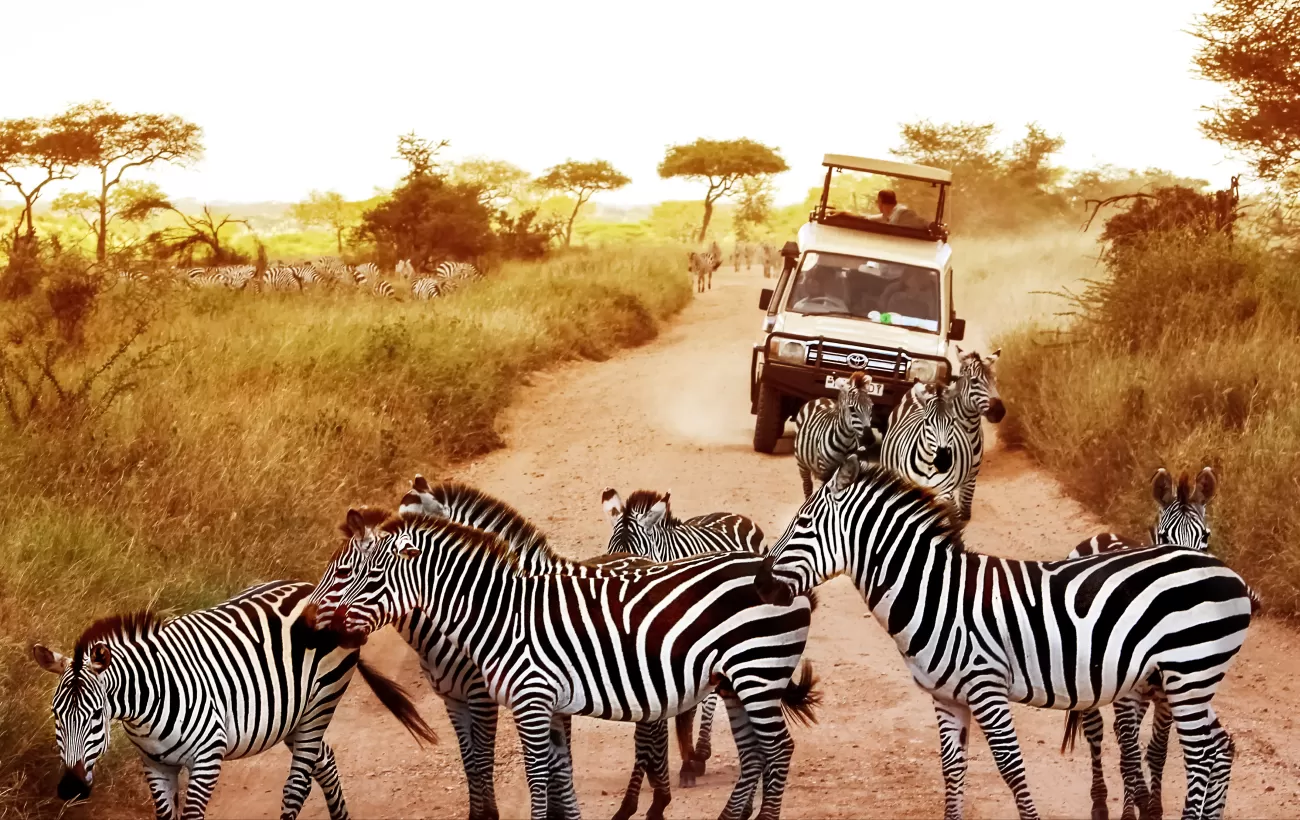
Every year, over 1.5 million wildebeest embark on a perilous journey across the Serengeti, a spectacle often termed as one of the greatest natural wonders. This awe-inspiring migration is not merely an event but a testament to survival amidst the circle of life. Safari enthusiasts witness this primal march, a visual tapestry woven with the threads of instinct and endurance.
The Serengeti National Park, established in 1951, spans over 14,500 square kilometers and is a UNESCO World Heritage Site. It hosts approximately 3,000 lions, making it a critical bastion for predator-prey dynamics essential for ecological balance. The park’s extensive conservation efforts have allowed for sustainable tourism, thus ensuring the preservation of its diverse ecosystems for generations to come.
Serengeti National Park safari offers unparalleled wildlife viewing, featuring the Great Migration and abundant predators like lions and cheetahs. Spanning 14,500 square kilometers, it highlights diverse habitats and ecosystems. Sustainable tourism practices ensure conservation efforts succeed, preserving this UNESCO World Heritage Site for future generations to study and enjoy.
Source: adventure-life.com
Exploring Serengeti National Park Safari
The Serengeti National Park offers a captivating adventure through breathtaking landscapes and abundant wildlife. Home to the iconic wildebeest migration, it’s a spectacle drawing global attention. In this park, you can witness majestic elephants and fierce lions roaming freely. The vast open plains provide excellent opportunities for wildlife photography. From acacia trees dotting the horizon to rivers flowing through, it’s a scene of natural beauty.
One of the highlights of the Serengeti safari is the Great Migration. This event involves over a million wildebeest and thousands of zebras traveling in search of fresh grazing land. It’s an incredible journey full of danger from predators and rough terrains. According to here is the post, this phenomenon remains a must-see for nature enthusiasts. The migration showcases the raw, untamed spirit of the African wilderness.
The rich biodiversity of Serengeti ensures every safari is unique. Besides the big cats, you’ll find giraffes gracefully towering over bushes and hippos basking in waterholes. Birdwatchers will enjoy spotting colorful species soaring in the skies. The park’s varied habitats, from grasslands to wooded savannas, sustain this diversity. Visitors often leave with memories of breathtaking sunrises and unforgettable wildlife encounters.
Careful planning enhances the Serengeti safari experience. Choosing the right season and an experienced guide makes a difference. Guided tours not only increase the chances of seeing rare animals but also educate on conservation efforts. For those seeking another unique adventure, according to the article, consider combining a safari with a walking tour in Tarangire. It adds a different dimension to absorbing nature’s wonders.
Wildlife Diversity and Abundance
The Serengeti National Park is a gem of biodiversity, housing an array of species that thrive in its unique ecosystem. Among the most notable are the African lions, often seen in prides lounging on the plains. The park is also home to the elusive leopard, spotted occasionally in tree branches. Tourists marvel at the sheer number of zebras and giraffes gracing the savannas. Each visit promises a different wildlife sighting.
Bird lovers will be thrilled by the Serengeti’s avian population. With over 500 bird species, there’s no shortage of colorful feathers and melodic songs. The park features everything from tiny sunbirds to majestic eagles. Birdwatching tours are popular and can be tailored to focus on rare species. Some of the must-see birds include the African fish eagle and the Kori bustard.
In addition to the big game, the Serengeti also supports numerous smaller mammals and reptiles. Hyenas often scavenge alongside jackals and vultures. Meanwhile, meerkats can be seen popping up from burrows, always on the lookout. During night drives, the elusive serval cat sometimes makes an appearance. Reptile enthusiasts can find various lizard and snake species in the park.
The abundance of wildlife is sustained by the park’s varied habitats. Grasslands, woodlands, and riverine forests create environments suitable for different species. These diverse habitats support a complex food web essential for ecological balance. Research projects often focus on how these species interact within their environments. Conservation efforts ensure that this biodiversity remains for future generations to appreciate.
The Phenomena of Great Migration
The Great Migration is an incredible natural event that occurs annually in the Serengeti National Park. Millions of wildebeest, zebras, and gazelles traverse the plains in search of greener pastures. This journey is both awe-inspiring and fraught with danger. Predators like lions and crocodiles lie in wait to catch the weak and vulnerable. It’s a dramatic spectacle of survival and instinct.
Timing is everything when it comes to witnessing the Great Migration. The migration usually peaks around June to September, when rivers must be crossed. These river crossings are some of the most thrilling episodes, often featured in wildlife documentaries. During this time, thousands of animals brave swift currents and lurking crocodiles. Watching this raw struggle is a highlight for many safari-goers.
Every stage of the migration plays a crucial role in the ecosystem. As animals move, they graze on vast expanses of grass, ensuring regrowth and maintaining the plains. They also disperse seeds, aiding plant diversity. Predators following the herd control populations and balance the ecosystem. It’s a cycle that has continued for centuries and remains pivotal for the Serengeti.
Planning a trip to view the Great Migration requires some preparation. Select a reliable tour operator knowledgeable about the best viewing spots. According to this post, considering the season is key to planning. Some operators offer special packages that coincide with peak migration periods. With the right planning, your experience will be unforgettable.
The Unique Ecosystem of Serengeti
The Serengeti’s ecosystem is exceptional, providing habitats for a vast array of wildlife. Its open plains, woodlands, and rivers support a diverse range of species. The park is famous for its wide expanses of grassy plains, where wildebeest and zebras roam freely. These animals keep the grasslands healthy by grazing, which promotes new growth. The delicate balance allows the ecosystem to thrive.
Seasonal rainfall patterns play a crucial role in shaping the Serengeti’s landscape. Rain showers transform the dry, dusty ground into lush, green pastureland. This change triggers the migration of herbivores in search of food and water. The wet season, generally from November to May, is vital for the survival of many species. Waterholes become bustling with life, attracting animals large and small.
Predators in the Serengeti also depend on this vibrant ecosystem. Lions, cheetahs, and leopards patrol the grasslands, hunting for their next meal. The abundance of prey keeps these big cats healthy and ensures their populations remain stable. Meanwhile, scavengers like hyenas and vultures clean up the remains, playing a vital role in the food chain. This interaction between predator and prey is vital for maintaining ecological balance.
The park’s varied terrain supports more than just grassland creatures. Wooded areas offer shelter for different species seeking refuge. Giraffes gracefully navigate these areas, feeding on leafy treetops. Smaller animals, such as antelopes and warthogs, find safety in these denser habitats. The Serengeti’s ecosystem is a dynamic web of life, interconnected and constantly evolving.
Despite its strength, the Serengeti ecosystem faces challenges from climate change and human activities. Conservation efforts are crucial to protect this delicate environment. Initiatives focus on sustainable tourism, habitat preservation, and wildlife protection. Education and awareness play key roles in engaging local communities. Through collaboration, the future of this unique ecosystem can be secured for generations.
Sustainability Efforts at Serengeti National Park
Serengeti National Park’s sustainability efforts focus on preserving wildlife and protecting natural habitats. The park works with local governments and international organizations to promote conservation practices. They aim to reduce the human footprint while enhancing biodiversity. This involves strategies like anti-poaching patrols and habitat restoration projects. By implementing these measures, they ensure the park remains vibrant and healthy.
Tourism plays a significant role in the Serengeti’s economy, so sustainable tourism practices are essential. The park encourages eco-friendly travel and responsible visitor behavior. This means tourists are educated on minimizing waste and respecting wildlife. Sustainable camps and lodges have been established to reduce environmental impact. These initiatives help maintain the park’s natural integrity for everyone to enjoy.
Community involvement is vital to the Serengeti’s ongoing sustainability. Local communities are actively engaged in conservation through education and job opportunities. Initiatives encourage locals to participate in wildlife protection and habitat management. This cooperation fosters a sense of pride and responsibility for the land. As a result, both the ecosystem and the communities living near the park benefit.
Education programs in schools raise awareness about the importance of conservation. Children are taught about the unique value of their natural surroundings. This education is crucial for developing future generations of conservationists. Outdoor activities and workshops make learning engaging and practical. The goal is to inspire curiosity and respect for the environment.
Technology also aids in sustainability efforts within the park. Drones and GPS systems are used for monitoring wildlife and tracking poachers. These tools provide valuable data to improve conservation strategies. They help ensure the park’s resources are managed efficiently. Embracing technology is a forward-thinking step in the park’s long-term sustainability goals.
Planning Your Serengeti Safari
When planning your Serengeti safari, choosing the right season is essential. The best time to visit is during the dry season from June to October. This period offers excellent wildlife viewing opportunities as animals gather around water sources. During this time, the Great Migration reaches its peak, making it an exhilarating experience. Remember to book well in advance, as this is a popular season.
Your safari experience greatly depends on selecting a reliable tour operator. Look for operators with knowledgeable guides who understand the park’s ecosystem. Experienced guides enhance your safari by providing insights into wildlife behavior and spotting rare animals. Many tours offer customized packages, catering to different interests and budgets. Research and read reviews to ensure you choose the best option.
Accommodations in the Serengeti range from luxury lodges to budget-friendly campsites. Luxury lodges provide comfort and stunning views, while campsites offer a more immersive experience. Each option has its unique appeal depending on your preference and budget. Consider the amenities you need and the kind of experience you want. Most accommodations are designed to blend with the natural surroundings.
Preparing for your Serengeti safari involves packing the right gear. Light, breathable clothing is ideal for the warm climate. Don’t forget a hat, sunglasses, and sunscreen to protect against the sun. Bring binoculars and a good camera to capture the impressive wildlife and scenery. It’s also wise to pack insect repellent and any necessary medications.
Understanding the park’s rules and guidelines ensures a safe and enjoyable trip. Visitors are advised to stay inside vehicles during game drives, keeping a safe distance from animals. Respecting these guidelines protects both you and the wildlife. Follow instructions from your guide to maximize your experience and safety. This way, you help preserve the pristine beauty of the Serengeti for future visitors.
Source: safarisrwandasafari.com
Frequently Asked Questions
Explore the wonders of the Serengeti and immerse yourself in this unique ecosystem. Discover answers to common queries about wildlife, conservation, and planning your visit.
1. What is the best time to visit Serengeti National Park?
The best time to visit Serengeti National Park is during the dry season, from June to October. This period offers great opportunities to witness the incredible Great Migration, where thousands of wildebeest and zebras traverse the plains. The dry conditions also mean animals often gather at waterholes, making them easier to spot on safaris.
While the dry season boasts excellent wildlife viewing, the wet season from November to May showcases the park’s lush landscape. Migrating birds join the scene, and you might see newborn animals. Both seasons have unique experiences to offer, catering to different interests and adding variety to your safari adventure.
2. How does Serengeti National Park support wildlife conservation?
Serengeti National Park supports wildlife conservation through sustainable tourism and strict anti-poaching policies. The park collaborates with local communities and international organizations to maintain its rich biodiversity. These partnerships focus on protecting habitats, safeguarding endangered species, and promoting eco-friendly travel practices.
By involving local communities, the park fosters a sense of responsibility and pride for the environment. Education programs teach about balanced ecosystems and the importance of conservation. Visitors to the park are encouraged to follow guidelines that ensure minimal disturbance to wildlife, contributing to ongoing preservation efforts.
3. What type of animals can you see on a Serengeti safari?
A Serengeti safari offers the chance to see diverse wildlife, including the “Big Five”: lions, elephants, buffalo, leopards, and rhinoceros. Additionally, the park is a haven for cheetahs, giraffes, zebras, and countless bird species. Animal activity varies depending on the time of day and year, providing a dynamic experience.
The Great Migration is a highlight, featuring wildebeest and zebras moving en masse across the park. Beyond mammals, birdwatching opportunities are abundant, with over 500 species recorded. From vibrant bee-eaters to powerful eagles, the skies are filled with marvels, ensuring every safari is memorable.
4. What should you pack for a Serengeti safari?
When packing for a Serengeti safari, prioritize light, breathable clothing and comfortable walking shoes. Essential items include a wide-brimmed hat, sunscreen, and sunglasses to protect against the sun’s harsh rays. Binoculars and a high-quality camera are also recommended for spotting and capturing wildlife.
Insect repellent is advised to ward off potential bug bites, especially during sunrise and sunset. It’s crucial to bring any personal medications, along with a small first-aid kit. Layered clothing is helpful as temperatures vary throughout the day, ensuring comfort during your adventure.
5. How can technology aid in wildlife monitoring in Serengeti National Park?
Technology plays a vital role in wildlife monitoring at Serengeti National Park by providing data on animal movements and habitats. Tools like GPS tracking and drones help researchers and conservationists gather real-time information. This assists in studying animal behavior and recognizing patterns crucial for long-term conservation strategies.
By employing technology, the park can efficiently track endangered species and identify potential threats. These advancements support anti-poaching efforts, ensuring the safety and sustainability of wildlife populations. Moreover, adopting technology underscores the park’s commitment to integrating modern methods with traditional conservation practices.