Ascending to the summit of Mount Meru has often been described as an exhilarating challenge that beckons adventurers with an affinity for high-altitude climbs. This dormant volcano in Tanzania, towering at a remarkable 4,566 meters, poses a formidable yet enticing obstacle for seasoned hikers. It’s not merely the elevation that tests one’s resolve but also the rapidly changing environmental conditions that demand both physical endurance and mental tenacity.
Historically, Mount Meru has served as both a geological wonder and a gateway to the more renowned Mount Kilimanjaro. Despite its lesser fame, the trek presents a unique blend of lush forests, wildlife encounters, and steep ascents. It’s noted that only about half of the hikers reach the summit, underscoring its reputation as a proving ground for mountaineers. Such statistics highlight the imperative for thorough preparation and resilience even among experienced climbers.

What’s the Difficulty Level of the Mount Meru Hike?
Mount Meru, located in Tanzania, offers a hike that’s both challenging and rewarding. The elevation reaches up to 4,566 meters, making it the tenth highest mountain in Africa. Hikers face steep trails that can be demanding on both legs and lungs. Many adventure seekers choose Meru as a warm-up for Mount Kilimanjaro. The continuous uphill trek means that climbers must have good endurance levels.
One of the main challenges is the varying altitude. As hikers ascend, they may experience symptoms of altitude sickness like headaches or dizziness. The hike demands caution, as conditions change with little warning. Despite these difficulties, the climb rewards hikers with stunning views of the surrounding landscapes. This breathtaking scenery makes each step worth the effort.
Preparation is crucial for anyone attempting to conquer Mount Meru. Climbers should be in good physical shape and bring the right gear. Essential items include sturdy hiking boots, warm clothing, and a reliable backpack. Proper hydration during the trek is critical, as the body requires more water at higher altitudes. Many hikers also train beforehand to increase their stamina.
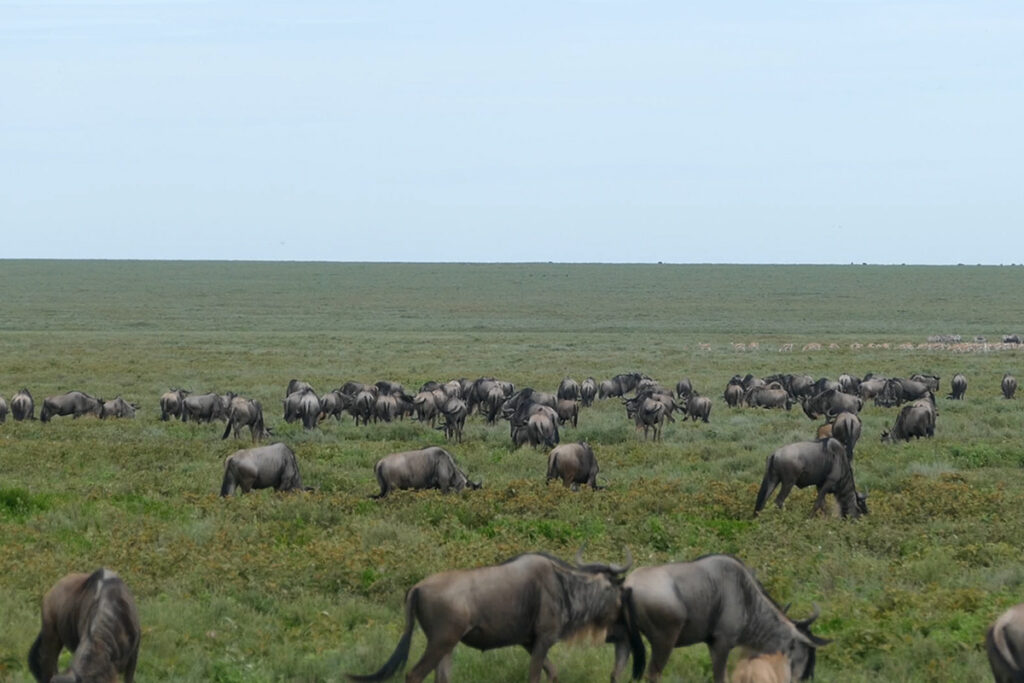
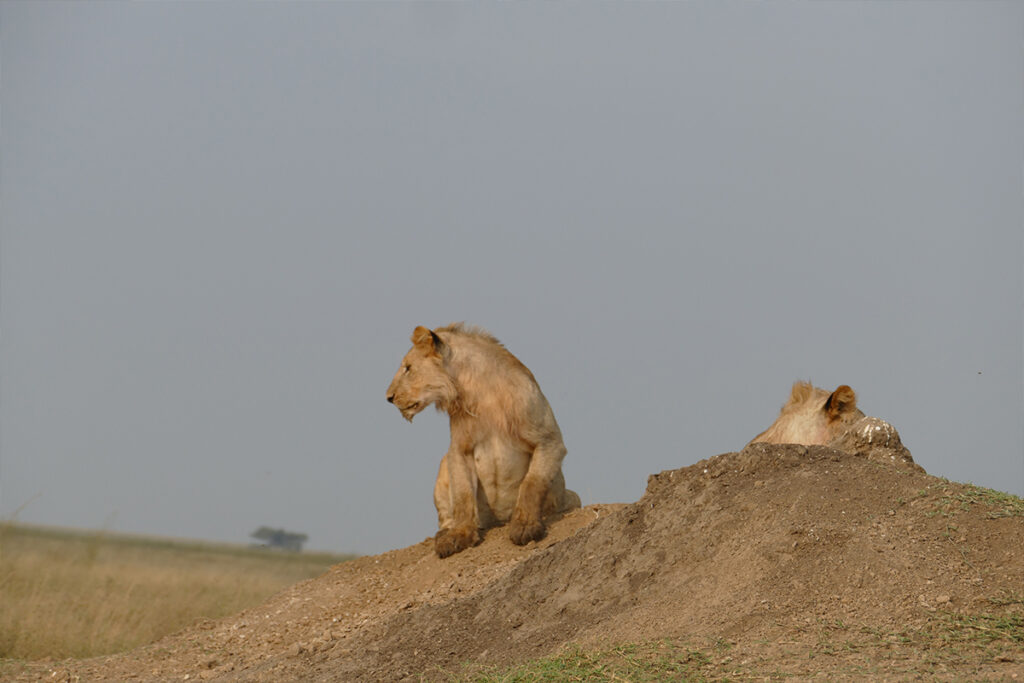
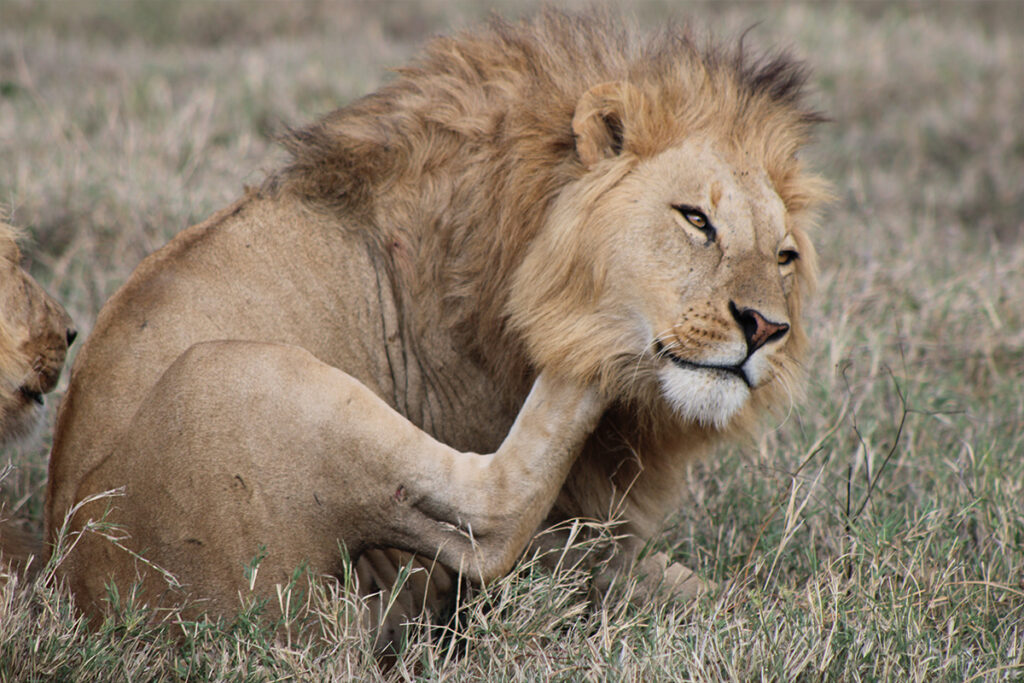
The unique allure of Mount Meru lies in its variety of habitats. From dense forests to open plains, each part of the hike presents its own challenges and beauty. Wildlife, such as giraffes and elephants, can often be spotted along the way. This adds an element of excitement and unpredictability to the journey. The varied trail keeps hikers engaged, offering something new at every turn.
Exploring Route Challenges and Altitude Variances
The hike up Mount Meru presents a variety of route challenges that test even experienced climbers. The Momella Route is the primary path, starting at 1,500 meters and leading hikers through lush rainforests. Steep ascents and rocky paths require careful navigation. The trail also includes river crossings and uneven terrain. These obstacles demand concentration and strength from every hiker.
The higher you climb, the more the altitude begins to make its presence felt. At altitudes above 3,000 meters, the air thins significantly. This can cause difficulties in breathing and maintaining energy levels. Altitude sickness is a real risk, with possible symptoms like nausea and shortness of breath. Acclimatization stops are essential to help the body adjust gradually.
Each section of the trail offers its own set of challenges. The rainforest zone is rich with plant and animal life, but its wet conditions can make the path slippery. The moorland zone, higher up, features open grasses and stunning views but exposes hikers to stronger winds. Finally, the alpine desert near the summit is marked by rocky slopes and sparse vegetation. Each zone requires different hiking strategies.
Proper planning and preparation can make these challenges more manageable. Hikers should wear layers to adjust to varying temperatures along the route. Packing lightweight but nutritious snacks can help maintain energy. Guides are valuable resources for navigating tricky sections and understanding the terrain. They offer insights that boost both safety and enjoyment.
Impact of Weather and Climate on Hiking Difficulty
The weather and climate on Mount Meru play a crucial role in determining the hiking difficulty. Wet seasons bring heavy rains, making trails muddy and slippery, increasing the risk of falls. During these times, fog can blanket the mountain, reducing visibility. Hikers need to exercise caution and may find progress slower than expected. Waterproof clothing is essential to stay dry and warm.
In contrast, the dry season offers clearer skies and less mud, but it presents its own challenges. The sun can be harsh, leading to dehydration if hikers aren’t careful about their water intake. Nights can become surprisingly cold, demanding warm gear for those camping. Getting an early start is beneficial to avoid the midday heat. Balancing hydration and protection from the sun enhances the hiking experience.
Another critical factor is the wind, which can be unpredictable on Mount Meru. Strong winds at higher altitudes can throw hikers off-balance and complicate the ascent. It’s especially important to secure gear tightly and remain stable on exposed sections of the trail. Wind conditions require hikers to be adaptable and prepared. Understanding weather patterns aids in planning a successful climb.
Monitoring forecasts before starting the trek can significantly impact the hiking experience. Guides often provide valuable insights on expected weather, helping climbers make informed decisions. Adapting plans based on real-time weather updates can improve safety. Having a flexible schedule allows for adjusting days to match favorable conditions. Proper preparation based on the climate ensures a more enjoyable hike.
Preparations to Overcome the Difficulty Level of Mount Meru
Conquering Mount Meru requires detailed and thoughtful preparation to overcome its challenges. Physical training is a cornerstone of preparation, focusing on building cardiovascular endurance and leg strength. Exercises like running, hiking, or stair-climbing can be beneficial. Incorporating strength workouts can help prepare the body for the steep ascents. Conditioning the body enhances the overall hiking experience.
Packing the right gear is equally important. A good pair of hiking boots with strong ankle support is crucial. Hikers should layer their clothing to adapt to changing weather conditions. Essential gear includes a warm hat, gloves, and a waterproof jacket. Packing efficiently can make carrying the load easier and more comfortable.
Hydration and nutrition play a pivotal role in sustaining energy levels. Hikers should carry enough water to stay hydrated, especially at higher altitudes. Bringing lightweight, energy-packed snacks like nuts, dried fruits, and protein bars is advisable. Proper meals help replenish energy and keep the body fueled. Consistent water intake helps in acclimating to the altitude.
Acclimatization is critical to prevent altitude sickness. Spending extra days at intermediate altitudes allows the body to adjust gradually. Short acclimatization hikes can help the process. Recognizing the symptoms of altitude sickness and taking necessary measures can prevent severe complications. Gradual ascent helps in avoiding unpleasant experiences during the climb.
Planning the logistics of the hike, including hiring experienced guides, can greatly enhance safety and enjoyment. Guides provide invaluable knowledge about the terrain and conditions. They also offer support in case of emergencies. Choosing reputable guide services ensures a better hiking experience. Their expertise can be a significant boost for first-time climbers.
Mental preparation is also an often-overlooked aspect of getting ready for Mount Meru. Being mentally ready helps climbers cope with the stress and fatigue encountered during the hike. Positive thinking and setting realistic goals can keep spirits high. Having a strong mind is just as important as physical readiness. It ensures climbers can enjoy the journey despite the challenges.
Key Takeaways
- Physical training helps you tackle Mount Meru’s steep and challenging paths.
- Packing the right gear ensures comfort and adaptability during your hike.
- Hydration is vital to keep energy levels up on the climb.
- Acclimatization can prevent altitude sickness and improve your experience.
- Mental preparation boosts confidence and keeps spirits high throughout the journey.
Conclusion
Hiking Mount Meru requires a blend of physical readiness, strategic planning, and mental resilience. This trek’s challenges, from steep ascents to altitude adjustments, offer valuable lessons in perseverance and adaptability. With the right preparation, climbers can enjoy breathtaking vistas while pushing their limits.
The experience of conquering Mount Meru extends beyond the physical act of climbing. It transforms one’s understanding of self-capability, rewarding them with both accomplishment and an unmatched connection to nature. For those willing to take on the challenge, the journey up Mount Meru is sure to be a memorable journey of discovery and triumph.