Have you ever considered how a city can be a melting pot of traditions yet maintain its unique cultural identity? Arusha, known as the “Geneva of Africa,” offers an intriguing blend of culture and tradition. Nestled amidst the stunning landscape of Northern Tanzania, Arusha serves as a gateway into the rich history and vibrant customs of the Maasai and other indigenous groups.
Arusha is renowned for its bustling Maasai Market, an immersive experience teeming with locally crafted goods and traditional artifacts. This market highlights the enduring legacy and craftsmanship of the Maasai tribe, whose colorful garments and intricate beadwork reflect centuries of cultural significance. With over 120 distinct tribes in Tanzania, Arusha is a testament to the harmonious coexistence of diverse cultures, making it a rich tapestry of cultural experiences.
Exploring the Rich Culture of Arusha
Arusha, often known as the heart of Tanzania, is vibrant with culture. It’s a place where traditional and modern lifestyles beautifully blend. Walking through the city, you can witness the colorful Maasai people in their distinct clothing. They often sell handmade crafts, like jewelry and sandals, which are unique to their tribe. These items reflect their history and artistic spirit.
The local markets in Arusha are a hub of cultural exchange. You’ll find a variety of spices, fruits, and vegetables that are staple foods in the Tanzanian diet. Each vendor might have a different story or a local dish to share. Visiting these markets gives insight into the everyday life of the locals. It’s an experience that leaves a lasting impression.
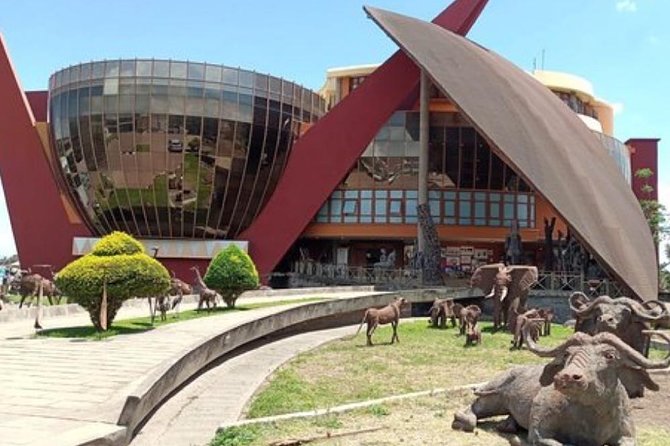
Beyond the markets, cultural diversity is evident in the various festivals and events held throughout the year. The Arusha Cultural Heritage Centre showcases this vibrant tradition. Here, you can enjoy art exhibits or watch performances that highlight various tribal dances. These events celebrate unity and the unique heritages of different communities.
For those eager to learn more about Arusha’s history, museums offer a treasure trove of information. They provide context to the artistry, rituals, and evolution of the city and its people. Many visitors leave with a deep appreciation for the region’s rich heritage. Exploring these museums is both educational and inspiring. It uncovers stories that are as dynamic as the city itself.
The Importance of Maasai Market to Arusha’s Cultural Landscape
The Maasai Market in Arusha is a cornerstone for cultural identity. It acts as a vivid showcase of the traditional Maasai life. Here, traders display their unique beadwork, clothing, and crafts, echoing the essence of Maasai artistry. Tourists flocking to the market not only buy souvenirs but also learn about Maasai customs. This interaction promotes cultural understanding and appreciation.
Apart from being a cultural hub, the market plays a vital role in the local economy. By selling their handmade items, the Maasai people earn a livelihood. This economic activity supports numerous families and strengthens community ties. Vendors also introduce visitors to local foods and cooking methods. Such exchanges enrich the market experience.
The market’s lively environment fosters social connections among different tribes. It’s a place where various cultures meet, creating a melting pot of traditions. Regular visitors often interact with artisans, who share stories and details about their crafts. These conversations provide insights into the cultural significance of the items sold. This dialogue nurtures mutual respect among diverse communities.
Events and celebrations often take place close to the market, adding to its importance. These gatherings highlight traditional dances and music, drawing crowds. This vibrant atmosphere attracts not only visitors but also artists and performers. Such events amplify the cultural allure of the market. They make it a central part of Arusha’s social and cultural life.
Unveiling the Cultural Tapestry of Arusha’s Diverse Tribes
Arusha is a blend of over 120 tribes, each contributing to its rich cultural tapestry. Among them, the Maasai and Chaga tribes stand out with their unique traditions and customs. The Maasai are renowned for their vibrant clothing and lively dances, which represent their nomadic lifestyle. On the other hand, the Chaga people are known for their farming skills and banana beer. These diverse backgrounds create a colorful mosaic of traditions.
Language plays a significant role in bridging these cultures. Swahili, the national language, acts as a unifying thread, allowing different tribes to communicate. Despite linguistic differences, daily interactions foster harmony. Schools in Arusha often celebrate cultural days, where students showcase their tribal heritage. These events promote mutual respect and understanding.
Music and dance are integral to Arusha’s cultural life. Each tribe has its own songs and dances, often performed during festivals or special occasions. The traditional dances tell stories of the past and present, keeping history alive. Old songs get new life in urban settings, blending traditional and modern beats. This fusion enriches the community’s cultural expression.
Food also reflects the diversity of tribes in Arusha. Table showcases various traditional dishes:
| Tribe | Traditional Dish |
|---|---|
| Maasai | Nyama Choma (Grilled Meat) |
| Chaga | Mtori (Banana and Beef Soup) |
| Sukuma | Maboga (Pumpkin Dish) |
These dishes not only nourish the body but also carry stories from generations. Gathering around these meals enhances community bonds, making each tribe’s culinary art a vital part of Arusha’s cultural fabric.
Experiencing Cultural Traditions through Arusha’s Festivals and Events
Arusha hosts diverse festivals that spotlight its vibrant cultural heritage. Each festival draws crowds eager to participate in the rich traditions they showcase. The Kilimanjaro Marathon, for instance, is more than just a sports event. It brings people together while highlighting local music and crafts alongside the race. Such events allow attendees to engage with the community’s spirit.
Music festivals in Arusha are a feast for the senses, celebrating traditional and modern tunes. These gatherings feature live performances from local bands and dancers. Tribes use these opportunities to present their unique styles and dance forms. Visitors can join in, learning steps and soaking up the lively atmosphere. These festivals act as a bridge, connecting diverse cultural expressions.
Arusha’s cultural calendar bursts with colorful celebrations from different tribes. List shows some popular festivals:
- Nane Nane Agricultural Show
- Karibu Travel and Tourism Fair
- Arusha Cultural Festival
Each event has something special, providing insights into traditional practices. Participants get a chance to immerse themselves in local life, creating lasting memories.
Markets and fairs during festivals transform Arusha into a bustling hub of activity. Vendors sell handmade crafts, traditional foods, and vibrant textiles. These items reflect the skill and creativity of local artisans. Such fairs stimulate the local economy and promote cultural pride. By supporting these vendors, visitors contribute to maintaining these rich traditions.
Attending these events gives travelers a deeper understanding of Arusha’s rich cultural mosaic. It’s a chance to see firsthand the pride and passion of the people. Through music, dance, food, and crafts, festivals offer a window into the soul of Arusha. They encourage cultural exchange and leave a lasting impact on both locals and visitors alike. These experiences help weave a stronger community bond.
Key Takeaways
- Arusha’s cultural events highlight the vibrant traditions of local tribes.
- Festivals in Arusha blend traditional and modern music and dance styles.
- Markets during festivals offer unique crafts reflecting local artistry.
- Tourists enjoy hands-on experiences that deepen their cultural understanding.
- Cultural exchanges at festivals foster community unity and mutual respect.
Conclusion
Arusha stands out as a dynamic cultural hub in Tanzania, showcasing the traditions of numerous tribes. Its vibrant festivals and bustling markets offer a window into the local way of life. The interaction between residents and visitors fosters deeper cultural understanding and appreciation.
From the colorful Maasai Market to the diverse tribal festivals, every experience in Arusha is enriching. These events not only celebrate heritage but also strengthen community bonds. Exploring Arusha’s cultural landscape leaves both locals and tourists with memorable and enlightening experiences.