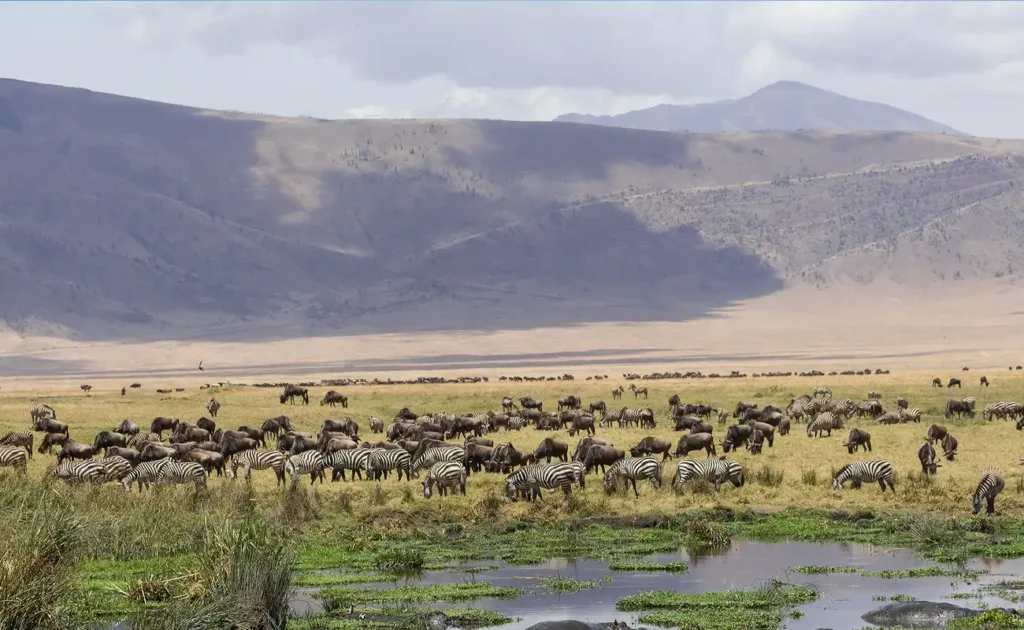
With over 30% of its territory designated as protected areas for conservation, Tanzania is a dream come true for wildlife enthusiasts. These safaris not only offer the chance to witness the Great Migration but also the opportunity to explore iconic sites such as the Serengeti and the Ngorongoro Crater. The allure of Tanzania’s diverse ecosystems invites adventurers from across the globe to delve into its untouched wilderness.
Tanzania safari packages are a perfect blend of adventure, culture, and comfort, with a history rooted in colonial-era hunts. Today, they serve as a vital element in conservation efforts and boast a yearly influx of over 1.5 million tourists. This provides a significant boost to the local economy while ensuring sustainable tourism practices that preserve the land’s natural beauty.

Exploring Tanzania Safari Packages
Tanzania safari packages offer a variety of adventures, each with unique experiences. Whether you’re keen on witnessing the Great Migration or exploring the Serengeti’s vast savannah, there’s something for everyone. Packages range from luxurious lodges to budget-friendly camping trips. According to this post, you can find a package that suits your budget without compromising the excitement of the journey. From expert-guided tours to private safaris, the options are vast and diverse, catering to different preferences and group sizes.
Deciding the right time to embark on a safari is crucial for maximizing your experience. The dry season, from June to October, is often recommended as it offers the best wildlife viewing opportunities. Animals gather around waterholes, making them easier to spot. However, the wet season, from November to April, provides lush landscapes and vibrant birdwatching. Each season brings its unique charm and challenges, making the timing of your visit an essential consideration.
When considering safari packages, the types available can significantly affect your vacation. There are traditional jeep safaris, walking safaris, and even balloon safaris. Each allows you to see Tanzania’s wildlife in different ways. According to the article, newer trends in safari adventures are drawing more visitors to the region. This means that keeping up with the options can provide a more enriching experience.
Before setting out to explore Tanzania, some useful tips can help ensure a memorable trip. Packing essentials like sunscreen, binoculars, and a good camera are vital for capturing those awe-inspiring moments. It’s also smart to keep a flexible itinerary to fully embrace the unexpected wonders of African wildlife. Listening to guides’ advice will greatly enhance your understanding and appreciation. Choosing reputable safari operators ensures safety and greater overall enjoyment. Traveling light and staying observant helps you stay focused on the beauty surrounding you.
Key Factors to Consider When Choosing a Safari Package
When selecting a safari package, the first thing to consider is your budget. Safari experiences can vary greatly in cost, from luxury all-inclusive lodges to more economical camping adventures. Knowing how much you are willing to spend helps narrow down your choices. Some packages include meals and transportation, while others might charge extra. This variation means that understanding your financial limits is a crucial step in planning.
The type of wildlife you want to see also plays a significant role in your decision. Tanzania is home to the Big Five: lions, elephants, buffalo, leopards, and rhinoceroses. If you aim to see them all, opt for a package that covers diverse parks like the Serengeti and Ngorongoro Crater. Timing your trip to coincide with events like the Great Migration may enhance your experience. The diversity in fauna and flora across different parks makes each safari unique.
Another vital factor is the duration of your safari. Some trips last just a couple of days, while others extend over a week or more. The length of your visit will determine how many parks you can explore. Shorter trips might focus on one or two key locations, giving you a more intense but limited experience. Longer safaris allow for a more relaxed pace and greater exploration.
Consider the group size and type of accommodation offered in the package. Some people prefer small, private groups to avoid the crowds and have a tailored experience. Larger groups can be more social and cost-effective but may lack personal attention. Accommodation can vary from tented camps to lodges with modern amenities. Choosing based on your comfort level enhances your trip’s enjoyment and satisfaction.
The Best Time to Visit Tanzania for a Safari
Timing your visit to Tanzania can make all the difference in your safari experience. The dry season, from June to October, is often considered the best time to see wildlife. During these months, animals gather around shrinking water sources, making them easier to spot. This period also boasts clear skies and a lower chance of rain, offering excellent conditions for photography. However, it’s usually the peak tourist season, so expect more visitors.
The wet season, stretching from November to May, presents a different but equally thrilling experience. The landscapes transform into lush green paradises, attracting diverse bird species. While some roads become less accessible, this season offers fewer tourists and often lower costs. It’s also the time when many animals give birth, providing a chance to see newborns. The vibrant scenery and life make it an appealing option for many nature lovers.
If you’re aiming to witness the Great Migration, timing is crucial. Generally, the herds move through the Serengeti from December to July. However, the migration patterns depend on rain and can vary slightly each year.
- December to March: Calving season in the southern Serengeti.
- April to May: Herds move towards central and western Serengeti.
- June to July: Crossing river challenges in northern Serengeti.
Planning around these times increases your chances of catching this awe-inspiring event.
Consider the climate variations depending on the region you plan to visit. Coastal areas, for instance, might experience different weather compared to inland parks. The Ngorongoro Crater can be chilly, especially at night, regardless of when you visit. Therefore, packing appropriately for varying temperatures is wise. Your choice of travel time impacts not only the wildlife viewing but also your overall comfort and enjoyment.
Types of Safari Packages Available in Tanzania
Tanzania offers a wide variety of safari packages, each tailored to different interests and budgets. Some travelers opt for classic game drives, where you can enjoy sweeping views of the savannah from the comfort of a 4×4 vehicle. This type of safari is perfect for first-timers wanting a general overview of wildlife. You’ll drive through famous parks like the Serengeti and Tarangire, frequently stopping to observe animals up close. Game drives are often guided by experienced rangers who offer valuable insights into the ecosystem.
For those seeking a more immersive experience, walking safaris present an excellent opportunity. This adventurous option allows you to step out of the vehicle and explore the wilderness on foot. Guided by experts, you’ll learn to track animals and identify plants and insects.
- These safaris bring you closer to the wild, offering a sense of connection to nature.
- But they require a higher level of physical fitness and may not be suitable for everyone.
Another unique option is the balloon safari, which provides a bird’s-eye view of the landscape. Floating silently over the Serengeti at sunrise reveals breathtaking vistas and herds of animals moving below. This type of safari is an excellent complement to land-based tours, offering a different perspective on the wildlife. It typically ends with a champagne breakfast upon landing, adding a touch of luxury to your adventure. While more costly, the unforgettable experience makes it worthwhile for many travelers.
If you’re traveling with family or in a group, private safaris can be a fantastic option. These packages provide flexibility in both itinerary and accommodation, ensuring everyone’s needs are met. You can choose which parks to visit and how long to stay, creating a personalized experience. Families appreciate the comfort and exclusivity, making it a popular choice among those celebrating special occasions. The guided exploration allows for a tailored experience that fits the group’s dynamics.
Lastly, cultural and community-based safaris offer a deeper understanding of Tanzania’s people and traditions. These trips integrate visits to local villages, schools, and markets, where you can interact with residents and learn about their daily lives. Often seen as enriching experiences, these safaris create meaningful connections between visitors and locals. Travelers gain insight into the culture while supporting community development projects. These encounters add another layer of depth to your journey, making it both educational and rewarding.
Must-Visit Destinations in Tanzanian Safaris
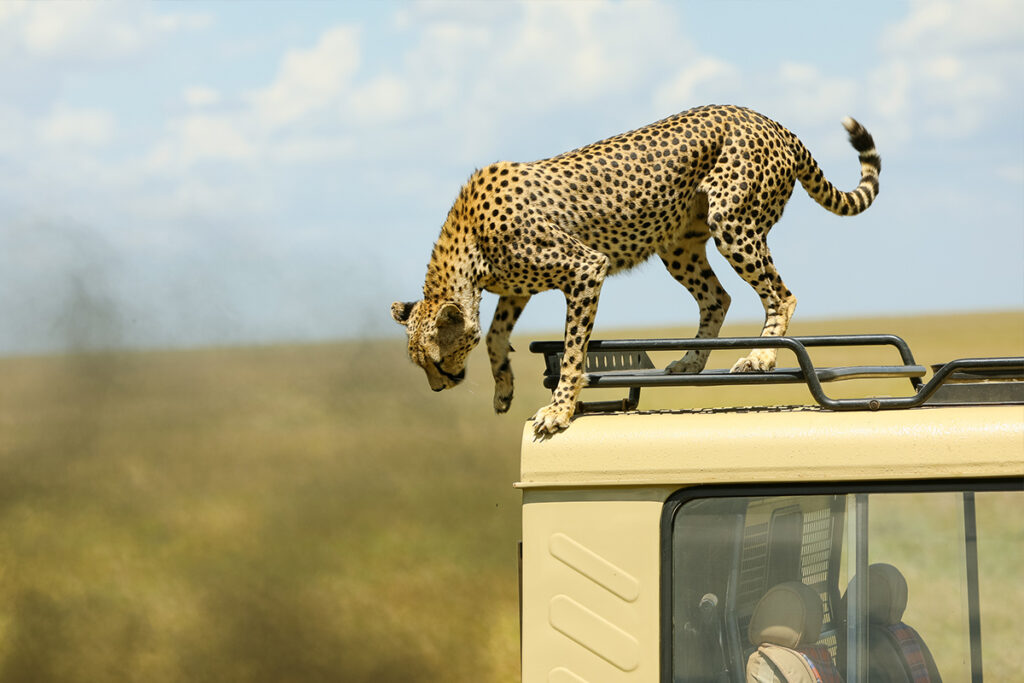
The Serengeti National Park tops the list for many safari travelers with its sweeping plains and incredible wildlife. Famous for the Great Migration, millions of wildebeest, zebras, and gazelles traverse these lands yearly. The park’s environment supports a wide diversity of predators like lions and cheetahs. It’s a place where nature’s drama unfolds vividly every day. Many visitors hail the Serengeti as a highlight of their Tanzanian adventure.
Another must-see is the Ngorongoro Crater, a UNESCO World Heritage site and part of the Ngorongoro Conservation Area. This vast volcanic crater hosts a rich array of wildlife, including the rare black rhino. The crater floor, enclosed by steep walls, contains swamps, lakes, and grasslands. The diversity in habitats means that each visit offers new sights and sounds. It acts as a natural haven for African wildlife, providing exceptional game-viewing opportunities.
Tarangire National Park, known for its stunning baobab trees and large elephant herds, offers a quieter yet rewarding experience. This park is a sanctuary for these gentle giants, who move in large numbers across the park’s open savannahs. A visit here guarantees encounters with elephants along with other animals like giraffes and antelopes. Tarangire is especially vibrant during the dry season when animals flock to the Tarangire River for water. Birdwatchers will also appreciate the diversity, with over 500 bird species recorded.
Selous Game Reserve, one of the largest faunal reserves globally, provides an experience of raw and wild Africa. Unlike many other parks, it allows river safaris on the Rufiji River, adding an exciting dimension to wildlife exploration. The experience along the riverbanks is heightened with sightings of crocodiles, hippos, and water birds. The reserve covers a substantial area, making it less crowded and allowing for a more intimate connection with nature. Walking safaris here offer up-close encounters, making each moment thrilling.
The Ruaha National Park, with its rugged landscape and rich biodiversity, is Tanzania’s largest national park. Known for its high concentration of elephants, it also hosts many lions, leopards, and wild dogs. The remote setting offers an off-the-beaten-path experience compared to more popular parks. Seasonal rivers and dramatic sceneries provide a striking backdrop for any safari. This area is perfect for those seeking to discover the enchanting wilderness at its most untouched.
Tips for a Safe and Memorable Tanzanian Safari Experience
Preparing well before your trip can enhance your safari adventure significantly. Packing the right gear is crucial, starting with lightweight clothing and comfortable shoes. Remember essentials like sunscreen, a hat, and binoculars for spotting distant animals. Bring a camera with extra batteries to capture the breathtaking moments. A well-thought-out bag ensures you enjoy the journey without any hassles.
Choosing a reputable safari operator can make or break your trip experience. Look for companies with good reviews and knowledgeable guides who prioritize safety. Experienced guides offer insight into wildlife behavior and take you to the best spots for viewing. This expertise enhances your understanding of the environment and boosts the enjoyment level. A reliable operator ensures your time is effectively used and your safety prioritized.
Following the instructions given by your guide is key to staying safe. Listen carefully during briefings to understand how to act around wild animals. Never attempt to leave the vehicle during game drives unless your guide says it’s safe. Staying quiet and seated prevents startling the animals and maintains a peaceful atmosphere. Respect for wildlife is paramount, ensuring both your safety and that of the animals.
Timing your visit is beneficial for a memorable safari. Know the season and weather conditions in advance so you can prepare accordingly. The dry season usually offers the best wildlife viewing as animals congregate around waterholes. However, the green season brings vibrant landscapes and unique scenes of newborns in the wild. Planning around these periods enriches the experience with different natural spectacles.
Consider engaging with the local culture to add depth to your travel experience. Visiting nearby villages and interacting with locals provides insights into daily life and traditions. Participating in cultural activities fosters a stronger connection with the land. It promotes sustainable tourism, encouraging respect and preservation of local customs. Such interactions often leave lasting impressions beyond the safari itself.

Frequently Asked Questions
Planning a safari in Tanzania is an exciting adventure filled with unique experiences. Below are answers to common questions to help you navigate your journey.
1. What is the best time to go on a safari in Tanzania?
The optimal time to visit Tanzania for a safari is during the dry season, which ranges from June to October. During this period, animals gather around water sources, making them easier to spot, and the weather is generally clear and pleasant. The Great Migration, a significant attraction, occurs during these months in the Serengeti, offering a spectacular wildlife viewing experience.
The green season, although wetter, also has its advantages. From November to May, particularly from January to February, visitors can witness the calving season, when many wildlife species give birth. This period is less crowded, and the landscapes are lush and vibrant, attracting numerous bird species, making it ideal for birdwatchers and photography enthusiasts.
2. How should I pack for a Tanzanian safari?
When preparing for a safari in Tanzania, packing light is essential due to baggage restrictions on small planes. Include comfortable, breathable clothing in neutral tones to blend in with the surroundings. Essential items include a wide-brimmed hat, sunglasses, sunscreen, and a lightweight jacket for cooler evenings and early mornings.
Binoculars and a reliable camera with extra memory cards are crucial for capturing wildlife moments. It’s also a good idea to bring insect repellent and any necessary medications. Finally, sturdy walking shoes are a must for any walking safaris or bush walks you may undertake during your journey.
3. Are there any health precautions to consider for a safari in Tanzania?
Yes, visiting Tanzania requires certain health precautions to ensure a safe and enjoyable safari experience. It’s advisable to consult with a healthcare provider or travel clinic well in advance to discuss vaccinations, such as those for yellow fever and hepatitis. Malaria is present in Tanzania, so taking prophylactic medication and using mosquito repellent are recommended.
Drinking only bottled or filtered water helps prevent waterborne illnesses. Having a basic first-aid kit with essentials, including antiseptic wipes, band-aids, and pain relievers, is also advisable. Staying informed about current health advisories ensures that you are well-prepared for your trip.
4. Can I customize my safari experience in Tanzania?
Absolutely, many tour operators offer customizable safari options to cater to individual interests and preferences. You can choose from various activities such as game drives, walking safaris, and cultural tours. Whether you’re interested in photography, wildlife conservation, or exploring local communities, itineraries can be adapted to meet your specific needs.
Customization extends to accommodation preferences, whether you prefer luxurious lodges or more budget-friendly tented camps. Discussing your interests and budget with the tour operator helps create a personalized safari experience. This flexibility allows for a more enriching trip aligned with your expectations.
5. What wildlife can I expect to see on a Tanzanian safari?
Tanzania is renowned for its rich diversity of wildlife, offering some of the best game viewing in Africa. Visitors can expect to see the Big Five: lions, elephants, buffalo, leopards, and rhinoceroses. Plains animals such as wildebeests, zebras, and gazelles are also commonly observed, particularly during the Great Migration.
In addition to mammals, Tanzania is a birdwatcher’s paradise with over 1,000 species of birds. You’ll likely spot colorful bee-eaters, fish eagles, and flamingos, especially near the Rift Valley lakes. Each park and reserve provides unique encounters, making each safari a novel experience.