Embarking on a Tanzania safari in December offers travelers an extraordinary spectacle—it’s the beginning of the Great Wildebeest Migration. At this time, vast herds gather, preparing to cross the Serengeti plains in one of nature’s most breathtaking scenes. The lush landscapes of December provide the perfect backdrop for witnessing this magnificent journey.
Historically, Tanzania has maintained its status as a premier destination for wildlife enthusiasts, with December providing an optimal experience. During this period, the weather is generally warm and dry, making game viewing superbly viable. Moreover, the past decade has seen a 20% increase in tourist visits during December, emphasizing the month’s growing appeal for safari experiences.

Tanzania Safari in December: An Overview
December is a fantastic time to visit Tanzania for a safari, as the wildlife is vibrant and active. The Great Wildebeest Migration kicks off, attracting herds of zebras and gazelles. This season also brings lush greenery, providing excellent photo opportunities. Many tourists choose this time for their safari adventures, experiencing the thrill of watching animals in their natural habitat. According to this post, a classic 7-day safari offers a diverse exploration of Tanzania’s rich landscapes.
The weather in December is typically warm and pleasant, with occasional short rains. These rains make the scenery beautiful, as the dry savannah turns a vivid green. It’s a unique time to visit, as the rain doesn’t disrupt wildlife viewing. In fact, the short rains attract various animals, making them easier to spot. Travelers can expect to see elephants, lions, and other fascinating creatures during their journey.
When planning your December safari, select parks renowned for their wildlife diversity. The Serengeti and Ngorongoro Crater are popular due to their abundant animal populations. According to the article, night game drives offer a chance to spot nocturnal animals, enhancing the safari experience. Additionally, accommodations range from luxury lodges to budget-friendly camps. There’s something for every traveler’s preference and budget.
To make the most of your safari, it’s wise to pack accordingly. Essentials include lightweight clothing, a good camera, and binoculars. Don’t forget sunscreen, insect repellent, and a hat, as the sun can be strong. Many tours also suggest bringing a journal to document your adventures. For a more detailed itinerary, check out here is the article for planning ideas.
Understanding the Great Wildebeest Migration in December
The Great Wildebeest Migration is one of the most remarkable wildlife events on the planet. Every year, over 1.5 million wildebeest, accompanied by thousands of zebras and gazelles, embark on this epic journey. In December, these animals migrate through the Serengeti in search of fresh grazing lands. They move to the southern plains where the grass is lush and green. This migration is driven by their instinct to find food and water.
Witnessing the migration in December reveals more than just the movement of the herds. It also showcases the circle of life, as predators like lions, hyenas, and crocodiles follow the herds, seeking opportunities to hunt. The Serengeti becomes a stage where survival plays out in real-time. This interaction creates a dynamic and thrilling experience for those fortunate enough to see it. Safaris during this time offer a unique glimpse into nature’s raw power.
The migration’s timing is influenced by rainfall patterns, which can vary slightly each year. December’s short rains bring new growth, pulling the herds southward. As the rains rejuvenate the plains, the wildebeest calves start being born. This makes December a particularly special time, as visitors can often see newborns taking their first steps. The concentration of animals during calving season enhances wildlife viewing.
For those planning a trip, being able to track the migration is crucial. Guides use their expertise and local knowledge to locate the best spots for viewing. Often, camps and lodges are strategically placed to offer prime viewing locations. Some tours even offer mobile camps to follow the herds more closely. Experiencing this natural phenomenon provides an unforgettable adventure for any wildlife enthusiast.
Weather and Climate for Safari in December
In December, Tanzania experiences its short rainy season, which refreshes the dry landscape. Showers typically occur in the afternoon or evening and are brief, making it easy to plan activities. The temperatures are generally warm, ranging from 20°C to 30°C. This climate is comfortable for wildlife viewing and exploring. The greenery resulting from these rains enhances the beauty of the scenery.
The weather patterns in December can bring about some spectacular skies. Early mornings often start with clear skies, providing excellent light for photography. Afternoon rains can create dramatic cloud formations over the savannah. These conditions make for some truly stunning landscapes. Witnessing a sunset after a rain shower can be a magical experience.
For those concerned about getting wet, there is no need to worry. The rains are usually short-lived and can create breathtaking rainbows. Travelers can still enjoy the safari experience without significant disruptions. Packing a light rain jacket or poncho is advisable. This ensures you stay dry and comfortable during unexpected showers.
December’s weather also means fewer crowds, making it a peaceful time to visit. The lush environment and plentiful water sources attract a variety of wildlife. This makes opportunities for sightings abundant. Moreover, the landscape blooms with vibrant flowers, adding splashes of color to your safari. The unique blend of green plains and active wildlife creates a memorable adventure.
Wildlife Viewing Opportunities in December
December in Tanzania offers unparalleled wildlife viewing opportunities. The Great Wildebeest Migration is in full swing, making the Serengeti a prime location. Watching over a million wildebeest and thousands of zebras and gazelles as they move across the plains is truly mesmerizing. The chances to see predators like lions, hyenas, and cheetahs are high, as they follow the herds. This makes December an exciting time for anyone passionate about wildlife.
The Ngorongoro Crater is another must-visit destination in December. The crater hosts a dense population of animals, including elephants, buffaloes, and rhinos. Its unique landscape, a massive volcanic caldera, provides a natural enclosure, making wildlife spotting easier. Bird watchers will also be thrilled, as the rains bring a variety of bird species. The crater becomes a bird-watching paradise.
December is also an excellent time to see newborn animals. The southern Serengeti turns into a birthing ground for wildebeest calving season. Witnessing baby wildebeest take their first steps is a beautiful and touching experience. This period offers rare views of mothers caring for their young. It can provide incredible photo opportunities.
Night game drives in December offer a completely different experience. Under the cover of darkness, the nocturnal animals come to life. Tours equipped with spotlights can reveal leopards, nightjar birds, and porcupines. The sounds of the night add a thrilling atmosphere to these excursions. This can give you a unique perspective on Tanzania’s diverse wildlife.
December’s lush vegetation attracts various herbivores. Parks like Tarangire National Park are great places to see large herds of elephants. The elephants are drawn to the park’s baobab trees and water sources. Tarangire is also known for its large population of African baobab trees. This makes December a picturesque time to visit.
For a well-rounded adventure, consider including a boat safari in your itinerary. Rivers and lakes teem with life, offering sightings of hippos and crocodiles. Boat safaris provide a different viewpoint, allowing you to see animals from the water. This offers another layer of excitement. It’s a perfect way to add variety to your safari experience.
Selecting the Best Safari Parks in December
Choosing the right safari park in December is key to a memorable experience. The Serengeti National Park tops the list for its incredible Great Wildebeest Migration. This park offers wide-open plains, making it easier to spot large herds and their predators. The abundant grasslands turn green due to the short rains, enhancing the scenery. This makes the Serengeti a must-visit in December.
Ngorongoro Crater also ranks high for its concentrated wildlife and unique geography. The crater’s lush, green caldera provides a natural enclosure for many species. Visitors can easily see elephants, lions, and even the rare black rhino. Bird watchers will find the area particularly rewarding with numerous bird species. The crater creates an excellent spot for diverse wildlife viewing.
Tarangire National Park is another great option, known for its significant elephant population. In December, the park becomes vibrant with greenery, attracting many herbivores. The iconic baobab trees offer scenic beauty and are a favorite with photographers. Tarangire is less crowded compared to the Serengeti, providing a more peaceful experience. It’s a fantastic choice for those looking to avoid the masses.
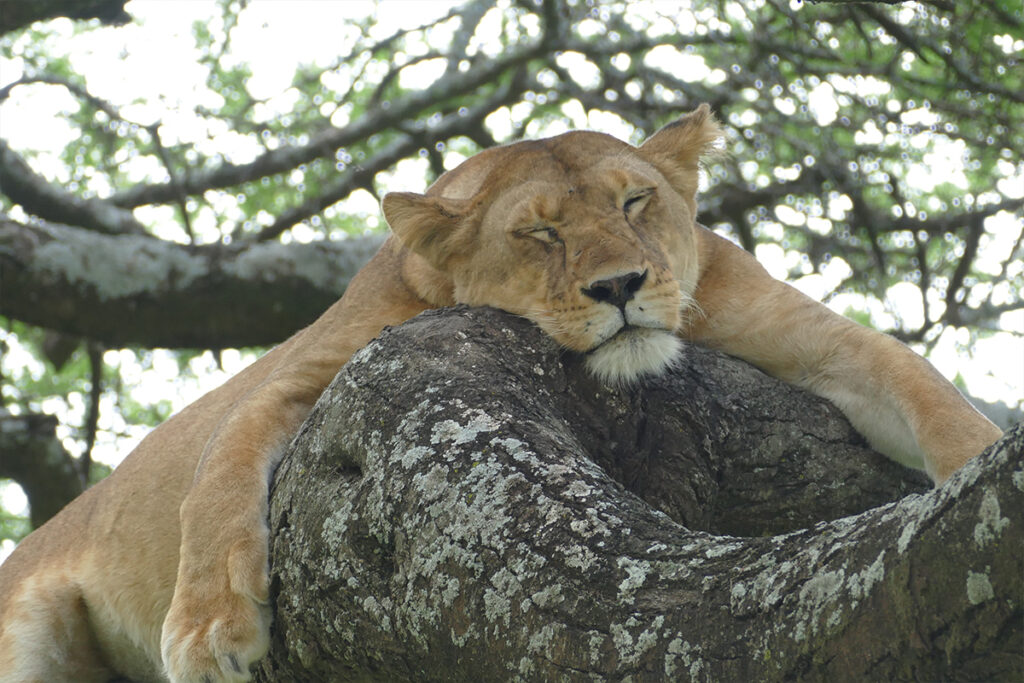
Lake Manyara National Park offers a slightly different environment with its lush forest and soda lake. The park is famous for its tree-climbing lions and diverse birdlife. During the short rainy season, the park’s flora flourishes, making it exceptionally beautiful. Lake Manyara also provides opportunities to see hippos and flamingos. This park adds variety to your safari itinerary.
For an underwater twist, Selous Game Reserve allows for boat safaris along the Rufiji River. Visitors can view hippos, crocodiles, and a variety of bird species from the water. Selous is one of Africa’s largest game reserves with fewer visitors, offering a quieter experience. The reserve’s landscapes range from lakes to open savannahs, providing diverse habitats. This makes Selous a hidden gem worth exploring in December.
National Park
| Park Name | Key Features |
|---|---|
| Serengeti National Park | Great Wildebeest Migration |
| Ngorongoro Crater | Concentrated wildlife and rare black rhinos |
| Tarangire National Park | Large elephant population and baobab trees |
| Lake Manyara National Park | Tree-climbing lions and diverse birdlife |
| Selous Game Reserve | Boat safaris and diverse habitats |
Travel Tips for Tanzania Safari in December
Packing appropriately is crucial for a successful safari in December. Comfortable, breathable clothing is a must, as temperatures can vary. Include a light rain jacket for those occasional showers. Don’t forget sturdy walking shoes and a hat for sun protection. Sunglasses and sunscreen are also essential.
Cameras and binoculars are vital for capturing memories and spotting distant wildlife. Ensure your camera has enough memory and spare batteries. A journal is useful for documenting your experiences. Many travelers find their safari trips full of moments worth remembering. This helps to keep a record of those special sightings.
Health preparations should not be overlooked. Consult a healthcare provider about any necessary vaccinations before your trip. Malaria is present in Tanzania, so anti-malarial medication might be recommended. Carry insect repellent to protect against mosquito bites. First aid kits should include basic supplies like band-aids, antiseptic, and pain relievers. Being prepared helps ensure a safe and enjoyable safari.
Know the best times for game viewing to maximize your experience. Early morning and late afternoon are prime times to see wildlife. During the heat of midday, many animals rest, making them harder to spot. Plan your excursions around these times to increase your chances of sightings. This approach enhances your overall safari enjoyment.
Travel documents and money also need careful planning. Ensure your passport is valid for at least six months beyond your travel dates. Have copies of important documents stored separately from the originals. Local currency (Tanzanian Shilling) is useful for small purchases. Credit cards are accepted in larger lodges and camps. Having both options ensures you’re prepared for any situation.

Frequently Asked Questions
Planning a Tanzania safari in December can be exciting yet overwhelming. Here are some of the most common questions travelers have and their answers.
1. What animals can you see during a December safari in Tanzania?
During a December safari in Tanzania, you can see a diverse range of wildlife. The Great Wildebeest Migration includes zebras, gazelles, and large herds of wildebeest. Predators such as lions, cheetahs, and hyenas follow these herds, offering thrilling viewing opportunities.
Additionally, December’s lush landscape attracts elephants, buffaloes, and various bird species. You might also see hippos and crocodiles near water sources, making the experience rich and varied.
2. What is the weather like in Tanzania during December?
In December, Tanzania experiences short rains which usually occur in the late afternoon or evening. This weather pattern brings cool, refreshing showers that often last briefly, making it manageable for outdoor activities.
Temperatures generally range from 20°C to 30°C, creating a warm and pleasant climate. The rains transform the landscape into lush greenery, enhancing the visual appeal of your safari photos.
3. Is it crowded in Tanzania during December?
December is a relatively quieter time for safaris compared to the peak season. This means fewer tourists and a more peaceful experience. However, it’s still advisable to book in advance, as popular destinations like the Serengeti and Ngorongoro Crater can attract visitors.
Fewer crowds allow you to enjoy the stunning landscapes and abundant wildlife without too much interference. This provides a more intimate and enjoyable adventure.
4. What should I pack for a Tanzania safari in December?
When packing for a Tanzania safari in December, prioritize lightweight, breathable clothing. Include a light rain jacket for occasional showers, and don’t forget essentials like a hat and sunglasses for sun protection.
Bring a good camera and binoculars for wildlife viewing. Also, pack insect repellent, sunscreen, and comfortable walking shoes to ensure you’re prepared for various conditions.
5. Can I see the Great Wildebeest Migration in December?
Yes, December is a fantastic time to witness the Great Wildebeest Migration. The herds move to the southern Serengeti plains in search of fresh grazing areas. This period marks the beginning of the calving season, where young wildebeests are born.
This natural event is accompanied by predators, making it an exciting spectacle. The lush landscapes and abundant wildlife during this time provide ideal conditions for observing this remarkable migration.