
Hidden within the heart of Tanzania, the Sandawe tribe holds a treasure trove of ancient traditions and mysterious rock art, their whispers echoing for millennia. As custodians of a linguistic heritage predating the famed Khoisan languages, the Sandawe people’s history is literally etched onto the stones of central Africa. This enigmatic legacy prompts us to reflect on the profound connection between culture and creativity, embodied through their unparalleled rock engravings.
Understanding the Sandawe tribe’s rock art offers a portal into their vibrant cultural identity, intertwining myth with reality. These artworks, dating back over 2,000 years, offer a rare glimpse into the cognitive world of early humans via intricate symbols and motifs. Recent studies even reveal that some of these depictions align with celestial patterns, presenting a blend of astronomy and anthropology rarely seen before. Such findings underscore the sophistication and enduring legacy of the Sandawe cultural patrimony, standing resilient against the sands of time.
Sandawe Tribe: A Brief Overview
Living in the heart of Tanzania, the Sandawe tribe is an ancient population with deep-rooted traditions. They speak a language that uses clicks, similar to some South African languages. This unique linguistic trait sets them apart in east Africa’s rich cultural tapestry. Many members of the tribe still practice traditional ways of life, closely connected to the land they inhabit. Their customs often revolve around communal activities and shared storytelling.
Historical records suggest that the Sandawe tribe has inhabited this region for thousands of years. The tribe’s history is intertwined with the natural environment, which has been a source of sustenance and artistic inspiration. Archaeological findings reveal that the Sandawe people were among the earliest communities to paint intricate rock art. These artistic expressions showcase their spiritual beliefs and daily experiences. You can discover more about the tribe’s artistic legacy here is the article.
In modern times, the Sandawe have faced numerous external influences due to globalization and urbanization. While some traditions are being maintained, others are adapting to new societal norms. This cultural evolution is a testament to their resilience and adaptability. Many younger members of the tribe are increasingly blending traditional practices with contemporary lifestyles. Education plays a critical role in this cultural transition, bridging the past and present.
Efforts to preserve the Sandawe’s rich heritage involve both local and international organizations. Researchers are keen to document their language and traditions for future generations. According to the article, protecting this legacy is vital for understanding human cultural evolution. Collaborations often involve creating platforms for Sandawe voices to share their stories. Such initiatives aim to celebrate and safeguard the tribe’s unique contributions to world culture.
Exploring the Ancient Kondoa Rock-Art Sites in Tanzania
Origins and Linguistic Heritage of Sandawe Tribe
The Sandawe tribe traces its origins back thousands of years, with roots deeply embedded in the landscapes of central Tanzania. Anthropologists often study their unique cultural patterns to understand early human societies better. The Sandawe people have maintained a distinct identity despite various historical challenges. As part of their heritage, oral traditions and storytelling play a crucial role. This legacy is evident in their daily life and customs.
A fascinating aspect of the Sandawe tribe is their language, which belongs to the Khoisan group. This language is characterized by clicking sounds, which are not commonly found in other languages. Such linguistic features connect the Sandawe with other click-language speakers spread across Africa. List of similar click-sound languages includes:
- Kung (Ju|’hoan)
- Nama
- Xhosa (influences)
The language spoken by the Sandawe is still vibrant today, with efforts in place to preserve it for future generations. Linguists and scholars collaborate with the tribe to document their language resources. This partnership aims to ensure that key linguistic features and stories remain documented. Despite modern influences, many in the community continue to teach the language to their children. This helps sustain a connection to their rich past.
Efforts to preserve the Sandawe linguistic heritage also involve digital archives and linguistic studies. Some schools in the region incorporate the Sandawe language into their curriculum, fostering a deeper understanding among young students. Such initiatives empower the community to retain their cultural identity in a rapidly changing world. By highlighting these linguistic traits, the Sandawe contribute to global cultural diversity. Their language is a testament to human adaptability and historical migration patterns.
Ancient Traditions of the Sandawe Tribe
The ancient traditions of the Sandawe tribe are rich with cultural practices that have been passed down through generations. One of the most significant traditions is their ritual dances, performed to celebrate various occasions. These dances are not just expressions of joy but also communicate stories and ancestral teachings. Elders often lead these ceremonies, ensuring the customs are preserved accurately. Their attire during these events, made from natural materials, also reflects their close connection to the land.
Another essential tradition involves the Sandawe’s method of hunting and gathering. Using tools crafted from local resources, they hunt game and collect wild plants, which are then shared within the community. This practice highlights their sustainable living approach, respecting nature’s balance. Some commonly used tools include:
- Bow and arrows
- Spears
- Digging sticks
Music and song play a pivotal role in the Sandawe’s traditions, with each song carrying specific meanings and purposes. Whether it’s a lullaby for children or a harvest song, these melodies strengthen community bonds. Instruments are often handmade, adding to the uniqueness of their music. During gatherings, the rhythmic sounds create a harmonizing effect, symbolizing unity and shared identity. This tradition also aids in passing down historical narratives.
Storytelling remains one of the vibrant traditions of the Sandawe people, blending entertainment with education. Through oral tales, myths, and legends, they connect younger generations with their heritage. These stories often feature moral lessons and insights into human and nature’s interconnectedness. Traditionally, storytelling sessions occur around the communal fire, fostering a sense of community and continuity. This shared experience is crucial for preserving their cultural knowledge.
Rock Art of the Sandawe Tribe: An Artistic Legacy
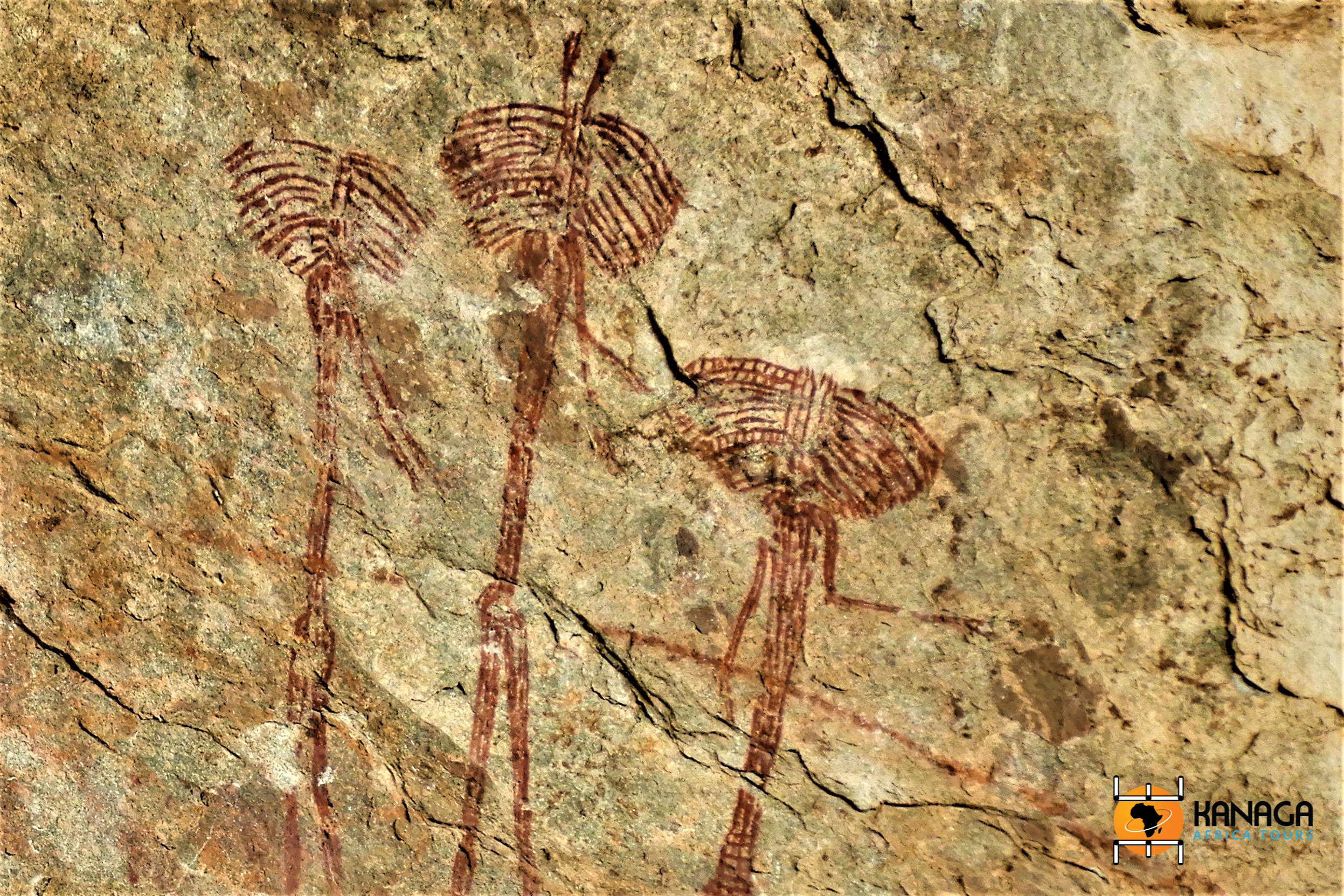
The rock art created by the Sandawe tribe stands as an enduring testament to their artistic expression and cultural identity. These ancient artworks, found in the caves and rock shelters of Tanzania, offer a glimpse into the past lives and beliefs of the Sandawe people. Many of these paintings feature animals, human figures, and abstract designs. Archaeologists estimate that some of these artworks date back thousands of years. The vibrant colors and intricate patterns reveal a sophisticated understanding of art and symbolism.
The methods used to create these rock paintings involve natural materials readily available to the Sandawe. Pigments come from ground minerals, berries, and other organic substances. Brushes might have been made from animal hair or plant fibers. The result is a durable piece of art that has withstood the test of time. These techniques highlight the resourcefulness and creativity of Sandawe artists.
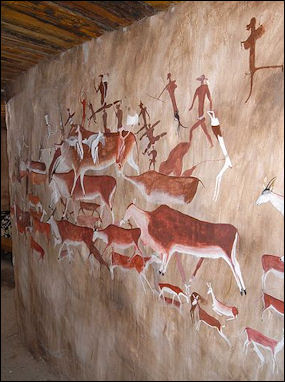
Common themes depicted in the rock art include scenes of hunting, community gatherings, and spiritual rituals. These images provide insight into the social and religious life of the Sandawe tribe. While some images might depict real-life events, others could represent mythical stories passed down through generations. A closer look at these themes reveals a deep connection to nature and ancestral spirits. They showcase the tribe’s intricate relationship with their environment.
Each site where the rock art is found holds cultural significance for the Sandawe people. These locations are often used for rituals and gatherings, serving as sacred spaces for the community. Preserving these sites is crucial for maintaining the Sandawe’s cultural heritage. Historical preservation efforts also involve educating visitors about the art’s meaning. This not only protects the art but also promotes understanding and appreciation.
The rock art of the Sandawe tribe continues to fascitate researchers and tourists alike. It draws attention from various academic fields including anthropology, art history, and archaeology. This artistic legacy remains a source of pride for the Sandawe people. As more people learn about their art, it helps preserve their cultural contributions for future generations. Engaging with this history fosters global awareness of diverse artistic expressions.
Interpreting Sandawe Rock Art: Symbols and Motifs
The Sandawe rock art is a treasure trove of symbols and motifs that offer a peek into the minds and souls of this ancient tribe. Many of the symbols are geometric shapes like circles and lines, which researchers believe might represent spiritual concepts or natural elements. These simple yet powerful images communicate ideas that words cannot, bridging the gap between the past and the present. The interpretation of these symbols often involves looking at patterns and their context within the rock art. This analysis provides a deeper understanding of what the Sandawe valued.
A significant motif in the Sandawe rock art is the depiction of animals, particularly those found in their surroundings. These animals could symbolize different aspects of life, such as strength, fertility, or survival. Commonly depicted animals include:
- Elephants
- Antelopes
- Zebras
Each animal carries its own symbolic weight, reflecting the tribe’s connection to wildlife and the environment. Such images offer clues about what was important to the Sandawe in their everyday lives.
Human figures are also frequently featured, often in scenes of social or ritual activities. These figures are typically shown engaged in dances, hunts, or communal gatherings. By analyzing these scenes, researchers gain insights into the Sandawe’s social structure and beliefs. The positioning and gestures of the figures convey relationships and hierarchies within the tribe. Through these depictions, the rock art becomes a record of human interaction and community life.
Abstract patterns like spirals and wavy lines are another intriguing aspect of Sandawe rock art. These designs could represent water sources, pathways, or even abstract thoughts about the universe. The repetitive nature of these patterns suggests they might have held universal or recurring significance. Interpretation of these motifs often requires a combination of archaeological and anthropological perspectives. Together, these viewpoints help decode the broader meanings behind the art.
Interpreting Sandawe rock art is an ongoing process that involves collaboration between the tribe and scholars. Modern technology, like digital imaging and pigment analysis, aids in preserving and understanding these ancient artworks. As more symbols and motifs are studied, a fuller picture of the Sandawe’s world emerges. This collaborative effort ensures that the art continues to speak, telling stories that span thousands of years. The enduring legacy of these symbols enriches the cultural heritage of humanity.
Significance of Sandawe Tribe’s Tradition and Rock Art in Modern Anthropology
In modern anthropology, the traditions and rock art of the Sandawe tribe offer invaluable insights into ancient human cultures. Studying these artifacts helps anthropologists understand early human social organization and belief systems. The insights gained contribute to a broader knowledge of how people adapted to their environments over time. Researchers often use Sandawe rock art as a case study to explore symbolic communication. These findings help bridge the gap between prehistoric societies and modern ones.
The Sandawe’s traditions also provide a unique perspective on the evolution of languages. Given their distinctive click sounds, the Sandawe language can shed light on the spread of linguistic traits across the African continent. By analyzing this language, scholars can trace historical migrations and interactions between different groups. This contributes to a better understanding of the complex tapestry of human linguistic evolution. Such studies also highlight the importance of preserving endangered languages.
The Sandawe rock art serves as a cultural relic that speaks volumes about past climates and landscapes. The images depicted often include animals and vegetation that indicate how the environment might have looked in the past. With climate change impacting the globe today, these ancient snapshots aid in modeling historical ecological changes. Understanding these patterns allows scientists to predict future environmental shifts. As such, the art not only records history but informs current scientific research.
Anthropologists and art historians alike are fascinated by the aesthetic elements of Sandawe rock art, which challenge existing classifications of art forms. The geometric patterns and vivid imagery offer new ways to think about creativity and abstraction. These artworks blur the lines between functional and decorative art, expanding the definition of what constitutes art itself. The Sandawe’s artistic legacy thus enriches dialogues on art history and cultural expression. It invites us to rethink the boundaries of artistic creativity.
Collaborative efforts between scholars and the Sandawe community help safeguard these traditional and artistic treasures. Projects often involve documenting oral histories and translating them into educational materials. Such initiatives aim to make the cultural heritage accessible while respecting the Sandawe’s ownership of their traditions. In preserving these elements, anthropology not only protects the past but also empowers the present and future. This ensures the rich history of the Sandawe continues to inspire and educate.
Frequently Asked Questions
The Sandawe people, nestled in Tanzania, are renowned for their rich traditions and captivating rock art. Their artistic expressions offer a portal into their way of life and spiritual world.
1. What materials did the Sandawe use for their rock art?
The Sandawe tribe used natural materials to create their vibrant rock art. Pigments were often made from minerals and plants, creating enduring colors. These materials were chosen for their availability and durability, ensuring the artwork would last for generations. The use of natural ingredients reflects their deep understanding of the environment.
Brushes could be crafted from animal hair or plant fibers, enabling detailed lines and shapes. Combining these elements, they produced artworks rich in cultural narratives. This technique showcases their creativity and resourcefulness. The materials not only served an artistic purpose but represented a connection to the land they inhabited.
2. How is Sandawe rock art important in understanding ancient cultures?
Sandawe rock art provides valuable insights into ancient cultures, revealing aspects of daily life and spiritual beliefs. The symbolic use of animals and geometric shapes helps researchers understand their societal structure and values. By examining these images, scholars gain a window into the tribe’s interactions with nature and each other.
This art form serves as a historical document, preserving the cultural memory of the tribe. The motifs and scenes depicted offer clues about their lifestyle and environment. Such art is a testament to the intellectual and spiritual richness of the Sandawe. It continues to capture the interest of artists and historians worldwide.
3. Why is Sandawe language considered unique?
The Sandawe language is unique due to its use of click sounds, a feature rare among world languages. This linguistic characteristic connects it to the Khoisan languages, found primarily in southern Africa. The presence of clicks adds a distinct auditory element to their speech, making it a subject of interest for linguists.
These clicks are not just phonetic novelties but integral parts of the language structure. The language’s survival in a modernizing world underscores its cultural significance. Efforts to document and preserve the Sandawe language highlight its unique place in linguistic studies. It remains an important key to understanding human language diversity.
4. What challenges do the Sandawe face in preserving their traditions?
The Sandawe face several challenges in preserving their rich traditions and cultural heritage. Globalization and modernization bring pressures that often lead younger generations to adopt new ways. This shift can result in the loss of traditional practices and language. Efforts to maintain these customs include community initiatives and educational programs.
Additionally, environmental changes pose threats to their traditional way of life. Access to certain resources may diminish, impacting their cultural practices. Continued advocacy and international support are crucial for the survival of their traditions. By prioritizing these efforts, the global community can help ensure the Sandawe heritage thrives.
5. How can tourists respectfully engage with Sandawe cultural sites?
Tourists can engage respectfully with Sandawe cultural sites by understanding and honoring their significance. Visitors should follow local guidelines and partake in tours led by community members. This practice ensures that tourism benefits the Sandawe while preserving sacred spaces. Such respectful interaction enriches the visitor’s experience and provides valuable support to the community.
Engaging with local traditions and learning from their stories enhances cultural exchange. Purchasing local crafts or attending community events can further support their economy. Conscious tourism helps protect cultural sites and values. By fostering mutual respect, visitors contribute positively to the preservation of Sandawe heritage.
Expert on San Bushman Rock Paintings
Conclusion
The Sandawe tribe’s ancient traditions and rock art stand as remarkable testament to their cultural and artistic legacy. They provide valuable insights into human history, offering glimpses into the tribe’s beliefs and way of life. As we explore these forms of expression, we gain a deeper appreciation for their creativity and resilience. Their enduring heritage continues to captivate scholars and enthusiasts alike.
Efforts to preserve these traditions are vital in maintaining the cultural diversity of our world. By supporting initiatives that protect the Sandawe’s cultural sites and language, we contribute to a broader understanding of human civilization. This collaboration not only enriches our knowledge but also strengthens the ties between people across cultures. Engaging with the Sandawe’s heritage is a powerful reminder of our shared humanity and common history.