As globalization accelerates, diverse regions like Arusha are increasingly integrated into the world’s transportation network, sparking curiosity about the availability of services common in major cities. Arusha, a bustling city known for its vibrant safari culture, is home to a wealth of transportation needs. With its growing population, the question of whether Uber operates here is not trivial but highly relevant to both residents and travelers alike.
Uber’s operations in various regions face a myriad of challenges, often influenced by market size, local regulations, and technology adoption. Despite its pervasive presence globally, Uber is notably absent from Arusha. In its place, local taxi services and a burgeoning boda-boda (motorcycle taxi) industry thrive, offering alternatives that suit the region’s unique demands. In 2023, data suggests that ride-sharing apps are gaining popularity but are still in nascent stages, leaving room for significant growth and adaptation to local needs.
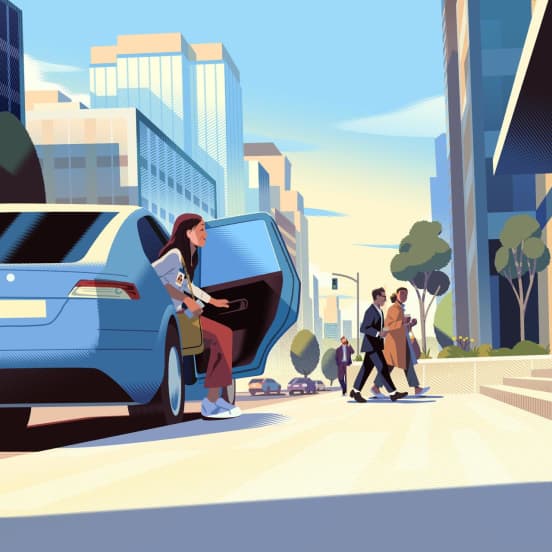
Is Uber available in Arusha?
Uber has become a go-to choice for many people looking for quick and reliable transport. It operates in many countries around the world, making it easy to use the app wherever you go. However, when it comes to Arusha, Uber hasn’t set up its services there yet. This might be due to local regulations or market factors. People still ask if Uber will ever come to Arusha.
The absence of Uber in Arusha does not mean people are left without options. The city offers various traditional transportation methods to get around. Taxis, for example, are readily available and can be hailed easily. There are also motorcycle taxis, known as boda-bodas, which many residents use for quick trips. Local buses provide another affordable travel option in the city.
With the demand for convenient transport rising, other ride-sharing apps could fill the gap left by Uber. Some startups are already seeking to capture the market by offering similar app-based services. These platforms might offer features comparable to those found in more developed cities. Competition in the ride-sharing space could benefit commuters with better service. The local business environment supports initiatives that can adapt to regional needs.
The future of ride-sharing in Arusha is shaping up to be interesting. As technology and infrastructure improve, it’s likely more services will aim to enter the market. Entrepreneurs may find opportunities to create locally adapted solutions. The possibility of increasing internet accessibility and smartphone usage can further boost these services. Until then, residents continue to rely on the available traditional transport options.
Exploring Uber’s Global Reach
Uber has made a significant impact across the globe by offering an easy way to book rides through a simple app. It started in the United States, and quickly expanded its services worldwide. Today, Uber is available in over 70 countries, making it one of the most popular ride-sharing apps. Users enjoy the convenience of booking a ride at their fingertips, no matter their location. The service is especially popular in urban areas where public transportation options vary in quality and availability.
A big reason for Uber’s success lies in its adaptability to different markets. The app is easy to use, and the process is nearly the same everywhere. However, Uber often makes changes to adapt to local regulations and preferences. For example, in some countries, it includes options like motorbikes and auto-rickshaws. This flexibility keeps Uber relevant and competitive across varied cultures and needs.
Despite its widespread presence, Uber does encounter challenges in new markets. Regulations and competition can sometimes delay Uber’s entry into a city or country. Government policies on ride-sharing can vary, affecting where and how Uber can operate. In some areas, local taxi services resist the entry of ride-sharing apps. These hurdles require Uber to work closely with policymakers and local businesses.
Technological advancements continue to play a crucial role in Uber’s global reach. With more people using smartphones, accessing apps like Uber becomes increasingly easier and more common. Internet connectivity is also improving worldwide, making app-based services more feasible. This technological growth supports Uber’s mission to provide reliable transportation globally. As more regions embrace digital solutions, Uber and similar platforms are poised to expand even further.
Traditional Ridesharing Alternatives in Arusha
The bustling city of Arusha has its own unique transportation options that cater to thousands of residents and tourists. Despite the absence of Uber, there are several ways to get around. Taxis remain a popular choice among locals and visitors alike. They’re easy to find, especially near busy areas and can take you almost anywhere within the city. Fares are negotiable, giving passengers some flexibility in their travel budget.
One of the more exciting options available is the boda-boda, a motorcycle taxi that offers quick and efficient rides. These motorcycle taxis are perfect for navigating through traffic and reaching destinations faster. Boda-bodas are very common in Arusha, and many people prefer them for short trips. Riders just need to ensure they wear helmets for safety. This mode of transport is known for its affordability and speed.
Buses also play a crucial role in Arusha’s public transportation network. They are the backbone for many residents, providing a cost-effective way to travel across longer distances. The buses follow specific routes and have fixed fares, making it easier to plan journeys. However, they might not be as quick as taxis or boda-bodas. During peak hours, they can get quite crowded, but they remain a reliable means to get around.
Besides these, car hire services and private drivers are also available for those seeking more comfort. These options are suitable for visitors who prefer convenience and privacy. Prices vary depending on the vehicle type and travel distance. Private hire can be arranged through hotels or local agencies. While not the cheapest option, they offer a more personalized travel experience in Arusha.
The Future of Ride Sharing in Arusha
As technology advances, Arusha stands on the brink of transforming its transportation system. Ride-sharing apps have the potential to revolutionize how people commute. With the increasing use of smartphones and internet access, more residents could soon opt for app-based ride-sharing services. These services promise to bring convenience and efficiency to Arusha’s roads. The local government may support such initiatives to reduce traffic congestion and pollution.
Several startups are already eyeing Arusha as a potential market. These companies aim to introduce services similar to Uber, tailored to the city’s needs. By offering incentives and competitive pricing, they hope to attract a loyal customer base. These apps may include additional safety features and local language support to cater to residents. Partnering with local drivers can also help make these services more accepted and trusted.
Implementing ride-sharing services in Arusha will come with its set of challenges. Regulatory hurdles, like obtaining the necessary permits, can slow down their launch. There’s also the task of convincing traditional taxi drivers and boda-boda operators to collaborate rather than resist. Educating the public about the benefits of ride-sharing will be crucial. Overcoming these barriers is key to ensuring successful integration.
Moreover, advancements in electric vehicles (EVs) could play a role in Arusha’s ride-sharing future. Introducing EVs can help combat pollution and promote sustainable transportation. Ride-sharing companies could offer EVs as part of their fleet, showcasing a commitment to green initiatives. This move could also align with global efforts to reduce carbon footprints. Financial incentives from the government might further encourage the adoption of EVs.
Foreign investment can significantly accelerate the growth of ride-sharing in Arusha. International companies with experience in similar markets might bring in the technology and expertise needed. Collaborating with local stakeholders can help navigate regulatory landscapes smoothly. These partnerships can lead to more innovative and inclusive solutions. Long-term investments can also ensure that these services remain affordable for everyone.
Ultimately, the success of ride-sharing in Arusha will depend on continuous innovation and adaptability. Keeping up with technological trends will be essential. Understanding and addressing local needs and preferences can secure a lasting place for ride-sharing. Community involvement and feedback can guide these services towards better performance. The potential for a more connected and convenient Arusha is on the horizon.
Key Takeaways
- Uber has yet to launch services in Arusha, Tanzania.
- Boda-bodas offer quick rides across Arusha’s busy streets.
- Local startups are exploring app-based ride-sharing options.
- Electric vehicles can help create a greener transportation future.
- A successful ride-sharing system depends on community support and innovation.
Conclusion
Arusha is a city brimming with potential for innovative transportation solutions. While Uber is still absent, traditional options like taxis and boda-bodas cater effectively to the population’s needs. The rising interest in ride-sharing apps signals a change on the horizon, promising more convenience and efficiency.
The future of ride-sharing in Arusha hinges on local and international collaboration. Overcoming regulatory and logistical challenges is crucial. With continuous innovation and community engagement, Arusha could witness a transformative shift in how its residents get around.