Preparing for a climb up Mount Kilimanjaro can be both daunting and exhilarating. Did you know that only 65% of climbers reach the summit? This statistic highlights the importance of adequate preparation to not only attempt but succeed in this incredible journey.
Kilimanjaro, a dormant volcano in Tanzania, has been the ultimate trekking goal for adventurers worldwide. With its immense altitude of 19,341 feet, thorough physical preparation is a must. Additionally, having the right gear can significantly enhance your chances of making it to the top.
- Research and choose the suitable route based on your experience and preferences.
- Undergo physical training focusing on endurance and altitude acclimatization.
- Select appropriate gear, including layered clothing and hiking equipment.
- Develop a comprehensive nutritional plan for energy during the climb.
- Consult professionals to ensure sustainable and safe trekking practices.
How to Prepare for Your Kilimanjaro Climb: A Complete Guide
Preparing for a Kilimanjaro climb requires understanding the unique routes available. There are several routes, each with different difficulty levels and scenic views. For example, the Marangu Route is known for its gradual slope and is often preferred by beginners. On the other hand, the Lemosho Route offers stunning landscapes but is more challenging. Pick a route that matches your fitness level and trekking experience.
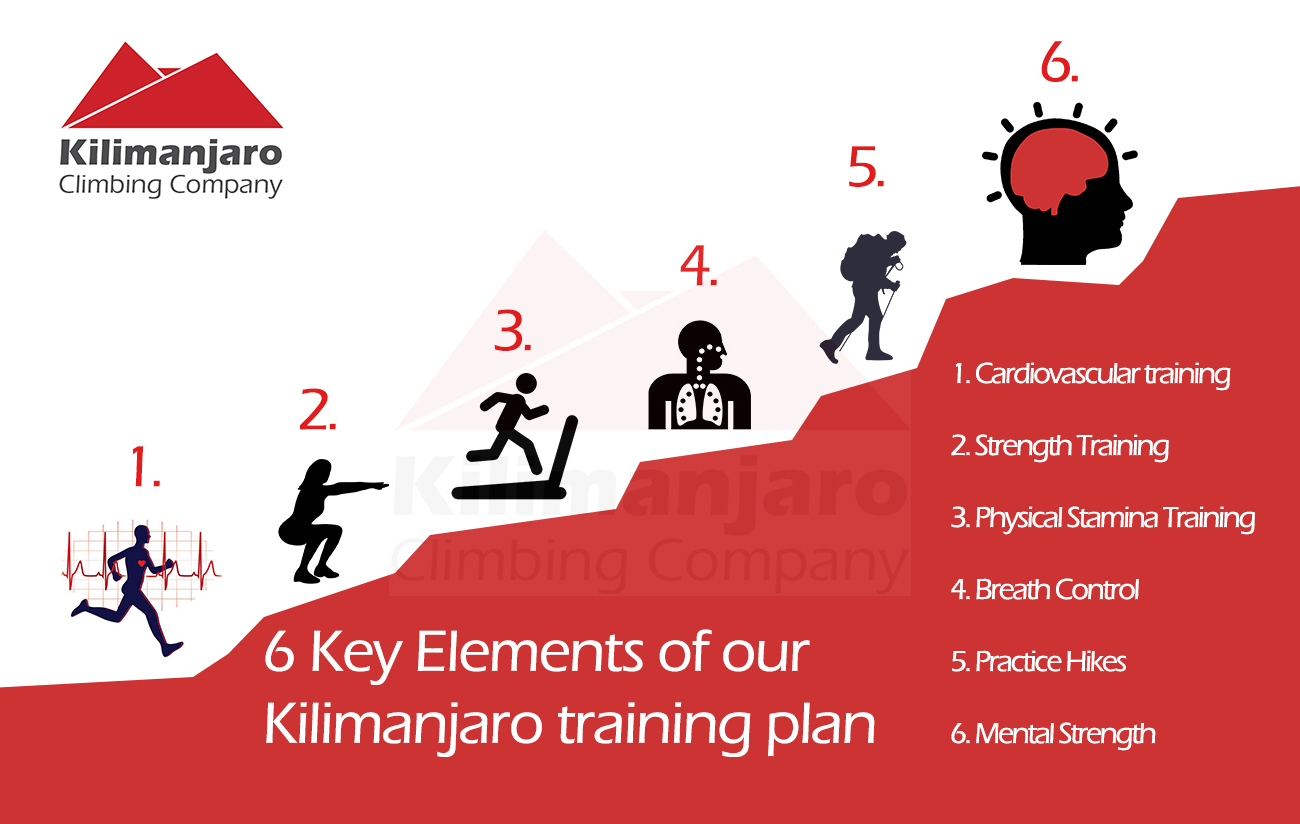
Physical preparation is crucial for a climb like Kilimanjaro, which demands endurance. Start training a few months before your trip. Focus on aerobic exercises like running or cycling to build stamina. Strength training can also help by conditioning your legs for the rough terrain. It’s recommended to practice hiking with a backpack similar to what you will carry on the trek.
Having the right gear ensures a comfortable and safe climb. Essential items include a good quality backpack, warm clothing, and a reliable pair of hiking boots. Also, pack a sleeping bag suitable for freezing temperatures and a headlamp for early morning summit attempts. Additionally, consider bringing trekking poles, which can ease the strain on your knees during descents.
Proper acclimatization is key to a successful climb. Ascend slowly to allow your body to adjust to the increasing altitude. Many climbers take an extra day at intermediate camps to help with acclimatization. Stay hydrated and eat well to maintain your energy levels. It’s also a good idea to consult your doctor about medications that can help prevent altitude sickness.
How to PREPARE for Kilimanjaro | TRAINING \u0026 what you NEED to KNOW!
Step #1: Understand the Route Options
Choosing the right route on Kilimanjaro is like picking a path that matches your adventure style. There are several routes to consider, and each offers something unique. The Marangu Route, often called the “Coca-Cola Route,” is popular for its hut accommodations, making it more comfortable. The Machame Route, known as the “Whiskey Route,” is favored for its diverse and scenic terrain but requires better fitness. Understanding these routes helps tailor your climb to your needs.
The Rongai Route approaches from the north and is the only route that starts near the Kenyan border. It’s quieter, offering a more serene trek away from crowds. While it may not be as scenic initially, it provides a gentle and consistent climb. Once near the top, you can enjoy stunning views of Kenya’s countryside. This route is ideal for those seeking a peaceful climb.
For true adventure seekers, the Lemosho Route offers breathtaking landscapes that are second to none. It’s considered one of the most scenic routes, with changing environments and wildlife sightings. The Lemosho Route allows for better acclimatization as it takes a longer path. While more expensive due to its length and remoteness, it offers a rewarding experience. Trekkers can fully immerse themselves in the beauty of Kilimanjaro.
To help decide, here is a table summarizing key features of each route:
| Route | Difficulty | Scenery | Duration (Days) |
|---|---|---|---|
| Marangu | Moderate | Good | 5-6 |
| Machame | Challenging | Excellent | 6-7 |
| Rongai | Moderate | Moderate | 6-7 |
| Lemosho | Challenging | Excellent | 7-8 |
Step #2: Train for Endurance and Altitude
Building endurance is essential for climbing Mount Kilimanjaro. The trek can take several days, so you need good stamina. Start your training months in advance. Include activities like walking and jogging, gradually increasing distance. Consistency is key, so keep a regular exercise schedule.
Altitude impacts everyone differently, making preparation crucial. As you ascend, the air becomes thinner. This can make it difficult to breathe. Incorporate altitude training if possible, such as hiking at higher elevations. This helps your body adjust and can lessen the effects of altitude sickness.
Strength training shouldn’t be overlooked either. Strong legs and a stable core are vital for climbing. Focus on exercises like squats, lunges, and planks. These enhance your ability to carry a backpack and tackle uneven terrain. Doing this will make your climb more comfortable.
To organize your workout plan, consider using a simple table:
| Activity | Frequency (Per Week) |
|---|---|
| Cardio (Running/Walking) | 3-4 times |
| Strength Training | 2-3 times |
| Hiking (optional if accessible) | Once |
Step #3: Select Appropriate Gear and Equipment
Selecting the right gear is crucial for a successful Kilimanjaro climb. The weather can be unpredictable, ranging from hot at the base to freezing at the summit. Layering your clothing helps you adjust to these changes. Bring moisture-wicking base layers, insulated mid-layers, and a waterproof outer layer. This ensures you’re prepared for any weather.
A sturdy pair of hiking boots is vital for your trek. Boots should offer good ankle support and be broken in before the climb to avoid blisters. Your footwear plays a key role in your comfort and safety. Also, consider bringing gaiters to keep debris out of your boots. These small accessories can make a big difference.
Carrying the right backpack can ease your journey. A backpack with a capacity of 30-40 liters is usually enough. It should have padded straps and a waist belt to distribute weight evenly. Look for one with multiple compartments for organized packing. This will help you easily access essentials while on the move.
Additional equipment can make your climb smoother. Items like trekking poles reduce joint stress and provide stability. A headlamp is essential for early morning starts and late-night activities. Don’t forget a quality sleeping bag designed for cold temperatures. These will ensure you rest well and stay warm.
Using a comprehensive checklist can help you pack effectively:
- Layered clothing (base, mid, and outer layers)
- Hiking boots and gaiters
- Backpack (30-40 liters)
- Trekking poles
- Headlamp
- Cold-weather sleeping bag
Remember, the right gear enhances your comfort and safety. Investing in quality equipment can make your climbing experience more enjoyable. Proper preparation is the key to reaching the summit of Kilimanjaro.
Step #4: Acclimate Before the Climb
Acclimatization is crucial when planning to climb Mount Kilimanjaro. As you ascend, the air gets thinner, which can cause altitude sickness. To combat this, spend extra days on the mountain to adjust. The longer you give your body to adapt, the better your experience will be. Consider choosing a route that allows for gradual elevation gain.
Hydration plays a significant role in acclimating to altitude. Drink plenty of water during your climb to keep your body functioning optimally. Dehydration can worsen the effects of high altitude. You can carry a hydration pack for convenience. Aim for at least three liters of water per day.
Pay attention to your body’s signals. Mild headaches or dizziness can be early symptoms of altitude sickness. Rest if you feel unwell and communicate with your guide. Ignoring symptoms can lead to more severe health risks. Guides are trained to handle such situations, ensuring your climb remains safe.
It’s also helpful to have some light snacks handy. These can provide quick energy and help you cope with the demands of hiking. Foods rich in carbohydrates like nuts and dried fruits are great choices. Keeping your energy up aids in acclimatization and keeps you alert. Pack snacks that are easy to carry and consume on the go.
Including acclimatization days in your schedule is wise. Here’s a suggested itinerary that includes rest days:
- Day 1-4: Trek while gradually ascending
- Day 5: Rest day for acclimatization
- Day 6-7: Continue ascent
- Day 8: Summit day
Proper acclimatization prepares you for a rewarding summit experience. Investing time and effort in this step boosts your chances of reaching the peak safely. Enjoy every moment of the climb, knowing you are well-prepared.
Step #5: Plan Your Journey with Professionals
Hiring a professional guide is essential for a successful Kilimanjaro climb. Guides are experienced and know the mountain’s terrain well. They help with planning your route and ensuring your safety throughout the journey. Accredited guide companies also manage permits and logistics. This allows you to focus on enjoying the climb without worry.
Guided tours provide valuable support that enhances your trek. They offer porters who carry your gear, reducing your load. This lessens the physical strain and helps you conserve energy for the ascent. Porters also set up campsites and prepare meals. With their assistance, your experience becomes more comfortable and enjoyable.
Choosing the right tour company involves some research. Look for companies with excellent reviews and safety records. Reading testimonials from past climbers can offer insight into a company’s reliability. Additionally, check if they are certified by the Kilimanjaro Porters Assistance Project (KPAP). KPAP ensures fair treatment of porters and sustainable travel practices.
Here’s a checklist of services that a good tour company should offer:
- Expert guides with local knowledge
- Porters for carrying equipment
- Meals and accommodations on the mountain
- Medical assistance if needed
- Sustainable and ethical practices
Costs can vary based on the level of service provided. Budget options focus on basic needs, while premium packages offer added comforts. Always compare what is included in the package to avoid unexpected expenses. Investing in professionals ensures a rewarding and memorable Kilimanjaro experience.
Essential Health Tips for High-Altitude Climbing
High-altitude climbing presents unique health challenges. Adequate hydration is a must to cope with the thin mountain air. Drink plenty of water throughout your climb to stay hydrated and prevent altitude sickness. Avoid alcohol and caffeine, as they can dehydrate you further. Keep a water bottle handy at all times.
A balanced diet supports your strength and endurance during the climb. Focus on eating high-energy foods like nuts, dried fruits, and whole grains. These foods provide sustained energy without weighing you down. Frequent small meals help maintain your energy levels. Bring snacks that are easy to eat on the go.
Understanding altitude sickness symptoms is key to staying safe. Common signs include headaches, nausea, and dizziness. If you experience these symptoms, inform your guide immediately. They may recommend rest or descent to lower altitudes until you feel better. Never ignore the warning signs of altitude sickness.
Proper acclimatization aids in preventing health issues at high elevations:
- Ascend slowly to allow your body time to adjust.
- Include rest days in your itinerary for better acclimatization.
- Follow the “climb high, sleep low” technique when possible.
Finally, pack a basic first-aid kit with essential medications like pain relievers and remedies for stomach upsets. Consult with a doctor before your trip about prescriptions for altitude sickness prevention, such as Diamox. Being prepared can make a significant difference in managing health risks effectively during your adventure.
Environmental Considerations and Sustainability on Kilimanjaro
Mount Kilimanjaro, as a natural wonder, requires responsible tourism to preserve its beauty. The increasing number of climbers impacts the environment. To minimize your footprint, adhere to the Leave No Trace principles. Ensure no trash is left behind and pack out all your waste. Protecting this remarkable landscape is crucial for its future.
Choosing an eco-friendly tour operator is an important step. These operators prioritize sustainable practices and conservation. They focus on reducing waste and use environmentally friendly products. By supporting these companies, you contribute to the preservation of Kilimanjaro’s ecosystem. Ethical travel benefits both the environment and the local community.
Water conservation is essential in this high-altitude region. Bring a refillable water bottle to reduce plastic waste. Avoid using single-use plastics during your climb. Many tours provide filtered or boiled water, so you don’t need disposable bottles. Protecting local water sources remains a top priority.
Supporting local communities matters when trekking in such regions. Interact respectfully with locals and purchase handmade items to boost the local economy. Fair wage payments to guides and porters ensure their well-being. Ethical tourism empowers communities and improves their quality of life. This interaction leaves a positive and lasting impact.
Implementing sustainability while on Kilimanjaro involves several actions:
- Use biodegradable hygiene products.
- Respect wildlife and maintain a safe distance.
- Stay on designated paths to prevent soil erosion.
- Engage with programs that aid conservation efforts.
Tackling environmental challenges on Kilimanjaro requires collective responsibility. Your actions, along with those of fellow climbers, create a sustainable path for future adventurers. Embrace eco-friendly practices to ensure the mountain remains a natural wonder for generations to explore and admire.
Packing List for Mount Kilimanjaro: Essentials and Tips
Packing for a climb up Mount Kilimanjaro requires careful consideration. You need to be prepared for various weather conditions and multiple days on the trail. The essential items will make your climb more comfortable and safe. Let’s begin with clothing. Pack in layers to handle the different temperatures. This includes moisture-wicking base layers, insulating mid-layers, and a waterproof outer layer.
Equally important is choosing the right gear for your trek. A reliable backpack, ideally with a capacity of 30-40 liters, is essential. It should be comfortable, with padded straps and multiple compartments. Don’t forget a sturdy pair of hiking boots, which should be broken in well before the climb. Also, include gloves, hats, and sunglasses to protect against cold and bright sun.
Your sleeping arrangements need attention, too. A high-quality sleeping bag designed for freezing temperatures is a must. Complement it with a sleeping pad that provides insulation from the ground. Also, bring a headlamp with extra batteries for evening activities. These items ensure you rest well and stay warm during the chilly nights.
Here’s a detailed packing list to guide you:
- Layered clothing (base, mid, and outer layers)
- Hiking boots and socks
- 30-40 liter backpack
- Waterproof gloves and hats
- Sunglasses and sunblock
- Sleeping bag (rated for sub-zero temperatures)
- Sleeping pad
- Headlamp with extra batteries
- Portable water filter
- Trekking poles
Remember to pack personal items like medications, toiletries, and important documents. A portable water filter can be handy for purifying water on the go. By preparing thoroughly, you can focus on the enjoyment and achievement of reaching the summit. Proper packing is key to a successful and memorable Kilimanjaro climb.
Overcoming Challenges During the Climb
Facing challenges during a Kilimanjaro climb is part of the adventure. The journey can test both your physical and mental strength. Altitude sickness is a common issue, affecting climbers as they ascend. Symptoms include headaches and fatigue, which can slow your progress. Listening to your body and taking necessary breaks can help manage these effects.
Weather conditions on Kilimanjaro can change rapidly. Dealing with sudden rain or temperature drops requires adaptability. That’s why it’s essential to have waterproof clothing and gear. Keeping dry and warm will maintain your morale and energy levels. Being prepared for weather changes ensures you stay comfortable along the way.
Staying motivated through long days of climbing is another challenge. Encouragement from fellow climbers and guides can boost your spirits. Setting small goals each day can make the journey seem less daunting. Celebrating these achievements helps maintain a positive attitude. Teamwork fosters a supportive environment that makes the climb more enjoyable.
Don’t underestimate the importance of proper nutrition. Eating enough calories keeps you fueled for the climb. High-energy snacks like trail mix and energy bars can be consumed quickly and on the move. Maintaining good nutrition helps combat exhaustion and keeps you focused. Remember, keeping your energy levels up is crucial to overcome fatigue.
Planning for challenges can make or break the experience. Here’s a basic strategy checklist:
- Monitor altitude sickness symptoms
- Pack and wear appropriate clothing for sudden weather shifts
- Set small, achievable goals daily
- Fuel up with high-energy foods
- Keep a positive mindset through camaraderie
By addressing these challenges head-on, you’ll find the climb rewarding. Preparing mentally and physically makes reaching the summit of Kilimanjaro an attainable goal. With persistence and determination, you can overcome the obstacles and enjoy the breathtaking views at the top.
Key Takeaways
- Pick a Kilimanjaro route that matches your fitness level and experience.
- Start training months before your climb, focusing on endurance and strength.
- Choose layered clothing and quality gear for various weather conditions.
- Spend extra days on the mountain to acclimate to high altitude.
- Hire professional guides for a safe and organized climbing experience.