- Research tour companies thoroughly.
- Choose tours operated by local indigenous communities.
- Verify the credentials and community benefits of the tour.
- Respect local traditions and customs during your visit.
- Promote and practice ethical photography.
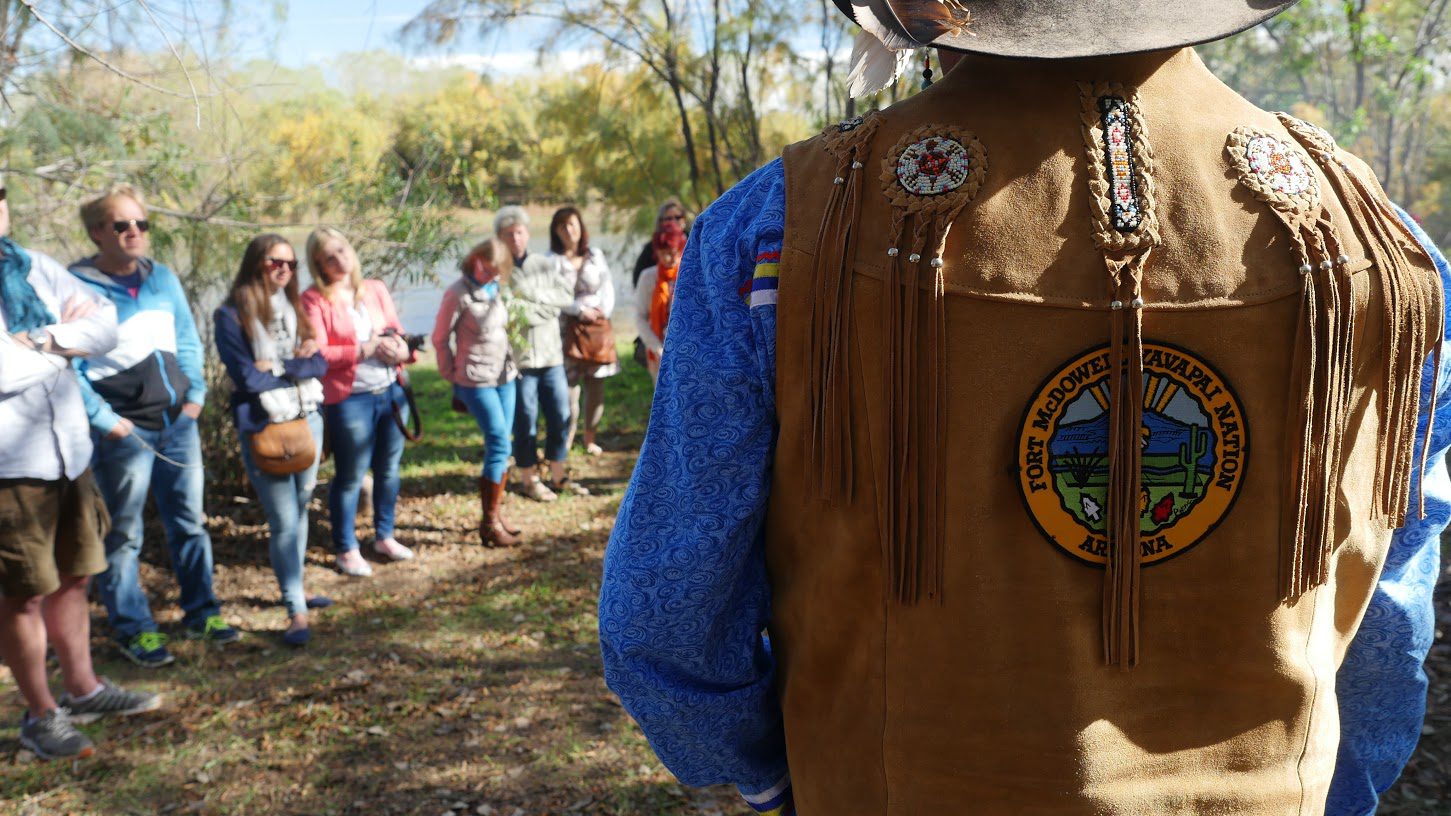
How to Avoid Exploitative Tours When Visiting Indigenous Tribes
Researching thoroughly before booking a tour is essential. Look for tours that are recommended and have positive reviews. According to the article, reading reviews and checking the operation history can ensure a better experience. It’s also helpful to learn about the tribe’s culture beforehand, ensuring you understand their customs. Knowledge is power and helps you make informed decisions.
Selecting tours operated by local indigenous communities is crucial. This choice supports the tribe’s economy and ensures authenticity. Local community tours often provide a richer, more genuine experience. They know their land, culture, and history better than outsiders. It’s a way to respect and support their way of life.
Verifying the tour’s credentials can prevent exploitation. Ensure the organizers are certified and that the community benefits directly from the tourism. You can ask specific questions about how funds are used and see if the community is involved in the decision-making. This transparency fosters trust and ethical tourism.
Respecting local traditions and customs is a must. Always follow the tribe’s rules and guidelines during your visit. Avoid behaviors that may seem disrespectful. Taking photos should be done with permission, as this post emphasized. Respecting their culture ensures a positive experience for both tourists and hosts.
Step #1: Research Thoroughly Before Booking
Start by looking into the tour company’s reputation. Check online reviews, ratings, and feedback from previous travelers. According to this article, trustworthy companies often have transparent practices and clearly benefit the community. Explore forums and social media groups for additional insights. This helps you avoid exploitative operators.
Investigate the company’s background and team. Learn who runs the tours and how long they’ve been operating. This information can indicate their experience and local involvement. Look for credentials and affiliations with ethical tourism organizations. Trustworthy companies proudly display these connections.
Verify the tour itinerary and activities. Ensure they align with the community’s traditions and don’t disrupt their way of life. Check if the community has consented to the tour stops. You should also understand the cultural significance behind certain practices. This prepares you for a respectful visit.
Compare different companies to find the best fit. Consider factors like cost, duration, and the ethical impact on the community. Make a list of pros and cons for each option. This helps in making an informed decision. Remember, a little extra time spent researching can lead to a more rewarding experience.
Step #2: Choose Tours Operated by Local Indigenous Communities
Selecting tours led by local indigenous communities is key to responsible tourism. These tours ensure that the tribe benefits directly from your visit. It supports their economy and preserves their traditions. Local guides offer authentic experiences that outside operators can’t match. This creates a meaningful connection between visitors and the community.
Look for tours that emphasize sustainability and respect for the land. According to here is the post, community-operated tours often follow practices that protect the environment. They avoid activities that harm local wildlife and ecosystems. Ask about the tour’s environmental policies and initiatives. Supporting eco-friendly tours helps preserve the natural beauty for future generations.
Check if the tour includes cultural education. Community guides can provide deep insights into their history, customs, and daily life. Look for tours that feature story-telling and interactive activities. This enhances your understanding and appreciation of their culture. It’s a way to support the community’s efforts to preserve their heritage.
Ensure fair compensation for the guides. Verify that the tour company pays the local guides fairly. This creates a positive impact on their livelihood. According to here is the article, fair pay is essential for empowering the community. Touring with companies that focus on ethical compensation respects the dignity and hard work of the locals.
Step #3: Verify Tour Credentials and Community Benefits
Before booking, ensure that the tour operators have the right credentials. Look for certifications from reputable tourism organizations. These credentials indicate that the company follows ethical practices. According to this article, recognized certifications often reflect a commitment to community and environmental protection. It helps you identify trustworthy operators.
Investigate how the tour benefits the local community. Ask the operators specific questions about where the money goes. Confirm that a portion of the earnings supports local projects or services. Transparent companies will openly provide this information. This ensures your visit positively impacts the community.
Check if the community directly participates in the tours. Tours managed by the indigenous people often offer more authentic experiences. Verify that local guides are involved in planning and leading the tours. It fosters a genuine cultural exchange. This way, you can be sure the community’s interests are prioritized.
Explore reviews and testimonials from past visitors. They provide honest insights about the tour’s impact and credibility. Look for comments regarding the treatment of the community and guides. Positive feedback from previous travelers can confirm the ethical practices of the tour. It helps you make an informed decision.
Observe if the tour company practices transparency. Ethical operators frequently share detailed information about their community involvement. They might list specific programs or initiatives funded by tourism. This openness builds trust with potential visitors. Supporting transparent companies ensures your money contributes to meaningful causes.
Compare different tour options for their ethical impact. Evaluating multiple companies helps you choose a tour that truly benefits the community. Make a list of important criteria like environmental sustainability and fair pay for guides. This helps you select the most responsible option. Your choice can make a significant difference.
Step #4: Respect Local Traditions and Customs
Honoring the traditions and customs of the indigenous communities you visit is vital. Learn about their cultural practices before your trip. Showing respect can make your visit more meaningful. It’s important to follow their guidelines and rules. This helps maintain harmony and trust.
Dress appropriately according to local norms. Some communities may have specific dress codes for visitors. Wearing respectful attire shows your appreciation for their culture. Avoid clothing that may be considered offensive or inappropriate. It’s a simple yet important gesture.
Always ask for permission before taking photos. Some traditions may consider photography intrusive or disrespectful. Seek consent from individuals before capturing their images. Respecting their wishes reflects your sensitivity to their customs. This action helps in building mutual respect.
Participate in cultural activities with an open mind. Engage in local ceremonies or rituals if invited. This participation fosters a deeper understanding of their lifestyle. Be mindful and avoid behaviors that may seem disrespectful. Your actions can have a lasting impact.
Be mindful of your language and actions. Avoid making assumptions or judgments about their way of life. Approach interactions with curiosity and respect. Express gratitude for their hospitality and knowledge. These practices help create a positive experience for everyone involved.
If you’re unsure about something, politely ask. It’s better to clarify than to unintentionally offend. Local guides are usually happy to explain cultural nuances. Asking questions shows you care about their traditions. It strengthens your bond with the community.
Step #5: Promote and Practice Ethical Photography
Practicing ethical photography is crucial when visiting indigenous tribes. Always ask for permission before taking someone’s photo. Many cultures view photography as intrusive. A simple request can show respect. It creates a positive experience for both you and the locals.
Avoid photographing sacred or private ceremonies without consent. Some traditions may view these events as highly personal. Respect their wishes if they decline your request. Taking photos without permission can be seen as disrespectful. It’s important to honor their boundaries.
Limit the use of flash photography. This can disrupt the natural ambiance and may be unwelcome. Flashes can also be startling or distracting to individuals. Use natural light when possible. It helps maintain a respectful and unobtrusive presence.
Be cautious about sharing images on social media. Always have the consent of the individuals in the photo before posting. Some community members may not wish to have their images publicly displayed. Respect their privacy and wishes. Ethical photography extends to how images are used afterward.
Focus on capturing moments that reflect the beauty and spirit of the community. Avoid taking photos that could misrepresent or exploit the individuals. Your images should tell a respectful and authentic story. This promotes a positive perception of the community. Thoughtful photography can enhance cultural understanding.
Learn about the cultural significance of certain objects and places before photographing them. This knowledge helps you avoid unintentionally disrespecting sacred items or locations. A good photographer is aware and considerate of cultural values. This understanding enriches your photographic experience. It promotes meaningful interactions and respect.
Ensuring Your Visit Benefits the Indigenous Community
Ensuring your visit positively impacts the indigenous community is important. Start by choosing tours that contribute directly to local economies. This support helps maintain their culture and way of life. According to this post, distributing tourism income fairly within the community is vital. Ethical choices enhance the overall benefit.
Purchase handmade crafts from local artisans. These purchases provide financial support and preserve traditional skills. Look for authentic items made by community members. Avoid buying mass-produced souvenirs. Your money can help sustain their creative practices.
Participate in activities organized by the community itself. These could include cultural performances, cooking classes, or storytelling sessions. Engaging in these activities supports their initiatives directly. It also gives you a deeper understanding of their lifestyle and traditions. Authentic engagement benefits everyone involved.
Consider donating to local projects or initiatives during your visit. Donations can fund healthcare, education, or environmental programs within the tribe. Ask how your contributions will be used and see where they are most needed.
- Healthcare improvements
- Educational support
- Environmental protection efforts
This direct support makes a real difference.
Advocate for responsible tourism practices even after your visit endshere is the article. Share your experiences with others and promote ethical tour companies that benefit indigenous communities.
- Blog about your trip
- Post on social media
- Write reviews supporting ethical tours
Your voice can inspire others to make similar choices.
If possible, learn basic phrases in their language before you go. Speaking even a little of their language shows respect and willingness to connect. Simple words like greetings or thank you can go a long way.
| Phrases | Translations |
|---|---|
| Hello | (Local Greeting) |
| Thank You | (Local Expression) |
This effort enhances mutual respect and understanding. Sia Yangu Safari’s Commitment to Responsible Tourism
Sia Yangu Safari is dedicated to promoting responsible tourism. They ensure that their tours provide real benefits to the indigenous communities. They work closely with local leaders to create authentic and respectful experiences. This approach helps protect the cultural heritage of the tribes. It also supports their economic well-being.
One of their key practices is involving locals in tour operations. Indigenous guides lead many of the tours, sharing their knowledge and traditions. This gives visitors a genuine insight into the community. It also ensures that income from tourism stays within the community. This practice empowers the local people and respects their autonomy.
Sia Yangu Safari emphasizes the importance of respecting cultural traditions. They educate tourists about proper behavior and the significance of local customs. This helps visitors understand the importance of their actions. Respectful interactions are a core value of their tours. It ensures a positive experience for both guests and hosts.
Environmental sustainability is also a priority for Sia Yangu Safari. They implement eco-friendly practices to minimize their impact on natural resources. Tourists are encouraged to follow guidelines that protect the environment. Sustainable tourism ensures that the beauty of the land endures for future generations. This commitment showcases their dedication to preserving nature.
Sia Yangu Safari supports various community projects and initiatives. Part of their profits goes towards education, healthcare, and infrastructure for the tribes. They believe in giving back to the communities they visit. Investments in these areas foster a better quality of life for the indigenous people. Their contributions have made a tangible difference.
Transparency is another cornerstone of their service. Sia Yangu Safari openly shares details about their practices and how they benefit the local communities. This builds trust with potential visitors. Tourists can feel confident that their trip is ethical and impactful. It sets a standard for responsible tourism practices.