Venturing into the captivating landscapes of Tanzania, many are surprised to learn that preparing for a safari involves more than just packing a pair of binoculars and a safari hat. One significant consideration becomes vaccinations. Travelers often ponder the necessity and significance of these medical safeguards, given the diverse wildlife and varying climatic conditions found across the Serengeti and beyond.
Vaccinations for a Tanzania safari are not merely a recommendation but a crucial part of travel preparation. Yellow fever vaccination stands as a quintessential requirement for most individuals, harking back to historical outbreaks in the early 20th century. Meanwhile, WHO suggests additional vaccinations like hepatitis A and B, and typhoid, providing a protective shield against these prevalent diseases in the region. Abiding by these recommendations ensures a most rewarding and enjoyable safari experience.
Do I need vaccinations for a Tanzania safari?
Traveling to Tanzania offers a chance to explore its stunning wildlife and breathtaking landscapes. However, travelers should be aware of the health precautions needed for a safe trip. Vaccinations are crucial for preventing diseases that may be uncommon at home. For instance, the yellow fever vaccination is mandatory for all travelers coming from countries with a risk of yellow fever transmission. Ensuring you’re up-to-date on your vaccinations is an important step in planning your safari adventure.
Alongside yellow fever, several other vaccinations are recommended. These include hepatitis A and hepatitis B vaccines, as these diseases are spread through contaminated food or water. Typhoid vaccination is another wise choice for preventing illness. To protect against meningitis, a meningococcal vaccine is advisable. Finally, a tetanus booster may also be recommended if it’s been over ten years since your last shot.
An important consideration is that malaria is present in Tanzania, so travelers should take preventive measures. Malaria tablets or prophylaxis are advised to avoid contracting this mosquito-borne disease. These medications should be started before entering the region and continued afterward as directed.
- Use mosquito nets while sleeping
- Apply insect repellent containing DEET
- Wear long-sleeved clothing in the evenings
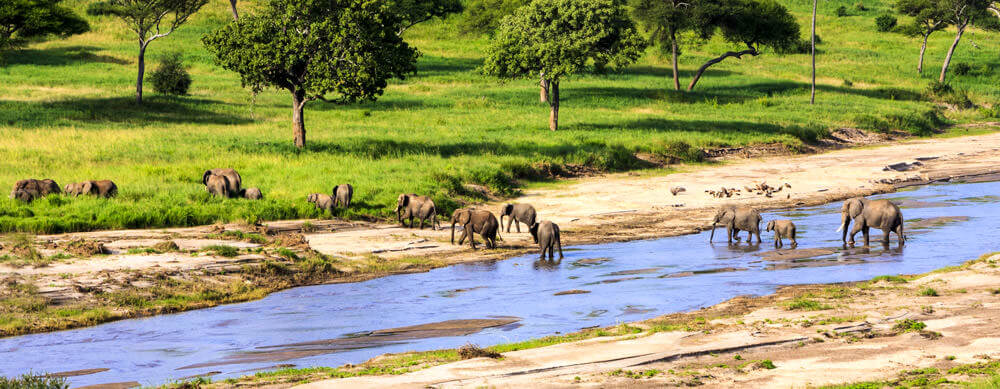
Getting vaccinated and taking precautions can greatly enhance your travel experience. Consult with a healthcare professional well before your trip. They can provide specific guidance based on your health and itinerary. Planning properly ensures you focus on the adventure and thrilling wildlife experiences Tanzania has to offer. Whether you’re watching elephants in the Serengeti or exploring the Ngorongoro Crater, being prepared is essential.
The importance of getting vaccinated for a Tanzania safari
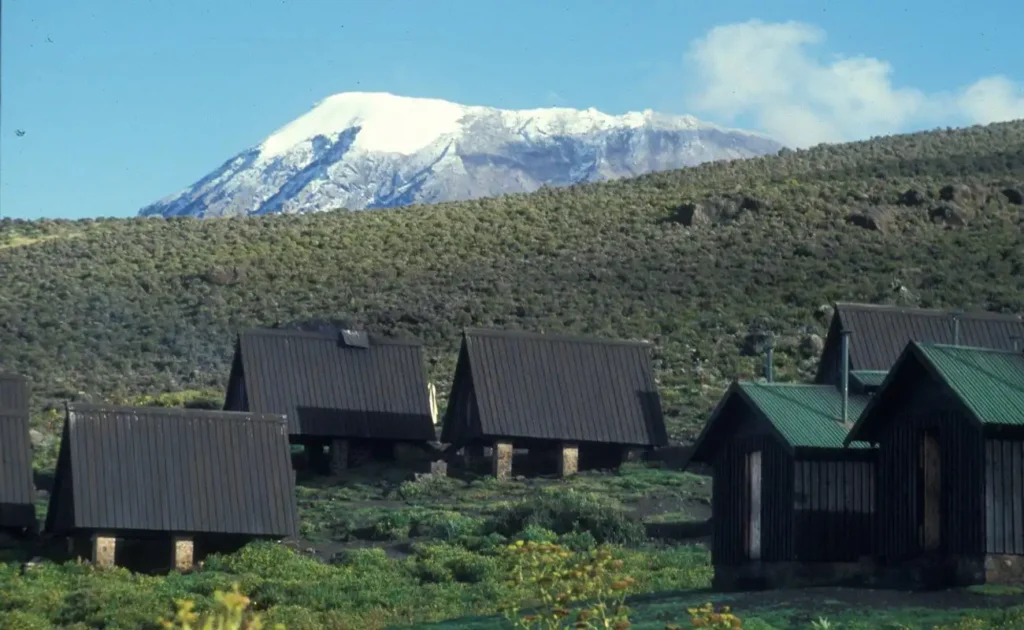
Vaccinations are fundamental when planning a safari in Tanzania, as they are the first line of defense against infectious diseases. The diverse landscape of Tanzania, ranging from the plains of the Serengeti to the heights of Mount Kilimanjaro, presents various health risks. Vaccines such as yellow fever are more than just a recommendation; they are a requirement in certain scenarios.
- Prevent serious illnesses
- Avoid travel disruptions
- Comply with local regulations
Immunizing yourself protects not just your health but also your travel plans.
Yellow fever is a notable disease found in parts of Africa, including Tanzania, and can be life-threatening. The yellow fever vaccine is mandatory for travelers coming from countries with a high risk of transmission. This requirement helps keep both tourists and locals safe from outbreaks. More importantly, vaccination records are sometimes checked upon entry. Failing to show proof may require receiving the vaccine or even refusing entry.
Beyond yellow fever, the importance of other vaccinations cannot be underestimated. Hepatitis A and B vaccines prevent infections caused by contaminated food and water. Typhoid vaccination guards against another common food and waterborne illness. Here’s a list of diseases to consider getting vaccinated against:
- Hepatitis A
- Typhoid
- Rabies (for specific travelers)
Protecting yourself means ensuring your safari is memorable for all the right reasons.
A healthcare professional can tailor advice to your health needs, considering any personal health conditions or past medical history. Comprehensive travel clinic consultations can provide both vaccinations and advice on other preventive measures, such as taking malaria prophylaxis. Planning well ahead increases the effectiveness of any vaccination regimen. Ultimately, understanding the importance of vaccines contributes to a safe and exhilarating safari experience. With vaccines in place, you’re free to enjoy the captivating beauty and wildlife of Tanzania without worrying about health setbacks.
Vaccination requirements for travel to Tanzania
Traveling to Tanzania requires careful preparation, especially regarding vaccinations. The yellow fever vaccine is a cornerstone of the healthcare recommendations and is mandatory for anyone entering from an area where the disease is present. This requirement aims to prevent the spread and protect both travelers and locals. Some international flights might ask for proof of vaccination before departure. It’s essential to carry your yellow fever vaccination card at all times.
Beyond yellow fever, several other vaccinations are highly recommended to minimize health risks. Hepatitis A, for instance, is spread through contaminated food or water, posing a common threat when traveling. Hepatitis B is also advised, especially for those engaging in activities that increase exposure risk. Rabies vaccine might be crucial for those spending more time outdoors or in rural areas. Getting these vaccinations helps in maintaining a healthy travel experience.
Malaria prevention is another significant aspect of travel health for Tanzania. Although no vaccine currently exists for malaria, taking preventive medications is vital. Make sure to consult with your healthcare provider about which malaria pills are appropriate. Additionally, adopting protective measures like wearing long sleeves and using mosquito nets are effective strategies. Understanding vaccination and disease prevention enhances your overall safety during the trip.
Planning ahead will ensure you have all required vaccinations completed before your safari. Healthcare consultations should be arranged six to eight weeks before traveling, allowing enough time for vaccinations to become effective. Here’s a helpful checklist:
- Yellow Fever
- Hepatitis A and B
- Typhoid
- Rabies (if needed)
Being informed and vaccinated helps in enjoying Tanzania’s incredible wildlife and scenery worry-free.
Other health considerations for a Tanzania safari
Exploring Tanzania’s wilderness offers breathtaking experiences, but it also comes with specific health considerations. Besides vaccinations, travelers should be aware of the risks of mosquito-borne illnesses like malaria. Wearing long-sleeved clothing, using insect repellent, and sleeping under mosquito nets are effective preventive measures. Carry malaria prophylaxis pills based on your healthcare provider’s advice. These precautions ensure protection against mosquitoes that operate especially during the cooler evenings.
Food and water safety in Tanzania require careful attention. Consuming only bottled or boiled water helps avoid waterborne diseases. Be wary of street food, which might not meet hygiene standards one is used to. It’s best to eat cooked food served hot, minimizing the risk of contracting diseases like typhoid or cholera. Practicing good hygiene, such as washing hands frequently, is essential to staying healthy.
The sun in Tanzania can be intense, so safeguarding against sunburn and dehydration is crucial. Applying a broad-spectrum sunscreen, wearing hats, and sunglasses provide effective sun protection. Drinking plenty of water, especially while out on safari, prevents dehydration. Monitor for signs of heat exhaustion, as they can escalate quickly under hot conditions. Staying shaded during peak sun hours can further reduce potential impacts.
Altitude sickness can be a concern for those trekking on Mount Kilimanjaro or other high-altitude locations. Acclimatizing slowly and listening to your body are effective strategies if symptoms appear. It helps to familiarize yourself with signs like headaches or dizziness. Whether climbing or hiking, maintaining a steady pace aids in adapting to high altitudes. Consulting a doctor before attempting high-altitude zones ensures a safe experience.
Carrying a basic first aid kit is highly recommended for any safari adventure. Items like band-aids, antiseptic wipes, and any personal medication you might need offer peace of mind. In case of minor injuries or illnesses, having essentials on hand ensures quick responses. It’s also smart to know the location of the nearest clinic in case of emergencies. Thorough preparation allows a worry-free exploration of Tanzania’s beauty.
Key Takeaways
- Vaccinations are essential for safe and healthy travel in Tanzania.
- Yellow fever vaccination is mandatory for certain travelers to Tanzania.
- Mosquito protection helps prevent malaria during your safari.
- Drink bottled or boiled water to stay safe from diseases.
- Packing a basic first aid kit is smart for any adventure.
Conclusion
Embarking on a safari in Tanzania requires more than a sense of adventure; it demands meticulous preparation, particularly concerning health and safety. Ensuring all necessary vaccinations and preventive measures are in place offers peace of mind. This allows travelers to focus on the awe-inspiring experiences awaiting them in Tanzania’s natural landscapes.
Adopting additional precautions, like drinking only safe water and protecting against mosquito bites, further fortifies one’s travel plan. Proper preparation helps in fully appreciating the rich biodiversity Tanzania boasts. As we equip ourselves for the journey, the marvels of Africa reveal themselves, allowing for a memorable and safe safari adventure.