Ever wondered why the iconic trek up Mount Kilimanjaro remains a bucket-list adventure for many? Despite its allure, potential climbers must navigate the complexities of its varying costs, which are not as straightforward as one might assume. Factors such as the choice of route and number of days tremendously affect the financial outlay.
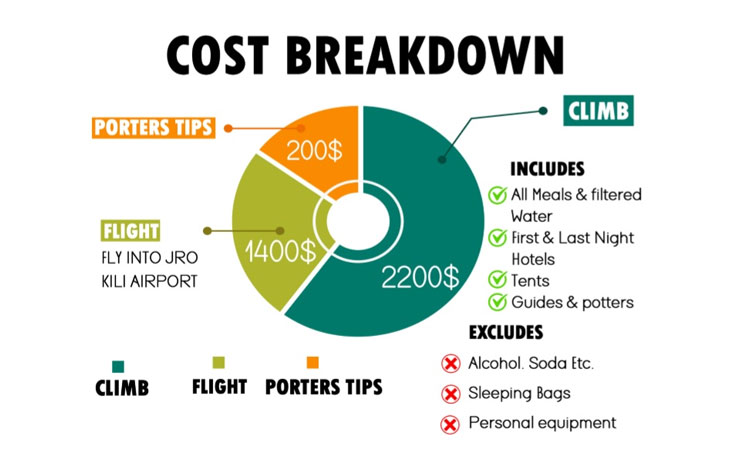
Originally a feat conquered by a select few, the climb today requires a careful budgetary strategy, with costs ranging from $2,000 to $6,000 per person. These expenses encompass everything from permit fees to guide services, immortalizing both history and human endurance on its majestic slopes. Interestingly, investing in a reputable trekking company is crucial, ensuring safety and a culturally enriching journey toward the 19,341-foot summit.

Costs of Climbing Kilimanjaro: A Comprehensive Guide
Climbing Mount Kilimanjaro is a dream for many adventurers. Yet, it’s essential to know the costs involved before setting off on this journey. The price tag of this adventure varies, ranging from $2,000 to $6,000. These numbers depend on multiple factors such as your choice of route and the season of travel. Planning wisely can help you manage these expenses effectively.
The route you choose is a significant factor impacting the cost. Each route offers a distinct experience and comes with its unique price. For instance, the Marangu Route is popular because it’s considered less expensive. However, the Lemosho Route gives a scenic view albeit at a steeper price. It’s smart to weigh the pros and cons of each before deciding.
Beyond the route, park fees and permits are vital costs to consider. Kilimanjaro’s national park fees form a substantial part of your budget. These fees cover conservation efforts and upkeep of the park. Besides this, hiring guides and porters is mandatory for a successful climb. This ensures your safety and enhances your trekking experience.
Additional costs may include gear rental, tips, and pre-climb expenses. Climbers often rent or buy equipment like climbing boots, walking sticks, and thermal wear. Tipping guides and porters is customary, adding to the overall expenditure. Lastly, account for the days spent acclimatizing and any travel insurance needed. Preparation and budgeting go hand-in-hand for a memorable Kilimanjaro climb.
How Much Does It Cost To Climb Kilimanjaro?
Exploring Travel and Accommodation Expenses
Traveling to Mount Kilimanjaro involves more than just the climb itself. First, you need to get to Tanzania, and flight costs can vary. Depending on your location, a round-trip airplane ticket might be pricey. Once in Tanzania, you’ll likely fly into Kilimanjaro International Airport. Keep in mind, booking early often helps you secure better deals.
Once you land, find a place to stay before and after your trek. Accommodation options around Kilimanjaro range from budget hostels to luxury lodges. Here’s a list of types of accommodations you might consider:
- Budget Hostels
- Mid-range Hotels
- Luxury Lodges
- Tented Camps
Staying in Moshi or Arusha gives you plenty of choices. Whichever option you pick, ensure it’s safe and close to the mountain. Selecting a place with meals included can simplify your planning.
Transportation from the airport to your hotel is another expense. Some lodges offer free pickups, while others charge. You might take a taxi or arrange a shuttle for a more comfortable ride. Being mindful of these expenses can make your travel experience smoother. With a bit of planning, you’ll be well-prepared for your Kilimanjaro adventure.
Understanding Park Fees and Permits
Climbing Kilimanjaro involves more than just physical preparation; you also need to plan for park fees. These fees are vital as they support the mountain’s preservation and the local community. As you prepare your budget, consider that park fees can make up a significant part. Each climber must pay an entry fee, along with other daily charges. These costs ensure that the park remains beautiful for future climbers.
Different routes may have varying costs associated with them. The fees include conservation, camping, and rescue charges. For a complete breakdown, here’s a table of potential fees you might encounter:
| Fee Type | Cost Per Day (USD) |
|---|---|
| Park Entry Fee | 70 |
| Camping Fee | 50 |
| Rescue Fee | 20 |
Permits are mandatory, and they’re usually arranged by your tour operator. These operators are familiar with the necessary paperwork and help you secure permits efficiently. It’s one task you won’t have to worry about if you work with a reputable agency. They will ensure all formalities are handled so you can focus on the climb.
Knowing these details helps in effective budget planning and avoiding surprises. Being aware of fees allows climbers to appreciate the funds’ impact on the landscape and local economy. By understanding this system, you contribute positively to the maintenance of this natural wonder. Your permits help keep Kilimanjaro a sustainable adventure for everyone. Budgeting these costs ensures a more enjoyable and hassle-free trip.
Necessary Gear and Equipment Costs
Climbing Kilimanjaro requires proper gear to ensure safety and comfort. Essential items include thermal wear, trekking boots, and rain gear. Depending on your needs, you can either rent or buy these items. Renting can be a cost-effective option for items you won’t use frequently. However, owning your gear ensures a perfect fit, which is critical for long treks.
Let’s break down the costs associated with necessary gear. Some basic items you might need include:
- Thermal wear: $50 – $100
- Trekking boots: $100 – $200
- Rain gear: $50 – $150
- Backpack: $100 – $200
- Sleeping bag: $50 – $100
Besides the basic gear, you’ll need specialized equipment for high-altitude conditions. Items such as a headlamp, walking poles, and a first-aid kit are essential. These tools not only add to the costs but also enhance your climbing experience. Investing in high-quality gear can be crucial for your overall well-being during the climb. Remember, the mountain’s weather can be unpredictable, making durable gear vital.
For many climbers, renting gear is a practical choice. Various companies near Kilimanjaro offer rental services. Renting can significantly lower initial costs, allowing you more flexibility with your budget. It’s also a good way to test different brands and types of equipment before committing to a purchase. Always check the quality and condition of rental gear to ensure it’s reliable.
Clothing and equipment aren’t the only gear expenses. You’ll need to consider small but significant items like water purification tablets, sunscreen, and personal hygiene products. These items, though minor, are essential for a comfortable climb. Proper planning includes budgeting for these necessary extras. It will help in reducing last-minute stress and ensure a smoother adventure.
Budgeting for gear and equipment doesn’t just mean tracking expenses. It also involves making sure that your gear is in top shape. Regular maintenance of your own equipment can prolong its life and save money in the long run. Whether you buy or rent, prioritizing quality will make your Kilimanjaro experience all the more memorable.
Guide and Porter Fees
Hiring guides and porters is mandatory when climbing Mount Kilimanjaro. They play an essential role in ensuring your trek is safe and enjoyable. Guides provide their expertise on the trail, while porters carry heavy gear and supplies. Understanding their fees is crucial for budgeting your climb. These fees typically range from $20 to $30 per day for guides and $10 to $20 per day for porters.
Let’s look at what these fees cover. Here’s a typical breakdown:
- Guide daily fee: $20 – $30
- Porter daily fee: $10 – $20
- Tips: Customary but essential
Tip amounts can vary, but they are customary and a significant part of your costs. Tips show appreciation for the hard work and local knowledge they provide. Many climbers budget between $250 to $300 for tipping both guides and porters. Including these tips in your plan ensures that local workers are fairly compensated. It’s a meaningful gesture that reflects their vital contribution to your journey.
The number of porters and guides you need depends on your group size and the length of your trek. Larger groups may require more staff, increasing costs. Discussing the required support with your tour operator helps in making informed decisions. This way, you can balance costs with the quality of service you receive during the climb. Proper planning in this area guarantees a smoother adventure for everyone involved.
Choosing reputable guide services enhances your overall experience. Experienced guides can offer deeper insights into the mountain’s history and environment. They follow safety measures that are crucial for a successful ascent. Therefore, investing in quality guidance not only enriches your climb but also adds a layer of security. Making wise choices here can make a world of difference in your Kilimanjaro trek.
Additional Expenses and Tips
Besides the main climbing costs, several additional expenses can add up. Travelers often find that personal items like snacks and extra gear increase their budget. It’s wise to set aside funds for these unforeseen purchases. Having these small comforts can make the trip more enjoyable. Packing smart and planning for these costs helps minimize stress.
Looking at other expenses can help prepare a detailed budget. Here’s a list of potential extra costs:
- Travel insurance: Essential for medical emergencies
- Visa fees: Required for entry into Tanzania
- Souvenirs: Memorable keepsakes from your adventure
- Meals outside of the trek: Try local cuisine
Travel insurance is something you shouldn’t overlook. It covers unexpected events like sickness and trip cancellations. This precaution provides peace of mind knowing that you’re protected against unforeseen issues. Always review what your policy covers before purchasing. That way, you choose a plan that meets your specific needs.
Don’t forget about spending money on meals when not on the trek. Trying new dishes can be a highlight of your journey. Local cuisine offers unique flavors and adds to the travel experience. Budgeting for these occasional dining expenses ensures you don’t miss out. Exploring local eateries also supports the regional economy.
Lastly, souvenirs are a fun way to remember your Kilimanjaro adventure. From handcrafted items to postcards, there’s something for everyone. Remember, these purchases support local artisans and communities. Set aside a small budget for these mementos. They make for wonderful reminders of your incredible journey.
Key Takeaways
- Climbing costs range from $2,000 to $6,000 per person.
- Park fees and permits are substantial parts of the budget.
- Guides and porters charge daily fees plus tips.
- Necessary gear includes thermal wear, trekking boots, and rain gear.
- Additional expenses may include travel insurance and souvenir purchases.