Embarking on a self-drive safari in Tanzania offers an unparalleled sense of adventure and freedom. Picture cruising through the breathtaking landscapes, where you dictate the pace and route of your exploration. Yet, many wonder about the feasibility and safety of such an independent expedition in this African gem.
Self-drive safaris in Tanzania, while increasingly popular, come with significant considerations. Historically, guided tours were the norm due to challenging terrain and unpredictable wildlife. Now, with improved infrastructure and detailed maps, self-drives are becoming a viable and thrilling option. In 2019, Tanzania saw a 30% rise in self-drive bookings, reflecting growing confidence and interest among experienced travelers.

Eligibility and Requirements for a Self-Drive Safari in Tanzania
To embark on a self-drive safari in Tanzania, certain rules and documents are necessary. First, you must hold a valid driver’s license from your home country. If your license is not in English, an International Driving Permit (IDP) is required. Additionally, ensure your vehicle has a comprehensive insurance policy covering all potential circumstances. These documents safeguard you in case of any unforeseen events.
Next, permits are vital when entering national parks or conservation areas. You must purchase these from the Tanzania National Parks Authority or respective offices. Knowing the park entry fees, which can vary based on the park and your nationality, is also essential. Such costs are often higher for foreign visitors. Staying informed will help you budget accordingly.
Ensure your vehicle is equipped for rough terrains. A 4×4 vehicle is recommended for traversing the rugged paths. Moreover, carry essential supplies like water, a first-aid kit, and a spare tire. These items are critical as they can address unexpected challenges. Being well-prepared is key to a successful adventure.
Understanding local driving customs is crucial for a smooth safari. In Tanzania, people drive on the left side of the road. Obeying speed limits and road signs keeps you safe and avoids legal issues. Also, familiarize yourself with the regions you plan to visit using maps and GPS. Prior knowledge of your route ensures a more relaxed driving experience.
Understanding the legal and procedural aspects of self-driving in Tanzania’s national parks
Tanzania’s national parks have specific rules for those keen on self-driving. To start, it’s crucial to acquire the necessary permits for each park you plan to visit. Rules and entry requirements vary depending on the park, so meticulous planning is necessary. Additionally, it is recommended to check the opening hours, as some parks have restricted visiting times. You wouldn’t want to miss the chance of a sunrise safari by arriving too late.
While driving within the national parks, adhering strictly to speed limits is essential. Typically, the speed limit is set at 50 km/h, and exceeding this can lead to hefty fines. Witnessing wildlife from your vehicle is exciting, but always remember to maintain a safe distance. Getting too close can endanger both animals and visitors. Staying alert ensures a safer experience for all involved.
Furthermore, park authorities have guidelines to minimize environmental impact. Littering is strictly prohibited, and visitors are encouraged to use designated picnic areas. Staying on marked roads is another crucial rule since off-road driving can harm the ecosystem. If you bring food or drinks, always take your trash with you. Respecting the park’s eco-guidelines helps preserve its natural beauty.
Engaging with park officials can enhance your understanding of local rules. Rangers often provide briefings or written materials to keep drivers informed. They might also conduct checks to ensure everyone holds the correct permits and follows the rules. Being cooperative and attentive during these interactions is beneficial. Such exchanges often provide valuable insights for a seamless journey.
Benefits of a Self-Drive Safari Experience
Engaging in a self-drive safari offers unparalleled freedom and flexibility. You can set your schedule and decide when and where to stop. This autonomy allows for a more personalized experience, catering to your interests. Without the need to adhere to a tour guide’s plan, you can explore at your own pace. It ensures a more intimate connection with the natural environment.
Another significant benefit is the cost. Traditional guided safaris can be expensive, often requiring group bookings and fixed costs. With self-driving, expenses can be better managed, especially when using your vehicle. This cost-effectiveness makes the adventure more accessible to various budgets. Financial flexibility enhances the appeal of self-driving safaris.
Self-driving also brings a sense of adventure and empowerment. Navigating through Tanzania’s national parks, you experience excitement firsthand. Figuring out routes, spotting wildlife, and handling unexpected situations can be exhilarating. The journey becomes a memorable part of the adventure. Overcoming challenges boosts confidence and offers stories to share.
Finally, self-drive safaris provide an opportunity for quality family or solo time. Whether with loved ones or independently, the journey fosters deeper connections. Uninterrupted time spent together or alone allows for reflection and bonding. Experiencing nature away from daily distractions enriches the experience. Such moments create lasting memories.
Challenges and Considerations When Planning a Self-Drive Safari
Self-drive safaris in Tanzania can present quite a few challenges. One major hurdle is navigating unknown terrains, which can be difficult without proper preparation and tools. Dirt roads may become muddy during rain, making travel hazardous. Investing in a reliable GPS and sturdy vehicle can mitigate some of these risks. Being well-prepared can make the journey smoother.
Additionally, wildlife behavior is unpredictable. It’s crucial to research and understand animal movements to avoid dangerous encounters. Certain animals, like elephants or buffalos, can be threatening if approached too closely. Maintaining a respectful distance is not just about safety but also respecting their space. A quick study of wildlife protocols is beneficial.
Sufficient planning for fuel stops is another critical consideration. Gas stations are sparse, especially deep within park regions. Keeping an eye on your fuel gauge and carrying extra fuel can prevent unfortunate situations. It’s advisable to always check fuel availability before departure. This precaution ensures you won’t be stranded.
Camping regulations also need attention. Not all areas allow camping, and sticking to designated zones is essential. Understanding park rules about camping locations will save you from possible penalties. Always set up camp when there’s enough daylight to maintain safety. Following these protocols ensures a hassle-free overnight stay.
Lastly, it’s important to consider the communication network in these vast parks. Mobile signals can be weak or non-existent. Informing someone about your planned route and expected return adds a layer of security. If available, investing in a satellite phone can be a life-saver. This ensures you have the means to contact others if necessary.
Key Takeaways
- A valid driver’s license and insurance are necessary for self-driving in Tanzania.
- Obey speed limits and park rules to ensure a safe safari experience.
- Self-drive safaris offer flexibility, cost benefits, and a sense of adventure.
- Proper planning for fuel stops, navigation, and camping is crucial.
- Understanding wildlife behavior and local regulations ensures safety during the trip.
Conclusion
Embarking on a self-drive safari in Tanzania offers a unique blend of freedom and adventure. It allows travelers to explore at their own pace, create personalized experiences, and enjoy intimate encounters with nature. Thorough preparation, understanding local regulations, and respecting the environment are crucial to ensuring a safe and rewarding journey.
Despite the challenges, the benefits of a self-drive safari are significant. The flexibility and cost-effectiveness make it an attractive option for many. By planning carefully and embracing the adventure, travelers can make unforgettable memories in Tanzania’s stunning landscapes.
When it comes to Tanzania safaris, one might not immediately think of gourmet experiences amidst the wild, yet the culinary scene is as exhilarating as the wilderness. Picture yourself relishing a hearty meal prepared over an open fire with the distant roars of a lion reminding you that you truly are in the heart of Africa. This fusion of thrill and taste is something that expert safari-goers have come to admire and anticipate.
The safari experience in Tanzania is meticulously designed to both thrill and nourish. Meals often reflect a rich tapestry of flavors, showcasing local ingredients and traditional dishes alongside Western favorites. Historical influences such as Indian and Arabic have interwoven with indigenous practices, creating a diverse menu. Interestingly, approximately 60% of safari-goers report that the food enhances their adventure significantly, pushing culinary tourism onto the safari map.

Exploring Culinary Delights on a Tanzania Safari
Tanzania safaris offer more than just breathtaking landscapes and amazing wildlife. They also provide an unforgettable culinary journey. You’ll find yourself indulging in meals that blend African, Indian, and Western influences. Camps and lodges often serve local dishes like grilled meats and stews, enriched with vibrant spices. This combination of flavors creates a truly unique dining experience.
Meal times on a safari are special occasions. Breakfast might be served amidst the sounds of nature, offering fresh fruits, pastries, and hearty eggs. Lunches are often relaxed, featuring picnics under giant trees or in safari camps. Dinners are filled with warmth and camaraderie, often enjoyed under a starry sky. The ambiance enhances the delicious food, making every meal memorable.
A standout aspect of safari dining is the use of fresh, local ingredients. Chefs source produce from nearby markets, ensuring farm-to-table freshness. This fresh produce includes tropical fruits, vegetables, and fish from local waters. There’s a focus on sustainability, supporting local communities. This results in meals that are not only delicious but also support local farmers.
Special dietary needs are well-catered for on most safaris. Whether you’re vegetarian, vegan, or have food allergies, chefs customize meals to suit your needs. They prepare gluten-free or dairy-free options with ease. Comfort and personalization are prioritized to ensure everyone enjoys their meals. This attention to detail adds extra warmth to the dining experience.
The Unique Fusion of Local and Western flavors
On a Tanzania safari, the culinary experience stands out due to the blend of local and Western flavors. Traditional Tanzanian dishes, such as ugali and nyama choma, are often paired with Western-style meals. This fusion caters to the diverse palates of international visitors. For breakfast, you might enjoy local tropical fruits with Western-style eggs and bacon. This mix allows you to savor the best of both worlds.
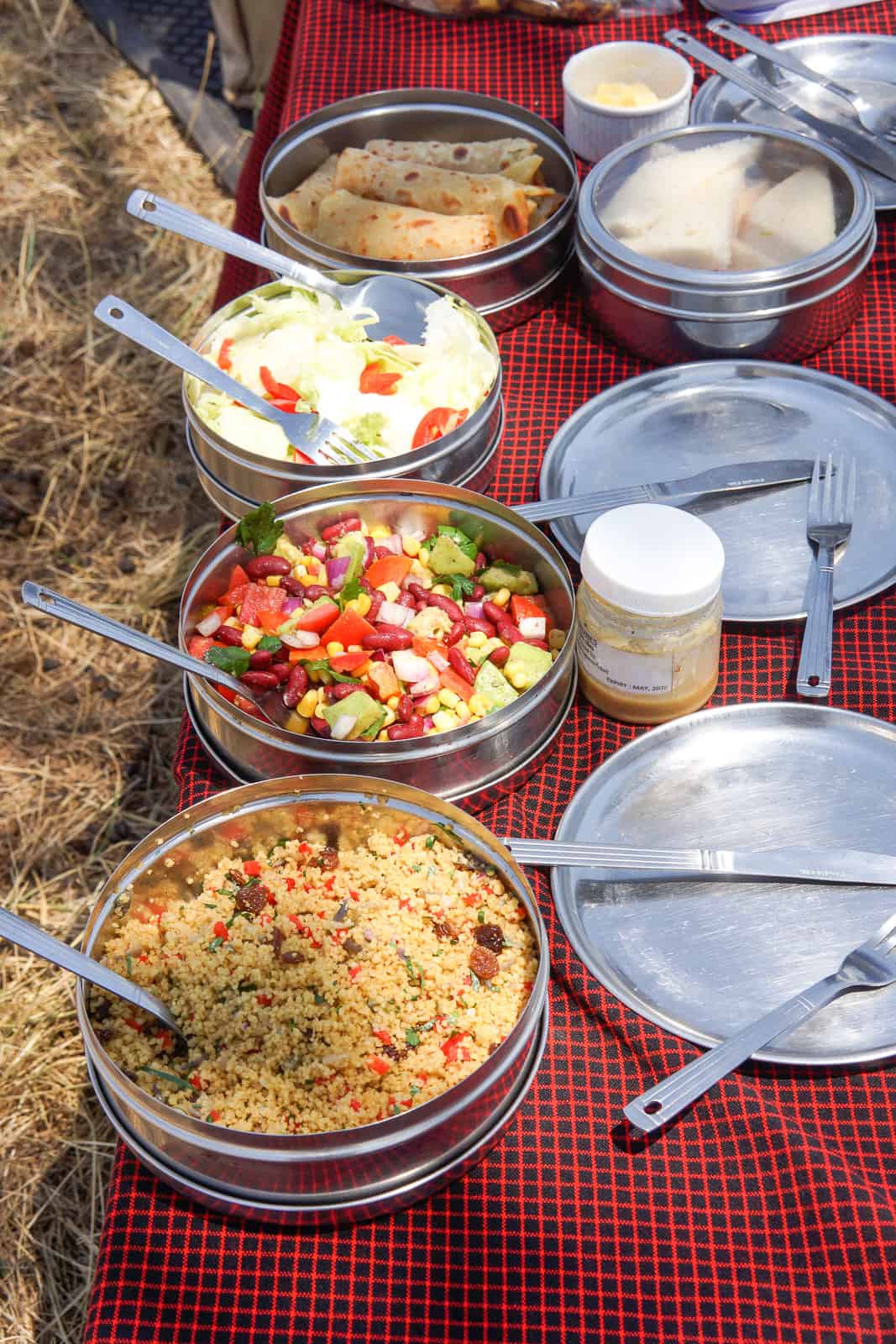
Lunchtime on safari can be equally exciting. You may find yourself enjoying a picnic with a spread that includes chapati, a type of flatbread, alongside sandwiches and salads. The inclusion of local treats enhances the meal and adds a unique touch. Chefs skillfully combine these influences to create meals that are both familiar and adventurous. This creativity keeps the dining experience interesting.
Dinners are often the highlight of a safari day, featuring elaborate setups and delicious dishes. You might experience a traditional Tanzanian barbecue, complemented by Western side dishes like mashed potatoes and green beans. This blend ensures that there’s something for everyone to enjoy. The variety of food options can make each evening meal feel like a special event. This variety helps create lasting memories of your time in the wild.
One key to this fusion is the skill and flexibility of the safari chefs. They are adept at using local ingredients to create dishes that appeal to a wide range of tastes. They can easily switch between cooking styles, satisfying both adventurous eaters and those craving comfort foods. This adaptability is part of what makes the culinary experience on a Tanzanian safari so remarkable. Chefs ensure that each meal is a delightful surprise.
The Role of Food in enhancing the Safari Experience
Food plays a crucial role in making a safari adventure truly unforgettable. Meals on a safari are not only about satisfying hunger; they are about creating cherished moments. Imagine enjoying a bush breakfast while watching the sun rise over the savannah. This unique setting transforms a simple meal into an extraordinary experience. These moments create lasting memories that go beyond just seeing wildlife.
Each meal has a way of bringing people together, fostering a sense of community. Around the dinner table, travelers share their day’s adventures and form connections with new friends. The magical surroundings enhance conversations and laughter, creating a warm and engaging atmosphere. Every shared meal helps form bonds between guests and guides. This shared experience enriches the overall safari journey.
Throughout the day, food provides both comfort and excitement. After a long morning of game drives, the aroma of lunch can be incredibly inviting. Whether it’s a picnic in the shade or a buffet in camp, these meals offer a chance to relax and refuel. They give travelers the energy needed for the next adventure. Food becomes an anchor, providing both nourishment and delight.
Spectacular dining settings further elevate the safari experience. Dinner might be served under a canopy of stars or beside a crackling campfire. These settings make each meal a celebration of the senses. The surroundings, combined with delicious food, create a sense of wonder. This elevates the entire safari experience to an entirely new level.
The Influence of Historical and Cultural Factors on Safari Cuisine
Safari cuisine in Tanzania is a delightful fusion influenced by a rich tapestry of historical and cultural elements. The nation’s diverse heritage is reflected in its food, blending indigenous flavors with those introduced by explorers and traders. African staples, such as maize and cassava, are cornerstones in local dishes. Meanwhile, spices like cumin and cardamom echo the Arabic influence brought to the region through trade routes. This intricate mix of flavors tells a story of Tanzania’s past.
Another major influence comes from the colonial era. European powers brought their culinary traditions, which have since merged with local foods. For instance, tea drinking, introduced by the British, has become a staple in Tanzanian daily life. You’ll often find dishes like British-style roasts served alongside traditional Tanzanian sides. This blend showcases the adaptability and resilience of Tanzanian cuisine.
Indian immigrants have also left a lasting mark on Tanzanian food. Spicy curries, chapati, and samosas are now common on the menu at many safari lodges. The use of spices and cooking techniques from India has enriched the local palate. This influence is particularly strong along the coastal regions, where Indian traders have lived for centuries. Their presence has greatly enhanced the culinary landscape.
Cultural practices also shape how food is enjoyed and shared. Communal dining is a cherished tradition, reflecting values of community and togetherness. During safaris, the same spirit is embraced, with meals promoting social interaction among travelers. Sharing food becomes a way to bridge cultural gaps and foster connections. This harmonious blend of history and culture makes safari meals special.
Preserving these culinary traditions is essential for maintaining cultural heritage. Safari operators and chefs are committed to showcasing authentic Tanzanian flavors while adapting to modern tastes. They focus on sustainable practices, supporting local farmers and producers. This dedication ensures that visitors not only enjoy delicious meals but also contribute to the community. It keeps the cultural narrative alive through every dish served.
Key Takeaways
- Tanzanian safari cuisine blends local flavors with global influences.
- Meals on safari often merge African, Indian, and European traditions.
- Safari dining enhances the experience with unique, memorable settings.
- Cultural heritage is preserved through authentic and sustainable practices.
- The communal nature of meals fosters connection among travelers.
Conclusion
Exploring the culinary offerings on a Tanzanian safari is as thrilling as the safari itself. It showcases an intricate blend of historic and cultural influences. From the mingling of African staples with global flavors to the communal dining experience, each meal tells a story. This interplay creates not just a dining experience but a rich cultural tapestry.
The dedication to authentic and sustainable culinary practices demonstrates respect for local heritage. It ensures that every dish supports both the community and the environment. The expertly crafted meals, enjoyed amidst breathtaking landscapes, elevate the safari journey. This fusion of flavors and cultures leaves a lasting impression, enriching the overall adventure.
Ever thought about gliding above the African plains with the sunrise casting a golden hue over the Serengeti? The hot air balloon safari offers a vantage point unlike any other, where the vast savannah below teems with wildlife, presenting a breathtaking mosaic of nature. From herds of wildebeest on their great migration to solitary lions on the prowl, the aerial perspective is nothing short of magical.
Historically, hot air balloon safaris in the Serengeti have been reserved for the most adventurous of hearts, offering an exceptional wildlife viewing experience. According to recent statistics, over 80% of participants rate their hot air balloon ride as a highlight of their African safari. This incomparable experience, coupled with the serene tranquility of floating over one of the world’s most iconic landscapes, makes it a cherished memory for many.

Unique Experiences Offered by a Hot Air Balloon Safari in the Serengeti
Floating above the Serengeti at sunrise is an adventure like no other. The sky turns shades of pink and orange as you drift over the vast savannah. Below, animals like zebras and giraffes move gracefully. The silence of the early morning, broken only by the occasional roar of a lion, adds to the magic.
From the heights of a hot air balloon, you can witness the Great Migration. This annual event sees millions of wildebeest, zebras, and gazelles traveling across the plains. From above, you see a river of animals stretching to the horizon. It’s a spectacle of nature’s determination and survival.
The bird’s-eye view also offers a unique perspective on the landscape itself. The rolling grasslands, dotted with acacia trees, seem to stretch endlessly. You may spot hidden waterholes where elephants gather. This aerial view gives you a deeper appreciation of the Serengeti’s beauty.
Additionally, a hot air balloon safari often ends with a traditional champagne breakfast. Landing gently on the open plains, you’re greeted with a gourmet meal. It’s a chance to reflect on the incredible sights you’ve just experienced. This luxurious touch makes the adventure even more memorable.
The surreal experience of witnessing the Great Migration from above
Seeing the Great Migration from a hot air balloon is truly surreal. As you float above, you feel like you’re part of an epic nature documentary. Below, thousands of wildebeests move in unison, creating a flowing river of life. The sheer number of animals, stretching for miles, is breathtaking. It’s a scene of raw nature that few get to witness.
The movement of the herds is almost hypnotic. From above, you can see patterns as the animals follow ancient paths. You might even witness dramatic river crossings, where the wildebeests face the dangers of crocodile-infested waters. These moments are thrilling and unforgettable. They highlight the harsh realities of migration and survival.
Being in the air also provides a sense of peace and perspective. The vastness of the Serengeti becomes even more apparent from this height. You see the interconnectedness of the ecosystem as predators and prey move in a delicate balance. It’s a powerful reminder of nature’s complexity and beauty.
Throughout the flight, the balloon’s gentle swaying adds to the dreamlike quality. The experience feels timeless, as if you’ve stepped back into a prehistoric world. With each passing minute, the landscape below changes, revealing new wonders. This truly makes the hot air balloon safari an unmatched adventure.
Key Factors to Consider Before Booking Your Safari
Timing is crucial when planning your safari in the Serengeti. Different times of the year offer varying wildlife experiences. For instance, the Great Migration is typically from July to October. Knowing the best times can help ensure you witness this spectacular event. This can make your trip more rewarding.
Another important factor is choosing the right safari company. Research their safety records and customer reviews. Make sure they have experienced pilots and guides. This ensures a safe and informative trip. It’s essential to go with a reputable provider.
Consider the type of accommodation provided. Some safaris offer luxury lodges, while others provide camping options. Knowing your comfort preferences can make a big difference. You want to enjoy your time both in and out of the hot air balloon. Choose accommodations that suit your style.
Lastly, think about the cost of the safari. Hot air balloon safaris can be pricey. Make sure to budget for this unforgettable experience. Sometimes, packages are available that combine flights with other activities. Looking for deals can help you save money.
Key Takeaways
- Plan your safari timing to match the wildlife events.
- Choose a reputable company for safe and enjoyable experiences.
- Match accommodations with your comfort preferences for a relaxing stay.
- Research costs and look for package deals to save money.
- A hot air balloon safari offers unforgettable views of the Serengeti.
Conclusion
Embarking on a hot air balloon safari in the Serengeti offers a unique perspective on one of the most breathtaking natural phenomena on Earth. Witnessing the Great Migration from above is an experience that etches itself into memory. It combines the thrill of exploration with the serenity of the skies.
Considering factors such as timing, safety, and accommodations can enhance the overall experience. This majestic adventure not only highlights the dynamic beauty of the Serengeti but also provides a deeper appreciation for nature’s complexities. Choosing this safari journey promises an unparalleled encounter with wildlife and wilderness.
Would you believe that in the heart of Africa, temperatures can drop to nearly freezing at night? Such is the case on a Tanzanian safari. Packing the right gear can mean the difference between a dreamy adventure and an uncomfortable experience.
Experts recommend lightweight, breathable clothing for the day and warm layers for the evening. Don’t forget a quality pair of binoculars, which historically have been a game-changer. According to recent statistics, over 80% of travelers wish they’d packed a good camera to capture the breathtaking wildlife.

Essential Clothing for a Tanzania Safari
Going on a safari in Tanzania means packing smart and for varied conditions. During the day, it can get quite warm, so light, breathable fabrics like cotton are your best friends. Neutral colors such as khaki, brown, and green are ideal since they blend into the environment and don’t attract animals. At night, temperatures can plummet. So, packing some warm layers is crucial to stay comfortable.
Comfortable walking shoes are an absolute must for your safari adventure. You may find yourself exploring diverse terrains, from rocky paths to grassy plains. Durable boots or sneakers with good grips will protect your feet on these journeys. Also, a wide-brimmed hat and sunglasses provide necessary sun protection. Keeping your head cool and eyes shielded enhances your viewing experience.
In addition to the basics, there’s some other gear to consider. A lightweight rain jacket is handy, especially during the brief rain showers. A scarf or bandana can serve multiple purposes. It can protect your face from dirt or be used as extra warmth. Dressing in layers gives you flexibility as temperatures change. Being prepared means you can focus on the amazing wildlife.
While on safari, you’ll want to stash away a few accessories. Items such as a reliable wristwatch and a compact camera are popular choices. Many travelers agree that having a watch is convenient. It not only keeps track of time but is a backup if your phone’s battery dies. Meanwhile, a camera captures stunning memories, making each moment unforgettable.
Considering Weather and Terrain
Planning for the weather and terrain on a Tanzania safari is crucial for a successful trip. Tanzania has a tropical climate with distinct wet and dry seasons. Dry season, from late June to October, is ideal for game viewing. However, temperatures can vary dramatically between day and night. Being prepared helps ensure your comfort.
Different terrains present unique challenges. From savannah grasslands to mountainous regions, you’ll need versatile clothing. Strong, sturdy footwear is essential. Moreover, the right gear can protect you from unpredictable weather. Quick-dry and moisture-wicking fabrics are useful.
During the wet season, November to May, rain showers are common. Having a lightweight rain jacket is advisable. Mornings and evenings can be chilly, requiring warm layers. A windbreaker can be handy during breezy conditions. Consider packing multiple layers to adapt to changing temperatures.
Having the right accessories can enhance your experience. Packing a waterproof bag keeps your valuables safe from rain. A hat and sunglasses protect you from the strong sun rays. Sunscreen is also essential to prevent sunburn. Thinking ahead about weather and terrain allows you to fully enjoy the adventure.
Necessary Gear and Gadgets
Embarking on a Tanzania safari requires more than just a suitcase of clothes. The right gear can transform your experience, making it both comfortable and memorable. One essential item is a good pair of binoculars. They bring distant wildlife up close, enhancing your views of rare animals. A camera with a zoom lens is also a smart choice for capturing those unforgettable moments.
Besides optics, several gadgets can elevate your safari adventure. Smartphones are handy for quick photos and navigation. However, ensure they’re protected from dust and moisture with waterproof cases. A portable charger or power bank keeps your devices juiced up. It’s useful since remote locations may lack power outlets.
Safety and practicality should not be overlooked. Consider packing a high-quality flashlight or headlamp for nighttime activities. Navigating during early morning or evening safaris becomes safer with a reliable light source. Multi-tools can be lifesavers for quick fixes. Items like a Swiss Army knife or Leatherman tool cover several needs.
For personal wellbeing, specific gadgets can offer peace of mind. A lightweight first aid kit is vital for treating minor injuries. Including items like band-aids, antiseptic wipes, and pain relievers can be helpful. And don’t forget a sturdy water bottle with a built-in filter. Staying hydrated is key, especially when exploring under the sun’s heat.
Health and Safety Items to Pack
Your health and safety on a Tanzania safari are paramount. A well-stocked first aid kit is essential. It should include band-aids, antiseptic wipes, and pain relievers. Having these supplies at hand can help manage minor injuries or discomforts. Such preparedness makes a big difference when you’re far from medical facilities.
Considering the tropical climate, it’s wise to pack insect repellent. Mosquitoes are common, especially during dawn and dusk. Protect yourself from bites and potential diseases like malaria with effective repellents. Long-sleeve shirts and pants also offer extra protection. Combined, these precautions help you enjoy your adventure without worry.
Hydration is another key factor for maintaining your health. A reliable water bottle with a filter ensures you always have clean water. Drinking plenty of fluids helps manage the heat and energy levels. Dehydration can happen quickly in hot environments, so always stay vigilant. This simple measure is crucial for a safe journey.
Sun protection is vital throughout your safari. Sunscreen with a high SPF shields your skin from harmful UV rays. A sun hat and sunglasses add an extra layer of protection. These items keep you cool and prevent sunburns, keeping your safari experience enjoyable. Together, they help maintain your wellbeing.
Lastly, consider carrying a travel insurance policy. It offers peace of mind against unexpected health issues or emergencies. While nobody likes to think about worst-case scenarios, having insurance provides security. Be sure to understand what your policy covers. Traveling with this safety net ensures a smoother safari experience.
Key Takeaways
- Pack lightweight and warm clothing for different temperatures.
- Bring essential gear like binoculars and a good camera.
- A first aid kit and insect repellent are vital for health.
- A reliable water bottle helps manage hydration efficiently.
- Sunscreen, a hat, and sunglasses protect you from sun exposure.
Final Thoughts
Embarking on a Tanzania safari requires thoughtful preparation and attention to detail. Packing the right mix of clothing, gear, and safety items ensures a comfortable and enjoyable experience. It’s about striking a balance between safety and excitement, allowing you to focus on the breathtaking wildlife and landscapes.
By preparing adequately, you maximize the opportunity to immerse yourself in everything this remarkable destination offers. A well-prepared safari allows for remarkable insights into nature and wildlife. It also promotes a sense of adventure and discovery unmatched by any other experience.
Embarking on a Tanzanian safari is not just a journey into the wild but a dive into nature’s theater with scenes that are constantly changing. Safaris can be customized to meet individual preferences and range from three days to over a week. However, determining the ideal length involves understanding the dynamic and diverse landscapes that Tanzania has to offer.
Historically, a standard safari tour spans around seven to ten days, allowing ample time to explore varied parks such as Serengeti, Ngorongoro, and Tarangire. Serengeti alone covers nearly 15,000 square kilometers, making it challenging to capture its essence in just a day or two. Therefore, experts often suggest a minimum of five days for a deeper immersion, allowing both relaxation and adventure.

Determining the Duration of a Tanzania Safari
The length of your Tanzania safari greatly depends on various factors. How many parks you want to visit is a major consideration. The famous Serengeti National Park might require more days to explore fully, especially if you’re interested in witnessing the Great Migration. Additionally, the time of year can affect the duration of your visit. Different seasons offer unique wildlife experiences, with some animals migrating or others being more visible.
Many experts recommend spending at least five to seven days. This allows you to visit multiple parks and enjoy a range of activities, from game drives to cultural visits. If you have limited time, focusing on a couple of key areas might be best. It’s crucial to balance between travel time and actual safari activities. Always plan with travel distances in mind, as some parks are quite far apart.
The diversity of landscapes in Tanzania is truly remarkable. From the expansive Serengeti plains to the lush Ngorongoro Crater, each area offers unique experiences. Some travelers might wish to explore lesser-known destinations like Selous Game Reserve. Choosing where to go can seem overwhelming. But prioritizing what you most want to see helps streamline your itinerary.
To optimize your safari experience, consider your travel style and interests. Adventure seekers might prefer longer stays with more park coverage. Others might focus on relaxation, opting for shorter, more focused trips.
- Budget
- Personal interests
- Travel season
can also influence your itinerary length. Discussing options with a travel expert can provide clarity and ensure you have a well-rounded experience.
Factors Influencing the Duration of Your Safari
Your available time significantly impacts how long you’ll spend on a safari. If you have only a week, you’ll need to be strategic about which parks to visit. However, if you can spend two weeks, you can explore more areas and have a richer experience. Shorter trips might focus on iconic spots like Ngorongoro, while longer trips allow for time in remote areas. Every extra day gives more opportunity for seeing diverse wildlife.
Budget is another critical factor in determining safari duration. Africa safaris can be expensive due to park fees, accommodations, and transportation. A longer stay means increased costs, especially during peak seasons. In collaboration with travel agents, you can find options that maximize your experience. Getting clear about what you wish to spend helps in planning an ideal trip.
The variety of activities available can influence how long you’ll want to stay. Some people might be interested solely in wildlife photography, while others might want to immerse themselves in cultural experiences. Options range from game drives to walking safaris and cultural tours. Different parks offer unique activities such as hot air balloon rides over the Serengeti. Assessing what excites you helps determine the right number of days.
The time of year you travel can also affect your safari’s duration. Certain times offer better conditions for specific wildlife activities. For instance, the Great Migration often occurs between June and October, requiring more days to fully appreciate. Seasons like the rainy period might be less crowded but could limit exploration activities. Choosing the right season for your interests ensures an unforgettable safari experience.
Experiencing Tanzania’s National Parks
Visiting Tanzania’s national parks offers a glimpse into a world teeming with diverse wildlife and spectacular landscapes. The Serengeti National Park is renowned for its vast plains and the extraordinary Great Migration. Ngorongoro Crater provides a lush habitat for a variety of animals, making it a prime spot for wildlife viewing. Tourists can also explore Tarangire National Park, famous for its large elephant herds. Each park in Tanzania offers something unique.
You can witness different animal behaviors depending on the location and season. In the Serengeti, the sight of thousands of wildebeest crossing the Mara River is an awe-inspiring spectacle. The Ngorongoro Crater is home to the Big Five, making it a great spot for those looking to see lions, elephants, and rhinos. Bird watchers will find Lake Manyara National Park a paradise with over 400 bird species. These varied experiences ensure that every safari is unique.
Accommodations within the parks range from basic campsites to luxurious lodges. Staying inside the park can enhance the overall experience by providing early access to game drives. Many accommodations offer guided tours and knowledgeable guides. This ensures that visitors can make the most of their time. Whether you’re a solo traveler or with family, there’s an option to suit your preferences.
Planning your activities in advance can help maximize your visit.
- Game drives
- Walking safaris
- Hot air balloon rides
- Cultural tours
can be enjoyed in different parks. An itinerary that balances adventure with relaxation allows visitors to fully take in the beauty of Tanzania’s parks. Tailoring your activities ensures an unforgettable safari experience.
Utilizing Your Time Wisely on a Tanzania Safari
Making the most of your time on a Tanzania safari involves careful planning and organization. Starting your days early can maximize wildlife sightings, as many animals are most active at dawn. A well-thought-out itinerary that includes a mix of activities can keep your experience engaging. Balancing game drives with periods of relaxation ensures you won’t feel rushed. Maximizing your time means enjoying both adventure and downtime.
Consider incorporating various types of safaris to enhance your experience.
- Game drives
- Walking safaris
- Boat safaris
- Hot air balloon rides
each offer unique perspectives of the wildlife. Mixing these different methods can add variety and excitement to your trip. You’ll get a comprehensive view of the natural surroundings from different angles. Diversifying your activities keeps the experience fresh and enjoyable.
Interacting with local communities is another enriching experience. Visiting nearby villages allows you to learn about the cultures and traditions of the Maasai and other tribes. Many tours offer cultural visits that can be integrated into your itinerary. These visits enrich the safari experience, providing a deeper understanding of the local way of life. Cultural exchanges add a meaningful dimension to your adventure.
Travel between parks takes time, so it’s essential to plan your routes effectively. Using internal flights can save time, allowing you to cover more ground quickly. Some parks like Serengeti and Ngorongoro are close enough for overland travel. Knowing the distances and travel times helps in organizing a seamless journey. Efficient travel ensures you spend more time experiencing the parks and less time in transit.
Resting is just as important as exploring. Evenings can be spent relaxing at your lodge, enjoying the surroundings or stargazing. Don’t underestimate the value of downtime after a day of activities. This helps you recharge for the next day of exploration. Finding a balance between action and relaxation is key to a fulfilling safari.
Working with a knowledgeable guide can significantly enhance your safari experience. Experienced guides know where to find the best wildlife spots and can share valuable insights. They can also help in adjusting your itinerary based on weather conditions or animal movements. Trusting their expertise allows you to focus on enjoying the journey. A good guide can make your safari truly memorable.
Key Takeaways
- Start your days early to maximize wildlife sightings.
- Mix different safari activities for a more exciting experience.
- Engage with local communities for a deeper understanding of the culture.
- Plan travel routes carefully to save time and cover more ground.
- Balance exploration with relaxation to enjoy your safari fully.
Conclusion
Planning a Tanzania safari demands thoughtful consideration of various elements, from the parks to visit to the itinerary’s pace. With a blend of wildlife interactions, cultural experiences, and relaxation, travelers can craft a safari that meets varied interests. By leveraging expert guidance and strategic planning, each day becomes a seamless journey into the heart of Africa’s wilderness.
Time management on a safari is critical to ensuring a rich and immersive adventure. Striking the right balance between activity and leisure allows travelers to fully savor their surroundings. Ultimately, a well-organized safari not only enriches the travel experience but also leaves lasting memories of Tanzania’s majestic landscapes and vibrant wildlife.
Every year, over a million wildebeests thunder across the Serengeti in the mesmerizing Great Migration, a spectacle many consider the eighth natural wonder of the world. This awe-inspiring event is just the start; Tanzania’s rich landscape is home to an incredible diversity of wildlife, including the famous Big Five: lions, elephants, leopards, buffaloes, and rhinos. The allure of witnessing these majestic creatures in their natural habitat captivates every visitor, offering an experience unlike any other.
Tanzania’s safari experience is steeped in history, originating in the early 20th century when the country began protecting its wildlife reserves. Today, the country boasts 22 national parks, including the renowned Serengeti and Ngorongoro Crater, preserving some of Africa’s greatest wildlife sanctuaries. With more than 430 species of birds and countless other fascinating animals, Tanzania promises an unforgettable safari experience that is as diverse as it is extraordinary.

Discovering Tanzania’s Wildlife: A Safari Adventure
Tanzania offers a thrilling safari experience, with a range of fascinating animals. The Big Five are the most famous: lions, elephants, rhinos, leopards, and buffaloes. Each of these creatures roams freely across the savannas, creating unforgettable encounters. Watching a lion pride or a herd of elephants crossing the plains is truly awe-inspiring. This incredible diversity makes Tanzania a top safari destination.
One of the most spectacular events is the Great Migration. Every year, millions of wildebeests, zebras, and gazelles journey in a massive loop. This migration isn’t just amazing to watch, it’s a key survival strategy for these animals. Predators like cheetahs and lions follow the herds, creating dramatic hunting scenes. Witnessing this natural wonder is a once-in-a-lifetime experience for many.
Besides the Big Five and the migration, visitors can also spot unique species. Giraffes grace the horizon with their long necks and lanky legs. Hyenas often appear in the early morning or late evening, cackling with their distinct laughter. Bird watchers can delight in over 1,000 species of birds, including the African fish eagle and flamingos. Tanzania’s wildlife variety is truly remarkable.
Tanzania works hard to protect its wildlife through conservation efforts. Several national parks and reserves ensure that habitats are preserved. These efforts help maintain balanced ecosystems, benefiting both animals and local communities. By visiting, tourists support conservation funds and the local economy. This sustainable approach helps secure a future for Tanzania’s incredible wildlife.
Spotting the Big Five: Lions, Elephants, Rhinos, Leopards, and Buffaloes
The Big Five are a highlight of any Tanzania safari, each with its own incredible traits. Lions are known for their majestic appearance and social nature, often seen in groups. Watching them laze in the sun or stalk prey offers a thrilling glimpse into their world. Elephants, on the other hand, captivate audiences with their massive size and gentle demeanor. Observing a family of elephants at a waterhole is truly enchanting.
Rhinos are a rare sight, with their numbers dwindling due to poaching. Seeing these powerful creatures in the wild feels like a true privilege. They are often spotted in protected areas, where conservation efforts aim to boost their population. Leopards are elusive and stealthy, requiring keen eyes to spot their camouflaged coats. Finding a leopard lounging in a tree is an exhilarating safari moment.
Buffaloes are considered one of the most unpredictable animals in the wild. They often gather in large herds, and their formidable appearance commands respect. Watching a herd move across the savanna is both mesmerizing and humbling. Safaris offer an unprecedented opportunity to witness these animals in their natural habitat. The experience connects visitors with the wild in a profound way.
Embarking on a safari in Tanzania is a unique journey, offering countless chances to see the Big Five. The country’s diverse landscapes provide ideal settings for these animals to thrive. Safaris not only educate visitors about wildlife but also support conservation. Preserving these majestic creatures ensures future generations can also enjoy their splendor. Tanzania stands as a beacon of wildlife protection and adventure.
Observing the Great Migration: Wildebeests, Zebras, and Gazelles
The Great Migration is a breathtaking spectacle that showcases nature’s relentless cycle. Every year, over two million wildebeests, along with zebras and gazelles, traverse the Serengeti. This massive movement covers an area of around 1,200 miles in search of fresh grazing. The migration’s sheer scale and coordination are truly awe-inspiring. It’s a critical survival journey driven by instinct and seasonal rains.
Wildebeests form the heart of the migration, creating vast waves across the plains. Zebras join them, with their unique stripes providing protection through confusion. The partnership between these species is strategic, as zebras preference for longer grass complements the grazing needs of wildebeests. Gazelles often accompany the herd, benefiting from the safety in numbers. Together, they create a dynamic and thriving moving ecosystem.
Predators like lions and crocodiles follow closely, adding drama to the migration. River crossings are particularly thrilling to witness, with animals bravely facing swift currents. This perilous phase highlights nature’s fierce survival battles. Tourists gather along riverbanks, cameras ready to capture these iconic moments. The raw power and determination exhibited are both mesmerizing and humbling.
Experiencing the Great Migration first-hand is a dream for many wildlife enthusiasts. Tanzania offers some of the best vantage points to witness this natural wonder. Safaris guide visitors to optimal locations for unforgettable views. Alongside expert guides, the migration unfolds with all of its chaos and beauty. It’s a vivid reminder of the incredible resilience and interdependence within the animal kingdom.
Encountering Unique Species: Giraffes, Cheetahs, and Hyenas
Giraffes are one of the most mesmerizing animals you’ll encounter on a Tanzania safari. They are the tallest land animals, with long necks and distinctive patterns that make them stand out. Watching them gracefully glide across the savanna or nibble on acacia trees is a sight to behold. Despite their height, giraffes can run surprisingly fast when they need to. They are a symbol of elegance in the animal kingdom.
Cheetahs hold the title of the fastest land animals, racing across the plains at incredible speeds. Their slender bodies and black tear marks under their eyes make them easy to identify. Unlike other big cats, cheetahs prefer hunting during the day. This makes them an easier target for wildlife photographers seeking to capture their breathtaking hunts. Observing a cheetah in pursuit is both thrilling and heart-pounding.
Hyenas are often misunderstood, yet they play a vital role in the ecosystem as scavengers. Known for their eerie laughter, hyenas are incredibly intelligent and social animals. They live in matriarchal clans, led by dominant females. While they’re often seen scavenging, hyenas are also skilled hunters in their own right. Their adaptability allows them to thrive in a variety of environments, from savannas to deserts.
Encountering these unique species offers a richer understanding of Africa’s diverse wildlife. Giraffes, cheetahs, and hyenas each contribute to the complex web of life in the Serengeti. They demonstrate nature’s incredible adaptability, each with distinct behaviors and roles. Witnessing them in their natural habitat is an education in the beauty and balance of the wild. Safaris in Tanzania provide the perfect opportunity to experience these majestic creatures up close.
Beyond the thrill of discovery, observing these species highlights the importance of conservation. Many giraffes are facing threats from habitat loss and poaching. Cheetahs are vulnerable due to shrinking territories, while hyenas often clash with human settlements. By supporting ecotourism and conservation initiatives, visitors help ensure these unique animals continue to thrive. Each safari plays a part in protecting Tanzania’s natural heritage.
Rare and Iconic Birds of Tanzania
Tanzania is a haven for bird enthusiasts, home to over 1,000 unique species. Among these, some birds stand out because of their rarity and iconic beauty. The African Fish Eagle is one of Tanzania’s most majestic birds, often seen swooping down to catch fish. With its striking black, white, and chestnut coloration, it is easily recognizable. Its call, echoing across the water, is unforgettable.
Flamingos grace the alkaline lakes with their vibrant pink hues. Lake Natron and Lake Manyara are popular spots for these magnificent birds. In massive flocks, they form dazzling pink carpets across the water. Watching their synchronized movements is a peaceful experience. Their vivid color comes from the carotenoids in their food.
Another fascinating species is the Lilac-breasted Roller, known for its striking plumage. With colors ranging from turquoise to purple, this bird is a favorite among photographers. In flight, it performs spectacular acrobatic displays that make it even more captivating. These birds often perch on high branches, scanning for insects. They embody the playful and colorful side of Tanzania’s avian life.
The elusive Shoebill stork is a must-see for avid birdwatchers. With its prehistoric look and massive beak, it often baffles and amazes observers. Found in the country’s wetlands, spotting a Shoebill requires patience and a bit of luck. This solitary bird feeds mainly on fish, using its beak to expertly catch prey. It’s a reminder of the rich biodiversity nestled within Tanzania’s landscapes.
Tanzania’s birds are not only a joy to observe but also vital to the ecosystem. They contribute to pest control, seed dispersal, and pollination. Conservation efforts are crucial in maintaining habitats for these avian species. Birdwatching tourism supports these initiatives, ensuring a sustainable future. By appreciating these winged wonders, visitors play a role in their preservation.
Conservation Efforts and Their Impact on Wildlife
Conservation efforts in Tanzania are essential for protecting the country’s diverse wildlife. National parks and wildlife reserves play a key role in these efforts. They provide safe habitats for numerous species, from elephants to rare birds. By safeguarding these areas, Tanzania ensures that its natural beauty remains intact. These efforts also help to balance ecosystems and curb poaching.
Community involvement is a crucial aspect of successful conservation. Programs are in place to educate locals on the importance of wildlife protection. Many communities now participate in anti-poaching activities and wildlife monitoring. They benefit from eco-tourism through job creation and economic growth. This partnership creates a strong foundation for sustainable conservation.
Organizations and researchers work together to track animal populations and health. They use technology such as GPS tracking and drones to gather data. This information helps craft policies and strategies that protect threatened species. Conservation also focuses on habitat restoration, reviving areas damaged by human activities. By enhancing these habitats, more species can thrive.
Table of Key Conservation Areas in Tanzania
| Conservation Area | Key Species Protected |
|---|
| Serengeti National Park | Lions, Wildebeests |
| Ngorongoro Crater | Rhinos, Elephants |
| Selous Game Reserve | Buffalo, Giraffes |
Public awareness campaigns highlight the importance of wildlife conservation. Educational programs inspire young generations to become wildlife guardians. By raising global awareness, these efforts attract international support. Together, they contribute to a unified push for environmental preservation. Ensuring the survival of Tanzania’s wildlife benefits everyone, now and in the future.
Key Takeaways
- Conservation areas protect diverse wildlife habitats in Tanzania.
- Community involvement boosts local wildlife preservation efforts significantly.
- Technology like GPS aids in monitoring animal populations effectively.
- Eco-tourism supports economic growth and conservation efforts together.
- Education fosters future generations of wildlife guardians globally.
Conclusion
Tanzania’s commitment to wildlife conservation is evident through its numerous protected areas and community initiatives. These efforts not only safeguard the country’s diverse species but also support the local economy. The partnership between local communities and conservation organizations is proving effective and sustainable.
By visiting Tanzania, tourists contribute directly to these conservation endeavors. Witnessing the incredible wildlife and natural beauty encourages ongoing global support and awareness. Together, these efforts ensure that Tanzania’s unique wildlife thrives for future generations to appreciate.