With over 38% of its land area dedicated to conservation, Tanzania offers an unparalleled immersion into the wild like no other. This vast expanse hosts luxury tented camps that redefine glamping, blending raw nature with sophisticated comfort. It’s an experience that begs the question: can opulence coexist with the untamed wilderness in harmony?
These camps trace their roots back to the early safari days of the 1920s, where explorers sought both adventure and comfort. Today, over 50 luxury tented camps dot Tanzania’s famed landscapes, offering high-end amenities without sacrificing the authentic safari feel. From the Serengeti to Ngorongoro, each camp promises an eco-friendly experience, connecting guests with nature sustainably.
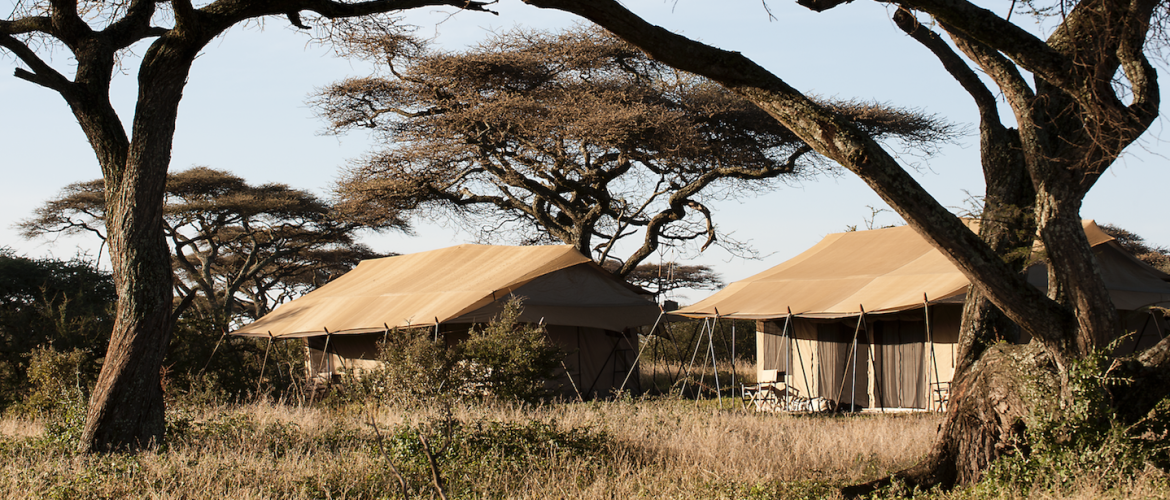
Tanzania’s luxury tented camps offer an extraordinary blend of comfort and wilderness, allowing guests to enjoy plush accommodations amid stunning natural surroundings. These camps provide high-end amenities like en-suite bathrooms, gourmet meals, and guided safaris while emphasizing eco-friendly practices and sustainable tourism, creating an unparalleled glamping experience in the wild.

Tanzania Luxury Tented Camps: Glamping in the Wild
Tanzania is known for its awe-inspiring landscapes and diverse wildlife. It’s home to some of the best luxury tented camps where glamping meets the untamed wild. Each camp offers a unique way to explore nature without sacrificing comfort. Imagine waking up to the roar of lions or the trumpeting of elephants outside your tent. These camps provide a safe and lavish base for adventure enthusiasts.
Glamping, or glamorous camping, combines luxurious amenities with the thrill of the outdoors. In Tanzania, these camps provide plush beds, hot showers, and gourmet meals. Guests can enjoy an immersive experience with safaris and wildlife tours. Regular campfire nights and storytelling sessions further enrich visitors’ experiences. This captivating blend of opulence and nature attracts tourists from all over the world.
Visitors can choose from a range of camps based on their preferences. Some popular choices include the Serengeti and Ngorongoro regions. Each location offers distinctive wildlife and landscape viewing opportunities. These camps often focus on sustainable tourism practices to preserve the beautiful environment.
Luxury tented camps generally extend beyond typical camping experiences. They offer amenities like spa services, guided tours, and cultural experiences with local tribes. These additions provide guests a fuller sense of Tanzanian culture and community. Despite the luxury, respect for nature remains a priority, ensuring an eco-friendly stay. Experiencing Tanzania this way creates unforgettable memories for visitors.
The Concept of Luxury Tented Camps: Blending Wilderness and Comfort
Luxury tented camps offer a unique way to experience nature without sacrificing comfort. Unlike traditional camping, these camps provide top-notch amenities in the heart of the wilderness. Guests can enjoy facilities such as cozy beds, private baths, and even electricity. This blend of luxury and nature allows visitors to explore without roughing it. Imagine drifting off to sleep under a starlit sky, with the sounds of nature as your lullaby.
One of the main attractions of luxury tented camps is their seamless integration with the natural environment. These campsites are designed to have minimal impact on their surroundings. They use sustainable materials and eco-friendly energy sources like solar power. Camp owners prioritize protecting the habitat and wildlife, making conservation a key focus. This approach ensures that the beauty of the wilderness remains untouched for future generations.
Visitors to these camps can engage in a wide range of activities. There are safaris, guided nature walks, and cultural encounters with local tribes.
- Safaris offer close-up views of wildlife like lions and elephants.
- Guided nature walks help guests learn about flora and fauna.
- Cultural encounters provide insight into the traditions and lifestyles of indigenous communities.
These activities aim to educate and entertain, offering a deep connection to the land.
The staff in luxury tented camps plays an essential role in ensuring a memorable stay. They provide personalized services that make guests feel at home. From organizing unique dining experiences to offering knowledgeable guides, the staff enhances every visitor’s experience. This attention to detail sets luxury tented camps apart from typical resort stays. For many, it’s the perfect mix of adventure and relaxation, all under one roof.
Historical Evolution of Glamping in Tanzania
Glamping in Tanzania has a rich history that dates back to the early 20th century. In the 1920s, wealthy travelers and explorers began seeking ways to experience the wild without giving up comfort. They brought luxurious items like fine linens and gourmet food on their adventures. This desire to blend luxury with nature set the stage for modern glamping. Over time, these early expeditions evolved into more organized and sophisticated experiences.
As safaris became popular, the demand for comfortable accommodations grew. Hotels and lodges in remote areas started incorporating elements of luxury. By the mid-20th century, tented camps began appearing in prime wildlife locations like the Serengeti. These camps offered a balance of comfort and adventure. They provided amenities such as real beds, private bathrooms, and exquisite dining options.
The 1990s saw a significant shift as eco-tourism gained momentum. Camps began adopting sustainable practices to protect the environment.
- Solar panels for electricity
- Water conservation measures
- Use of local materials for construction
These initiatives ensured that luxury did not come at the expense of nature. The focus on sustainability made glamping more appealing to eco-conscious travelers.
Today, glamping in Tanzania is a blend of heritage and innovation. Modern camps continue to offer high-end amenities while respecting the environment. The experience has expanded to include cultural interactions and educational activities. This evolution reflects a deeper understanding of the importance of conservation. Glamping in Tanzania has transformed from a niche activity to a mainstream travel experience, attracting visitors worldwide.
Top Luxury Tented Camps in Tanzania: A Concise Overview
Tanzania is home to some of the most stunning luxury tented camps in Africa. These camps offer a unique blend of comfort and wilderness in popular areas like the Serengeti and Ngorongoro. Serengeti Under Canvas is celebrated for its location amidst the great migration. The camp moves according to animal movements, offering guests optimal wildlife viewing. It features en-suite bathrooms and king-size beds, ensuring a lavish stay.
Singita Grumeti is another top choice, located in a private reserve bordering the Serengeti. It offers a high-end experience with incredible wildlife encounters. Guests enjoy elegant tents, gourmet cuisine, and engaging activities. This camp emphasizes sustainability, supporting local communities and wildlife conservation. It perfectly balances luxury with eco-friendly practices.
In Ngorongoro, the Lemala Ngorongoro Tented Camp stands out. Its location near the crater provides easy access to this UNESCO World Heritage site. The camp offers spacious tents with plush furnishings and hot showers. Activities include guided walks and visits to local Maasai villages. This makes it a cultural as well as a natural exploration.
Farther south, Ruaha National Park boasts the Ikuka Safari Camp. It provides a more remote experience in Tanzania’s largest national park. Visitors get stunning panoramic views and a diverse range of wildlife. Each tent features a private deck, allowing visitors to soak up the beauty of Ruaha. Personalized service and intimate settings make Ikuka a hidden gem.
These luxury camps prioritize guest comfort while highlighting Tanzania’s natural beauty. Many of them support eco-tourism by using sustainable materials and practices. They offer rich cultural experiences alongside wildlife adventures. The combination of opulence and the untamed wild captivates travelers and provides memorable visits. For many, these camps represent the ultimate getaway.
Essentials of Glamping: Facilities and Services in Luxury Tented Camps
Luxury tented camps in Tanzania take camping to a new level with advanced facilities and services. Guests enjoy accommodations that rival high-end hotels, with features such as en-suite bathrooms and spacious sleeping quarters. Most camps offer beautifully furnished tents with comfortable beds and cozy linens. The focus is on making guests feel pampered while surrounded by nature. Visitors can enjoy modern comforts amidst breathtaking landscapes.
Dining is a highlight in luxury tented camps, with gourmet meals commonly prepared by skilled chefs. Guests can savor a variety of dishes featuring fresh, locally-sourced ingredients. Meals are often served in picturesque settings, such as under the stars or by a roaring campfire. This offer an unforgettable dining experience. Menu options cater to diverse dietary preferences, making dining both inclusive and luxurious.
Activities in these camps are designed to enhance the glamping experience. Many camps provide expertly guided safaris, helping guests explore the rich biodiversity of Tanzania.
- Birdwatching tours for nature enthusiasts
- Night drives to see nocturnal wildlife
- Cultural visits to nearby villages
These activities offer chances for adventure and education while keeping comfort in mind. Each experience aims to connect guests with the surrounding environment.
Luxury camps also prioritize relaxation and rejuvenation. Many sites offer spa services, including massages and wellness treatments that use natural ingredients. Guests can unwind at scenic lounges or around swimming pools. This focus on relaxation complements the adventurous spirit of glamping. Such services add a layer of tranquility to the stay, balancing excitement with calm.
Access to communications and security is another key feature of glamping essentials. Camps often provide Wi-Fi and mobile charging stations to keep guests connected. Safety is ensured by trained staff and secure facilities, offering peace of mind while enjoying remote locations. This blend of amenities ensures a seamless and secure experience. Glamping in luxury tented camps provides both adventure and serenity.
Promoting Eco-friendly Tourism: Sustainable Practices in Tanzanian Glamping
Tanzanian glamping sites are at the forefront of eco-friendly tourism, using sustainable practices to protect their natural habitats. Many camps incorporate renewable energy sources, like solar panels, to minimize their carbon footprint. This move towards clean energy reduces reliance on fossil fuels. Additionally, eco-conscious camps implement water conservation techniques, such as rainwater harvesting systems. These efforts ensure resources are used responsibly and efficiently.
Materials used in building and maintaining the camps often come from local, sustainable sources. This reduces transportation emissions and supports local economies. Camps may use locally crafted furnishings and biodegradable products. Recycling programs are also in place to minimize waste. These initiatives demonstrate a commitment to reducing environmental impact.
Education plays a significant role in promoting sustainable tourism in Tanzania. Camps frequently provide educational materials and activities for guests to learn about local conservation efforts.
- Workshops about native wildlife and preservation
- Guided tours emphasizing ecological features
- Community projects encouraging visitor participation
Such programs make visitors more aware of their role in environmental stewardship. Visitors leave with a deeper understanding and respect for the ecosystem.
Supporting local communities is another vital aspect of eco-friendly glamping. Many camps employ local staff and purchase supplies from nearby businesses, fostering economic growth. They also partner with community projects, aiding in development and conservation efforts. By enhancing the well-being of local people, these camps contribute to a sustainable future. This synergy boosts both the environment and regional communities.
The balance of luxury and sustainability sets Tanzanian glamping apart. While guests enjoy high-end services, they actively participate in conservation by choosing eco-friendly accommodations. This mindful approach helps preserve Tanzania’s unique flora and fauna. The success of these initiatives showcases the potential of tourism to positively impact the planet. As a result, Tanzania remains a leader in sustainable travel experiences.
Key Takeaways
- Tanzania’s luxury tented camps offer a mix of comfort and wilderness.
- Guests enjoy amenities like en-suite bathrooms and gourmet meals.
- Sustainable practices are a key focus in these camps.
- Guided safaris and nature walks connect guests with wildlife.
- Glamping in Tanzania provides a unique, eco-friendly adventure.
Walking through the fragrant spice plantations of Zanzibar, where the aroma of cloves, cinnamon, and nutmeg envelops your senses, feels like you’re stepping into a sensory utopia. This island paradise, often referred to as the ‘Spice Island,’ offers a rich cultural tapestry woven from its historic spice trade and warm, welcoming communities. The experience is further elevated with a safari adventure, showcasing the stunning wildlife and diverse ecosystems that thrive in the region.
The Zanzibar Spice Tour is a gateway to understanding the island’s pivotal role in global spice commerce, dating back to the 18th century when it was the world’s largest producer of cloves. Today, visitors can explore aromatic farms, learn about traditional farming techniques, and indulge in fresh tropical fruits. On the safari side, the island boasts unique wildlife, including the rare red colobus monkeys and vibrant marine life, making it a unique blend of culture, wildlife, and island relaxation.
Zanzibar Spice Tour and Safari offers a unique exploration of the island’s rich cultural heritage through its historic spice trade, vibrant wildlife including rare species, and serene island vibes. The experience is a fusion of aromatic discoveries and exotic adventures, perfect for those seeking both relaxation and education in one splendid journey.

Zanzibar Spice Tour: A Journey through Aromatic Paradise
Imagine a place where the air is filled with the sweet scent of cinnamon and pepper. This is what you experience on a Zanzibar spice tour. As you walk through lush plantations, you not only inhale aromatic fragrances but also learn about each spice’s history. Local guides explain how spices like cloves and cardamom have shaped the island’s culture and economy. For many, it’s a chance to connect with nature and history in a delightful way.
During the tour, you’ll encounter a wide array of spices. Some popular ones include cloves, nutmeg, and vanilla. You can touch, smell, and even taste them right off the plant. This hands-on experience is both fun and educational. It’s incredible to see how everyday spices on your kitchen shelf grow in the wild.
Zanzibar’s spice tour offers more than just a visit to farms. It delves into the island’s vibrant history. These spices were once a hot commodity, bringing traders from far and wide. They were essential to trade routes and have left a lasting impact on Zanzibar. Knowing how these tiny plants have influenced big events is truly fascinating.
Apart from spices, the lush landscape is a treat for the eyes. Towering coconut trees, vibrant flowers, and exotic fruits create a picturesque scene. This beautiful setting makes the experience relaxing and memorable. As you explore, take in the sights and sounds of this unique paradise. It’s a remarkable way to spend a day soaking up Zanzibar’s natural beauty.
Exploring the Spice Plantations
When you set foot on Zanzibar’s spice plantations, you embark on a sensory journey unlike any other. The air buzzes with the fragrances of nutmeg and ginger. Lush greenery stretches out before you, inviting you to explore further. Pathways wind through the fields, leading to patches where you can see spices growing naturally. This close-up discovery lets you marvel at nature’s wonders.
Guides play a vital role in your adventure through the spice farms. They introduce you to the plants and explain how each is cultivated. With their knowledge, you gain insight into traditional farming methods. It’s not just about the growing process but the stories behind the spices, too. These tales breathe life into the rows of plants around you.
The plantations also offer interactive elements to make your visit engaging. You can touch and feel the plants and even pick certain spices yourself. This tactile experience deepens your connection to the environment. It’s fun to test your senses, trying to identify aromas with your eyes closed. Little things like this make the tour unforgettable.
Apart from spices, expect to find exotic fruits and colorful flowers adding to the plantation’s charm. Mangos, bananas, and coconuts hang heavy from the trees. These lush landscapes create perfect photo opportunities. Capturing these memories on your camera creates lasting souvenirs. Sharing these stories and pictures adds to your rich experience in Zanzibar.
The Cultural Impact of Zanzibar’s Spice Trade
The spice trade has profoundly influenced Zanzibar’s history and culture. From ancient times, spices like cloves brought merchants to the island, changing its economic landscape. This trade brought wealth, turning Zanzibar into a bustling hub of activity and interaction. People from different backgrounds mingled on the island, sharing knowledge and traditions. These exchanges enriched Zanzibar’s culture, blending local customs with foreign influences.
Spices affected daily life, especially in the cuisine and arts. Traditional dishes, rich in flavors, showcase a fusion of cultures. Spices like cinnamon and cardamom are staples in many local recipes. This flavorful cooking draws food lovers from around the globe, eager to taste the island’s culinary delights. The art and music of Zanzibar also reflect this blend, with vibrant festivals celebrating its diverse heritage.
The spice trade also played a role in shaping social structures on the island. It created opportunities, influencing education and employment. Knowledge about spices became a valuable skill, passed down through generations. Many families have stories linked to the spice trade, creating a tapestry of memories and experiences. These narratives are carried forward, ensuring the trade’s cultural significance endures.
Today, spice tours connect visitors to this rich historical past. By walking through plantations, tourists experience firsthand the legacy of the spice trade. Guides share tales of how the industry evolved and its ongoing impact on life in Zanzibar. Travelers can even bring home spices as a token of their journey. This direct engagement helps preserve the cultural importance of spices in Zanzibar’s story.
Zanzibar Safari: Encountering Exotic Wildlife
Venturing into Zanzibar for a safari opens the door to a world of vibrant wildlife and breathtaking landscapes. The island is home to unique creatures, like the adorable red colobus monkey. These primates, with their striking coloration, are a sight to see as they swing through the trees. Watching them play in their natural habitat gives you a glimpse into their intriguing behaviors. Every turn on a safari offers new and exciting discoveries.
As you explore further, you’ll encounter more than just monkeys. The island’s lush terrain supports a variety of bird species, adding splashes of color and song to your adventure. Among them, the African fish eagle and the dazzling sunbird stand out. Their bright plumage and melodic calls enrich the safari experience. Spotting these birds adds a sense of achievement to your trip.
Zanzibar’s waters also hold wonders for those willing to dive or snorkel. Beneath the waves, vibrant coral reefs teem with marine life. You might see clownfish darting through anemones or graceful sea turtles gliding by. These underwater views reveal a different side of Zanzibar’s wildlife. It’s an unforgettable sight that captures the imagination of all who witness it.
For those on foot, the island’s natural trails provide more wildlife viewing spots. From curious little creatures like butterflies to larger mammals like bushbucks, each step reveals something new. These paths wind through dense forests filled with diverse flora. The mix of plant and animal life creates a rich tapestry of sights and sounds. Walking these trails enhances your appreciation for Zanzibar’s natural beauty.
Safaris on Zanzibar offer more than just viewing exotic animals. They also include interactions with knowledgeable guides who share insights about conservation efforts. Protecting this rich ecosystem is a shared responsibility, and guides emphasize the importance of maintaining balance. Listening to their stories deepens your understanding of the island’s delicate habitats. Your safari becomes both an adventure and a learning experience.
The Vibes of Island Life in Zanzibar
Life on the island of Zanzibar evokes a relaxing, laid-back vibe that’s hard to resist. The gentle waves lapping the shore and the rustling of palm trees set the perfect background. Locals welcome visitors with warm smiles and friendly gestures, adding to the inviting atmosphere. These interactions make you feel at home and part of the vibrant community. It’s easy to lose track of time as you soak up the sun and friendly island culture.
The island’s music and dance bring people together in joyful celebration. Popular beats like Taarab and Ngoma echo through the streets, inviting everyone to join in. It’s common to see both locals and tourists dancing to rhythmic tunes, blending cultures seamlessly. Music plays a crucial role in connecting hearts and spreading happiness. Participating in these lively moments makes the experience unforgettable.
A visit to the bustling markets showcases the vibrant life of the island. Stalls brimming with colorful fabrics and handcrafted goods offer a feast for the eyes. The tantalizing smell of freshly cooked street food fills the air, tempting your taste buds. Exploring these markets is an adventure in itself. It offers a glimpse into the everyday life and creativity of Zanzibar’s residents.
The island offers various activities for those looking to explore more. Options range from tranquil beach walks to adrenaline-pumping water sports. Activities like snorkeling and diving bring you closer to the colorful marine life. For a serene experience, a sunset cruise along the coast is perfect. These diverse options make Zanzibar an ideal spot for any traveler.
Enjoying a meal in Zanzibar is an exciting journey filled with diverse flavors. The cuisine is a fusion of African, Arab, and Indian influences. Dishes rich in spices and fresh ingredients delight the senses. Seafood lovers will find a paradise of options, from grilled fish to spicy prawns. Sharing a meal at a local eatery offers a taste of island life.
Combining the Spice Tour and Safari: The Complete Zanzibar Experience
Experiencing Zanzibar means embracing its rich diversity, and combining a spice tour with a safari captures the essence of the island. Starting the day exploring spice plantations, you immerse yourself in aromatic wonders. The fragrant spices provide insight not only into cuisine but also the island’s trade history. After soaking in these scents, prepare for the thrill of a safari. This two-part adventure offers a full sensory delight unmatched by other destinations.
On the wildlife safari, enjoy the vibrant landscapes and the diverse creatures that call Zanzibar home. From the playful red colobus monkeys to the array of colorful bird species, the island’s fauna is captivating. Spotting these animals in their natural habitats is an educational thrill. Guides share facts about each species, increasing appreciation for the delicate ecosystem. It’s a breathtaking sight that makes every moment memorable.
The combination of cultural and natural experiences sets Zanzibar apart. Participants gain a deep understanding of the island’s heritage through interactive tours. Visiting local villages adds yet another layer to the adventure. Interacting with the community brings history and nature full circle. It’s a fusion of learning and exploration, all in one mesmerizing journey.
For food enthusiasts, the spice and safari combo caters to culinary interests as well. Ending the day with a meal prepared using spices from the tour delights the palate. Dishes burst with flavors like cloves, vanilla, and cardamom. This authentic experience weaves together sight, scent, and taste in an unforgettable way. Dining becomes a flavorful finale to your island exploration.
Travelers find simplicity in planning such a combined experience, which maximizes time and enjoyment. Guided tours ensure safe and hassle-free exploration. With all details managed, visitors focus on relaxation and discovery. This holistic approach makes Zanzibar a top choice for adventurers seeking both education and excitement. It’s the ultimate way to embrace island life fully and genuinely.
Key Takeaways
- Zanzibar blends spice history and wildlife exploration seamlessly.
- The spice tour offers insight into local culture and economy.
- Safaris showcase unique animals like red colobus monkeys.
- Island life combines relaxation with cultural exchanges.
- A perfect destination for education and adventure seekers alike.
Have you ever contemplated reaching the summit of Africa’s tallest mountain, only to be rewarded with a breathtaking safari on the same journey? The dual adventure of climbing Mount Kilimanjaro followed by an exhilarating safari is not simply an adventure; it’s a fusion of physical challenge and wildlife immersion. Such an experience offers a holistic approach to discovering Tanzania’s natural wonders.
Mount Kilimanjaro, standing at 19,341 feet, has been a beacon for adventurers since its first recorded climb in 1889. Completing this climb is a testament to human endurance and determination, echoed by intriguing statistics: only about 65% of climbers successfully reach the summit. Post-climb, a safari in the Serengeti or Ngorongoro Crater offers a rich contrast, where explorers can witness the iconic Big Five in their natural habitat.
Embarking on a Kilimanjaro climb paired with a safari offers an unmatched experience, combining physical achievement and wildlife exploration. Scaling Africa’s highest peak challenges your endurance while immersing you in diverse ecosystems. Following the climb, a safari reveals Tanzania’s magnificent wildlife, transforming this adventure into a truly memorable journey.

Kilimanjaro Climb & Safari: Adventure of a Lifetime
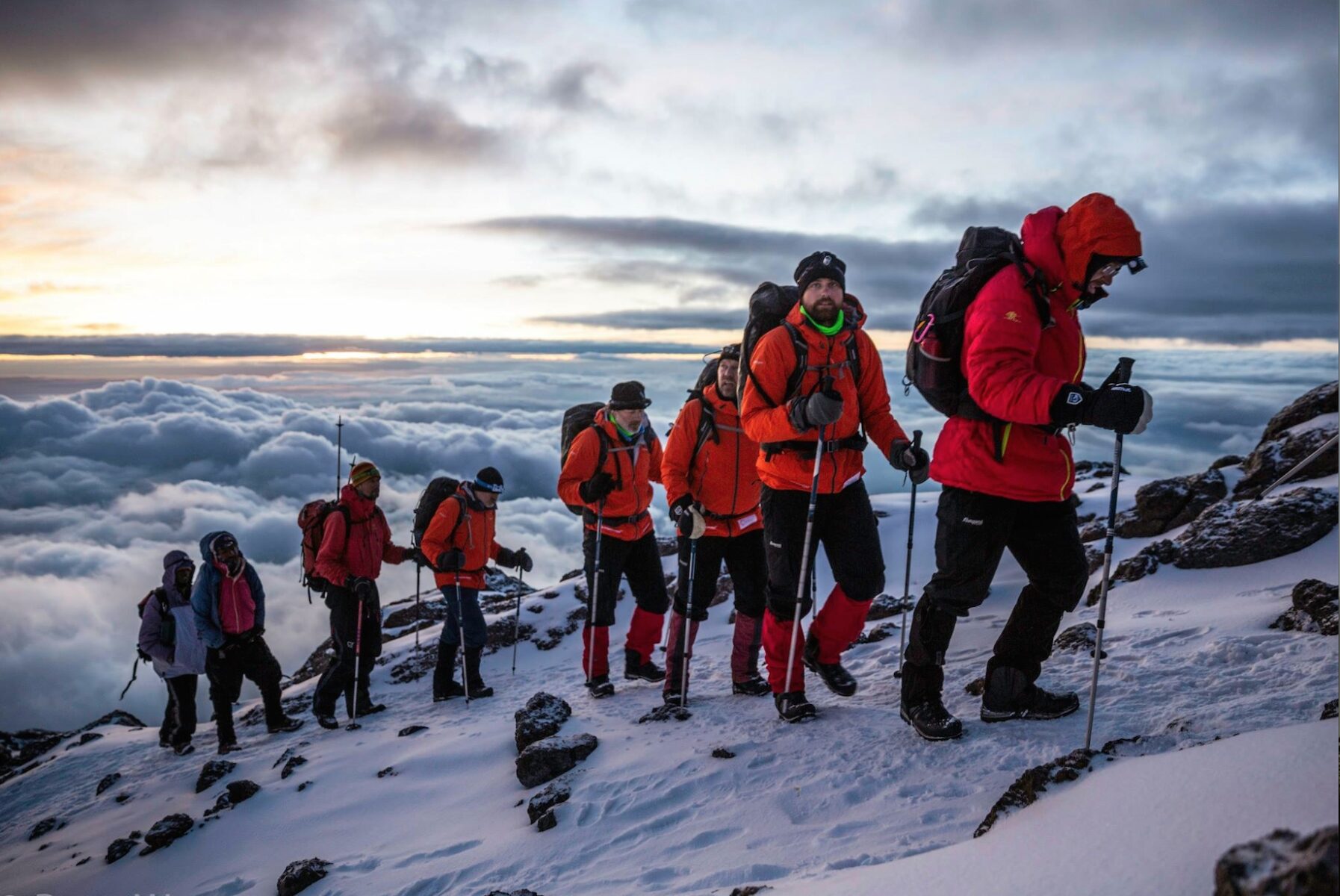
Climbing Mount Kilimanjaro is on many adventurers’ bucket lists. Standing as the tallest free-standing mountain in the world, it offers breathtaking views from its snow-covered peak. The climb is challenging but doable for many with good preparation. You’ll trek through different climate zones, from rainforest to arctic. Each step taken is a step closer to an unforgettable achievement.
Once the climb concludes, the adventure isn’t over. A safari awaits, offering a window into Tanzania’s rich wildlife. Imagine seeing elephants, lions, and zebras in their natural habitat. This thrilling experience complements the serenity of Kilimanjaro’s peak. Exploring the Serengeti or Ngorongoro Crater brings a mix of excitement and awe.
Here are some essentials to enhance this adventure. Packing properly is vital: consider layering clothing for varying temperatures. Stay hydrated, as both the climb and safari can be demanding. Hire experienced guides for the trek and safari to ensure safety and insights. Also, carry a camera for capturing the stunning landscapes and wildlife. These tips can make the journey more enjoyable.
Engaging in the Kilimanjaro climb followed by a safari creates unique memories. It combines physical challenge with the thrill of the wild. Each facet of the trip offers something to be cherished. This adventure inspires both a sense of accomplishment and connection with nature. It’s more than a trip; it’s a transformation.
Embracing the Challenge of Mount Kilimanjaro
Taking on Mount Kilimanjaro is an adventure that requires courage and preparation. Many climbers face the unknown as they start their journey up this majestic peak. The mountain offers diverse environments, from lush forests to icy tundra. As the air gets thinner, climbers need to rely on their stamina and determination. Every climber must remember to acclimatize properly to prevent altitude sickness.
Training before the climb is essential. A good exercise routine can include activities like hiking, cycling, or gym workouts. Building endurance helps manage the long treks and steep inclines. It’s wise to start training several months in advance. Being physically ready makes the climb more enjoyable and less exhausting.
Proper equipment is key to a successful climb. Good hiking boots that provide support and comfort are a must. Packing the right gear protects against Kilimanjaro’s changing climates. Essentials include a warm sleeping bag, waterproof clothing, and sun protection. Organized packing can make a huge difference in comfort on the mountain.
This journey isn’t just about reaching the summit; it’s about personal growth. Climbers often discover newfound resilience and confidence. The experience teaches lessons in patience and perseverance. Friendships are forged on the trails, as everyone supports each other to reach their goal. Embracing this challenge can leave lasting, positive impacts on one’s life.
The Safari: Wild Encounters After the Climb
After the challenging climb up Mount Kilimanjaro, a safari offers a thrilling change of pace. This adventure takes you to Tanzania’s famous national parks. The Serengeti and Ngorongoro Crater are among the most popular destinations. Here, vast landscapes teem with wildlife, providing the perfect backdrop for spotting the Big Five. Each day presents new surprises and unforgettable moments.
On these safaris, travelers encounter unique animals in their natural habitats. You might see lions lounging under trees or elephants marching across open plains. Witnessing a cheetah sprint after its prey is both exhilarating and humbling. Guides enhance the experience, sharing knowledge about the creatures and their ecosystem. It’s an educational adventure wrapped in excitement.
Safaris can vary depending on your interests and time. Options range from half-day tours to extended multi-day journeys.
- Short trips are great for those with limited time.
- Longer safaris allow deeper exploration of the wilderness.
- Night safaris reveal a different side of the animal kingdom.
Each choice offers a unique perspective on Africa’s wildlife.
This part of the journey also offers a chance to relax and soak in Africa’s beauty. After conquering Kilimanjaro’s heights, the sweeping plains provide a calm, yet awe-inspiring setting. This stage of your trip crafts memories of majestic landscapes and wildlife encounters. The contrast between the climb and safari shows Africa’s diverse natural wonders. It’s a beautiful continuation of the adventure.
Essential Tips for Planning Kilimanjaro Climb & Safari Adventure
Starting with choosing the right time is crucial. The best season for both climbing and safari is generally from June to October. During these months, the weather is stable, offering clear skies and optimal wildlife viewing. However, expect more travelers during these peak times. This balance between weather and crowd size helps ensure a rewarding experience.
Next, having the proper gear for Kilimanjaro is vital. Packing should include layered clothing, sturdy boots, and a warm hat for the summit. Don’t forget items like sunscreen, sunglasses, and a reliable water bottle. Each piece of equipment will contribute to comfort and safety on the climb. Preparation makes a significant difference.
For the safari, knowing what to pack is also important. Binoculars and a camera are essential for spotting and capturing wildlife moments. Lightweight, neutral-colored clothing blends better with the environment. A small daypack is good for carrying snacks and a water bottle. These items enhance the safari experience by helping capture the adventure.
Physical fitness is key for tackling Mount Kilimanjaro. Building strength through regular exercise prepares the body for the climb’s demands. Hiking local trails can be great practice. It’s equally important to learn about altitude sickness. Being fit helps reduce risks and makes the climb more enjoyable.
Lastly, local guides play an important role in both climbing and safaris. They offer experience, knowledge, and ensure safety during the adventure. Researching reputable tour companies well in advance is wise. With their expertise, both the climb and safari become more informative and enjoyable. This enriches the entire adventure.
The Rewarding Impact of Kilimanjaro Climb & Safari Trip
The experience of climbing Mount Kilimanjaro changes everyone who undertakes it. Reaching the summit fills adventurers with a sense of accomplishment. This personal victory can boost confidence in tackling everyday challenges. Beyond the physical achievement, it also opens eyes to the beauty of nature’s peaks. These moments stay etched in memory for a lifetime.
The safari portion of the trip also leaves a significant impact. Seeing wildlife in their natural habitat is both thrilling and educational. It offers rare opportunities to observe animals like lions and rhinos up close. This close interaction fosters a deeper appreciation for conservation efforts. Tourists often leave with a stronger commitment to protecting these environments.
The journey also spreads benefits to local communities. Tourism generates income that supports local economies and provides jobs.
- Tour guides and porters gain income from the influx of visitors.
- Local artisans sell crafts and unique souvenirs to travelers.
- Hotels and restaurants benefit from increased patronage.
This creates a positive ripple effect in the region.
The emotional rewards are just as valuable. Many travelers form lasting friendships during the trip. Shared experiences of the climb and safari foster bonds between people from different backgrounds. These connections often continue long after the adventure ends. The journey becomes not just a trip but a shared story of growth and friendship.
Key Takeaways
- Climbing Kilimanjaro challenges your physical strength and mental toughness.
- The climb introduces you to stunning, diverse natural environments.
- A safari following the climb highlights Africa’s incredible wildlife.
- This adventure supports local communities through tourism revenue.
- Shared experiences foster lasting friendships among adventurous travelers.
With over 30% of its land dedicated to national parks and reserves, Tanzania offers a realm of untouched natural wonders that beckon wildlife enthusiasts. But what if your pursuit of an exhilarating safari adventure could seamlessly blend with serene beach escapes? This ultimate combo brings together the iconic Big Five within Serengeti’s vast plains and the pristine beaches of Zanzibar, offering travelers a holistic experience of safari thrills and coastal tranquility.
Tanzania’s allure lies not only in its expansive wildlife habitats but also in its fascinating cultural tapestry and stunning coastlines. The rich history of Zanzibar, once a thriving trade hub and spice island, complements the raw beauty of the safaris. With over 1,000 visitors annually experiencing the unique duality of landscapes, it’s evident that this holiday combination stands unrivaled in both diversity and depth, providing a journey unlike any other.
Experience Tanzania’s safari and beach holiday for an incredible blend of adventure and relaxation. Explore wildlife in Serengeti’s plains, witness the Great Migration, and unwind on Zanzibar’s pristine beaches. This unique combination offers rich cultural encounters and breathtaking landscapes, ensuring a memorable journey for discerning travelers seeking diverse experiences.

Exploring the Unique Blend of Tanzania Safari & Beach Holiday
Travelers seeking an unparalleled experience will find the perfect blend of adventure and relaxation in Tanzania. Imagine starting your journey in the Serengeti, where the breathtaking savannah teems with wildlife. Here, you can witness the Great Migration, a spectacle of millions of wildebeest and zebras. This thrilling safari can then transition into a serene beach holiday on Zanzibar’s pristine shores. The contrast makes for a unique and memorable trip.
Tanzania’s national parks are among the best in the world, offering a diverse range of ecosystems. The Ngorongoro Crater provides another incredible safari experience, with abundant wildlife in a compact area. As you explore these areas, you can spot the Big Five: lions, elephants, buffaloes, leopards, and rhinos. These safaris provide not only excitement but also a deep connection with nature. Each moment on the safari is filled with awe and wonder.
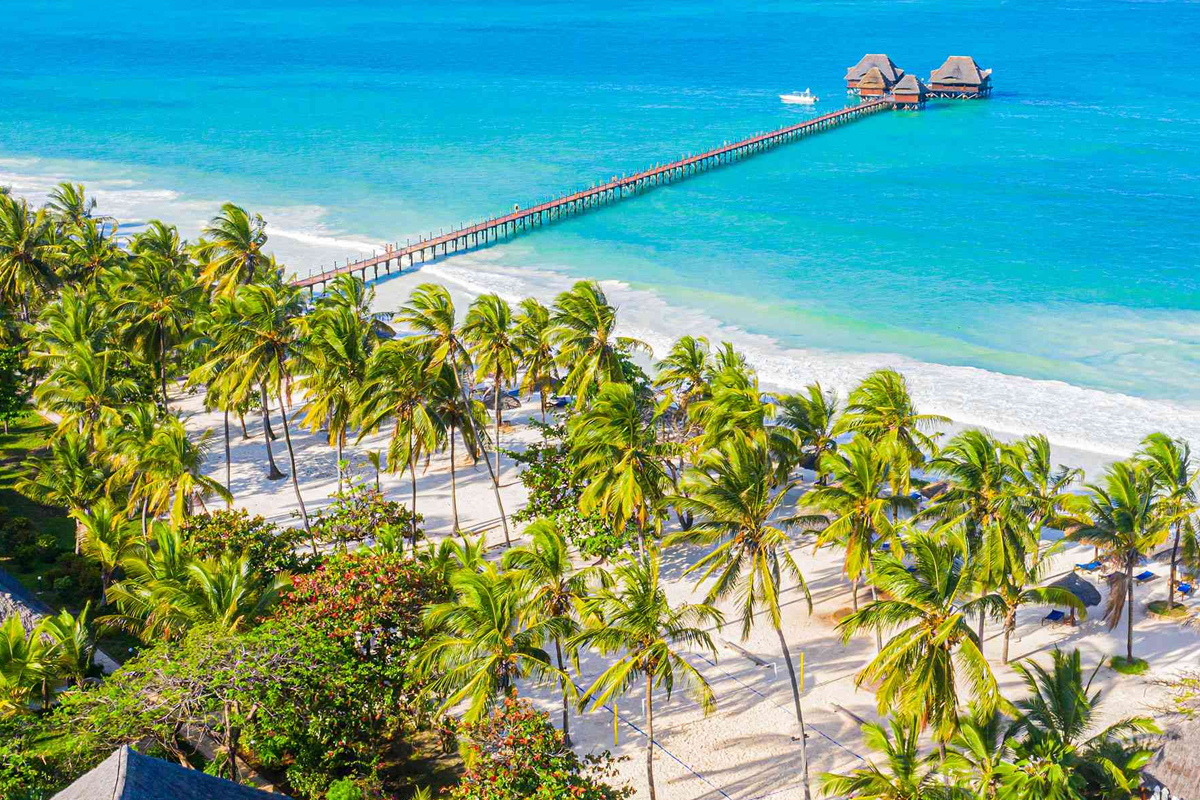
After the excitement of the safari, there’s nothing like unwinding on Zanzibar’s beaches. Zanzibar boasts white sandy beaches and crystal-clear waters, perfect for relaxing or engaging in water activities. The island also offers vibrant markets, historical sites, and delicious cuisine. Visitors can enjoy a variety of activities, such as snorkeling, diving, and sailing. This rich and varied experience makes the holiday complete.
The culture in Tanzania adds another layer to this unique holiday combination. The Maasai people, known for their distinctive dress and traditions, provide a fascinating cultural experience. Tours to Maasai villages offer insights into their way of life. Meanwhile, Zanzibar’s Stone Town, a UNESCO World Heritage site, reveals the island’s rich history and Swahili influences. Together, these cultural encounters make the adventure even more enriching.
Experiencing the Best of Both Worlds: Wildlife and Waves
Combining the thrill of a wildlife safari with the calm of a beach is what makes a Tanzania holiday unique. Imagine starting your day tracking lions in the Serengeti and ending it with your toes in the warm sand of Zanzibar. The diversity of experiences keeps each day fresh and exciting. From the heart-pounding chase of the wild animals to the soothing sound of ocean waves, there’s something for everyone. This blend offers travelers a chance to see nature’s raw beauty and indulge in relaxation.
Wildlife enthusiasts will find Tanzania’s national parks teeming with life. In places like the Tarangire and Selous, visitors can encounter elephants, giraffes, and a variety of bird species. Game drives present an opportunity to learn about the animals and their habitats. The guides share insights, enhancing the overall experience. This connection with nature deepens appreciation for its wonders.
While Tanzania’s wildlife captivates, Zanzibar’s beaches offer a different type of escape. The turquoise waters are ideal for swimming and snorkeling, revealing colorful marine life. Visitors can also engage in water sports, such as surfing or kitesurfing. The island’s relaxed vibe, coupled with its scenic beauty, invites a laid-back exploration. For those seeking tranquility, there’s plenty of space to unwind.
Together, these destinations let travelers enjoy a truly diverse adventure.
- Adventure
- Relaxation
- Cultural exploration
are all rolled into one amazing trip. Whether you are watching a majestic lion or admiring a sunset over the ocean, each moment feels magical. Tanzania’s combination of wild safaris and coastal beauty creates memories that linger long after you leave. This makes it an unforgettable destination.
Iconic Wildlife Safaris in Tanzania
Tanzania is renowned for its incredible wildlife safaris, which draw nature enthusiasts from around the world. The Serengeti National Park is perhaps the most famous, known for the Great Migration of over a million wildebeests and zebras. This natural phenomenon is considered one of the most spectacular wildlife events on the planet. The Serengeti’s vast plains also host predators like lions, cheetahs, and leopards. For many, witnessing this dramatic display is a once-in-a-lifetime experience.
Another must-visit location is the Ngorongoro Crater, a UNESCO World Heritage site. The crater’s unique geography allows for a dense concentration of wildlife in a relatively small area. Visitors can spot the Big Five—lions, elephants, buffaloes, leopards, and rhinos—all in one day. Safaris here are often filled with an array of wildlife sightings, from grazing zebras to playful hyenas. Each trip into the crater offers something new and exciting.
Tanzania’s Tarangire National Park is celebrated for its large elephant population. These majestic animals can often be seen in big groups, especially during the dry season. The park’s landscape features towering baobab trees and the lifeline of the Tarangire River, attracting a variety of animals. Bird watchers will also delight in the over 550 bird species found here. Tarangire’s rich biodiversity makes it a memorable stop on any safari tour.
The Selous Game Reserve, one of the largest faunal reserves in the world, offers an off-the-beaten-path safari experience.
- Elephants
- Giraffes
- Crocodiles
- Hippos
thrive in this vast, unspoiled wilderness. Unlike the more popular parks, Selous provides a quieter, more intimate atmosphere. This allows for close encounters with wildlife without the crowds. A visit here ensures a deeper connection with nature.
Unwinding on Zanzibar’s Pristine Beaches
Zanzibar is home to some of the most beautiful beaches in the world, perfect for relaxing after a thrilling safari. With powdery white sands and azure waters, it’s a paradise for beach lovers. Popular spots like Nungwi and Kendwa offer crystal-clear waters ideal for swimming. These locations also provide breathtaking sunsets that paint the sky with vibrant colors. The tranquil setting allows visitors to unwind and recharge.
Aside from lounging on the beach, there are many activities to engage in. Snorkeling and diving in Zanzibar reveal an underwater world filled with colorful coral reefs and marine life. The island is also a hotspot for water sports like jet-skiing and parasailing. For those who prefer a slower pace, dhow cruises along the coast are a must. These traditional wooden boats showcase the island’s beauty from a new perspective.
Local culture adds another layer of charm to Zanzibar’s beaches. Stone Town, a UNESCO World Heritage site, is a mix of Swahili, Arab, and European influences. Visitors can wander through narrow streets lined with historic buildings and lively markets. The island’s cuisine, rich in spices, such as cloves and nutmeg, provide a flavorful glimpse into the area’s heritage. Authentic dishes like Zanzibari biryani and freshly caught seafood are a culinary delight.
Zanzibar’s beaches also offer luxury and comfort through a range of accommodations. There are several high-end resorts that provide top-notch amenities and services.
- Private villas
- Beachfront suites
- Infinity pools
- Fine dining
enhance the overall experience. Whether seeking a romantic getaway or a family vacation, there’s something to suit every need. The appeal lies in the combination of elegance and natural beauty.
For nature enthusiasts, Zanzibar’s surrounding isles offer untouched beauty and quiet retreats. Pemba Island, known as “The Green Island,” is famed for its lush landscapes and diving spots. Mafia Island is another gem, home to whale sharks and diverse marine life. These islands offer a peaceful escape from bustling tourist areas. Exploring them enriches the Zanzibar beach experience, showcasing the region’s pristine environment.
Whether you’re seeking adventure or relaxation, Zanzibar’s beaches promise a perfect complement to Tanzania’s wildlife safaris. The island’s serene environment contrasts beautifully with the wild savannas, providing a well-rounded holiday. This combination of safari and beach ensures a unique and memorable travel experience. Every moment spent in Zanzibar feels like a step closer to paradise.
Key Takeaways
- Tanzania combines thrilling safaris with relaxing beach experiences.
- Witness the Great Migration in the Serengeti’s vast plains.
- Zanzibar offers pristine beaches perfect for unwinding and water activities.
- The holiday promises rich cultural encounters with local traditions.
- This ultimate combo ensures a diverse and unforgettable journey.
Planning a safari may evoke visions of majestic landscapes, but in reality, the mere logistics can sometimes seem like navigating a herd of charging elephants. All-inclusive Tanzania safari packages have revolutionized this journey, eliminating typical hassles. Just as a local legend captures an explorer’s first awe of the Serengeti’s endless plains, these thoughtfully crafted packages capture the heart of the Tanzanian wilderness effortlessly.
These all-inclusive packages meticulously cover everything from accommodations to guided tours, embodying a tradition of excellence rooted in decades of curated experiences. Employing seasoned experts, they allow enthusiasts to fully immerse in the thrill of spotting the Big Five without worrying about arrangements. Recently, data shows a 25% increase in traveler satisfaction due to such packages, signaling a new era of seamless adventures in Tanzania’s renowned safari circuit.
All-inclusive
Tanzania safari packages eliminate the hassle of planning by covering accommodation, meals, and guided tours. These packages offer expert-led experiences in prime locations, ensuring a seamless adventure. Ideal for those seeking convenience and an immersive wildlife journey without logistical concerns, they make exploring Tanzania’s stunning landscapes stress-free.

All-Inclusive Tanzania Safari Packages: Stress-Free Planning
Tanzania’s all-inclusive safari packages are designed to make your adventure as smooth as the Serengeti plains. These packages cover everything you need, from accommodations and meals to guided tours. You won’t need to worry about transportation or entry fees either. By choosing these packages, travelers save time and energy they can spend watching wildlife instead. Imagine not having to handle a single detail, just soaking in the beauty of this incredible land.
An all-inclusive safari package usually includes several components that enhance the experience. Lodging is provided in comfortable camps or lodges, often set in stunning natural locations. Meals served cater to different tastes, with an emphasis on fresh and local ingredients. Guided tours are led by knowledgeable experts, ensuring you learn about the fauna and flora. This holistic approach ensures every aspect of the trip is enjoyable and educational.
The best part about these packages is the value they offer. While the initial cost may seem high, the benefits outweigh individual booking expenses. By organizing everything together, the packages often come at a discount. They also eliminate hidden costs that can surprise travelers. So, with no unexpected charges, the travel experience becomes more enjoyable and budget-friendly.
Finally, it’s important to choose the right time for your safari adventure. The dry season, from June to October, is ideal for wildlife viewing. During these months, animals gather around waterholes, making it easier to spot them. However, the wet season also offers unique experiences, like bird watching and lush landscapes. Ultimately, any time of year can unveil Tanzania’s wonders, but picking the right season enhances your trip.
Benefits of Choosing All-Inclusive Packages
All-inclusive safari packages offer a simple way to explore Tanzania without the hassle of planning every detail. These packages cover all the essentials, including lodging, meals, and transportation. This means travelers can focus more on spotting lions rather than logistics. By having everything organized, it removes the stress of booking separate parts of the trip. It turns a potentially overwhelming task into a seamless adventure.
Another advantage is the overall cost-effectiveness. When you book everything in one go, costs are often lower compared to booking each item individually. You benefit from bundled pricing which can save you money. There are often no surprise expenses, so your budget remains intact. Peace of mind is priceless when traveling in a foreign land.
Quality and variety also stand out when choosing all-inclusive packages. The services offered are usually top-notch to ensure customer satisfaction. Experienced guides accompany you on safaris, providing insight into the wildlife and ecosystem. You get the benefit of their expertise and knowledge which enriches your experience. Furthermore, the accommodations are often in prime locations with great amenities.
Additionally, all-inclusive packages provide a sense of safety and security. Knowing that you are in the hands of professionals familiar with the area enhances your comfort level. This is especially important in regions you may not know well. The convenience of having a contact person or guide to consult if issues arise is invaluable. It is essential for making the most out of your Tanzanian safari journey.
Key Components of All-Inclusive Safari Packages in Tanzania
All-inclusive safari packages in Tanzania come packed with essential components that enhance the experience. The first key component is the accommodation. Stays are typically booked in luxurious lodges or eco-friendly campsites nestled right in the heart of nature. They provide you with a comfortable base while keeping you connected to the wild. Many of these lodges offer stunning views and modern amenities.
Next is the transportation, which includes airport transfers and safari drives. You don’t have to worry about navigating unfamiliar roads. Professional drivers and safari guides manage all your travel needs. Many packages provide 4×4 vehicles equipped for off-road adventures. This ensures a safe and thrilling journey through diverse landscapes.
Also included are meals that cater to a variety of tastes and dietary preferences. These meals often highlight local cuisine, giving you a taste of Tanzanian culture. Dining arrangements can range from bush picnics to lodge-based fine dining. Meals are usually included in the package price. This allows you to enjoy hearty meals without concern about additional costs.
Guided tours and activities form another critical part of the package. You’ll have access to experienced guides who can offer insights into the wildlife and local ecosystems. Activities range from game drives to walking safaris. These experiences are designed to ensure a well-rounded adventure. Your itinerary is curated to make the most of your time in Tanzania.
Choosing the Right Time to Visit Tanzania
The decision of when to visit Tanzania is crucial to making the most of your safari experience. Tanzania experiences two main seasons, the dry and wet seasons, each offering unique experiences. The dry season, running from June to October, is considered the best time for wildlife viewing. During this period, animals gather around water sources, making them easier to spot. The weather is also more comfortable with cooler temperatures.
The wet season is divided into two parts: the short rains, from November to December, and the long rains, stretching from March to May. While the wet season might seem less ideal, it offers its own perks. The landscape becomes lush and green, attracting a wide variety of bird species. It’s also a great time for fewer tourist crowds. Some lodges offer reduced rates, making it budget-friendly.
For those interested in witnessing the Great Migration, timing is particularly important. This spectacular event occurs throughout the year as millions of wildebeests move in search of fresh grass. From June to September, they gather in the northern Serengeti. In December and January, they’re typically found in the southern Serengeti, calving season in full swing.
Mount Kilimanjaro climbers will find the best conditions during the dry seasons. Clear skies and manageable weather enhance the climbing experience. Both January to March and June to October are popular climbing windows. The paths are less muddy, boosting safety and enjoyment. This planning ensures trekkers can appreciate the stunning vistas.
For a beach holiday on Zanzibar’s stunning shores, the dry season is preferred. Sun-seekers can enjoy relaxing days on the beach with minimal rain. The warm Indian Ocean waters perfect for swimming and diving. Whether it’s a safari or beach relaxation, choosing the right time enhances your journey. By aligning your trip with your interests, you ensure the vacation of a lifetime.
What to Expect During Your Safari Adventure
Embarking on a safari adventure in Tanzania is a journey through some of the most breathtaking landscapes on earth. You’ll likely travel in a robust 4×4 vehicle, perfect for the rugged terrain. These rides can be bumpy but offer an authentic experience. Your guide will be an expert in tracking and identifying animals. Be ready to spot lions, giraffes, elephants, and more in their natural habitat.
Mornings usually start early in the cool dawn hours. This is the best time to observe wildlife, as animals are most active during cooler parts of the day. Breakfasts are hearty, often served in the bush for a unique dining experience. You’ll continue game drives throughout the morning, with breaks for snacks. Afternoons are for rest and exploration back at your lodge.
As you travel, expect to see the diverse landscapes of Tanzania, from the vast Serengeti plains to the lush Ngorongoro Crater. These areas are home to various ecosystems and countless animal species. Guides provide insights into how these systems work and the roles different animals play. It’s not just about seeing animals but understanding the intricate web of life they belong to. This helps in appreciating the true beauty and complexity of nature.
Evenings on safari bring their own magic. Often, you’ll gather for a sunset viewing, a time to enjoy the sky’s brilliant colors. Night drives may be an option, offering a chance to see nocturnal animals. Back at camp, dinner is usually a social affair. Sharing stories around a campfire enhances the adventure. It’s an opportunity to reflect on the day’s sightings under a sky studded with stars.
Being flexible and open-minded will enhance your safari experience. Wildlife sightings can’t be guaranteed, but every moment offers something special. Besides big mammals, look for smaller creatures and colorful birds. Every creature plays a role in the ecosystem, adding richness to your experience. Embracing it all ensures a rewarding adventure.
Planning Tips for First-Time Visitors
Visiting Tanzania for the first time can be an exhilarating experience, but a little planning goes a long way. It’s essential to pack light but bring the right essentials. Items like comfortable clothing, sturdy shoes, and sun protection are must-haves. Don’t forget a good pair of binoculars for spotting wildlife. A camera with extra memory cards will help capture unforgettable moments.
Health and safety are important considerations. Make sure to get your vaccinations well in advance. Malaria prophylaxis is often recommended, so consult your doctor. Carry a basic first-aid kit with essentials like band-aids, antiseptic, and any personal medications. Staying hydrated is crucial, especially during game drives. Always drink bottled or purified water to avoid stomach issues.
Choosing the right time to visit makes a big difference in your experience. The dry season from June to October is ideal for wildlife viewing. However, the shoulder seasons can also offer unique experiences with fewer crowds. Book your accommodations and safari tours early to secure the best spots. Consider travel insurance that covers medical expenses and trip cancellations.
Understanding the local culture and customs can enhance your visit. Learning a few Swahili phrases can go a long way in connecting with locals. Respecting local traditions and dressing modestly when visiting villages is appreciated. Tipping guides and staff is customary. A typical tip ranges from $10 to $20 per day for guides and $5 to $10 per day for camp staff.
Lastly, be prepared for varied weather conditions. Tanzania’s climate can range from hot and sunny to cool evenings. Layered clothing works well to adjust to temperature changes. Lightweight, breathable fabrics are recommended for comfort. Packing versatile items ensures you’re ready for any weather. These tips will help make your first Tanzanian safari both smooth and memorable.
Key Takeaways
- All-inclusive packages simplify planning with everything in one place.
- Enjoy expert-led tours and top-notch accommodation easily.
- Saves time, so you focus on the adventure.
- No surprise costs, making budgeting simpler.
- Get seamless access to Tanzania’s stunning wildlife scenes.
Each year, over 250,000 wildebeest calves are born in a three-week span in the Serengeti. This natural spectacle draws wildlife enthusiasts and researchers alike, eager to witness the synchronized birth timing that benefits both mother and calf. The phenomenon is not merely a sight to behold but an evolutionary marvel to study.
The calving season typically begins in February, coinciding with the rainy season, ensuring an abundance of fresh grass. This timing is crucial as it significantly boosts calf survival rates, with the majority of births occurring between midday. Remarkably, a newborn wildebeest can stand and run within minutes of being born, reducing its vulnerability to predation.
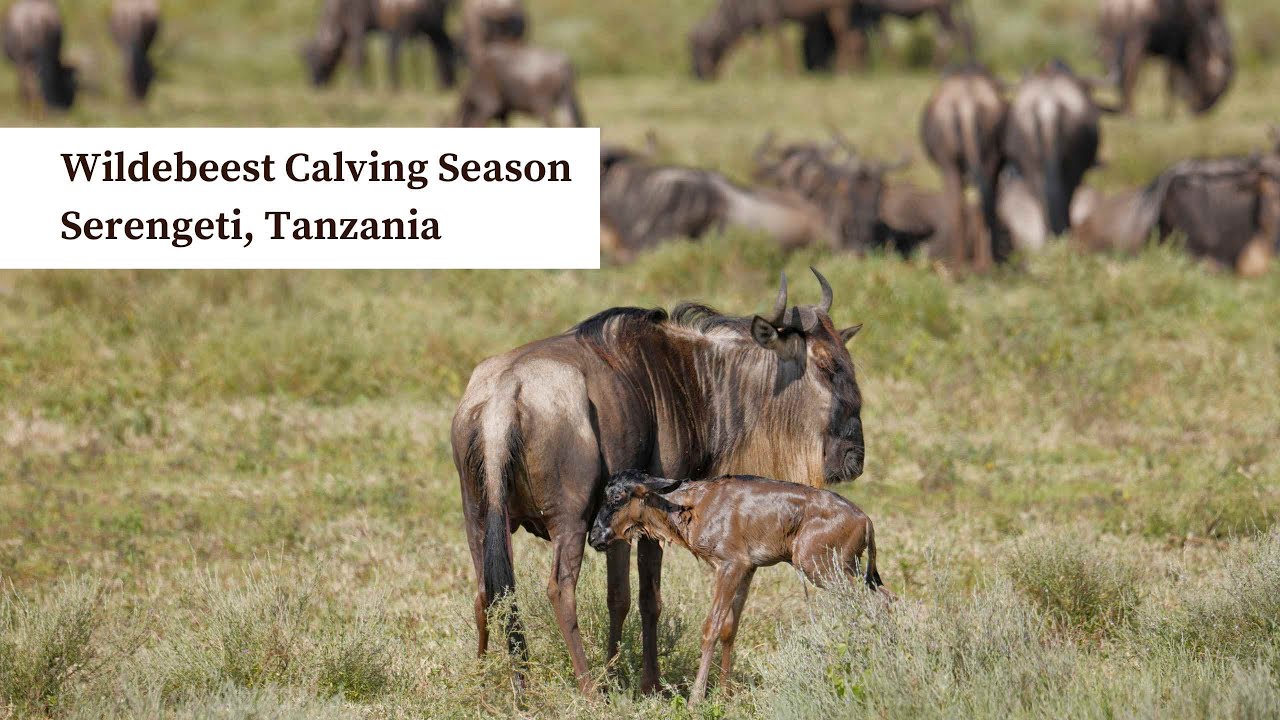
Calving season in the Serengeti is a spectacular event where thousands of wildebeest give birth almost simultaneously, typically between January and March. This synchronization is a survival strategy to overwhelm predators. Newborns can stand and run within minutes, showcasing incredible adaptability and making this period an extraordinary wildlife spectacle.

Calving Season Serengeti: See Newborn Wildebeest in Action
The calving season in the Serengeti is a wondrous display of nature. Every year, around the start of February, thousands of wildebeest give birth almost simultaneously. The scene is both chaotic and beautiful, with calves learning to walk within minutes. This rapid bonding is crucial as predators are always nearby. Witnessing this process in action is like watching a live nature documentary.
Amazing synchronization is one of nature’s strategies for survival. Wildebeest choose this time for calving to overwhelm predators with sheer numbers. With plenty of calves being born, the odds of each individual surviving increase. This clever tactic helps maintain the wildebeest population. Understanding these survival strategies makes observing the event even more fascinating.
Newborn wildebeest must adapt quickly to life in the wild. They are remarkably resilient, learning to stand and run shortly after birth. This quick adaptation reduces their vulnerability to predators. In a matter of days, these calves can keep up with the migrating herd. The first few days are critical, but nature equips them with the necessary instincts.
Visiting the Serengeti during calving season offers a rare glimpse into a dynamic ecosystem. The best viewing spots include areas with lush grass, attracting both prey and predators. Visitors often witness dramatic interactions between wildlife. Besides wildebeest, other animals like zebras and gazelles also give birth around this time. The abundance of life creates an unforgettable safari experience.
The Phenomenon of Wildebeest Calving
The wildebeest calving season is one of nature’s great wonders. Each year, the Serengeti becomes a theater for this remarkable event. Thousands of female wildebeest give birth within a tight time frame. This synchronization helps calves avoid predators like lions and hyenas. The sight of numerous newborns taking their first steps is both awe-inspiring and a testament to nature’s timing.
One of the biggest factors driving this phenomenon is survival. By giving birth simultaneously, predators are overwhelmed. They cannot possibly hunt all the calves at once, ensuring that many survive. This strategy, often called “predator swamping,” tips the scales in favor of the wildebeest. It’s a masterful play of numbers and timing.
Watching the newborns adapt is nothing short of fascinating. Within minutes of birth, a calf is up on its feet. This quick start is crucial as it needs to keep pace with the herd. The young wildebeest must learn to negotiate a landscape filled with dangers. Their swift learning and agility speak volumes about their survival instincts.
The entire phenomenon also impacts the ecosystem. The calving season attracts many other species, creating a bustling environment. Predators are drawn to the area, knowing there will be plentiful prey. This influx of wildlife creates a unique opportunity for observing various interactions. For wildlife enthusiasts, it’s like a grand, natural show unfolding before their eyes.
The Synchronization of Wildebeest Births
The synchronization of wildebeest births is a captivating natural event. In just a few weeks, over half a million calves are born in the Serengeti. This happens during the rainy season, providing abundant food and water. Such timing is no accident; it’s a survival strategy. By having births occur simultaneously, the calves have a better chance of evading predators.
This phenomenon is known as “predator swamping.” With so many calves born at once, predators can’t possibly catch them all. Wildebeest moms deliberately plan for this swamping effect. The more calves there are, the less likely an individual calf will be hunted. This ensures a higher survival rate for the herd.
The process also relies on environmental cues. Factors like food availability and weather conditions play crucial roles. When the rains begin, it’s a signal for wildebeest to start calving. This ensures that the newborns have plenty of resources to grow strong. Nature’s timing shows a delicate balance between survival and sustenance.
The wildlife dynamics during this period create amazing opportunities for observation. Visitors to the Serengeti can witness the high-stakes drama unfold. Predators follow the herds, knowing that there’s a feast to be had. Meanwhile, the wildebeest mothers are vigilant, never straying far from their calves. This naturally orchestrated event offers unmatched insight into the circle of life.
Surviving in the Wild: Traits of Newborn Wildebeest
Newborn wildebeest are equipped with incredible traits for survival. Within minutes of birth, they struggle to their feet. This rapid mobility is essential in predator-filled environments. Their first steps may be wobbly, but they quickly gain strength. By following their mothers, they significantly improve their chances of survival.
One remarkable trait is their ability to run within an hour. This agility helps them evade predators. Newborns must be ready to move with the herd almost immediately. Staying behind could mean falling victim to lions or hyenas. This speed is a vital survival skill.
Another key trait is their instinctual need to bond with their mother. The calf learns to recognize her by sight, sound, and smell. This bond is critical for finding her in the chaos of the herd. The mother safeguards her calf, guiding it through the perilous landscape. Their strong connection bolsters the calf’s survival odds.
Newborn wildebeest also have a keen sense of direction. They quickly learn to follow the herd’s movements. This herding behavior is essential for protection. Being in a group reduces the chance of individual predation. Safety in numbers is a survival tactic that newborns instinctively follow.
Wildebeest mothers display impressive parenting skills. They are always vigilant, ready to defend their young. The mother’s constant attention ensures the calf’s safety during its vulnerable early days. Within a few weeks, the calf gains enough strength to keep pace with the migrating herd. This nurturing instinct helps the next generation thrive.
Newborns must also adapt to various environmental challenges. They endure harsh weather conditions and lack of constant food supply. Remarkably, they thrive in these tough environments. Adaptability is a crucial trait for their survival in the wild. Their resilience is a testament to nature’s incredible design.
Witnessing the Event: Best Time and Places
The wildebeest calving season provides an extraordinary experience for wildlife enthusiasts. The best time to witness this phenomenon is between late January and early March. During these months, the Serengeti becomes a lively scene of births and migrations. Timing your visit is crucial to catch the peak of the event. Watching thousands of calves take their first steps is unforgettable.
Several locations within the Serengeti offer prime viewing opportunities. The Ndutu region is especially popular due to its open plains. This area allows easy sightings of both wildebeest and their predators. It’s a great spot for photographers looking for dramatic action shots. Many visitors choose this location for its accessibility and abundance of wildlife.
Accommodations range from basic campsites to luxury lodges. Staying closer to the migration routes enhances the safari experience. Visitors often opt for mobile camps that move with the herds. This flexibility offers front-row seats to the unfolding drama. Booking in advance ensures availability during this busy season.
Safari tours are available to guide visitors through the best spots. Expert guides offer insight into animal behaviors and local ecology. They provide safety tips and enhance the overall experience. A guided tour ensures you don’t miss key moments or locations. Arranging for a knowledgeable guide is strongly recommended.
Witnessing the wildebeest calving season is a unique opportunity. It showcases the raw and captivating spectacles of nature. The Serengeti transforms into an arena of life and survival. Experiencing this firsthand leaves a lasting impression. It’s a remarkable display of the circle of life in action.
Environmental Impact on Calving Season
The environment plays a crucial role in shaping the calving season. Rainfall patterns are especially important as they determine food availability. When rains are plentiful, the grasslands flourish, providing abundant nourishment. This abundance is vital for lactating mothers and growing calves. However, unpredictable climate changes can disrupt this delicate balance.
Changes in temperature and precipitation levels can affect the timing of calving. If the rains are delayed or insufficient, it impacts the health of the herd. Water shortages or droughts can lead to reduced calf survival rates. Newborns require ample nutrients to develop properly. These environmental factors underscore the importance of maintaining ecosystem stability.
The calving season also influences the behaviors of other animals in the area. Predators like lions and hyenas rely on the season for food. If conditions are unfavorable, predator populations may decrease. This affects the entire food chain, creating a ripple effect. Keeping the environment healthy supports the dynamic balance of the Serengeti ecosystem.
Human activities also leave their mark on the environment. Agriculture and settlement expansion can encroach on migratory routes. Such disruptions affect where and when wildebeest can give birth. Conservation efforts aim to protect these critical natural spaces. Safeguarding the environment ensures the continuation of this amazing natural event.
Tourism, too, plays a significant role, both positive and negative. While it raises awareness and funds for conservation, too much foot traffic can disturb wildlife. Sustainable tourism practices are essential to minimize environmental impact. Striking a balance between tourism and conservation is key to preserving the calving season. Responsible policies help protect the future of this magnificent spectacle.
Key Takeaways
- Calving season occurs between January and March in the Serengeti.
- Thousands of wildebeest give birth almost simultaneously.
- This synchronized birthing helps protect calves from predators.
- Newborn wildebeest can stand and run within minutes of birth.
- The event showcases an amazing survival strategy in the wild.