Tanzania’s safari experience is legendary, with breathtaking landscapes and diverse wildlife drawing travelers from all corners of the globe. Many wonder if the costs associated with these adventures will skyrocket by 2025. Surprisingly, industry trends suggest a balance between affordability and premium experiences.
Over the years, safaris in Tanzania have seen a steady increase in prices due to conservation efforts and improving infrastructure. By 2025, one can expect costs to be influenced by economic factors, tourism demand, and environmental policies. Experts predict an average daily safari cost of around $500, integrating luxury accommodations and crucial conservation fees.
Safaris in Tanzania are expected to cost around $500 per day in 2025. This estimate considers inflation, eco-tourism demands, and technological advancements. However, actual costs will vary based on the luxury level, duration, and specific tour operators. Always check for up-to-date pricing before planning your trip.

Projecting Safari Costs in Tanzania for 2025
Analyzing the future costs of safaris in Tanzania involves looking at various factors impacting the tourism industry. The country’s diverse ecosystems and rich wildlife make it a top safari destination. As we approach 2025, we should anticipate changes in pricing. One key element is the inflation rate, which directly influences accommodation and travel expenses. Additionally, improvements in infrastructure might require increased investments, affecting overall costs.
Another important factor is the demand for sustainable tourism practices. Ecotourism is gaining popularity, and implementing eco-friendly measures can be costly. According to this post, there’s a growing emphasis on protecting natural habitats. These initiatives might lead to higher operational expenses, reflected in safari pricing. It will ultimately support conservation efforts and benefit long-term tourism.
The rise in travel technology also plays a role in cost projections. Advanced booking systems and enhanced security measures contribute to higher operational efficiencies. Prices could stabilize if these technologies help reduce other expenses. Therefore, companies like Sia Yangu Safari might focus on integrating tech solutions to streamline processes, potentially balancing costs.
Weather patterns and climate change might influence safari expenses too. Unpredictable weather can affect wildlife movement and safari schedules, requiring additional planning. Here is the article exploring these impacts further. These adjustments might incur extra costs, which can be passed on to tourists. As we look toward 2025, it’s crucial to consider these elements when estimating safari prices in Tanzania.
Analyzing the Factors that will Influence Pricing
The cost of safaris in Tanzania is influenced by various elements impacting the tourism sector. For instance, inflation rates will reshape accommodation and travel costs. This financial aspect is crucial in predicting future safari prices. Fluctuations in the local economy also play a significant role. Companies need to adapt quickly to these changes.
Another vital factor is the increasing demand for eco-friendly tourism practices. Sustainable measures don’t come cheap. The emphasis on conservation and preservation of natural habitats drives operational costs higher. According to this post, focusing on environmental sustainability could indeed raise prices. It’s a necessary trade-off for protecting wildlife and ecosystems.
Technological advancements in the travel industry are steadily affecting safari costs. Modern booking platforms and improved security systems can help manage expenses. These innovations might stabilize prices by enhancing efficiency. However, introducing new technologies often requires initial investments. Consequently, these expenses may temporarily push prices up.
Lastly, unpredictable weather patterns due to climate change have their own impacts. Safari schedules and wildlife movements can be disrupted, leading to additional planning efforts. These hurdles might result in extra costs for tour operators. Tourists may bear these expenses as companies adjust to new conditions. It’s evident that multiple dynamic factors influence pricing in Tanzania’s safari sector.
Economic and Environmental Impacts on Tanzania’s Safari Industry
The economic conditions in Tanzania significantly affect its safari industry. Currency fluctuations can change the affordability of safaris for international travelers. A strong local economy, in turn, can offer better infrastructure and services. Recovery from global economic downturns can also play a part. Many factors influence these dynamics.
Environmental considerations are equally impactful. Climate change affects the biodiversity and health of national parks. Conservation efforts to protect wildlife habitats come at a price. Governments and private sectors often invest heavily in these areas. The long-term goal is to create sustainable tourism practices.
Let’s look at some factors influenced by the environment:
- Weather patterns
- Natural disasters
- Climate change regulations
These elements can either drive costs up or make planning more complicated. Adapting to these changes is crucial for the industry’s success.
The interplay between economic and environmental factors shapes the future of safaris in Tanzania. Companies must stay agile, adjusting to both market and ecological shifts. For operators like Sia Yangu Safari, this means balancing cost and sustainability. Focusing on these aspects ensures that the industry remains vibrant and appealing to tourists.
Embarking on a safari in Tanzania promises an adventure like no other, filled with stunning wildlife and breathtaking landscapes. However, many travelers are unaware that certain vaccinations are crucial to ensure their safety throughout this journey. A study shows that incidences of diseases like Yellow Fever and Malaria are significantly reduced with proper vaccination and preventive measures.
Tanzania’s health authorities emphasize the importance of vaccinations due to the country’s diverse ecosystem that harbors various health risks. Yellow Fever vaccination is mandatory for travelers, while protection against Hepatitis A, Typhoid, and Malaria is strongly advised. According to the World Health Organization, over 80% of safari travelers who were vaccinated experienced no major health issues during their stay.
For a safe
Tanzania safari, vaccinations against Yellow Fever are mandatory. Recommended vaccines include Hepatitis A, Typhoid, and protections for Malaria with prophylaxis. Consider consulting healthcare providers to tailor advice based on individual health needs. These measures ensure an enjoyable and healthy adventure in diverse Tanzanian regions.

Essential Vaccinations for Tanzania Safari
Traveling to Tanzania for a safari is thrilling yet requires some preparation. One critical step in preparing is getting the right vaccinations. The most important is the Yellow Fever vaccine as it’s mandatory. This disease is spread by mosquitoes and can be severe. Make sure to get this vaccine at least 10 days before your trip.
Besides Yellow Fever, consider getting vaccinated against Hepatitis A and Typhoid. These vaccinations protect you from diseases transmitted through contaminated food and water. Tanzania’s remote safari areas might not have the best sanitation. It’s wise to prevent these illnesses rather than deal with them on your adventure. Follow up with your doctor for a personalized travel health plan.
Another serious health consideration is Malaria. Unlike the flu shot, there’s no vaccine for Malaria. Instead, travelers take Malaria prophylaxis, which is a medicine to prevent the disease. The medicine should be started several days before entering a Malaria-prone area. Consistent use is key to staying healthy.
It’s essential to think about who is traveling with you. Pregnant women, children, and the elderly may need special attention. Consult healthcare providers for specific recommendations. These groups may have different needs when it comes to vaccinations. This ensures that everyone remains safe and healthy during your safari adventure.
Mandatory Vaccination: Yellow Fever
Yellow Fever is a serious disease caused by a virus transmitted through mosquito bites. It’s a risk in many parts of Africa, including Tanzania. Because of this, the Yellow Fever vaccine is mandatory if you’re traveling from a country where the disease exists. Even if your country doesn’t have the risk, some border officials require proof of immunization. It is crucial to carry a valid vaccination certificate, known as the Yellow Card.
The vaccine is usually given in a single shot and provides lifelong protection. It is typically recommended for everyone over nine months old. Some people, like those with weakened immune systems or allergies, may not be able to receive it. Discuss any concerns with your healthcare provider well before your departure. Understanding who should and shouldn’t get the vaccine ensures safety for all travelers.
Timing is critical when getting vaccinated. The shot must be taken at least 10 days before entering Tanzania to become effective. This waiting period allows your body to develop immunity against the virus. Book an appointment with a certified vaccination center early. Make this part of your travel checklist to avoid last-minute panic.
Complying with vaccination requirements helps protect not only yourself but also local communities. Yellow Fever outbreaks can have severe impacts in areas without strong healthcare infrastructure. Vaccination prevents the possible spread of the disease. This proactive step also ensures smoother transit through various checkpoints. Safe travel starts with thorough preparation and awareness.
Recommended Vaccinations: Typhoid, Hepatitis A, and Cholera
Traveling to Tanzania for a safari means exploring breathtaking landscapes but also being cautious about health. Typhoid, Hepatitis A, and Cholera are diseases you can encounter through contaminated food and water. These vaccinations are strongly recommended to keep you safe during your trip. The Typhoid vaccine protects against a bacterial infection common in regions with poor sanitation. Hepatitis A is another viral liver disease, but both can be prevented with a simple shot.
For Cholera, a disease spread through dirty water, vaccination is suggested if you’re venturing into areas with little to no clean facilities. This is especially important since some rural parts of Tanzania have limited access to clean water. Travelers can take the oral Cholera vaccine. It’s easy to administer and grants protection for a short period. Remember to complete the full course before departure.
Consulting with a healthcare provider is essential to discuss your vaccination plan. They will recommend the appropriate vaccines based on your itinerary and health conditions. Your doctor can explain the benefits and possible side effects of each vaccine. Being informed helps you make the best decisions for your health. Plan well in advance to allow time for all recommended vaccines to become effective.
Don’t postpone scheduling your vaccinations. Clinics may have varying availability, so getting an appointment early is crucial. By following expert advice and staying updated on health requirements, you’ll enjoy a safer journey. Safe travel is not just about vaccinations but also includes maintaining other health practices. This proactive approach ensures peace of mind throughout your safari adventure.
Malaria Prophylaxis: Options and Importance
Malaria, a mosquito-borne disease, is a significant concern for travelers visiting many parts of Tanzania. It’s essential to understand the options for malaria prophylaxis to protect yourself during your safari. These medications prevent the infection and ensure a safer travel experience. The right choice depends on several factors, including your health and travel plans. Consulting a healthcare provider will guide you to the best option.
Commonly recommended medications include Malarone, Doxycycline, and Mefloquine. Each has unique advantages and potential side effects. Malarone is a popular choice because of its short dosing schedule and minimal side effects. Doxycycline is often used for longer trips as it also treats various infections. Mefloquine is suitable for those who plan on staying for extended periods but may cause vivid dreams or nightmares.
To maximize protection, it’s crucial to start taking the medication before entering an area where malaria is present. Generally, this means beginning your regimen a few days before arrival, continuing daily while there, and for some time after departure. Adherence to this schedule is vital for effectiveness. Missing doses can negate protection, putting you at risk of infection.
In addition to medication, adopting preventive measures enhances protection. Using insect repellent, wearing long-sleeved clothing, and sleeping under mosquito nets are simple yet effective practices. These habits reduce exposure to mosquito bites drastically. Combining these practices with prophylaxis offers comprehensive protection. Prioritizing safety ensures a worry-free adventure.
Young children, pregnant women, and those with chronic health conditions should take extra precautions. Some medications might not be suitable for them, requiring specialist consultation. Customized health plans will address unique needs, ensuring everyone stays healthy. This thorough planning contributes to a memorable experience for all travelers. Remember, preparation is the key to a successful trip.
Considerations for Children, Seniors, and Pregnant Women
Traveling to Tanzania involves special health considerations, especially for children. Kids are more susceptible to diseases like malaria and need protection. It’s crucial to ensure they receive age-appropriate vaccinations. Doctors may recommend extra precautions, such as using pediatric mosquito nets. Children’s medications might differ in dosage and frequency compared to adults.
For seniors, health concerns may include chronic conditions that require careful attention. Vaccinations are still essential, but it’s important to consult with healthcare providers about any interactions with existing medications. Seniors should also consider additional travel insurance. This ensures they have access to medical care in case of emergencies. It’s all about balancing adventure with safety.
Pregnant women face unique challenges when planning a safari. Some vaccinations are not suitable during pregnancy, requiring alternative preventive measures. Malaria prophylaxis options, for example, vary significantly and should be thoroughly discussed with a doctor. It’s vital to maintain a healthy environment by using mosquito repellents and wearing protective clothing. Prenatal care visits are an excellent opportunity to outline these travel plans.
For all groups, packing a comprehensive travel health kit can be a lifesaver. It should contain essential items like medications, insect repellent, and first-aid supplies. Having these at hand reduces reliance on local pharmacies. This is particularly important in remote safari locations. Preparation starts with a well-thought-out packing list tailored to specific needs.
Understanding these considerations helps make a safe and enjoyable safari possible. Investing time in planning ensures that children, seniors, and pregnant women can all participate safely. With the correct precautions, everyone can enjoy the breathtaking beauty of Tanzania. Adventure and safety can go hand in hand. Embrace the journey with peace of mind.
Where to Get Vaccinated Before Your Trip
Finding the right place to get vaccinated before traveling to Tanzania is crucial for your health. Many travelers start by visiting their primary care doctor. This is a good option as they already have your medical history. However, some vaccines, like the Yellow Fever vaccine, may not be readily available here. Specialized travel clinics often provide a wider range of vaccines for international travels.
Travel clinics are staffed by professionals who focus specifically on travel health needs. They offer valuable advice about which vaccines are necessary for specific destinations. These clinics can also guide you on precautions for avoiding illnesses. Often, they have flexible hours to accommodate busy schedules. A quick search online can show local clinics in your area.
Some large pharmacies and health centers also offer vaccinations for travelers. This can be convenient as appointments may not always be necessary. They often have location details and services on their websites. Checking if they offer the vaccines you need can save time. Remember, it’s wise to call ahead and confirm availability.
Insurance coverage is another factor to consider when planning your vaccinations. Check if your health plan covers travel-related vaccines. If not, understanding the cost is important to avoid surprises. Some vaccines can be expensive, so planning ahead helps manage expenses effectively. A thorough check ensures you aren’t caught off guard financially.
If you live in a smaller town, accessing these services might require some travel. Consider making a day trip to a nearby city where more options exist. This approach ensures you meet all travel health requirements. Planning your vaccine schedule should blend smoothly into your overall travel preparation. This seamless integration into your planning enhances both safety and travel enjoyment.
Timing Your Vaccinations Correctly
Timing vaccinations before your trip to Tanzania is crucial for ensuring their effectiveness. Most vaccines need time to start working, so planning ahead is important. Ideally, begin organizing your vaccinations at least six to eight weeks prior to departure. This allows time for any booster doses you might need. It also ensures you are fully protected by the time you arrive.
The Yellow Fever vaccine, for example, requires a minimum of 10 days after administration to become effective. This timeline is critical because it’s a mandatory vaccine for entry into Tanzania. Missing this window could result in travel delays or restrictions. Always check the specific requirements of each vaccine you’ll need. They can vary based on destination and health conditions.
For Malaria prophylaxis, timing also plays a significant role in protection. Begin taking your malaria pills one or two days before entering an area with a high risk of malaria. Continue taking them throughout your stay and for seven days after leaving the risk area. Following these guidelines reduces the risk of infection considerably.
- Typhoid Vaccine: At least 1-2 weeks before travel
- Hepatitis A Vaccine: Ideally, 2-4 weeks before departure
- Cholera Vaccine: Oral doses completed 10 days before exposure
Your health provider can help tailor your vaccination schedule based on personal needs and plans. Consider other factors like your itinerary changes or possible side effects that may require additional rest days post-vaccination. Preparing in advance will give peace of mind once you’re traveling through Africa’s wild landscapes. Leveraging expert advice plays a key role in successful preparation.
Understanding Health Risks in Different Regions of Tanzania
Tanzania’s diverse landscapes bring different health risks across its regions. In the Serengeti, malaria is a major concern due to the abundance of mosquitoes. Travelers are advised to take preventive medicine and use repellents. However, the cooler highlands of the Ngorongoro Crater present a lower malaria risk. Knowing the conditions of each area helps tailor your preparations.
Zanzibar, a popular island destination, has different health considerations. Yellow Fever vaccinations are required if arriving from an endemic country. The island also has a risk of mosquito-borne diseases during certain seasons. Tourists should use protective measures such as mosquito nets. Sun protection is also important due to intense UV rays, especially on the beaches.
The remote regions like the Selous Game Reserve and Ruaha National Park might lack some medical facilities. Carrying a first-aid kit is advisable when visiting these areas. Vaccinations for food and water-borne illnesses like Hepatitis A and Typhoid are essential. Keep a close eye on what you consume to minimize health risks. Safety and enjoyment go hand in hand with careful planning.
Visitors planning to climb Mount Kilimanjaro should prepare for altitude sickness. This is more prevalent at higher elevations. Staying properly hydrated and allowing time to acclimate can help. Consulting with a healthcare provider before such trips is an excellent idea. They provide medication and advice on handling altitude changes.
- Serengeti: High risk of malaria
- Zanzibar: Yellow Fever check, high UV exposure
- Ngorongoro: Cooler, lower malaria risk
- Kilimanjaro: Potential for altitude sickness
Understanding the risks associated with each region ensures more informed travel choices. Adapting to these challenges makes the safari experience safe and thrilling. Staying aware allows you to enjoy Tanzania’s wonders fully. Leverage local resources and knowledge for the best outcome. Tailoring your health strategy is key to a successful adventure.
Key Takeaways
- Yellow Fever vaccination is mandatory for Tanzania travel.
- Consider Hepatitis A and Typhoid vaccines for further protection.
- Malaria prophylaxis is crucial to prevent mosquito-borne malaria.
- Consult healthcare professionals for personalized vaccine advice.
- Avoid health risks by preparing well before your journey.
Over 1 million people visit Tanzania every year, drawn to its stunning landscapes and diverse wildlife. But before delving into the vibrant culture and breathtaking safaris, one crucial step is securing the right visa. Let’s simplify this seemingly complex process for you.
Tanzania’s visa regime has evolved over the years, becoming more streamlined and accessible. Did you know that many visitors can now opt for an electronic visa? This digital convenience caters to travelers’ desires for an efficient and hassle-free application experience.
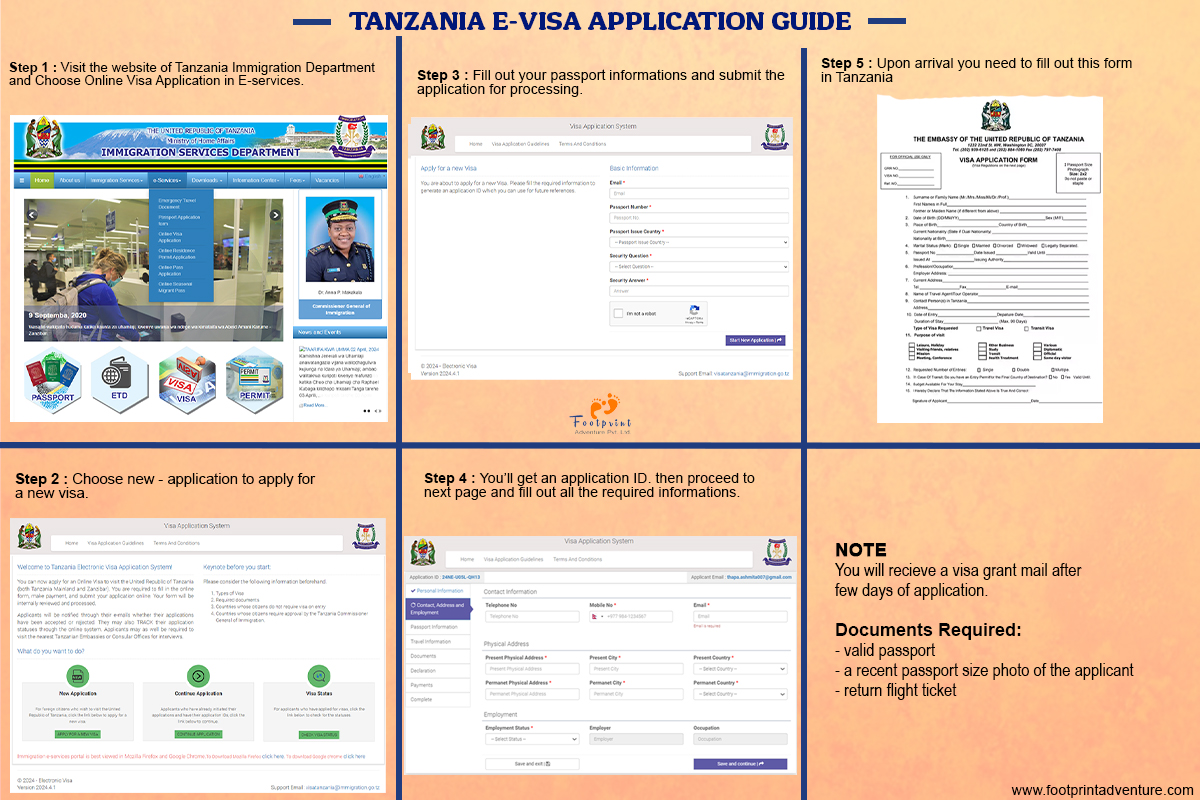
To obtain a Tanzania visa, select the appropriate type, check eligibility, gather necessary documents (passport valid for six months, application form, photo), complete the online application form, submit supporting documents, pay the fee, and await processing. Ensure accuracy and submit early to avoid delays.

Tanzania Visa Requirements: Easy Step-by-Step Guide
Securing a visa for Tanzania is essential for most travelers. The first step involves understanding the different types of visas available. Tanzania offers tourist visas, business visas, and transit visas. Knowing which visa suits your trip is crucial. Before applying, make sure you gather all required documents.
Eligibility varies based on the type of visa. Commonly required documents include a valid passport, a filled application form, and a recent passport-sized photo. Additional documents like an invitation letter might be needed for a business visa. Ensure your passport remains valid for at least six months. This prevents any last-minute issues during application.
Once your documents are ready, proceed to complete the online application form. This process is straightforward and typically takes about 15 minutes. You will need to enter your personal details and information about your trip. Double-check all entries to avoid mistakes. After filling out the form, submit it along with the supporting documents.
After submission, pay the required visa fee. Payment methods usually include credit or debit cards. The processing time for visas can vary, but it generally takes between seven to ten business days. If you face any issues or delays, it’s advisable to contact the Tanzanian embassy. Following these steps will help ensure a smooth visa application process.
Understanding the Types of Visas Available
Travelers to Tanzania have various visa options depending on their purpose of visit. The most common type is the tourist visa, meant for those wanting to explore Tanzania’s famous national parks and beaches. For those on business, a business visa is essential. It allows you to attend meetings and conferences. Additionally, the transit visa is for travelers passing through Tanzania on their way to another destination.
Each visa type has different validity periods and durations of stay. A tourist visa often allows a stay of up to 90 days, while a business visa can be either single or multiple entry. Various factors like the length of stay and number of entries can impact the visa fees. Changes in the visa category might require submitting additional documentation. Understanding these categories helps in picking the right visa.
Before applying, ensure you have the necessary documents for the specific visa type you’re targeting. Required documentation often includes your passport, which must remain valid for at least six months. Some visas might require extra documents, like an invitation letter or proof of onward travel. Missing documents can lead to delays in the process. It’s best to verify all requirements through official or reliable sources before applying.
The online application process has simplified acquiring a Tanzanian visa. By visiting the official Tanzanian eVisa portal, you can start your application from anywhere. This online system supports applications for several visa types, ensuring convenience. To avoid errors, make sure to double-check the details you provide. After completing the application, the next step involves paying the necessary fees online.
Determining Eligibility and Necessary Documents
When planning a trip to Tanzania, it’s crucial to determine your visa eligibility. This involves checking if your nationality allows you to apply for a Tanzanian visa. Some countries have visa exemption agreements with Tanzania. For those who need a visa, understanding the specific requirements is essential. This helps in a smooth application process.
Once eligibility is confirmed, gather the necessary documents. A valid passport is the primary requirement. Make sure your passport has at least six months of validity remaining. Other common documents include a completed visa application form and a recent passport-sized photo. Additional documents may be required depending on the visa type.
For a business visa, you might need an invitation letter from a Tanzanian company. This letter should detail the purpose of your visit. Proof of sufficient funds and a return ticket can also be required. If you are applying for a tourist visa, a detailed travel itinerary may be necessary. Providing accurate and complete documents avoids processing delays.
It’s helpful to create a checklist to ensure you have all required documents.
- Valid passport
- Completed application form
- Passport-sized photo
- Invitation letter (if applicable)
- Proof of funds
- Return ticket
This checklist can be a lifesaver during the preparation process. Thorough preparation makes the visa application smoother and quicker.
Completing the Online Application Form
Filling out the online application form for a Tanzanian visa is a straightforward process. Start by visiting the official Tanzanian visa website. Ensure you have a stable internet connection before you begin. It’s also recommended to use a secure device when filling out personal information. This helps protect your data from any potential security risks.
The form will require several types of information. First, enter your personal details like your full name, nationality, and date of birth. Make sure the information matches exactly with your passport. Next, provide details about your travel plans. This includes your intended arrival and departure dates.
One of the essential sections is the visa type field. Choose the appropriate visa that fits your travel purpose. The options typically include tourist, business, and transit visas. Each type might require different supplementary information. Double-check this section to ensure accuracy.
After entering all the necessary information, carefully review each field. Errors in the application can lead to delays or even denial of your visa. Make sure everything is accurate before clicking ‘submit’. Revise details like your email address to ensure you receive any official communications. Taking your time here can save headaches later.
The final step is the payment of the visa fee. Most platforms accept debit or credit cards. Once payment is complete, you will receive a confirmation email. This email usually contains your application tracking number. Keep this information safe for future reference.
Submitting Supporting Documents
After completing your online visa application for Tanzania, the next step is submitting the supporting documents. These documents provide proof and justification for your visa request. Generally, a copy of your passport, a passport-sized photo, and proof of travel arrangements are required. Ensure that your digital copies are clear and legible. Poor-quality images can lead to delays.
Depending on the type of visa, additional documents might be needed. For instance, a business visa could require an invitation letter from a Tanzanian company. Other documents like hotel bookings or a travel itinerary might be requested for a tourist visa. Make sure these documents clearly demonstrate your travel intentions. Submitting correct documents is key to a smooth process.
It’s important to check the file formats and size limits before uploading. Most systems accept formats like JPEG or PDF, but it’s good to confirm these requirements. Ensure each file is appropriately named and organized. This makes it easier for officials to review and verify your information. A little organization can greatly improve the process.
Before you make your submission, double-check everything one last time. A minor oversight can lead to significant issues or even rejection. Use a checklist to ensure every document is included.
- Copy of passport
- Passport-sized photo
- Proof of travel plans
- Additional supporting documents
This strategy helps in catching mistakes early.
After uploading, you’ll usually get a confirmation through email. Keep track of any communication or requests from the visa office. They might ask for more information or further clarification. Respond promptly to avoid any unnecessary delays. Responsibility and prompt action can greatly enhance your application experience.
Visa Processing Time and Fees
Understanding the processing time for a Tanzanian visa is crucial for planning your trip. Typically, the standard processing time is between five to ten business days. However, this can vary based on the type of visa and time of year. It’s wise to apply well in advance to avoid any last-minute stress. Early applications help accommodate any unforeseen delays.
The visa fees depend on the type of visa you’re applying for. Tourist visas generally have lower fees compared to business visas. The government provides an online fee schedule that can guide you. This transparency ensures you are prepared for the financial aspect of your application. Keeping an eye on exchange rates might also be beneficial if you’re paying in a different currency.
Some applicants may opt for expedited processing, which is quicker but incurs additional costs. If your travel dates are near, this service might be worthwhile. Be sure to indicate this choice when filling out the application form. Always confirm expedited options are available before deciding. It’s a good idea to weigh the cost against your timeline.
To complete your payment, a variety of options are usually available. Credit or debit cards are commonly accepted. Ensure that your payment method has been verified to avoid any transaction hiccups. Once payment is completed, you’ll receive a confirmation email. Keep this email safe as it can be useful for tracking your application status.
If you encounter any issues, contacting the Tanzanian embassy can provide further guidance. The embassy can assist with questions regarding your application status or payment concerns. It’s important to keep any receipts or proof of payment. Having these documents can be helpful in resolving any financial discrepancies. Proactive communication can make a significant difference.
Common Issues and How to Avoid Them
One of the most common issues during the visa application process is incorrect or incomplete information. Errors on your application, like typos in your name or passport number, can lead to rejections. Before submitting, double-check each detail carefully. This ensures accuracy and prevents unnecessary delays. Taking time for thorough reviews pays off.
Missing documents are another frequent problem applicants face. A forgotten document such as a copy of your return ticket can stall processing times. Use a checklist to ensure you upload all necessary files before submission.
- Passport copy
- Completed form
- Recent photo
- Travel itinerary
Having everything in order reduces the risk of hold-ups.
Lack of clarity on visa types often confuses travelers. Applying for the wrong type could mean denial, especially if supporting documents don’t match your chosen visa category. Conduct research or seek advice to confirm which visa matches your travel purpose best. Accurate identification of your needs keeps your application inline with requirements. This saves time and stress later.
Sometimes technical glitches can occur with online submissions. Ensure a stable internet connection when applying and save backup copies of your work frequently. In case something goes wrong, having backups allows quick recovery without starting over from scratch. Keeping transaction receipts is equally important for verifying payments if an issue arises later on.
If problems do happen, they’re not always insurmountable obstacles—it’s possible to address them quickly by contacting relevant authorities directly via email or phone calls promptly too! Communicating effectively paves smoother paths towards solutions found quicker this way around altogether every single time involved thus enhancing experiences more positively overall guaranteed completely so everyone wins eventually throughout!
What to Do After Receiving Your Tanzania Visa
After obtaining your Tanzania visa, the next step is to verify all information. Check the visa for accuracy in your name, dates, and passport number. Any discrepancies should be addressed immediately with the issuing authority. It’s easier to make corrections before traveling. Keep a physical and digital copy of the visa for safety.
With your visa confirmed, organizing your travel plans becomes a priority. Ensure your flights align with the visa duration. An itinerary helps manage your time efficiently.
- Book accommodations matching your travel dates
- Plan transportation within Tanzania
- Confirm any tours or activities
Planning ahead ensures a smoother trip experience.
Check the health requirements for entering Tanzania and pack accordingly. Vaccinations such as yellow fever may be required, depending on your origin. It’s wise to consult a healthcare provider for tailored advice. Include any prescribed medications in your travel kit as well. Health preparations keep your trip uninterrupted.
Familiarize yourself with Tanzanian customs regulations to prevent issues upon arrival. This involves understanding rules on items like electronics and duty-free allowances. Researching beforehand avoids surprises at customs checkpoints. Knowing what’s allowed makes packing easier. Compliance ensures a smoother entry.
Lastly, ensure all travel documents are in one easily accessible place. Besides your visa and passport, this includes travel insurance and emergency contact information. Having everything organized allows quick retrieval when needed. Being prepared with documents helps in stressful situations. Traveling well-organized makes for a more enjoyable journey.
Key Takeaways
- Select the appropriate visa type for your trip to Tanzania.
- Ensure your passport is valid for at least six months.
- Complete and submit the online visa application form accurately.
- Gather and upload all required supporting documents.
- Pay the visa fee and await processing of your application.
Nestled in the heart of Tarangire National Park, the Tarangire Treetops Lodge offers an unparalleled experience where luxury meets nature. How about resting your head in a room atop a 1,000-year-old baobab tree? It’s not just a retreat but a sanctuary that brings you closer to the African wilderness in a way few other places can.
Opened in the early 2000s, Tarangire Treetops Lodge has since captivated guests with its unique architecture and commitment to sustainable tourism. Each of the 20 treehouses is designed to blend seamlessly with its natural surroundings, ensuring minimal impact on the landscape. The lodge’s approach to eco-friendly luxury has resulted in a delightful escape for those seeking both adventure and tranquility in Tanzania’s diverse ecosystems.
Tarangire Treetops Lodge offers a unique experience by allowing guests to sleep in treehouses nestled among ancient baobab trees in Tanzania’s Tarangire National Park. This eco-friendly lodge provides luxury accommodations, breathtaking views of the savannah, and opportunities for wildlife safaris and cultural interactions with local communities.

Tarangire Treetops Lodge: Sleep Among the Baobabs
Tarangire Treetops Lodge is located in Tanzania’s Tarangire National Park, an area famous for its wildlife and scenic beauty. Imagine staying in a room perched high among ancient trees. The baobabs are giant trees that have stood for thousands of years. These rooms don’t just offer a place to stay; they provide an unforgettable experience. You’ll fall asleep surrounded by the sounds of the African bush.
The lodge’s accommodations are designed to blend with nature. Each treehouse offers stunning views of the landscape. Inside, you’ll find all the comforts you need, including a cozy bed and modern amenities. Despite being in the wild, the lodge ensures you have a luxurious stay. It’s a perfect blend of adventure and relaxation in the heart of the safari.
Outside your treehouse, there’s a whole world of adventure waiting. Tarangire is home to elephants, lions, and many other fascinating animals. You can enjoy guided tours to see them up close. Snap photos of giraffes sipping water and zebras grazing. Your safari experience keeps you connected to nature every moment.
Tarangire Treetops Lodge is dedicated to eco-friendly practices. They use solar energy to power their facilities. Water conservation methods are in place to protect the environment. The lodge also supports local communities. Staying here not only gives you comfort but also ensures you’re supporting a greater cause.
Overview of Tarangire Treetops Lodge
Tarangire Treetops Lodge offers a unique blend of comfort and adventure. Nestled in the Tarangire National Park, it provides guests with stunning views of the African wilds. The lodge is known for its beautifully crafted treehouses, perched high among the baobabs. Each room offers modern amenities while capturing the essence of being amid nature. It’s a place where luxury and wilderness meet seamlessly.
The lodge is not just about beautiful rooms; it’s about a complete experience. Guests can enjoy a range of activities, including game drives and guided walking tours. These activities allow you to witness the park’s incredible wildlife, from majestic elephants to playful monkeys. It’s an opportunity to connect with nature like never before. Every moment at the lodge is filled with excitement and discovery.
At the heart of the lodge is their commitment to sustainable practices. They use eco-friendly methods, from solar power to water conservation efforts. The lodge also works closely with local communities, supporting education and employment. This ensures that your stay positively impacts the environment and the people who live there. It’s a responsible way to enjoy an unforgettable vacation.
Dining at Tarangire Treetops Lodge is a treat for the senses. Meals are prepared using fresh, local ingredients that showcase the flavors of Tanzania. Guests can enjoy a delicious buffet under the stars or a cozy meal in the lodge’s dining area.
- Breakfast with views of the sunrise
- Lunch after a morning safari
- Dinner with traditional dishes
Each meal adds to the remarkable experience of staying at the lodge.
Unique Features of Accommodations in Baobab Trees
Sleeping in a baobab tree at Tarangire Treetops Lodge is a one-of-a-kind experience. The treehouses are built to blend seamlessly into the surroundings while offering unparalleled views of the park. Large windows bring the outside in, making guests feel like part of the landscape. The rustic charm of the wood and thatch construction adds to the immersive experience. It’s like waking up in the heart of the African wilderness.
These unique accommodations are equipped with all the comforts you need. You’ll find plush beds, a spacious bathroom, and a cozy sitting area in each treehouse. Despite being among ancient trees, everything feels modern and luxurious. Each room is also designed to capture the natural breezes, providing a cool sanctuary after a day of exploration. This blend of comfort and nature makes each stay memorable.
The treehouses are not just shelters; they’re sanctuaries. Guests can relax on private balconies overlooking the vast savannah. It’s a perfect spot for enjoying a morning coffee or evening sunset. Often, you can hear the distant sounds of animals or catch a glimpse of them nearby. This connection to nature is what makes staying here so special.
For those interested in more than just a unique stay, there are plenty of activities. Guests can participate in bush walks or night drives to further explore the area. These experiences give a deeper understanding of the flora and fauna surrounding the lodge. Whether you’re an adventurer or a relaxation seeker, the baobab treehouses offer something for everyone.
- Scenic views
- Private balconies
- Guided tours
It’s a perfect blend of adventure and peace.
Explore the Wildlife around Tarangire Treetops Lodge
One of the most thrilling aspects of staying at Tarangire Treetops Lodge is experiencing the diverse wildlife. The area is teeming with animals that roam freely in their natural habitat. Tarangire National Park is famous for its large elephant herds, often spotted from your treehouse. Watching these gentle giants in their habitat is a sight you’ll never forget. The park is also a bird watcher’s paradise, with hundreds of bird species to observe.
Lions, giraffes, and zebras are just a few of the animals you’ll encounter. Game drives offer an up-close look at these magnificent creatures. Knowledgeable guides lead these excursions and share insights into the behavior and ecology of the animals. They ensure every safari is educational and exciting. It’s an adventure that’s both thrilling and informative.
For those who crave a closer bond with nature, bush walks are a must-try. Guided walks provide a different perspective on the ecosystem and its inhabitants. You might track animal footprints or learn about diverse plant life. It’s an intimate way to experience nature up close. Every step offers a learning opportunity.
Night safaris allow for discovering nocturnal animals that aren’t seen during the day. These excursions reveal creatures like leopards and porcupines as they emerge under the moonlight. The sounds of the night add an enchanting element to these adventures. Seeing the park come alive after dark is a unique experience. It shows the magic that the African wild can offer.
A variety of landscapes enhance the animal watching experience. From savannahs to wetlands, each environment supports different wildlife. This diversity enriches the journeys taken by guests at the lodge.
- Great for photography enthusiasts
- Vast scenery
- Diverse ecosystems
The park offers countless treasures waiting to be discovered.
Eco-friendly Practices at Tarangire Treetops Lodge
Tarangire Treetops Lodge is committed to preserving its surrounding environment through eco-friendly practices. Solar panels provide much of the lodge’s energy needs, minimizing the impact on nature. This renewable energy source powers lights and water heaters. It ensures that guests’ comforts are met without harming the environment. Embracing sustainable energy reflects the lodge’s dedication to ecological responsibility.
Water conservation is another key focus at the lodge. Efficient plumbing systems and mindful water usage help reduce waste. The lodge encourages guests to participate in their conservation efforts, like opting to reuse towels. These small actions collectively make a big difference. They ensure the sustainability of resources for future visitors and the local wildlife.
The lodge’s commitment extends to waste reduction and recycling. Materials are carefully chosen to minimize plastic use, and waste is sorted for recycling. Biodegradable items are used wherever possible to reduce landfill impact. This approach not only reduces waste but also sets an example for sustainable tourism practices. It’s part of a broader strategy to protect the pristine environment.
Supporting local communities is integral to the lodge’s eco-friendly mission. They employ staff from nearby villages, providing valuable jobs and training. The lodge also supports local education and conservation projects. This partnership ensures that tourism benefits both the environment and the people. It creates a harmonious relationship between the lodge and its surroundings.
Guests are invited to learn about the local culture and environment through various activities. Workshops and guided tours explain the importance of conservation efforts. They educate visitors about the flora and fauna of the region.
- Interactive eco-friendly programs
- Cultural exchanges
- Hands-on conservation
These activities cultivate a deeper understanding and appreciation of the area.
Activities and Experiences Offered to Guests
Guests at Tarangire Treetops Lodge can embark on thrilling game drives. These drives are led by experienced guides who know the best spots to see wildlife. You might spot lions lounging in the shade or elephants grazing by the river. Each safari is a chance to witness the wonders of the African savannah. It’s an adventure that captures the essence of nature.
For a different perspective, guests can enjoy guided nature walks. These walks allow you to explore the park’s flora and fauna up close. Guides will point out interesting plants and track animal footprints. It’s a slower, more intimate way to connect with the environment. Walking through the wild gives a unique and enriching experience.
A highlight for many visitors is the night safari. Under the cover of darkness, another world comes alive. You’ll see nocturnal animals like leopards and hyenas that are rarely spotted during the day. The thrill of night-time adventures adds an extra layer of excitement. The sounds and sights of the night create unforgettable memories.
Birdwatching is also a popular activity at the lodge. Tarangire is home to over 500 species of birds. You can spot colorful birds like kingfishers and hornbills flitting between trees.
- Guided birdwatching tours
- Spots for photography
- Rare species sightings
It’s a paradise for bird enthusiasts and nature lovers alike.
For those looking to relax, the lodge offers serene spots for unwinding. You can enjoy a dip in the pool with views over the savannah. There’s also a comfortable lounge area where you can read a book or simply soak in the scenery. These quiet moments balance the thrill of safaris and explorations. Relaxation is essential to fully enjoy the beauty of the surroundings.
Interacting with the local community adds another dimension to the stay. Guests can participate in cultural tours to nearby villages. They can learn about traditional lifestyles and customs of the indigenous people. These interactions foster a sense of connection and understanding. It’s a meaningful way to complement the wildlife adventures.
Key Takeaways
- Tarangire Treetops Lodge lets you sleep among ancient baobab trees.
- The lodge is located in Tanzania’s famous Tarangire National Park.
- Enjoy luxury living with stunning views of the African savannah.
- Wildlife safaris offer a chance to see elephants and other animals.
- Cultural tours connect guests with local communities and traditions.
Have you ever wondered what it’s like to experience luxury at the heart of one of the world’s most iconic natural landscapes? Nestled in the Serengeti, the Serengeti Serena Safari Lodge offers the perfect blend of classic comfort and untouched wilderness. Surrounded by the sights and sounds of Africa’s most iconic wildlife, it’s a haven for those seeking both adventure and relaxation.
Established to provide guests with a truly immersive Serengeti experience, the Lodge combines traditional African architecture with contemporary amenities. Its location within the Serengeti National Park places guests in prime viewing spots for the annual wildebeest migration, a spectacle that attracts travelers worldwide. In 2022 alone, the lodge recorded a significant increase in bookings, showcasing its allure for discerning travelers looking for a seamless blend of luxury and nature.
The Serengeti Serena Safari Lodge combines luxury with wilderness, strategically located in the Serengeti National Park. It offers elegantly designed accommodations reflecting African heritage, exceptional game viewing experiences including the wildebeest migration, and sustainable practices supporting conservation efforts. Ideal for experts seeking an immersive blend of comfort and nature.

Serengeti Serena Safari Lodge: Blending Luxury with Nature
Imagine a place where you can enjoy all the comforts of home while being surrounded by the wild beauty of nature. The Serengeti Serena Safari Lodge offers just that. It’s located right in the heart of the Serengeti National Park. This lodge combines the thrill of the African wilderness with luxurious amenities. Guests can explore the savannah by day and relax in a plush room by night.
The Lodge features unique architecture that complements the landscape. Inspired by a traditional African village, the design creates a warm and inviting atmosphere. Each room provides stunning views of the surrounding plains. Inside, guests find everything they need for a comfortable stay. The blend of nature and comfort makes it truly special.
Activities available at the lodge can enhance your stay. Guests can take part in exciting safari tours, where they might spot lions or elephants. There are also cultural experiences like traditional dance performances. For relaxation, the lodge offers a pool and wellness center. Each activity helps guests connect with African culture and wildlife.
Dining at the lodge is another treat. Chefs prepare dishes using fresh, local ingredients. Guests can choose to eat indoors or dine under the open sky. There’s even the chance to enjoy a meal while watching a stunning sunset. These experiences reflect the lodge’s commitment to blending luxury with nature seamlessly.
Location and Landscape: The Heart of Serengeti
The Serengeti Serena Safari Lodge finds its home in an incredible location. Nestled within the vast Serengeti National Park, it’s surrounded by untouched natural beauty. This spot is famous for its sweeping savannahs and diverse wildlife. Every year, the landscape hosts the amazing wildebeest migration. This makes it a prime destination for nature lovers.
Visitors to the lodge are treated to breathtaking views all around. Rolling plains stretch as far as the eye can see, dotted with acacia trees. The skies are often alive with birds, adding vibrant colors to the horizon. It’s a place where the scenery changes with the seasons. This dynamic setting offers new surprises each visit.
Getting to the lodge is an adventure in itself. Several travel options allow guests to reach this remote oasis. Flights from Arusha or Kilimanjaro help cut down on travel time. Once landed, guests enjoy a scenic drive through the park. Along the way, it’s common to spot animals like zebras and giraffes.
The lodge’s location near key water sources benefits wildlife viewing. With animals drawn to these spots, guests have front-row seats to watch fascinating interactions. This proximity adds a special touch to the experience. Observing nature in such an authentic way is a rare treat. For many, it creates lasting memories of the Serengeti.
Accommodation at the Lodge: The Epitome of Classic Comfort
At the Serengeti Serena Safari Lodge, accommodation offers the perfect blend of luxury and authenticity. Guests enjoy traditional African décor mixed with modern comforts. This creates a cozy and welcoming atmosphere. Rooms are spacious, providing a relaxing retreat after a day of adventure. Large windows invite in natural light and stunning views.
Each room caters to guests’ needs with amenities to enhance their stay. Comfortable beds ensure restful nights amid the wilderness. Ensuite bathrooms offer plush linens and high-quality toiletries. There’s also a personal balcony to take in panoramic views. From wildlife sightings to sunrise vistas, these moments captivate guests.
The accommodations include various room types to suit different preferences. Options range from quaint standard rooms to more lavish suites. Accommodations come with thoughtful touches ideal for couples or families. For larger groups, interconnecting rooms make arrangements flexible. This variety allows everyone to enjoy their stay comfortably.
Dining experiences add to the sense of comfort at the lodge. Guests can savor local and international dishes prepared by skilled chefs. The dining area overlooks breathtaking landscapes. This setting enhances the enjoyment of each meal. Dining becomes a delightful part of the overall experience.
Experiences in the Wild: Connect with Nature in Serengeti
Exploring the Serengeti is made unforgettable with the array of activities offered at Serengeti Serena Safari Lodge. Guided safari tours are a highlight, providing opportunities to see the Big Five. Guests embark on morning or evening game drives to witness wildlife in their natural habitat. With expert guides, every safari turns into an educational adventure. This experience allows guests to gain insights into animal behaviors and the ecosystem.
Walking safaris offer a different perspective on the Serengeti landscape. Accompanied by skilled rangers, guests can tread less-traveled paths and observe smaller creatures. These walks are perfect for spotting birds and learning about plants. Discovering the secrets of the wilderness on foot is exhilarating. It’s a chance to connect with nature deeply.
Cultural experiences at the lodge add to the enriching stay. Guests can visit nearby Maasai villages and learn about their way of life. Engaging with the local community broadens understanding and fosters respect for their traditions. Traditional dance performances and craft demonstrations are part of the visit. This cultural exchange becomes a memorable highlight.
For those seeking relaxation, the lodge also provides serene experiences. The infinity pool overlooks the savannah, creating a tranquil setting for unwinding. Amid the natural beauty, guests can swim or lounge while enjoying the view. The wellness center offers massages and other treatments. These facilities focus on holistic relaxation.
Birdwatching is another favored pastime at the lodge. With over 500 bird species in the Serengeti, enthusiasts have plenty to observe. Birdwatchers can spend hours capturing sightings and photographing these winged wonders. The diversity of birds adds charm to the stay. This activity is both soothing and fascinating.
Adventurous guests can opt for hot air balloon safaris. Floating above the plains, guests witness the Serengeti from a breathtaking vantage point. The sunrise flights reveal stunning landscapes bathed in golden light. This perspective allows for unique wildlife sightings. Every flight offers a spectacular adventure.
Conservation Efforts: The Lodge’s Contribution to the Ecosystem
Preserving the Serengeti’s ecosystem is a priority for the Serengeti Serena Safari Lodge. The lodge actively participates in various conservation projects. These initiatives aim to protect both flora and fauna. Collaborations with local conservation groups strengthen these efforts. Together, they work to maintain the natural balance in the park.
One crucial effort involves wildlife monitoring programs. Rangers track animal movements to prevent poaching and ensure safety. This data helps in understanding migration patterns and habitat use. The lodge supports these activities by providing resources and logistics. Such actions make a significant impact on wildlife preservation.
Energy and waste management are key components of the lodge’s sustainability plan. Solar panels are used to harness renewable energy, reducing their carbon footprint. Waste is sorted and recycled wherever possible. The lodge also uses biodegradable products to minimize environmental impact. These practices promote a greener, more sustainable future.
Environmental education is another important aspect of their conservation mission. The lodge organizes programs for both guests and local communities. These sessions discuss the importance of preserving the environment. Encouraging sustainable practices among locals and travelers alike boosts overall conservation success. Education fosters a deeper connection to nature.
Supporting the local community ensures long-term conservation benefits. By creating jobs and training opportunities, the lodge empowers residents. Community involvement strengthens conservation efforts. This partnership builds a supportive network for protecting the ecosystem. It ties ecological health to the well-being of those who live nearby.
Reforestation projects are also underway around the lodge. Trees are planted to restore areas previously affected by deforestation. These efforts help in maintaining biodiversity and supporting wildlife habitats. Over time, reforestation significantly boosts ecological resilience. The commitment to these activities reflects the lodge’s dedication to environmental stewardship.
Booking and Planning Your Visit: Essential Information
Planning a trip to the Serengeti Serena Safari Lodge requires some important steps. Start by deciding the best time to visit. The dry season, from June to October, offers excellent wildlife viewing. However, the green season, from November to May, reveals lush landscapes. Both periods have unique attractions for travelers.
Booking accommodations in advance is highly recommended. The lodge provides various room types, catering to different preferences. It’s wise to contact the lodge directly or use their website for reservations. This ensures you get the best options available. Early booking also secures better rates and special offers.
Travel documents are essential for your journey. Ensure your passport is up-to-date with at least six months’ validity. Depending on your country of origin, you might need a visa to enter Tanzania. It’s important to check visa requirements well in advance. Additionally, travel insurance is a good idea to cover any unexpected issues.
Consider vaccination and health precautions before traveling. Consult with a healthcare provider about recommended vaccines. Common vaccines for travelers to Tanzania include those for yellow fever, hepatitis A, and typhoid. Malaria prevention is also crucial. Taking these steps helps ensure a safe and healthy trip.
Packing tips can make your visit more comfortable. Lightweight clothing, a good pair of walking shoes, and a hat are essential. Don’t forget your camera for capturing amazing wildlife moments. Other useful items include sunscreen, insect repellent, and a reusable water bottle. Packing wisely helps you enjoy your adventure to the fullest.
Key Takeaways
- The lodge is located in the iconic Serengeti National Park.
- Guests enjoy a blend of comfort and African cultural design.
- Offers excellent wildlife experiences like the wildebeest migration.
- Sustainability is a key focus, supporting local conservation efforts.
- An ideal choice for immersing in nature with luxury amenities.
Where else in the world can you wake up to the sound of lions and witness the precision of nature’s great migration from your window? Nestled in the heart of Tanzania, Four Seasons Safari Lodge Serengeti offers an unparalleled blend of luxury and untamed wilderness. Here, the call of the wild seamlessly harmonizes with the comforts of a 5-star experience.
Established in 2012, this lodge is more than a mere gateway to the Serengeti’s breathtaking landscapes. It stands as a testament to eco-luxury, boasting an infinity pool overlooking a waterhole frequented by elephants. With over 14,000 square kilometers of vibrant ecosystem at its doorstep, the lodge allows guests to connect profoundly with both nature and elegance.
Four Seasons Safari Lodge Serengeti offers a luxurious escape in the heart of Tanzania’s wilderness. This 5-star lodge blends modern comforts with stunning views of the Serengeti, providing guests with unparalleled access to iconic wildlife experiences, eco-friendly facilities, and exquisite dining, all while supporting sustainable conservation efforts and community initiatives.

Four Seasons Safari Lodge Serengeti: An Overview
Located in the heart of Tanzania’s Serengeti National Park, the Four Seasons Safari Lodge is a luxury getaway nestled amidst vast wilderness. Surrounded by rolling plains and rich wildlife, it offers an immersive safari experience. The lodge’s design beautifully blends modern luxury with African-inspired architecture. Guests often mention its breathtaking views. Every corner of the lodge offers an opportunity to enjoy nature at its finest.
Featuring 77 rooms, including suites and private villas, the lodge promises comfort in style. Each room comes with a private balcony, ensuring you can watch animals wander by. The interior is sophisticated yet simple, using neutral tones and natural materials. This creates a calming environment that complements the natural beauty outside. Attention to detail makes every stay special.
The main building hosts diverse facilities to enhance your stay. Relax at the infinity pool, which overlooks a waterhole frequented by elephants. Additionally, the lodge offers unique dining experiences, showcasing African cuisine made from local ingredients. Guests can enjoy both indoor and outdoor seating arrangements surrounded by incredible landscapes. The services are designed to make your stay as delightful and memorable as possible.
A visit to Four Seasons Safari Lodge isn’t just about relaxation. It’s about experiencing Africa’s incredible wildlife up close. Daily guided safaris allow guests to see giraffes, lions, and more in their natural habitat. These excursions are led by experienced guides, ensuring a safe and educational encounter. Whether watching the sunrise over the savannah or taking part in a walking tour, adventure awaits at every turn.
Uniqueness of the Location: Serengeti National Park
Serengeti National Park is a UNESCO World Heritage site known for its incredible biodiversity. Spanning over 14,750 square kilometers, it is home to the famous Great Migration. Every year, millions of wildebeest, zebras, and gazelles move across its vast plains. This massive migration is one of the most spectacular wildlife events on Earth. Visitors to the park witness nature in its rawest form.
The Serengeti offers a unique mix of ecosystems, including savannahs, woodlands, and riverine forests. This variety of habitats supports an astonishing array of wildlife. From the Big Five to countless bird species, the park teems with life. These diverse landscapes make every safari adventure unique. There’s always something new to see and explore.
At Serengeti National Park, visitors find themselves surrounded by history and ancient landscapes. The area contains rock art and ancient human tools, offering glimpses into early human life. Olduvai Gorge, a famous archaeological site, is nearby. This rich history adds depth to the natural beauty. It makes the Serengeti a place of both ecological and cultural significance.
Staying at Four Seasons Safari Lodge in Serengeti allows guests to enjoy this unique location fully. The lodge’s proximity to wildlife hotspots makes it an ideal base for exploration. Guided tours and safaris showcase the park’s best features. Experienced guides provide insight into the area’s flora and fauna. At the Serengeti, adventure and learning go hand in hand.
The Accommodation: An Epitome of Luxury in the Wild
Four Seasons Safari Lodge offers a unique blend of modern luxury and wild beauty. The lodge features 77 well-appointed rooms, including spacious suites and private villas. Each accommodation provides a private terrace, offering stunning views of the Serengeti. Guests often wake up to scenes of wildlife wandering nearby. The thoughtful design ensures a blend of comfort and nature.
Understanding guest needs, the lodge offers several room types to suit different preferences. Options range from standard rooms to family-friendly suites. Each room is equipped with plush beds, high-quality linens, and local decor accents. Guests can enjoy modern amenities while immersed in a natural setting. Staying here offers the best of both worlds.
Dining at the lodge is an experience in itself. The main restaurant, Kula’s, offers a diverse menu that highlights local and international cuisines. Fresh, locally-sourced ingredients enhance every meal, making dining a culinary adventure. Outdoor dining options let guests savor their meals while appreciating the stunning landscapes. The combination of flavors and views is unforgettable.
Guests at the lodge also benefit from excellent service and thoughtful amenities. The friendly staff ensures every stay is memorable, providing personalized attention to all needs. From organizing personalized safaris to spa treatments, the team caters to every guest’s desires. Additionally, the lodge’s eco-conscious practices contribute to wildlife conservation. It’s a sanctuary where luxury coexists with nature.
Facilities: Injecting Comfort into the Wilderness
Four Seasons Safari Lodge Serengeti offers a range of facilities designed to enhance comfort while surrounded by nature. The stunning infinity pool is a major highlight. Overlooking a busy waterhole, it provides a relaxing spot to watch elephants as they take a drink. This pool becomes a favorite gathering spot for guests after a day of exploration. Its unique setting sets it apart from typical hotel pools.
For those looking to unwind further, the on-site spa offers a variety of treatments. Using natural, local ingredients, the spa provides experiences that rejuvenate the body and spirit. Guests can choose from massages, facials, and body treatments. The serene setting contributes to a peaceful atmosphere. It’s an oasis of tranquility amid the wilderness.
The lodge also includes a well-equipped fitness center for those wanting to maintain their routines. With a view of the savannah, working out here feels inspiring. A selection of cardio and strength equipment is available. Guests often appreciate having access to modern facilities even while they are off the grid. It’s a great way to recharge after a day of adventure.
For the curious mind, the Discovery Centre serves as an informative hub. It’s like a mini-museum featuring exhibits on wildlife, culture, and conservation. Interactive displays offer insights into the Serengeti ecosystem. Knowledgeable staff are on hand to answer questions. This center makes learning about the region enjoyable and engaging.
Additionally, dining options provide diverse culinary experiences. Whether dining indoors or under the African sky, guests enjoy an array of flavors. Menus celebrate local ingredients and international favorites. The attention to detail in every dish complements the overall luxury experience. Each meal becomes a delightful part of the adventure.
Gathering spaces within the lodge offer more than just places to meet. They provide cozy spots with views of the surrounding terrain. Whether relaxing with a book or watching the sunset, these areas invite guests to soak in the environment. It’s clear the lodge is designed to offer comfort through its thoughtfully planned facilities. Guests leave with not only memories of wildlife but also of exquisite hospitality.
Experiences: Making Memories in a 5-Star Wilderness
Guests of the Four Seasons Safari Lodge Serengeti enjoy a variety of incredible experiences. Morning game drives offer the chance to witness the Serengeti’s wildlife starting their day. Seeing lions bask in the early sun or elephants marching along creates unforgettable moments. Accompanied by seasoned guides, guests can explore the rich diversity of animals flourishing in their natural habitat. Each safari brings its own surprises and wonder.
Besides game drives, walking safaris provide a closer look at the local flora and fauna. Guided by experts, visitors learn about plants and smaller creatures often overlooked from vehicles. These walks are both educational and exhilarating. Feeling the earth under your feet while surrounded by nature offers a unique thrill. Every step is a step into adventure.
Dining under the vast African sky is another unique experience offered at the lodge. With a starlit dinner, guests can savor gourmet meals while gazing at the shimmering constellations above. The quiet sounds of the night enhance this enchanting setting. Sharing stories and laughter around a glow of a campfire complements the evening. Such evenings create cherished memories of connection and wonder.
- Evening storytelling by local guides brings the tales of the Serengeti to life.
- Cultural interactions with nearby communities offer insights into local traditions and crafts.
- Animal tracking excursions add a sense of adventure and learning.
For those seeking relaxation, the lodge provides plenty of leisure activities. Reading by the pool or simply lounging with picturesque views revitalizes the soul. The serene setting encourages reflection and appreciation of the wilderness. Guests find moments of peace along with the excitement of exploration. This balance is part of what makes the experience so special.
Whether it’s witnessing the Great Migration or sharing an intimate dinner, every experience at the lodge enriches its guests. The combination of breathtaking nature and luxury service ensures memories that last a lifetime. Each moment spent in the Serengeti adds to a unique story. Visitors leave with a deep appreciation of this majestic wilderness. It’s truly a five-star adventure in every sense.
The Ecological Impact: A Model for Sustainable Luxury
Four Seasons Safari Lodge Serengeti is committed to sustainability and conservation. The lodge operates with eco-friendly practices to minimize its impact on the environment. Solar power is used extensively for heating water and generating electricity. These measures reduce the reliance on non-renewable energy sources. The goal is to blend luxury with responsibility.
Water conservation is a key focus at the lodge. Technologies like low-flow showerheads and water recycling systems are in place. Efforts also include educating guests on the importance of saving water. Every drop counts in the Serengeti’s delicate ecosystem. These practices ensure a sustainable experience without compromising comfort.
Supporting local wildlife and habitats is another critical initiative. The lodge collaborates with conservation organizations to protect endangered species. Anti-poaching measures help keep the area safe for animals. By staying here, guests contribute to these efforts. The lodge’s commitment to conservation creates a positive impact.
- Eco-friendly products in guest rooms, reducing single-use plastics.
- Vegetable gardens supply fresh produce for kitchens, minimizing transportation emissions.
- Programs support local schools, enhancing education and community development.
Community involvement is a significant part of the lodge’s sustainability efforts. Employment opportunities and training for local residents empower the surrounding communities. Guests can participate in cultural exchanges, gaining insights into local traditions. These initiatives create a harmonious balance between tourism and community welfare. Everyone benefits from these thoughtful practices.
Overall, the lodge exemplifies how luxury and sustainability can coexist. It serves as a model for other resorts aiming to reduce their ecological footprint. By integrating environmentally friendly practices and supporting local initiatives, the lodge maintains its high standards of service. Visitors experience unparalleled comfort while contributing to important conservation efforts. It’s a win-win for nature and luxury travelers.
Key Takeaways
- The lodge offers luxury in the heart of Tanzania’s wilderness.
- Guests enjoy stunning views and access to iconic wildlife experiences.
- Facilities are eco-friendly, supporting sustainable conservation efforts.
- Dining options include exquisite meals made with local ingredients.
- Sustainable practices also focus on community development initiatives.