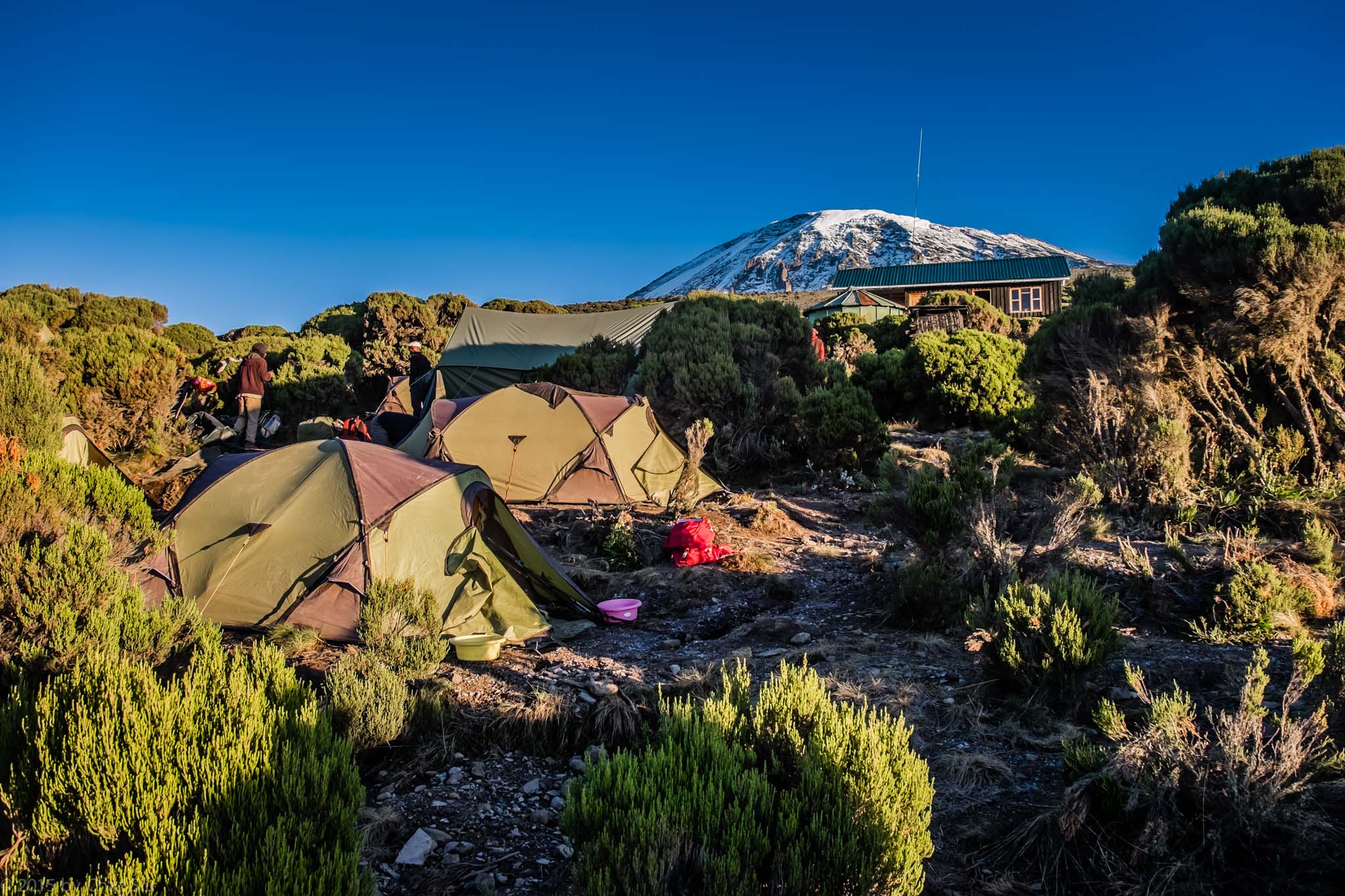
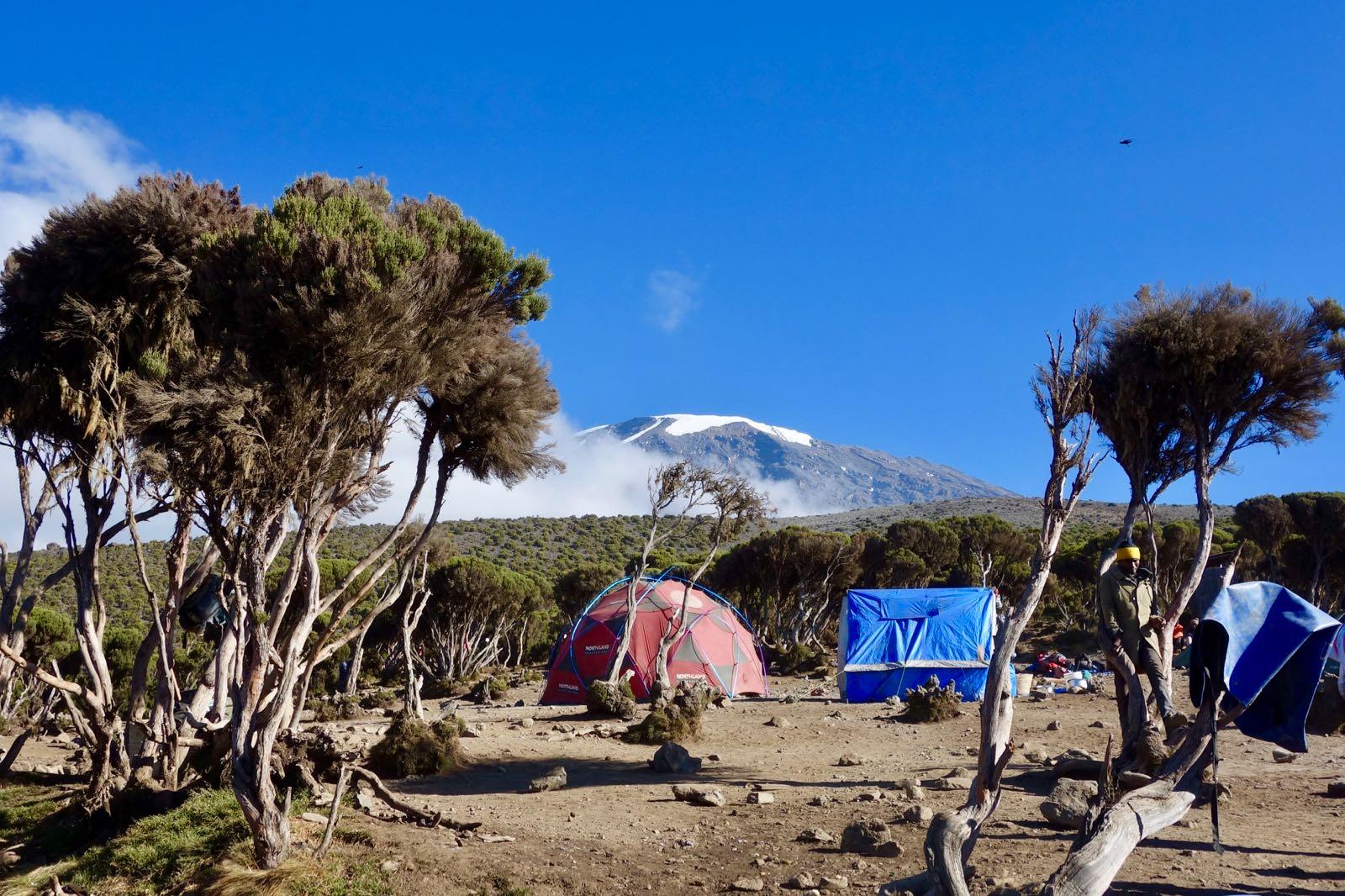
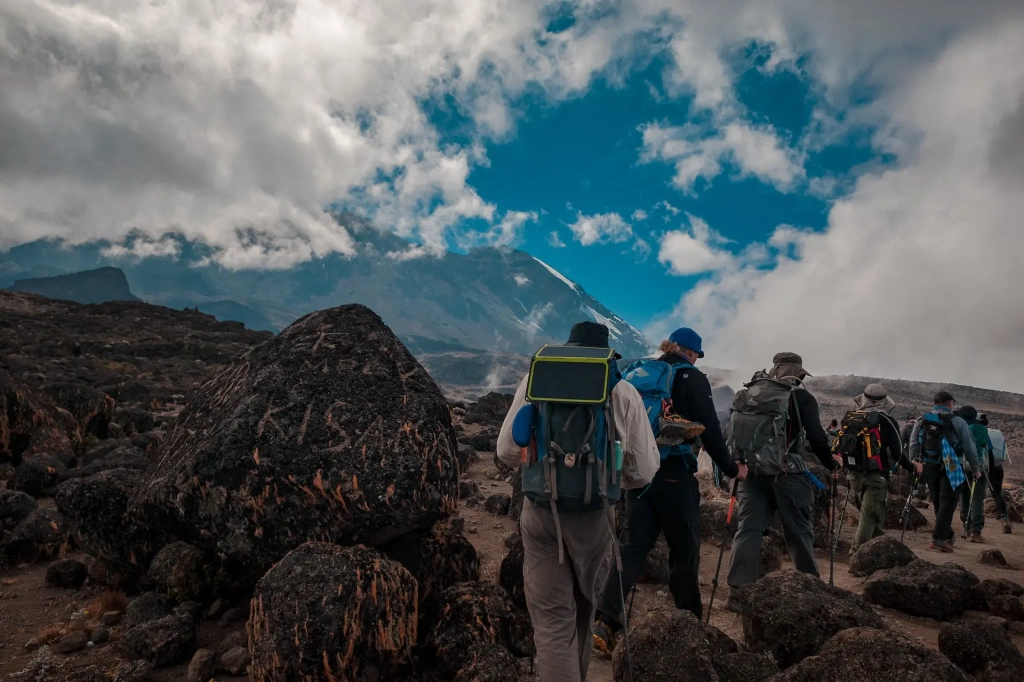
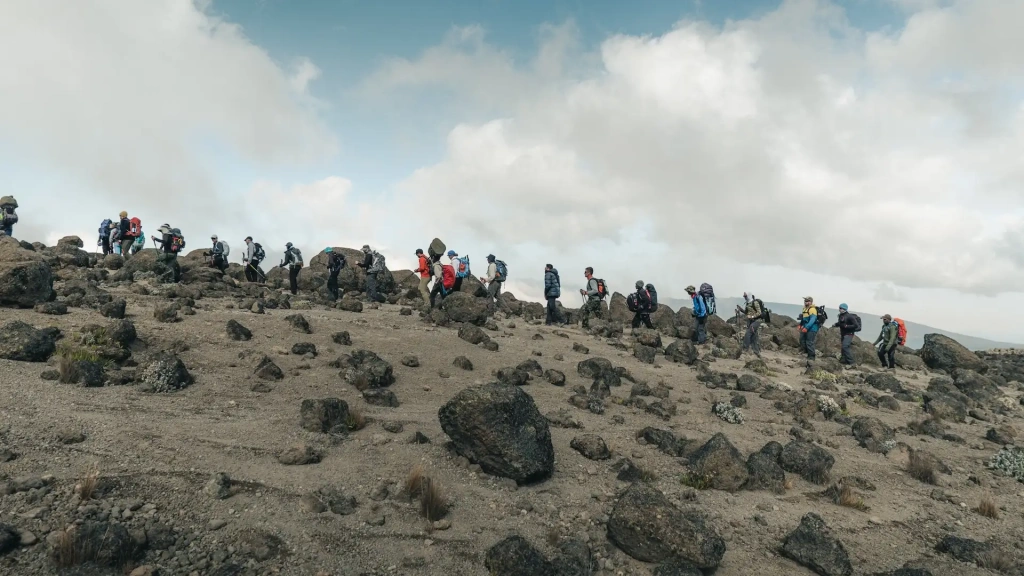
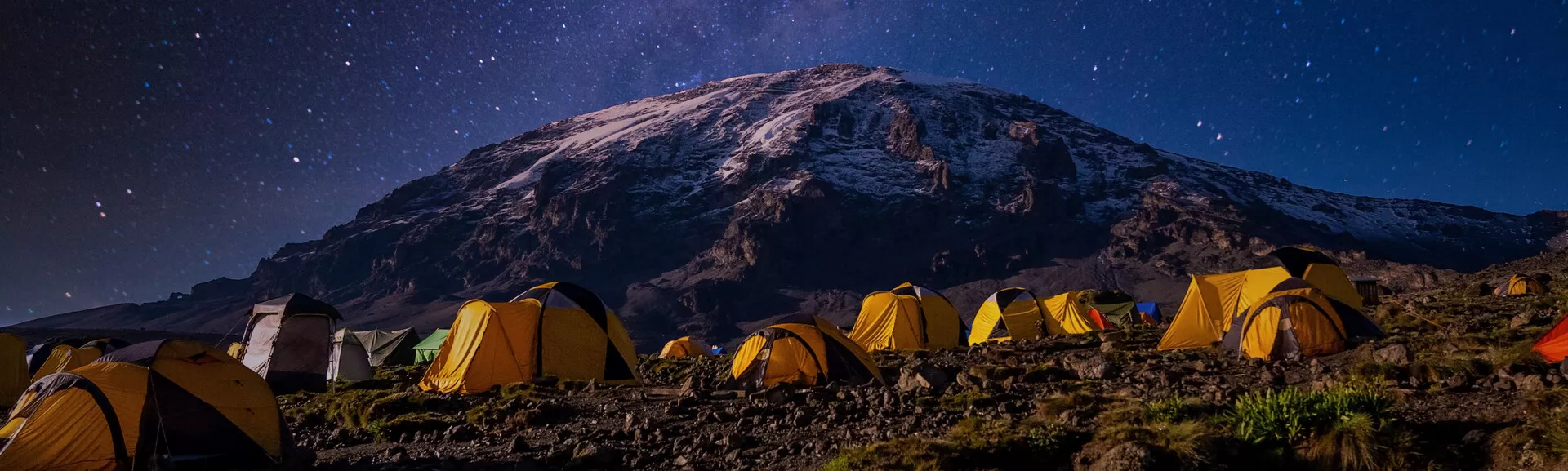
Nestled at 3,820 meters, Millenium Camp serves as a sanctuary for trekkers descending from the thrilling summit of Mount Kilimanjaro. It’s a rare juncture where climbers, often at the height of exhaustion, find respite and camaraderie beneath the clear African skies. This unique stopover, often overlooked, reveals as much about human endurance as it does about the breathtaking beauty that encircles it.
Established in the wake of increased trekking demands, Millenium Camp offers both strategic and historical allure. It stands as a testament to the evolving paths created to accommodate the thousands who seek to conquer Africa’s highest peak each year. Its capacity to host up to 100 climbers simultaneously underscores its vital role in acclimatization and descent strategies. A generation of adventurers thrives on its unique blend of natural splendor and logistic precision.
Millenium Camp, located at 3,820 meters on
Mount Kilimanjaro, is a crucial acclimatization point for trekkers. It offers essential facilities, such as tents and sanitation, ensuring climbers can rest and recuperate. The camp also serves as a vibrant spot for cultural exchange and environmental education, enhancing the overall trekking experience.

Millenium Camp: A Unique Kilimanjaro Stop
Millenium Camp is a special resting spot on Mount Kilimanjaro, nestled at an elevation of 3,820 meters. It’s strategically positioned between two popular trails, offering climbers a perfect place to rest. Trekkers often gather here after enduring the grueling ascent to enjoy the stunning views. The camp serves as a vital checkpoint, providing a sense of accomplishment. Climbers cherish the unique experiences and bonds formed in this high-altitude haven.
Since its establishment, Millenium Camp has played a crucial role in the Kilimanjaro trekking experience. It acts as a critical stop for acclimatization, which helps climbers adjust to the thinning air. Trekkers often stay overnight here to prepare for the final ascent. With increased trekking popularity, the camp sees hundreds of adventurers each season. They gather around sharing stories and excitement.
The camp is well-equipped to accommodate the needs of climbers. Facilities here include sturdy tents and sleeping arrangements, providing sanctuary amid the rugged terrain. Many climbers appreciate the camp’s organized setup. This ensures they have a comfortable rest before continuing their journey. A list of available amenities at Millenium Camp includes:
- Basic sanitation facilities
- Communal dining areas
- Medical assistance point
- Community gathering spots
One of the unique aspects of Millenium Camp is its sense of communal spirit. Climbers from all over the world gather here, sharing tales of adventure and survival. The camp often becomes a hub of diverse cultures exchanging ideas. This camaraderie transforms the camp into more than just a resting point. It becomes an unforgettable part of the Kilimanjaro journey, creating lasting memories.
Ending the Kilimanjaro trek – Millenium Camp
The Geographic Significance of Millenium Camp
Sitting at 3,820 meters on Kilimanjaro’s southern side, Millenium Camp plays a key role in acclimatization. Its location offers a midway resting point between the high summit and the lush base. This spot is crucial for climbers who need to adapt to changing altitudes. At Millenium Camp, trekkers can enjoy breathtaking views of the mountain’s diverse landscapes. This unique setting makes it a memorable highlight of any trek.
The strategic position of Millenium Camp helps manage the flow of trekkers along the popular Machame and Mweka routes. Trekkers from both paths intersect here, creating a lively atmosphere. This convergence is not only convenient but enriches the camp’s social vibe. Climbers share advice, encouraging stories, and updates on weather conditions. Such interactions enhance the collective trekking experience.
The surrounding geography offers valuable insights into Kilimanjaro’s unique ecosystems. The camp is perched near transitional zones where vegetation abruptly changes. This phenomenon allows trekkers to witness unique ecological layers firsthand. A table showcasing these layers might include:
| Zone | Altitude Range (meters) |
|---|
| Rainforest | 1,800 – 2,800 |
| Heath | 2,800 – 3,400 |
| Alpine Desert | 3,400 – 4,000 |
Millenium Camp serves as a natural checkpoint for wildlife enthusiasts and geology buffs. The camp’s surroundings are home to diverse flora and fauna, including unique bird species. These natural elements add educational value to the trek. Climbers often take the time to explore and learn about their surroundings. This educational aspect further elevates the geographic importance of Millenium Camp.
The Role of Millenium Camp in Kilimanjaro Treks
Millenium Camp plays a critical role in the overall Kilimanjaro trekking experience. It offers a safe resting point for climbers making the descent after summiting. Here, trekkers can recover, share their experiences, and prepare for the final leg of their journey. The camp gives climbers the opportunity to check their equipment and restock supplies. It’s an essential pause that helps ensure everyone’s safety and well-being.
For many, the camp is a crucial acclimatization point. Staying at this altitude allows trekkers to adjust to the decreasing oxygen levels. This adjustment period reduces the risk of altitude sickness, which can be dangerous. It’s common to find climbers here practicing breathing techniques. These practices prepare them for the challenges of higher altitudes.
Millenium Camp is more than just a resting spot; it is a meeting place. Climbers from various routes converge, creating a rich tapestry of stories and advice. This exchange of information is invaluable for first-timers and seasoned trekkers alike. In the camp’s communal spaces, many lifelong friendships and connections are formed. The camaraderie here adds a unique social layer to the trek!
The camp’s role extends to environmental education. Guides often take the opportunity to educate trekkers about local flora, fauna, and conservation efforts. This knowledge empowers visitors to appreciate and respect their surroundings. Lists of protected species and vegetation types are often shared. Such educational moments make the Kilimanjaro trek not just a physical challenge, but a learning adventure.
Facilities and Amenities at Millenium Camp
Millenium Camp is equipped to ensure climbers have a comfortable stay amid the challenging conditions of Mount Kilimanjaro. The camp features sturdy tents that protect hikers from cold winds and unpredictable weather. Inside these tents, trekkers find sleeping bags and mats designed for high-altitude comfort. These facilities help provide a restful sleep after a long day of climbing. Comfort is key to recovering energy for the next day.
There are basic sanitation facilities available at the camp to maintain hygiene. These include portable toilets, which are strategically placed for convenience. Despite the basic setup, these facilities are crucial for trekkers. They help ensure cleanliness in challenging environments. Climbers appreciate the efforts to maintain hygiene standards amid the wild surroundings.
Communal dining areas are set up to foster a sense of community among climbers. Here, hot meals and beverages are served, providing much-needed warmth and nourishment. These meals are often prepared with high-energy ingredients to fuel climbers. Sharing meals in this setting encourages interaction and story-sharing. It’s a chance for climbers to relax and bond over shared experiences.
The camp also caters to climbers’ health needs. A designated medical hut offers first aid and consultations for altitude-related issues. The availability of medical assistance is reassuring for many. Guides are trained to respond to common health concerns. This presence ensures trekkers feel supported and safe during their adventure.
Even in such a remote setting, communication remains a priority. Guides at Millenium Camp often carry two-way radios for efficient communication. This allows contact with base camps and emergency services if necessary. The ability to communicate effectively enhances overall safety. Climbers find comfort in knowing help can be reached quickly if required.
Besides these essentials, orientation sessions are offered to educate climbers about environmental conservation. Camp authorities emphasize the importance of leaving no trace. These efforts aim to protect Kilimanjaro’s unique ecosystem. Climbers learn how to minimize their impact on the environment. Educating visitors makes trekking a more sustainable activity.
Unique Experiences at Millenium Camp
Millenium Camp offers trekkers a variety of unique experiences that make it a standout destination on Mount Kilimanjaro. As night falls, the clear skies turn into a stargazer’s paradise. Climbers often gather to watch the dazzling display of stars and constellations. This celestial show, free from city lights, leaves many in awe. It’s an unforgettable moment highlighted by the beauty of nature.
The camp also provides an exceptional opportunity for cultural exchanges. Trekkers from across the globe descend to this spot, sharing their journeys, insights, and cultures. This melting pot of stories fosters camaraderie and friendship among climbers. Language barriers often dissolve amid shared experiences and laughter. These exchanges enrich the overall trekking adventure, making it more than just a climb.
Early mornings at Millenium Camp offer a breathtaking sight as climbers witness the sunrise over the African plains. The horizon gradually lights up, painting the sky with hues of orange and pink. It’s a celebrated view that rewards climbers for their hard work. Such moments of serenity inspire many trekkers to pause and reflect. Each dawn at Millenium is truly magical.
Guides often lead educational sessions about the mountain’s ecology and geology. Trekkers learn about the flora and fauna unique to this region. This knowledge helps in appreciating the mountain’s natural wonders even more. Guides share fascinating facts and stories, enriching the trekking experience. Understanding the ecosystem brings a deeper connection to Kilimanjaro’s nature.
There’s a spirit of achievement that resonates throughout the camp. The sense of triumph is palpable as climbers discuss their ascend to Africa’s tallest peak. This shared feeling of accomplishment binds climbers together. Embracing this triumph with fellow adventurers enhances the joy of the trek. Millenium Camp, therefore, becomes a symbol of personal and group achievements.
Why Millenium Camp is an Essential Kilimanjaro Stop
Millenium Camp is a key rest point for climbers navigating Mount Kilimanjaro’s challenging terrains. Situated at 3,820 meters, it offers a safe haven where trekkers can recharge. The strategic location acts as a buffer against altitude sickness, allowing for effective acclimatization. This acclimatization is crucial for a successful and safe ascent to Uhuru Peak. Without this stop, pushing ahead could be risky.
The camp is essential for logistical support, providing basic yet vital amenities. Climbers access fresh water, which is crucial for hydration on such challenging treks. Nutritious meals prepared at the camp help replenish lost energy and strength. This supplies trekkers with the stamina needed to handle the demanding terrain ahead. These provisions are key to sustaining health and morale throughout the journey.
Fostering a strong sense of community among climbers is another reason Millenium Camp is vital. Here, adventurers can exchange guidance and encouragement, boosting spirits. The shared experience of enduring Kilimanjaro’s challenges creates bonds that often last a lifetime. Nighttime story-sharing by the campfire deepens these connections. This camaraderie amplifies the overall trekking experience, making the journey more than a solo adventure.
Educational opportunities abound at Millenium Camp, enriching the trek with knowledge. Guides often share insights about the mountain’s ecosystems and local culture. This learning enriches the environmental consciousness of all visitors. Such awareness promotes preservation efforts for the mountain’s unique features. Without these sessions, trekkers might miss out on understanding the importance of conservation.
The panoramic views provided by Millenium Camp are unmatched. Watching the sunrise cast its glow over the landscape is a sight that trekkers cherish. These mesmerizing vistas serve as a reminder of the reward at the journey’s end. Photography enthusiasts find this spot perfect for capturing breathtaking shots. The visual beauty makes Millenium Camp an unforgettable part of the Kilimanjaro adventure.
Key Takeaways
- Millenium Camp is at 3,820 meters on Mount Kilimanjaro.
- The camp provides essential facilities for climbers to rest and recover.
- It serves as a crucial point for altitude acclimatization.
- Cultural exchange and environmental education enrich the experience.
- Stunning views make it an unforgettable part of the trek.

Descending from the Millennium Camp – Day 7 Part 1 Climbing Kilimanjaro
Over 30,000 adventurers set their sights on Mount Kilimanjaro each year, drawn by its breathtaking views and the allure of conquering Africa’s highest summit. Choosing the best route isn’t just about the journey—it’s also about the experience it offers. While Marangu Route once held the crown for its nickname “Coca-Cola Route”, due to its huts and relative ease, modern climbers often favor the scenic Machame or Lemosho Routes.
The Machame Route, dubbed the “Whiskey Route”, is renowned not only for its dramatic landscapes but for its longer timeframe allowing better acclimatization. Meanwhile, the less-trodden Lemosho Route offers exceptional privacy and breathtaking vantage points as it weaves through lush rainforests and across the Shira Plateau. Interestingly, the Northern Circuit, being the longest route, ensures the highest success rate for summit achievement due to its gradual climb and isolated paths. Each route holds its unique challenges but provides distinct appeals that cater to both novices and seasoned climbers.
The best routes for climbing Kilimanjaro are the Machame, Lemosho, and Northern Circuit routes. Machame is popular for its scenic views, Lemosho offers lower crowds and a longer acclimatization period, and the Northern Circuit provides the highest success rate due to its extended duration and gradual ascent.

What are the best routes for climbing Kilimanjaro?
The Machame Route, often called the “Whiskey Route,” is a favorite among climbers due to its stunning views and varied landscapes. This way lets hikers experience great scenery while spending more time on the mountain. It helps with better acclimatization, reducing the risk of altitude sickness. Climbers experience a physical challenge, but the beautiful routes make it worth it. Moreover, the path passes through different ecosystems, from rainforest to alpine desert.
The Lemosho Route is gaining popularity for its beauty and fewer climbers. Starting on the western side of Kilimanjaro, it takes you through lush forests rich in wildlife. This route offers longer acclimatization, improving summit success rates. It also provides ample time for hikers to acclimatize and adjust gradually. As you climb higher, you witness unforgettable views of the surrounding plains and deep valleys.
The Northern Circuit Route is the longest route up Kilimanjaro, offering a secluded and unique experience. It’s designed to give the highest success rate for reaching the summit. Since it circles around the northern side of the mountain, there are fewer people, making it more peaceful. The extra days also help with better acclimatization. Additionally, it provides panoramic views and diverse landscapes.
Choosing the right route is crucial for a successful and enjoyable climb. Factors to consider include your fitness level, time available, and previous hiking experience. Consider the benefits of each route to find which one is best for you. Including unique and varied terrains, each route offers an adventure. Use the information above and talk to expert guides to help make your decision.
Exploring the Machame Route
The Machame Route, also known as the “Whiskey Route,” is the most popular path up Kilimanjaro. It offers amazing scenery that changes every day. This route starts from the south-west side of the mountain and follows a trail through the rainforest. Hikers then move upward through moorland and alpine desert before reaching the summit. This diversity keeps each day exciting and new.
Its popularity means it can be busy, but it provides a balance of challenge and beautiful views. One of the key benefits is its length, which allows hikers enough time to acclimatize. This reduces the risk of altitude sickness and increases the chances of reaching the top. The trail also includes the famous Barranco Wall, which adds to the adventure. Many find the effort rewarding as they climb higher towards Uhuru Peak.
The route typically takes six to seven days, depending on your pace and acclimatization needs. The extra days are not just for resting but also help your body adapt to higher altitudes. Climbers can enjoy star-filled nights and stunning sunrises over the landscape. The terrain varies, from lush forests to barren landscapes near the summit. Experiences like camping in the Shira Plateau make the journey memorable.
Preparing for this climb involves physical fitness and mental readiness. Make sure to pack appropriately, as you’ll encounter different climates. It’s essential to have the right gear, from warm clothing to hiking boots. Guide companies often provide a packing list to help. Hiring a guide is not only a requirement but an advantage, providing knowledge and support throughout the trek.
Navigating the Lemosho Route
The Lemosho Route is a newer path on Kilimanjaro, admired for its beauty and quieter trails. It starts on the western side of the mountain and crosses numerous unique landscapes. Initially, climbers journey through lush rainforests, home to monkeys and colorful birds. As they move up, the terrain transforms into moorlands, with vast open spaces and giant heather plants. This route is not only about reaching the summit but also enjoying every view along the way.
One huge advantage of the Lemosho Route is its longer acclimatization period, stretching over 7 to 8 days. This schedule gives hikers more time to adjust to the altitude, reducing sickness risks. The gradual ascent over the scenic Shira Plateau provides the opportunity for epic photography as well. Moreover, climbers often find the route less crowded compared to others, offering a peaceful climbing experience. The longer journey is valued for its combination of tranquility and breathtaking perspectives.
Hikers will encounter the impressive Barranco Wall, adding some thrill to the adventure. This section might look daunting but is actually very manageable with the help of guides. The sense of achievement at the top is fantastic, with panoramic views as rewards. Nights are often spent under clear, starlit skies, creating unforgettable memories. Climbers commonly describe it as a challenging but deeply gratifying expedition.
To fully enjoy this route, proper preparation is necessary. Hiking experience, good fitness, and a positive attitude contribute to a successful climb. Essential gear includes warm clothing, waterproof items, and high-energy snacks for the trek. Guides help keep the group safe and on course. With favorable conditions and careful planning, it’s possible to enjoy every moment of this incredible journey to Africa’s highest point.
Traversing the Northern Circuit Route
The Northern Circuit Route offers an extensive journey around Mount Kilimanjaro, providing the most comprehensive experience of its natural wonders. Starting from the western side, it covers a broad range of terrains, including lush rainforests and barren landscapes. This route encircles the mountain’s northern slopes, giving climbers a unique perspective. Since it’s the longest route, taking 9 to 10 days, hikers have ample time to adapt to the high altitude. As a result, it boasts the highest success rate for reaching the summit.
One highlight of this route is the opportunity to witness spectacular views that are less visible on other paths. The approach to the summit is gradual, allowing more breathtaking moments to soak in. The benefit of fewer crowds makes the journey peaceful compared to other, busier routes. As you trek, various campsites allow for rest and appreciation of the stunning surroundings. The path not only challenges the body but also captivates with its raw beauty.
The diverse wildlife encounters add to the allure of the Northern Circuit. Hikers often spot buffaloes, zebras, and numerous bird species along the way. As the trails lead through remote areas, the sense of wilderness is truly felt. Nights in these parts are serene, with the stars painting a beautiful sky. Such moments provide a refreshing escape from the usual hustle and bustle.
Preparation is key when taking on this demanding yet rewarding adventure. Being physically fit helps in tackling the longer duration of the trek. Guides and porters play a vital role, ensuring safety and managing logistics efficiently. They provide valuable support, making the journey smoother. Adequate gear, including reliable hiking boots and layered clothing, is essential for comfort and warmth.
Each day on the Northern Circuit is filled with moments of discovery and inspiration. The journey emphasizes both the challenge of conquering Africa’s tallest peak and the sheer joy of exploring untouched natural beauty. From the acclimatization days on the Shira Plateau to the final ascent to Uhuru Peak, every step is an unforgettable experience. The route is perfect for those seeking a comprehensive and reflective climb. Completing it is a testament to endurance and an appreciation of nature’s wonders.
Detailed comparison of Kilimanjaro Climbing Routes
Choosing the right route for climbing Kilimanjaro depends on various factors like duration, difficulty, and scenic appeal. The Machame Route, known for its stunning views, takes six to seven days to complete and is moderately challenging. In contrast, the Marangu Route, often called the “Coca-Cola Route,” is considered easier, but it’s also more crowded. It typically takes five to six days and offers hut accommodations instead of camping. These differences make each route unique, catering to different climbers’ needs and preferences.
The Lemosho Route stands out for its beauty and lower crowd levels. It takes seven to eight days, providing a gentle acclimatization process. Its western starting point allows trekkers to witness varied ecosystems. Compared to the slightly shorter Machame Route, it also has a higher summit success rate. This makes it a great choice for those who want a quieter, scenic trek with a good chance of reaching the top.
For the most extended and least crowded experience, the Northern Circuit Route is ideal. Taking nine to ten days, it’s the longest but offers the highest success rate for summit attempts. This route circles around the northern side, giving climbers spectacular views unseen from other paths. The extended timeframe allows ample days for acclimatization, significantly reducing the risk of altitude sickness. Its serene environment attracts those seeking solitude and a comprehensive Kilimanjaro experience.
Here’s a comparison table to sum up the key details:
| Route | Duration | Difficulty | Scenic Views | Crowd Levels |
|---|
| Machame | 6-7 days | Moderate | High | High |
| Marangu | 5-6 days | Easy | Moderate | Very High |
| Lemosho | 7-8 days | Moderate | Very High | Low |
| Northern Circuit | 9-10 days | Moderate to Difficult | Very High | Very Low |
Each route to Kilimanjaro’s summit offers a unique experience tailored to different needs. The choice depends on personal preference, fitness level, and desired scenery. Whether it’s the bustling Machame Route or the peaceful Northern Circuit, there’s an ideal path for everyone. The diversity of options ensures every trekker finds a suitable challenge and adventure. Consult guide services and plan accordingly to make the most of this once-in-a-lifetime journey.
Tips for a successful Kilimanjaro climb: choosing the right route
Selecting the right route is crucial for a successful Kilimanjaro climb. Each trail offers different levels of difficulty and scenic views. Consider your own fitness level and previous hiking experience when choosing. Some routes like the Marangu are shorter but more crowded. Others, like Lemosho, offer quieter paths and stunning landscapes.
The Machame Route might be ideal if you enjoy diverse scenery and a moderate challenge. It offers spectacular views but requires more physical effort. Spending extra days on the mountain helps with acclimatization, improving the chances of reaching the summit. However, it’s typically more crowded than other options. Weighing these factors can help in making an informed choice.
The Northern Circuit Route is perfect for those who want a comprehensive and less busy experience. This path takes more time, allowing for better acclimatization and increased success rates. Its extended duration makes it the best choice for those who can spare more days. Unlike the busier routes, it provides a peaceful environment and unforgettable vistas. It’s also highly recommended for experienced hikers seeking adventure.
Remember to plan your climbing schedule and consider weather conditions. The dry seasons, from January to March and June to October, are the most popular times. During these months, you’re less likely to encounter rain, ensuring a smoother climb. Consulting with travel experts and previous climbers can provide valuable insights. Preparing thoroughly in advance is essential for a rewarding experience.
Frequently Asked Questions
Climbing Kilimanjaro is an exciting adventure that attracts many hikers. Here are some common questions and their answers to help you prepare.
1. What is the best time of year to climb Kilimanjaro?
The best time to climb Kilimanjaro is during the dry seasons, from January to mid-March and from June to October. These months offer the most stable weather conditions. However, it’s worth noting that these periods can be busy with other climbers.
Choosing the right time helps improve your chances of a successful summit. Climbing during the dry season also provides better visibility, making the stunning views even more enjoyable.
2. Do I need a guide to climb Kilimanjaro?
Yes, having a guide is mandatory for climbing Kilimanjaro. They ensure your safety and help with navigation. Guides are knowledgeable about the mountain’s conditions and can assist with any challenges you face. They are trained to deal with altitude sickness and other potential issues.
Additionally, guides offer insights into the local culture and the natural environment. Their experience enriches your climb and increases the likelihood of reaching the summit successfully.
3. How can I prepare physically for the climb?
Physical preparation is vital for a successful climb. You should start training several months in advance. Focus on cardiovascular fitness, strength, and endurance. Hiking, running, and stair climbing are excellent exercises. Also, consider taking long walks with a backpack to simulate carrying your gear.
Regular exercise will make the actual climb more manageable and enjoyable. It’s also beneficial to hike at high altitudes before your trip to help with acclimatization.
4. What should I pack for the climb?
Packing the right gear is crucial for your comfort and safety on Kilimanjaro. Essential items include a warm sleeping bag, layered clothing for varying temperatures, and sturdy hiking boots. Don’t forget a good-quality backpack, a hat, gloves, sunglasses, and sunscreen. Hydration systems, such as water bladders, are also important.
Additionally, pack adequate snacks and energy bars to maintain your strength. Consulting with your tour operator about a packing list can ensure you have everything you need.
5. What is the success rate for reaching the summit?
The success rate for reaching Kilimanjaro’s summit varies depending on the route and preparation. Routes that offer longer acclimatization periods, like the Northern Circuit, tend to have higher success rates. Proper training, acclimatization, and choosing the right route significantly impact your chances.
Success rates generally range from 45% to 85%. Selecting an experienced guiding company also increases the likelihood of successful summiting by providing the necessary support and guidance throughout the climb.
Conclusion
Climbing Kilimanjaro is an incredible journey that requires careful planning and preparation. By choosing the right route, you can enhance your experience and increase your chances of reaching the summit. Each path offers unique challenges and breathtaking scenery. Thorough research and informed decision-making will lead to a rewarding adventure.
Engaging a knowledgeable guide and training adequately are also key factors for success. Understanding the best times to climb and what to pack ensures you are ready for the journey. With the right approach, climbing Kilimanjaro can be a life-changing and unforgettable experience. Good luck on your climb, and enjoy the breathtaking views from the roof of Africa!
Barafu Camp, perched at 15,331 feet, is often regarded as one of the most critical points on the journey to the summit of Mount Kilimanjaro. The significance of this place is not just in its altitude but in the emotions it stirs in those who arrive here. A milestone on the Machame Route, Barafu means ‘ice’ in Swahili – a name well-suited given the chilling winds that brush past the camp.
This base camp was established to serve as a staging point for climbers aiming to conquer Kilimanjaro’s Uhuru Peak. Rich in history, it has been a ground for countless triumphs, as well as a calculated stop to mitigate altitude sickness. Statistically, over 90% of climbers who successfully reach this point end up summiting, highlighting its strategic importance. Here, expertise in planning and pacing meets the raw energy of passion and perseverance.
Barafu Camp, at 15,331 feet on
Mount Kilimanjaro, serves as the crucial final staging point for climbers before attempting the summit. This last camp allows acclimatization, final gear checks, and vital rest, significantly increasing summit success rates amidst its challenging weather conditions and basic facilities.

Overview of Barafu Camp on Mount Kilimanjaro
Barafu Camp is a critical stop on the way to the summit of Mount Kilimanjaro. Situated at an altitude of 15,331 feet, it serves as the last major checkpoint before the final ascent to Uhuru Peak. Climbers often spend a night here to acclimate to the high altitude. The camp is known for its stunning, panoramic views of the surrounding landscape. It’s also a place where climbers make their final preparations for the summit push.
The weather at Barafu Camp can be quite harsh, with cold temperatures and strong winds being common. It’s essential to have appropriate gear to stay warm and safe. The camp has basic facilities like tents and makeshift toilets. However, luxuries are sparse, so it’s not a place for comfort seekers. The focus here is purely on survival and preparation for the final climb.
Barafu Camp is divided into different sections to accommodate the influx of climbers. Guides and porters play a huge role in setting up and managing the camp. They ensure that climbers have everything they need for the night. The camaraderie among climbers is palpable, as everyone shares the same goal. This sense of community helps in boosting morale.
Reaching Barafu Camp is an achievement in itself. It serves as a mental checkpoint, reminding climbers of how far they’ve come. The camp is often bustling with activity as hikers arrive and prepare for their summit attempts. The night is short, as climbers typically leave for the summit just before midnight. The goal is to reach Uhuru Peak by sunrise.
SUMMITING UHURU PEAK – Climbing Mt Kilimanjaro Day 6 | From Barafu Camp through STELLAR POINT
Geographical Location and Altitude
Barafu Camp is strategically located on the southeastern slope of Mount Kilimanjaro in Tanzania. This area is part of the Kilimanjaro National Park, a UNESCO World Heritage Site. The camp rests at an impressive elevation of 15,331 feet above sea level. Its location offers breathtaking views of the surrounding peaks and plateaus. Despite the stunning scenery, the air can be quite thin and challenging for climbers.
The geographical setup of Barafu Camp is unique. Nestled between rocky outcrops and rough terrain, the camp plays a vital role in acclimatizing climbers. The rocky terrain is a stark reminder of the volcanic origins of Mount Kilimanjaro. The temperatures can drop significantly, especially after sunset. This requires climbers to be well-prepared with appropriate gear.
A map of the region shows Barafu Camp as a key point on the popular Machame Route. This route is among the most scenic paths to the summit, offering climbers a closer look at Kilimanjaro’s diverse ecosystems. It takes several hours for climbers to trek from the lower camps to reach Barafu. The journey allows them to experience various climatic zones, from lush rainforests to arid alpine deserts. Climbers often take breaks along the way to adapt to changing conditions.
Being at such high altitudes, Barafu Camp demands climbers to be aware of altitude sickness. Symptoms can include headache, nausea, and dizziness, emphasizing the importance of acclimatization stops. To aid this,
- proper hydration
- slow ascent
- and sufficient rest
are crucial strategies. The camp’s positioning offers not just challenges but also serves as an educational spot on high-altitude trekking. Preparing for these conditions is key to a successful summit attempt.
The Essential Role of Barafu Camp in Climbing Kilimanjaro
Barafu Camp plays a crucial part in the journey up Mount Kilimanjaro. Acting as the final staging ground, it is where climbers make last-minute preparations for their summit attempt. The camp provides an opportunity for acclimatization, which is vital for coping with the high altitude. Proper planning and rest here can significantly increase the chances of reaching Uhuru Peak. Climbers typically check their gear and stock up on essentials before setting out.
The location of Barafu Camp offers strategic advantages for climbers. Being close to the summit provides an optimal setup for a midnight departure. This timing allows climbers to reach the peak at sunrise, one of the most magical moments on the mountain. This approach also minimizes exposure to intense sunlight and fluctuating temperatures. Guides often brief climbers extensively here to ensure everyone is ready.
Logistics at Barafu Camp are handled efficiently by experienced guides and porters. While facilities are basic, they cater to the essential needs of climbers. This includes shelter, food, and medical support for altitude sickness. The team ensures that all climbers are accounted for and have the necessary supplies. In such a harsh environment, teamwork and organization are key to success.
Mentally, Barafu Camp serves as a place where climbers solidify their determination to reach the peak. With the summit closer than ever, excitement and anxiety build up among the group. The camp becomes a place of encouragement, where climbers share stories and support each other. This human connection can be inspiring and helps keep spirits high. As the final stop before the summit, Barafu Camp embodies the dream of reaching the top.
Preparation Tips for the Final Ascent from Barafu Camp
Before setting off from Barafu Camp, checking and organizing your gear is crucial. Ensure your warm clothing is accessible as temperatures significantly drop at night. Be sure your headlamp has fresh batteries, as you’ll be trekking in the dark. It’s wise to pack high-energy snacks for a quick boost. Don’t forget a thermos of hot tea or soup for warmth.
Acclimatization is a key factor for a successful ascent. Spend adequate time at Barafu Camp to adjust your body to the altitude. Many climbers find that doing breathing exercises helps with oxygen intake. Hydration is equally essential; drink plenty of water, even if you don’t feel thirsty. These small steps can greatly reduce the effects of altitude sickness.
Rest is just as important as preparation. Aim for a few hours of sleep before the final ascent, even if it’s just a power nap. Going over your summit plan, including timing and pacing, can help set your mindset. Discussing this with your guides gives mental clarity. Confidence in your plan can have a positive effect on your morale.
Psychological readiness often makes a big difference. Visualize yourself reaching the summit to boost your motivation. Sharing stories and encouragement with fellow climbers can also lift spirits. Positive energy is contagious and can lighten the stressful atmosphere. Remember, reaching the top is not just a physical feat but also a mental challenge.
Effective communication with your team is vital. Regularly check in with your climbing group and update them on your status. This ensures everyone’s safety and keeps the group intact. Listening to your body’s signals and sharing this with your guide can prevent potential issues. As you embark on your final ascent, teamwork and resilience become your greatest assets.
Life at Barafu Camp: Facilities and Daily Routines
Living at Barafu Camp involves adapting to a simple lifestyle. The camp offers basic facilities, with tents serving as the primary shelter. There are no permanent buildings, so camping gear is essential. Makeshift toilets are available, but privacy is limited. Despite the basic setup, climbers make the best of their time here.
Every day at Barafu Camp follows a regular routine. Climbers usually start the day by preparing meals together with their guides. Breakfast is often hearty, providing the energy needed for the day’s activities. After eating, some choose to explore the surrounding area for acclimatization purposes. These activities help in building stamina.
Afternoons at the camp are typically reserved for rest and recovery. It’s a good time to go over gear and make needed adjustments. Climbers might spend time chatting with fellow adventurers, sharing stories and experiences. This camaraderie adds a sense of community at the camp. The breaks are important for both physical and mental relaxation.
Dining at Barafu Camp is an experience on its own. Meals are usually cooked over portable camping stoves, with guides helping to prepare simple yet nutritious food.
- Soups are a popular choice for warmth
- while energy bars are great for quick snacks
- Hydration is a must, so tea and purified water are abundant
Shared meals create a bond among climbers.
Nights at the camp bring their unique rhythm. Under the clear, starry skies, climbers gather to discuss the plans for the final ascent. This quiet time helps everyone mentally prepare for the adventure ahead. As temperatures drop, climbers retreat into their sleeping bags for a brief rest. Nights might be cold, but the excitement for the summit keeps spirits warm.
Impact of Barafu Camp on Success Rates of Summit Attempts
Barafu Camp plays a vital role in increasing the success rates of summit attempts on Mount Kilimanjaro. As the last camp before reaching Uhuru Peak, it serves as a preparation hub where climbers finalize their strategies. Spending time here allows for much-needed acclimatization, reducing the risk of altitude sickness. Guides often use this time to conduct briefings, ensuring everyone knows the plan. Proper preparation at Barafu provides a psychological boost.
The camp’s elevation makes it an ideal location for climbers to adjust to thinner air. Many climbers feel better equipped after a night’s rest at this altitude. Studies suggest that climbers who take the time to acclimatize at Barafu have higher summit success rates. The camp acts as a stop where the body gets used to reduced oxygen levels. This adaptation is crucial for endurance and stamina.
Support staff at Barafu Camp, including guides and porters, significantly influence success rates. Their experience helps in guiding climbers through the challenges they may face. Guides offer personalized advice, paying attention to each climber’s condition. This support ensures that climbers feel confident and motivated for the final push. The expertise of the staff ensures safety, another critical factor in achieving the summit.
Logistical preparation at Barafu is essential for summit success. Climbers organize their gear, ensuring easy access to what they need during the ascent.
- Headlamps
- gloves
- and jackets
are checked and rechecked. Everything needs to be in top condition for the trek to the peak. These preparations help in avoiding any last-minute hiccups.
Finally, the role of mental preparedness cannot be overlooked. Barafu Camp provides an environment where climbers can mentally gear up for the ascent. Sharing stories and experiences with fellow climbers creates a sense of community. This collective spirit often fosters resilience and determination. A positive mindset from Barafu often translates to a successful summit.
Key Takeaways
- Barafu Camp is the last stop before Kilimanjaro’s summit.
- It sits at a height of 15,331 feet.
- The camp offers time to acclimate and rest.
- Basic facilities provide essential support for climbers.
- Proper preparation here boosts chances of summit success.

Heading to the Barafu Camp, final night before Kilimanjaro summit
Ever wondered what it’s like to traverse through one of the most scenic routes in Africa? The Lemosho Glades offer an unparalleled experience for those seeking to conquer Mount Kilimanjaro. This route is famed not only for its captivating beauty but also for its lush, diverse landscapes that challenge and enchant climbers.
Originating from the western side of Kilimanjaro, the Lemosho route was introduced to offer a more remote and less traveled path. This trail offers a longer and more gradual ascent, which significantly improves acclimatization and consequently increases summit success rates. With approximately 50% of all climbers choosing this route, Lemosho Glades have become a popular choice among experts and adventure seekers.
Lemosho Glades offers an unparalleled Kilimanjaro trekking experience, renowned for its diverse landscapes ranging from lush rainforest to alpine desert. This route provides enhanced acclimatization opportunities, increasing summit success rates. Ideal for climbers seeking both challenge and tranquility, Lemosho combines breathtaking scenery with a rewarding journey through varied ecological zones.
Lemosho Glades: A Beautiful Kilimanjaro Experience
Mount Kilimanjaro, Africa’s tallest peak, offers multiple routes for climbers, but the Lemosho Glades stand out for their beauty. The trek begins at Lemosho, a lush rainforest area that’s home to an array of wildlife. This route is less crowded, providing a serene atmosphere for climbers. The peaceful trail allows you to fully appreciate the surrounding nature. It’s a perfect choice for those seeking both adventure and tranquility.
The Lemosho route is known for its diverse landscapes that change as you ascend. Starting in dense forests, you’ll pass through heathlands and moorlands. As you climb higher, the scenery shifts to alpine deserts and snowy summits. Each zone offers unique vistas and challenges. These varied environments make the trek both exciting and rewarding.
One of the best aspects of the Lemosho Glades is the acclimatization process. The route’s gradual ascent helps your body adjust to the altitude. This significantly increases your chances of reaching the summit. Many trekkers say this route offers a higher success rate compared to others. It’s a strategic choice for both novice and experienced climbers.
Besides its natural beauty and strategic advantages, the Lemosho route offers an unparalleled sense of achievement. Reaching the summit after such an enriching journey feels incredibly fulfilling. Climbing Kilimanjaro is on many adventurers’ bucket lists, and the Lemosho Glades provide a memorable way to accomplish this goal. It’s not just a climb; it’s an unforgettable experience.
10 Things I Wish I Knew BEFORE Climbing Mt Kilimanjaro! | Follow Alice | 4K
The Unique Appeal of the Lemosho Route
The Lemosho Route stands out due to its serene, less crowded paths. This tranquility offers a more intimate connection with nature. Hikers often find the solitude refreshing. It allows for personal reflection while surrounded by breathtaking landscapes. This makes the journey both peaceful and awe-inspiring.
Another unique appeal is the route’s diverse ecosystems. Hikers start in lush rainforests and move through alpine deserts. Each zone presents different flora and fauna. This variety keeps the trek interesting and engaging. Every turn reveals new wonders, adding to the adventure.
A major advantage of the Lemosho Route is its excellent acclimatization profile. The longer trail allows climbers to adjust to the altitude more effectively. This increases the chance of reaching Kilimanjaro’s summit successfully. Many experienced climbers recommend this route for its gradual ascent. It’s a strategic choice for high-altitude trekking.
The panoramic views along the Lemosho Route are unparalleled. From stunning sunsets over the Shira Plateau to the majestic sight of the summit, the visuals are captivating. Climbers often pause to take in these breathtaking scenes. The journey is filled with photo opportunities that create lasting memories. These unforgettable vistas make the Lemosho Route truly special.
Exploring the Flora and Fauna along the Lemosho Route
The Lemosho Route offers a delightful journey through diverse ecosystems. Initially, hikers traverse the lush, vibrant rainforests teeming with life. Towering trees provide a canopy for colorful birds and playful monkeys. As you look closely, you may spot exotic orchids and vibrant mosses. These forests create a magical start to the adventure.
Beyond the forests, the landscape transitions into open moorlands. Here, the flora changes to clusters of hardy heathers and giant lobelias. The cooler climate supports unique plants that have adapted to these conditions. Small animals like duikers and hyraxes can be seen darting through the shrubs. This area provides a fascinating contrast to the dense forests below.
Continuing upward, you’ll encounter alpine deserts with sparse vegetation. This zone offers a glimpse of the plant kingdom’s resilience. Only specialized species, such as everlastings and tussock grasses, survive these harsh conditions. While animal sightings are rare here, keep an eye out for soaring birds of prey. The stark beauty of this zone is captivating.
The higher you climb, the more dramatic the views become. Near the summit, the landscape is dominated by glaciers and snowfields. While plant life is minimal, hikers often marvel at the vast, open skies. The few plants that do survive offer a testament to nature’s adaptability. This final section concludes an unforgettable journey through diverse natural wonders.
The Journey and Challenges on the Lemosho Glades
The journey through the Lemosho Glades on the way to Mount Kilimanjaro’s summit is both rewarding and demanding. Starting at the western side of the mountain, climbers experience varying terrains. The trail begins with dense rainforests, filled with wildlife sounds. Each step brings new sights and experiences. This variety makes the hike exciting and constantly engaging.
As climbers move higher, the trail transitions into moorlands. This region features open, grassy areas with scattered shrubs. The changing environment requires hikers to adapt steadily. Altitude can cause thinner air, making breathing difficult. It’s essential to maintain a steady pace to adjust smoothly.
The climb grows more challenging as hikers enter the alpine desert zone. Here, temperatures drop significantly, especially at night. The lack of vegetation and the rugged terrain require careful navigation. Staying hydrated and wearing appropriate clothing are vital. These steps help manage the harsh conditions.
Another key challenge involves the steep, rocky paths close to the summit. These sections demand stamina and careful planning. Using trekking poles can lighten the strain on the knees. Resting regularly and eating energy-boosting snacks can help maintain strength. Reaching the peak requires both physical and mental determination.
Despite the challenges, the sense of achievement at every milestone is immense. Each camp offers climbers breathtaking views and a sense of progress. Sharing stories and bonding with fellow trekkers adds to the experience. The journey on the Lemosho Glades is more than a physical challenge; it’s an unforgettable adventure. This trek provides a sense of accomplishment that’s hard to match elsewhere.
Success Rates and Best Time to Climb the Lemosho Route
The Lemosho Route is famed for its high success rates among climbers attempting Kilimanjaro. Its long, gradual ascent gives trekkers ample time to acclimate to the higher altitudes. This reduces the risk of altitude sickness, a common challenge on such treks. Many climbers report success rates as high as 90% on this route. This makes it an attractive option for adventurers seeking a higher chance of reaching the summit.
The best time to climb the Lemosho Route is during the dry seasons. These periods, occurring from June to October and January to March, offer more stable weather conditions. Clear skies provide stunning views, while dry paths make trekking easier. However, these times are also popular, so expect more climbers on the trail. Booking early ensures you get your desired dates and avoid overcrowding.
During the wet season, climbing can be more challenging due to slippery trails and reduced visibility. But for those seeking solitude, the off-peak months might appeal despite the weather. Reduced crowds mean a more personal experience with nature. Experienced climbers often find this prospect alluring. They enjoy the quieter paths and embrace the additional challenges the rain brings.
Regardless of the season, preparation is crucial for a successful climb. Ensure you have the right gear, including waterproof clothing for any unexpected rain. It’s also wise to engage a reputable tour operator who knows the Lemosho Route well. They provide valuable guidance and support throughout the journey. This planning helps maximize the chances of a memorable summit experience.
Preparing for a Successful Lemosho Glades Trek
Preparation is key to having a successful trek on the Lemosho Glades. Start with building your fitness levels, focusing on endurance and leg strength. Regular hikes and cardio workouts can be helpful. Consistent training prepares your body for the physical demands of the trek. It also builds confidence and determination.
Packing the right gear is crucial for comfort and safety. Essential items include sturdy hiking boots, a warm sleeping bag, and layered clothing for varying temperatures. A reliable backpack to carry your supplies is also vital. Don’t forget to pack a high-SPF sunscreen and sunglasses for sun protection. These basics ensure that you’re ready for any conditions the mountain throws your way.
Proper hydration and nutrition are essential for maintaining energy levels. Carry a refillable water bottle and water purification tablets. Eating snacks that are rich in protein and carbohydrates can boost your stamina. Consider lightweight energy bars and dried fruits as convenient options. These keep you fueled without weighing down your pack.
Acclimatization is another important aspect of the trek. Spend an extra day if possible to allow your body to adjust to the altitude. Listen to your guide’s advice, as they are experienced with the Lemosho Glades. Remember that it’s okay to take things slow if needed. Your goal is to enjoy the journey as much as the destination.
Lastly, mental preparation is as important as physical readiness. Prepare for the challenges you might face and think about why you’re taking this journey. Maintaining a positive attitude can greatly impact your experience. Support from your trekking group can also be a huge morale booster. Together, these preparations will help make your trek a memorable adventure.
Key Takeaways
- Lemosho Glades offers a beautiful and diverse Kilimanjaro trekking experience.
- The route features lush rainforests, moorlands, alpine deserts, and snowy peaks.
- Enhanced acclimatization opportunities increase summit success rates.
- Ideal for those seeking both challenge and tranquility in their climb.
- A rewarding journey through varied ecological zones makes it unforgettable.
Lemosho Route on Mount Kilimanjaro (Why We Love It)
As climbers ascend the majestic slopes of Mount Kilimanjaro, a comforting respite awaits in the form of Mandara Huts. These huts serve more than just a shelter; they provide a necessary pause, both physically and mentally. Nestled at the edge of the rainforest zone, they cater to the weary adventurer seeking a tranquil night’s rest.
Historically, Mandara Huts have been a cherished stopover on the Marangu Route, Kilimanjaro’s most popular trekking trail. Established decades ago, they possess a unique blend of rustic charm and practicality. With accommodation for up to 60 climbers, these huts have become an essential feature contributing to the mountain’s acclaimed accessibility.
Mandara Huts, positioned on Kilimanjaro’s Marangu Route, offer essential respite for climbers. Located at approximately 2,700 meters, they aid in acclimatization with their strategic placement. Featuring dormitory accommodations and basic facilities, these huts are integral for rest and preparation before ascending further up the mountain.

Mandara Huts: A Gateway to the Roof of Africa
Standing amidst the lush greenery of Kilimanjaro’s Marangu Route, Mandara Huts play a vital role for climbers. These huts serve as the first stop for many adventurers aiming to reach the mountain’s summit. Nestled at over 8,858 feet above sea level, they offer a picturesque view of the vast moorlands. Climbers appreciate the respite as they acclimate to the altitude. The huts not only provide shelter but also foster a sense of camaraderie among travelers.
The structure of Mandara Huts is both simple and effective. Built with comfort in mind, they usually feature shared sleeping arrangements. Some essential amenities are available to ensure a pleasant stay. Climbers often recount their nights spent around communal dinner tables, sharing stories. This unique experience creates lifelong memories for many visitors.
Staying at Mandara Huts is crucial for acclimatization, an important factor in avoiding altitude sickness. Without this essential stop, climbers might struggle to continue their journey. The huts allow time for bodies to adjust to the thinner air. Additionally, guides at the huts offer tips to make the journey smoother. They emphasize the importance of hydration and gradual pacing.
The huts’ environment encourages social interactions among hikers. Travelers from various parts of the world gather here, exchanging laughter and stories. This shared experience strengthens bonds and boosts morale. Connections formed often lead to lasting friendships. The warmth found within these walls echoes long after the climb concludes.
MOUNT KILIMANJARO -DAY TRIP TO MANDARA HUT CAMP SITE
The Strategic Location of Mandara Huts on Kilimanjaro’s Marangu Route
The location of Mandara Huts offers a significant advantage for climbers on Kilimanjaro. Situated at the rainforest’s edge, it marks the transition from dense greenery to open moorlands. This change in scenery is both refreshing and invigorating for hikers. The verdant surroundings also make it an ideal spot for bird watchers. Various species can be seen flitting about, adding to the site’s natural beauty.
Mandara Huts serve as a checkpoint, strategically placed at 2,700 meters above sea level. The altitude here is perfect for acclimatization, giving climbers a much-needed pause. Positioned along the Marangu Route, the huts are easy to access. Trekkers find the route well-marked and accessible year-round. Even during the rainy season, the trail remains navigable, thanks to its well-maintained paths.
Nearby attractions enhance the appeal of staying at Mandara Huts. Maundi Crater, a short hike from the huts, offers breathtaking views of Kenya and Northern Tanzania. This spot provides an excellent opportunity for a side trip and photo sessions. Many climbers also use this area to further acclimatize. Spending extra time in these surroundings helps prepare for the steeper climbs ahead.
Mandara Huts create a perfect blend of accessibility and adventure. Its strategic location ensures that trekkers are well-prepared for the challenges to come. Guided hikes from the huts reveal more about the local ecosystem and geography. The experience becomes more enriching and educational. This unique mix turns a simple rest stop into a memorable adventure.
Features and Facilities Available at Mandara Huts
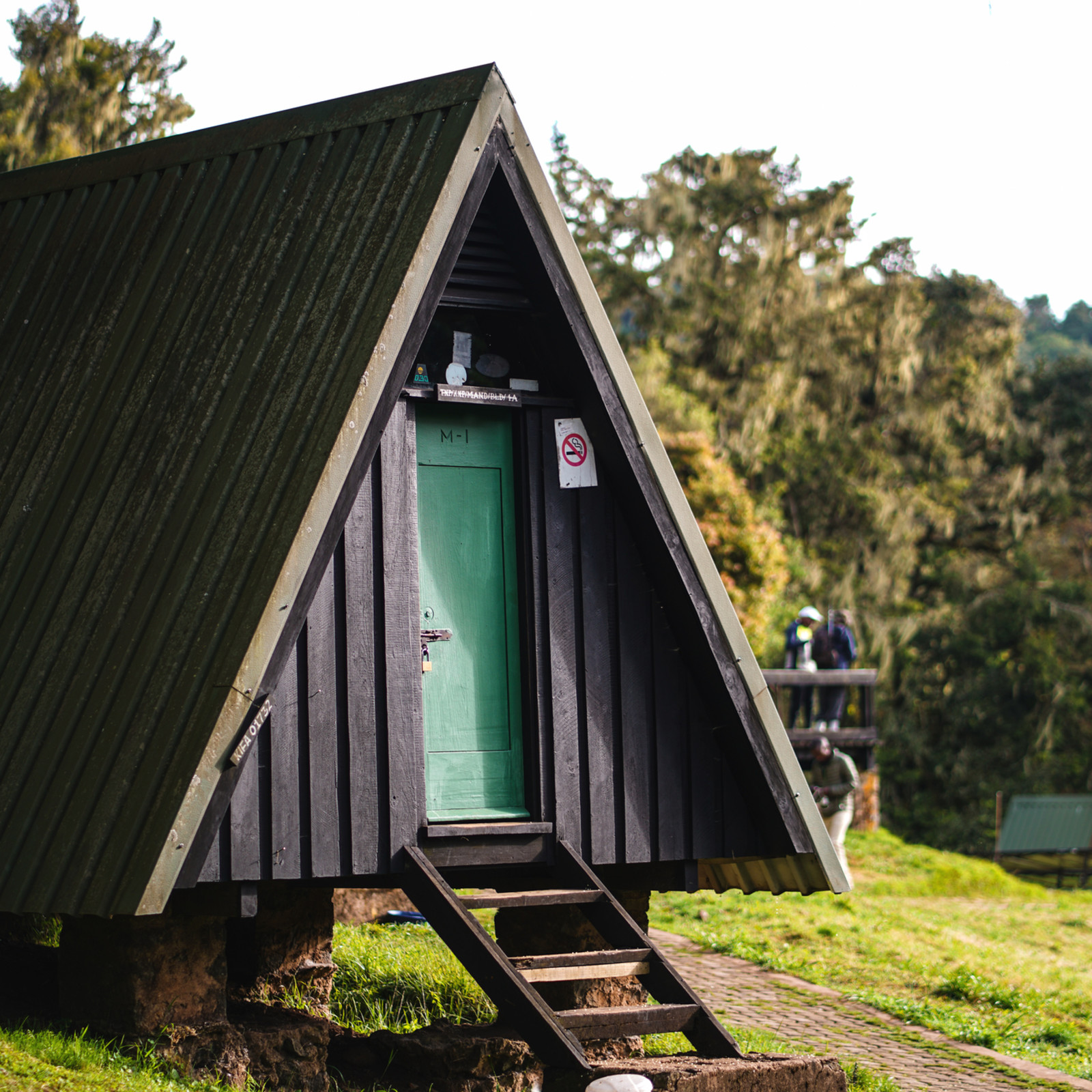
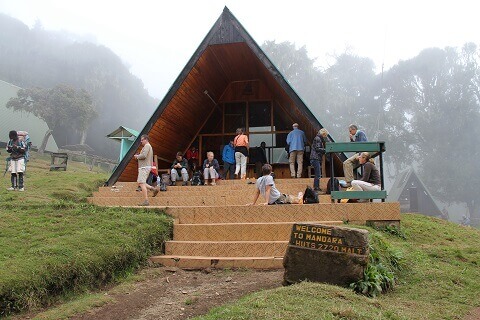
Mandara Huts offer a range of features designed to enhance the climbers’ experience on Kilimanjaro. The huts are built in A-frame style, providing a cozy yet rustic atmosphere. They can accommodate up to 60 people, divided into several smaller huts. This setup ensures a level of privacy and comfort for trekkers. Shared dormitory-style sleeping arrangements foster a sense of community among climbers.
The facilities at Mandara Huts include amenities essential for a comfortable stay.
- Shared dining halls: These provide a space for communal meals and socializing.
- Cooking services: While climbers can bring their own food, meals are also prepared by the huts’ staff.
- Water sources: Clean water is available for drinking and basic hygiene.
These features make sure that essential needs are met during the stay.
Aside from basic amenities, the huts also offer a few extras that make the stay special. Information boards around the huts provide details about the local flora and fauna. Guides often give short talks or provide trekking tips to help climbers prepare for the next leg of their journey. Basic medical supplies are kept on hand for minor injuries or ailments. These small touches add convenience and safety for everyone at the huts.
One of the highlights of Mandara Huts is the stunning scenery surrounding the area. Climbers can enjoy panoramic views of Kilimanjaro and the surrounding landscapes. Early mornings often treat visitors to breathtaking sunrises over the horizon. Many climbers find this visual reward motivates them for the days of trekking ahead. The overall experience becomes a blend of adventure and relaxation.
The Role of Mandara Huts in Acclimatization for Climbers
Mandara Huts play a critical role in the acclimatization process for climbers tackling Mount Kilimanjaro. At an altitude of roughly 2,700 meters, these huts provide a perfect setting for climbers to adjust to thinner air. This process is vital to reducing the risk of altitude sickness, a common challenge on high-altitude climbs. Spending time here gives the body a chance to adapt. Climbers often sleep here for a night to help their bodies acclimatize.
Acclimatization is all about allowing the body to get used to lower oxygen levels. The huts serve as a resting place for climbers to recover from the initial day’s trek. They also provide an opportunity to learn breathing and pacing techniques. Guides at the huts emphasize walking slowly and maintaining a steady pace. This advice is vital for those looking to summit the mountain.
The benefits of acclimatization at Mandara Huts extend beyond simply resting. The area around the huts offers excellent short hikes, providing practice at higher altitudes. A popular trek is to Maundi Crater, which aids in further acclimatization. These hikes test endurance without straining the body too much. Regular breaks and efforts during these walks acclimatize the body effectively.
Information on altitude sickness and acclimatization is readily accessible at the huts. Informative displays help climbers understand the symptoms of altitude sickness. The ability to recognize these signs early is crucial for climbers. If symptoms worsen, returning to a lower altitude is advised. The huts ensure safety and knowledge are accessible to all.
The huts not only offer practical benefits but also build confidence among climbers. Knowing they are taking necessary steps to acclimatize keeps spirits high. Climbers leave the huts better prepared and aware of their pace and reactions. This mental boost is invaluable as they ascend Kilimanjaro’s challenging slopes. With every step, care taken at Mandara Huts pays dividends in the climb ahead.
Key Takeaways
- Mandara Huts help climbers acclimatize for their Kilimanjaro adventure.
- The huts are located at a high altitude of 2,700 meters.
- Accommodation includes dormitory-style rooms perfect for rest and recovery.
- Basic facilities ensure a comfortable stay during the trek.
- It’s an important stop on Kilimanjaro’s Marangu Route for many climbers.
Kilimanjaro day hike to Mandara Hut via Marangu route
Standing at the precipice of one’s Kilimanjaro journey, have you pondered how it feels to be at Mweka Camp, the final haven before your descent? Here, climbers find both a physical and emotional sanctuary as they savor the triumph of conquering Africa’s tallest peak. This site not only serves as a resting point but also as a space for reflection and camaraderie amongst fellow trekkers.
Mweka Camp, situated at an elevation of approximately 3,100 meters, marks a pivotal location that is deeply rooted in the Kilimanjaro trekking narrative. Historically, it developed as a checkpoint of triumph, where climbers would gather one last night before their return. Notably, more than 80% of successful Kilimanjaro ascents conclude through this descent route, emphasizing its importance as a critical endpoint in the ascent journey.
Mweka Camp, located at an altitude of 3,100 meters, provides a crucial resting point for climbers after their Kilimanjaro ascent. It allows trekkers to acclimate and recover before their final descent to Mweka Gate, offering basic amenities and fostering camaraderie among climbers, enhancing the overall trekking experience.

Mweka Camp: A Brief Overview
Mweka Camp is a vital stop on the descent route when climbing Mount Kilimanjaro. Positioned on the southeastern slope, the camp sits at approximately 3,100 meters above sea level. Many climbers feel a significant sense of accomplishment upon reaching this point. After days of ascending, this camp offers a well-needed opportunity to rest. From here, trekkers can breathe a sigh of relief and catch their breath.
One of the first things to notice about Mweka Camp is its serene setting amidst dense forests. The forest not only provides a refreshing backdrop but also shields the camp from strong winds. This makes it a comfortable location to relax and gather your thoughts after the challenging climb. As the sun sets, the atmosphere is perfect for reflecting on the journey and sharing stories with fellow climbers.
Mweka Camp is not just about rest; it also offers essential services to trekkers. Facilities are basic but sufficient, including small huts and designated camping areas. Rangers are stationed here to ensure everyone’s safety. Though running water might not be available, there are communal cooking areas to meet your needs. These services make it easier for climbers to focus on recovery.
Reaching Mweka Camp also signals the near completion of the Kilimanjaro trek. The journey from here to Mweka Gate usually takes around three to four hours, depending on a climber’s pace. Along this route, hikers often encounter unique flora and fauna, adding an extra layer of beauty to the descent. The trail winds through rainforests, enhancing the experience with stunning views. For many, this last leg is an opportunity to reflect and celebrate their incredible achievement.
Kilimanjaro 24hr Challenge (Mweka Route)
Location and Altitude of Mweka Camp
Mweka Camp is strategically located on the southeastern side of Mount Kilimanjaro. Nestled within Tanzania, it serves as a key point on the Mweka descent route. This route is one of the most popular paths for climbers returning from the peak. The camp is surrounded by lush greenery, offering a tranquil setting for weary trekkers. Its location provides a natural respite after challenging climbs.
At an elevation of about 3,100 meters, Mweka Camp sits comfortably below the hazardous high altitudes. This lower altitude allows climbers to adjust and recover after days at higher elevations. As trekkers descend, they often notice the temperature rise and the air becomes easier to breathe. The camp’s altitude provides a perfect environment for rest. The change in altitude can be both refreshing and energizing.
The specific geographical placement of Mweka Camp enhances its accessibility and popularity. It’s easily reached after a final push down from higher camps like Barafu. For climbers, Mweka offers a reliable stop before the journey back to Mweka Gate. This makes it an integral part of the overall Kilimanjaro trekking experience. Its connectivity to other routes gives it a strategic edge.
Mweka’s location, combined with its altitude, makes it a haven for diverse wildlife and plant life. The surrounding forest is home to various birds and small mammals. It’s not uncommon for climbers to hear rustling leaves or to spot colorful birds. This natural setting provides yet another layer of allure. Experiencing nature at this camp often leaves a lasting impression on all who pass through.
The Importance of Mweka Camp in Your Kilimanjaro Climb
Mweka Camp plays a significant role in the overall Kilimanjaro climbing experience. For many climbers, reaching this camp marks a major milestone. After days of strenuous trekking, it serves as a reward and a place to rest. The camp provides a moment to reflect on the climb and prepare for the final descent. It also offers a sense of achievement as climbers transition from the intense journey.
The strategic location of Mweka Camp adds to its importance. As a key point on the Mweka route, it ensures climbers have a safe place to acclimatize. This added security helps in preventing altitude sickness as climbers begin descending. Moreover, it acts as a checkpoint, verifying climbers’ progress and ensuring that they are in good health. This structure plays a crucial part in maintaining safety.
Besides being a checkpoint, Mweka Camp is essential for recovery. It allows climbers to regain strength and enjoy some rest before tackling the final leg of their journey. Facilities here, although basic, provide necessary amenities like designated camping areas. This ensures that the return trip is as comfortable as possible. The recovery time at Mweka is invaluable for climbers.
Mweka Camp also fosters community among climbers. After sharing such a unique experience, climbers often bond and share their stories at the camp.
- Swapping experiences from the climb
- Discussing wildlife encounters
- Celebrating the accomplishment together
These moments of camaraderie are enriching and memorable. They underscore the camp’s role in enhancing the overall trekking experience.
What to Expect at Mweka Camp: Facilities and Services
Arriving at Mweka Camp means you’ll find basic but essential facilities to support your final trek. The camping areas are well-organized, providing designated spots for individual tents. This helps to maintain order and ensures everyone has an adequate space to rest. You’ll also find several small huts. These can be used as shelters in case of unexpected weather changes.
One of the key services at Mweka Camp is the presence of rangers. They are stationed here to ensure the safety of all climbers. They conduct regular check-ins, monitor the health of the trekkers, and provide any necessary assistance. This added layer of security makes climbers feel safer. Additionally, their presence ensures that the camp remains well-managed.
Cooking facilities are another important aspect of Mweka Camp. While you may not find gourmet kitchens, there are communal cooking areas. These areas are designed to allow you to prepare basic meals. This setup encourages interaction among climbers. Sharing a meal often leads to swapping stories and connecting with others.
Though Mweka Camp’s facilities are modest, they serve their purpose well. Water sources are available, but it’s important to treat the water before drinking. Bringing water purification tablets is a good idea. The camp also has clean latrines, contributing to hygienic conditions. These basic amenities help ensure a comfortable stay at the camp.
Expect some encounters with wildlife as well. The surrounding forest is teeming with life. Birds, small mammals, and sometimes even larger animals can be spotted. Such encounters make the stay at Mweka interesting and memorable. Always keep your food secure to avoid attracting animals.
Dealing with Altitude at Mweka Camp
Dealing with altitude at Mweka Camp is crucial for a successful trek. The camp, positioned at around 3,100 meters, can still pose altitude challenges. It’s essential to pay attention to your body and recognize any symptoms of altitude sickness. These symptoms may include headaches, nausea, and dizziness. Staying vigilant helps in managing these conditions effectively.
Hydration plays a significant role in managing altitude. Ensure you drink plenty of water while at Mweka Camp. Drinking enough fluids helps your body adapt to lower oxygen levels. Carrying a water bottle and taking regular sips can make a big difference. Hydration is one of the simplest yet most effective strategies.
Taking it slow is another key strategy. Avoid strenuous activities and allow your body to adjust naturally. Resting well and getting enough sleep are important. This helps in maintaining your energy levels and reducing fatigue. Remember, your body needs time to recover after the climb.
Medications can also assist in dealing with altitude sickness. Some trekkers carry drugs like acetazolamide to help acclimatize. It’s best to consult with a healthcare professional before using any medications. Always follow the prescribed dosage and instructions. Knowing when and how to use these medications can be a lifesaver.
Listening to your guides is invaluable. Experienced guides at Mweka Camp provide invaluable tips on managing altitude. They have the knowledge and experience to assist you effectively. Follow their advice and signal any health concerns immediately. Their support is essential in ensuring a safe and healthy trek.
Mweka Camp to Mweka Gate: Final Descent of Kilimanjaro
The journey from Mweka Camp to Mweka Gate marks the last leg of the Kilimanjaro adventure. This descent is often filled with a mix of emotions as climbers reflect on their achievements. The trail winds through lush rainforests, offering scenic vistas. This final stretch is about 10 kilometers long. It typically takes around three to four hours to complete.
As climbers make their way down, they experience a noticeable change in the environment. The descent from the mountainous terrain into thick forests brings a refreshing contrast. With the gradual drop in altitude, the air becomes richer in oxygen. This makes breathing easier and the trek more enjoyable. The environment is teeming with diverse plants and colorful birds, enhancing the trek.
Hikers should remain vigilant during this descent, as the path can be slippery. The mix of dirt and rock can create challenging footing, especially after rain. Good trekking poles can provide stability. Wearing sturdy, waterproof footwear is also advised to prevent slips. Ensuring proper gear is essential for a smooth descent.
Upon reaching Mweka Gate, climbers are often met with a sense of triumph and relief. This endpoint represents the conclusion of their Kilimanjaro journey. Check-in procedures at the gate include signing the register and receiving certificates of completion. For many, this is a moment for celebration. The joy of accomplishment is palpable, as trekkers share stories and say their goodbyes.
Key Takeaways
- Mweka Camp is a vital stop for Kilimanjaro trekkers.
- Located at 3,100 meters, it helps climbers adjust to lower altitudes.
- The camp offers basic amenities and opportunities for rest and reflection.
- Camaraderie among climbers is strengthened during their stay at Mweka Camp.
- The final descent begins from here, leading to the joyous Mweka Gate finish.

Kilimanjaro Day 7, Last day, Mweka Camp to Mweka Gate