Yes, you can visit both Maasai and Hadzabe tribes in one trip. Sia Yangu Safari offers itineraries that include immersive experiences with both tribes. The Maasai are located near Serengeti and Ngorongoro, while the Hadzabe live close to Lake Eyasi. Plan your route and schedule wisely for a seamless cultural journey.

Exploring the Possibility of Visiting Maasai and Hadzabe Tribes in a Single Trip with Sia Yangu Safari
Visiting both the Maasai and Hadzabe tribes in one trip is achievable with Sia Yangu Safari. The Maasai, known for their rich culture and vibrant attire, primarily reside in the regions close to Serengeti and Ngorongoro. On the other hand, the Hadzabe, a hunter-gatherer tribe, live near Lake Eyasi. Despite their different locations, it’s possible to include visits to both tribes in a well-planned itinerary. According to the article, the key is to have a flexible schedule and knowledgeable guides.
Sia Yangu Safari offers customized trips that cater to these unique cultural experiences. They understand the desire to immerse in the Maasai’s pastoral lifestyle while also learning about the Hadzabe’s ancient hunting techniques. Combining these visits provides a comprehensive understanding of Tanzania’s diverse heritage. Here is the post that highlights how Sia Yangu Safari ensures a seamless experience. One can enjoy the vibrant dances of the Maasai and the traditional bow-and-arrow skills of the Hadzabe all in one journey.
Traveling between these tribes involves scenic drives through Tanzania’s beautiful landscapes. Expect to encounter stunning views of savannas, mountains, and plenty of wildlife. This makes the trip more enjoyable and educational. Whether traveling by car or engaging in a more adventurous trek, Sia Yangu Safari ensures that each moment is memorable. The journey itself becomes an essential part of the adventure.
Planning your trip with Sia Yangu Safari also means participating in respectful and sustainable tourism. They emphasize interacting with indigenous communities in a way that benefits both tourists and the tribes. This approach helps preserve traditional practices and supports the local economy. Many of their itineraries include responsible tourism practices. Thus, you get an authentic and ethical cultural experience, making your trip truly unforgettable.
Geographical Proximity Between Maasai and Hadzabe Tribes
The Maasai and Hadzabe tribes are located in Northern Tanzania. The Maasai generally inhabit areas near the Serengeti National Park and the Ngorongoro Conservation Area. These regions are known for their open grasslands and plentiful wildlife. On the other hand, the Hadzabe live closer to Lake Eyasi. This area is characterized by its remote and rugged terrain.
The distance between the Maasai and Hadzabe areas can be covered in a few hours by car. Typically, the routes include both paved roads and off-road tracks. This makes the journey an adventure in itself. Sia Yangu Safari often includes stops at various points of interest along the way. This allows travelers to break up the drive and enjoy the scenic beauty of Northern Tanzania.
Travel between the two tribes provides a unique opportunity to observe different ecosystems. The Maasai lands are mostly open plains, ideal for their cattle-herding lifestyle. Meanwhile, the Hadzabe prefer the bushland and forests near Lake Eyasi. Each environment supports distinct wildlife and plant species, making the trip educational for nature enthusiasts. This diversity adds to the overall experience.
Sia Yangu Safari ensures that trips between these regions are comfortable and well-coordinated. They use reliable vehicles and experienced drivers familiar with the local terrain. This ensures a smooth journey from Maasai villages to Hadzabe camps. Traveling with a knowledgeable guide adds insight into the geographical features and cultural landmarks. Thus, the journey itself becomes an enriching part of your cultural tour.
Cultural Insights and Traditions of the Maasai Tribe
The Maasai tribe is known for its vibrant culture and unique traditions. They are easily recognizable by their colorful shukas, which are traditional cloths draped over their bodies. The Maasai have a deep connection to cattle, which are central to their way of life. Cattle are not only a source of food but also a symbol of wealth and status. This pastoralist lifestyle has been maintained for centuries.
Maasai customs include various rites of passage that are significant in their culture. One of the most well-known ceremonies is the Eunoto, a warrior’s initiation into elderhood. This involves elaborate rituals, dances, and feasts. Maasai warriors, also known as Morans, are vital to the community’s protection. Their bravery and skills are highly respected.
Another fascinating aspect of Maasai culture is their traditional dances and music. These performances usually involve energetic jumping, known as adumu, accompanied by rhythmic singing and chanting. The dances are not just for entertainment but serve to strengthen community bonds. They are often performed during important events, such as marriages and spiritual ceremonies. This makes them an essential part of Maasai social life.
The Maasai also practice traditional crafts, including beadwork and jewelry making. Maasai women create intricate bead necklaces, bracelets, and earrings that are worn during cultural ceremonies. These crafts are an important source of income for many Maasai families. The vibrant colors and patterns used in their beadwork have specific meanings and tell stories about their heritage. Through these crafts, the Maasai preserve their culture and pass it on to future generations.
Unique Practices and Lifestyle of the Hadzabe Tribe
The Hadzabe tribe, one of the last remaining hunter-gatherer communities, practices a unique lifestyle deeply connected to nature. They live in simple, temporary shelters made from branches and grass. Unlike many other tribes, the Hadzabe do not practice farming or cattle herding. Instead, their diet consists of wild game, honey, and wild fruits. This way of life has remained unchanged for thousands of years.
Hunting is a significant part of Hadzabe daily life and is carried out using handmade bows and arrows. Men hunt in groups, tracking animals through the bush with remarkable skill. These hunting expeditions can last hours or even days. The Hadzabe are highly skilled in using poison-tipped arrows to bring down game swiftly. This sustainable hunting method ensures they only take what they need.
Gathering is primarily done by the women of the tribe, who forage for berries, tubers, and roots. They have an extensive knowledge of edible plants and their medicinal uses. Gathering trips are also social activities, allowing women to share stories and songs. It’s a collaborative effort that ensures the community’s nutritional needs are met. This balance between hunting and gathering fosters a close-knit society.
One of the most unique aspects of the Hadzabe is their language, which features click consonants. These clicks, combined with vowel sounds, form an intricate and melodic speech. According to linguistic studies, the Hadzabe language is unrelated to any other language family. This makes it incredibly unique and valuable to researchers. Their oral traditions are rich, filled with stories of ancestors and nature.
The Hadzabe tribe has a deep spiritual connection with their environment. They believe in the spirits of animals and natural elements. This belief system is reflected in their customs and rituals. They often perform dances and songs to honor these spirits. This connection to nature guides their sustainable practices and respect for wildlife.
Planning Your Trip: Tips for a Seamless Experience
Planning a trip to visit the Maasai and Hadzabe tribes can be thrilling yet challenging. Start by researching their cultural practices and traditions. This will prepare you for respectful interactions. Booking with a reputable tour company, like Sia Yangu Safari, ensures a well-organized itinerary. They offer customized trips tailored to your interests.
It’s important to pack strategically, considering the diverse climates of Northern Tanzania. Include items like lightweight clothing, sturdy walking shoes, and a hat. Don’t forget to bring sunscreen and insect repellent. Proper packing ensures comfort during your adventure. A well-prepared traveler enjoys the experience more.
Check your travel documents well in advance. Ensure your passport is up to date and apply for any necessary visas. It’s also a good idea to carry copies of your important documents. This precaution saves time and hassle if you lose anything. Preparing these details before departure avoids last-minute stress.
Health precautions are equally vital. Consult your doctor about necessary vaccinations and medications. Carry a basic first-aid kit with essentials like bandages and antiseptics. Hydration is crucial, so always have a water bottle handy. Staying healthy on your trip allows you to fully enjoy the cultural immersion.
Respecting local customs and etiquette is crucial for a positive experience. Learn a few greetings in the local languages to show respect. Ask for permission before taking photos of people. These small acts of courtesy go a long way. They help you connect more deeply with the communities you visit.
Ever thought about how timing your Tanzania safari can save you a substantial amount of money? Booking during the low season might just be the best decision for your wallet. Not only do you save big, but you also avoid the overcrowded parks packed with tourists.
The difference in cost between peak and low seasons is significant, often reaching up to 30% or more. Historically, the high season runs from June to October, coinciding with the Great Migration. By choosing to explore during the quieter months, you gain an equally rich experience at a fraction of the price.
Booking a
Tanzania safari during the low season, from November to May, offers significant cost savings. Rates for accommodations and tours are lower due to fewer tourists. The parks are less crowded, providing a more relaxed experience while still offering excellent wildlife sightings and lush landscapes.

Understanding Peak vs Low Season for Booking a Tanzania Safari
Booking a safari in Tanzania revolves around timing. Peak season, generally from June to October, attracts a large number of tourists. This period coincides with the Great Migration, making it a busy time. Everything from accommodation to park fees tends to be more expensive. Consequently, the parks are crowded.
In contrast, the low season from November to May offers a different experience. This period often has fewer tourists, resulting in lower prices for many activities. According to this post, traveling during the low season can be quite rewarding. You can enjoy a more peaceful safari with less competition for prime wildlife viewing spots. Additionally, many lodges offer discounts.
During peak season, expect to pay a premium for nearly everything. The high demand leads to elevated prices but also guarantees the best weather for viewing wildlife. Availability can also be a challenge due to the influx of tourists. Often, early booking is necessary to secure spots. However, peak season does offer unforgettable wildlife encounters.
For those seeking a budget-friendly safari, the low season is ideal. Rates drop significantly, and the landscapes are lush from recent rains. Some travelers find the rainy season to be an added charm rather than a deterrent. According to the article, there is still plenty of wildlife to see. Plus, you get the advantage of exploring in a more relaxed environment.
Defining Peak Season: Costs and Crowd Levels
The peak season in Tanzania typically runs from June to October. This period sees an influx of tourists due to the favorable weather and the Great Migration. Prices for accommodation, park fees, and tours are at their highest. Tourists from all over the world flock to the national parks. Consequently, the parks can feel quite crowded.
During peak season, the high demand often means booking well in advance is necessary. Many popular lodges and campsites fill up months ahead. For many, the combination of excellent weather and wildlife viewing justifies the higher costs. However, this increased demand also leads to higher prices across the board. You might find less flexibility in terms of availability.
According to experts, the premium costs during peak season can be significant. From lodging to guided tours, prices can be up to 30% higher than off-peak times. This elevated cost is due to the high volume of tourists eager to see the migration and abundant wildlife. If you have a flexible budget, it might be worth it. Just be prepared for the additional expense.
Despite the crowd levels, the experience of peak season is undeniably rich. Spectacular wildlife sightings are almost guaranteed. Camps and lodges often offer more extensive services and amenities to accommodate the influx. You’ll also meet fellow adventurers from all walks of life. The vibrancy of peak season creates a unique atmosphere.
The Advantages of Low Season Travel: Lower Costs and Fewer Tourists
Traveling during the low season from November to May offers significant cost savings. Many lodges and tour operators reduce their rates during this time. This makes a Tanzania safari more accessible to budget travelers. Moreover, fewer tourists mean a more relaxed experience. You can enjoy the parks without the crowds.
The reduced cost is one of the biggest advantages of low season travel. Safari packages, accommodations, and even flights are often cheaper. Here are the post, you might find discounts up to 40% off peak season prices. These savings allow travelers to extend their stay or enjoy more activities. With fewer tourists, you get more value for your money.
Wildlife sightings can also be exceptional during the low season. Some animals are more active, and bird watching opportunities are abundant. The landscapes are lush from recent rains, making for stunning scenery. Despite common misconceptions, many areas are accessible. You won’t miss out on the wildlife experience.
Fewer tourists translate to a more intimate safari experience. You can take your time at each sighting and savor the moment. Camps and lodges feel less crowded, offering a more tranquil atmosphere. Guides can focus on providing personalized experiences. This allows for a deeper connection with nature.
Strategies for Saving Big with Sia Yangu Safari During Low Season
One effective way to maximize savings with Sia Yangu Safari is to book well in advance. By planning your safari early, you can take advantage of early-bird discounts and secure the best rates. Many lodges and tour operators offer special deals for early bookings. This strategy not only saves money but also ensures you have a spot during your preferred travel dates.
Another smart move is to look for package deals. Sia Yangu Safari frequently bundles accommodations, meals, and activities into discounted packages. According to here is the article, these all-inclusive packages provide excellent value. You get to experience a well-rounded safari without breaking the bank. Plus, it’s less hassle to book everything at once.
Flexible travel dates can also lead to substantial savings. If you can adjust your travel schedule within the low season, you may find even better deals. Mid-week rates are often lower than weekend rates. Additionally, being flexible with your itinerary allows you to take advantage of last-minute promotions.
Traveling in groups is another cost-effective approach. Group rates are typically cheaper per person compared to solo travel. Sia Yangu Safari offers group discounts for larger parties. Sharing the experience with friends or family can make the trip more enjoyable and affordable. Group travel also sometimes affords upgraded accommodations at no extra charge.
Using loyalty programs and memberships can further reduce costs. Sia Yangu Safari often rewards repeat customers with discounts or added perks. Joining a travel club or loyalty program can provide access to exclusive deals. These programs might offer benefits like free upgrades or complimentary activities.
Lastly, consider choosing less frequented parks or reserves. While still offering incredible wildlife experiences, these areas might have lower fees. Sia Yangu Safari can help tailor a perfect and affordable experience. Exploring hidden gems can be a budget-friendly alternative. You get a unique safari experience while keeping costs down.
Booking your Kilimanjaro climb 6–9 months ahead is recommended to secure preferred routes, better accommodation options, and flight deals. Last-minute bookings risk higher costs, fewer choices, and inadequate preparation time, which could affect the success and enjoyment of your climb.
Advantages of Planning Your Kilimanjaro Climb 6–9 Months in Advance
Planning your Kilimanjaro climb 6 to 9 months ahead allows you to secure your spot during peak seasons. These times are popular, and spots fill up quickly. By booking early, you get to choose your preferred dates and routes. This means a more enjoyable and tailored experience. It reduces the risk of last-minute disappointments too.
Having ample time for physical preparation is another benefit. Climbing Kilimanjaro requires a good level of fitness. Training in advance helps you build stamina and strength. You can gradually increase your physical activities. This will make your climb more manageable and enjoyable.
You also get access to better deals on flights and accommodation. Early bookings often come with discounts. This can significantly reduce your overall costs. Plus, it gives you more options to choose from. So you can find the best deals that suit your budget and preferences.
A longer planning period allows you to handle vaccinations and visa arrangements. These are crucial for your health and safety. Some vaccines need multiple doses spread over several months. This timeline ensures you meet all the health requirements. Plus, it gives you peace of mind knowing everything is sorted.
Securing Your Spot During Peak Seasons
Securing your spot during peak seasons for climbing Kilimanjaro is crucial. These times are usually between June to October and December to February. Many climbers aim to trek during these months because of favorable weather. Booking 6-9 months in advance ensures you get a place. It avoids the stress of last-minute arrangements.
Booking your climb early also has other perks. It lets you choose from the best routes available. Popular routes can fill up fast, especially during peak times. By planning ahead, you have a better choice of group sizes too. This means a more personalized and enjoyable experience.
Waiting until the last minute can result in limited options. Less desirable dates and routes might be all that’s left. You may also face higher prices. Operators can charge more for last-minute bookings. It pays to be proactive and secure your spot early.
Booking in advance also helps with travel logistics. You’ll have more flight options and can snag the best deals. Accommodations near Kilimanjaro can book up quickly during peak seasons. Planning ahead ensures you find suitable places to stay. It makes your overall trip smoother and more enjoyable.
Ample Time for Physical Preparation and Training
Giving yourself ample time for physical preparation is key for a successful Kilimanjaro climb. The mountain’s altitude and terrain can be challenging. Training several months in advance helps your body adjust. You can build stamina and increase your fitness levels gradually. This preparation reduces the risks of altitude sickness and fatigue.
A well-planned training schedule can make a big difference. It allows you to incorporate various types of exercises. Some ideas include cardio workouts, strength training, and hiking. You can mix up gym sessions with outdoor runs. Including variety makes training more enjoyable and effective.
Consistency is important when preparing for such a climb. Training over time builds your body’s endurance. It also helps you get used to wearing hiking gear. You’ll feel more comfortable and confident on the mountain. This mental preparation is just as important as physical fitness.
Besides fitness, you need time to acclimate to hiking conditions. Taking weekend hikes can help simulate the climb. It lets you test your equipment in different weather. You get to know your limits and work on improving them. This hands-on approach ensures you’re fully prepared.
Flexibility in Choosing Preferred Routes and Itineraries
One great advantage of planning your Kilimanjaro climb in advance is the flexibility in choosing routes. Kilimanjaro offers several routes, each with unique features. Early planning allows you to select the best one that suits your experience level and preferences. You can choose longer routes for better acclimatization. This enhances your chances of reaching the summit successfully.
Popular routes like Marangu, Machame, and Lemosho tend to fill up quickly, especially during peak seasons. Booking 6-9 months ahead means you get the dates and routes you prefer. This allows you to enjoy the climb with fewer crowds. The experience becomes more personal and rewarding. Your journey will be more enjoyable and memorable.
Flexibility also means you can tailor your itinerary to fit your schedule. Whether you want a shorter adventure or a longer, more leisurely climb, early booking makes it possible. You can add extra days for rest and acclimatization. This not only improves your success rate but also enhances your overall comfort.
Additionally, you have more control over the pace and timing of your climb. You can start on a specific day that’s ideal for you. This is particularly important if you are traveling with a group. Coordinating everyone’s schedules is easier when you book early.
Your choice of itinerary can include special add-ons. For example, you might want to do a wildlife safari before or after the climb. Planning in advance makes it easier to include these activities. It turns your trip into a complete adventure full of diverse experiences.
Finally, advance booking helps you avoid any last-minute stress. Knowing your route and itinerary are set gives you peace of mind. You can focus on enjoying your journey. The anticipation builds excitement and makes the entire trip more gratifying.
Better Deals on Flights and Accommodation
Planning your Kilimanjaro climb 6-9 months in advance often leads to better deals on flights and accommodations. Airlines usually offer lower prices for tickets booked well before the travel date. This allows you to save money on your journey to Tanzania. Having more money to spend on other parts of your trip enhances the overall experience.
Besides flights, early bookings can also secure discounts on accommodations. Hotels and lodges around Kilimanjaro often provide special rates for early birds. By booking early, you can nab these deals. It means staying in comfortable places without blowing your budget. You also have a wider choice of rooms and amenities.
Booking early gives you more flexibility with lodging options. Whether you want to stay in a luxury hotel or a cozy guesthouse, planning ahead opens up all possibilities. Finding the right place that matches your preferences becomes easier. This makes your stay before and after the climb much more pleasant.
Waiting until the last minute can limit your choices. During peak climbing seasons, accommodations fill up quickly. Booking late may lead to higher prices. Availability can become scarce, forcing you to settle for less desirable options. Avoiding this hassle is a significant benefit of early planning.
Additionally, early bookings help with coordinating your travel itinerary. You can align your flight and accommodation plans seamlessly. This ensures a smooth trip from start to finish. Fewer last-minute changes mean less stress and more enjoyment. You can focus on the adventure ahead rather than logistical worries.
Overall, securing better deals on flights and accommodation enhances your Kilimanjaro experience. It allows you to allocate your budget wisely. This financial freedom can be used for other exciting activities or gear. Early planning makes your trip more comfortable and memorable.
Adequate Time for Vaccinations and Visa Arrangements
Having adequate time for vaccinations and visa arrangements is essential for a smooth Kilimanjaro trip. Some vaccinations need to be done months before your departure. Planning ahead ensures you meet all health requirements. Not all vaccines work immediately, some require multiple doses. This timeline helps you complete the necessary procedures without rush.
Getting the required vaccinations protects you from illnesses. Recommended vaccines for Tanzania might include hepatitis A, hepatitis B, and typhoid. Your healthcare provider can offer advice based on your specific needs. It’s also important to stay updated on any new travel health advisories. This proactive approach ensures your safety throughout the journey.
Visa arrangements are another crucial aspect of travel planning. Different countries have varying visa requirements for Tanzania. Researching these requirements well in advance is necessary. It allows you to gather all the necessary documents. This prevents any last-minute stress and delays.
Planning your visa application early can save time and money. Some visas might be processed quickly, while others take longer. Knowing the timeframe helps you avoid expedited processing fees. It also gives you peace of mind knowing your travel documents are in order. This makes your travel plans more secure and enjoyable.
Many countries require proof of vaccinations for entry. For Tanzania, a yellow fever vaccination is often needed. Having time to get this and any other necessary shots is vital. Keeping vaccination records up to date is crucial. These records might be checked at various points during your travel.
Early planning also allows you to handle any unexpected issues. If there are complications with vaccinations or visa applications, you have time to resolve them. This extra buffer ensures all preparations are thorough. Your journey to Kilimanjaro will be smooth and worry-free.
Risks and Challenges of Last-Minute Kilimanjaro Bookings
Booking your Kilimanjaro climb at the last minute can pose significant risks and challenges. One major issue is the limited availability of spots. Popular routes and peak seasons tend to fill up quickly. This leaves you with fewer options for dates and itineraries. You might end up settling for less ideal conditions.
Finding suitable accommodations on short notice can be tough as well. Hotels and lodges near Kilimanjaro often reach full capacity during busy times. Last-minute bookings may force you to stay farther away, increasing travel hassles. Additionally, you might face higher prices due to limited choices. Early bookings often come with discounts that late planners miss out on.
The quality of guide services can also be affected by last-minute arrangements. Reputable guides and porters are usually booked well in advance. You might have to go with less experienced or less reliable operators. This can impact your safety and overall experience on the mountain.
A lack of adequate preparation time is another challenge of last-minute bookings. Physical training for a Kilimanjaro climb typically takes several months. Without proper preparation, you increase the risk of altitude sickness or injury. Adequate training improves your chances of a successful summit attempt.
Managing travel logistics like flights and visas under time pressure can add stress too. Finding affordable flights on short notice can be difficult, especially during peak seasons. Visa applications may also take longer than expected, causing potential delays in your travel plans.
Your packing list might suffer as well if decisions are made in a hurry. Essential gear like hiking boots, clothing, and equipment need careful consideration and possibly testing before departure.
This ensures comfort and functionality during the climb.
Rushed packing can lead to important items being forgotten or left behind.
Things you need to know before booking Kilimanjaro
Ever wondered how quickly you can pick up a new language, especially one as rich as Swahili? With a growing number of East African nations adopting it as a tool for unification, learning Swahili has never been more relevant. Thanks to numerous free apps and websites, diving into Swahili is easier than ever.
Platforms like Duolingo and Memrise offer structured courses that make language learning engaging and fun. With over 15 million active users worldwide, Duolingo’s gamified approach keeps users motivated. Additionally, websites like Omniglot provide an extensive array of grammatical resources, historical background, and cultural insights that enrich your learning experience.
- Duolingo: Offers gamified lessons for engaging, consistent practice.
- Memrise: Features native speakers’ videos to enhance pronunciation.
- HelloTalk: Connects you with native speakers for real-time exchange and corrections.
- FunEasyLearn: Provides extensive vocabulary lists and interactive quizzes.
- BBC Languages: Comprehensive guides with audio clips for immersive learning.
- DigitalDialects: Interactive games focusing on various language skills like numbers and phrases.
- Live Lingua Project: Full courses with textbooks, audio files, and videos for all levels.
- Sia Yangu Safaris Blog: Culturally rich articles offering practical language tips and context.

Best Free Apps to Learn Swahili Fast
Using Duolingo is one of the easiest ways to learn Swahili. Its interactive lessons make learning feel like playing a game, which is a great way to stay motivated. Duolingo’s approach is suitable for beginners and advanced learners alike. You can track your progress and compete with friends. It’s engaging and perfect for consistent practice.
Memrise offers another excellent option with its immersive experience. The app uses videos of native speakers, which enhances pronunciation and listening skills. You’ll get to learn not just words but also how they are used in real-life conversations. Memrise’s unique method keeps the learning process exciting. According to this post, native speaker videos significantly boost language acquisition.
HelloTalk connects you with real people who speak Swahili. This app lets you chat, call, and even send voice messages to native speakers across the world. It’s an intuitive way to get firsthand language practice. Plus, it’s mutual: you teach them your language, and they teach you Swahili. You can also correct each other, making it a community learning effort.
FunEasyLearn makes learning Swahili accessible with its vast vocabulary lists. The app includes quizzes and games to reinforce what you’ve learned. This helps in memorizing new words and phrases effortlessly. According to the article, integrating games into learning can enhance memory retention. This app is excellent for building a strong vocabulary foundation quickly.
1. Duolingo: Interactive Lessons on-the-go
Duolingo offers an enjoyable way to learn Swahili with its interactive lessons. The app’s game-like approach makes language learning feel less like a chore and more like a fun challenge. Lessons are broken down into bite-sized chunks, making it easy to fit learning into a busy schedule. Your progress is tracked with rewarding achievements. This keeps you engaged and motivated to keep advancing.
The app employs a mix of visuals, audio, and text to cater to different learning styles. You can practice vocabulary, grammar, and conversational phrases. Duolingo’s smart algorithm adjusts the difficulty based on your performance. This ensures that you’re always learning at a pace that suits you. According to this resource, diverse methods help reinforce new information.
One of the standout features of Duolingo is its community support. You can join forums and discuss your progress with other learners. This sense of community helps break the isolation that can sometimes come with self-study. It’s easier to stay committed when you know others are sharing your journey. This peer interaction can provide additional tips and encouragement.
Duolingo also offers daily practice reminders to help you stay on track. Missing a day won’t set you back by much as the app helps you quickly catch up. Its streak feature encourages regular use, making it a part of your daily routine. This consistency is key to acquiring a new language. Keeping up with daily lessons solidifies what you’ve learned and builds a strong foundation.
2. Memrise: Native Speakers’ Video Clips
Memrise stands out with its use of native speakers’ video clips. This feature makes it easier to catch the nuances of Swahili pronunciation. Watching and listening to real people helps bridge the gap between textbook learning and real-life conversations. The videos are short and engaging, making the learning experience enjoyable. They give learners a sense of how the language is naturally spoken.
In addition to video clips, Memrise uses spaced repetition to reinforce learning. This technique helps ensure you remember what you’ve learned. The app quizzes you regularly on past material to keep it fresh in your memory. By mixing up the content in this way, it prevents you from forgetting key phrases. It’s an effective way to lock in knowledge.
Another benefit of Memrise is its gamified elements. These keep learners motivated by providing a sense of achievement. Points and badges are awarded for completing lessons and reaching milestones. This adds a layer of fun and excitement to the learning process. It’s like playing a game where the reward is mastering a new language.
Memrise also supports community-created courses. These courses cover a wide range of topics, offering more avenues for practice. You can choose specific subjects that interest you, whether it’s travel-related phrases or Swahili slang. Engaging with varied content keeps your learning experience fresh and exciting. This flexibility helps you tailor the learning process to fit your personal goals.
3. HelloTalk: Language Exchange Platform
HelloTalk offers a unique way to learn Swahili by connecting you with native speakers from around the globe. The app allows you to chat via text, voice, and even video calls. It’s like having a personal tutor while helping others learn your language. This exchange creates a mutual learning environment.
The app’s correction feature is particularly useful. Native speakers can correct your sentences, helping you learn from your mistakes. This immediate feedback is invaluable for improving grammar and vocabulary. It’s a bit like having a personal language coach. This feature can significantly speed up your learning process.
In addition to one-on-one conversations, HelloTalk has a variety of community features. You can join group chats on specific topics or participate in language challenges. These activities provide extra practice and help you meet other language learners. It’s a great way to gain confidence in your Swahili skills. Engaging with a community adds a social aspect to your studies.
The app also includes learning games and quizzes. These elements make studying more interactive and engaging. Gamified learning helps maintain your interest and motivation. Consistent practice through games reinforces what you’ve learned. This fun approach makes it easier to stick with your language learning goals.
4. FunEasyLearn: Extensive Vocabulary Lists
FunEasyLearn is a fantastic option for anyone wanting to build a strong Swahili vocabulary. The app offers extensive lists of words and phrases suitable for different skill levels. It’s ideal for learners who are just starting out or those looking to expand their word bank. The variety ensures that there is always something new to learn. This extensive range keeps the learning experience fresh and engaging.
Besides vocabulary lists, FunEasyLearn uses interactive quizzes to test your knowledge. The quizzes cover different areas such as spelling, pronunciation, and meaning. This multidimensional approach ensures comprehensive learning. By focusing on different aspects of language, it helps reinforce what you’ve learned. You can track your progress and identify areas for improvement.
The app includes visual aids to support learning. Each word or phrase comes with an image to help you remember it better. Visual learning can be particularly effective for remembering new vocabulary. These aids make it easier to recall words in context. It’s a useful feature for visual learners.
FunEasyLearn also boasts a user-friendly interface. The layout is simple and intuitive, making it easy to navigate through different sections. This ease of use encourages consistent practice. Even young learners find it accessible and enjoyable. The app’s design enhances the overall learning experience.
Moreover, the app offers gamified elements to keep users engaged. Points and badges reward your progress and add an element of fun. This gamification motivates regular study sessions. The engaging design helps sustain interest over time. These features make language learning less of a task and more of an enjoyable challenge.
Best Free Websites to Learn Swahili Quickly
BBC Languages offers a comprehensive guide to learning Swahili. The website provides lessons on grammar, vocabulary, and pronunciation. It’s an excellent resource for both beginners and advanced learners. With a wide array of audio clips, you can practice listening and speaking. This immersive experience helps you grasp the language faster.
DigitalDialects is another great site for learning Swahili. It offers a variety of games and activities designed to make learning fun. The games focus on different language skills like numbers, phrases, and verb conjugations. This interactive approach keeps learners engaged. The material is organized into easy-to-follow sections.
Live Lingua Project hosts an extensive collection of Swahili learning resources. You can access full courses, textbooks, and audio files for free. The resources cater to all levels, from beginner to advanced. This allows you to tailor your learning experience to your needs. The site’s well-structured resources make it a one-stop-shop for Swahili learners.
Sia Yangu Safaris Blog is a culturally rich resource for Swahili learners. The blog includes articles on Swahili culture, travel tips, and language lessons. It provides practical language use in real-world contexts. This approach helps you learn Swahili in a meaningful way. Exploring the blog offers a deeper understanding of the language and culture.
1. BBC Languages: Comprehensive Guides and Audio
BBC Languages provides detailed guides for learning Swahili at various levels. Their resources cover everything from basic vocabulary to intricate grammatical rules. Each lesson is supplemented by audio clips, helping you get a feel for correct pronunciation. Listening to native speakers can make a world of difference in how quickly you pick up the language. This immersive method boosts both your confidence and competence.
The site is organized into user-friendly segments, making it easy to navigate through different topics. If you’re just starting out, you can focus on common phrases and greetings. More advanced learners can dive into complex sentence structures and idiomatic expressions. The flexibility in content allows you to pace yourself according to your learning needs. It’s this adaptability that sets BBC Languages apart.
Audio lessons are particularly helpful for improving listening skills. They expose you to real-life conversations, which helps in understanding spoken Swahili better than text alone would allow. You can practice along with the audio clips, mimicking the intonation and rhythm of native speakers. This aspect makes BBC Languages a versatile tool for auditory learners.
Interactive quizzes further enrich the learning experience on BBC Languages. These quizzes test your knowledge and help reinforce what you’ve learned in an enjoyable way. They cover a range of topics, ensuring well-rounded practice sessions. The interactive nature keeps you engaged, preventing the boredom that sometimes accompanies traditional study methods.
The accessibility of BBC Languages also adds to its appeal. You don’t need any special software or subscriptions; all the resources are freely available online. This makes it possible for anyone with an internet connection to start learning Swahili right away. The ease of access ensures that financial constraints don’t hinder your education journey.
2. DigitalDialects: Swahili Games and Activities
DigitalDialects offers a fun way to learn Swahili through games and activities. The site includes engaging learning tools like quizzes and matching games. These activities focus on different aspects of the language, such as numbers, common phrases, and vocabulary. The interactive nature makes learning feel like less of a chore. It’s perfect for making the process both enjoyable and effective.
The games are designed to reinforce your memory. By repeatedly interacting with the material in a playful format, you are more likely to remember it. This method is especially useful for younger learners or those who find traditional study methods dull. Games offer a lively alternative to flashcards and rote memorization. This approach ensures language learning stays exciting.
One of the strengths of DigitalDialects is its accessibility. You don’t need to create an account or download any software. Everything is readily available online, making it easy to start learning right away. This user-friendly setup removes any barriers to access. It’s a straightforward way to incorporate daily language practice.
The site covers a broad range of topics. You can learn essential vocabulary, verbs, and even grammar through these engaging activities. The variety ensures you won’t get bored and can continually challenge yourself. As you progress, you can tackle more complex topics. This comprehensive coverage helps build a strong foundation in Swahili.
The colorful interface adds to the appeal of DigitalDialects. Bright visuals make the learning experience more enjoyable. Each game is attractively designed to keep you coming back for more. The cheerful design supports an engaging learning atmosphere. A visually appealing environment can significantly enhance motivation and retention.
3. Live Lingua Project: Full Swahili Course Resources
The Live Lingua Project offers a treasure trove of Swahili learning resources. The website provides access to full courses, which include textbooks, audio files, and even videos. These resources cover everything from basic greetings to advanced conversational skills. The variety of content ensures comprehensive learning. It’s an excellent destination for serious language learners.
One of the key strengths of the Live Lingua Project is its focus on practical use. The resources are designed to help you navigate real-life situations. For instance, you can find lessons on how to order food, ask for directions, and introduce yourself. This practical approach makes your learning experience relevant and immediately applicable. It helps you gain confidence in using Swahili day-to-day.
The website also offers a well-structured curriculum. The lessons are organized in a progressive manner, allowing you to build on what you’ve already learned. This step-by-step method fosters a deeper understanding of the language. You can easily track your progress from beginner phases to more complex aspects. It’s a logical and efficient way to structure your learning.
The audio and video components are particularly useful. Listening to native speakers helps you get a feel for the rhythm and intonation of Swahili. You can practice along with the audio files to improve your pronunciation. The visual elements also assist in better retention of the material. This multimedia approach caters to different learning styles.
Another great feature is the availability of these resources for free. Unlike many paid courses, Live Lingua Project provides quality materials without a price tag. This makes it accessible to anyone looking to learn Swahili. The cost-free aspect ensures that financial barriers don’t hinder your educational goals. High-quality education becomes available to all.
4. Sia Yangu Safaris Blog: Culturally Rich Insights and Tips
Sia Yangu Safaris Blog is an excellent resource for learning Swahili through culturally rich content. The blog offers a variety of articles that provide insights into Swahili culture, traditions, and daily life. These articles help you understand the context in which the language is used. This cultural exposure enhances your language learning experience. It makes learning more meaningful and engaging.
The blog also offers practical language tips and lessons. You can find useful phrases for travel, greetings, and common interactions. These tips are designed to be immediately applicable in real-life situations. Learning such practical language skills prepares you for actual conversations. It’s a great way to build your confidence when speaking Swahili.
In addition to language tips, the blog features stories and experiences of travelers. Reading about other people’s experiences can serve as both inspiration and education. These stories provide a glimpse into the cultural nuances of Swahili-speaking regions. They offer practical advice on how to navigate different social settings. This first-hand information is incredibly valuable for new learners.
The blog also encourages community interaction. Readers can comment on posts, ask questions, and share their own experiences. This interaction fosters a sense of belonging and support. It also provides an opportunity for learners to practice writing in Swahili. Engaging with a community of learners can be highly motivating.
The visually appealing layout of the blog makes it easy to navigate. High-quality images and videos accompany many of the articles. These visual elements enhance the learning experience by providing context. They make the content more engaging and enjoyable. A well-designed blog layout can significantly improve the reader’s engagement and retention.
Frequently Asked Questions
Learning Swahili is becoming more popular with the rise of online language resources. Below are some common questions about the best ways to learn Swahili quickly and effectively.
1. What are the best tools for improving Swahili pronunciation?
The best tools for improving Swahili pronunciation include apps like Memrise and HelloTalk. Memrise offers video clips of native speakers, allowing you to hear and mimic authentic pronunciation. Meanwhile, HelloTalk connects you with native Swahili speakers online, providing real-time feedback and corrections.
These interactions are invaluable for mastering pronunciation nuances. Regular practice and listening to native speakers will improve your accent and understanding significantly. So, using these tools daily can make a substantial difference in your learning journey.
2. Can I learn Swahili through cultural immersion online?
Yes, cultural immersion online is possible through resources like the Sia Yangu Safaris Blog. This blog provides insights into Swahili culture, traditions, and daily life. Engaging with cultural content helps contextualize your language learning and makes it more relevant and enjoyable.
Additionally, watching Swahili movies and listening to Swahili music online are excellent ways to immerse yourself. These activities expose you to colloquial language and different dialects, enhancing your overall learning experience. Combining cultural immersion with structured lessons can accelerate your progress.
3. How effective are language-learning games for studying Swahili?
Language-learning games, like those found on DigitalDialects, are very effective for studying Swahili. They make the learning process interactive and fun, which can be especially helpful for younger learners. Games focus on different language skills, such as vocabulary and grammar, reinforcing what you’ve learned in an engaging way.
By turning studying into a playful activity, these games help maintain your interest and motivation. Regularly practicing through games can significantly boost your memory retention. This method keeps learning fresh and enjoyable, preventing the process from becoming monotonous.
4. What makes Duolingo a good option for learning Swahili?
Duolingo is a good option for learning Swahili because of its gamified approach. The app’s interactive lessons make language learning fun and motivating, using a game-like structure to track progress and keep users engaged. This method is suitable for all ages and keeps you coming back for more.
Additionally, Duolingo’s lessons are designed to fit into your daily routine easily. The app breaks down complex language concepts into bite-sized lessons, making it simpler to grasp. Consistent daily practice through the app effectively builds your language skills over time.
5. Are there any community resources for learning Swahili online?
Yes, there are various community resources for learning Swahili online. For example, HelloTalk and Memrise both offer community features where learners can interact, share tips, and support each other. These communities provide a platform for practice and exchanging learning experiences.
Engaging with others in a learning community can be incredibly motivating. It offers a sense of belonging and accountability, making the learning process more enjoyable. You can gain practical advice and moral support from fellow learners and native speakers.
The Best Language Learning Apps (and Why Most Don’t Work)
The cost of a Maasai and Hadzabe cultural experience varies based on factors including duration, accommodation type, and group size. Typically, prices range from $1000 to $1500 per person for a week-long tour, with higher costs during peak seasons. For specific packages and detailed pricing, consult with Sia Yangu Safari directly.
Exploring the Costs of a Cultural Safari with Sia Yangu Safari
When planning a cultural safari with Sia Yangu Safari, you’ll need to consider various factors. The cost can vary based on the length of the tour, accommodation type, and included activities. According to this post, group size also affects pricing, with larger groups often enjoying discounted rates. The time of year plays a role too, as high season might bring higher prices due to demand. All these elements combine to create a unique and memorable experience.
For an immersive experience with the Maasai and Hadzabe tribes, Sia Yangu Safari offers diverse packages. These packages typically include guided tours, cultural activities like traditional dances, and local cuisine. Some tours may also incorporate visits to nearby landmarks or natural sites. Costs usually reflect the depth and variety of activities offered. Exploring these cultural treasures can be both rewarding and educational.
Accommodation choices significantly impact the safari cost. Sia Yangu Safari provides options ranging from budget-friendly campsites to luxurious lodges. Price differences arise from the level of comfort and services provided. Here is the article that explains more about these accommodations. Each option ensures a unique way to experience the beauty and culture of Tanzania. Visitors can choose what best fits their needs and budget.
Seasonal pricing is an important factor when deciding on your safari dates. High seasons, usually associated with holidays and peak travel times, may result in higher rates. Conversely, traveling during low seasons can bring cost benefits and quieter tours. Planning ahead and researching different periods can help you find the best deal. This flexibility ensures a tailored and affordable adventure.
Overview of the Maasai and Hadzabe Tours Offered by Sia Yangu Safari
Sia Yangu Safari offers unique tours to explore the rich culture of the Maasai and Hadzabe tribes. These tours are designed to provide an immersive experience, allowing visitors to interact directly with the tribes. The Maasai tour typically includes visits to traditional villages, witnessing daily life, and participating in cultural ceremonies. Guests get to learn about Maasai customs, clothing, and livestock practices, creating a deep connection with this ancient tribe.
The Hadzabe tour is equally fascinating, offering a glimpse into the life of one of Africa’s last hunter-gatherer tribes. Visitors can join the Hadzabe in hunting and gathering activities, using traditional tools and techniques. This hands-on experience provides insight into their survival skills and connection with the land. The tour also includes storytelling sessions where the Hadzabe share their history and traditions. It’s a truly unique cultural experience.
Both tours emphasize authenticity and respect for the tribes’ ways of life. This includes responsible tourism practices that ensure minimal intrusion and maximum benefit for the local communities. Sia Yangu Safari takes great care in organizing these experiences to be educational and sensitive. According to this post, engaging visitors without disrupting tribal life is key. The goal is to foster understanding and appreciation for the tribes.
Guests can choose from various tour durations and packages to fit their schedule and interest. Single-day tours offer a quick, impactful visit, while extended tours allow for deeper engagement. Each package is carefully curated to provide a comprehensive cultural immersion. Flexibility in tour options means there is something for everyone. This approach guarantees a personalized and enriching adventure.
Factors Influencing the Price of a Maasai and Hadzabe Cultural Experience
The cost of a cultural experience with the Maasai and Hadzabe tribes can fluctuate based on several factors. Length of stay is crucial; longer trips tend to be more expensive due to extended accommodations and additional activities. Type of accommodation also plays a role, with options ranging from basic campsites to luxurious lodges. According to this post, these choices can significantly impact your overall budget. Food and additional services offered during the stay, like guided tours, further contribute to the final cost.
Seasonal demand has a notable impact on pricing. Traveling during peak seasons, such as holidays and vacation times, usually results in higher costs due to increased demand. In contrast, off-peak periods can offer better rates and fewer crowds. This variation helps travelers plan according to their budget and preference. Here is the article that provides more details on seasonal pricing and its effects. Understanding these fluctuations helps in making an informed decision.
Group size is another essential factor to consider. Larger groups might benefit from discounted rates, making the experience more economical. This is often due to shared costs on transportation and activities. Smaller groups or solo travelers tend to face higher per-person costs. Hence, planning with friends or family can be a cost-effective approach.
The inclusion of special activities or excursions can affect pricing as well. Optional activities like guided hikes, wildlife safaris, or visits to nearby cultural landmarks can add to the expenses. These extra features provide richer experiences but come at an additional cost. It’s crucial to review what is included in each package to understand the overall value. This ensures a balanced and pleasurable experience.
Typical Cost Breakdown for a Cultural Experience
A typical cultural experience with the Maasai and Hadzabe tribes through Sia Yangu Safari includes several key expenses. The primary cost element is accommodation, which varies from budget campsites to luxury lodges. Prices for accommodations are usually calculated per night, affecting the total trip cost based on duration. According to this post, choosing a lodge with more amenities will naturally be pricier. Your preference for comfort will significantly influence this part of the budget.
Transportation is another major component of the overall cost. This includes both getting to the safari location and moving between different sites during the tour. Vehicle rentals, fuel, and driver fees are common expenses. Group travel can reduce these costs by sharing them. Whether it’s a cozy van or a rugged jeep, transportation arrangements are crucial to your safari experience.
Guided tours and activities form a significant portion of the budget as well. Professional guides, cultural demonstrations, and educational sessions all contribute to the final cost. These services enhance the immersion and understanding of Maasai and Hadzabe cultures. Here is the article that explains the value of having knowledgeable local guides. Paying for these organized activities ensures a richer experience.
Meals and drinks are typically included in the overall package price. The cost depends on the type of cuisine and dining options available. Traditional meals prepared by local tribes might be included or charged separately. This allows visitors to taste and appreciate local flavors. Sharing meals is an integral part of the cultural experience.
Additional expenses may include entrance fees to specific cultural sites or national parks. These fees support conservation efforts and local communities. It’s important to factor in these costs when planning your budget. Optional extras like souvenir shopping or personal expenses can also add up. Being aware of potential extra costs helps manage your finances effectively.
To summarize the costs, here’s a typical breakdown for a week-long cultural safari:
| Expense | Estimated Cost |
|---|
| Accommodation (per night) | $50 – $500 |
| Transportation | $200 – $600 |
| Guided Tours | $100 – $300 |
| Meals | $20 – $70 per day |
| Entrance Fees | $20 – $100 |
| Optional Extras | Varies |
How Pricing Varies with Group Size and Season
Group size is a major factor in determining the price of a Maasai and Hadzabe cultural experience. Larger groups often benefit from discounted rates. This is because costs like transportation and guides can be shared among more people. Smaller groups or individual travelers usually pay a higher rate per person. Planning a trip with family or friends can make it more affordable.
Seasonal variation also affects pricing significantly. High season periods, such as summer holidays and major travel times, generally result in higher costs. The increased demand during these times leads to higher prices for accommodation and activities. On the other hand, traveling in the low season can offer substantial savings. Reduced rates and fewer crowds make off-season travel an attractive option.
To better understand these cost variations, consider the following table:
| Group Size | High Season (Approximate cost per person) | Low Season (Approximate cost per person) |
|---|
| 1-2 people | $1500 | $1200 |
| 3-5 people | $1400 | $1100 |
| 6+ people | $1300 | $1000 |
Transportation costs also see seasonal fluctuations. Booking flights during peak times can be more expensive, while off-peak times often feature lower fares. According to this post, early bookings during low season can secure the best deals. It’s wise to plan trips considering these variations to optimize travel expenses.
Accommodation prices change with the seasons too. High demand periods might see higher rates for lodges and camps. During low season, many lodges offer promotions and discounts. This encourages travel during quieter times and can save significant amounts. Flexibility in travel dates allows visitors to take advantage of these savings.
Special events and festivals can also impact pricing. Times when tribes may hold ceremonies or community events can lead to higher costs. These unique opportunities provide richer experiences but may come at a premium. Being aware of such variations and adjusting plans accordingly can enhance the cultural experience. Planning wisely ensures a balanced, cost-effective adventure.
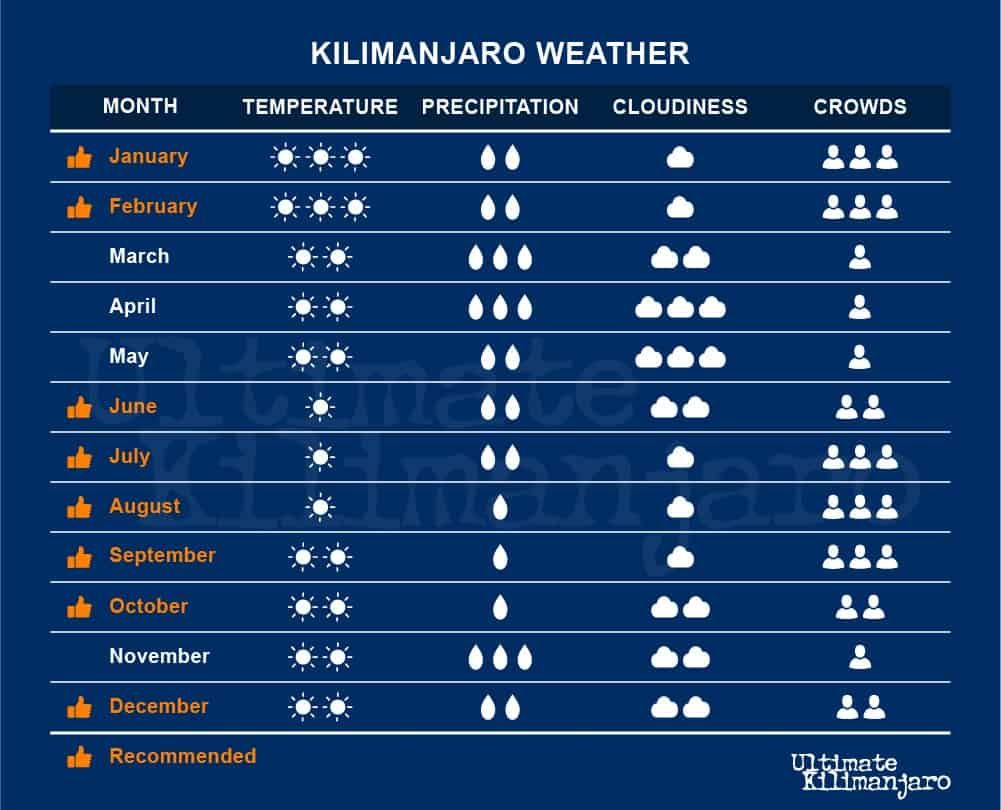
Planning your 2026 Tanzania safari might be more strategic than you think. The timing of your adventure can greatly influence the experience, whether it’s witnessing the grandeur of the Great Migration or enjoying tranquil moments in lesser-known reserves. Knowing the best months for ideal wildlife sightings and optimal weather conditions can make all the difference.
Throughout the year, Tanzania offers diverse safari experiences driven by seasonal changes. Traditionally, the dry months from June to October are renowned for their spectacular game viewing, especially in the Serengeti and Ngorongoro Crater. Conversely, the “green season” from November to May provides lush landscapes, lower rates, and an abundance of migratory birds, creating unique photo opportunities.
The best time to reserve your 2026
Tanzania safari varies by season. For peak wildlife viewing, book during the dry season from June to October. Early reservations ensure ideal accommodations and experiences. The green season, November to May, offers lush landscapes and fewer crowds at discounted rates. Advanced planning enhances every safari aspect.

Best Time to Reserve Your 2026 Tanzania Safari: A Seasonal Guide
Timing is crucial when planning a Tanzania safari to maximize your wildlife viewing experience. The dry season, from June to October, is highly recommended due to easier spotting of animals gathering around water sources. Safari travelers often enjoy cooler temperatures and fewer mosquitoes during this period. However, it’s essential to book early, as these months are peak season and accommodation fills up fast. Many visitors agree that planning ahead ensures the best lodgings and safari options.
On the other hand, the green season stretching from November to May presents a different yet equally captivating experience. The landscapes are lush and vibrant, offering spectacular views ideal for photography. According to this post, traveling during these months often means lower rates and fewer crowds. Bird watchers especially find this time rewarding, with migratory birds in abundance. The calving season in February is also perfect for witnessing new life in the Serengeti.
If you’re looking to avoid the crowds without compromising on wildlife sightings, consider the shoulder seasons. April and May, though wetter, can still provide excellent experiences without the high number of tourists. Here is the article that indicates the best offers during these months, making it a budget-friendly choice. Lodges often have special deals to attract visitors during the quieter months. Therefore, flexibility in your travel dates can result in significant savings and a more personal experience.
Regardless of when you plan to visit, advanced booking with Sia Yangu Safari guarantees the best experience. Our team provides tailored advice and updates on wildlife movements ensuring you get the most out of your trip. Early reservations also allow for better preparation and securing spots in popular campsites. For those interested, our expert guides share insights on seasonal highlights and must-see locations. Remember, a well-planned safari is key to an unforgettable adventure.
1. Optimal Wildlife Viewing Seasons
June to October is known as the optimal period for wildlife viewing in Tanzania. During this dry season, animals cluster around scarce water sources, making them easier to spot. The Serengeti, famous for the Great Migration, showcases massive herds of wildebeest and zebras. Ngorongoro Crater, another prime location, also offers a concentrated area of wildlife during these months. It’s a photographer’s dream with clear skies and stunning landscapes.
Another excellent window is January to March when the Great Migration moves into the Southern Serengeti. This period is also the calving season, a magical time to witness new births. Predator activity spikes, offering rare glimpses of lions, cheetahs, and hyenas in action. According to experts, this time is favored by those looking to see the cycle of life in the wild. Unlike the peak dry season, fewer tourists venture out during these months.
For bird enthusiasts, the green season from November to May can’t be missed. This wet season brings in migratory birds from Europe and Asia, making it ideal for bird watching. The countryside turns lush green, creating a beautiful backdrop for any safari adventure. Many rare species are easier to spot against the vibrant flora. It’s a different kind of experience that bird lovers truly appreciate.
If you’re flexible with travel dates and looking to avoid crowds, consider the shoulder seasons: April and May. While these months are wetter, they still offer good wildlife viewing opportunities with fewer tourists. Many lodges and camps offer special discounts during this period, making it budget-friendly. The scenery is breathtakingly green, perfect for photography enthusiasts. Early planning can save money and ensure a more intimate safari experience.
2. Weather Considerations and Travel Comfort
Understanding the weather is vital for a comfortable safari experience. Tanzania’s climate varies across the country, with distinct wet and dry seasons. The dry season from June to October boasts clear skies and cooler temperatures. It’s the best time for uninterrupted wildlife viewing and outdoor activities. The evenings can get quite chilly, so packing layers is recommended.
Conversely, the wet season from November to May brings lush landscapes and occasional downpours. The rain revitalizes vegetation, making the scenery exceptionally beautiful. However, heavy rains can lead to muddy trails and difficult driving conditions. Many tourists prefer to avoid this season due to the potential inconvenience. But, this period is also quieter with fewer crowds, which some find appealing.
- Dry Season (June-October): Ideal for game viewing, cooler temperatures.
- Wet Season (November-May): Lush landscapes, potential for heavy rains.
- Shoulder Seasons (April, May): Fewer tourists, special discounts.
Climate varies in different regions, affecting travel plans significantly. Coastal areas, including Zanzibar, experience higher humidity and warmer temperatures year-round. Inland safari regions like the Serengeti have more moderate temperatures. Watching the weather reports for your specific destination can help in packing and preparing. Flexibility in your plans can also accommodate unexpected weather changes.
Why Early Planning Enhances the Safari Experience
Early planning of your safari trip can significantly enhance the overall experience. Securing accommodations months in advance ensures you have the best options available. This is especially important during peak seasons when lodges get fully booked quickly. According to many travel experts, booking ahead allows for more flexible itineraries. Customized safaris tailored to your interests often require advance preparation.
Another advantage of early planning is cost savings. Airlines and lodges frequently offer early bird discounts for bookings made several months ahead. This can make a high-quality safari more affordable. Additionally, availability in luxury lodges or exclusive camps increases with early booking. Knowing your schedule well in advance also allows for better budgeting.
One of the greatest benefits of planning ahead is the peace of mind it offers. With all logistics sorted, you can focus on enjoying your adventure. There’s no last-minute scrambling to find accommodations or flights. This allows you to immerse yourself fully in the experience. Coordinating special activities like hot air balloon rides or guided walking safaris also becomes easier.
Early planning also means more informed choices regarding the best time to visit. Researching and consulting with experts like Sia Yangu Safari can help determine the ideal season for your interests. Whether it’s witnessing the Great Migration or bird watching, timing can be crucial. This ensures you visit during periods of peak wildlife activity. It also helps in avoiding unfavorable weather conditions.
- Accommodations: Better availability, flexibility
- Cost Savings: Early bird discounts, affordable luxury
- Peace of Mind: No last-minute hassles, full immersion
- Informed Choices: Best timing, expert advice
In summary, early planning sets a strong foundation for a memorable and stress-free safari. By booking in advance, you gain more control over your itinerary. From securing the best accommodations to ensuring you visit at the optimal time, early planning offers numerous benefits. Don’t wait until the last minute; start planning your 2026 Tanzania safari today. This proactive approach guarantees an enhanced and enjoyable experience for all.
In the heart of East Africa, Tanzania isn’t just a hub for the majestic wildlife of Serengeti, but also a linguistic treasure trove with over 120 distinct languages. While Swahili serves as the unifying national language, the country’s linguistic tapestry is enriched by diverse indigenous tongues. This linguistic diversity not only reflects Tanzania’s rich cultural heritage but also plays a crucial role in fostering communal identities.
Among these, languages such as Chaga, spoken by the Chaga people of Kilimanjaro, and Haya, prevalent in the Kagera Region, stand out for their historical significance. The Sukuma language, used by the Sukuma tribe, is another noted example, adding depth to Tanzania’s cultural mosaic. Recent statistics suggest that indigenous languages account for approximately 40% of Tanzania’s linguistic communication, hinting at the vibrant and culturally embedded nature of local dialects.
Exploring the Linguistic Diversity of Tanzania Beyond Swahili
Tanzania is not only known for Swahili but also boasts a rich linguistic tapestry of over 120 local languages. These languages are primarily spoken by various ethnic groups, with each group having its unique traditions and culture. Languages such as Sukuma, Chaga, and Nyamwezi are just a few examples of the diversity present. The Chaga language is spoken by the Chaga people who reside near the slopes of Mount Kilimanjaro. This rich linguistic diversity enhances Tanzania’s cultural richness.
The presence of so many languages in Tanzania highlights the country’s unique cultural identity. In many rural areas, indigenous languages remain crucial for daily communication. Local languages help maintain cultural practices and traditions, passed down through generations. They play a pivotal role in storytelling and preserving history. Even though Swahili and English dominate in official settings, these local languages thrive in communities.
Educators in Tanzania recognize the importance of this linguistic variety. Many schools in regions with significant indigenous language speakers offer lessons in local languages. This helps boost engagement and understanding among students. Moreover, studying in one’s mother tongue can lead to better education outcomes. It enhances learning and keeps students connected to their roots.
As globalization continues, Tanzania works to preserve these indigenous languages. Increasing awareness and cultural initiatives are being implemented to protect these valuable tongues. Radio programs and community events often feature local languages, promoting their use. The goal is to ensure that Tanzania’s rich linguistic diversity remains vibrant for future generations. This effort ties the past with the present, ensuring a dynamic future.
Key Indigenous Languages and Their Cultural Significance
Indigenous languages in Tanzania play a vital role in preserving the nation’s culture and identity. These languages capture the essence of traditions, beliefs, and heritage. The Sukuma language, for example, is not just a means of communication but also a gateway to understanding the Sukuma tribe’s unique practices. Storytelling in Sukuma passes down wisdom through generations. This keeps the community’s history alive and relevant.
Another significant language is the Chaga, spoken by those residing around Mount Kilimanjaro. It holds a key to ancient traditions and rituals unique to the Chaga people. Cultural festivals and local ceremonies often feature songs and dances performed in Chaga. This showcases the vivid tapestry of their cultural expressions. Through language, such traditions can thrive and be celebrated.
The Nyamwezi language also adds to the cultural mosaic of Tanzania. Embedded in the Tabora Region, it remains a medium for folk tales and songs that teach values and history. Festivals and gatherings rely on this language to unite people, allowing them to share experiences and strengthen bonds. Speaking Nyamwezi is thus a form of cultural expression and pride.
These indigenous languages offer more than just communication; they link the past with the present. While Swahili and English are widespread, local languages maintain their influence. Efforts to document and promote these languages help keep them alive. This appreciation ensures cultural continuity and lets people remain connected to their roots. Through these efforts, the rich cultural heritage of Tanzania continues to flourish.
Regional Languages and Their Impact on Local Communication
Regional languages in Tanzania influence local interaction and assist in maintaining identity. They are especially vital in rural communities where Swahili and English might not be as dominant. For instance, the Haya language is indispensable in the Kagera region near Lake Victoria. It maintains the culture and promotes effective communication within the community. It’s important for daily activities and social events.
These regional languages also play a role in education and governance. In regions where these languages are spoken, they are incorporated into local schools. This bilingual approach helps students learn and understand better. Local government meetings are sometimes held in regional languages too. This ensures everyone can participate and understand the issues at hand.
Furthermore, regional languages foster community bonds. When people communicate in their native language, there is a deeper sense of unity and belonging. Shared language strengthens relationships and builds trust among community members. It also supports cooperation in community activities. This is vital for collaboration and progress.
Efforts to preserve these regional languages are ongoing. Community projects and linguistic studies aim to document and promote their use. Radio broadcasts and educational programs in regional languages help keep them alive. These initiatives not only preserve the languages but also enrich Tanzania’s heritage. As a result, the linguistic landscape remains as diverse as ever.
The Role of Foreign Languages in Tanzanian Society
Foreign languages have a significant presence in Tanzanian society, especially in education and business. English holds a crucial role as it is often used in schools and universities for instruction. This opens doors for students to access global information and ideas. It also helps them participate in international conversations. Mastering English can lead to better job opportunities and economic growth for individuals.
Chinese has become increasingly popular due to Tanzania’s growing economic ties with China. Learning Chinese offers students and professionals unique opportunities in sectors like trade and tourism. Many schools and universities now offer Chinese language courses. This helps Tanzanians connect better with Chinese-speaking communities and businesses. Collaboration becomes smoother when language barriers are reduced.
Arabic is also important for religious and cultural reasons. Tanzania has historical ties to the Arab world, and Arabic is used in religious practices, particularly in Islam. It enhances the cultural and spiritual life of many Tanzanians, especially in regions like Zanzibar. Lessons in Arabic provide deeper insights into religious texts and practices. This strengthens religious bonds and understanding.
French is another foreign language that is gradually gaining ground in Tanzania. This is primarily due to the country’s proximity to several French-speaking nations in Africa. French language skills can facilitate cross-border trade and relationships. It increases Tanzania’s integration with neighboring Francophone countries. Learning French prepares Tanzanians for expanded participation in regional associations.
These foreign languages enrich Tanzania’s diverse linguistic landscape. They also provide valuable tools for global interaction and understanding. Learning foreign languages opens up new possibilities for Tanzanians. It helps in building connections and accessing different cultures and markets. In today’s globalized world, the importance of speaking foreign languages cannot be overstated.
Key Takeaways
- Indigenous languages preserve Tanzania’s diverse cultural heritage and traditions.
- Regional languages enhance local communication and community bonding.
- Foreign languages like English and Chinese open up global opportunities.
- Arabic plays a significant role in religious practices in Tanzania.
- French fosters better relations with neighboring Francophone countries.
Conclusion
Tanzania’s linguistic diversity is a reflection of its rich cultural heritage. From indigenous languages that bind communities to foreign languages that open up global avenues, each tongue plays a vital role. Emphasizing and preserving this diversity ensures the continuity of cultural practices and communal bonds.
The interplay of local and global languages in Tanzania showcases the nation’s dynamic identity. Whether for education, business, or cultural reasons, these languages enrich Tanzanian society. As Tanzania navigates its future, its commitment to linguistic diversity remains a cornerstone of its vibrant cultural landscape.
Picture yourself gazing across the vast Serengeti, catching sight of lions, elephants, rhinoceros, leopards, and Cape buffalos – collectively known as the ‘Big Five’. This term, originally coined by big game hunters, now signifies the most sought-after wildlife for safari enthusiasts. Tanzania offers an unparalleled opportunity to witness these majestic creatures in their natural habitat.
The appeal of a Big Five safari in Tanzania is rooted in its rich history and conservation efforts. With nearly 40% of its land dedicated to protected areas, Tanzania has become a haven for endangered species. Each year, thousands of wildlife experts and enthusiasts flock to destinations like Ngorongoro Crater and the Serengeti National Park, highlighting the nation’s commitment to wildlife preservation.
Tanzania offers exceptional opportunities to witness the Big Five—lions, elephants, rhinos, leopards, and buffalos—in their natural habitats. Key locations include Serengeti National Park and Ngorongoro Crater. Efforts in conservation have greatly contributed to sustaining these species, making Tanzania a prime destination for wildlife enthusiasts seeking unforgettable safari experiences.
 Source: tarangirenationalparks.com
Exploring the Big Five Safari in Tanzania
In Tanzania, the Big Five safari offers a thrilling adventure for wildlife enthusiasts. The term “Big Five” was first used by hunters who considered these creatures the most challenging to track and hunt. But now, it’s all about capturing their beauty with a camera. Imagine watching a lion pride laze under the sun or seeing an elephant parade through the plains. These experiences create unforgettable memories, drawing many to Tanzania yearly.
Viewing the Big Five in their natural habitat is a unique experience. Serengeti National Park and Ngorongoro Crater are two prime locations where you can spot these magnificent animals. Apart from the Big Five, many other rare species add excitement to the safari. According to this post, you might also encounter animals like the African wild dog. Witnessing the diversity of wildlife in these areas is truly awe-inspiring.
The timing of your visit can enhance your safari experience. The dry season, from June to October, is ideal for spotting wildlife and offers delightful weather conditions. During these months, animals gather around water sources, making it easier to find the Big Five. In contrast, the wetter months might bring challenges, yet they provide a lush landscape perfect for photography. Choices depend on what visitors wish to focus on during their trip.
Planning your Big Five safari in Tanzania requires careful thought. From selecting the right time to travel to choosing reputable tour operators, several factors must be considered. According to the article here, Tanzania safaris offer unparalleled experiences for global travelers. Preparing in advance ensures a safe and unforgettable journey. With the right planning, adventurers can witness the wonders of Tanzanian wildlife.
Importance of the Big Five: Lions, Elephants, Rhinos, Leopards, and Buffalo
The Big Five are not just a collection of impressive animals; they represent the heart of African wildlife. Lions, with their regal presence, symbolize strength and courage. Elephants, known for their intelligence, play a vital role in maintaining the ecological balance of their habitats. Each animal has a unique role, showcasing the incredible diversity of life in Tanzania’s national parks. Their presence also draws countless tourists, boosting the local economy.
Conservation efforts focus heavily on these five species due to their importance and vulnerability. Rhinos, for example, are critically endangered due to poaching threats. Similarly, leopards face habitat loss but adapt well to various environments. By protecting these animals, conservationists aim to preserve entire ecosystems. This approach helps shield numerous other, lesser-known species as well.
Lions, elephants, and buffalo have a more visible impact on their habitats due to their size and behavior. For instance, elephants shape landscapes by uprooting trees, creating space for other plants and animals. Lions and buffalo influence prey and predator dynamics, ensuring the environment remains balanced. The interaction within these species creates a self-sustaining ecosystem. It’s a delicate dance of survival and coexistence.
Safaris provide more than adventure; they also educate visitors about wildlife and conservation. Witnessing the Big Five in their natural setting inspires a deeper connection to nature. Such experiences encourage support for wildlife protection initiatives. By sharing stories and spreading awareness, travelers become advocates for wildlife conservation. Thus, the Big Five are pivotal not only in tourism but in fostering global conservation efforts.
Best Times to Visit Tanzania for a Safari
Choosing the right time to visit Tanzania can make your safari experience exceptional. The dry season from June to October is widely regarded as the best time for wildlife viewing. During this period, animals gather around waterholes, making them easier to spot. The Great Migration, a spectacular event involving millions of wildebeest and zebras, also takes place. This season offers not only great weather but also incredible wildlife spectacles.
However, the wet season from November to May has its own charm. It’s a time when the landscape transforms into lush green hues, creating stunning photography opportunities. Birdwatchers will be delighted as migratory birds flock to the region. Additionally, fewer tourists mean a more serene experience and better prices on accommodations. This makes the wet season ideal for those seeking a quieter safari.
Here’s a brief overview of the different seasons:
| Season | Months | Highlights |
|---|
| Dry Season | June – October | Great Migration, wildlife visibility, pleasant weather |
| Wet Season | November – May | Lush landscapes, birdwatching, fewer tourists |
Ultimately, the best time to visit depends on your preferences and what you wish to experience. If seeing large herds of animals and enjoying dry, sunny weather is a priority, the dry season is perfect. On the other hand, if you prefer a more peaceful trip with vibrant scenery, consider the wet season. Regardless of the time you choose, a Tanzanian safari provides breathtaking encounters with nature.
Key National Parks for Big Five Sightings
Tanzania is home to several national parks renowned for their Big Five sightings. Serengeti National Park is perhaps the most famous, known for its expansive savanna and diverse wildlife. Visitors can witness the Great Migration here, where millions of animals travel in search of fresh grazing grounds. This park offers prime opportunities to see lions and elephants, among other wildlife. It’s a must-visit for any safari enthusiast.
Another top destination is Ngorongoro Crater, often called the “Garden of Eden” of Africa. This vast caldera is home to around 25,000 animals, including the elusive black rhino. The crater’s unique geography creates a natural enclosure, making it easier to spot the Big Five. Apart from the iconic animals, you’ll also see flamingos painting the lake shores pink. This site provides a unique, breathtaking experience.
Tarangire National Park, though lesser-known, offers incredible Big Five viewing opportunities. Especially famous for its large elephant herds, Tarangire is also home to lions, leopards, and buffalo. The park’s diverse landscape features river valleys and baobab trees, making it scenic and rich in wildlife. Birdwatchers will also find over 550 bird species to enjoy. It’s a hidden gem worth exploring.
Selous Game Reserve, one of the largest faunal reserves of the world, is another key site. It covers over 50,000 square kilometers and boasts a high population of elephants and buffalo. The Rufiji River flows through the park, attracting a variety of animals to its banks. Boat safaris here offer a unique perspective on wildlife. For those wanting to escape the crowds, Selous offers a more tranquil safari experience.
Ruaha National Park is Tanzania’s largest national park and a great spot for Big Five sightings. The park’s rugged beauty and remote location make it less crowded but no less rewarding. Lions, leopards, and elephants are common sights here. Additionally, the park is known for its rugged landscapes and the Great Ruaha River. It’s ideal for those seeking an off-the-beaten-path adventure.
Conservation Efforts and Their Impact on Wildlife
Tanzania has made significant strides in conserving its remarkable wildlife through various efforts. Conservation initiatives are crucial for protecting endangered species like the black rhino and maintaining biodiversity. Government agencies and non-profits work together to create protected areas and combat poaching. These efforts not only help the animals but also ensure a sustainable future for Tanzania’s tourism industry. This cooperative approach has shown promising results in several regions.
Anti-poaching measures play a vital role in safeguarding Tanzania’s wildlife. Authorities have strengthened laws and increased patrols in national parks and game reserves. Technology like drones and GPS tracking is also used to monitor animal movements and deter illegal hunting. These efforts help protect the Big Five and other vulnerable species. Stricter penalties have been enforced to discourage poaching activities.
Community involvement is another key factor in successful conservation. Many projects focus on educating local communities about the importance of wildlife conservation. Offering alternative sources of income, such as eco-tourism or sustainable agriculture, helps reduce human-wildlife conflict. When communities benefit from conservation, they become active participants in protecting wildlife. This collaborative effort strengthens conservation outcomes for Tanzania’s diverse ecosystems.
Reforestation and habitat restoration initiatives help preserve natural habitats. Programs work to restore deforested areas, promote land conservation, and improve water management. By reviving these ecosystems, these projects ensure animals have the environment they need to thrive. Indigenous plants are often reintroduced to support native wildlife. These efforts are crucial for maintaining ecological balance.
Collaborative international partnerships enhance Tanzania’s conservation capabilities. Several global organizations offer financial and technical support for local projects. These collaborations extend knowledge and resources, boosting the overall impact of conservation strategies. By working hand in hand, countries can address common challenges and share successful approaches. This global network enriches Tanzania’s ability to safeguard its wildlife heritage.
Tips for a Successful Big Five Safari Experience
Embarking on a Big Five safari requires some preparation to make the most of the adventure. First, choosing the right time to visit is crucial for sightings. The dry season, from June to October, offers the best opportunities to spot animals near water sources. Planning a trip during this period increases the chances of seeing the Big Five in action. Plus, the weather is comfortable, making it an excellent time for photography.
Proper packing can greatly enhance your safari experience. Lightweight, neutral-colored clothing is essential to avoid standing out in the bush. In addition, bring binoculars and a camera with extra batteries to capture unforgettable moments. Comfortable shoes and a hat will protect you during game drives. Don’t forget to pack sunscreen and insect repellent to stay protected from the elements.
Hiring a knowledgeable guide is a valuable investment. An experienced guide can provide insights and stories about the wildlife and their habitats. They know the best locations for sightings and can answer questions about the animals and the environment. Guides also follow park regulations, ensuring a safe and respectful interaction with wildlife. Their expertise enhances the overall safari experience.
Adhering to safari etiquette ensures a positive experience for everyone. Keep noise levels low to avoid startling animals and respect the space between vehicles and wildlife. It’s important to follow the guide’s instructions and not attempt to feed or interact with the animals. Sticking to designated areas helps protect the natural habitat. By being considerate, visitors contribute to the conservation of these valuable ecosystems.
Being patient and flexible can lead to some of the best safari experiences. Wildlife is unpredictable, so it’s important to approach the safari with an open mind. Sometimes, unexpected animal encounters make the trip even more memorable. Take time to appreciate the scenery and smaller creatures you might encounter. Enjoying the journey enriches every aspect of the adventure.
 Source: focuseastafricatours.com
Frequently Asked Questions
Exploring Tanzania’s Big Five involves witnessing magnificent creatures in vast natural landscapes. Below are some common queries to enhance your safari experience.
1. What is the best time to see the Big Five in Tanzania?
The ideal time to see the Big Five in Tanzania is during the dry season, from June to October. During these months, water sources are scarce, leading animals to congregate around rivers and waterholes, making them easier to spot.
This period coincides with the Great Migration in the Serengeti, offering even more amazing wildlife viewing. The weather is also pleasant, with minimal rainfall and comfortable temperatures, enhancing visitor experiences.
2. Which national parks in Tanzania are best for spotting the Big Five?
The Serengeti National Park and Ngorongoro Crater are premier locations for seeing the Big Five in Tanzania. The Serengeti is known for its expansive plains and the annual wildebeest migration, attracting numerous predators.
The Ngorongoro Crater offers a unique setting with its enclosed caldera, providing abundant wildlife sightings. Other notable locations include Tarangire and Selous Game Reserve, each boasting rich biodiversity.
3. How do conservation efforts in Tanzania impact Big Five populations?
Conservation efforts in Tanzania include anti-poaching measures, community engagement, and habitat protection, crucial for maintaining Big Five populations. These initiatives help ensure sustainable wildlife tourism and biodiversity preservation.
Through global partnerships and local community support, Tanzania has strengthened its conservation strategies. This contributes to healthier ecosystems and increased awareness about wildlife protection.
4. What should I pack for a Big Five safari in Tanzania?
Packing right can enhance your safari experience. Lightweight, neutral-colored clothing is recommended to blend with the surroundings. Essentials include a wide-brimmed hat, sunscreen, insect repellent, binoculars, and a camera with spare batteries.
Sturdy, comfortable shoes are a must for safari drives and any walking tours. Additionally, a reliable water bottle and a small first-aid kit are helpful for comfort and safety.
5. How do safari guides enhance the Big Five experience?
Safari guides play an essential role by providing expert knowledge about the wildlife and region. Their understanding of animal behavior boosts chances of meaningful sightings, and they ensure the safety of visitors.
With trained eyes and ears, these guides can greatly enrich the experience by sharing captivating stories and facts. Moreover, they follow park rules, promoting ethical interactions with wildlife.
Have you ever considered that almost 35,000 climbers attempt to summit Kilimanjaro each year, but not all of them are prepared? Ascending to 19,341 feet, Mount Kilimanjaro is not just about conquering a peak but facing a challenge that demands respect. Tales of unprepared adventurers struggling against altitude sickness serve as a reminder of the mountain’s demands.
Climbing Kilimanjaro isn’t technically difficult, but physical fitness and mental preparation are crucial. Originating from the majestic East African landscape, Kilimanjaro presents its own unique set of challenges. A fitness regime focusing on endurance and strength can significantly increase the chance of a successful ascent. Embracing a planned training schedule isn’t just a suggestion—it’s a necessity for those hoping to join the 60% who reach the summit.
Training is essential to
climb Kilimanjaro, as it involves long hikes, steep ascents, and high altitudes. Physical preparation through cardio and strength exercises increases stamina and reduces injury risk. Mental resilience is equally important to tackle the mountain’s challenges effectively and improve your chances of a successful summit expedition.

Do I need training to climb Kilimanjaro?
Climbing Kilimanjaro is a challenging feat, and being in good shape is essential. The trek involves long walks, steep climbs, and high altitudes. Without proper training, the climb can be strenuous and even dangerous. Physical preparation helps your body handle the hike better. Training also lowers the risk of injuries and increases your chances of reaching the summit.
Mental preparation is equally important. Climbing Kilimanjaro requires determination and a positive mindset. Training provides the opportunity to build mental toughness. Being mentally strong helps in dealing with unexpected challenges. Staying motivated and focused are key to your success.
When planning your training, it’s essential to focus on specific exercises. Cardiovascular workouts like running or cycling are beneficial. Strength training, including leg workouts, should also be part of your routine. Flexibility exercises like yoga can improve your balance. Consistency in these activities prepares you for the physical demands.
Training for Kilimanjaro should ideally start several months before the climb. Gradually increasing the intensity of your workouts will help. Joining a hiking group can make the experience enjoyable and provide support.
- Cardio exercises: running, cycling
- Strength training: squats, lunges
- Flexibility training: yoga, stretching
Considering these points, your preparation will become thorough and efficient.
The Importance of Physical Fitness when Scaling Kilimanjaro
Physical fitness plays a critical role in climbing Kilimanjaro. The journey is demanding, with trekkers needing to walk approximately 5 to 7 hours each day. Strong legs and good endurance can make the trek more manageable. Without proper fitness, the risk of fatigue and injury increases. Preparing your body helps you enjoy the climb more and focus on the stunning views.
The mountain’s high altitude poses another challenge for climbers. As you ascend, the air gets thinner, making breathing more difficult. A fit body adjusts better to these changes. Aerobic training boosts your ability to adapt to high altitudes. This training helps keep altitude sickness at bay.
Developing a fitness plan tailored for the climb is beneficial. Combining cardiovascular and strength exercises ensures a well-rounded preparation. Cardio activities, such as hiking and swimming, improve lung capacity. Strength exercises, like squats and lunges, build muscle. A balanced approach supports a smoother climbing experience.
Engaging in regular exercise is useful even if you plan to hire porters. Porters carry equipment, but climbers must manage themselves.
- Cardio Prep: Running, hiking
- Strength Work: Weightlifting, squats
- Flex Training: Yoga, Pilates
Staying active is essential. It ensures you enjoy and complete the climb safely.
The Role of Mental Preparation in Climbing Kilimanjaro
Mental preparation is as crucial as physical readiness when climbing Kilimanjaro. The trek tests endurance, requiring a strong mental attitude. Climbers face shifting weather, steep paths, and long days. With mental resilience, these challenges become easier to tackle. Focusing on the goal helps maintain energy and stay positive.
Visualizing success is a powerful technique. Imagining reaching the summit boosts confidence and determination. Creating a mental picture of overcoming tough spots enhances motivation. Practicing mindfulness also strengthens focus. This practice calms the mind and reduces anxiety.
Discomfort and fatigue can distract climbers. A mental plan prepares for these tough moments. Keeping an optimistic outlook during hard times can make a big difference. Believing in your ability encourages perseverance. Remember, a positive attitude inspires others too.
Developing a few strategies can help mentally prepare for the climb.
- Set clear goals: Know your purpose
- Develop coping mechanisms: Breathing exercises, breaks
- Stay flexible: Adjust to unexpected hurdles
With these techniques, the climb becomes a more enriching experience. Mental strength ensures climbers enjoy and remember this adventure positively.
Training Plans to Successfully Summit Kilimanjaro
Preparing to climb Kilimanjaro involves more than just packing a backpack. A well-rounded training plan is key to conquering this mountain. Start your fitness journey months before the climb to give your body time to adjust. Mixing cardio, strength training, and flexibility exercises provides the best preparation. Remember, the aim is to build endurance and overall fitness.
Cardiovascular exercises strengthen your heart and lungs, crucial for high-altitude trekking. Activities like jogging and cycling are excellent choices. Aim for at least 30 minutes of cardio, 3 to 4 times a week. As you progress, mix in some hill climbing to mimic the mountain’s terrain. Gradually increase your intensity to improve stamina.
Incorporate strength training to enhance muscle power. Focus on leg exercises, like squats and lunges, as they support weight bearing during the climb. Weekly sessions with light weights and bodyweight exercises can improve muscle tone. Don’t forget your core—strong abs and back muscles help with balance. Consistency in your routine is essential for building strength.
A well-balanced training plan should include flexibility exercises. Flexibility aids in preventing injuries on unpredictable paths. Yoga and stretching enhance muscle elasticity and balance. Practice for about 15 minutes after each workout session. Increased flexibility can make your climb smoother and reduce muscle soreness.
A sample weekly training plan can look like this:
| Day | Activity |
|---|
| Monday | 30-minute run |
| Tuesday | Strength training: legs and core |
| Wednesday | Rest or gentle yoga |
| Thursday | Hiking or hill climb |
| Friday | Strength training: upper body |
| Saturday | Long walk or cycling |
| Sunday | Rest and flexibility exercises |
This plan offers variety, ensuring you’re both fit and ready for the journey ahead.
Frequently Asked Questions
Climbing Kilimanjaro is a challenging and rewarding experience. Here, we address some common questions to help you prepare for the expedition.
1. What is the best time of year to climb Kilimanjaro?
The best times to climb Kilimanjaro are during the dry seasons: January to March and June to October. These periods offer the most stable weather conditions, making the climb safer and more enjoyable.
The weather is generally clear, providing stunning views and reducing the risk of rain. However, these seasons are also the busiest, so be prepared for crowded trails.
2. How long does it take to climb Kilimanjaro?
Climbing Kilimanjaro typically takes between 5 to 9 days, depending on the route and pace. Longer treks allow for better acclimatization, increasing your chances of reaching the summit.
Popular routes like the Machame and Lemosho offer a good balance between duration and success rate. Rushing the climb can cause altitude sickness, so it’s best to take your time.
3. What should I pack for the Kilimanjaro climb?
Packing the right gear is crucial for a successful Kilimanjaro climb. Essential items include layered clothing, a warm sleeping bag, and sturdy hiking boots. Don’t forget a headlamp, hydration system, and a good quality backpack.
Other important items are sun protection, first aid supplies, and energy snacks. Ensure you have everything to stay comfortable and safe during the trek.
4. Is altitude sickness common on Kilimanjaro?
Yes, altitude sickness is common on Kilimanjaro due to the high elevations. Symptoms can include headaches, nausea, and dizziness. Taking time to acclimatize and staying hydrated helps mitigate these effects.
A slow ascent and the use of Diamox medication can also reduce the risk. Always listen to your body and inform your guide if you feel unwell.
5. Do I need a guide to climb Kilimanjaro?
Yes, a guide is required to climb Kilimanjaro. National park regulations mandate that all climbers be accompanied by a licensed guide and support crew. Guides ensure your safety, navigate the routes, and assist with equipment.
They also provide valuable knowledge about the terrain and help monitor your health throughout the trek. Hiring a guide improves your overall experience and increases your chances of reaching the summit.
Conclusion
Climbing Kilimanjaro is a remarkable achievement that requires careful planning and preparation. Physical and mental training plays a crucial role in your success on this iconic mountain. By understanding the demands and challenges, you can gear up to tackle the adventure with confidence.
With the right strategy, including physical fitness, mental readiness, and proper guidance, reaching the summit becomes a rewarding reality. This journey is more than just a hike; it’s a transformative experience that challenges your limits. Embrace the challenge, and let each step bring you closer to realizing your dreams.
As travelers eye paradise-like Zanzibar, many are taken aback by the dual personality of its climate. With shimmering turquoise waters and powdery white sand, the island seems inviting all year. Yet, the choice of when to visit intertwines with an intricate dance of winds, rains, and sun-drenched serenity.
Typically, the ideal window is from June to October when the northeast monsoon brings delightful conditions. Historically, this period sees lower precipitation, allowing for uninterrupted exploration of its spice farms and historic Stone Town. Notably, tourism statistics reveal a peak during these months, reassuring visitors of optimal conditions for both relaxation and adventure.

What’s the best time to visit Zanzibar?
Deciding when to visit Zanzibar can make your holiday even more enjoyable. The island has two main seasons, blending long sunny days and periods of rainfall. From June to October, the weather is perfect for outdoor adventures like exploring spice farms and strolling through historic Stone Town. The northeast monsoon brings cooler temperatures, which makes this period more comfortable for travelers. It’s no surprise this time is considered peak tourist season.
Another popular time to visit is during the short dry period from January to February. Tourists find this window inviting as the days are warm and delightful, perfect for beach relaxation. The clear blue skies offer beautiful backdrops for photographs and endless opportunities for water sports. Though days are warmer, this period still ensures a memorable vacation experience in Zanzibar.
Both the primary seasons have their unique appeal depending on what visitors seek. From November to March, the island experiences intermittent showers but these are often short-lived. Riskier weather can also mean fewer crowds and lower accommodation costs. For those not deterred by rain, it’s a prime time to enjoy the island’s lush landscapes. Moreover, accommodations often offer discounted rates during these months.
Zanzibar awaits with diverse experiences throughout the year. Whether it’s the calm of the dry season or the vibrant life of its wet period, you can find plenty to savor. Check various local festival and event dates, as they might coincide with your travel plans. Embrace the island’s dynamic atmosphere during your visit. Each season offers distinct flavors, ensuring a memorable journey.
Examining Zanzibar’s Dual Climate: The Dry and Wet Seasons
Zanzibar, with its enchanting beauty, experiences two main seasons: dry and wet. The dry season, stretching from June to October, is characterized by sunny skies and moderate temperatures. This period is ideal for beach activities, diving, and exploring the island’s rich history. Visitors will find the weather comfortable for outdoor adventures. It’s no wonder this time is popular among tourists.
From November to March, Zanzibar experiences its wet season. This period is marked by short, heavy rains that can occur at any time. Although it rains, showers are often brief and followed by clear skies. The wet season also brings lush, green landscapes, perfect for those who enjoy nature and tranquility. Surprisingly, this can be a more peaceful time to visit, with fewer crowds.
Moreover, the wet season includes two distinct periods: the long rains from March to May, and the short rains in November and December. The long rains bring more consistent precipitation, which might deter some travelers. However, this period offers the chance to see Zanzibar at its greenest and most vibrant. Additionally, the short rains are less intense and tourists can still enjoy many outdoor activities between showers.
Travelers should consider what they value most when planning their trip to Zanzibar. The dry season offers reliable weather for outdoor pursuits, while the wet season provides a quieter, lush environment. Regardless of when you visit, Zanzibar promises unforgettable experiences. Be sure to align your activities with the season for the best experience possible.
Factors to consider while planning your visit to Zanzibar
When planning a trip to Zanzibar, weather is an important consideration. The island’s climate directly influences the activities you can enjoy. For example, snorkeling and diving are best during the dry season when the waters are calm and clear. Additionally, timing your visit during local festivals can provide a unique cultural experience. Researching weather patterns helps align your interests with the best conditions.
Budget is another critical aspect. Traveling during the peak season, which is from June to October, can mean higher prices for accommodations. However, traveling in the shoulder season might offer more budget-friendly options. Accommodations, transport, and activities tend to be more affordable during less busy months. So, balance your budget with the experiences you desire.
Visa requirements and travel documentation are also essential to check. Depending on your nationality, you may require a visa to enter Tanzania, which includes Zanzibar. Ensure your passport is valid for at least six months from your entry date. Stay informed about any travel advisories or health requirements such as vaccinations. Planning these details in advance can save a lot of hassle.
Lastly, consider the cultural norms and traditions of Zanzibar. The island is predominantly Muslim, so respect local customs especially in dress and behavior, particularly during Ramadan. Learning a few Swahili phrases can help you connect with locals and enrich your travel experience. Understanding and respecting the culture enhances the overall enjoyment of your trip.
Activities and attractions to explore in Zanzibar throughout the year
Zanzibar, a tropical paradise, offers numerous activities and attractions no matter when you visit. One of the must-see places is Stone Town, a UNESCO World Heritage Site. Rich in history, its winding streets reveal ancient buildings, bustling markets, and stunning architecture. Exploring this cultural hub provides a deep dive into the island’s vibrant past. It’s a blend of trade history and cultural influences.
The island’s beautiful beaches are an attraction in themselves. From Nungwi Beach to Paje, each offers unique experiences like swimming, sunbathing, and beach sports. February and March bring prime conditions for kite surfing, especially in Paje. Clear waters and gentle winds create a perfect playground for this thrilling water sport. This makes Zanzibar a standout destination for adventure seekers.
Another captivating excursion is a spice tour. Learn how Zanzibar earned the nickname “Spice Island” as you wander through lush plantations. You can smell and taste exotic spices such as cloves, nutmeg, and cinnamon. These tours are entertaining and educational, revealing the island’s role in the global spice trade. It’s a sensory experience you won’t want to miss.
For marine enthusiasts, Mnemba Atoll offers exceptional snorkeling and diving. The coral reefs here are home to diverse marine life, including colorful fish, sea turtles, and dolphins. Generally, the dry season provides clearer water visibility but all year round can offer rewarding underwater sightings. These vibrant coral gardens make it a must-see for divers of all skill levels.
Consider visiting Jozani Forest for a touch of nature and wildlife. This lush forest is home to the rare red colobus monkey, only found in Zanzibar. Tours here often include guided walks through the forest, providing insights into the island’s unique flora and fauna. Exploring this mangrove environment highlights Zanzibar’s ecological diversity. It’s a great spot for nature lovers and photographers alike.
Key Takeaways
- Zanzibar’s Stone Town offers a peek into its rich history and culture.
- The island features incredible beaches for relaxing or adventurous water sports.
- Spice tours showcase the island’s past as the “Spice Island.”
- Mnemba Atoll provides excellent snorkeling and diving opportunities all year.
- Jozani Forest is perfect for encountering the rare red colobus monkey.
Conclusion
Visiting Zanzibar offers a delightful mix of experiences, whether you seek adventure, relaxation, or cultural enrichment. The island’s dual climate provides optimal times for specific activities, allowing you to tailor your trip. From exploring Stone Town’s historic charm to diving in Mnemba Atoll’s vibrant waters, there’s something for everyone. Zanzibar’s unique blend of natural beauty and rich traditions ensures an unforgettable journey.
Planning a visit requires considering factors like weather, budget, and cultural norms, each enhancing the travel experience. By aligning your interests with the island’s seasonal offerings, you maximize the enjoyment and depth of your visit. Zanzibar remains a stunning destination that captivates with its diverse attractions and warm hospitality. The allure of this island paradise continues to draw travelers seeking extraordinary adventures.