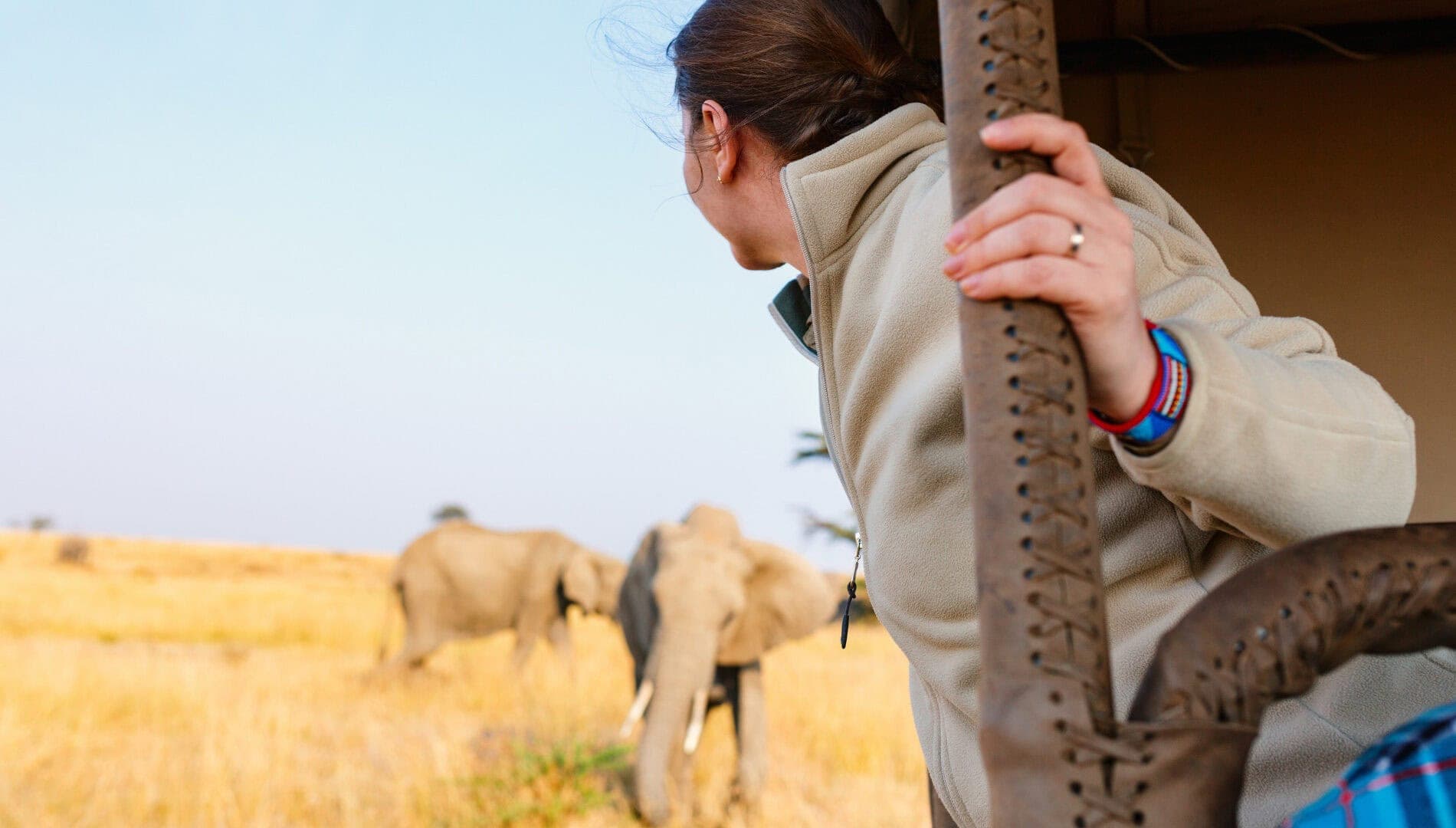
Climbing in March or October, known as the shoulder months, offers milder weather, fewer crowds, and often lower prices. These advantages provide a more peaceful and enjoyable experience for climbers, making it an optimal time to book your adventure with Sia Yangu Safari.

Benefits of Climbing in March and October with Sia Yangu Safari
March and October are ideal times to climb with Sia Yangu Safari. These months are known as the shoulder seasons. Shoulder months offer less crowded trails, providing a quieter and more peaceful experience. Climbers can enjoy the beauty of nature without the usual hustle and bustle. Additionally, it’s easier to spot wildlife when fewer people are around.
The weather during March and October is generally mild and more predictable. This makes it safer and more comfortable for climbers. You won’t have to deal with the extreme cold or heavy rains. Also, clear skies and moderate temperatures mean stunning views. Perfect conditions for memorable photographs.
Climbing with Sia Yangu Safari in these months may also offer better deals. Since there are fewer tourists, prices for trips may be lower. You can save money on permits, gear, and accommodations. It’s a great way to experience an adventure without breaking the bank. More affordable options mean more opportunities for exploration.
Lastly, the shoulder months allow for unique cultural experiences. Festivals and local events are more easily accessible. Interacting with locals during less tourist-heavy periods can be more meaningful. You’ll have a chance to learn about customs and traditions. It’s an enriching addition to the physical adventure of climbing.
Advantages of Off-Peak Season Climbs
Off-peak season climbs come with several benefits that enhance your experience. One of the primary advantages is less crowded trails. With fewer people around, you can enjoy a serene and peaceful journey. The tranquility allows for deeper connections with nature. Spotting wildlife becomes easier without noisy distractions.
The lower foot traffic during off-peak times reduces environmental impact. Trails and ecosystems suffer less wear and tear. This contributes to the preservation of natural habitats for future generations. Moreover, fewer climbers mean more opportunities to observe unique flora and fauna. It’s a win-win for nature lovers.
Off-peak climbs can often be more budget-friendly. As demand drops, prices for permits, gear rentals, and accommodations tend to decrease. This can save you a significant amount of money. Travel companies may offer special discounts during these months. Finding deals is much simpler and helps stretch your budget.
Finally, climbing during off-peak seasons provides a different cultural experience. Local communities are less overwhelmed by tourists. This means you can have richer interactions and learn more about the local culture. Engaging with locals during quieter times can be more rewarding. It adds a unique dimension to your adventure.
Planning Your March or October Climbing Trip
Planning a climbing trip in March or October with Sia Yangu Safari involves several steps. First, research the weather conditions for these months. Understand the typical climate and pack accordingly. Also, check trail conditions and any potential closures. This helps ensure a safe and prepared adventure.
Next, book your accommodations early to secure the best options. Consider staying in local lodges or campsites for an immersive experience. Early booking can often yield better deals and availability. This is especially true during popular climbing seasons. Having a place to stay sorted ahead of time reduces stress.
Make sure to prepare your gear checklist. Essential items include proper clothing, climbing equipment, and enough food supplies. Take into account the weather predictions and pack accordingly. Double-check your list to avoid forgetting critical items. Being over-prepared is better than facing unexpected issues during your climb.
Finally, set up a fitness routine to get in shape for the climb. Climbing can be physically demanding, and good preparation is important. Engage in exercises that build stamina, strength, and flexibility. Activities like hiking, running, and yoga are great options. Being physically prepared enhances your climbing experience.
ROCK The Shoulders
- Understand and respect their cultural traditions.
- Learn basic communication etiquette, including non-verbal cues.
- Participate in traditional activities with genuine interest.
- Avoid disrupting their natural environment.
- Support sustainable tourism through ethical providers like Sia Yangu Safari.

How to Respectfully Interact with the Hadzabe Hunter-Gatherers
When visiting the Hadzabe hunter-gatherers, it’s crucial to be aware of and respect their cultural traditions. Understanding the importance of cultural sensitivity will guide your interactions. Learn about their customs, dress codes, and rituals before your visit. This preparation ensures you approach them with genuine respect. Remember, what might seem normal to you might be entirely different for them.
You might not speak their language, but learning a few basic phrases can go a long way. It shows effort and respect for their culture. According to this post, you can engage in non-verbal communication like hand signals or simple gestures to bridge the gap. Engaging with them in their traditional activities, like hunting or gathering, also helps in building rapport. Be patient and open-minded during these interactions.
Respecting the environment the Hadzabe live in is equally important. Do not disrupt their natural habitat by littering or making unnecessary changes. Their way of life is deeply connected to the land and its resources. According to the article, respecting their environment shows that you value their relationship with nature. Sustainable practices ensure that your visit doesn’t negatively impact their lifestyle.
Supporting sustainable tourism through Sia Yangu Safari is a great way to ensure your visit benefits the Hadzabe community. Sustainable tourism practices help in preserving their culture and environment. Ensure that your actions contribute positively to their community and well-being. Sia Yangu Safari promotes ethical visits, allowing you to enjoy the experience while respecting their rich cultural heritage. Visit responsibly and create meaningful memories.
Step #1: Understand the Importance of Cultural Sensitivity
Cultural sensitivity means recognizing and respecting the differences in people’s values, traditions, and behaviors. This is crucial when interacting with the Hadzabe hunter-gatherers. Their customs, beliefs, and way of life are unique and should be approached with respect. Avoid imposing your own values or judgments on their way of life. It helps in building trust and fostering mutual respect.
Before your visit, it’s essential to research and learn about the Hadzabe culture. Knowing their history and traditions helps in understanding their daily practices. According to this post, such knowledge can guide you in avoiding actions that might be considered disrespectful. Awareness of these cultural nuances ensures you don’t unintentionally offend anyone. It’s always better to ask if you’re unsure about something.
Remember, each community has its own set of values and traditions. Being culturally sensitive means being aware of these differences and adapting your behavior accordingly. For instance, the Hadzabe might have specific rituals or taboos that are important to their identity. Respecting these practices shows that you value their cultural heritage. It’s about listening, observing, and learning.
Practical steps for showing cultural sensitivity include dressing appropriately, being mindful of body language, and avoiding intrusive questions. When visiting the Hadzabe, consider the following:
- Avoid taking photos without permission.
- Participate in activities with a genuine interest.
- Refrain from loud or disruptive behavior.
These actions show respect and help in creating a positive and meaningful interaction.
Step #2: Learning Basic Communication Etiquette
Learning basic communication etiquette is vital when interacting with the Hadzabe. Even if you don’t speak their language fluently, a few simple phrases can show respect and build rapport. Greeting them in their native language can break the ice. Nonverbal communication also plays a significant role. Gestures, smiles, and eye contact can communicate friendliness and respect without words.
It’s important to understand body language and personal space preferences. The Hadzabe might have different customs about touch and closeness. Observing their interactions can provide clues on acceptable behavior. Also, always be patient and give them time to express themselves. Effective communication is about both speaking and listening.
When you visit, avoid topics that might be sensitive or private. Stick to neutral, friendly subjects and steer clear of questions about personal wealth or family issues. According to the article, respecting these boundaries helps in creating a comfortable environment for both parties. It’s also polite to express genuine interest in their culture and daily activities. This can lead to more meaningful conversations.
Consider these tips for effective communication:
- Use simple, clear language.
- Avoid slang and idiomatic expressions.
- Show genuine interest and curiosity.
These practices can make your interactions smoother and more respectful. They’ll help you connect better with the Hadzabe and enrich your cultural experience.
Step #3: Participating in Traditional Activities
Participating in the Hadzabe’s traditional activities is a unique way to learn more about their culture. These activities include hunting, gathering, and storytelling. Engaging in these practices can offer deep insights into their way of life. It’s also a way to show respect and appreciation for their traditions. By joining them, you can create lasting memories and enrich your understanding.
When you participate, do so with an open mind and a willingness to learn. Hunting with the Hadzabe, for example, is not just about the hunt itself. It includes learning about their tracking methods, tools, and the importance of each animal in their diet. Gathering activities might involve identifying edible plants and understanding their medicinal uses. These experiences are both educational and memorable.
Storytelling is another vital part of their culture. The Hadzabe use stories to pass down knowledge, traditions, and values from one generation to the next. Listening to their stories can give you a glimpse into their history and worldview. According to the article, these storytelling sessions can be incredibly enriching. They offer a deeper connection to their community.
During these activities, remember to be respectful and follow their lead. Avoid interrupting or taking charge. Let them guide you through each step. Here are some tips to keep in mind:
- Follow their instructions closely.
- Show enthusiasm and interest.
- Avoid making judgments or comparisons to your own culture.
These practices ensure that your participation is positive and respectful. Engaging in traditional activities with the Hadzabe can be an unforgettable experience. It allows you to connect with them on a deeper level and appreciate their unique culture.
Step #4: Respecting their Environment and Lifestyle
Respecting the Hadzabe’s environment and lifestyle is crucial when visiting them. Their connection to nature is profound, and it’s essential to honor this relationship. Avoid littering or disturbing their natural surroundings. Their way of life depends on the balance of the ecosystem. By being mindful, you support their sustainable practices.
Understanding and respecting their lifestyle means appreciating their resourcefulness. The Hadzabe use every part of the animals they hunt. They also know which plants are edible or have medicinal properties. This sustainable way of living is something we can all learn from. If you are invited to participate, do so with respect and curiosity.
When visiting, try to limit your environmental footprint. Bring reusable items and leave no trace behind. According to the article, this shows that you value their land and resources. Simple actions like carrying a reusable water bottle can make a big difference. It’s also respectful to ask before taking anything from their environment.
Here are some ways to respect their environment:
- Avoid using single-use plastics.
- Stay on designated paths to avoid disturbing wildlife.
- Respect any designated sacred sites or areas.
- Engage in sustainable practices during your visit.
Following these guidelines helps preserve their habitat and way of life. It shows that you care about their future and cultural heritage. Your mindful actions can create a positive impact.
Step #5: Supporting Sustainable Tourism through Sia Yangu Safari
Supporting sustainable tourism through Sia Yangu Safari benefits both visitors and the Hadzabe community. Sia Yangu Safari focuses on creating ethical and respectful travel experiences. By choosing such a provider, you ensure that your visit contributes positively to the local culture and environment. Sustainable tourism helps preserve their way of life. It also supports their economy in a responsible way.
Sustainable tourism is not just about the environment; it’s also about respecting local customs and traditions. Sia Yangu Safari emphasizes the importance of cultural sensitivity. This means following guidelines that protect the Hadzabe’s heritage. According to this post, such practices help in maintaining the integrity of their culture. This approach ensures long-term benefits for their community.
Tour guides from Sia Yangu Safari are trained to educate visitors on proper behaviors. They provide insights into the Hadzabe lifestyle and how to interact respectfully. By listening to and following their advice, you make your visit more meaningful. Engaging with the community through a guided approach makes a big difference. It enhances the experience for everyone involved.
A key aspect of sustainable tourism is contributing to local development. Sia Yangu Safari supports projects that benefit the Hadzabe people. This includes initiatives focused on health, education, and conservation. Being a part of these efforts is a rewarding way to give back. You help create a lasting positive impact on their community.
Here are some ways you can support sustainable tourism with Sia Yangu Safari:
- Choose eco-friendly travel options.
- Respect local customs and traditions.
- Participate in community-led activities.
- Support projects that benefit the Hadzabe community.
These actions ensure that your travel experience is not only enjoyable but also responsible. By choosing Sia Yangu Safari, you contribute to a sustainable future for the Hadzabe and their environment.
Essential Dos and Don’ts When Visiting the Hadzabe
Visiting the Hadzabe hunter-gatherers requires sensitivity and respect for their unique customs and way of life. Understanding what to do and what to avoid ensures a meaningful and positive experience. These guidelines help you navigate your visit with respect and awareness. Here are some essential dos and don’ts to keep in mind:
The following dos can enhance your visit:
- Do greet them respectfully: Use basic phrases in their language if possible.
- Do ask for permission: Always ask before taking photos or participating in activities.
- Do show interest: Engage genuinely with their stories, traditions, and daily practices.
- Do support sustainably: Choose sustainable tourism options that benefit their community.
Avoiding certain actions is equally important:
- Don’t litter: Keep their environment clean by disposing of waste properly.
- Don’t interrupt rituals: Be respectful during traditional ceremonies and practices.
- Don’t touch things without asking: Their belongings hold significant cultural value.
- Don’t make assumptions: Avoid judging or comparing their lifestyle to yours.
A respectful approach fosters trust and mutual respect. Simple acts like smiling, nodding, or offering a greeting can make a big difference. According to this post, showing genuine curiosity about their culture encourages meaningful interactions. Each gesture of respect impacts positively on both sides, creating a welcoming atmosphere.
Your visit can be more enjoyable by adhering to these guidelines. Respecting the Hadzabe’s environment, customs, and personal space ensures everyone’s comfort. This mindful approach enhances your experience while preserving their rich cultural heritage. By observing these dos and don’ts, you contribute positively to their community’s well-being.
The Role of Sia Yangu Safari in Promoting Ethical Visits
Sia Yangu Safari plays a crucial role in promoting ethical visits to the Hadzabe. They ensure that tourists engage with the Hadzabe community respectfully and sustainably. Their guided tours emphasize cultural sensitivity and environmental responsibility. By choosing Sia Yangu Safari, visitors support practices that benefit both the community and the environment. This approach guarantees a positive impact on the Hadzabe’s way of life.
Sia Yangu Safari educates visitors on the importance of respecting Hadzabe traditions. They provide detailed briefings on appropriate behavior and cultural norms. This preparation helps tourists interact more thoughtfully with the Hadzabe. It reduces the risk of misunderstandings and shows respect for their customs. Being well-informed enhances the travel experience for all parties involved.
Another aspect of their role is supporting local development projects. Sia Yangu Safari collaborates with the Hadzabe to fund initiatives that improve health, education, and infrastructure. These projects ensure that the community benefits directly from tourism. According to this post, this collaboration fosters a symbiotic relationship between tourists and the community. It leads to sustainable benefits for the Hadzabe.
Sia Yangu Safari also prioritizes environmental conservation. They guide visitors to minimize their ecological footprint during their travels. This includes promoting practices like waste reduction and wildlife protection. By following these guidelines, tourists help preserve the natural habitat of the Hadzabe. Respecting the environment ensures its longevity for future generations.
Here are some ethical practices promoted by Sia Yangu Safari:
- Follow designated paths to avoid disrupting wildlife.
- Use reusable items to minimize waste.
- Engage in community-led activities.
- Support local artisans by purchasing handcrafted goods.
Choosing Sia Yangu Safari for your visit ensures you contribute positively to the Hadzabe’s culture and environment. Their commitment to ethical tourism makes your experience enriching and responsible. Engaging with the Hadzabe through Sia Yangu Safari allows you to leave a lasting, positive impact.
How Visiting the Hadzabe Can Enrich Your Understanding of Cultural Diversity
Visiting the Hadzabe hunter-gatherers can profoundly enrich your understanding of cultural diversity. Experiencing their unique way of life firsthand offers insights into a different worldview. You learn invaluable lessons about adaptation, survival, and community. Joining their daily activities deepens your appreciation for their traditions and values. This immersive experience broadens your global perspective.
Engaging with the Hadzabe allows you to witness the significance of cultural heritage directly. Their rituals, stories, and practices have been passed down through generations. Listening to their stories and participating in their traditions helps you understand their deep connection to their history. This interaction offers a rare opportunity to learn about an ancient culture still thriving today. It’s a chance to see the world through their eyes.
Learning about the Hadzabe’s sustainable lifestyle can inspire new ways of thinking. They live in harmony with nature, using resources responsibly and efficiently. Observing their sustainable practices encourages you to reflect on your own consumption habits. It highlights the importance of living sustainably in our modern world. These lessons are both timely and timeless, offering valuable takeaways for your daily life.
Here are some key aspects of cultural enrichment you might experience:
- Participating in traditional hunting and gathering techniques.
- Understanding the role of storytelling in preserving culture.
- Learning about the medicinal uses of local plants.
- Observing their communal living and shared responsibilities.
These interactions provide a deeper understanding of cultural diversity and human resilience. They showcase the beauty of different ways of life and the rich tapestry of human cultures. Visiting the Hadzabe is not just a travel experience; it is a journey into another world that enriches your understanding and appreciation of cultural diversity. This visit can leave a lasting impact, shaping how you see and engage with the world.
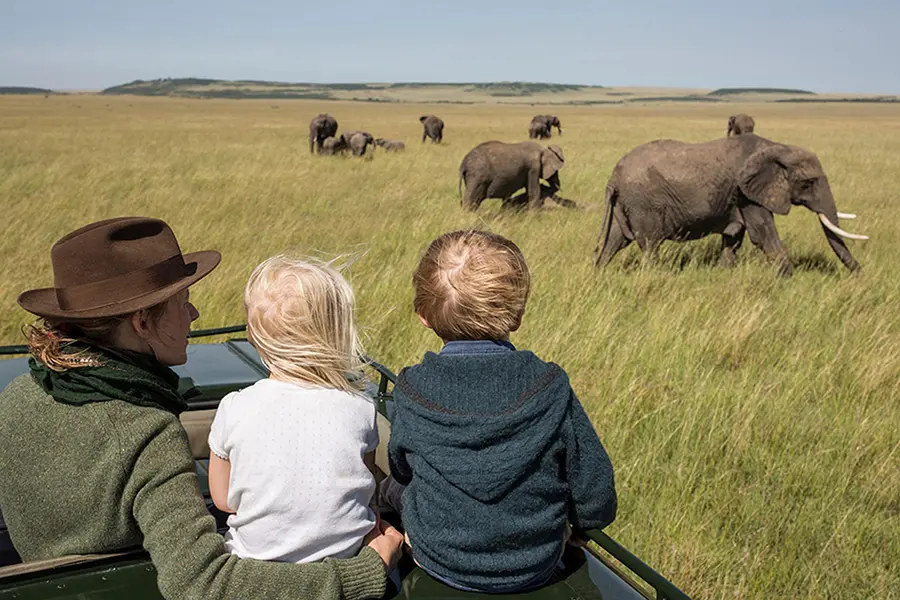
Planning a safari with kids can be both exhilarating and daunting. Fun fact: statistics show that only 20% of safari bookings currently involve children, primarily due to the misconception that safaris are too challenging for young families. However, with the right timing and preparation, a safari can be an unforgettable adventure for kids and adults alike.
Experts recommend booking a safari during the dry season, typically between June and October, when wildlife viewing is at its peak. This period ensures that water sources are scarce, thus drawing animals to predictable locations—perfect for family viewing. Considering the surge in popularity, it’s wise to reserve your spots 6-12 months in advance to ensure availability and secure the best accommodations.
Reserving a safari with kids is best done during the dry season, from June to October, for optimal wildlife viewing. Planning 6-12 months ahead ensures the best accommodations and tailored experiences for families. Avoid booking during the rainy season (March-May and November-December) to prevent accessibility issues and closed lodges.

Optimal Timing for Booking a Safari with Kids
When planning a safari with kids, timing is everything. The dry season, typically from June to October, offers the best wildlife viewing opportunities. During these months, animals gather around waterholes, making sightings easier and more frequent. According to the article, this timing allows families to enjoy the safari with minimal disruptions. Booking ahead, ideally 6-12 months in advance, ensures you get the best accommodations and experiences tailored for children.
Another great time for a family safari is during the shoulder seasons. These are the months just before and after the peak season, like May and November. In these periods, you still get great wildlife experiences without the bigger crowds. Prices may also be more affordable, which is a bonus for families. Plus, the weather is usually pleasant, making it ideal for kids.
Avoiding the heavy rainy season is crucial when booking a safari with kids. The rainy season, which typically spans from March to May and November to December, can make roads slippery and some parks inaccessible. This could limit your wildlife viewing opportunities and make the journey uncomfortable for children. Also, some lodges and amenities might close during this period, reducing options for a family-friendly stay.
Ultimately, the optimal timing for booking a safari with kids varies based on individual needs and preferences. Some families may prefer the abundance of young animals seen in game reserves during the birth season in January and February. Others might enjoy the cooler, comfortable temperatures and fewer mosquitoes in the dry season. It’s all about finding the balance that works for your family. For more tips on planning, check out this post for a detailed guide.
Understanding the Best Seasons and Dates for Child-friendly Safaris
Choosing the right season for a safari with kids can make a big difference. The dry season, from June to October, is undoubtedly the best time. During these months, animals congregate near water sources, making them easier to spot. The grass is shorter, so sightings are more frequent and the weather is more predictable. It’s also a less buggy time, which is always a plus for families.
However, the shoulder seasons in April, May, November, and December can also be great. These months precede and follow the peak season, offering great wildlife viewing without the high visitor numbers. Rates are usually lower during these periods, which can be beneficial for families. Also, these months still provide decent weather conditions for enjoying the outdoors. Safaris during shoulder seasons can still be a memorable experience.
Avoid planning your safari trip in the rainy season. March, April, and November are known for heavy rains, which can lead to muddy, impassable roads. This makes navigating the parks more challenging and less enjoyable. Plus, some lodges close down during this time, limiting your accommodation options significantly. It’s not the best experience for young kids who need more stability and comfort.
Ultimately, the choice depends on what you want out of your safari. If you want to witness the Great Migration, plan your trip from July to October. For a quieter experience, consider the shoulder seasons, and avoid the rainy months for fewer disruptions. Consider referring to additional resources, like this article, to make the best decision.
Benefits of Advanced Reservations with Sia Yangu Safari
Booking your safari in advance with Sia Yangu Safari comes with multiple perks. One major benefit is securing the best accommodations. Safari lodges can fill up quickly, especially during peak seasons. By booking early, you ensure that you get the most comfortable and well-located lodging. This can make a big difference in your overall experience.
Another great advantage of early booking is getting the best deals and discounts. Sia Yangu Safari often provides special rates for those who plan ahead. Early reservations can also mean more flexible payment plans, which can help manage your budget. Plus, you’ll have more options in choosing special packages that are most suitable for families. This flexibility can save you money in the long run.
Advanced reservations allow you to customize your safari experience. When you book early, you have the time to discuss your preferences with Sia Yangu Safari and tailor the trip to fit your family’s needs. Whether you want more kid-friendly activities or a specific dietary menu, planning ahead allows these requests to be arranged. This ensures your trip is both exciting and convenient for everyone.
Lastly, having your plans settled well in advance gives you peace of mind. It eliminates last-minute stress and ensures that every detail, from flights to safaris, is taken care of. You can then focus on looking forward to your adventure rather than worrying about logistics. For more insights on planning, read this article for additional tips.
Booking early for June–October treks ensures access to top guides and prime equipment, secure spots in desirable campsites, and often includes cost savings. Early booking provides peace of mind, allowing ample time for preparation and reducing the stress of last-minute arrangements. This leads to a safer, more enjoyable trekking experience.

Benefits of Early Booking for June–October Treks with Sia Yangu Safari
Booking early for your June–October treks with Sia Yangu Safari comes with several advantages. First, you can secure the best guides who are usually in high demand during the dry season. These experienced guides ensure a safe and enjoyable climbing experience. Additionally, booking in advance often means better choices for your equipment. You’ll have access to top-quality tents, sleeping bags, and other gear.
Another perk of early booking is getting a prime spot in desirable campsites. Popular campsites tend to fill up quickly during peak months. By reserving early, you get to choose the best locations with stunning views. This makes your trek even more memorable. Plus, it can mean quieter, more peaceful nights under the stars.
Early booking can also lead to significant cost savings. Many trekking companies offer discounts for those who plan ahead. These savings can be used to enhance other parts of your trip. Whether it’s an extra day on safari or a luxury lodge at the end, the possibilities are exciting.
Lastly, booking in advance provides peace of mind. Knowing your trek is secured well ahead of time reduces stress. You can focus on preparing physically and mentally for your climb. It also allows more time to arrange travel details and any necessary vaccinations. This way, you can embark on your adventure fully prepared.
Securing the Best Guides and Equipment
Booking early is critical to securing the best guides for your trek with Sia Yangu Safari. Expert guides are often booked months in advance, especially during the busy dry season. These guides have invaluable knowledge of the terrain and weather conditions. They ensure your safety and enhance your trekking experience. Their expertise can make the difference between a good trek and an unforgettable one.
When you book early, you have access to the best equipment available. Quality gear can make your climb more comfortable and safe. This includes top-grade tents, sleeping bags, and climbing tools. Early booking lets you choose from the newest and most reliable equipment. This ensures that you are well-prepared for any challenges along the way.
Good equipment is often in limited supply, especially during peak trekking months. If you wait too long to book, you might have to settle for lesser-quality gear. This can affect your comfort and safety during the trek. By planning ahead, you avoid this pitfall. You’ll have peace of mind knowing you’re fully equipped for the journey.
Here are some items you might secure by booking early:
- High-quality tents
- Comfortable sleeping bags
- Reliable climbing tools
- Sturdy backpacks
- Essential first-aid kits
Early booking not only gives you the best resources but also aligns your trip with the most skilled professionals. This combination ensures a trekking experience that is both enjoyable and safe. You can focus on the beauty of the journey, knowing you’re in good hands. Don’t underestimate the value of preparedness – it truly pays off.
Impact of Weather on Dry‑Season Climbs
The weather during the dry season greatly influences the climbing experience. June to October is considered the best time for treks because of stable weather conditions. Typically, there is less rain, making trails less slippery and more manageable. This stability allows for safer and more predictable climbs. It also means fewer disruptions to your journey.
One significant advantage of dry-season climbs is the breathtaking views. Clear skies provide stunning vistas without the obstruction of clouds or fog. This is especially important for treks like Mount Kilimanjaro or Mount Kenya. You get to appreciate the full beauty of the landscape. Additionally, cooler temperatures at higher altitudes make climbing more pleasant.
However, dry weather can bring its own set of challenges. Lack of rain means limited water sources along some routes. This requires careful planning and carrying sufficient water supplies. Dehydration becomes a risk if not managed properly. Trekkers should be prepared for hot daytime temperatures, especially at lower altitudes. Finding shady resting spots is essential to avoid heat exhaustion.
Overall, the dry season offers ideal conditions for trekking, but preparation is key. Proper gear and ample water are essential. It’s important to monitor weather forecasts and be aware of any sudden changes. These precautions ensure a safe and enjoyable trek. Planning ensures you get the most out of your dry-season climbing adventure.
Why Booking Your Trek In Advance Is Crucial | Indiahikes
Expect an immersive cultural experience, participating in daily activities like milking cows, herding cattle, and traditional dances. You’ll enjoy communal meals featuring local ingredients, hear stories from elders, and witness ceremonies that highlight Maasai traditions. This homestay offers a profound connection with the Maasai people and their lifestyle.

What to Expect During a Maasai Village Homestay
Staying in a Maasai village will immerse you in the traditions and daily life of the Maasai people. You will meet the villagers, who are known for their warm hospitality. They will share their rich culture and history with you, making your stay unforgettable. A typical day includes learning about their customs, exploring the village, and enjoying local food. It’s a unique chance to experience life from their perspective and gain a deeper appreciation of their way of living.
You will also participate in traditional ceremonies and dances, which are integral to Maasai culture. These events are vibrant and filled with energy, illustrating the community’s bond. You might even have the opportunity to wear traditional clothing and join in the dances. Visitors often find these experiences both fun and educational. According to this post, engaging in local customs can be a great way to connect with the community.
Understanding their semi-nomadic lifestyle is another key aspect of the homestay. The Maasai have adapted remarkably to their environment, balancing tradition and modernity. You’ll learn about their unique practices of cattle herding and how they move villages seasonally. This way of life highlights their strong connection to nature and resourcefulness. Witnessing these practices firsthand provides valuable insights into their daily challenges and resilience.
During your stay, you’ll taste authentic Maasai cuisine, made from fresh, locally-sourced ingredients. Meals often include meat, milk, and traditional herbs, offering a different culinary experience. Here is the article which details more about the ingredients and preparation methods. You might even get the chance to help prepare a meal, learning cooking techniques passed down through generations. The flavors and recipes provide a genuine taste of Maasai culture, adding another layer to your homestay adventure.
Getting Acquainted with a Unique Cultural Exchange
When you arrive at a Maasai village, the first thing you’ll notice is the welcoming atmosphere. The villagers are eager to share their way of life with you. You’ll be greeted warmly and introduced to the community. This initial interaction sets the tone for your stay. It makes you feel like part of the village from the very start.
As you settle in, you’ll start to learn about the Maasai’s rich heritage. The elders are particularly knowledgeable and love to tell stories. These tales often include the history of their tribe and significant events. Listening to these stories gives you a deeper understanding of their culture. You may find yourself captivated by their oral traditions.
Participating in daily activities is a key part of your cultural exchange. You’ll help with tasks such as herding cattle or fetching water. These activities are integral to Maasai life and provide a hands-on experience. You’ll quickly realize how these routine tasks strengthen community bonds. Your involvement makes you appreciate their teamwork and resilience.
The cultural exchange also includes trying traditional Maasai food. Meals are often shared with families in the village. You’ll taste unique dishes made from fresh, local ingredients. Sharing meals fosters a sense of unity and belonging. It’s one of the most enjoyable aspects of your stay.
Participating in Traditional Maasai Ceremonies and Dances
Joining in on Maasai ceremonies and dances is an amazing experience. These events are filled with vibrant colors and energetic movements. The Maasai wear traditional attire, which includes beautifully adorned beads and intricate jewelry. Each dance has a special meaning and is accompanied by rhythmic chants. This cultural immersion is truly eye-opening.
Visitors are often invited to participate in the dances. At first, you might feel a bit nervous, but the Maasai are very encouraging. They guide you through the steps and rhythms. By joining in, you get a real sense of the community’s spirit and unity. Your involvement makes the experience more memorable.
The ceremonies are not only entertaining but also deeply meaningful. They celebrate important aspects of Maasai life such as coming of age, marriages, and blessings for prosperity. Each ritual has a rich history and significance. Witnessing these ceremonies provides insights into the values and traditions of the Maasai. You’ll leave with a greater understanding of their cultural heritage.
You may be interested in relevant events as mentioned here. Additionally, many of the dances and ceremonies are centered around storytelling. The Maasai use dance to convey stories of their ancestors, the environment, and their gods. These stories are passed down through generations, preserving history and beliefs. Dancing becomes a powerful way to connect with their past and honor their traditions.
Understanding the Role of the Maasai in Kenyan Conservation Efforts
The Maasai play a significant role in conservation efforts in Kenya. Their semi-nomadic lifestyle contributes to the protection of natural resources. By moving their herds seasonally, they prevent overgrazing and maintain healthy ecosystems. This unique approach helps preserve the land and wildlife. Their traditional knowledge is invaluable for sustainable practices.
Maasai communities often collaborate with conservation organizations. These partnerships aim to balance environmental conservation and the Maasai’s way of life. Programs include wildlife corridors, which allow animals to move freely between protected areas. These initiatives also support the Maasai in maintaining their livelihoods. Working together ensures mutual benefits for nature and people.
Education and awareness are key components of these efforts. According to the article, the Maasai actively engage in educational programs to promote conservation. They teach younger generations the importance of preserving their environment. These programs also involve local communities in sustainable practices. Through education, the Maasai help cultivate a collective commitment to conservation.
One notable project is the establishment of conservancies. These are areas managed by local communities for conservation purposes. The conservancies protect wildlife habitats while benefiting the Maasai economically. They provide opportunities for eco-tourism, which generates income and supports conservation efforts. Visitors can learn about the Maasai’s role in wildlife protection during their stay.
The Maasai also advocate for policy changes. They work with government agencies to develop conservation policies that respect their cultural heritage. These policies aim to safeguard both natural resources and traditional practices. Such advocacy highlights the Maasai’s commitment to conservation. Their involvement is crucial for creating sustainable solutions.
Lastly, traditional Maasai practices contribute to biodiversity. Their holistic approach to grazing and farming supports varied plant and animal life. This biodiversity is essential for ecosystem health. By preserving these practices, the Maasai help maintain balanced and resilient environments. Their efforts benefit not only their community but also the broader ecosystem.
Exploring the Maasai’s Semi-Nomadic Lifestyle
The Maasai have a unique semi-nomadic lifestyle that is closely tied to their environment. They move their herds seasonally, depending on the availability of water and grazing land. This movement helps prevent overgrazing and allows the land to recover. It’s a sustainable way to manage resources. Their knowledge of the land plays a crucial role in their survival.
During their migrations, the Maasai set up temporary villages. These villages are constructed using materials like sticks, grass, and cow dung. The homes are simple but sturdy, providing shelter from the elements. This transient lifestyle requires adaptability and resilience. It’s fascinating to see how they build and dismantle their homes with ease.
The Maasai’s diet is another aspect of their lifestyle. They primarily consume meat, milk, and blood from their cattle. Occasionally, they include some grains and vegetables. This diet reflects their deep connection to their livestock. Sharing meals is a communal activity, strengthening bonds within the community. Their food practices are as sustainable as their movements.
Cattle herding is central to Maasai life, offering both cultural and economic value. Herds are led by skilled herders who understand animal behavior and environmental cues. The cattle are not just a food source but also represent wealth and social status. This system has been passed down through generations. It’s a key factor in their semi-nomadic tradition.
Education is also integrated into their lifestyle. Young Maasai learn important survival skills from an early age. These include animal care, traditional medicine, and navigation. Elders play a pivotal role in passing down this knowledge. Education ensures the continuity of their practices and cultural heritage. It’s a dynamic blend of ancient wisdom and modern learning.
Celebrations and rituals are significant parts of their semi-nomadic lifestyle. These events often coincide with their movements and seasonal changes. They involve dances, songs, and ceremonies that honor their gods and ancestors. Such traditions help maintain their cultural identity despite the physical mobility. Participating in these celebrations offers insight into their values and beliefs.
Experiencing Authentic Maasai Cuisine
Tasting Maasai cuisine is a highlight of any homestay. The food is simple yet deeply rooted in tradition. The Maasai primarily eat meat, milk, and blood from their cattle. These staples reflect their close relationship with their livestock. You might find these dishes unique and flavorful.
Meals are often prepared using fresh, local ingredients. Herbs and spices commonly used in Maasai cooking add distinct flavors. These ingredients are chosen not just for taste but for their health benefits. Sharing meals is a communal activity, strengthening social ties. It’s an excellent opportunity to engage with the community and learn cooking techniques.
One of the most fascinating aspects of Maasai cuisine is its preparation. Meat is often roasted over open flames, giving it a smoky flavor. Milk is used in various ways, including making yogurt and cheese. The process of making these foods is an art form handed down through generations. Watching and participating in food preparation gives insight into their culinary traditions.
Occasionally, the Maasai incorporate grains and vegetables into their diet. These additions come from neighboring communities or small gardens. This variety adds nutrition and new flavors to their meals. It’s interesting to see how they blend these foods with their traditional staples. Meals reflect adaptability and resourcefulness.
Guests at Maasai homestays often get the chance to help prepare food. This involvement makes the experience more interactive and educational. By cooking alongside the Maasai, you learn about their methods firsthand. It’s a fun way to immerse yourself in the culture. The shared meals also create lasting memories.
The communal aspect of dining is as important as the food itself. Meals are times for storytelling and bonding. You’ll hear tales about Maasai life and their connection to the land. These conversations add depth to your understanding of their culture. Enjoying Maasai cuisine offers more than just flavors; it offers a sense of belonging and community.
Daily Life in a Maasai Village with Sia Yangu Safari
With Sia Yangu Safari, you get an authentic glimpse into daily life in a Maasai village. Your day typically starts early with the crowing of roosters and the bustling sounds of the village waking up. The first activity involves helping to milk the cows, a vital part of Maasai culture. This hands-on experience teaches you about their reliance on livestock. Your morning continues with other chores like fetching water or gathering firewood.
As the day progresses, you may join the men as they tend to cattle or participate in community projects. Women are often busy creating beautiful beadwork and taking care of children. Hanging out with them, you’ll see how each member contributes to daily life. Such involvement offers you a comprehensive understanding of their social structure. It’s fascinating to observe how responsibilities are shared among villagers.
The afternoons might be spent learning traditional skills or listening to elders’ stories. These narratives provide valuable insights into Maasai history and beliefs. Elders share wisdom that has been passed down for generations, making for captivating storytelling sessions. You also learn about their medicinal plants and healing practices. The knowledge imparted during these times is both practical and enriching.
Meals are communal events filled with laughter and conversation. You will enjoy dishes prepared from fresh, local ingredients, reflecting deep culinary traditions. Sharing food strengthens bonds within the community. As mentioned here, it’s during meal times that you feel truly integrated into village life.
Evenings often bring more communal activities like dancing or singing by the firelight. These moments capture the essence of Maasai social life and traditions beautifully crafted through generations. Participating in these activities enhances your connection with the community even more profoundly.
Your experience in a Maasai village with Sia Yangu Safari offers a memorable blend of work, learning, and cultural exchange.
By living alongside them and participating fully in daily activities, you gain an appreciation for their remarkable way of life.
More than just visiting; it’s an intimate journey into another world where every day brings new discoveries
Social Structure and Community Activities
The social structure of a Maasai village is essential to its function and harmony. Roles are clearly defined, with specific duties assigned to men, women, and children. Each person knows their responsibilities, which helps maintain order. For example, men typically take care of the cattle, a symbol of wealth and sustenance. Women handle household chores and create beautiful beadwork to sell at markets.
Children also have important roles within the community. From a young age, they help with tasks like fetching water and tending to younger siblings. Boys learn the skills needed to become herders, while girls are taught how to manage a home. These early responsibilities prepare them for their future roles. It’s a community effort that ensures everyone contributes.
Community activities are vital in bringing people together. One of the key activities includes collective chores, where families gather to work on large projects. These tasks, whether building new huts or maintaining village paths, foster a sense of unity. Everyone’s participation strengthens the communal bond. It’s an impressive display of teamwork and cooperation.
Social gatherings and ceremonies are also a big part of village life. Events like weddings, coming-of-age rituals, and religious ceremonies are celebrated with enthusiasm. These gatherings feature traditional dances, songs, and storytelling. As a visitor, you can partake in these joyful events, gaining a deeper understanding of Maasai culture. They are moments where the village comes alive with color and sound.
In addition, education and storytelling play a crucial role. Elder members of the community often hold sessions to share their wisdom. These stories are not just entertaining but also educational. They teach moral lessons, cultural values, and historical events. Listening to these tales is both enlightening and enjoyable.
The social structure and community activities in a Maasai village offer a fascinating glimpse into their way of life. By participating in their daily routines and special events, you’ll see how each person’s role and the collective spirit sustain the community. It’s a vibrant example of how tradition and cooperation go hand in hand.
Handicrafts and Local Economies: Interaction Opportunities
A visit to a Maasai village offers a unique chance to explore their handicrafts and local economies. The Maasai are renowned for their intricate beadwork and jewelry. These handicrafts are not just beautiful; they hold cultural significance. You can watch women creating these colorful pieces, learning about the meanings behind the designs. This interaction provides a deeper appreciation of their artistry.
Purchasing these handicrafts directly supports the local economy. By buying from the artisans, you help sustain their traditional practices. These sales often provide essential income for Maasai families. It’s a meaningful way to contribute to the community while bringing home unique souvenirs. You’ll find the items carry the spirit and stories of the people who made them.
- Beaded necklaces and bracelets
- Decorative gourds and wooden carvings
- Handmade clothing and accessories
- Traditional weapons and tools
In addition to handicrafts, the Maasai engage in local markets where they trade goods. These markets are vibrant places filled with activity and color. Visiting a market allows you to see the variety of products, from livestock to fresh produce. It’s an excellent opportunity to interact with locals and learn about their trading practices. You gain firsthand experience of their economic systems.
Workshops and demonstrations are often available for visitors. These sessions teach skills like beadwork, weaving, and even traditional medicine. Participating in a workshop is both educational and fun. It gives you a hands-on understanding of Maasai craftsmanship and traditions. You might even create your own piece to take home.
Through these interaction opportunities, you connect with the Maasai on a personal level. You learn not just about their handicrafts and economy but about their values and way of life. These experiences make your visit to the Maasai village more enriching and memorable. They highlight the importance of preserving and supporting traditional cultures in the modern world.
Insights from Sia Yangu Safari Guests: Real Homestay Reviews
Many guests who have experienced a Maasai homestay with Sia Yangu Safari are quick to share their memorable experiences. Visitors consistently praise the warm hospitality of the Maasai people. They are often amazed by the genuine kindness and openness of their hosts. The ability to live as part of the community even if only for a short time leaves a lasting impression. This personal connection is frequently highlighted in guest reviews.
Guests are also enthusiastic about the hands-on activities they get to participate in. Whether it’s milking cows or learning beadwork, these experiences are often described as eye-opening. Reviewers appreciate the opportunity to engage directly with Maasai culture. They find these interactive moments educational and enriching. The memories of these activities remain vivid long after their visit.
- Welcoming hospitality
- Interactive cultural activities
- Rich storytelling sessions
- Delicious traditional meals
Storytelling sessions with the elders are another favorite among guests. Visitors often mention how these stories provide deeper insights into Maasai traditions and beliefs. The elders’ wisdom and tales captivate guests of all ages. These sessions are seen as both informative and entertaining. They offer a unique window into the rich history and values of the Maasai.
Guests frequently comment on the delicious traditional meals they enjoy during their stay. Trying authentic Maasai cuisine is a highlight for many. From roasted meat to fresh milk, the flavors are unique and memorable. Sharing these meals with the community adds to the overall experience. It’s a perfect way to bond with your hosts and fellow visitors.
Overall, the reviews from Sia Yangu Safari guests reflect a blend of admiration for Maasai culture and gratitude for the enriching experiences. Visitors leave with a newfound appreciation for a way of life that is both ancient and resilient. Their positive feedback underscores the value of such immersive cultural exchanges. These homestay reviews show that a visit to a Maasai village is not just a holiday, but a life-enriching adventure.
Every year, millions of wildebeests embark on the Great Migration, a breathtaking phenomenon that stirs wonder and awe. Have you ever considered the challenges of booking a safari to witness this event up close? Timing is crucial and can make all the difference in your experience.
Planning your safari around the Great Migration requires understanding its cyclical nature. The migration spans various months and regions, with peak viewing opportunities typically from July to October. Experts recommend booking at least a year in advance to secure prime spots and accommodations, ensuring a front-row seat to one of nature’s grandest displays.
Planning for the Great Migration safari should ideally start at least a year in advance. The peak viewing period, from July to October, requires early bookings to secure prime accommodation and vantage points. For a well-rounded experience, consult with experts who can guide you according to the migration patterns and seasonal variations.

Optimal Timing for Booking a Great Migration Safari with Sia Yangu Safari
Choosing the best time for a Great Migration safari with Sia Yangu Safari can greatly impact your experience. The migration events occur year-round, but July to October marks the peak viewing period. This window offers the most dramatic river crossings. Booking at least a year in advance is often recommended. This ensures you secure the best accommodations and vantage points.
According to this post, the wildebeests move through the Serengeti in a clockwise manner, sweeping across Kenya and Tanzania. These movements depend heavily on weather patterns and food availability. Therefore, understanding the migration timeline is crucial. Sia Yangu Safari experts help guide you in planning. This ensures you capture these awe-inspiring moments.
From December to March, the herds are usually in the southern Serengeti. This is calving season, which means many newborns and heightened predatory action. It’s a fantastic opportunity for photographers. Capturing the circle of life during this time is quite magical. You’ll need to book well ahead to join this unique spectacle.
April to June sees the herds moving northwards. This transition period might not be as tumultuous as river crossings, but it offers serene views of the savannah. Booking early for this window can still secure great wildlife interaction. Always consult the Sia Yangu Safari guides. They provide insights for a memorable adventure.
Understanding Seasonal Patterns and Migratory Routes
The Great Migration is a year-round phenomenon driven by the search for fresh grazing. The wildebeest journey through Tanzania’s Serengeti National Park and Kenya’s Masai Mara. They follow a circular path dictated by rain patterns and food availability. This epic migration involves about 1.5 million wildebeests. Thousands of zebras and gazelles join them on this arduous trek.
From December to March, the herds congregate in the southern Serengeti. This is the calving season, a crucial time when up to 400,000 calves are born within just a few weeks. The abundance of new life attracts numerous predators. This creates spectacular opportunities for witnessing predator-prey interactions. It’s a period marked by both beauty and danger.
Come April, the herds start moving northwards towards the central Serengeti. By June, they approach the Western Corridor. Here, they face their first major challenge: crossing the crocodile-infested Grumeti River. According to the article, this perilous crossing can often be the determining factor for survival. Witnessing this event is a highlight for many safari-goers.
As the herds enter Kenya’s Masai Mara between July and October, they encounter the Mara River—a second daunting obstacle. The crossing here is both thrilling and nerve-wracking. It’s one of the most dramatic displays of the Great Migration. To experience this, it’s advisable to plan your safari dates accordingly. Consulting safari experts helps ensure you’re at the right place at the right time.
Factors Influencing the Great Migration Experience
Weather is a major factor influencing the Great Migration experience. The rains trigger the movement of the herds. Dry spells and unexpected weather changes can impact the migration routes. These shifts in patterns might affect where and when you can see the wildlife. Planning your safari with expert guidance becomes crucial.
Predator activity also plays a vital role. The presence of lions, hyenas, and crocodiles adds an element of excitement and danger. Seasonal patterns affect predator locations, which in turn influence where herds move. Observing these predator-prey dynamics is a key attraction. It’s essential to time your visit to maximize these sightings.
The availability of water and grasslands is another crucial factor. During the dry season, herds migrate toward permanent water sources. This concentration makes specific regions hotspots for wildlife viewing. Conversely, during the wet season, the dispersal is more widespread. This can make sightings less predictable but still rewarding.
Human factors, particularly tourism and park management, can also impact the experience. Well-regulated safari tourism helps preserve natural habitats and ensures minimal disruption. Understanding park regulations and choosing responsible safari operators can enhance your trip. Sia Yangu Safari provides well-guided tours that respect these regulations. This makes for a more authentic and sustainable experience.
Reserving climbing slots for the dry season between January and March ensures optimal weather conditions with minimal rainfall. Booking early increases your chances of securing preferred dates, avoiding peak season congestion, and guaranteeing a smoother climbing experience with reliable ground conditions. Experts recommend planning several months in advance.

Optimal Timing for Booking Climbing Expeditions with Sia Yangu Safari from January to March
Planning your climbing expedition in the dry season is key for a successful adventure. The dry season in Tanzania runs from January to March. This period offers clear skies and stable weather. With fewer chances of rain, the trails remain dry and safer. Booking during these months ensures a smoother experience.
Sia Yangu Safari provides top-notch climbing experiences during these months. It’s essential to book in advance as slots fill up quickly. The peak season sees a rise in climbers eager for the best weather. Early reservations guarantee your spot. It also allows for better preparation and planning.
The dry season offers favorable climbing conditions. Climbers can enjoy breathtaking views without weather disruptions. The temperature during these months is ideal for trekking. Nights might be chilly, but daytime remains comfortable. This makes it a popular choice for many adventurers.
Booking with Sia Yangu Safari early has several benefits. You get preferred dates and save on last-minute rushes. They provide comprehensive climbing packages that include everything you need. The seasoned guides ensure a safe and memorable climb. Making your reservation now secures your adventure.
Understanding the Dry Season’s Climatic Advantages and Challenges
The dry season, from January to March, brings several perks for climbers. The clear skies provide stunning views of the landscape. With fewer clouds, photography opportunities are fantastic. Additionally, the stable weather means fewer disruptions. This makes planning your climb much easier.
While there are numerous benefits to climbing during the dry season, there are also challenges. Temperatures can drop significantly at night. This requires climbers to pack warm clothing. Daytime remains comfortable, but preparation is key. This is especially true when camping overnight.
The terrain during the dry season is less muddy. This reduces the risk of slipping and falling. With dry trails, climbers can move swiftly and safely. However, dust can be an issue on certain paths. It’s wise to bring along masks or bandanas.
Understanding these factors helps in your preparation. Knowing the advantages allows you to make the most of your climb. Being aware of the challenges ensures you’re ready for anything. With proper planning, you can enjoy an incredible adventure. Climbing with Sia Yangu Safari makes the experience even better.
Strategies to Secure Your Preferred Climbing Dates during Peak Season
Booking your climbing adventure during peak season requires some strategic planning. One effective method is to reserve your spot well in advance. Booking several months before your planned trip can ensure you get the dates you want. This proactive approach helps avoid disappointment. It also gives you more time to prepare.
Flexibility can significantly increase your chances of securing your preferred dates. If possible, consider having a range of potential dates rather than just one. This way, you can easily adapt to available slots. Being open to slight adjustments can make all the difference. It also provides room for unexpected changes.
Utilizing early bird offers and special discounts can also be beneficial. Many companies, including Sia Yangu Safari, offer deals for early bookings. These promotions not only help secure your climbing dates but can also save you money. Keeping an eye out for these offers is a smart move. It rewards both your planning and your pocket.
Lastly, maintaining communication with your climbing provider is crucial. Regular updates on availability can help you stay informed. Building a relationship with your provider can also ensure you are prioritized. Active engagement can lead to better opportunities. This ensures your peak season climb goes smoothly.
Skydiving gone wrong 😂😅 #skydiving #skydive
Booking an authentic Maasai village tour is best done through reputable operators like Sia Yangu Safari. Research online reviews and verify the operator’s connection with local Maasai communities. Ensure the tour description includes cultural activities and interactions. Booking directly on their official site provides detailed support and information.
What’s the Best Way to Book an Authentic Maasai Village Tour
Booking an authentic Maasai village tour starts with researching reputable tour operators. This ensures you connect with those who offer genuine experiences. Avoid platforms with mixed reviews and focus on those with positive feedback. Checking reviews from previous visitors can be very helpful. Make sure the tour company has experience in Maasai culture.
A good tour operator should offer detailed descriptions of their Maasai village tours. Look for information on what you’ll see and do during the visit. Operators like Sia Yangu Safari often provide comprehensive details on their website. According to this post, they emphasize providing authentic travel experiences. Always read these descriptions to ensure the tour meets your expectations.
You can also ensure the tour’s authenticity by checking if the operator collaborates directly with Maasai communities. Genuine tours often support local communities economically and culturally. Ask the tour operator about their relationship with the Maasai people. This can give you an idea of how genuine and respectful the tour will be.
When booking, consider using well-known travel websites or the operator’s official site. According to here is the article, booking directly often provides better support and information. Secure your booking with clear communication and confirmations from the operator. This helps guarantee a seamless experience.
1. Understanding the Cultural Significance of Maasai Villages
Maasai villages are vibrant communities with a rich cultural heritage that dates back centuries. The Maasai are known for their unique traditions, colorful attire, and close-knit community life. Their practices and customs are deeply rooted in their connection to the land and livestock. Visitors often find these traditions fascinating and educational. Understanding their cultural significance can enhance your tour experience.
The Maasai people have a strong bond with their environment, which plays an essential role in their daily lives. They live in harmony with nature and have deep respect for the wildlife around them. Their ceremonies and rituals are often linked to seasons and natural events. This connection is something many visitors admire. Observing these interactions can offer valuable insights into sustainable living.
One standout aspect of Maasai culture is their storytelling tradition. Stories passed down through generations teach morals and preserve history. These tales are shared during community gatherings, often accompanied by song and dance. Participating in these gatherings can be an unforgettable experience. It helps visitors appreciate the depth of Maasai oral heritage.
Additionally, the Maasai are renowned warriors and guardians of their territory. Their skills in cattle herding and protection are legendary. These practices are not just survival tactics but expressions of cultural pride. Learning about their role as protectors can be very inspiring. Understanding this aspect adds another layer to your tour, making it more meaningful.
2. Researching Reputable Tour Operators
Finding a reputable tour operator is essential for a genuine Maasai village experience. Start by searching for companies with good reputations and high ratings. Read customer reviews and testimonials to understand their experiences. This can give you a clear idea of what to expect. Focus on operators like Sia Yangu Safari who specialize in authentic cultural tours.
Another effective way to research is by checking travel forums and social media groups. Many travelers share detailed accounts of their trips, including the companies they used. Engaging with these online communities can provide honest reviews. You’ll find recommendations and red flags to consider. This inside information is often invaluable.
Reputable tour operators will also have well-maintained websites with clear information. Look for details on their tours, the areas they cover, and their commitment to sustainability. A professional website usually reflects the quality of the tour company. It should be easy to navigate and provide contact details. This transparency builds trust with potential customers.
Lastly, consider reaching out directly to the tour operators with any questions. Ask about their experience with Maasai village tours and their connection to the local community. Their responsiveness and willingness to answer questions can be telling. An operator who communicates well is likely to provide a better overall experience. Ensure they prioritize your safety and satisfaction during the tour.
3. Checking Tour Authenticity and Reviews
Ensuring the authenticity of a Maasai village tour is crucial for a meaningful experience. Start by checking if the tour operator has partnerships with local Maasai communities. These connections often indicate a genuine effort to support and preserve Maasai culture. A tour operator who works closely with the Maasai will offer more authentic experiences. This collaboration is key to a genuine visit.
Customer reviews are invaluable when evaluating a tour’s authenticity. Look through travel websites, forums, and social media for honest feedback. Previous visitors will share insights about their experiences, highlighting both the positives and negatives. Reviews can help you avoid unreliable operators. Focus on reviews that mention the authenticity and cultural depth of the tour.
Besides reviews, consider the tour operator’s website for detailed information. Authentic operators will provide thorough descriptions of their tours, including what you’ll see and do. They might also include photos and videos from past tours. This visual content can give you a sense of what to expect. A well-organized site indicates professionalism.
Sometimes, operators offer testimonials and case studies from previous guests. These can be particularly helpful as they often include more detailed accounts. Check if there are mentions of interactions with the Maasai people. Real stories from travelers provide a deeper understanding of the tour’s authenticity. This firsthand information can guide your decision.
Finally, consider the operator’s commitment to ethical tourism practices. Authentic tours often contribute to the local community’s wellbeing. Look for mentions of how the tour supports the Maasai community directly, like through education or healthcare initiatives. Ethical practices ensure that your visit benefits the locals. These tours foster sustainable tourism and respect local traditions.
4. Key Aspects of a Genuine Maasai Village Tour
A genuine Maasai village tour often begins with a warm welcome from the community. The Maasai people are known for their hospitality and kindness. You’ll likely be greeted with traditional songs and dances. This initial interaction sets the tone for a respectful and immersive experience. It’s an excellent start to understand their vibrant culture.
Another key aspect is the opportunity to engage in daily activities. Visitors might participate in tasks like herding cattle or beading jewelry. These activities offer a hands-on understanding of Maasai life. Learning through direct involvement is both educational and enjoyable. It helps visitors appreciate the Maasai’s resourcefulness and skills.
Cultural demonstrations are often a highlight of these tours. You can witness rituals, ceremonies, and storytelling sessions. These demonstrations are usually performed by community elders or leaders. They provide insights into the Maasai’s rich heritage and beliefs. Observing these traditions firsthand adds depth to your visit.
- Interaction with local children
- Learning about traditional medicine and healing practices
- Trying local Maasai cuisine
- Exploring the village architecture and living spaces
Lastly, having an experienced guide is crucial. Guides who are knowledgeable about Maasai history and customs can enhance your tour significantly. They bridge cultural gaps and provide detailed explanations. Their insights make the visit more meaningful. Ensuring your tour operator employs such guides is vital for a rich experience.
5. Booking Through Sia Yangu Safari for an Authentic Experience
Booking a Maasai village tour through Sia Yangu Safari ensures a genuine and immersive experience. They are committed to providing authentic tours that respect local traditions. The operator works closely with Maasai communities to offer enriching visits. This collaboration guarantees that your tour supports the local people. You’ll get to see the real Maasai way of life.
Sia Yangu Safari offers detailed descriptions of their Maasai village tours on their website. Visitors can find everything they need to know about what to expect during the tour. They provide insights into daily activities, cultural demonstrations, and more. This transparency is crucial for planning your visit. You can read about these tours here in the post.
The booking process with Sia Yangu Safari is straightforward and user-friendly. Their website guides you through each step, ensuring clarity and ease. You can secure your spot by following simple instructions. The operator’s staff is also available to answer any questions. This level of support is very helpful.
Moreover, Sia Yangu Safari prioritizes safety and comfort during their tours. They ensure that all visitors have a fulfilling and secure experience. Their guides are knowledgeable and culturally aware. They help bridge the gap between visitors and the Maasai people. Booking with Sia Yangu Safari is a reliable choice for an authentic tour.
Additionally, the tours focus on ethical and responsible tourism practices. They work to benefit the Maasai community economically and culturally. Sia Yangu Safari’s commitment to sustainability makes your visit impactful. Learn more about their offerings here in the article. Supporting these efforts enriches your travel experience.
Benefits of an Authentic Cultural Tour Experience
An authentic cultural tour experience offers numerous benefits. It allows visitors to immerse themselves in the local way of life, creating meaningful connections. You gain a deeper understanding and appreciation for different cultures. This type of travel is truly enriching. It expands your worldview significantly.
Cultural tours help promote sustainable tourism. They support local economies by providing direct economic benefits to communities. For example, purchasing locally made crafts or foods during your visit aids the community financially. These tours also encourage the preservation of traditions and customs. Sustainable tourism practices ensure that these cultures thrive.
Additionally, interacting with locals on an authentic cultural tour can be educational. You’ll learn firsthand about their history, traditions, and beliefs from those who live them daily. This type of engagement provides real-life insights that you can’t get from books or documentaries. An educational experience like this will stay with you long after you return home.
Another major benefit is building mutual respect and understanding between tourists and locals. When visitors respect and appreciate local customs, it fosters positive relationships. This mutual respect leads to a more enjoyable experience for both parties. It’s rewarding to see how much locals value sharing their culture with others.
- Immersive Experiences
- Sustainable Tourism Practices
- Educational Opportunities
- Building Mutual Respect
Cultural tours often include unique activities not found in typical vacations. You might engage in traditional crafts, attend local ceremonies, or even stay overnight in village homes. These activities provide unforgettable memories that standard tours can’t match. Experiencing life as locals do enriches your travel experience immensely.
What to Expect During Your Visit
When you visit a Maasai village, you’ll be welcomed warmly by the community. Typically, this involves traditional songs and dances performed by the villagers. This welcome ceremony is vibrant and engaging. It sets a positive tone for the rest of your visit. You’ll immediately feel the warmth and hospitality of the Maasai people.
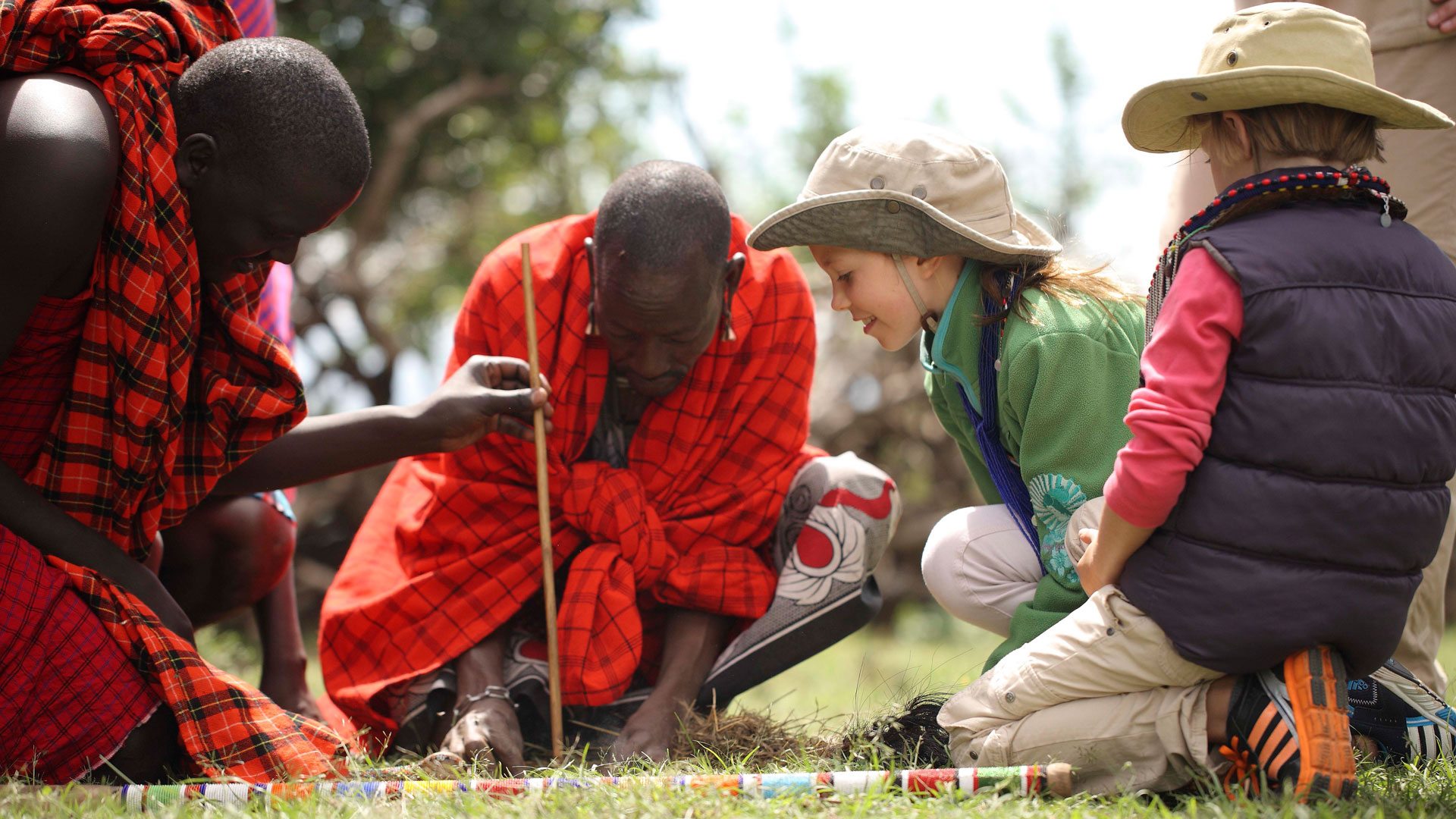
During your tour, you can expect to participate in various daily activities. This might include milking cows, making beaded jewelry, or even trying your hand at traditional Maasai cooking. These activities are not just demonstrations; they are interactive experiences. You will learn by doing, which makes it all the more memorable. It’s a hands-on approach to understanding Maasai life.
A highlight of the tour will likely be the storytelling sessions. Elders in the community will share myths, legends, and historical tales. These stories are a crucial part of Maasai culture and heritage. Listening to them provides deep insights into their way of life. You’ll leave with a better understanding of their history and traditions.
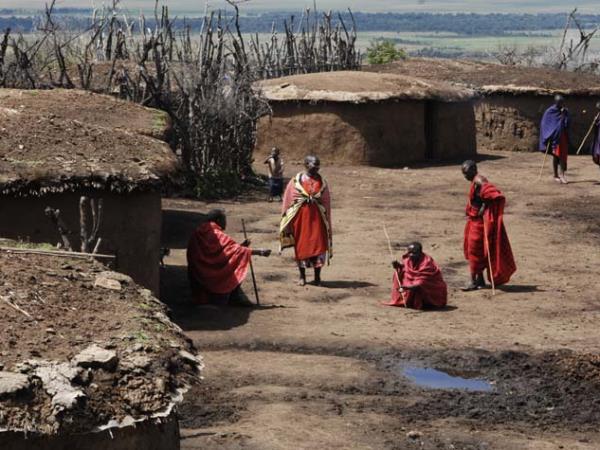
You will also have the chance to explore Maasai homes, known as manyattas. These dwellings are uniquely designed to suit their nomadic lifestyle. The structures are made from natural materials like mud, sticks, and cow dung. Touring the manyattas offers a glimpse into the practicalities of Maasai living. It’s fascinating to see how they use available resources so efficiently.
- Traditional welcome ceremonies
- Hands-on activities
- Storytelling by elders
- Exploring Maasai homes
- Learning about Maasai customs and traditions
The tour will also include time for asking questions and engaging with the community. The Maasai are open to sharing their knowledge and answering any queries. This interaction allows for a richer, more personal experience. You’ll gain unique insights that you can’t get anywhere else. It’s an opportunity to connect on a deeper level.
Responsible Tourism: Respecting the Maasai Culture
Responsible tourism is about minimizing the negative impacts of your visit while maximizing the positive contributions. It’s essential to respect Maasai culture and traditions to ensure a positive experience for everyone involved. This includes being aware of and adhering to their customs and practices. Cultural sensitivity is key. It not only makes your visit more respectful but also more enriching.
One of the first things to remember is to seek permission before taking photos. The Maasai may have specific beliefs about photography. Always ask if it’s okay to take pictures, especially during ceremonies or private moments. Respecting their wishes in this regard shows your appreciation for their culture. It helps maintain mutual respect and understanding.
Engaging politely with the Maasai is another important aspect. This means listening attentively, asking questions respectfully, and showing genuine interest. The more you learn, the more rewarding your experience will be. Demonstrating good manners and curiosity can lead to meaningful interactions. Your politeness will be greatly appreciated by the community.
It’s also important to support their economy in meaningful ways. Purchasing handmade crafts directly from the Maasai helps them economically. Choose items that are authentically made by the community. This ensures that your money goes directly to the people. It’s a wonderful way to take a piece of their culture home with you.
- Ask before taking photos
- Engage respectfully
- Support local economy
- Respect Maasai traditions
- Learn and share their stories
Learning some basic phrases in the Maasai language can also go a long way. This gesture will likely be appreciated by the community. It shows your effort to connect genuinely. Even simple greetings can make a big difference. It helps bridge cultural gaps and makes your visit more personal.
How Such Tours Support Maasai Communities
Tours to Maasai villages provide essential financial support to the community. Visitors contribute directly through fees, purchases, and donations. The income generated helps fund local projects and services. This includes education, healthcare, and infrastructure. These contributions make a significant impact on the community’s quality of life.
By participating in these tours, visitors help preserve Maasai traditions and culture. Tourism creates an avenue for the Maasai to share their customs and practices with the world. This exchange of knowledge encourages cultural preservation. It allows the Maasai to maintain their heritage while adapting to modern changes. Visitors play a role in keeping these traditions alive.
Engaging in Maasai village tours promotes sustainable tourism practices. These tours often focus on minimal environmental impact and respect for local lifestyles. This approach benefits the Maasai by supporting their way of life. Sustainable tourism ensures that future generations can continue these practices. It’s an effective way to balance cultural preservation and environmental responsibility.
Another benefit of these tours is the empowerment of Maasai women. Women play a critical role in creating traditional crafts and participating in cultural demonstrations. Tourism provides them with a platform to showcase their skills and earn an income. This empowerment leads to greater independence and growth for them. Supporting women’s initiatives is vital for community development.
- Funding local projects
- Preservation of culture
- Promotion of sustainable tourism
- Empowerment of Maasai women
Moreover, tourism helps improve infrastructure in Maasai villages. The money from tours can be used for building schools, clinics, and clean water facilities. Better infrastructure enhances living conditions for everyone. These improvements lead to healthier and better-educated communities. Tourists’ contributions are instrumental in driving these positive changes.
Have you ever considered how early you should book a safari to ensure the best experience? Many are unaware that securing a spot during peak season in Tanzania requires thinking far in advance. Knowledge of the safari market and its high demand is crucial for a successful trip.
Peak season in Tanzania, often coinciding with the Great Migration, sees a significant influx of visitors. Booking 12–18 months ahead not only guarantees your place but allows you to choose the best lodges and guides. With tourism on the rise, early reservations can make a significant difference in the quality of your safari experience.
Booking a peak-season
Tanzania safari 12–18 months in advance ensures the best accommodations, expert guides, and advantageous pricing. It allows for personalized itinerary planning and secures coveted spots during high demand periods. Early booking offers peace of mind, better rates, and a more enjoyable safari experience.

Benefits of Booking Your Tanzania Safari Early
Planning your Tanzania safari early ensures you get the best accommodations. Popular lodges and camps fill up quickly during peak season. By booking ahead, you can choose from a variety of options that suit your preferences and budget. You’ll also have access to expert guides who can enhance your experience. Don’t miss out on securing your ideal stay.
Early booking often means better pricing and availability. As time passes, the cost of trips tends to increase, and options become limited. By planning 12–18 months in advance, you lock in current rates. This not only saves money but also gives peace of mind. You’ll know everything is taken care of well ahead of time.
When you book early, you have more time to plan a personalized itinerary. This allows for detailed preparation and unique experiences tailored to your interests. According to this post, thoroughly researched plans can lead to a more fulfilling adventure. You can explore off-the-beaten-path locations without rushing. This approach enriches your safari.
Booking in advance provides a chance to coordinate with friends or family. If you’re traveling in a group, planning early ensures everyone gets to join in. It also allows for better travel deals on flights. By organizing your trip this way, you create lasting memories with loved ones. Early planning makes group travel seamless and enjoyable.
Securing the Best Accommodations and Guides
Booking your Tanzania safari early helps secure the best accommodations. Popular lodges and luxury campsites often get fully booked well in advance. Early reservations ensure you have a comfortable and memorable stay. You can pick places that match your comfort needs and budget. Don’t leave your accommodations to chance.
Having experienced guides can make a significant difference in your safari experience. Guides with extensive knowledge about wildlife, terrain, and local culture bring your adventure to life. Booking early means you get the pick of the best guides available. According to this article, a skilled guide can show you hidden gems and enhance your trip. Their insights can make your safari unforgettable.
Planning ahead also allows you to choose the type of accommodation that best fits your adventure style. Whether you prefer a luxurious lodge or a more rustic campsite, options are abundant when you book early. This flexibility ensures a tailored safari experience. No need to compromise on your preferences.
Securing top accommodations and guides doesn’t just enhance comfort. It also provides more safety and exclusive experiences. By planning in advance, you unlock access to special activities and personalized services. This can include private game drives and guided tours. These perks are worth the effort of early planning.
Advantageous Pricing and Availability
Booking your Tanzania safari early gives you a better chance at favorable pricing. Prices for safaris tend to rise as the travel date approaches. By planning 12–18 months ahead, you can lock in current rates. This not only saves money but also ensures a smoother budgeting process. It prevents last-minute financial surprises.
Availability is another key benefit of early booking. Popular safari destinations often fill up quickly, especially during peak seasons like the Great Migration. If you book early, you have a wider range of choices for both accommodations and activities. According to the post, securing these options ensures you don’t miss out on coveted experiences. More availability means more flexibility in your plans.
Early booking might also come with exclusive offers and discounts. Many travel companies offer special deals to those who commit early. These perks can include complimentary upgrades or added services. It’s a great way to enhance your trip without extra cost. Taking advantage of these offers definitely adds value to your safari.
Planning ahead not only benefits your pocket but also the overall enjoyment of your trip. You can take your time researching the best options and making informed decisions. This ensures a more relaxed and enjoyable experience. Spontaneity is great, but when it comes to safaris, early planning pays off. Make the most of your adventure by booking early.
Ample Time for Personalized Itinerary Planning
Booking your Tanzania safari well in advance gives you ample time to create a personalized itinerary. Rather than rushing through the planning process, you can carefully consider all your options. This ensures your journey is tailored to your interests and preferences. You won’t have to settle for less. More time means better decisions.
When you have months ahead of your trip, you can research unique activities and destinations. Going beyond the common tourist spots can make your safari more memorable. You can include experiences like a night game drive or visiting a Maasai village. According to the post, personalized itineraries can significantly enhance your travel experience. It’s all about adding those special touches.
Having extra time also allows you to coordinate with travel companions. If you’re planning a trip with family or friends, early booking ensures everyone is on the same page. It’s easier to find a time when everyone is available. Group activities can be arranged without hassle. This leads to a more enjoyable group adventure.
An early start means you can also take care of important details, like vaccinations and travel insurance. These are often overlooked in last-minute trips. With ample time, you can make sure all health precautions are in place. This leads to a safer and healthier journey. No rushing to get last-minute shots.
Another advantage is the ability to budget more effectively. You can spread out the cost of your trip over several months. This makes it easier to manage your finances. Instead of a lump sum payment, you can pay in installments. This approach ensures that your dream safari remains affordable.
Finally, early planning leaves room for adjustments. Sometimes plans change or new opportunities arise. Booking well in advance means you can adapt your itinerary without stress. This flexibility can lead to unexpected and delightful experiences. Having a backup plan always helps.
Understanding the Peak Season Dynamics in Tanzania
Peak season in Tanzania typically aligns with the Great Migration. This event draws thousands of tourists eager to witness herds of wildebeest and zebras crossing the Serengeti. The migration takes place from June to October, making these months the prime time to visit. Lodges and camps fill up quickly. Booking in advance is essential.
Weather plays a significant role in Tanzania’s peak season dynamics. The dry season from June to October offers ideal conditions for wildlife viewing. Animals gather around water sources, making them easier to spot. The lack of rain also makes roads more accessible. This ensures smoother travel between parks.
High demand during peak season influences prices and availability. With many tourists flocking to Tanzania, prices for accommodations and activities rise. Popular lodges and safari packages can be fully booked months in advance. Timing your booking right can save you money. Early reservations guarantee better deals.
The peak season also offers unique photography opportunities. Clear skies and abundant wildlife create perfect conditions for stunning shots. Early morning and late evening light provide the best settings for photography. Capturing incredible moments becomes easier. Safaris during peak season are a dream for photographers.
Local festivals and events often coincide with peak season. These cultural experiences add another layer to your safari adventure. Attending local celebrations can provide insights into Tanzanian culture and traditions. It’s a great way to engage with the community. Plan your visit accordingly to enjoy these events.
Tourism infrastructure is at its best during peak season. This means better facilities, more activities, and well-maintained parks. Tour operators are well-prepared to handle the influx of visitors. This results in a more enjoyable and hassle-free experience. Your safari is enhanced with excellent services.
Yes, last-minute Kilimanjaro tours can be booked 1-3 months out with Sia Yangu Safari. They specialize in arranging expeditions on short notice while ensuring all logistical details, including permits and accommodation, are handled efficiently. This flexibility allows for spontaneous adventure planning without compromising on quality or preparation.

Exploring the Feasibility of Booking Last-Minute Kilimanjaro Tours with Sia Yangu Safari
Booking a last-minute Kilimanjaro tour is possible with Sia Yangu Safari, even within 1-3 months. They specialize in planning last-minute trips while ensuring all details are meticulously handled. This means you can still have a memorable adventure, even with short notice. Their experience allows for flexibility, making impromptu travel a reality. It’s perfect for those who love spontaneous adventures.
Choosing Sia Yangu Safari for your Kilimanjaro expedition means tapping into a wealth of local knowledge and experience. They can arrange everything from transportation to permits on short notice. You don’t have to worry about the logistics, allowing you to focus entirely on the climb. This service is incredibly valuable for travelers with tight schedules. The convenience cannot be overstated.
However, there are a few things to keep in mind when booking last-minute tours. Availability of slots can be limited during peak seasons. Additionally, some accommodations and specific trip dates might already be booked. Despite these potential challenges, Sia Yangu Safari is known for finding great solutions. Their dedication ensures you get the best possible experience.
Here are a few tips for ensuring your last-minute trip goes smoothly:
- Be flexible with your travel dates.
- Trust the expertise of Sia Yangu Safari for all arrangements.
- Stay prepared for a fast-paced travel itinerary.
By following these tips and relying on experienced guides, you can have a fantastic Kilimanjaro adventure, even when booking last-minute.
Understanding the Booking Window for Kilimanjaro Expeditions
The booking window for Kilimanjaro expeditions can vary greatly depending on several factors. Typically, seasoned operators like Sia Yangu Safari can accommodate bookings made 1-3 months before departure. This flexibility allows travelers to plan their trips with less lead time. However, it’s essential to understand that certain times of the year, like peak climbing seasons, might require earlier bookings. This ensures you secure your spot.
Booking well in advance has its advantages, especially for Kilimanjaro expeditions. Early bookings can secure better rates and desired dates. Plus, it allows for more time to prepare physically and mentally for the climb. Despite the benefits, last-minute bookings with Sia Yangu Safari are still feasible. Their extensive network ensures they can manage short-notice arrangements efficiently.
Here is a table showing the benefits of early versus last-minute booking:
| Early Booking | Last-Minute Booking |
|---|
| Better rate options | Flexibility in planning |
| More time for preparation | Spontaneous adventure |
| Guaranteed slots | Quick decision making |
Early booking offers more stability, while last-minute booking can add excitement and spontaneity to your trip.
To maximize your booking experience, consider these points:
- Plan around off-peak seasons for more availability.
- Communicate directly with operators like Sia Yangu Safari to understand options.
- Always stay flexible with your plans to accommodate any changes smoothly.
By understanding the booking window and keeping these tips in mind, you can enjoy a well-planned Kilimanjaro expedition.
Key Considerations for Successfully Planning a Short-Notice Trip to Kilimanjaro
Planning a short-notice trip to Kilimanjaro involves several key considerations. One of the most crucial factors is flexibility with your travel dates. Since you may not have much lead time, it’s helpful to be open to different dates. This can increase your chances of finding available slots. Flexibility will also help if there are last-minute changes.
It’s important to ensure you have all the necessary documents ready. This includes your passport, visas, and any required permits for the climb. Sia Yangu Safari can guide you through this process to make it easier. They can help expedite any paperwork that’s needed. This ensures you won’t face delays due to missing documentation.
Packing correctly is another key aspect of a successful short-notice trip. You should have all essential gear and clothing for the trek. Here’s a quick list of must-have items:
- Warm clothing
- Sturdy hiking boots
- Weather-appropriate gear
- Sufficient food and hydration
Having your gear ready means you can leave promptly when the opportunity arises.
Additionally, maintaining physical readiness is crucial. Even if the trip is planned on short notice, you should be in good physical shape. Kilimanjaro is an arduous climb and requires stamina. Regular exercise can help prepare your body for the journey. This will ensure that you can enjoy the climb without undue stress.
Climbing Kilimanjaro | 9 THINGS You Need To Know