Booking your guide 3–24 months in advance ensures access to the best professionals, exclusive deals, and personalized experiences. Early planning avoids last-minute disappointments, secures optimal dates, and allows thorough preparation for a seamless safari adventure with Sia Yangu Safari.

Benefits of Early Guide Booking
Booking your guide early ensures you get the very best experience. With plenty of time, the top guides are usually available. This means you can secure someone who knows all the secret spots. An experienced guide enhances your safari adventure significantly. Plus, you won’t feel rushed choosing a guide at the last minute.
By booking in advance, you often find exclusive deals and packages. Companies like Sia Yangu Safari offer discounts for early bookings. Special offers can save you money and provide added benefits. You might get extra excursions or special meals included. It’s a win-win situation.
Early booking allows personalized service. With time to plan, you can tailor your itinerary. Want to see certain animals or visit specific places? Communicate your desires and your guide can make it happen. Personal touches make your safari unique and memorable.
Avoiding last-minute disappointments is another advantage. Waiting too long might mean your preferred guide isn’t available. Guides often book up quickly, especially during peak seasons. Avoid stress by booking well ahead of your planned trip. You’ll have peace of mind knowing everything is set.
Securing the Best Guides for Your Adventure
Choosing the best guides is crucial for a successful safari. Experienced guides know the landscape and animal habits well. They can lead you to the best viewing spots for wildlife. This knowledge makes your experience more thrilling. You get to see animals up close.
When booking with Sia Yangu Safari, early planning gives you access to top professionals. These guides often have extensive training. Their expertise includes tracking animals and understanding the ecosystem. They share fascinating facts with you. This enriches your adventure.
High-quality guides also prioritize safety. They know how to navigate challenging terrains smoothly. Knowing all the safety protocols, they ensure your well-being. You can trust them to handle unexpected situations. This allows you to enjoy the safari without worries.
Booking early means better availability of these skilled guides. Top guides are often in high demand and their schedules fill up fast. Planning ahead guarantees you get one of the best. Avoid last-minute disappointments by securing your guide early. It’s a smart move for a memorable safari.
Access to Exclusive Deals and Packages
Early bookings often come with special deals and packages. Companies like Sia Yangu Safari reward early planners. These discounts can make your trip more affordable. Exclusive packages might include additional services. You get more value for your money.
These special deals can include a variety of perks. For example, some packages might offer private tours. Others might include luxury accommodations. Additional excursions could also be part of the deal. These extras enhance your overall experience.
Booking early allows you to choose from a wider range of options. Popular deals and packages can sell out quickly. By planning ahead, you have access to the best choices. This means you can customize your trip. Tailor your safari to suit your preferences.
These packages also often include unique experiences. Imagine enjoying a bush dinner under the stars. Or a guided walk with an expert tracker. These are experiences you might miss without early booking. Plan ahead and make your safari unforgettable.
Personalizing Your Safari Experience
Personalizing your safari experience can make your trip truly unique. Early booking allows you to plan special activities. You can choose excursions based on your interests. Whether you love bird watching or want to track big game, it’s your choice. A customized safari ensures maximum enjoyment.
When you book ahead, you have the opportunity to design your itinerary. Guides can suggest the best times to visit certain locations. This ensures you see the wildlife you’re most interested in. You can pick and choose the experiences that matter most to you. It’s all about creating the ultimate adventure.
Personalized safaris can include unique accommodations. From luxury lodges to remote tented camps, the choice is yours. Sia Yangu Safari offers a range of options to match your preferences. Staying in special places adds to the overall experience. It makes your safari even more memorable.
Accessing special events is another benefit of personalizing your safari. You can plan for specific events happening during your trip. This might include local festivals or seasonal animal migrations. Knowing in advance allows you to be part of these unique moments. Late bookings might miss these opportunities.
Don’t forget about dietary preferences. You can arrange for special meals to suit your needs. Whether you require vegetarian meals or have allergies, early planning helps. This ensures you’re taken care of throughout your trip. You don’t have to worry about food issues during your adventure.
Personal touches make a big difference in your safari. Guides can tailor their information to match your interests. If you’re curious about certain animals or plants, they can focus on those. This makes the journey more educational and enjoyable. Every moment becomes special.
Avoiding Last-Minute Disappointments
Booking late can result in many disappointments. Guides may already be booked for the dates you want. This limits your options significantly. Waiting too long can mean missing out on the best. Secure your bookings early to avoid these issues.
Last-minute plans often lead to inflated prices. As demand grows, costs can increase dramatically. Early reservations help lock in better rates. This can save you money in the long run. It’s a smart strategy for budget-conscious travelers.
Guides and accommodations tend to fill up quickly during peak seasons. By planning ahead, you secure your spot. High demand periods can be chaotic. Early planning ensures a smooth and stress-free experience. No need to scramble for the last available spots.
Late booking might mean limited choices. Many exclusive safari experiences are booked months in advance. This includes special tours and events. Don’t settle for less when you can have the best. Reserve early to have access to everything you want.
Spontaneity has its place, but not when it comes to safaris. Last-minute changes can derail your plans. Early booking provides the necessary time to prepare. Plan your trip with confidence, knowing everything is in place. This way, you can focus on enjoying your adventure.
By securing your guide early, you also get the added benefit of better communication. With more time to plan, you can discuss your desires and expectations. Your guide can tailor the experience to meet your needs. This makes your safari more personalized and enjoyable.
Planning Your Safari with Sia Yangu Safari
Planning your safari with Sia Yangu Safari is an exciting process. They offer a range of options tailored to your needs. Begin by exploring their various packages. You have the flexibility to choose what suits you best. Their team is there to assist you at every step.
Booking early ensures you get the best guides and services. Sia Yangu Safari prides itself on experienced professionals. These guides know the terrain and wildlife very well. They offer deep insights into the local ecosystem. Your safari becomes more enriching.
Customizing your itinerary is a key benefit. With Sia Yangu Safari, you can personalize your trip. Select activities based on your interests. Whether it’s bird watching or big game tracking, it’s up to you. This customization makes your safari truly unique.
Exclusive deals and packages are often available. Early booking might give you discounts and extra perks. These packages can include private tours or luxury lodging. Special offers enhance your overall experience. You’ll get more value for your money.
Sia Yangu Safari also focuses on safety. Their guides follow strict safety protocols. You can relax knowing you’re in safe hands. This allows you to enjoy the adventure without worry. Safety is always their top priority.
Communication with your guide is essential. Early planning allows more time to discuss your needs. Share your expectations and preferences with them. This ensures a personalized experience. Clear communication leads to a better safari.
How to Rate Your Stay on Booking | Write a Review (2024)
Visiting remote Hadzabe Bushmen communities can be safe if proper precautions are taken. Health risks like malaria and access to clean water should be addressed by carrying preventive medication and purification tablets. Respecting cultural practices, traveling with experienced guides, and securing necessary permissions through Sia Yangu Safari enhance safety and enrich the experience.

Is It Safe to Visit Remote Hadzabe Bushmen Communities
Visiting the remote Hadzabe Bushmen communities can be a unique and rewarding experience. These communities live in Tanzania and have a lifestyle that has been unchanged for centuries. While the journey to these remote areas can be challenging, many visitors find it worth the effort. Sia Yangu Safari offers guided tours to ensure both safety and an enriching cultural experience. Before setting out, it’s essential to be well-prepared and informed about the region.
Health risks are a significant concern when visiting any remote area. It is important to be vaccinated against common diseases like malaria. Carrying a first aid kit and any necessary medications is highly recommended. Staying hydrated and protecting yourself from the sun are also crucial. By following these precautions, you can minimize health risks.
Respecting the Hadzabe’s cultural traditions is vital for a safe and positive visit. The Hadzabe people have their own customs and way of life that should be observed and respected. Visitors should dress modestly and seek permission before taking photographs. According to this post, understanding and respecting local customs can greatly enhance your experience and ensure good relationships.
Tourism can have both positive and negative impacts on Hadzabe communities. Responsible tourism practices help in preserving their unique culture and environment. Choosing eco-friendly services and being mindful of your ecological footprint are essential. Additionally, support local businesses to provide economic benefits to the community. For more advice on responsible travel, you can read here is the article that details best practices for visiting indigenous communities responsibly.
Understanding the Geographical Location and Living Conditions of Hadzabe Communities
The Hadzabe communities are primarily located in the northern part of Tanzania. They live near Lake Eyasi, which is situated between the Serengeti Plateau and the Great Rift Valley. This region is characterized by its rugged terrain and savannahs. The Hadzabe have adapted to this environment, using their knowledge of the land to find food and water. Their deep understanding of nature enables them to thrive in such a remote area.
The Hadzabe are one of the last true hunter-gatherer societies in the world. They live in small, mobile groups and move frequently to follow their food sources. Their diet mainly consists of wild fruits, roots, honey, and game meat. This lifestyle requires immense knowledge of the environment and animal behavior. Because of this, they have developed impressive survival skills over generations.
The living conditions of the Hadzabe are quite basic by modern standards. They do not build permanent structures; instead, they create temporary shelters from branches and leaves. These shelters offer protection from the elements but are easy to dismantle when the group needs to move. The Hadzabe’s way of life reflects their deep connection with nature. Everything they use comes from the land and is sustainable.
Despite their simple living conditions, the Hadzabe have a rich cultural heritage. Their language, Hadzane, is unique and features a series of clicking sounds. They have traditional songs and dances that are an important part of their cultural expression. Understanding and appreciating their way of life can offer valuable insights. Learning about the Hadzabe culture before visiting can enhance the experience and show respect for their traditions.
Health Risks and Safety Concerns While Visiting Hadzabe Regions
Visiting the Hadzabe regions comes with certain health risks that travelers should be aware of. Malaria is one of the most significant concerns, so taking preventive medication and using insect repellent are critical. It is also advisable to have vaccinations for other diseases such as hepatitis and typhoid. Travelers should always carry a first aid kit with essentials like band-aids and antiseptic. Proper preparation helps in mitigating these health risks effectively.
Water safety is another crucial aspect to consider. Access to clean drinking water may be limited in remote areas. Visitors should bring their own water purification tablets or portable filters. Eating food that is well-cooked and avoiding raw items can help prevent foodborne illnesses. Staying vigilant about hygiene can keep you safe from many potential health issues.
Safety concerns also include the natural environment of the Hadzabe regions. The area is home to various wildlife, and encounters with animals can be dangerous. It’s vital to stay with guides who know the area and can keep you safe. Following their instructions and maintaining a safe distance from wild animals are essential practices. This ensures a safe and enjoyable experience.
- Carry insect repellent and use it regularly.
- Bring a comprehensive first aid kit.
- Use water purification methods to ensure safe drinking water.
- Stay with local guides to navigate wildlife safely.
Cultural Sensitivity and Respect Towards Hadzabe Traditions
When visiting the Hadzabe communities, showing cultural sensitivity is crucial. The Hadzabe people have customs and traditions that are unique to their way of life. Respecting their boundaries and ways of doing things can make your visit more meaningful. Always seek permission before taking photographs, as some might find it intrusive. Your respectful behavior will be appreciated by the Hadzabe and enrich your experience.
Understanding the Hadzabe’s way of life is important for demonstrating respect. They have a deep connection with nature and a lifestyle centered around hunting and gathering. Engaging with them in a way that acknowledges their expertise and way of living is vital. Observing their practices without imposing your own beliefs or judgments shows genuine respect. This approach will foster better interactions.
Communication is key when visiting remote communities. Learning a few basic phrases in their language can go a long way. It shows that you value their culture and are making an effort to connect. The Hadzabe speak Hadzane, a language with unique click sounds. Even simple greetings can help break the ice and establish rapport.
When it comes to interactions, be mindful of body language and gestures. Some actions may be considered rude or disrespectful in Hadzabe culture. It’s advisable to let your guide lead conversations initially to ensure you’re following proper etiquette. Being open-minded and adaptable makes for smoother cultural exchanges. You’ll learn more and build better connections this way.
Supporting local practices and craftsmanship is another way to show cultural sensitivity. Purchasing handmade crafts directly from the Hadzabe provides them with economic support. It also shows that you value their unique skills and traditions. Avoid haggling excessively, as it can be perceived as disrespectful. Fair and respectful transactions contribute to positive relationships.
Guides and Permissions Required for Access with Sia Yangu Safari
Visiting the Hadzabe communities with Sia Yangu Safari requires proper planning and permissions. Guides play a critical role in ensuring a safe and respectful visit. They are familiar with local customs and can facilitate meaningful interactions. Additionally, guides help navigate the challenging terrain of northern Tanzania. They ensure that your visit is both educational and enjoyable.
Securing permissions to visit the Hadzabe regions is essential. These permissions help protect the community’s privacy and preserve their way of life. Sia Yangu Safari coordinates with local authorities to obtain the necessary permits. This process ensures that your visit complies with local regulations and respects the Hadzabe’s wishes. Permits also contribute to maintaining the delicate balance of their environment.
- Contact Sia Yangu Safari to schedule your visit.
- Ensure all required permits are obtained through proper channels.
- Follow the guidelines provided by your guide during the visit.
- Respect the limits set by the community and local authorities.
Traveling with a guide also enhances your overall experience. Guides can communicate effectively with the Hadzabe, bridging any language barriers. They provide valuable insights into the community’s traditions and lifestyle. Having a guide ensures that interactions are respectful and culturally appropriate. This enriches your understanding of Hadzabe culture.
Following the established guidelines is crucial during your visit. Sia Yangu Safari provides detailed instructions on how to interact with the Hadzabe without disrupting their daily life. Listening to your guide and adhering to the rules will help foster positive experiences. This respect goes a long way in building trust and mutual understanding. It’s essential for maintaining long-term relationships between visitors and the Hadzabe.
To avoid crowds on trails, book trips in early May or late November. Most people are either finishing school or focusing on holiday preparations during these times. This results in quieter trails and a more peaceful hiking experience, allowing you to fully enjoy the beauty of nature without disruption.

Optimal Times to Avoid Crowds on Trails in May and November
Choosing the right time to hike can make a big difference in your experience. May and November are excellent months to avoid crowds on trails. During these months, the weather is usually mild, making it perfect for outdoor activities. Additionally, many people are preoccupied with school or work, leaving the trails less crowded.
In May, most families and students are busy wrapping up the school year. This means fewer visitors on the trails, giving you a more peaceful hike. Plus, the springtime blooms can be breathtaking. This makes May an ideal month for nature enthusiasts.
November is another great time to hit the trails. Many people are busy with holiday preparations, so the trails are often quieter. The cool, crisp air adds to the beauty of the landscape. The fall foliage also offers stunning views.
If you prefer quiet and solitude on your hikes, May and November are your best bets. These months provide an excellent opportunity to enjoy nature without the hustle and bustle. Remember to plan ahead and check the weather conditions. Happy hiking with Sia Yangu Safari!
Exploring Quiet Trail Options with Sia Yangu Safari
Sia Yangu Safari offers a range of trails perfect for those seeking solitude. One popular option is the Ngorongoro Crater rim trail. This trail provides stunning views with fewer hikers around. The expansive landscape and unique wildlife make it a memorable experience.
Another excellent choice is the Lake Manyara National Park trail. This trail is often overlooked, offering a peaceful hiking experience. The diverse ecosystem here includes a variety of birds and animals. Its serene environment is ideal for bird watchers.
For those interested in a more challenging hike, consider the Mount Kilimanjaro routes. During May and November, you can avoid the larger crowds typically seen in peak season. The quieter paths allow for a more immersive experience in this iconic setting. Plus, you might even spot some rare wildlife along the way.
Sia Yangu Safari also recommends the Ruaha National Park trails. These less-traveled paths offer a true wilderness experience. Hikers can enjoy the park’s vast landscapes and abundant wildlife in peace. Keep an eye out for elephants, lions, and other majestic creatures.
Benefits of Choosing Less Crowded Hiking Periods
Hiking during less crowded times offers a peaceful and relaxing experience. With fewer people on the trails, you can connect more deeply with nature. There’s no need to rush, allowing you to fully enjoy your surroundings. It’s also quieter, making it easier to hear the sounds of wildlife and the rustling of leaves. This tranquility enhances the overall hiking experience.
Another advantage is that it’s easier to spot animals. When trails are less crowded, wildlife is less likely to be scared away. This gives you a better chance to see birds, deer, or even bigger animals in their natural habitat. Plus, it’s a great time for photography, as you can capture pictures without people in the background.
Choosing less crowded hiking periods also means less wear and tear on the trails. With fewer hikers, the trails stay in better condition, preserving them for future visitors. This helps maintain the natural beauty of the area. It also means fewer chances of litter and damage to the environment.
Finally, it’s safer to hike when fewer people are around. You have more space to move around without bumping into others. It reduces the chance of accidents or injuries. Additionally, you can keep a better distance from others, which is especially important for health reasons.
Santorini : How to AVOID THE CROWDS [even in July \u0026 August]
- Spend at least 2 days with the Maasai tribe to immerse in their culture and participate in traditional activities.
- Allocate 1-2 days with the Hadzabe tribe to engage in hunting, gathering, and understanding their nomadic lifestyle.

Exploring Time Spent with the Maasai and Hadzabe Tribes
Spending time with the Maasai and Hadzabe tribes offers a rare opportunity to delve into unique cultures. The Maasai tribe, known for their vibrant clothing and warrior traditions, provide a captivating glimpse into their daily lives. Visitors can witness age-old practices such as cattle herding and traditional dances. Engaging with the Hadzabe, a hunter-gatherer tribe, reveals a completely different lifestyle. Their survival skills and hunting techniques are fascinating to observe.
To fully appreciate the Maasai culture, a minimum of two days is recommended. During this time, you can participate in various activities like nature walks, visiting local villages, and learning about their customs. Two days allow for meaningful interactions and a deeper understanding of their way of life. According to this post, spending time in the Maasai community also provides ample opportunities for photography. The vibrant landscapes and colorful attire make for stunning visuals.
With the Hadzabe, spending at least one to two days is ideal for a fulfilling experience. On the first day, join them on a morning hunt and learn about their tracking techniques. The second day can be used for gathering wild fruits and honey with tribe members. This practical approach to their daily routine helps visitors grasp the essence of their survival methods. Additionally, the Hadzabe’s knowledge of medicinal plants is intriguing and educational.
For those considering a visit, planning ahead and choosing the right tour provider is essential. Sia Yangu Safari offers tailored experiences that ensure you maximize your time with these tribes. They provide knowledgeable guides who facilitate authentic interactions and cultural exchanges. Look for packages that include both tribes for a comprehensive understanding. By doing so, you can enrich your travel experience and gain insights into two distinct ways of life.
Understanding the Cultural Depth and Required Time
The cultural richness of the Maasai and Hadzabe tribes cannot be fully appreciated in a short visit. Their traditions and ways of life are deeply rooted in ancient practices. It’s important to spend enough time to genuinely connect with the people and their stories. Observing their daily routines gives insights that can’t be rushed. A few days often reveal layers of customs and beliefs that brief visits can’t capture.
Immersing yourself in the Maasai culture for at least 48 hours can be quite enlightening. During this time, you can join community rituals and share meals with the locals. Activities such as bead-making and cattle herding require patience and dedication. These interactions help visitors appreciate the community’s resilience and values. Learning a few phrases in the Maasai language can also enhance the experience.
The Hadzabe tribe lives a more nomadic lifestyle, which influences the required time for a visit. Spending one to two days allows tourists to engage in authentic hunting and gathering activities. This hands-on approach fosters a deep understanding of their survival skills. Witnessing their intimate connection with nature is both humbling and educational. The Hadzabe’s adaptability in harsh environments is a lesson in resourcefulness.
To ensure a meaningful visit, Sia Yangu Safari recommends a well-structured itinerary. They suggest balancing guided activities with free time to explore independently. This approach offers flexibility and personal connections. According to this article, having a knowledgeable guide from Sia Yangu Safari can greatly enhance the cultural exchange. They bridge the gap between tourists and tribal members, ensuring respectful and enriching experiences.
Elements Influencing Time Allocation with the Maasai Tribe
The length of time spent with the Maasai tribe can be influenced by several key elements. Seasonal events play a significant role, as certain times of the year feature more community activities and ceremonies. Visitors might plan their stay to coincide with traditional celebrations or important cultural rituals. Longer stays mean a greater chance to participate in these special events. These experiences provide a deeper appreciation of Maasai culture.
Another factor to consider is the range of activities available. The Maasai offer a variety of experiences, from nature walks to bead-making workshops. Each activity requires different amounts of time, so a longer stay allows for a fuller schedule. Depending on your interests, you may want more time to engage in livestock herding or learning tribal dances. These hands-on activities help create lasting memories.
Interactions with the local community also affect the duration of the visit. Building genuine relationships with the Maasai often takes time and patience. Short visits might not allow for such meaningful connections. Spending a few days or more enables tourists to bond with tribe members. These relationships can result in a more rewarding and personalized experience.
Lastly, accommodations and logistics can influence how long you stay. Sia Yangu Safari offers various packages that cater to different time frames and interests. According to this post, choosing a tour package tailored to your preferences ensures a smooth and enjoyable visit. Accommodations closer to Maasai settlements make it easier to immerse in daily activities. Proper planning maximizes your time and enhances your cultural journey.
Factors to Consider When Visiting the Hadzabe Tribe
Visiting the Hadzabe tribe requires careful consideration of several factors. One important aspect is the tribe’s nomadic lifestyle. Unlike settled tribes, the Hadzabe move frequently to find fresh resources. Planning your visit during a time when they are more stationary can enhance your experience. You can better participate in their daily activities without the disruption of relocation.
The physical terrain where the Hadzabe live also plays a crucial role. Their habitats are often remote and rugged, demanding good physical fitness from visitors. Being prepared for hikes and rough paths is essential. Wear sturdy boots and carry water to ensure comfort during your visit. This level of preparedness ensures you can keep up with the tribe’s energetic routines.
The weather is another significant consideration. The Hadzabe’s way of life is heavily influenced by the natural environment. Visiting during the dry season can make outdoor activities more comfortable. However, the wet season provides a chance to see different survival strategies. Each season offers distinct opportunities for learning and observing.
When visiting, respectful interaction is vital. The Hadzabe tribe values their traditions and privacy. Always seek permission before taking photos or joining activities. Understanding and respecting their social norms can lead to a more enriching experience. This builds trust and allows for more genuine cultural exchanges.
Lastly, choosing the right tour provider can make a huge difference. Guides familiar with the Hadzabe’s customs and territories enhance the visit significantly. According to this article, experienced guides help navigate cultural nuances and logistical challenges. Providers like Sia Yangu Safari, with their tailored trips, ensure an authentic and respectful experience. They take care of details, allowing you to focus on the cultural immersion.
How Sia Yangu Safari Enhances Tribal Visit Experiences
Sia Yangu Safari prides itself on offering authentic and enriching tribal visit experiences. Their well-crafted itineraries ensure travelers gain deep cultural insights. By working closely with the Maasai and Hadzabe tribes, they create genuine connections. Cultural liaisons are often incorporated to bridge any communication gaps. This commitment to authenticity sets Sia Yangu Safari apart.
Personalized tours are a hallmark of Sia Yangu Safari. Instead of a one-size-fits-all approach, they tailor each trip to individual preferences. Tourists can choose activities they are most interested in. This flexibility ensures a more engaging and memorable experience. Customized itineraries mean you’ll get the most out of your visit.
Safety and comfort are top priorities for Sia Yangu Safari. They provide well-maintained vehicles and experienced guides. The accommodations are chosen to offer a balance of comfort and authenticity. This careful planning allows visitors to focus on the experience rather than logistics. Knowing you’re in good hands makes the trip more enjoyable.
Education plays a crucial role in their tours. Guides are well-versed in the histories and traditions of the tribes. They share this knowledge through engaging commentary and story-telling. Sia Yangu Safari ensures that each interaction is respectful and enlightening. Visitors leave with a rich understanding of the tribes they visit.
Supporting the local communities is another key focus. Sia Yangu Safari works to ensure that their tours benefit the tribes financially. They contribute a portion of their profits to community development projects. This practice helps improve the livelihoods of the Maasai and Hadzabe people. Travelers can feel good knowing their visit has a positive impact.
Booking a safari during April–May might sound unconventional, but here’s a surprising fact: These months often offer the best deals and unique experiences. Imagine exploring the wild without the crowds, having closer encounters with animals, or benefiting from personalized service. Experts might find these perks compelling, transforming the way safaris are planned and executed.
Historically, the low-season months are overlooked due to assumptions about less favorable weather conditions. However, April and May can offer exceptional sightings and comfortable climate, paired with lower prices. With an increase of 30% in savings per booking during these months, early planning not only secures advantageous deals but also provides an opportunity to witness the beauty of the savanna in relative solitude.
Booking a safari in April-May can offer significant advantages. Not only are costs lower, but these months also feature fewer crowds and unique wildlife experiences. Early bookings ensure the best accommodations and exclusive packages, making it a smart choice for maximizing both value and adventure.

Benefits of Booking Safari Deals in April-May
April and May offer unique advantages for safari lovers looking to explore nature. One of the biggest benefits is a significant reduction in costs. Hotels and lodges often provide discounted rates, making it an affordable time to travel. According to this post, these months are ideal for getting the most value for your money.
Another major perk is avoiding the crowds. During high season, parks and reserves can be packed with tourists, making it harder to enjoy the wilderness. In April and May, fewer visitors mean more personal space and a quieter experience. This allows for better wildlife viewing and more intimate moments with nature.
The weather is also quite favorable during this time. The rainy season is tapering off, leading to lush landscapes and full watering holes. This often attracts numerous animals, offering spectacular viewing opportunities. According to the article, the vibrant scenery makes it a visual treat for photographers and nature enthusiasts alike.
Finally, booking early for April-May safaris helps you secure the best spots and experiences. Early planning ensures you can pick from the top lodges and guides, enhancing your adventure. There’s a higher chance of tailored and personalized services too. So, consider planning your trip in advance to make the most of these benefits.
Cost Advantages Offered by Sia Yangu Safari
Sia Yangu Safari provides fantastic cost advantages for travel in April and May. These months are considered low-season, so prices for safaris can drop significantly. You can expect up to 30% savings on accommodation and activities. This allows you to get more value from your travel budget, making it possible to enjoy luxury experiences without overspending.
Aside from reduced rates, Sia Yangu Safari frequently offers special deals and packages. These can include additional nights, free upgrades, or complimentary experiences. You can find these offers on their website, according to the article posted here. Taking advantage of these packages means you get more from your trip while spending less.
Another benefit is the lower cost of flights during these months. Airlines often reduce fares during the low season to attract more travelers. This can result in even more savings when booking your entire safari experience. Combining these cheaper flights with Sia Yangu Safari’s deals ensures a budget-friendly adventure.
Booking early is a key strategy to maximize these cost advantages. Early birds can secure the best deals and prime locations for their safari. By planning ahead, you lock in the best prices and get a wider range of options. So, it’s wise to book your adventure as soon as possible to enjoy all the cost benefits.
Exclusive Wildlife Experiences and Lesser Crowds
Visiting Sia Yangu Safari in April and May means enjoying exclusive wildlife experiences. During these months, the parks and reserves are less crowded. This provides you with a more intimate encounter with the wildlife. You can enjoy undisturbed views and better photo opportunities.
The reduced number of visitors also means more personalized services from guides and staff. With fewer people around, your safari adventure feels more tailored to your interests. You might get more time at each stop and greater flexibility in exploring different areas. This level of attention makes your experience truly memorable.
There are distinct advantages to wildlife viewing during the low season. Animals are more at ease, allowing for natural behavior observations. The lush, green landscapes after the rains make the scenery even more breathtaking. This is an excellent time for photographers who wish to capture candid moments.
Sia Yangu Safari’s exclusive packages for these months amplify your experience. They may include special night drives or off-the-beaten-path tours. These unique experiences enable you to explore deeper sections of the wilderness. Embracing such offerings adds another layer to your safari adventure.
Planning Ahead: Key Considerations for Early Bookings
When booking a safari, it’s important to plan ahead. Early planning helps secure the best accommodation and safari packages. You can choose from a broader selection, ensuring a perfect fit for your preferences. Booking early also gives you a chance to take advantage of exclusive deals.
Consider the type of safari experience you want. Different packages offer various activities, from game drives to walking safaris. Look at what each lodge includes to find the best match. Comparing options early saves time and ensures you get what you want.
Check the seasonal weather conditions. While April and May offer beautiful landscapes, prepare for occasional showers. Understanding the climate can help you pack appropriately. This step might seem small, but being prepared can greatly enhance your trip.
Another crucial aspect is ensuring timely travel arrangements. Flights can fill up fast, especially during peak times around holidays. Booking your travel plans early can prevent last-minute hiccups. You’ll travel more relaxed, knowing everything is set in advance.
Read reviews and seek recommendations. Hearing from others who have visited can offer valuable insights. They might have tips on the best times and spots to visit. Learning from others’ experiences can enhance your own adventure.
Finally, look into travel insurance. Booking ahead means understanding potential risks, like cancellations or delays. Having travel insurance adds a layer of protection. It ensures peace of mind throughout your trip.
- Book at least six months in advance for ideal dates and accommodations.
- Consider the dry seasons, from late June to October and December to mid-March, for optimal weather conditions.
- Early booking allows better preparation time for physical training and gathering necessary gear.
- Advance planning helps secure flights and accommodation discounts.

Optimal Booking Times for a Family Kilimanjaro Adventure with Sia Yangu Safari
When planning to hike Kilimanjaro, timing is everything. The dates you choose can impact your experience immensely. For families, the best time to book your adventure is during the dry seasons. The dry seasons typically run from late June to October and from December to mid-March. These periods offer the best weather conditions for a pleasant climb.
Booking your trek well in advance ensures you get your preferred dates. Sia Yangu Safari recommends booking at least six months ahead. This gives you ample time to prepare physically, mentally, and logistically. It also allows you to secure spots in the popular trekking months before they fill up.
Last-minute bookings can be risky due to weather unpredictability. The rainy seasons, from March to May and November, can make the climb more challenging. Trails can become slippery and muddy, increasing the risk of falls. Moreover, the views might be obscured by clouds, reducing the overall experience.
To make the most of your Kilimanjaro adventure, consider involving the entire family in the booking process. Discussing the trip as a family can build excitement and ensure everyone’s preferences are considered. Look at the school holidays, work schedules, and other commitments to choose the best time for all. A well-coordinated plan leads to a memorable and enjoyable adventure on Africa’s highest peak.
Factors Influencing the Best Booking Period
Several factors influence the best period to book a Kilimanjaro adventure. Weather is undoubtedly the biggest consideration. As mentioned before, the dry seasons from June to October and December to mid-March are the most favorable. During these months, you can expect clearer skies, less rain, and more stable trail conditions. This makes the hike safer and more enjoyable.
Availability is another crucial factor. Popular months can get fully booked quickly, especially because of school holidays and family vacation times. Booking early increases the chances of getting your desired dates. Sia Yangu Safari sees a spike in reservations around these periods. Hence, securing a spot months in advance helps you avoid disappointment.
Financial considerations also play a role in deciding when to book. Prices for flights and accommodations can vary depending on the season. Booking your adventure during off-peak times might save you some money. Keep an eye out for deals and packages that can make your trip more affordable.
Lastly, personal schedules influence the best booking period. It’s essential to coordinate with everyone going on the trip. Evaluating everyone’s commitments, such as work, school, and other activities, helps in finding the most convenient time. Efficient planning around these personal factors ensures a smooth and well-prepared adventure.
Benefits of Early Bookings for Kilimanjaro Expeditions
Booking your Kilimanjaro expedition early comes with several advantages. One significant benefit is better availability. When you book in advance, you get to choose the best dates that suit your schedule. This flexibility ensures you do not have to compromise on your travel plans. Additionally, you have a wider range of accommodations and flight options to select from.
Early bookings can also lead to cost savings. Airlines and hotels often offer discounts for early bird reservations. This can help reduce the overall cost of your trip. Moreover, with ample time to plan, you can keep an eye out for special deals and offers. Saving money on bookings allows you to budget for other aspects of your adventure.
Securing a booking well ahead of the trip is less stressful. You have more time to prepare yourself and your family for the trek. This preparation includes physical training, gathering necessary gear, and ensuring all travel documents are in order. Being well-prepared enhances the overall experience, making the climb more enjoyable for everyone.
Early bookings also mean better planning opportunities. You can coordinate with friends or family who might want to join the expedition. Planning together can make the experience more fun and memorable. Plus, it allows everyone to align their schedules and save up for the adventure, ensuring a well-organized and exciting trip.
Things you need to know before booking Kilimanjaro
Solo climbers often have flexible booking windows and can choose dates based on personal preferences, while group climbers need to book well in advance to secure slots for multiple people. Sia Yangu Safari offers tailored itineraries, ensuring the best weather conditions and accommodations for both solo and group climbers.

Booking Windows for Solo Climbers on Kilimanjaro with Sia Yangu Safari
Solo climbers often have flexible schedules, which can make booking a trip to Kilimanjaro easier. Sia Yangu Safari offers various windows for solo hikers, allowing them to choose dates that best suit their plans. This flexibility ensures climbers can find the perfect time to ascend the mountain without feeling rushed.
Sia Yangu Safari provides personalized service to solo climbers. This includes tailored itineraries that match individual preferences and fitness levels. Solo climbers can take advantage of smaller group sizes, giving them a more intimate and focused experience on their trek.
When planning a solo climb, it’s important to book in advance to secure the best dates. This is especially true during high season, where spots fill up quickly. Solo climbers should also be aware of the weather patterns and choose windows that provide the most favorable conditions for their journey.
To enhance the climbing experience, Sia Yangu Safari offers a range of services for solo adventurers. These include expert guides, equipment rentals, and safety measures to ensure a successful trek. Solo climbers can also benefit from the support system provided by Sia Yangu Safari, making their ascent of Kilimanjaro both memorable and safe.
Understanding the preferred times and flexibility offered for individuals
For individuals planning a Kilimanjaro climb, understanding the best times to book is essential. The weather on Kilimanjaro varies throughout the year, so it’s important to consider seasons. Sia Yangu Safari offers detailed information on the most favorable periods for climbing, ensuring you pick dates with the best conditions.
Flexibility in scheduling is another key advantage for solo climbers. Sia Yangu Safari allows individuals to customize their itineraries based on personal needs. Solo climbers can select the starting dates that work best for them, avoiding the limitations often faced by larger groups.
Booking windows for solo climbers encompass both high and low seasons. The high season, typically between June and October, offers clearer skies but is also more crowded. The low season might have more unpredictable weather but often has fewer climbers, providing a quieter experience.
To maximize flexibility, Sia Yangu Safari provides options for adjusting plans even after booking. This includes changing dates if necessary and tailoring the trek according to weather reports. This adaptability ensures a smoother planning process for solo adventurers, making their climb as enjoyable as possible.
Group Climbers’ Booking Strategies for Kilimanjaro through Sia Yangu Safari
Booking a group climb for Kilimanjaro requires careful planning and coordination. Groups often need to secure their dates well in advance to ensure availability. Sia Yangu Safari provides a range of services aimed at making the booking process smooth and efficient for larger parties.
One effective strategy for group climbers is to choose dates during the high season for optimal weather conditions. Kilimanjaro’s high season between June and October offers clearer skies and more predictable weather, ideal for trekking. However, planning during this period requires booking early due to high demand.
Group climbers must also consider the varying fitness levels and preferences of all members. Sia Yangu Safari accommodates this by offering customizable itineraries. Groups can select routes that best match their collective experience and stamina, ensuring a satisfying climb for everyone.
To enhance the group experience, Sia Yangu Safari offers additional services such as team building activities and logistical support. These services help in managing the group’s dynamics and ensuring everyone has an enjoyable trek. By leveraging these strategies, group climbers can optimize their booking and climbing experience on Kilimanjaro.
Private vs. Group Kilimanjaro Climbs with Altezza: Which One’s for You?
Engage with the Hadzabe people through traditional activities such as participating in hunting gatherings, learning bow making skills, joining dance and music sessions, and experiencing their unique language and storytelling traditions. These immersive experiences provide a deep understanding of their lifestyle and culture.

What Traditional Activities Can You Do with the Hadzabe People
Engaging with the Hadzabe people offers a unique opportunity to experience their traditional way of life. One of the main activities is participating in hunting gatherings. The Hadzabe are skilled hunters, and you can join them in tracking and hunting game using handmade bows and arrows. According to this article, such interactions provide a deep understanding of their skills and techniques.
Learning the ancient skill of bow making is another fascinating activity. The Hadzabe craft their bows and arrows from natural materials found in their environment. You can try your hand at this craft, guided by the Hadzabe to ensure you create a functional weapon. This experience not only teaches you about their craftsmanship but also about the resources that surround them.
Joining the Hadzabe in their dance and music sessions is truly memorable. Their music and dances are deeply rooted in their culture and often tell stories of their history and daily life. You’ll find yourself immersed in the rhythm and movement, gaining insight into their joyous and communal way of life.
Another enriching activity is listening to their language and storytelling traditions. The Hadzabe speak a unique click language, and sharing stories is a significant part of their culture. These stories often contain lessons, history, and humor, and understanding them allows you to appreciate their oral traditions. Learn more about cultural experiences in Tanzania here in this post.
Exploring the Daily Life and Culture of Hadzabe People
The Hadzabe people live a nomadic lifestyle, relying on hunting and gathering for their sustenance. They have a deep connection with nature, understanding the land and its resources. Their daily lives are shaped by the seasons and the availability of food. Hunting parties typically set out early in the morning, returning with their catch by midday. This routine ensures they have fresh food and can make the most of daylight hours.
Women play a crucial role in the Hadzabe community, gathering fruits, tubers, and honey. They often use digging sticks to unearth wild roots and plants. The Hadzabe diet is diverse, including meat, berries, and wild honey. These foraging activities are vital for their survival and demonstrate a profound knowledge of their environment. Sharing meals together is a communal activity, reinforcing social bonds.
Storytelling and music are integral parts of Hadzabe culture. In the evenings, they gather around fires to share stories, dance, and play traditional music. These sessions serve both as entertainment and as a way to pass down traditions and history to younger generations. The vibrant energy of their dances reflects their connection to the natural world.
The Hadzabe’s language is rich with clicks and unique sounds, making it fascinating to learn and listen to. Each sound and click has meaning, allowing them to communicate effectively even without modern technology. Observing and interacting with the Hadzabe offers a glimpse into their intricate cultural patterns and traditions. This experience is truly enriching for anyone looking to understand human diversity and resilience.
Participating in Hunting Gatherings
Joining a Hadzabe hunting gathering is an adventure like no other. The hunting parties typically consist of small groups of men, armed with handmade bows and arrows. These hunts are not only a means of finding food but also a way to strengthen social bonds. You’ll learn how they track animals using their keen observational skills. It’s a high-energy experience that offers a true glimpse into their daily existence.
The Hadzabe hunt a variety of animals, including birds, rodents, and even larger game such as antelope. Their hunting methods are sustainable, ensuring that they never deplete their resources. Observing these methods teaches important lessons about living in harmony with nature. During the hunt, the Hadzabe move quickly and silently, showcasing their impressive agility. Participating in this activity can be both thrilling and educational.
The use of natural materials in their hunting tools is particularly fascinating. Bows are crafted from resilient wood, and arrows are tipped with sharpened bone or metal. This resourcefulness demonstrates their deep understanding of their environment. You might even get the chance to craft your own arrow, guided by Hadzabe hunters. This hands-on experience deepens your appreciation for their skills.
Hunting gatherings also offer a glimpse into the Hadzabe’s social dynamics. Conversations and laughter are shared, making the experience not just about survival but also camaraderie. After a successful hunt, the food is shared among the group, reinforcing their collective spirit. Join a Hadzabe hunting gathering, and you’ll return with not just memories but valuable insights into a timeless way of life.
Learning the Ancient Skill of Bow Making
Learning bow making with the Hadzabe people is a captivating experience. They use traditional techniques passed down through generations. The materials are sourced from the natural environment, mainly wood and animal sinews. The process is both meticulous and fascinating to observe. It’s a window into a skill that has been refined over centuries.
First, you choose the right type of wood, usually from trees like acacia or commiphora. Each branch is selected for its flexibility and strength. Then the wood is carefully shaped and smoothed. This requires patience and precision to create a bow that is both powerful and durable. It’s amazing to see how each piece begins to take form under skilled hands.
The next step is crafting the bowstring from animal sinew. This material is chosen for its elasticity and strength. The sinew is processed and twisted until it forms a robust string. Then, it is attached securely to the ends of the bow. This crucial component provides the necessary tension for the bow to function effectively.
Arrows are made from straight branches, usually shoots of specific plants. The tips of the arrows can be crafted from bone, metal, or sharpened stone. Each arrow is carefully balanced and tested for flight. This ensures they are accurate and effective during hunting. Watching this process, you gain a deep appreciation for their ingenuity and craftsmanship.
Participants are often encouraged to try making their own bow and arrows. This hands-on experience is incredibly rewarding. It not only teaches valuable skills but also deepens your connection to the Hadzabe way of life. Engaging in such an activity provides insight into their resourcefulness and self-sufficiency.
Being a part of this ancient craft offers more than just technical skills. It’s a lesson in respect for nature and the resources it provides. According to here is the article, activities like these add immense value to your travel experiences. Participating in bow making with the Hadzabe is an unforgettable journey into their cultural heritage.
Joining Dance and Music Sessions
Joining dance and music sessions with the Hadzabe people is a delightful experience. Their music and dances are an integral part of their community. These sessions are not just performances, but also a means of storytelling and sharing history. The rhythms and beats are deeply connected to their cultural heritage. It’s an immersive way to understand their world.
The instruments used in these sessions are unique and handmade. Drums crafted from animal hides and wooden flutes are common. The sounds produced are mesmerizing and distinctive. Each instrument has its own role in the musical ensemble. They come together to create harmonious and captivating tunes.
The dances are lively and full of energy. Each movement tells a part of their story, from hunting adventures to daily life. The dances often involve coordinated group movements and rhythmic steps. It’s easy to get swept up in the excitement and joy of the dances. You’ll find yourself moving to the beats with the Hadzabe.
Participation is encouraged, making you a part of their cultural expression. The Hadzabe warmly welcome visitors to join in. It’s a great way to break the ice and connect with them. You don’t need to be an expert dancer; the focus is on enjoyment and sharing. This inclusive atmosphere makes the experience truly special.
The sessions often take place around a campfire in the evening. The flickering firelight adds a magical ambiance to the event. Storytelling accompanies the music and dance, adding depth to the experience. These stories are passed down through generations, preserving their rich history. Dancing and listening to these stories is a unique opportunity to learn about their traditions.
Engaging in these dance and music sessions is more than just entertainment. It’s an opportunity to connect with the Hadzabe on a deeper level. You’ll leave with a better understanding of their culture and a sense of camaraderie. The memories created in these sessions are cherished for a lifetime.
The Maasai and Hadzabe tribes do welcome tourists. The Maasai engage visitors through cultural tours, traditional dances, and village visits, while the Hadzabe offer immersive experiences such as hunting trips and demonstrations of their ancestral practices. Respectful tourist interactions help preserve their unique cultures and offer economic benefits.
Do Maasai and Hadzabe Tribes Welcome Tourists?
The Maasai and Hadzabe tribes are known for their unique cultures and traditions. Both tribes are increasingly engaging with tourists, offering a glimpse into their way of life. According to this post, the Maasai have embraced tourism, seeing it as a way to share their culture and earn income. The Hadzabe tribe also welcomes visitors, although their interaction is often more discreet. This engagement helps preserve their traditions while providing economic benefits.
Tourists visiting the Maasai tribe can participate in various activities. These include traditional dances, learning about their customs, and visiting local villages. The Hadzabe tribe, on the other hand, offers a more immersive experience. Visitors can join them on hunting trips and learn survival skills. Such activities provide a deeper understanding of their ancient lifestyle.
It’s essential for tourists to approach these experiences with respect. Indigenous tribes value their privacy and heritage. Visitors are encouraged to follow guidelines to ensure respectful interactions. By doing so, tourists can support the tribes while preserving their cultures. Respectful tourism benefits both visitors and host communities.
- Engage with local guides for authentic experiences
- Observe customs and traditions without interference
- Support local artisans by purchasing handmade crafts
These practices help maintain the delicate balance between tourism and cultural preservation. According to here is the article, respectful tourism practices are key to fostering positive relationships with the Maasai and Hadzabe tribes.
Exploring the Cultural Context of Maasai and Hadzabe Relations with Tourists
The Maasai tribe has a long history of interacting with outsiders. Known for their vibrant dress and elaborate customs, they provide tourists with unique cultural experiences. The tribe views tourism as a way to sustain their traditions while benefiting financially. They often invite visitors to participate in ceremonies, dances, and community projects. This interaction helps foster mutual understanding and respect.
In contrast, the Hadzabe tribe leads a semi-nomadic lifestyle. Their relationship with tourists is more reserved but equally enriching. Visitors can explore their hunting and gathering practices, gaining insights into ancient survival skills. This delicate balance between sharing and preserving their way of life is vital. The Hadzabe’s cautious approach ensures their traditions remain intact.
Respect is crucial when engaging with these tribes. It’s important for tourists to learn and follow local customs. Engaging with a knowledgeable guide can enhance understanding and prevent cultural misunderstandings. This respectful approach benefits both tourists and the tribes. It encourages sustainable tourism practices.
- Ask for permission before taking photographs
- Participate in activities without disturbing their daily routines
- Support local economies by buying handmade items
These practices contribute to positive tourism experiences. By following these guidelines, visitors can create meaningful connections. According to here is the post, engaging respectfully with indigenous tribes enriches both the tourist and the host communities.
The Role of Tourism in Maasai Economic Development
Tourism plays a significant role in the economic development of the Maasai tribe. By welcoming visitors, the Maasai have created various income-generating opportunities. Local communities benefit from the sale of traditional crafts, guiding services, and cultural performances. This influx of revenue helps improve living conditions and access to education. Economic benefits from tourism provide a sustainable way of preserving cultural heritage.
Moreover, tourism has led to the development of infrastructure in Maasai regions. Better roads, healthcare facilities, and improved sanitation are often results of increased visitor numbers. These improvements positively impact local residents. Community projects funded by tourist dollars help sustain the tribe’s way of life. Tourism creates a cycle of growth and development for the Maasai.
Businesses catering to tourists also boost the local economy. From accommodations to eateries, many enterprises are run by Maasai families. This generates employment and fosters entrepreneurship within the tribe. More families can afford necessities and invest in future opportunities. Supporting local businesses enriches the entire community.
- Investing in education for children
- Providing healthcare access
- Improving infrastructure
- Supporting local artisans
These initiatives reflect how tourism benefits the Maasai economically and socially. A balanced approach ensures long-term positive effects. According to here is the article, respectful engagement with the Maasai can drive continued growth.
Preservation of Culture: How the Hadzabe Tribe Balances Tradition and Visitor Engagement
The Hadzabe tribe faces unique challenges in preserving their culture while engaging visitors. This small tribe, which has lived in northern Tanzania for thousands of years, maintains a delicate balance. They carefully manage interaction with tourists to protect their traditional lifestyle. Hunting, gathering, and survival skills are central to their identity. These practices are shared with visitors to promote cultural understanding.
Tourists are invited to experience the Hadzabe way of life. This includes learning ancient hunting techniques with bows and arrows. Visitors can also participate in gathering wild fruits and honey. Such activities foster appreciation for the tribe’s ancestral knowledge. These experiences are structured to ensure minimal disruption to their daily routines.
Preserving culture amidst tourism requires strict guidelines. The Hadzabe tribe limits the number of visitors to maintain harmony. These restrictions prevent overwhelming the community. Sustainable tourism practices are vital for cultural preservation. This cautious approach ensures that their traditions remain intact.
The Hadzabe tribe benefits economically from tourism while safeguarding their heritage. Income generated from visitor activities helps support the community. It funds essential projects like healthcare and education. Community leaders play a key role in managing these interactions. Their involvement ensures that tourism benefits are felt across the tribe.
- Respect local customs and traditions
- Follow guidelines set by community leaders
- Engage with experienced local guides
These practices enhance positive interactions with the Hadzabe tribe. Cultural respect and responsible tourism are the cornerstones. According to here is the article, respectful engagement ensures the tribe’s cultural legacy is honored.
Cultural Experiences Sia Yangu Safari Offers with the Maasai and Hadzabe
Sia Yangu Safari provides immersive experiences with the Maasai and Hadzabe tribes. Visitors can engage in traditional Maasai dances, offering a vibrant display of their culture. Tourists are also invited to participate in daily village activities. These experiences include learning about Maasai customs, ceremonies, and communal living. Such interactions deepen understanding and appreciation of the tribe’s way of life.
The Hadzabe tribe offers a distinct type of engagement. Visitors join the tribe on hunting excursions, experiencing their ancient practices firsthand. Gathering wild fruits and honey is another activity available to tourists. These adventures provide insights into the Hadzabe’s survival skills. The experience is both educational and exciting.
Besides direct interactions, Sia Yangu Safari offers guided tours. These tours are designed to educate visitors about the historical significance of both tribes. Knowledgeable guides ensure respectful engagement with the communities. By facilitating these tours, the safari promotes sustainable tourism. This approach supports both cultural preservation and economic development.
- Join a traditional Maasai village for the day
- Experience Hadzabe’s hunting techniques
- Participate in Maasai dances and ceremonies
- Learn about Hadzabe gathering practices
These activities are thoughtfully curated to provide meaningful experiences. Sia Yangu Safari ensures that tourists leave with a deeper connection to the tribes. Visitors gain a new perspective on the rich cultural heritage of the Maasai and Hadzabe.
Sia Yangu Safari’s commitment to respectful tourism is evident in every interaction. The safari focuses on empowering local communities and preserving traditions. It promotes ethical tourism practices that benefit both the tribes and visitors. This balanced approach ensures positive experiences and long-term cultural sustainability.
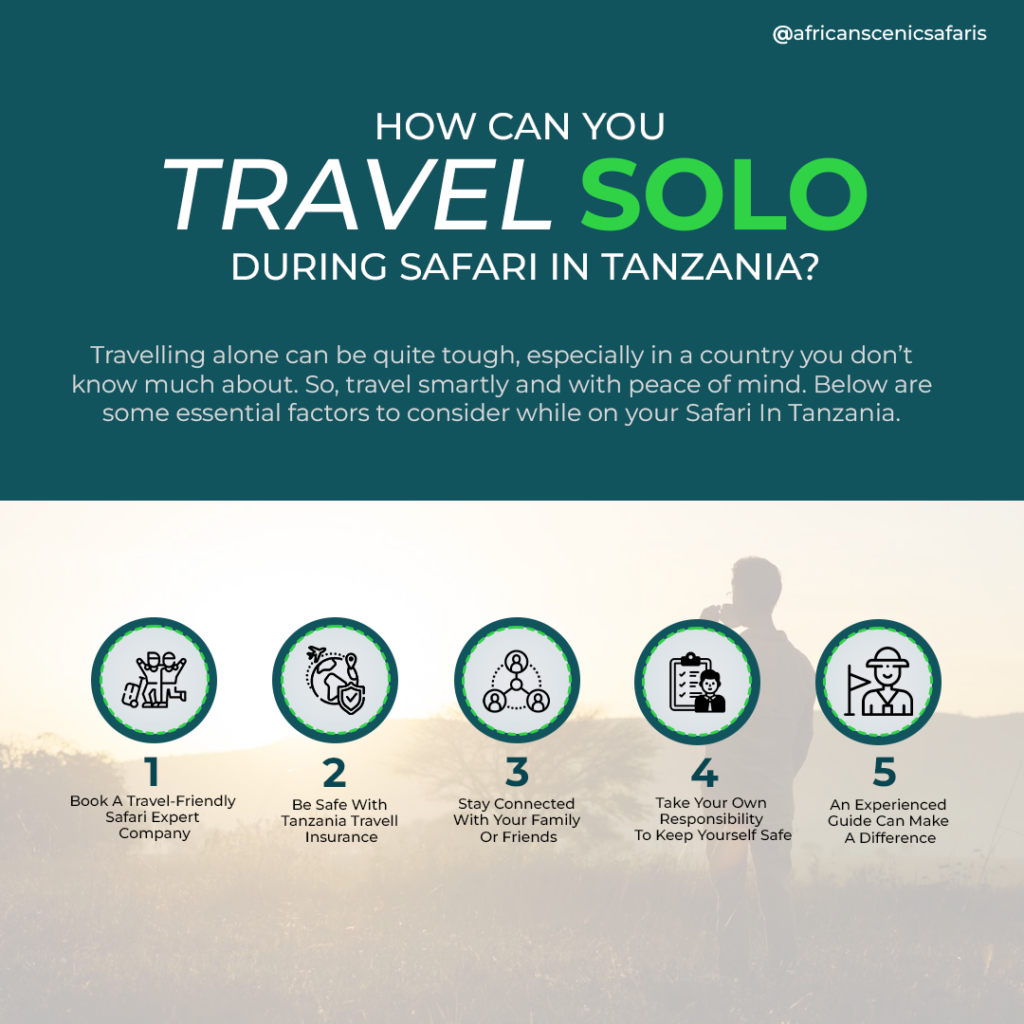
Planning a solo adventure to Tanzania? Here’s a tip: the timing of your safari can significantly impact your experience. With varied climates and migrating wildlife, Tanzania offers unique sights throughout the year. Knowing when to book can make all the difference in the wildlife spectacles you’ll witness.
From December to March, the southern Serengeti is alive with calving wildebeest, making it a prime time for witnessing baby animals. Alternatively, booking a safari between June and October offers optimal game viewing due to the dry season. During these months, water sources become scarce, drawing large numbers of wildlife to known watering holes, ensuring stunning encounters for a solo traveler.
Booking your
Tanzania safari depends on what you want to see. For calving season, visit between December and March; for the Great Migration, June to October is best. Birdwatching peaks from November to April. Each season offers unique experiences tailored to solo travelers looking for adventure and optimal wildlife viewing.
Optimal Times to Book Your Tanzania Safari with Sia Yangu Safari
Understanding the best times to visit Tanzania is crucial for a remarkable safari experience. Each season offers distinct wildlife viewing opportunities. December to March is ideal for witnessing the calving season in the Southern Serengeti. This period provides stunning views of baby animals and predator interactions. Plan your trip wisely to capture these magical moments.
If you’re keen on witnessing the Great Migration, the period from June to October is perfect. This is when thousands of wildebeest and zebras cross the Mara River. It’s an extraordinary spectacle of nature that attracts many travelers. According to this post, timing your trip to coincide with the migration will amplify your safari experience. Make sure to book in advance to secure the best spots.
Another excellent time for a Tanzanian safari is during the dry season. From June to October, animals gather around waterholes, making game viewing easier. Here is the post suggesting that this is when wildlife is most concentrated in observable areas. It’s easier for solo travelers to find and photograph animals during this time.
For bird enthusiasts, November through April is ideal, as migratory birds flock to Tanzania. The rainy season contributes to lush landscapes and blooming flora, enhancing birdwatching experiences. Creating a diverse itinerary with Sia Yangu Safari during these months can lead to unforgettable sightings. Make the most of your solo adventure by capturing rare and colorful bird species.
Understanding seasonal wildlife patterns for solo travelers
The cycle of seasons in Tanzania shapes the behavior and movements of wildlife. During the wet season, from November to April, the landscape transforms into lush greenery. Many animals give birth during this time, leading to high predator activity. It’s a fascinating period to observe the dynamics between prey and predators. Solo travelers can capture these thrilling moments.
The dry season, from June to October, forces animals to gather around limited water sources. This makes wildlife spotting easier for solo travelers. Animals like elephants, zebras, and antelopes are commonly found near waterholes. Predators also follow, creating spectacular viewing opportunities. It’s an optimal time for photography and adventure.
The Great Migration is a highlight of the Serengeti ecosystem. According to this post, the migration typically occurs between June and October. Solo travelers can witness vast herds of wildebeest and zebras on the move. This journey follows a predictable pattern, crossing the Mara River. It’s an unmatched experience in the wildlife world.
Birdwatching is best during the wet season, with migratory birds arriving in Tanzania. November through April offers a colorful array of bird species. Solo travelers can explore various ecosystems, spotting different birds. This period is ideal for those interested in ornithology. The vibrant and diverse birdlife offers a serene addition to the safari experience.
Benefits of Choosing the Right Season for Your Safari
Choosing the right season for your Tanzanian safari can elevate your experience. Opting for the dry months of June to October means easier wildlife spotting. Water sources are scarce, so animals gather around them, making them visible. This concentration allows for incredible photo opportunities. Game viewing is more predictable and often more exciting.
The wet season, however, from November to April, also has its perks. During this time, the landscapes are lush and green, providing a stunning backdrop. Many animals give birth, bringing a younger generation of wildlife into view. The vibrant scenery makes for picturesque moments. It’s ideal for travelers seeking a mix of wildlife and floral beauty.
For birdwatchers, the wet season is particularly beneficial. Migratory birds flock to Tanzania between November and April. You can spot a variety of colorful and rare species. This adds a unique dimension to your safari experience. Birdwatching during this period is truly remarkable.
Understanding these seasonal advantages helps plan a better safari. Whether you prioritize game viewing or enjoy diverse landscapes, Sia Yangu Safari can guide you. Booking your trip based on your interests ensures a fulfilling adventure. Personalized experiences make solo travel more enjoyable. Carefully timing your safari can lead to unforgettable memories.