Booking during shoulder season offers budget travelers lower prices on flights and hotels, fewer crowds at popular destinations, and more relaxed interactions with locals. Additionally, the weather is often more moderate, enhancing outdoor activities’ enjoyment while providing a richer cultural experience without the high costs or pressure of peak season travel.

Why Shoulder Season Offers the Best Value for Travelers on a Budget
Traveling during the shoulder season provides significant savings compared to peak times. Airlines and hotels generally offer lower prices because there’s less demand. This means you can book your flight and accommodations for a fraction of the usual cost. Additionally, popular destinations are less crowded, making the experience more enjoyable. You get to see the same sights, but without the hassle of long lines.
Sia Yangu Safari offers extra reasons to plan your trip during this period. The wildlife is still active, and the beautiful landscapes remain stunning. Plus, you can often find better deals on packages and tours. Many travelers overlook this ideal window, but you can take advantage of the savings and an enhanced experience.
Another major benefit of traveling during shoulder season is the weather. It is often more moderate and comfortable, compared to the intense heat or cold of peak seasons. This pleasant climate allows for more enjoyable outdoor activities. For instance, you can hike without overheating or take a nature walk without freezing.
Lastly, locals in tourist destinations are generally more relaxed and welcoming during the shoulder season. They have more energy and time to engage with visitors. This makes for a richer cultural experience. Whether you’re exploring a local market or attending a cultural event, you’ll feel more like a true part of the community.
Unveiling the Benefits of Traveling During the Shoulder Season
One of the biggest advantages is the cost savings. Flights and accommodations are much more affordable. This allows you to stretch your travel budget further. You can enjoy a longer trip or afford to stay in nicer places. There’s also more room for extra experiences and adventures.
Traveling during this season means fewer crowds. Popular tourist spots won’t be as packed, making sightseeing more pleasant. You can take your time and enjoy the attractions without feeling rushed. It also means shorter wait times. You’ll get a better, more relaxed experience overall.
The weather during the shoulder season is another big plus. It’s not too hot or too cold, which is perfect for outdoor activities. Whether you like hiking, sightseeing, or exploring nature, the conditions will be ideal. You’ll have a more comfortable and enjoyable trip. This is especially great for families with children or elderly travelers.
Local culture is more accessible during the shoulder season. Residents are less overwhelmed by tourists and have more time to interact. This gives you a better chance to learn about the culture and traditions. You can enjoy local events and festivals more intimately. It’s a deeper, richer travel experience overall.
Strategies for Maximizing Savings and Experiences in Shoulder Season
Planning ahead is crucial. Booking flights and accommodations in advance often results in better deals. Compare prices between different websites and look for discount codes. Flexibility with travel dates can also lead to significant savings. Try adjusting your trip by a day or two to find the lowest prices.
Consider alternative accommodations. Instead of staying in expensive hotels, look into vacation rentals or hostels. Many times, these options offer more comfort and character. You can also save money on meals by cooking in a rental kitchen. This can add a unique and homey feel to your trip.
Take advantage of local transportation. Using buses or trains instead of taxis can save you a lot of money. It also gives you a chance to see more of the area. Research the most affordable and convenient options beforehand. Some places offer tourist passes that include unlimited travel.
Don’t miss out on free activities. Many destinations have free attractions and events during the shoulder season. You can visit parks, museums, and markets without spending a dime. Check local listings for any free concerts or festivals. Engaging in these activities adds depth to your experience without breaking the bank.
Budget Travel Hack 1 – Embrace Shoulder Season
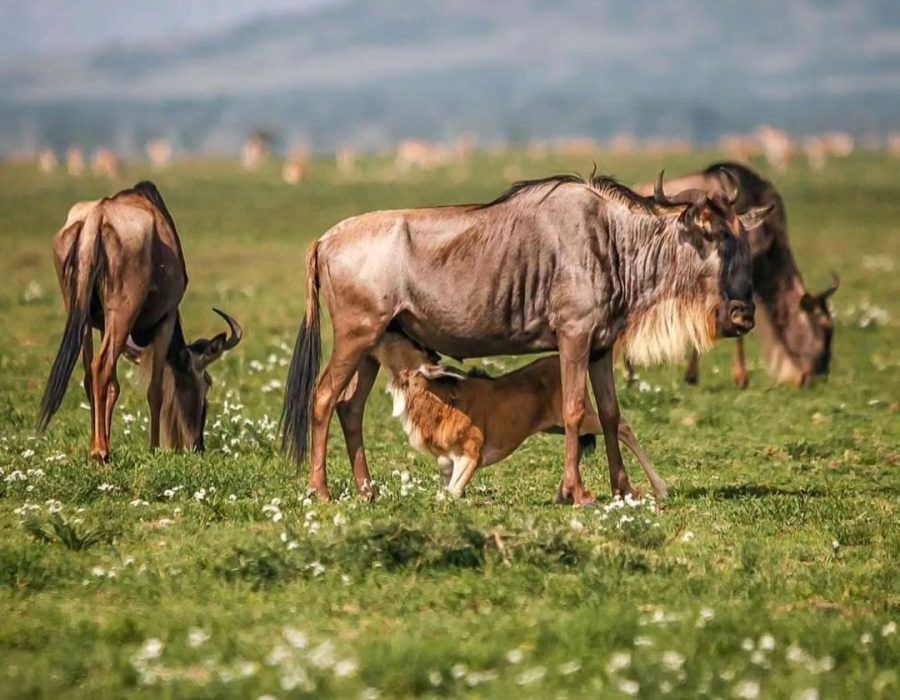
Ever wondered what makes the Great Migration so breathtaking? It’s not just the thunderous hooves and epic journeys, but the tender moments during calving season when thousands of wildebeests give birth, creating a surge of life on the savannah. Booking during this period offers a rare chance to witness the sheer volume and vulnerability of new life, packed with unforgettable wildlife action.
Calving season typically runs from late January to early March, marking an explosion of life that attracts predators and creates a dynamic safari experience. Historical data shows that over 500,000 wildebeest calves are born in just two to three weeks. This brief window is the prime time for those looking to experience Africa’s raw and thrilling wildlife interactions through the lens of nature’s survival of the fittest.
The optimal time to book a calving season safari for African wildlife action is from late January to early March. This period aligns with the wildebeest calving season, offering spectacular sights of newborn animals and heightened predator activity, ensuring an unforgettable and dynamic safari experience.

Optimal Timing to Experience Calving Season Safari with Sia Yangu Safari
The best time to witness the calving season with Sia Yangu Safari is during the late January to early March period. This is when the Great Migration sees an amazing surge of life with thousands of wildebeest calves born. During this window, the Serengeti comes alive with action, making it ideal for experiencing unparalleled wildlife encounters.
Booking during this period allows visitors to catch not just the births, but the immediate drama as newborns become targets for predators. According to this post, the wet season brings unique advantages for safari-goers, like fewer tourists and greener landscapes. This aligns perfectly with the calving season, enhancing the visual and experiential aspects of your journey.
Sia Yangu Safari offers specialized tours that cater to the needs of those looking to see this extraordinary natural event. Their expert guides are seasoned in navigating the terrains and ensuring you get the most out of your safari. The company’s tailored itineraries focus on placing you at the heart of the action, providing insights and comfort throughout the adventure.
For a detailed understanding of the optimal times and benefits of a Tanzanian safari, according to the article here, choosing the right season means maximizing your chances of unforgettable wildlife experiences. The calving season offers the dual excitement of witnessing new life and the strategic movements of predators, making your safari trip with Sia Yangu Safari truly remarkable.
Key Factors Influencing the Best Booking Periods for Wildlife Action
Several factors play a vital role in determining the best time to book your safari for wildlife action. Weather is one of the main influences, as the wet season from November to May brings lush landscapes and active wildlife. However, the dry season from June to October is preferable for easier game viewing due to animals gathering around water sources.
The migration patterns of the animals are another crucial factor to consider. The Great Migration peaks during specific months, offering prime opportunities for spectacular wildlife sightings. For those interested in the calving season, late January to early March is ideal, aligning perfectly with the newborn wildebeest frenzy.
Traveler preferences also influence booking periods, as different seasons offer varied experiences. Some prefer the quieter and greener wet season, while others opt for the bustling dry season with higher chances of witnessing predator-prey interactions. Sia Yangu Safari provides detailed guides, ensuring travelers can choose the period that best fits their needs.
According to this post, understanding these factors can help craft an unforgettable safari experience. Choosing the right booking period involves balancing wildlife activity dynamics, weather patterns, and personal preferences, ensuring a thrilling and enriching adventure on the African savannah.
Benefits of Choosing the Right Season for Safari in Africa
Choosing the right season for your African safari can enhance the overall experience incredibly. During the dry season, which runs from June to October, animals congregate around waterholes, making wildlife viewing easier and more predictable. This period also coincides with the Great Migration, offering the spectacle of massive herds and dramatic river crossings.
The wet season, from November to May, brings its own set of advantages. The landscape transforms into a lush, green paradise, rejuvenating the scenery and providing a stunning backdrop for photography. Plus, you can enjoy lower rates and fewer tourists, making your safari more peaceful and exclusive.
Interestingly, certain times within these broader seasons are optimal for specific wildlife events. For example, late January to early March is perfect for experiencing the wildebeest calving season, where life blossoms in abundance. For those wanting to witness predator prey dynamics, this could be the best time.
According to this article, tailoring your safari experience to the right season ensures you capture the full spectrum of African wildlife. Balancing the elements of weather, wildlife behavior, and personal preferences will make your adventure with Sia Yangu Safari truly unforgettable.
For optimal availability, reserve the Machame route six months ahead due to high demand from June to October. Book the
Lemosho route also six months in advance for January to March and June to October. For the quieter Rongai route, four to five months’ notice is ideal from January to March.

Optimal Times for Booking Kilimanjaro Routes with Sia Yangu Safari
The best times for booking Kilimanjaro routes with Sia Yangu Safari are typically during the dry seasons. These periods generally fall between late June to October and January to mid-March. During these months, the weather is more predictable, and the risk of heavy rains is lower. This makes the climb safer and more enjoyable. Hence, it’s crucial to reserve early to secure your desired dates.
Every route on Kilimanjaro has its specific advantages during different times of the year. For the Machame route, June to October offers clearer skies and warmer temperatures. The Lemosho route is also favorable during these months, providing stunning views of the Shira Plateau. On the other hand, Rongai route is best from January to March when fewer climbers choose this path, resulting in a quieter experience. Each route’s unique qualities shine during these optimal seasons.
Last-minute bookings can often result in disappointment due to limited availability. To avoid this, consider reserving your spot at least six months in advance, especially for peak seasons. Planning ahead allows you to choose preferred dates and ensure all necessary arrangements are made. This proactive approach is particularly important with Sia Yangu Safari, known for their personalized service and attention to detail.
Weather patterns can vary, but overall trends indicate specific times are better for trekking. Reviewing weather forecasts and historical climate data can aid in making an informed decision. Utilize resources like Sia Yangu Safari’s seasonal recommendations to plan your adventure. Prioritizing these optimal times can enhance both the safety and enjoyment of your Kilimanjaro climb.
Understanding Seasonal Variations for Machame, Lemosho, and Rongai Routes
Machame, often known as the “Whiskey Route,” offers varied scenery across different seasons. From June to October, you can expect dry and accessible trails. This period is ideal for witnessing stunning landscapes without the hindrance of heavy rain. However, the route tends to be crowded during these months. Planning ahead can help avoid any inconvenience.
Lemosho route offers a slightly different experience. Its western approach to Kilimanjaro means trekking through lush rainforests and remote trails. The dry season, from January to March and June to October, ensures better conditions. During these months, hikers enjoy magnificent views of the Shira Plateau. Conversely, the rainy season can make paths slippery, adding challenges to the climb.
Rongai route, starting from the northern side, offers a milder climate compared to the other routes. January to March is considered optimal for trekking this route. Rain is less likely during these months, making it a great choice for a quieter experience. Wildlife sightings also increase during this time, adding to the adventure. Crowds are generally thinner, enhancing the solitary charm.
Understanding these seasonal variations helps in planning the perfect climb. Each route has distinct features suited to different times of the year. This information aids in selecting the best period for a Kilimanjaro adventure. Utilizing the expert guidance from Sia Yangu Safari can make the booking process smoother. This ensures you get the most out of your journey.
Recommendations for Advance Reservations per Route to Ensure Availability
Making reservations in advance for Kilimanjaro routes is essential for a hassle-free experience. For the popular Machame route, it is recommended to book at least six months ahead. This route is in high demand due to its scenic views and challenging trails. Advance booking ensures that you secure your spot during peak trekking seasons. It also allows for better preparation and planning.
When considering the Lemosho route, similar early reservations are advised. Booking six months in advance is ideal for this remote and tranquil path. Due to fewer crowds, early scheduling guarantees that you can enjoy this serene journey without interruptions. Sia Yangu Safari often tailor plans to your needs, enhancing the overall trekking experience. Timely reservations are crucial to leverage this personalized service.
Rongai route, despite being less crowded, still requires foresight in planning. Reserving at least four to five months ahead is prudent. This ensures availability during January to March, which is the optimal trekking period. Early bookings not only secure your desired dates but also avoid last-minute cancellations. Such proactive steps ensure smooth access to all necessary equipment and permits.
Considering these recommendations helps create an efficient booking schedule. It minimizes stress and maximizes enjoyment, both key elements in a successful climb. Utilizing Sia Yangu Safari’s expertise in planning and reservations ensures a seamless adventure. Prioritizing advance bookings is the best strategy for an unparalleled trekking experience on Kilimanjaro.
Climbing Kilimanjaro: The Machame and Lemosho Routes | Trek Tips
To get to the Hadzabe Tribe from Arusha or Serengeti, travel via private car or guided tour to Karatu and then head towards Lake Eyasi. Reliable local guides like Sia Yangu Safari can aid in navigation and coordination. Total drive is approximately 4-7 hours depending on the starting point.

How Do You Get to the Hadzabe Tribe from Arusha
To get to the Hadzabe Tribe from Arusha, you first need to determine your mode of transport. The most common options are hiring a private vehicle or joining a guided tour. Sia Yangu Safari offers several packages that include transport to the tribe. Private vehicles provide flexibility, while guided tours offer convenience and expertise.
Next, you will travel west towards Karatu, passing through beautiful landscapes. The drive typically lasts about 4 to 5 hours, depending on road conditions. Along the way, you may see amazing wildlife and interact with local communities. Driving through Karatu is an enriching experience on its own.
Once you reach Karatu, you will head towards Lake Eyasi, located on the southwestern side. According to the article, Sia Yangu Safari organizes trips that help you coordinate with local guides for a seamless experience. Lake Eyasi is stunning and offers various activities around the lake. This area is home to the Hadzabe Tribe.
Upon arriving at Lake Eyasi, you will coordinate with Sia Yangu Safari guides for the final trek. Local guides are essential for navigating the terrain and ensuring a respectful visit. Finally, you’ll engage with the Hadzabe Tribe, learning about their unique culture and lifestyle. It’s an unforgettable journey, made easier by carefully planning your trip details.
Step 1: Choose Your Mode of Transport
The first step to reaching the Hadzabe Tribe is selecting how you will travel. There are several options, each with its advantages. You can choose to hire a private car, opt for a guided tour, or even use public transport for a more local experience. Each mode of transport provides different levels of comfort and convenience.
Hiring a private car is an excellent option for those who want flexibility. This allows you to set your own schedule and make stops along the way. You can enjoy the journey at your own pace and explore hidden gems. However, it might be more expensive compared to other options.
Joining a guided tour is perfect if you prefer convenience. According to this post, guided tours often include everything from transport to interactions with the tribe, making the experience smoother. Plus, you will benefit from the knowledge and expertise of the guides. This can enrich your journey significantly.
Public transport is the most budget-friendly option but may not be as comfortable. It’s a great way to mingle with locals and experience daily Tanzanian life. Buses and shared taxis can take you part of the way, but you might need to arrange additional local transport from the nearest town. Making the right choice depends on your preferences and budget.
Step 2: Travel to Lake Eyasi through Karatu
After selecting your mode of transport, your journey to the Hadzabe Tribe continues by passing through Karatu. The route from Arusha to Karatu is well-defined and scenic. Many travelers enjoy the picturesque views along the way. The road is generally in good condition which makes the drive pleasant.
Once you reach Karatu, you might want to take a short break. Karatu offers several rest stops and quaint eateries where you can refresh yourself. From Karatu, the journey to Lake Eyasi takes you through rural landscapes. There’s a chance to see small farms and local wildlife.
On the way to Lake Eyasi, depending on your choice of transport, you may stop at various points of interest. According to the article, this area is rich in natural beauty and cultural sights. Make sure to have your camera ready for some stunning photographs. Traveling through this region is both educational and inspiring.
Upon nearing Lake Eyasi, the surroundings become even more captivating. The final stretch of your journey showcases the beautiful lake and its diverse ecosystem. This part of the trip prepares you for meeting the Hadzabe Tribe. By now, you will have experienced a variety of Tanzanian landscapes and cultures.
Step 3: Arrive at Lake Eyasi and Coordinate with Sia Yangu Safari Guides
Upon arriving at Lake Eyasi, you’ll be greeted by breathtaking views of the lake and surrounding terrain. This destination is the gateway to the Hadzabe Tribe. It’s crucial to coordinate with Sia Yangu Safari guides to ensure a smooth visit. They assist with the final preparations for your trek.
Sia Yangu Safari guides are knowledgeable and experienced. Their expertise helps you navigate local customs and ensures respectful interactions with the Hadzabe. By following their instructions, you’ll have a more enjoyable experience. The guides facilitate introductions to the tribe.
The area around Lake Eyasi is home to diverse flora and fauna. As you coordinate with the guides, take some time to explore. You might spot birds, small mammals, and unique plant species. This is a great opportunity to enrich your travel experience.
According to here is the article, the last part of the journey involves trekking to the Hadzabe settlement. The terrain can be challenging, but the guides know the best routes. They ensure your safety and make the trek manageable. Walking through this landscape gives you a deeper connection to the environment.
Coordination with Sia Yangu Safari guides ensures that you leave no trace and respect the natural habitat. This is an essential part of sustainable travel. The guides also prepare you for engaging with the tribe’s culture. Their insights make your interactions meaningful and respectful.
Step 4: Final Trek to the Hadzabe Settlement
The final trek to the Hadzabe settlement is the most adventurous part of your journey. Sia Yangu Safari guides will lead the way through varying terrains, from open savannas to thickets. The landscape is diverse and captivating. This trek brings you closer to nature.
During the trek, your guides will share valuable information about the flora and fauna. They may point out medicinal plants used by the Hadzabe. You’ll learn about the natural resources of the area. This knowledge enhances your appreciation of the environment.
The trek might take a few hours, depending on the exact location of the settlement. It’s essential to follow the guides’ instructions for safety. For example, they will advise you on how to handle the terrain and any wildlife encounters. Being prepared ensures a smooth and enjoyable journey.
When you get closer to the settlement, you’ll start to see signs of the Hadzabe’s presence. Small, temporary huts and tools give you a glimpse into their way of life. According to this post, the Hadzabe’s lifestyle is deeply connected to the land. Observing these signs builds anticipation for the encounter.
The final steps of the trek lead you to the Hadzabe community. Here, the guides will help you introduce yourself respectfully. The Hadzabe are generally welcoming and eager to share their culture. This moment marks the culmination of your carefully planned journey.
Step 5: Engage with the Hadzabe Tribe
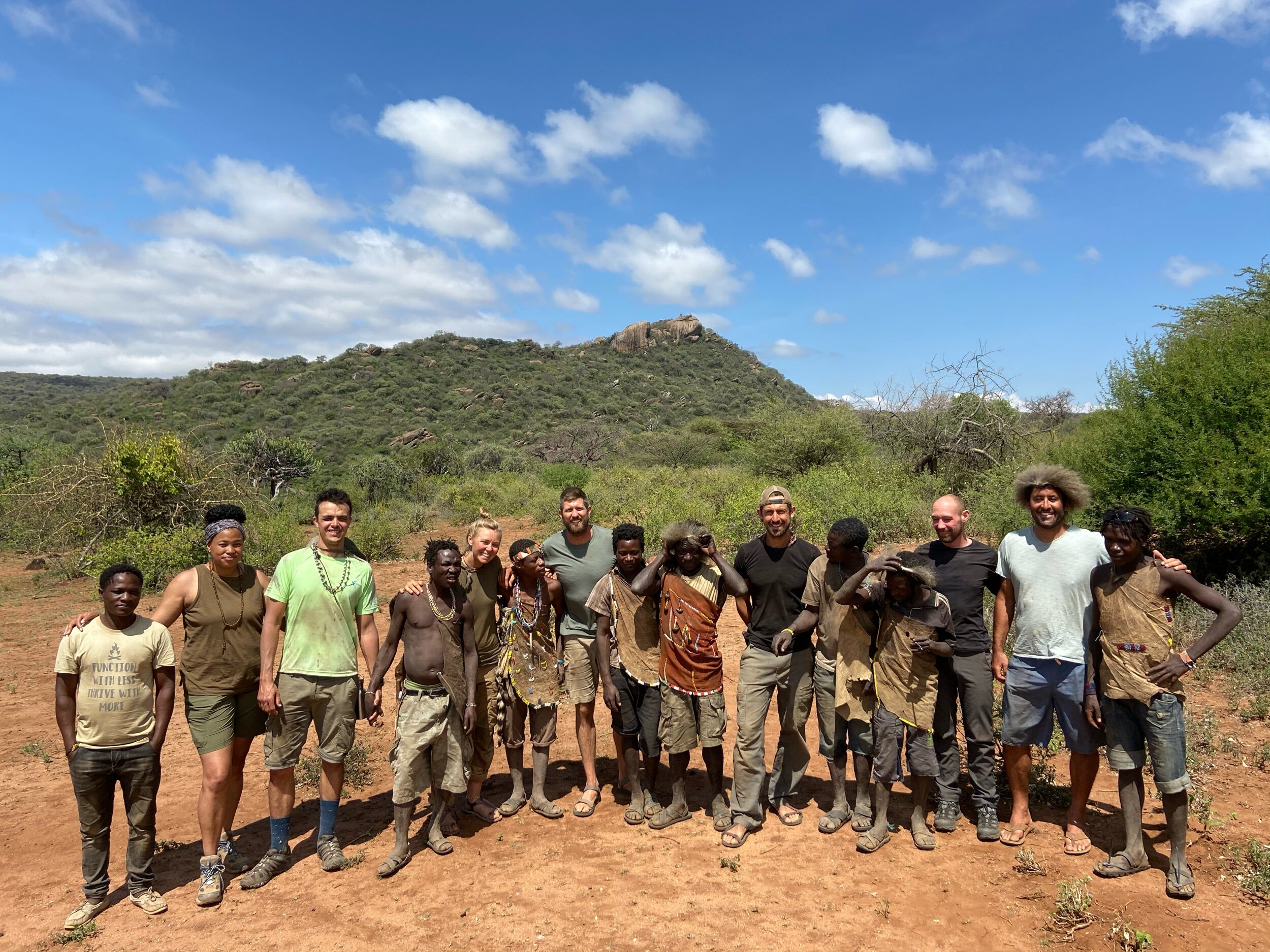
Engaging with the Hadzabe Tribe is an unforgettable experience. The tribe is open to sharing their rich cultural heritage with visitors. You will be introduced to their way of life, including hunting practices and traditional customs. Sia Yangu Safari guides will facilitate these interactions to ensure they are respectful and meaningful.
The Hadzabe are known for their exceptional hunting skills. You may have the chance to join a hunting expedition and see their techniques firsthand. It’s fascinating to watch their expertise with bows and arrows, a key part of their survival. Observing their hunting methods offers deep insights into their daily lives.
Participating in their daily activities gives you a sense of their community dynamics. From gathering food to making fire, every task is done with great skill and cooperation. This hands-on participation helps you understand their resourcefulness. The tribe’s connection to nature becomes evident in these moments.
The Hadzabe Tribe also enjoys sharing their stories and songs. These oral traditions are an essential part of their cultural identity. Listening to their tales can be both educational and entertaining. According to here is the article, these experiences are highlights for many visitors.
It’s important to engage with sensitivity and openness. Respect their space and follow the guidance of your Sia Yangu Safari guides. This ensures a positive experience for both you and the tribe. Being mindful of your behavior fosters genuine, respectful interactions.
How Do You Get to the Hadzabe Tribe from Serengeti
Journeying from Serengeti to visit the Hadzabe Tribe involves a well-planned route. You’ll first need to exit the Serengeti National Park, heading south towards Ngorongoro Conservation Area. This drive offers stunning views and encounters with wildlife. The road is rugged but navigable.
As you head closer to Ngorongoro, Karatu becomes your next destination. This lively town acts as a gateway to many safari adventures. It’s advisable to stop here for supplies and rest before continuing. Nearby accommodations provide comfort and prepare you for the onward journey.
From Karatu, travel east towards Lake Eyasi through various landscapes. The area transforms from lush greens to semi-arid terrain near Lake Eyasi itself. According to this post, it’s essential to coordinate with guides from Sia Yangu Safari for efficient planning. Their knowledge ensures safety and smooth transitions.
The final leg of the trip requires local transportation due to rough roads leading up to the settlement. Hiring local guides familiar with this last stretch can be beneficial. Public transport or guided tours are commonly used methods at this stage. Both options make sure you reach safely.
Arriving at Lake Eyasi marks your proximity to the Hadzabe Tribe’s location. Coordination with Sia Yangu Safari guides simplifies meeting and interacting with them respectfully. It’s crucial that every aspect of your visit is conducted sustainably and sensitively.
Mode of Transport and Estimated Travel Time
Choosing the right mode of transport to visit the Hadzabe Tribe can significantly affect your journey’s comfort and duration. Whether starting from Arusha or Serengeti, options include private cars, guided tours, or public transport. Each method has its pros and cons.
From Arusha, hiring a private car is a popular choice. It usually takes around 4 to 5 hours to reach Lake Eyasi. This option offers flexibility, allowing you to make stops along the way. Guided tours provide a similar travel time and add the benefit of experienced guides.
If traveling from Serengeti, the journey involves exiting the national park and heading towards Ngorongoro Conservation Area. This route takes about 6 to 7 hours, including a stop in Karatu for supplies. Again, private cars or guided tours can make the journey smoother and more enjoyable.
Public transport, while more affordable, is less convenient and may involve multiple transfers. Buses and shared taxis can get you part of the way, but you might need additional transport for the final stretch. This option is often less predictable in terms of travel time.
Different travel modes and their estimated times:
- Private Car (Arusha to Lake Eyasi): Approximately 4-5 hours
- Guided Tour (Arusha to Lake Eyasi): Approximately 4-5 hours
- Private Car (Serengeti to Lake Eyasi): Approximately 6-7 hours
- Guided Tour (Serengeti to Lake Eyasi): Approximately 6-7 hours
- Public Transport: Varies, typically less predictable
Regardless of the method, planning is key. Coordinating with local guides, like those from Sia Yangu Safari, can enhance your travel experience. They ensure that you reach the Hadzabe Tribe safely and respectfully. Proper preparation guarantees a memorable journey.
Cultural Etiquette When Visiting the Hadzabe Tribe
When visiting the Hadzabe Tribe, it’s important to follow certain cultural etiquette to ensure a respectful and meaningful interaction. The Hadzabe are one of the last remaining hunter-gatherer tribes. Respecting their customs and way of life is crucial. Being mindful of your behavior will lead to a more enriching experience.
Dress modestly to show respect for the tribe’s traditions. Wearing comfortable, modest clothing is recommended. Avoid flashy outfits or accessories that may distract from the experience. Your appearance should reflect your respect for cultural differences.
Photography is another area where etiquette is important. Always ask for permission before taking photos. The Hadzabe might not be comfortable with constant photography. Respect their wishes to ensure you are not intrusive.
Interacting with the tribe should be done with sensitivity and openness. Engage in conversations and activities respectfully. Avoid being overly intrusive or demanding. Observing and listening is often the best approach.
Basic dos and don’ts when visiting the Hadzabe Tribe:
- Do: Dress modestly
- Do: Ask permission before taking photos
- Do: Respect their space and routines
- Don’t: Be intrusive or disruptive
- Don’t: Bring flashy items or unnecessary gadgets
Showing genuine interest in their culture and traditions will make your visit more meaningful. According to the guide from this article, your respectful behavior ensures that your presence is appreciated. Following these guidelines will help foster a positive relationship with the Hadzabe Tribe.
The Role of Sia Yangu Safari in Facilitating the Journey
Sia Yangu Safari plays a vital role in facilitating a smooth and engaging journey to the Hadzabe Tribe. Their expertise in organizing tours helps ensure a hassle-free experience. They handle logistics, giving you more time to enjoy your trip. Their services are designed to cater to travelers seeking a cultural adventure.
The guides from Sia Yangu Safari are knowledgeable about the region and its people. They provide essential insights about the Hadzabe Tribe’s customs and lifestyle. This guidance is invaluable for creating meaningful interactions. Having an informed guide enriches the entire experience.
Additionally, Sia Yangu Safari offers tailored packages that include transportation, accommodation, and guided tours. These packages are ideal for those who want an all-inclusive experience. Each aspect of the trip is carefully planned. Booking a package can simplify your adventure.
Here are some of the services Sia Yangu Safari offers:
- Private transportation to and from Lake Eyasi
- Expert guides familiar with the Hadzabe culture
- Accommodation at local lodges or camps
- Organized activities with the Hadzabe Tribe
According to this post, Sia Yangu Safari helps ensure respectful and sustainable tourism practices. Their approach minimizes the impact on the tribe’s daily life. By choosing Sia Yangu Safari, you contribute to responsible tourism. This makes your journey both enjoyable and ethical.
Sia Yangu Safari’s role doesn’t end once you reach the tribe. They continue to support you throughout your visit. Their commitment to providing excellent service makes them a trusted partner. Engaging their services allows for an unforgettable experience with the Hadzabe Tribe.
Securing a booking at top Serengeti lodges during peak season can be akin to winning a lottery. It’s often a challenge due to the unique biodiversity and breathtaking landscapes that attract throngs of tourists from all corners of the world. Have you ever considered timing your booking months in advance to ensure a spot in the heart of Serengeti’s majesty?
Historically, the popularity of Serengeti lodges has surged, especially during the Great Migration. Statistics show that these top lodges often reach full capacity six months before the migration season. The solution lies in planning ahead and securing bookings well in advance; flexibility and preparedness can be your best allies.
Securing a booking at top Serengeti lodges requires advanced planning. The optimal timeline is 6-12 months ahead, especially during the Great Migration season from July to October. Early booking ensures better choices in accommodations, tailored experiences, and often special rates for early reservations.

Planning Your Serengeti Adventure with Sia Yangu Safari
When planning a Serengeti adventure, start by choosing the right time to visit. The Great Migration, a spectacular event where over a million wildebeests and zebras move across the plains, happens between July and October. According to this post, ensuring your visit coincides with this migration is key to maximizing the experience.
Booking accommodations in advance is crucial due to the high demand during peak seasons. Top lodges, such as Four Seasons Safari Lodge and Serengeti Pioneer Camp, often get booked months ahead. Creating a checklist can help keep track of lodging options.
Consider Sia Yangu Safari for a hassle-free booking experience. Their expertise in arranging Serengeti lodges ensures you find the perfect place to stay. Sia Yangu Safari provides personalized services tailored to your needs, ensuring you enjoy every moment of your adventure.
Explore various travel packages offered by Sia Yangu Safari. They include guided tours, safari excursions, and cultural experiences that enrich your visit. Here are a few key elements to consider:
- Guided tours
- Wildlife safaris
- Cultural visits
Key Factors to Consider When Booking a Lodge
When booking a lodge, location is one of the most important factors to consider. Proximity to wildlife viewing areas ensures you maximize your safari experience. Top lodges often provide panoramic views and easy access to key attractions.
Amenities offered by the lodge can significantly enhance your stay. Look for lodges that provide comforts such as pools, spas, and high-quality dining options. Ensuring these amenities are included will make your adventure more relaxing.
Service quality is another crucial factor. Personalized service from knowledgeable staff can make your stay memorable. It’s essential to check reviews and ratings of the lodge before making a booking.
Finally, budget considerations must not be overlooked. Whether you’re looking for a luxurious experience or a more budget-friendly stay, comparing prices and inclusions is vital. Here’s a quick comparison table:
| Lodge | Price per Night | Amenities |
|---|
| Four Seasons Safari Lodge | $800 | Pool, Spa, Fine Dining |
| Serengeti Pioneer Camp | $450 | Guided Tours, Comfortable Lodging |
Tips for a Smooth and Enjoyable Serengeti Lodge Experience
Arriving at your lodge prepared can set the tone for a great experience. Pack essentials like comfortable clothing, sunscreen, and insect repellent to ensure you’re ready for all weather conditions. Being well-prepared will help you focus on the adventure itself.
Engage with the lodge staff to learn about the best times for game drives and local wildlife habits. Their insights can enhance your sightseeing and provide the most memorable encounters. Don’t hesitate to ask questions; the staff are there to help.
Make the most of the lodge’s amenities during your downtime. Enjoy a refreshing swim, indulge in the spa services, or savor a gourmet meal. These amenities provide a perfect balance to the thrilling safari activities.
Participate in any scheduled activities offered by the lodge, such as guided walks or cultural tours. These activities can enrich your understanding of the area and its inhabitants. Consider these options:
- Guided botanical walks
- Local village visits
- Bird watching trips
Pre-booking ensures a structured itinerary, potentially offers better deals, and guarantees availability for popular activities. Arriving without booking provides flexibility and opportunities for spontaneous experiences but carries the risk of limited options and higher costs. Ultimately, the choice depends on your preference for planning versus adaptability during your safari in Moshi or Arusha.

Benefits and Drawbacks of Pre-Booking with Sia Yangu Safari
Pre-booking your safari with Sia Yangu Safari can offer peace of mind. Knowing that your itinerary is set lets you focus on enjoying your trip. You can save time and avoid the hassle of making last-minute arrangements. Plus, pre-booking often comes with better deals and availability. However, it’s not always the perfect choice for everyone.
One significant benefit of pre-booking is the ability to plan ahead. You can secure popular safari tours and lodgings before they become fully booked. This can be especially crucial during peak travel seasons. In addition, you may find discounted rates by booking early. These savings can be put toward other aspects of your trip.
Despite the perks, pre-booking has its drawbacks. Committing to a schedule can limit your flexibility. Unexpected events or a change in interests might make you wish for different plans. Additionally, pre-booking requires upfront payments, which may not suit everyone. If you can deal with these limitations, pre-booking is a solid option.
Another downside is the possibility of unforeseen changes. It’s harder to adapt if plans need alteration due to weather or personal reasons. List of common drawbacks:
- Less flexibility
- Upfront payment requirements
- Difficulty in changing plans
Understanding what works best for you will ensure a memorable safari experience.
Advantages of Pre-Booking
Pre-booking with Sia Yangu Safari gives you control over your schedule. You can choose the best dates and times for your adventure. This ensures you don’t miss out on the activities you want to do. It also helps to avoid disappointments as popular dates fill up fast. Having a set plan means less stress during your trip.
Another significant advantage is cost savings. Booking early often brings special offers and discounts. These savings can make a difference for travelers on a budget. You can allocate extra funds towards souvenirs or additional tours. It’s like getting more value for your money.
Convenience plays a big role in pre-booking. Knowing your trip is arranged allows you to focus on other preparations. It eliminates last-minute scrambling for accommodations. Being organized lets you relax before the travel date arrives. This ease of mind is invaluable.
Lastly, pre-booking allows you to secure spots in high-demand tours. Sia Yangu Safari offers popular packages that might sell out quickly. By booking early, you’re guaranteed a place in these sought-after adventures. List of pre-booking advantages:
- Scheduled and organized itinerary
- Cost savings through discounts
- Convenience and peace of mind
- Guaranteed spots in popular tours
This planning strategy enriches your safari experience immensely.
Challenges of Pre-Booking
Pre-booking your safari can pose certain challenges. One major drawback is limited flexibility. If you pre-book, changing your plans can be difficult. This can be a hassle if sudden changes arise. It might lead to missed opportunities or additional costs.
Financial commitment is another challenge. Payment is often required upfront when you pre-book. For some travelers, this can be inconvenient. Paying in advance might not suit everyone’s financial situation. It can also tie up funds that could be used for other trip expenses.
Weather unpredictability can impact your plans. Even the best-laid plans can hit snags due to unforeseen weather conditions. This can alter your schedule and affect your safari experience. Being locked into a pre-booked itinerary means less wiggle room. Flexibility can be important when dealing with nature.
Lastly, pre-booking can sometimes lead to over-scheduling. Trying to fit too many activities into a fixed schedule can be exhausting. You might not have time to fully enjoy each experience. List of common challenges:
- Limited flexibility
- Upfront financial commitment
- Unpredictable weather impacts
- Potential over-scheduling
Weighing these challenges is crucial for a balanced safari plan.
Exploring the Perks and Pitfalls of Arriving in Moshi or Arusha without a Booking
Arriving in Moshi or Arusha without a booking can be adventurous. You have the flexibility to adjust your plans as you go. This spontaneous approach allows you to explore new opportunities and experiences. It’s perfect for travelers who enjoy the thrill of discovering hidden gems. However, this method is not without its risks.
One major perk is the ability to negotiate better deals. In some cases, last-minute bookings can offer discounted prices. You can take advantage of offers that wouldn’t be available with pre-booking. This can turn into significant savings. It requires being ready to negotiate and compare options.
Another advantage is the freedom to decide based on current conditions. If the weather is great, you can choose outdoor activities. If it’s rainy, you can opt for indoor experiences. This flexibility helps you make the most of your time in Moshi or Arusha. It also allows you to follow recommendations from locals or fellow travelers.
However, arriving without a booking comes with potential pitfalls. You may face limited availability for popular activities and accommodations. This can lead to disappointment if your preferred options are fully booked. Additionally, it can be stressful to arrange plans on-the-go. You might spend a lot of time searching for suitable choices.
Unexpected high costs are another risk. Last-minute bookings can sometimes be more expensive. You might end up paying a premium for immediate accommodations or activities. It’s important to be aware of these potential setbacks. List of advantages and drawbacks:
| Advantages | Drawbacks |
|---|
| Flexibility in plans | Limited availability |
| Potential for discounts | Higher costs |
| Freedom to decide based on conditions | Increased stress |
This balanced approach can help you decide what works best for your travel style.
Tanzania Vacation package from Arusha and Moshi in 2023, 2024 and 2025
Yes, age restrictions exist for cultural tours with the Hadzabe to ensure safety and meaningful engagement. Typically, children under 12 may not be allowed due to physical and cultural demands. Older participants should be physically fit to handle activities like walking and hunting demonstrations. Always check specific tour operator guidelines beforehand.

Exploring Age Restrictions for Cultural Tours with the Hadzabe
Engaging with the Hadzabe tribe offers a unique cultural experience, but not everyone may be able to join. Many tour companies place age restrictions to ensure safety and the best possible experience. While adults and older teens can often handle the physical and cultural demands, younger children might struggle. It’s important to check the specific guidelines of each tour operator. According to the article, knowing these details in advance can help plan a more enjoyable trip.
Reasons for these limitations vary. The Hadzabe’s traditional lifestyle involves a lot of physical activity, such as walking long distances and hunting. Small children may find it difficult to keep up. Additionally, some cultural practices may include sensitive content. Hence, tour operators typically suggest minimum age requirements.
Here is the post that explains common age restrictions for cultural tours. Generally, the recommended minimum age ranges from 12 to 14 years old. This helps ensure that participants can actively engage and understand the cultural significance of their activities. For older individuals, there usually aren’t strict upper age limits, but physical fitness is often emphasized.
Planning a visit with Sia Yangu Safari? They cater to various age groups while maintaining guidelines for safe and enriching experiences. Activities are thoughtfully planned to balance excitement and safety. Exploring these age limitations and guidelines will help prepare and ensure a memorable experience for all involved.
Understanding the Hadzabe Community
The Hadzabe community, one of the last remaining hunter-gatherer tribes in Africa, lives in northern Tanzania. They have a nomadic lifestyle, relying on hunting game and gathering wild plants for food. This way of life has remained largely unchanged for thousands of years. The Hadzabe speak Hadzane, a language rich in clicks and unique sounds. Their deep connection to nature is evident in all aspects of their daily life.
The community’s social structure is quite fascinating. There are no formal leaders or hierarchical systems within the tribe. Decisions are made collectively, with everyone having a say. This egalitarian approach extends to resource sharing, where food and supplies are distributed equally. In their culture, cooperation and community well-being are paramount.
The Hadzabe’s traditional practices play a vital role in their lifestyle. They are skilled hunters, using handmade bows and arrows to catch animals. Both men and women gather fruits, roots, and honey from their environment. While men typically hunt, women and children focus on foraging. These activities require intimate knowledge of the land and its resources.
Modern influences have started creeping into their way of life. Education and outside contact offer new opportunities and challenges. However, many Hadzabe still adhere to their traditional ways. Tourists visiting the Hadzabe can witness and participate in their daily routines, gaining a deeper understanding of their remarkable culture. This exposure also helps the Hadzabe by providing an additional source of income.
Reasons Behind Setting Age Limits
Age limits for cultural tours with the Hadzabe are primarily set for safety reasons. Younger children might have trouble keeping up with the physically demanding activities such as long walks and hunts. This concern exists to prevent any potential harm or injury to the children. Additionally, kids might not fully grasp the cultural significance, impacting their overall experience. Setting age limits ensures that all participants have a meaningful and safe journey.
Another reason for age restrictions is the preservation of the Hadzabe’s traditional practices. The tours often include demonstrations of hunting techniques and other customs that require focused attention. Younger children might not have the patience to sit through detailed explanations. Keeping the group composed of older individuals helps in respecting the tribe’s routines. This allows for a more respectful and immersive experience.
The tours are designed to be educational, requiring a certain level of maturity and comprehension. For younger audiences, it might be challenging to understand the cultural narratives and history shared by the Hadzabe. This can disrupt the educational aspect of the tour. By having age limits, tour operators can ensure that the participants can fully engage and appreciate the cultural learning. Ultimately, this leads to a more enriching experience for everyone involved.
Lastly, age restrictions consider the potential impact on the Hadzabe community itself. Large groups or young children may cause disturbances unintentionally. Respecting their space and customs is paramount. Sia Yangu Safari maintains these guidelines to create a balanced, respectful, and enriching experience both for the tourists and the tribe. This fosters mutual respect and preservation of culture.
Common Age Restrictions and Justifications
When it comes to cultural tours with the Hadzabe, common age restrictions usually start at around 12 years old. This minimum age is considered suitable because older children are generally more capable of handling the physical demands of the tour. Activities often involve long walks and sometimes strenuous hikes. Older kids are better at maintaining the necessary stamina than younger ones. Ensuring everyone can keep pace is crucial for the success of the tour.
Some tour operators might suggest a higher minimum age, like 14 or even 16 years old. This is to ensure that participants have the maturity to respect cultural sensitivities. Younger children might unintentionally behave in ways that are disruptive or disrespectful. Older teens are more likely to have the maturity needed to engage appropriately. Respect for the Hadzabe’s lifestyle is a key aspect of these cultural tours.
In certain cases, there may be no strict upper age limit, but physical fitness is carefully considered. Older adults are welcome, provided they can handle the physical activities involved. Tour operators often recommend a pre-tour health check-up. This ensures that participants are prepared for the demands of the trip. The emphasis is on making sure that everyone can safely enjoy the experience.
Different age groups offer unique perspectives on the tour, making it enriching for everyone. Teachers and parents often appreciate this opportunity for older children to learn about diverse cultures. The immersive experience helps in fostering global awareness and respect. For older tourists, it’s a chance to engage in meaningful cultural exchange. Sia Yangu Safari aims to balance these varied interests while adhering to age-related guidelines.
Overall, age restrictions are designed to ensure that everyone has a safe and enriching experience. By targeting participants who can fully engage, the tours maintain high standards of respect and understanding. This helps to preserve the Hadzabe culture while providing an unforgettable experience for visitors. Age limits help achieve a harmonious balance between these objectives.
Implications of Age Restrictions on Tour Planning
Age restrictions can significantly impact the planning and organization of cultural tours. Families with younger children might need to reconsider or delay their plans until the kids are older. This can influence the overall scheduling and availability of tour dates. Understanding these limitations helps in arranging the trip at the right time. Planning ahead becomes crucial to ensure that all family members can participate.
For tour operators, setting age restrictions means tailoring activities and itineraries to suit the group’s capabilities. Activities must be chosen with the age and fitness level of participants in mind. This could involve selecting routes that are less challenging or avoiding certain demonstrations. Adjusting the tour content helps create an engaging experience for the specific age group. This customization ensures safety and enjoyment for everyone.
Parents and guardians need to prepare their children for the tour, especially if they are on the younger side of the age range. Explaining the cultural significance and expected behavior can help in making the experience more meaningful. Packing appropriately also becomes important. Items like comfortable shoes and adequate hydration are essential for active tours. Proper preparation leads to a more enjoyable and smooth experience.
Tour operators also benefit from clear age guidelines by managing group dynamics better. Mixed-age groups may require additional resources to cater to varying needs. This includes having extra staff or altering the pace of the tour. Well-defined age limits streamline these logistical challenges. This allows the focus to be on delivering a high-quality cultural experience.
Moreover, age restrictions can influence the overall group size and composition. Smaller, age-appropriate groups can interact more deeply with the Hadzabe. This fosters a more intimate and respectful exchange. It also minimizes the risk of overwhelming the hosts. Age limits thus help in maintaining the integrity and respectfulness of the cultural visit.
How Sia Yangu Safari Accommodates Different Age Groups
Sia Yangu Safari makes an effort to cater to various age groups to ensure everyone has a great experience. For families with children, they offer customized itineraries that balance adventure and education. Activities are selected to be engaging, yet safe for younger participants. This might include nature walks that are not too strenuous. Storytelling sessions around the campfire are also popular with kids.
Teenagers and young adults have their own set of activities designed to keep them active and interested. These might include hands-on demonstrations of traditional hunting techniques. Other activities can involve learning about the flora and fauna of the region. This age group benefits from more physically demanding experiences. The tours aim to provide memorable moments that combine learning and adventure.
For older adults, Sia Yangu Safari often takes a more relaxed approach. Activities may be adjusted to accommodate any physical limitations. Less demanding walks and more focus on cultural interactions are common adaptations. Comfortable lodging and ample rest opportunities are provided. This makes sure that the journey remains enjoyable while still being enriching.
The safari team is well-trained in adapting the experience to meet the needs of mixed-age groups. Expert guides know how to blend various activities seamlessly. This ensures that everyone, regardless of age, remains engaged and safe. Communication with the tour operator prior to the trip helps in planning these personalized experiences. Tailored tours are a key feature of Sia Yangu Safari.
By offering diverse and tailored experiences, Sia Yangu Safari manages to create inclusive tours. The balance ensures that both younger and older participants can enjoy and learn from the journey. The focus on customization ensures that everyone’s needs are met. This approach enhances the overall experience and fosters a deeper connection with the Hadzabe culture.
Insights from Sia Yangu Safari on Age Appropriate Cultural Experiences
Sia Yangu Safari has years of experience in creating age-appropriate cultural experiences for visitors. With children, they focus on interactive and educational activities that capture their interest. This includes nature walks where they can learn about local plants and animals. Engaging stories about the Hadzabe’s traditions also fascinate young minds. Safety remains a top priority during all activities.
For teenagers, the safari offers more challenging activities that stimulate both body and mind. These often include hands-on participation in traditional crafts or cooking techniques. Learning to make bows and arrows or understanding ancient hunting methods are popular choices. Teens enjoy the combination of physical activity and historical learning. The goal is to keep them engaged while providing valuable knowledge.
Adults looking for deeper cultural connections find ample opportunities with Sia Yangu Safari. They can partake in detailed discussions about Hadzabe history and social structure. Opportunities to witness or even engage in tribal ceremonies add authenticity to the experience. Such immersive activities help broaden their understanding of this unique community. Tailored experiences ensure meaningful interactions for every visitor.
Older adults benefit from activities designed with their comfort in mind, focusing more on observation than participation if needed. Guided tours around village sites offer insights without demanding too much physically. Leisurely paced cultural exchanges allow older guests to absorb information comfortably. These adapted experiences preserve their enjoyment while ensuring they remain part of the group’s discoveries.
| Age Group | Recommended Activities |
|---|
| Children | Nature Walks, Storytelling Sessions |
| Teenagers | Crafting Workshops, Hunting Techniques |
| Adults | Cultural Discussions, Tribal Ceremonies |
| Seniors | Guided Village Tours, Leisurely Exchanges |
Sia Yangu Safari’s approach ensures that every age group finds value in their cultural tours with the Hadzabe. By tailoring each tour to meet specific needs and interests, they enhance the overall experience for everyone involved.
Benefits of Cultural Tours for Different Age Groups
Cultural tours with the Hadzabe offer numerous benefits for participants of all ages. For children, such tours provide an immersive learning experience that extends beyond textbooks. They get to observe and participate in traditional activities, enhancing their understanding of global cultures. This hands-on learning is both engaging and educational. It helps foster a sense of curiosity and respect for different ways of life.
Teenagers also gain valuable insights from these cultural tours. In addition to learning about the Hadzabe’s unique traditions, they develop critical thinking skills. Engaging with a different culture encourages them to think about their own lives from a new perspective. This broadens their worldview and promotes open-mindedness. The physical activities included in the tours also add a fun, adventurous element.
For adults, cultural tours can be profoundly enriching. They provide a deeper appreciation of human diversity and resilience. Interacting with the Hadzabe allows adults to reflect on simpler, sustainable ways of living. These experiences often lead to a greater appreciation of global heritage. Plus, sharing these moments with family or friends can strengthen bonds and create lasting memories.
Older adults enjoy unique benefits from participating in cultural tours. These tours offer a chance to engage in meaningful, low-impact activities tailored to their abilities. Learning about the Hadzabe culture can be both stimulating and relaxing. The slower pace of some activities allows for deep reflection and a more personal connection with the community. This makes the experience rewarding and memorable.
| Age Group | Benefits |
|---|
| Children | Immersive Learning, Curiosity Development |
| Teenagers | Critical Thinking, Broadening Worldview |
| Adults | Appreciation of Diversity, Strengthening Bonds |
| Seniors | Meaningful Engagement, Personal Connection |
Overall, cultural tours with the Hadzabe are beneficial for every age group. They offer unique advantages that go beyond mere sightseeing. By engaging with the community, participants gain a richer, more fulfilling travel experience. This makes cultural tours an excellent choice for individuals and families alike.
How to Prepare Younger or Older Travelers for a Hadzabe Tour
Preparing younger travelers for a Hadzabe tour starts with educating them about the culture they will be visiting. Parents and guardians can share books, videos, or stories about the Hadzabe tribe to build excitement and understanding. Discussing the cultural significance and expected behaviors is essential. This helps children know what to expect and how to act respectfully. It also ensures they are mentally prepared for the adventure.
Packing the right gear is crucial whether the travelers are young or old. For children, make sure to pack comfortable and durable clothing. Items like hats, sunscreen, and insect repellent are also necessary. For older travelers, packing might include medications, comfortable walking shoes, and supportive gear. Keeping a checklist can help ensure nothing important is forgotten.
Physical preparation is also important. Younger travelers might benefit from some physical activities to build stamina. Simple exercises or walking routines can prepare them for the physical demands of the tour. Older travelers should also consider their fitness levels. A visit to the doctor for a health check-up can ensure they are fit for the activities planned.
Educating travelers about the importance of hydration and nutrition during the tour is essential. Younger children need reminders to drink water frequently. Packing healthy snacks can keep their energy levels up. Older adults should also pay attention to hydration and bring any necessary dietary supplements. This helps everyone stay healthy and energized throughout the tour.
Lastly, mental preparation is key for understanding and respecting the Hadzabe culture. Discussing the importance of open-mindedness and respect can help travelers of all ages. Teaching them to appreciate different ways of life allows for a deeper and more respectful engagement. This ensures a meaningful and enriching experience for everyone involved.
Feedback and Experiences: Families and Seniors Visiting the Hadzabe
Families visiting the Hadzabe often share positive feedback about their experiences. Parents appreciate the educational aspect of the tours, noting how their children learn about a different culture in a hands-on way. Many families find that the immersive activities help in bonding and creating lasting memories. The kids enjoy the storytelling, nature walks, and interactive demonstrations. Overall, families feel the tours are enriching and enjoyable for all members.
Seniors also have rewarding experiences on these cultural tours. Many older visitors mention the warmth and hospitality they receive from the Hadzabe community. They value the slower-paced activities that allow for meaningful interactions and deep reflection. Guided tours that focus on observation rather than participation are especially appreciated. Seniors often highlight how these trips provide a unique opportunity for cultural exchange and personal growth.
According to feedback, the importance of preparation can’t be overstated. Families and seniors alike emphasize the need for comfortable clothing, hydration, and proper footwear. Many travelers suggest packing a small first-aid kit just in case. They also recommend reading up on the Hadzabe culture beforehand to enhance the experience. Such preparation leads to a smoother, more enjoyable trip.
- Families value the educational experiences for their children.
- Seniors appreciate the warm hospitality and slower-paced activities.
- Proper preparation is crucial for a smooth and enjoyable trip.
- Interactive activities and cultural learning are highlights for all ages.
Tales from previous visitors often mention the deep connections formed during the tours. Families talk about how their kids were fascinated by the Hadzabe’s way of life and quickly became friends with the local children. Seniors reflect on the wisdom and stories shared by the elders of the tribe. These experiences are not just about observing a different culture but engaging and learning from it.
Many visitors find that the tours with Sia Yangu Safari offer a perfect balance of adventure and relaxation. The thoughtful planning ensures that both families and seniors have a fulfilling experience. The feedback consistently emphasizes how enriching and memorable these cultural tours are. It leaves a lasting impact, fostering a deeper understanding and appreciation of the Hadzabe community.
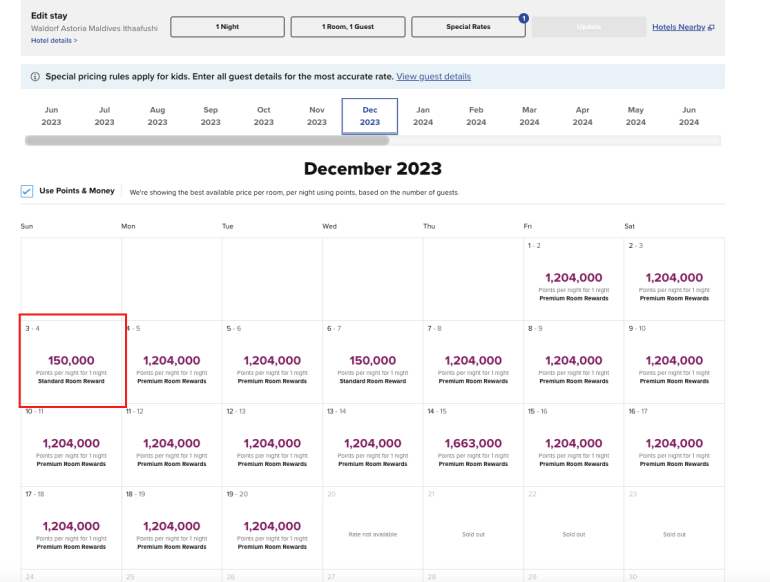
Booking a climb in December requires early planning and preparation. Choose the right destination considering weather conditions, secure spots by booking in advance, check for holiday promotions, and ensure you have the necessary winter gear. Staying updated on weather forecasts is crucial for a safe and enjoyable climb.

Essential Booking Tips for December Climbs with Sia Yangu Safari
Booking a climb in December can be exciting, especially with Sia Yangu Safari. Choosing the right destination is crucial. Some mountains may be covered in snow, making them more challenging. It’s wise to research which climbs are suitable for winter adventures. Consider the altitude and your fitness level before deciding.
Understanding weather conditions is another key aspect. December means winter in many places, with varying temperatures. Layered clothing is vital to keep warm and dry. Checking weather forecasts regularly will help you prepare better. A sudden storm can affect your climb, so stay informed.
Availability and pricing can vary significantly during the holiday season. Book your climb in advance to secure the best spots. Prices might increase as December approaches, so early booking can save money. Keep an eye out for any holiday deals or discounts. Many companies offer seasonal promotions.
Preparing the right gear is essential for a successful climb. You’ll need warm clothes, sturdy boots, and climbing equipment. Pack extra layers, gloves, and hats to stay comfortable. Don’t forget safety gear like helmets and harnesses. Being well-prepared ensures a safer and more enjoyable adventure.
Choosing the Right Destination
Choosing the right destination for your climb is very important. Some mountains offer better conditions for winter climbs than others. Research the trails and select one that matches your experience level. If you’re a beginner, start with a less challenging mountain. Talking to experienced climbers can give you valuable insights.
Europe offers fantastic options for winter climbs. The Alps, for instance, are stunning but can be demanding. If you’re looking for something warmer, consider destinations closer to the equator. Mount Kilimanjaro in Tanzania is a great option with amazing views. These climbs offer a mix of adventure and excitement.
While choosing your destination, think about travel logistics too. How accessible is the mountain from the nearest airport? Will you need to arrange for special permits or guides? Make sure all these details are sorted before you book. This will help you have a smooth and stress-free trip.
Finally, consider the scenic beauty of the destination. Climbing a majestic mountain with breathtaking views can be an incredible experience. Look for destinations known for their stunning landscapes. This can turn your climb into a picturesque adventure. It’s all about enjoying the journey and the destination.
Understanding Weather Conditions
Weather conditions play a crucial role in planning a December climb. Winter climbs can bring unpredictable weather. It’s important to stay updated on forecasts for your destination. Consider temperature changes and how they might affect the climb. Sudden changes in weather can be challenging, so be prepared.
Climbing in the winter means dealing with snow and ice. These elements can make the trail slippery and more dangerous. Carrying the right gear, like crampons and ice axes, is essential. Also, understand how to use them effectively to stay safe. Practice using this equipment before you start your climb.
Wind speed is another factor to consider. High winds can make climbing more difficult and even dangerous. It can affect your balance and increase the risk of falls. Check the wind conditions regularly. Adjust your climbing plans if the winds become too strong.
Understanding weather conditions also includes knowing the risks. Hypothermia and frostbite are real dangers in cold weather. Dress in layers to stay warm and dry. Monitor your body for signs of cold-related illnesses. This knowledge can make the difference between a safe climb and an emergency.
Assessing Availability and Pricing
When planning a climb in December, assessing the availability of climbs is vital. Popular climbing spots fill up quickly, especially during the holiday season. Booking early can ensure you get the spot you want. Waiting too long might mean missing out. Peak season often means fewer available slots.
Pricing is another crucial aspect to consider. December climbs can be more expensive due to high demand. Early bookings might come with discounts or better rates. Check for any extra costs, such as permits or equipment rentals. Knowing the total cost in advance can help in budgeting.
Different climbing destinations have varied pricing structures. Some mountains may require more expensive gear or guides. Compare costs across various destinations. Look at what each package includes. This comparison ensures you get the best value for your money.
Many climbing companies offer packages tailored for winter climbs. These packages often bundle essential services. It can include guides, gear, and food. Buying a package can be simpler and sometimes cheaper. Compare these packages to find the best deal.
Booking platforms can also affect pricing and availability. Online platforms may offer special deals or promotions. Direct bookings with climbing companies might have other benefits. Use multiple sources to check availability and prices. This broad approach can reveal hidden deals.
Lastly, always read the fine print. Some packages might have non-refundable deposits or specific cancellation policies. It’s important to understand these terms before booking. This knowledge will help you avoid any surprises. A smooth booking process sets the stage for a great adventure.
Preparing Necessary Gear and Equipment
Having the right gear for your climb is critical for safety and comfort. Start with layered clothing to keep warm and regulate body temperature. A good base layer, insulating layer, and waterproof outer layer are essential. Don’t forget warm accessories like gloves, hats, and scarves. These items help prevent frostbite and hypothermia.
Sturdy boots designed for winter conditions are a must. They need to provide good ankle support and have excellent tread. Winter-specific climbing boots often have insulation to keep your feet warm. Crampons can be attached to these boots for better traction on ice. Practice walking with them before your climb.
Safety gear, including helmets and harnesses, is vital. Helmets protect you from falling rocks and ice. A well-fitting harness keeps you secure during tricky parts of the climb. Carabiners and ropes are necessary for belaying and securing yourself. Always double-check your safety gear before setting off.
Navigation tools should not be overlooked. A reliable map and compass can help you stay on track. GPS devices and altimeters are also useful for more precise navigation. Understanding how to use these tools is important. They can guide you back if you encounter bad weather.
It’s also good to have a basic first aid kit on hand. Bandages, antiseptic wipes, and pain relievers are essential items. Knowing basic first aid can be lifesaving in an emergency. Include a space blanket to keep warm if you have to stop. This preparation can make a big difference during your climb.
Finally, carry essential items like a headlamp with extra batteries, a multi-tool, and a lightweight stove. Hydration is crucial, so bring enough water and a thermos for warm drinks. High-energy snacks and meals are important to maintain your strength. Preparing well ensures a safer and more enjoyable climbing experience.
Why Opt for a Climbing Adventure during Christmas?
Choosing to go on a climbing adventure during Christmas has many unique benefits. The festive season adds an extra layer of excitement and joy to your climb. Celebrating Christmas while scaling beautiful peaks can be a memorable experience. The holiday spirit can make the adventure even more special. Plus, the winter landscape is often stunning.
Climbing during Christmas allows you to avoid the usual holiday rush. While most people are busy with holiday shopping and gatherings, you’ll be enjoying the serene beauty of nature. This can be a peaceful and refreshing change. You get to escape the holiday chaos. Instead, you find solace and tranquility in the mountains.
Another reason is the physical challenge and accomplishment. Climbing in winter conditions can be demanding, but overcoming these challenges can be rewarding. It’s a great way to push your limits. Completing a climb during the festive season adds a sense of achievement. It’s a unique way to celebrate the holidays.
Spending time in nature has mental health benefits too. It provides a break from daily stress and digital distractions. Engaging in physical activity like climbing can elevate your mood. The fresh air and beautiful views enhance mental well-being. This can be a great way to start the new year on a positive note.
Finally, sharing the adventure with friends and family can make it even better. Climbing together strengthens bonds and creates lasting memories. It’s a unique way to spend quality time during the holidays. You can share stories and laughter around a campfire. This shared experience brings everyone closer together.
5 Tips To Help You Conquer Steep Climbs
When visiting Maasai and Hadzabe villages, wear modest clothing like long skirts or pants and shirts that cover shoulders. Choose earthy tones to blend in and avoid bright colors. Comfortable footwear is essential due to rugged terrain. Simple accessories show respect, while practical items enhance comfort and cultural sensitivity.

Cultural Significance of Dress Code When Visiting Maasai and Hadzabe Villages
Respecting the dress code when visiting Maasai and Hadzabe villages is crucial. The Maasai people, known for their vibrant red shukas, view clothing as a reflection of their cultural identity. Dressing modestly shows respect and appreciation for their traditions. According to here is the post, understanding their customs can help foster a deeper connection. This simple act can make your visit more meaningful and respectful.
The Hadzabe, one of the last hunter-gatherer tribes in Tanzania, have a different approach. They often wear simple, practical clothing suited to their lifestyle. Wearing neutral, earthy tones can help you blend in and show that you acknowledge their way of life. Additionally, avoiding flashy or overly bright colors is advisable. The simplicity of your attire can enhance mutual respect.
Your dress can also affect how you are perceived by the villagers. Wearing appropriate clothing can signal your intent to learn and engage respectfully. This can make interactions smoother and more genuine. According to here is the article, this level of respect is necessary to build trust. The more you align with their cultural norms, the more enriching your experience will be.
When visiting these communities, it’s wise to research beforehand. Look up local customs and dress codes to avoid any unintentional disrespect. You can also ask for advice from guides or local experts. For instance, Sia Yangu Safari can provide useful tips on appropriate attire. Paying attention to these details can significantly enhance your visit.
Understanding the Importance of Respecting Local Traditions
Respecting local traditions during your visit can make a big difference. It shows that you value the culture and the people you’re meeting. This respect can lead to building strong, positive relationships. In Maasai and Hadzabe villages, traditional ways of life are deeply rooted in their daily activities. Therefore, acknowledging and respecting these traditions is essential.
One way to respect local traditions is by observing and following dress codes. Wearing appropriate attire is a sign of respect and can help you avoid offending anyone. Your actions and behavior should show that you appreciate and understand their customs. This goes a long way in making your visit pleasant for both parties. Additionally, it helps you learn and experience their culture on a deeper level.
Respect can also be shown through simple gestures and words. Learning a few phrases in the local language can make a big impression. It demonstrates your willingness to connect and can be seen as a gesture of goodwill. According to various travel experts, a little effort to speak the local language can enhance interactions. This willingness to participate in their culture can open the door to more meaningful exchanges.
Understanding the significance of these traditions is also crucial for personal enrichment. When you respect local customs, you gain a richer understanding of the world. This experience can broaden your horizons and teach valuable life lessons. Respecting traditions doesn’t just benefit the locals but also enriches your travel experience. Remember, a respectful visitor is always welcome.
Appropriate Attire for Visiting Maasai Villages
When visiting Maasai villages, dressing modestly is essential. Wearing long skirts or pants and shirts that cover your shoulders is recommended. These clothing choices show that you respect their customs and traditions. Bright colors like red and blue are favorable as they align with Maasai attire. It’s important to blend in without standing out too much.
Avoid wearing overly flashy or revealing clothing. The Maasai community values modesty, so it’s crucial not to wear shorts or low-cut tops. Comfortable footwear such as sandals or closed shoes is advisable due to the terrain. You can also carry a scarf to cover your head or shoulders if needed. Practicality and respect should guide your clothing choices.
It’s also wise to wear lightweight fabrics that breathe easily. The climate in Maasai regions can be warm, so cotton or linen clothing can help keep you cool. Long sleeves can protect you from the sun and insects. According to various travel recommendations, layering is key, as temperatures can fluctuate. Always prioritize comfort and cultural sensitivity.
Add a hat and sunglasses to your accessories list for sun protection. Simple jewelry and accessories are acceptable, but avoid anything too extravagant. This will help maintain the focus on your respectful interaction rather than your appearance. Following these guidelines will ensure a positive and respectful visit. Your efforts will be appreciated by the Maasai community.
Ideal Clothing Choices for a Trip to Hadzabe Villages
When visiting Hadzabe villages, practical clothing is key. The Hadzabe people live a hunter-gatherer lifestyle, so your attire should be suitable for outdoor activities. Earthy and neutral tones are preferred to help blend into the natural surroundings. Opt for comfortable clothing that allows for easy movement. Lightweight fabrics are also advisable due to the warm climate.
Long sleeves and pants are recommended to protect against sun exposure and insect bites. The terrain can be rugged, so durable footwear is essential. Boots or sturdy walking shoes are good choices to avoid discomfort. According to local experts, wearing a hat and sunglasses can provide additional protection. These simple measures can make your visit more enjoyable.
Avoid overly bright or flashy clothing. The Hadzabe value functionality over fashion, and your attire should reflect that respect. Simple, practical clothing aligns well with their way of life. Additionally, carrying a lightweight jacket can be useful for early morning or evening temperature drops. Layering your clothing ensures you remain comfortable throughout the day.
Accessorize minimally to keep the focus on the cultural experience rather than your appearance. A small backpack can be handy for carrying water, snacks, and other essentials. Make sure any bags or accessories are also in neutral colors. This approach helps maintain a respectful and humble presence. By dressing appropriately, you show that you value and respect the Hadzabe way of life.
Your clothing choices can enhance your interaction with the Hadzabe. Being mindful of their cultural norms creates a positive environment for learning and sharing. Remember, the goal is to engage authentically and respectfully. Following these guidelines will contribute to a meaningful and respectful visit. Enjoy the rich cultural exchange with the Hadzabe community.
Tips on Accessorizing Respectfully in Tribal Communities
When visiting tribal communities, accessorizing respectfully is essential. Opt for minimal and subtle pieces that do not draw too much attention. Simple jewelry like small earrings or a modest bracelet can be appropriate. Avoid flashy or extravagant items as they could be viewed as disrespectful. Keeping it simple is the best approach.
Sunglasses and hats should be practical rather than stylish. Choose items that protect you from the sun without being overly bold. Neutral colors are preferred, aligning with the community’s surroundings. For instance, a wide-brim hat can be practical yet respectful. Consider the functionality of your accessories.
If you plan to bring a bag, select one that is understated. A small backpack or crossbody bag in earthy tones is ideal. These bags are convenient and won’t stand out too much. It’s also handy for carrying essentials without being intrusive. Make sure it is practical and blends well with your outfit.
Another important tip is to avoid wearing any symbols or items that could be culturally inappropriate. Research beforehand to understand what is acceptable in the community you are visiting. Seek advice from guides or locals if unsure. This helps ensure that your accessories do not unintentionally offend. Awareness and sensitivity are critical.
Your overall goal should be to respect and honor the local culture. Thoughtful accessorizing shows that you care about the community’s traditions. This respect facilitates positive interactions and enhances your experience. Always prioritize cultural sensitivity over fashion. This mindful approach will make your visit more enriching.
Have you ever noticed how learning a language from textbooks can sometimes feel limiting? Street Swahili is a perfect example of this. The vibrancy and ingenuity of everyday conversations can transform the sterile language taught in classrooms into a living, breathing vernacular.
One fascinating aspect of this is the use of Sheng, a Swahili-based slang that emerged in Nairobi in the 1960s. Today, an estimated 70% of young people in cities use Sheng regularly, blending Swahili with English and local dialects. This dynamic language is constantly evolving, reflecting the creativity and adaptability of its speakers.
Swahili slang, such as “mambo” for “what’s up?” and “poa” for “cool,” adds a dynamic twist to the language not found in textbooks. Street phrases like “sema” (speak) and “vipi” (how’s it going?) reflect urban creativity and cultural adaptation, making everyday conversations more lively and engaging.

Exploring the Vibrant World of Swahili Slang and Street Phrases
Swahili slang brings a colorful twist to the formal language, giving it a lively and fresh feel. For example, “Vipi” is a casual way to ask “How are you?” instead of the formal “Habari.” This flexibility in spoken Swahili showcases the creativity of the youth in urban areas.
Sia Yangu Safaris dives deep into this fascinating aspect of Swahili culture. Street Swahili, or “Sheng,” is a mix of languages that evolves rapidly. It borrows from English, Swahili, and local dialects, creating a language unique to its speakers. According to this post, Sheng acts as a social marker among the youth.
Using slang can make interactions more authentic and relaxed. Phrases like “Sema” for “Say” or “Niaje” for “What’s up?” help create a friendly atmosphere. Embracing these expressions can enhance communication and understanding with locals.
Lists of commonly used Swahili slang:
- “Mambo” – What’s up?
- “Poapoa” – Cool
- “Fiti” – Good/Fine
- “Shwari” – Calm/Peaceful
Understanding and using these phrases makes the language come alive, as described here is the article.
Discover the dynamic, changing nature of Swahili as spoken on the streets beyond the formal textbooks, presented by Sia Yangu Safaris.
Swahili as spoken on the streets is always evolving. This language mix, commonly known as Sheng, is a vibrant fusion of different tongues. It’s a form of expression that’s unique to each generation.
Lists of popular Sheng words:
- “Cheki” – Look
- “Buda” – Friend
- “Chapo” – Chapati
- “Mkate” – Bread
These words offer a glimpse into the everyday conversations of urban youth.
Sheng reflects the creativity and adaptability of its speakers. It’s a blend of Swahili, English, and indigenous languages. According to this post, this fluid language helps foster a sense of community among young people.
The informal nature of Sheng allows it to change quickly. Phrases can develop new meanings overnight. This dynamic aspect makes it a fascinating area of study.
Significance of Swahili Slang in Local Culture
Swahili slang holds a special place in local culture. It goes beyond mere communication, becoming a symbol of identity for many speakers. For example, using Sheng can showcase one’s urban upbringing.
Lists of common slang expressions:
- “Kijana” – Young person
- “Homa” – Trouble
- “Nyanya” – Money
- “Piga luku” – Dress smart
These terms highlight the close bond between language and daily life in the community.
The use of Swahili slang is not just limited to young people. Older generations often adopt slang to stay connected with the evolving culture. This interaction strengthens family ties and mutual understanding.
Swahili slang also enhances creativity in art and music. Artists and musicians frequently incorporate slang into their work, creating relatable content. This trend fosters a vibrant and inclusive cultural scene.
Frequently Asked Questions
Explore these common questions and answers about Swahili slang and street phrases. Enhance your understanding of how these terms enrich everyday conversations.
1. How did Swahili slang originate?
Swahili slang, or Sheng, originated in the urban areas of Nairobi, Kenya. It started in the 1960s as young people blended Swahili with English and local dialects. This unique mix reflects the diverse background of its speakers.
Today, Sheng continues to evolve and adapt, mirroring the changing cultural landscape. It’s a way for young people to express themselves and connect with others. According to researchers, the fluid nature of Sheng keeps it constantly refreshing.
2. Why is Sheng popular among youths?
Sheng is incredibly popular among youths because it allows them to communicate informally and uniquely. It creates a sense of identity and belonging, distinguishing them from older generations who use formal Swahili.
This slang language also helps in social bonding, making conversations lively and engaging. It reflects the creativity and adaptability of the younger generation. Sheng’s popularity is a testament to its role in modern urban culture.
3. Can you use Sheng in professional settings?
Typically, Sheng is not used in professional settings, as it is considered informal and casual. In workplaces and official documents, formal Swahili or English is preferred to maintain professionalism and clarity.
However, understanding Sheng can still be beneficial. It helps in building rapport with colleagues and understanding the cultural nuances of everyday conversations. This skill can enhance communication and foster a friendlier work environment.
4. What are some common Sheng words and their meanings?
Sheng includes many unique words that differ from standard Swahili. For example, “cheki” means “look,” “buda” means “friend,” and “msee” refers to an “elder.” These terms provide a glimpse into the daily lives of urban youth.
Other common phrases include “blaza” for “brother” and “mali” for “wealth.” Learning these words can enrich your understanding of the street language. It’s fascinating how these terms develop and change over time.
5. How does Sheng influence local music and art?
Sheng has a strong influence on local music and art, making them more relatable and appealing. Many artists and musicians incorporate Sheng into their work, creating a connection with their audience.
This use of slang helps in conveying emotions and experiences more vividly. It enriches the cultural fabric and makes the artwork resonate with listeners and viewers. Sheng’s influence showcases its importance in modern creative expressions.
Swahili words you need to know!!