As globalization accelerates, diverse regions like Arusha are increasingly integrated into the world’s transportation network, sparking curiosity about the availability of services common in major cities. Arusha, a bustling city known for its vibrant safari culture, is home to a wealth of transportation needs. With its growing population, the question of whether Uber operates here is not trivial but highly relevant to both residents and travelers alike.
Uber’s operations in various regions face a myriad of challenges, often influenced by market size, local regulations, and technology adoption. Despite its pervasive presence globally, Uber is notably absent from Arusha. In its place, local taxi services and a burgeoning boda-boda (motorcycle taxi) industry thrive, offering alternatives that suit the region’s unique demands. In 2023, data suggests that ride-sharing apps are gaining popularity but are still in nascent stages, leaving room for significant growth and adaptation to local needs.

Is Uber available in Arusha?
Uber has become a go-to choice for many people looking for quick and reliable transport. It operates in many countries around the world, making it easy to use the app wherever you go. However, when it comes to Arusha, Uber hasn’t set up its services there yet. This might be due to local regulations or market factors. People still ask if Uber will ever come to Arusha.
The absence of Uber in Arusha does not mean people are left without options. The city offers various traditional transportation methods to get around. Taxis, for example, are readily available and can be hailed easily. There are also motorcycle taxis, known as boda-bodas, which many residents use for quick trips. Local buses provide another affordable travel option in the city.
With the demand for convenient transport rising, other ride-sharing apps could fill the gap left by Uber. Some startups are already seeking to capture the market by offering similar app-based services. These platforms might offer features comparable to those found in more developed cities. Competition in the ride-sharing space could benefit commuters with better service. The local business environment supports initiatives that can adapt to regional needs.
The future of ride-sharing in Arusha is shaping up to be interesting. As technology and infrastructure improve, it’s likely more services will aim to enter the market. Entrepreneurs may find opportunities to create locally adapted solutions. The possibility of increasing internet accessibility and smartphone usage can further boost these services. Until then, residents continue to rely on the available traditional transport options.
Exploring Uber’s Global Reach
Uber has made a significant impact across the globe by offering an easy way to book rides through a simple app. It started in the United States, and quickly expanded its services worldwide. Today, Uber is available in over 70 countries, making it one of the most popular ride-sharing apps. Users enjoy the convenience of booking a ride at their fingertips, no matter their location. The service is especially popular in urban areas where public transportation options vary in quality and availability.
A big reason for Uber’s success lies in its adaptability to different markets. The app is easy to use, and the process is nearly the same everywhere. However, Uber often makes changes to adapt to local regulations and preferences. For example, in some countries, it includes options like motorbikes and auto-rickshaws. This flexibility keeps Uber relevant and competitive across varied cultures and needs.
Despite its widespread presence, Uber does encounter challenges in new markets. Regulations and competition can sometimes delay Uber’s entry into a city or country. Government policies on ride-sharing can vary, affecting where and how Uber can operate. In some areas, local taxi services resist the entry of ride-sharing apps. These hurdles require Uber to work closely with policymakers and local businesses.
Technological advancements continue to play a crucial role in Uber’s global reach. With more people using smartphones, accessing apps like Uber becomes increasingly easier and more common. Internet connectivity is also improving worldwide, making app-based services more feasible. This technological growth supports Uber’s mission to provide reliable transportation globally. As more regions embrace digital solutions, Uber and similar platforms are poised to expand even further.
Traditional Ridesharing Alternatives in Arusha
The bustling city of Arusha has its own unique transportation options that cater to thousands of residents and tourists. Despite the absence of Uber, there are several ways to get around. Taxis remain a popular choice among locals and visitors alike. They’re easy to find, especially near busy areas and can take you almost anywhere within the city. Fares are negotiable, giving passengers some flexibility in their travel budget.
One of the more exciting options available is the boda-boda, a motorcycle taxi that offers quick and efficient rides. These motorcycle taxis are perfect for navigating through traffic and reaching destinations faster. Boda-bodas are very common in Arusha, and many people prefer them for short trips. Riders just need to ensure they wear helmets for safety. This mode of transport is known for its affordability and speed.
Buses also play a crucial role in Arusha’s public transportation network. They are the backbone for many residents, providing a cost-effective way to travel across longer distances. The buses follow specific routes and have fixed fares, making it easier to plan journeys. However, they might not be as quick as taxis or boda-bodas. During peak hours, they can get quite crowded, but they remain a reliable means to get around.
Besides these, car hire services and private drivers are also available for those seeking more comfort. These options are suitable for visitors who prefer convenience and privacy. Prices vary depending on the vehicle type and travel distance. Private hire can be arranged through hotels or local agencies. While not the cheapest option, they offer a more personalized travel experience in Arusha.
The Future of Ride Sharing in Arusha
As technology advances, Arusha stands on the brink of transforming its transportation system. Ride-sharing apps have the potential to revolutionize how people commute. With the increasing use of smartphones and internet access, more residents could soon opt for app-based ride-sharing services. These services promise to bring convenience and efficiency to Arusha’s roads. The local government may support such initiatives to reduce traffic congestion and pollution.
Several startups are already eyeing Arusha as a potential market. These companies aim to introduce services similar to Uber, tailored to the city’s needs. By offering incentives and competitive pricing, they hope to attract a loyal customer base. These apps may include additional safety features and local language support to cater to residents. Partnering with local drivers can also help make these services more accepted and trusted.
Implementing ride-sharing services in Arusha will come with its set of challenges. Regulatory hurdles, like obtaining the necessary permits, can slow down their launch. There’s also the task of convincing traditional taxi drivers and boda-boda operators to collaborate rather than resist. Educating the public about the benefits of ride-sharing will be crucial. Overcoming these barriers is key to ensuring successful integration.
Moreover, advancements in electric vehicles (EVs) could play a role in Arusha’s ride-sharing future. Introducing EVs can help combat pollution and promote sustainable transportation. Ride-sharing companies could offer EVs as part of their fleet, showcasing a commitment to green initiatives. This move could also align with global efforts to reduce carbon footprints. Financial incentives from the government might further encourage the adoption of EVs.
Foreign investment can significantly accelerate the growth of ride-sharing in Arusha. International companies with experience in similar markets might bring in the technology and expertise needed. Collaborating with local stakeholders can help navigate regulatory landscapes smoothly. These partnerships can lead to more innovative and inclusive solutions. Long-term investments can also ensure that these services remain affordable for everyone.
Ultimately, the success of ride-sharing in Arusha will depend on continuous innovation and adaptability. Keeping up with technological trends will be essential. Understanding and addressing local needs and preferences can secure a lasting place for ride-sharing. Community involvement and feedback can guide these services towards better performance. The potential for a more connected and convenient Arusha is on the horizon.
Key Takeaways
- Uber has yet to launch services in Arusha, Tanzania.
- Boda-bodas offer quick rides across Arusha’s busy streets.
- Local startups are exploring app-based ride-sharing options.
- Electric vehicles can help create a greener transportation future.
- A successful ride-sharing system depends on community support and innovation.
Conclusion
Arusha is a city brimming with potential for innovative transportation solutions. While Uber is still absent, traditional options like taxis and boda-bodas cater effectively to the population’s needs. The rising interest in ride-sharing apps signals a change on the horizon, promising more convenience and efficiency.
The future of ride-sharing in Arusha hinges on local and international collaboration. Overcoming regulatory and logistical challenges is crucial. With continuous innovation and community engagement, Arusha could witness a transformative shift in how its residents get around.
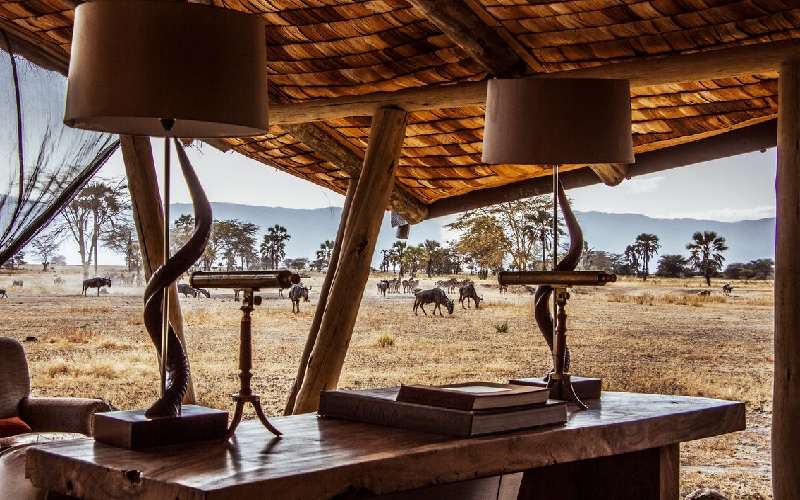
Home to about 20% of Africa’s large mammals, Tanzania offers a safari experience unlike any other. Travelers are often astounded by the sheer diversity that Tanzanian landscapes present, from the plains of the Serengeti to the Ngorongoro Crater. The lodge safaris have been meticulously designed to integrate luxury with the wilderness, ensuring that every sunrise invites the breathtaking sight of wildlife in their natural habitats.
Since the first lodges opened in the 1960s, Tanzania’s lodge safari industry has significantly evolved, setting standards in sustainable tourism. Tanzania now boasts over 20,000 annual visitors to its many national parks, driven by innovative conservation approaches. This model of safari tourism has effectively nurtured both local communities and wildlife preservation efforts, solidifying Tanzania’s reputation as a premier safari destination.
Tanzania lodge safaris offer an exceptional blend of luxury and wildlife exploration. Experts can enjoy diverse ecosystems, from the Serengeti’s vast plains to Ngorongoro Crater’s volcanic wonders. These safaris provide unparalleled opportunities for viewing the Big Five and engaging in cultural experiences while supporting sustainable tourism initiatives.
Source:
Exploring Tanzania Lodge Safari
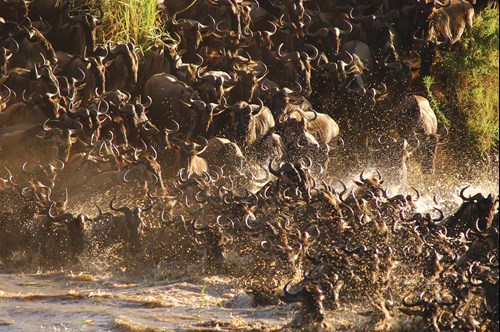
Tanzania lodge safaris offer an extraordinary way to experience the heart of Africa’s wilderness. Nestled in landscapes teeming with wildlife, these lodges provide a luxurious yet authentic safari experience. From the plains of Serengeti to the Ngorongoro Crater, each location offers unique sights and activities. Guests can witness the Great Migration, where millions of wildebeest and zebras traverse across the Serengeti. This spectacle captures the raw and natural beauty of Africa.
The lodges themselves range from rustic to world-class luxury accommodations. They all ensure comfort in the wild, featuring amenities like gourmet dining and guided tours. Some lodges even offer private pools and personalized services. According to this post, a mid-range lodge safari can combine affordability with exceptional experiences. This balance makes it accessible for many travelers.
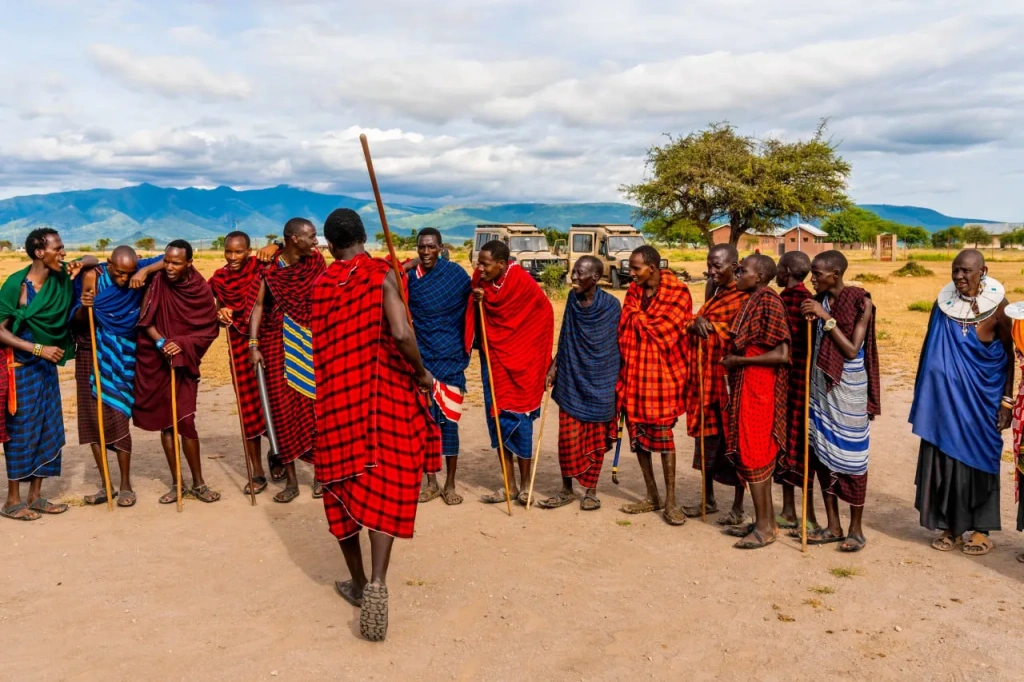
Visiting a lodge safari in Tanzania means encountering various wildlife. Guests can expect close-up views of lions, elephants, rhinos, buffaloes, and leopards, collectively known as the Big Five. Other activities include guided bush walks, night safaris, and cultural visits to local Maasai villages. Here, tourists can learn about the Maasai’s traditions and way of life, enriching their adventure. Participating in these activities offers a deeper understanding of the region’s natural and cultural diversity.
Sustainable tourism is a significant focus for Tanzanian lodges. Many lodges support conservation efforts and work closely with local communities. According to the article here, new trends in Tanzania safari adventures emphasize eco-friendly practices. These efforts ensure that the wildlife and habitats remain protected for future generations. Staying at these lodges contributes directly to these important initiatives.
Overview: What Makes Tanzania Lodge Safari Unique?
Tanzania lodge safaris stand out due to their incredible biodiversity and breathtaking landscapes. The country is home to renowned sites like the Serengeti National Park and Mount Kilimanjaro. These destinations offer not only stunning views but also a rich variety of wildlife. The lodges provide a way to experience all of this while enjoying modern comfort. It’s a combination that turns an ordinary trip into an extraordinary adventure.
The unique accommodations contribute significantly to the safari’s charm. Lodges range from eco-friendly to luxury suites, blending naturally with the environment. Many offer panoramic views that immerse guests in the surrounding wilderness.
- Eco-friendly practices
- Luxury amenities
- Stunning views
make each stay memorable. Every lodge offers distinct pleasures in the heart of the wilderness.
Tanzania’s cultural richness adds another layer to the safari experience. Many lodges partner with local tribes to promote cultural exchanges. Visitors often enjoy learning traditional dances or trying local cuisine. This interaction not only enriches the tourists but also supports local communities. It’s an experience that captivates both heart and mind.
Adventure activities set Tanzania safaris apart from others. Besides game drives, guests can enjoy guided walking tours and hot air balloon rides. These activities provide different perspectives of the landscape and wildlife. Safaris in Tanzania offer a variety of experiences, ensuring there’s something for everyone. Each adventure becomes a treasured memory.
The Best National Parks to Visit on a Tanzania Lodge Safari
The Serengeti National Park is a must-visit on any Tanzania lodge safari. Famous for the Great Migration, it offers spectacular views of wildebeests and zebras moving across the plains. Visitors can witness predators in action as lions and cheetahs follow the herds. The vast openness of the Serengeti makes game viewing a thrilling experience. This park is also perfect for hot air balloon rides at sunrise.
Ngorongoro Crater is another top destination. A UNESCO World Heritage Site, it boasts a unique landscape formed by a collapsed volcano. The crater is a haven for wildlife, hosting around 25,000 large animals. Visitors can explore this natural wonder on guided drives.
- A view of the Big Five
- Rich birdlife
- Dense forests
add to the enchantment. The dramatic scenery alone is worth the visit.
Tarangire National Park is often overlooked but is equally fascinating. It is well-known for its large elephant population and ancient baobab trees. During the dry season, animals gather around the Tarangire River. There’s also a high concentration of predators, making game drives exciting. Birdwatchers will find this park a paradise with over 500 bird species recorded.
Lake Manyara National Park offers a diverse experience. Though smaller, it features dense woodlands, inviting savannas, and the alkaline Lake Manyara. Famous for its tree-climbing lions and large flocks of flamingos, it provides unique photo opportunities. The park is also known for its breathtaking views of the Great Rift Valley escarpment.
| Feature | Highlight |
|---|
| Tree-climbing Lions | Unique to the park |
| Flamingos | Annual visitors |
make every visit memorable. This park promises a compact yet varied safari adventure.
Types of Lodges Available in Tanzania Safari Destinations
Tanzania safari destinations offer a variety of lodge types to suit different preferences and budgets. There are luxury lodges that provide top-tier amenities and personalized services. These lodges often feature private pools, gourmet dining, and expansive views. Staying in a luxury lodge offers a blend of comfort and exclusivity. It’s an ideal choice for those looking to splurge.
Mid-range lodges offer a balance between comfort and cost. These lodges provide well-furnished accommodations and quality services without the high price tag. Features typically include comfortable rooms, good food, and guided tours. According to this post, mid-range lodges are perfect for travelers looking to enjoy a great safari experience affordably. They cater to both families and solo travelers.
Eco-lodges focus on sustainability and environmental conservation. They are designed to minimize their impact on the environment without sacrificing guest comfort. Many eco-lodges use solar power, collect rainwater, and offer organic meals.
- Solar-powered lights
- Eco-friendly toiletries
- Organic food options
enhance the green experience. Choosing to stay in an eco-lodge supports local conservation efforts.
Budget lodges provide basic amenities and services for travelers on a tight budget. These lodges offer clean and simple accommodations, making safaris accessible to more people. While they may not have luxury features, they ensure a cozy stay. Budget lodges are usually located close to popular safari routes. They are ideal for adventurers who want to explore without overspending.
There are also tented camps, which offer a unique and immersive experience. These camps provide the feel of traditional camping but with added comfort. Tented camps often include en-suite bathrooms, comfortable beds, and even dining areas. This option allows travelers to feel connected to nature. The sounds of the wild at night add to the adventure.
For the more adventurous, mobile camps are another exciting option. These camps move locations, following the wildlife migration. Mobile camps offer an authentic safari experience, with the camp set up in different spots during the safari. Despite being temporary, these camps often feature surprising comforts. Staying in a mobile camp provides a true sense of adventure and closeness to wildlife.
Wildlife and Activities You Can Enjoy
On a Tanzania lodge safari, one can witness a spectacular array of wildlife. The Big Five—lions, leopards, elephants, buffalo, and rhinos—are a major attraction. Safari rides offer close encounters with these majestic animals. Additionally, visitors can spot giraffes, zebras, and numerous bird species. Each safari drive brings new, exciting sights and experiences.
Guided bush walks allow a more intimate exploration of the wilderness. Accompanied by knowledgeable guides, guests learn about the flora and smaller fauna. These walks provide unique insights into the ecosystem. Sometimes, you might even track animal footprints or spot hidden critters. This activity is perfect for those who enjoy being on foot in nature.
Night safaris offer a completely different perspective of the African bush. As the sun sets, nocturnal animals emerge. Visitors may see creatures like hyenas, porcupines, and even leopards on the prowl. Night safaris are thrilling and reveal the mysterious side of the wilderness. It’s an experience unlike any daytime game drive.
Hot air balloon rides over the Serengeti provide breathtaking panoramic views. Floating above the vast plains at sunrise is a magical experience. These rides offer a bird’s-eye view of wildlife and landscapes.
- Great Migration scenes
- Spectacular sunrises
- Aerial photography
are just a few highlights of this activity. Hot air ballooning combines adventure with serenity.
Cultural activities enrich the safari experience even further. Visiting Maasai villages, tourists can immerse in local traditions and customs. They may watch traditional dances, learn about Maasai crafts, or taste local dishes. These visits support the Maasai community and provide deeper cultural understanding. It’s a meaningful way to connect with Tanzania’s heritage.
For adventure enthusiasts, canoe safaris offer an exciting way to explore. Paddling along the waterways, guests can see hippos, crocodiles, and a variety of birds. It’s a peaceful yet exhilarating experience. Canoe safaris offer a unique perspective of the landscape and wildlife. This activity adds diversity to the safari adventure.
 Source: south-african-lodges.com
Frequently Asked Questions
Here are some commonly asked questions about Tanzania lodge safaris, with answers to help you understand the unique adventure you can experience.
1. What is the best time to go on a Tanzania lodge safari?
The best time to go on a Tanzania lodge safari is during the dry season, from late June to October. This period offers the best wildlife viewing opportunities, as animals gather around water sources and the vegetation is less dense. You can also witness the Great Migration during this time.
However, the wet season, which runs from November to May, also has its advantages. There are fewer tourists, and the landscapes are lush and green. Bird-watching is excellent during this time as migratory birds are present.
2. Are Tanzania lodge safaris suitable for families?
Yes, Tanzania lodge safaris are suitable for families, offering tailored activities to engage all ages. Many lodges provide family-friendly accommodations, including larger rooms and connecting suites to ensure comfort for everyone. They also offer childcare services to give parents a break when needed.
Family safaris often include interactive activities like guided nature walks and treasure hunts for children. These excursions are not only fun but also educational, teaching kids about wildlife and conservation. Such experiences create lasting memories for the whole family.
3. What should I pack for a Tanzania lodge safari?
When packing for a Tanzania lodge safari, prioritize lightweight, comfortable clothing in neutral colors like khaki and green. These colors blend well with the natural environment and help keep you cool. Remember to bring layers, as mornings and evenings can be chilly.
Essential items include a wide-brimmed hat, sunscreen, insect repellent, a camera, and binoculars for wildlife viewing. Don’t forget sturdy walking shoes for bush walks and a reusable water bottle. Some lodges offer laundry services, so you don’t need to overpack.
4. Can I connect to the internet while on a Tanzania lodge safari?
Many lodges offer internet access, although it may not be as fast as urban connections. Generally, larger or more luxurious lodges provide Wi-Fi in communal areas, and some even offer it in guest rooms. However, connections can be slower and less reliable due to the remote locations.
This limited connectivity can be an opportunity to disconnect and enjoy the natural surroundings. You can still keep in touch during essential times, but you’ll find that the beauty of the landscape and wildlife will capture most of your attention.
5. How long should I stay on a Tanzania lodge safari?
The ideal duration for a Tanzania lodge safari is about seven to ten days. This provides enough time to explore multiple national parks and enjoy a variety of activities. Some travelers opt for shorter trips of three to five days, focusing on specific parks or key attractions.
Staying for a week or more allows a more relaxed pace, giving you time to fully appreciate each location. You can participate in different activities like game drives, bush walks, and cultural visits. A longer stay also increases your chances of witnessing unique wildlife events.
We’ve all heard that timing is everything, especially when planning a safari in Tarangire. Surprisingly, booking during the right season can make a world of difference in not just your experience but also in avoiding tsetse flies and the unpredictability of heavy rains. With the right information, it’s easier than ever to choose the optimal times for your adventure.
Experts suggest that the dry season, from June to October, is the prime time to book your Tarangire safari. This period not only offers excellent game viewing but also reduces the risk of encountering tsetse flies, as they thrive in wetter conditions. Additionally, the likelihood of heavy rains disrupting your trip is significantly lower, ensuring a more pleasant and uninterrupted experience.
The ideal time to book a Tarangire safari is during the dry season from June to October. This period offers excellent wildlife viewing, as animals congregate around water sources and the risk of tsetse flies and heavy rains is minimized. Visitors can enjoy a more comfortable and hassle-free experience.

Optimal Timeframes to Visit Tarangire: Avoiding Tsetse Flies and Rainy Seasons
When planning a Tarangire safari, timing is crucial. The dry season, spanning from June to October, provides fantastic wildlife viewing opportunities. During these months, animals gather around water sources, making them easier to spot. Additionally, dry conditions help minimize the presence of tsetse flies, which thrive in wet environments. According to this post, these flies can cause significant discomfort, so it’s best to avoid them.
The wet season, from November to May, has its own unique appeal. Rain transforms the landscape, making it lush and vibrant. However, travel can be challenging due to unpredictable showers and muddy terrains. For those keen on bird watching, this period is ideal as migratory birds arrive in droves. Here is the post detailing the bird species you might encounter.
Choosing the right time for your safari also impacts your comfort level. Dry seasons not only reduce the problem of tsetse flies but also offer cooler nights and warm days. This kind of weather is perfect for game drives and hiking. Safari enthusiasts often find this period more enjoyable as activities are less likely to be interrupted by rain.
| Season | Pros | Cons |
|---|
| Dry Season | Excellent wildlife viewing, fewer tsetse flies | Higher tourist numbers |
| Wet Season | Lush scenery, bird watching | Unpredictable weather, difficult travel |
The Dry Season Advantage: Spotting Wildlife without the Hassles
The dry season in Tarangire is a prime time for wildlife enthusiasts. Animals gather around water sources, making spotting them easier. You can witness large herds of elephants and other animals in their natural habitat. This concentrated presence near waterholes provides excellent photography opportunities. It’s a visual feast you wouldn’t want to miss.
Another significant advantage of the dry season is the reduced presence of tsetse flies. These flies thrive in wet conditions, so their numbers are lower when it’s dry. This means fewer bites and less discomfort for visitors. You can enjoy your safari without worrying about pests. Your adventure becomes more enjoyable and stress-free.
Dry season weather is another benefit. With warm days and cooler nights, it offers the perfect climate for outdoor activities. Hiking and game drives are more pleasant in such conditions. Less rain also means fewer chances for plans to be disrupted. It’s ideal for those who prefer a smoother experience.
- Enhanced game viewing
- Fewer tsetse flies
- Optimal weather for outdoor activities
- Better photography conditions
Why Timing Your Safari with Sia Yangu Safari Ensures an Unforgettable Experience
Timing your safari with Sia Yangu Safari is a game-changer for your adventure. Their expertise allows you to visit Tarangire at the best times, ensuring optimal conditions. With their guidance, you can avoid the rainy season and tsetse flies. This makes your trip more comfortable and enjoyable. Sia Yangu Safari’s knowledge guarantees a seamless experience.
Moreover, Sia Yangu Safari offers personalized itineraries that match the perfect seasons. They understand when wildlife viewing is at its peak. Their team knows the migration patterns and waterhole locations. This information helps plan an itinerary tailored to your interests. You get the best views and experiences during your trip.
Their seasoned guides add immense value. Experienced in local conditions, they navigate the landscape smoothly. They know the best spots to spot animals and avoid hassles. Their insights make each game drive thrilling and informative. Sia Yangu Safari guides enhance every moment of your safari.
| Key Benefits | Details |
|---|
| Ideal Timing | Optimal seasons for wildlife viewing |
| Personalized Plans | Tailored itineraries for best experiences |
| Expert Guides | Knowledgeable navigation and animal spotting |
| Comfort and Ease | Avoidance of tsetse flies and rainy season |
For booking with Sia Yangu Safari, understanding the deposit, flexibility, and cancellation policies is crucial. A 20% deposit secures your spot. Flexible options allow changes up to 14 days before departure without penalties. Clear cancellation policies offer full refunds if canceled 30 days prior. These strategies enhance customer trust and satisfaction.

Booking Pro Tips: Understanding Guide Deposit, Flexibility & Cancellation Policies at Sia Yangu Safari
When planning your trip with Sia Yangu Safari, understanding the deposit requirements is essential. Deposits are usually a percentage of the total cost. This ensures your spot is secured. It also helps the company manage resources effectively. Receiving a detailed receipt is important too.
Flexibility is a key factor in booking safaris. At Sia Yangu Safari, flexible booking means you can change dates if needed. This is particularly helpful during unforeseen events. Knowing you can adjust your plans offers peace of mind. Always check the flexibility terms before booking.
Clear cancellation policies make a huge difference when booking a safari. Sia Yangu Safari has straightforward cancellation rules. These policies outline the timeframes for refunds. It’s crucial to read and understand them. This way, you won’t face unexpected costs.
An easy-to-understand policy table can help you compare options. Here’s a simple table:
| Policy | Description |
|---|
| Deposit | 20% of total cost |
| Flexibility | Change dates up to 14 days before |
| Cancellation | Full refund if canceled 30 days prior |
Using this table can simplify your booking decisions. It’s always good to have clear and concise information. This ensures a hassle-free booking experience at Sia Yangu Safari.
Guide Deposit Strategies
Understanding guide deposit strategies can make your safari booking smoother. One common strategy is splitting the deposit into multiple payments. This can be easier on your wallet. For instance, paying 50% upfront and the rest closer to your trip. This method provides more flexibility.
Another strategy is offering refundable deposits. These allow you to get your money back if plans change. Making deposits refundable within a certain timeframe can build trust. People are more likely to book if they know they have safety nets. This is beneficial for both clients and the company.
In some cases, companies offer non-refundable but lower deposits. These require a smaller amount to secure your booking. It’s great if you’re working with a tight budget. However, you should be sure about your travel plans before choosing this option. Always weigh the risks and benefits.
Here’s a quick list of deposit strategies:
- Split payments
- Refundable deposits
- Non-refundable but lower deposits
These options can help you choose the best strategy for your needs. Don’t forget to check the terms and conditions for each option.
Enhancing Flexibility for Better Customer Experience
Enhancing flexibility is key to improving customer satisfaction. Allowing customers to reschedule their trips without hefty fees promotes goodwill. They will appreciate the company’s understanding. This is especially important when unforeseen events occur. Knowing they can adjust their plans easily gives peace of mind.
Providing multiple payment options also adds flexibility. Some travelers prefer installment plans over full payments. Offering various methods, such as credit cards, PayPal, or bank transfers, is beneficial. This approach caters to different customer needs. It makes the booking process more convenient.
Clear communication about policies boosts customer experience. Ensure all terms are easy to understand. No one likes hidden fees or unclear rules. Transparency builds trust and loyalty. It encourages repeat bookings and positive reviews.
An effective table to compare flexible options would include:
| Policy | Flexibility |
|---|
| Rescheduling | Free up to 14 days before departure |
| Payment Plans | Installments available |
| Cancellation | Full refund if canceled 30 days prior |
This table helps travelers easily compare and make informed decisions. Better flexibility enhances customer trust and satisfaction.
Clear and Fair Cancellation Policies
Clear and fair cancellation policies are essential for any travel business. They should be easy to understand and accessible to all customers. Vague or complicated rules can lead to frustration. At Sia Yangu Safari, the policies are straightforward. This transparency ensures travelers know exactly what to expect.
Refund policies are at the heart of cancellation terms. Offering full refunds within a specified timeframe is fair. For example, customers can receive a full refund if they cancel 30 days before their trip. This policy respects the customers’ needs while protecting the business. It’s a win-win for everyone involved.
Partial refunds are another aspect to consider. Not every cancellation happens early enough for a full refund. Offering partial refunds for cancellations closer to the trip can show fairness. It provides some compensation for late changes. Customers appreciate this balanced approach.
Providing a table can simplify the understanding of cancellation policies:
| Cancellation Notice | Refund Amount |
|---|
| 30 days or more | Full refund |
| 15-29 days | 50% refund |
| 14 days or less | No refund |
This table helps customers quickly grasp the cancellation terms. It reduces confusion and sets clear expectations.
Offering flexible alternatives in cancellation policies can also boost customer trust. Consider options like rebooking or credit for future travel. These alternatives provide value even when plans change last minute. It shows a commitment to customer satisfaction. Flexibility in policies can turn a canceled trip into a future booking.
Implementing Effective Booking Policies to Enhance Client Trust and Satisfaction
Effective booking policies are crucial for building client trust. Clear policies create a sense of security. Customers know exactly what to expect. Transparency in every step of the booking process is important. It shows that the company values honesty.
Having well-defined terms and conditions can help prevent misunderstandings. Clients are more likely to book if they understand the rules. This includes everything from deposits to cancellations. Make these terms visible and easy to read. Simple and clear language works best.
Flexible booking options further enhance satisfaction. Allowing clients to make changes without heavy penalties is appreciated. This flexibility is vital in situations like the current global uncertainties. It offers peace of mind to travelers. They can book with confidence knowing they have options.
Customer feedback is another important aspect. Listening to client experiences helps refine policies. Regularly update the booking terms based on this feedback. It keeps the policies relevant and client-focused. A responsive approach builds long-term loyalty.
Providing a detailed table can also improve clarity:
| Policy | Details |
|---|
| Deposits | 20% refundable within 30 days |
| Rescheduling | Free changes up to 14 days before |
| Cancellations | Full refund with 30 days notice |
This table allows clients to quickly understand the key points. It aids in making informed booking decisions.
Effective communication throughout the booking process also increases trust. Ensure that clients can easily reach customer support. Quick responses to queries can make a big difference. It shows that the company cares and is ready to assist. This dedication to service enhances overall satisfaction.
How I booked albergues on the Camino de Santiago | Tips, apps \u0026 flexibility for pilgrims
Photography and videos are allowed in Maasai and Hadzabe villages but require explicit permission from the leaders or elders. Visitors must respect cultural sensitivities, avoid filming sacred rituals or private events, and adhere to the guidelines provided by local guides to ensure respectful interactions with these indigenous communities.

Cultural Norms and Regulations in Maasai and Hadzabe Villages
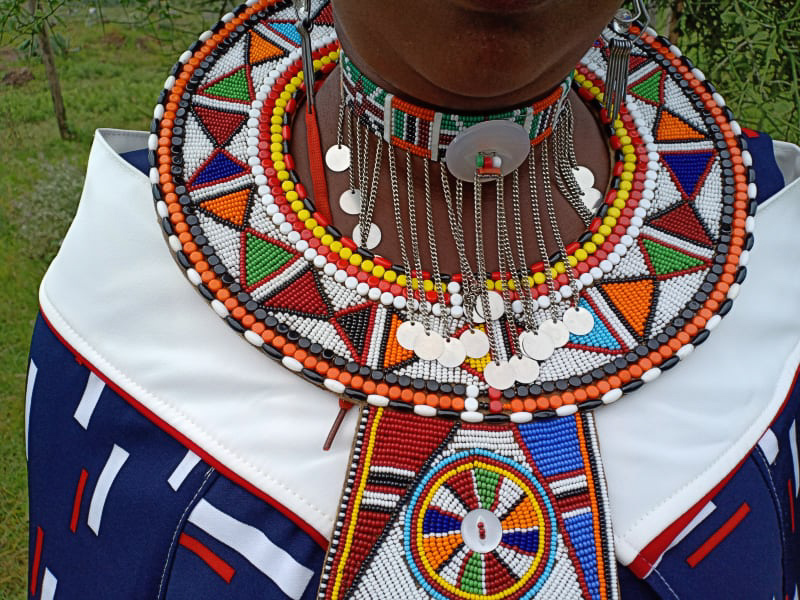
Both the Maasai and Hadzabe communities have rich cultural traditions that visitors need to respect. The Maasai tribe, known for their vibrant attire and warrior customs, has specific rules regarding interactions with outsiders. Visitors are usually expected to dress modestly and refrain from touching or handling certain artifacts without permission.
In Hadzabe villages, which are famous for their hunter-gatherer lifestyle, different norms apply. These communities live close to nature and maintain age-old practices in their daily lives. Since visitors are entering a world vastly different from their own, it’s crucial to follow the guidelines set forth by the Hadzabe leaders to avoid cultural insensitivity.
Photography and video recording in these villages come with a set of rules that must be adhered to. For instance, many areas require explicit permission from village elders before taking pictures. According to the article, respecting these customs is necessary to maintain goodwill and avoid misunderstandings.
Sia Yangu Safari provides guidelines for tourists to ensure they are respectful during their visits. Tips include learning basic greetings in the local language and understanding proper etiquette for gift-giving. Following these recommendations helps create a positive experience for both tourists and residents. Here is the post that further elaborates on these tips for visitors.
An overview of the unique traditions and rules governing Maasai and Hadzabe communities
The Maasai community is well-known for its vibrant culture and unique customs. Their social structure revolves around age-sets, which are groups of men or women who undergo life stages together. This tight-knit system forms the backbone of Maasai society and helps maintain order and continuity within the tribe.
Hadzabe villages operate quite differently but are equally fascinating. As hunter-gatherers, their daily life is deeply connected to nature. Customary rules about sharing resources and respecting the land are central to their way of life. These guidelines ensure the community thrives without over-exploiting their environment.
Visitors to these communities must adhere to specific behaviors to show respect. For instance, greetings are an essential part of the Maasai culture. Understanding basic phrases can significantly impact your visit, making interactions smoother and more respectful. Additionally, be mindful of body language and avoid actions that might be seen as intrusive or disrespectful.
Each community has its own rules regarding photography. It’s essential to always ask for permission before taking photos to avoid offending anyone. For more detailed information on how to navigate these rules, you can check out this post which elaborates further on respecting local customs. Understanding and following these traditions will enhance your experience and ensure you leave a positive impression.
Specific Guidelines for Photography in Maasai Villages
Taking photographs in Maasai villages requires a keen understanding of cultural sensitivity. Visitors should always ask for permission before capturing any images of people or sacred sites. This shows respect for their traditions and helps avoid misunderstandings.
There are specific areas and moments where photography may be entirely forbidden. Rituals and ceremonies, for example, are often private. The Maasai may not allow outsiders to record these events as they hold significant cultural importance. It’s essential to be aware of these restrictions and follow the rules accordingly.
When photographing people, try to establish a connection first. Engage in polite conversation and show genuine interest in their lives. This will make your photography experience more meaningful. Plus, it fosters a sense of trust and respect.
Using a camera discreetly is also recommended. Avoid large, intrusive equipment that could make people uncomfortable. Following these guidelines will ensure that your visit is respectful and enjoyable. For more tips on respectful photography practices, check out related articles and resources.
Video Recording Permissions in Hadzabe Settings
Recording videos in Hadzabe villages involves strict guidelines that tourists must follow. The Hadzabe people have preserved their ancient way of life and are cautious about how their culture is portrayed. Before filming, always seek permission from the village leaders or guides.
In some situations, video recording may be completely restricted. Certain rituals and daily activities are considered private and not meant for public viewing. Understanding these boundaries is crucial to respecting their traditions and maintaining a positive relationship with the community.
If permission is granted, be mindful of your approach. Engage respectfully with the villagers and avoid interrupting their daily routines. Keep your equipment as minimal and non-intrusive as possible to avoid causing discomfort.
There might be specific areas where recording is allowed, and others where it is not. Adhering to these rules shows that you value the Hadzabe’s way of life and respect their wishes. This ensures a more harmonious visit and allows for genuine interactions.
According to local guides, offering a small token of appreciation can also go a long way. Simple gestures like sharing food or small gifts can foster goodwill. For more on best practices while visiting tribes, refer to various travel guides and articles.
Overall, being considerate and understanding of the Hadzabe’s preferences is key. Respecting their guidelines will create a more enjoyable experience for both visitors and the indigenous community. Following these tips ensures that you leave a positive impact and cherish the memories you create.
Impact of Media on Maasai and Hadzabe Cultures
The influence of media on Maasai and Hadzabe cultures is both positive and negative. On one hand, media coverage brings these unique cultures into the global spotlight. This can lead to increased tourism and economic benefits for the communities.
However, there are also challenges associated with widespread media exposure. Misrepresentation is a common issue, where the true essence of the cultures is not accurately portrayed. This can lead to misunderstandings and stereotypes that undermine the richness of their traditions.
For Maasai villages, the influx of tourists and media can sometimes disrupt daily life. There’s a delicate balance between welcoming visitors and maintaining cultural integrity. Too much exposure can lead to commercialization, affecting how cultural practices are conducted.
In Hadzabe communities, media can introduce elements of modernity that clash with their traditional way of living. While some adaptation is inevitable, preserving their authentic lifestyle remains a priority. The challenge is to benefit from media exposure without losing their cultural identity.
Efforts are being made to control how these cultures are represented. Local leaders and community members are increasingly involved in media projects. This collaboration helps to ensure that their stories are told accurately and with respect.
Overall, media has a profound impact on Maasai and Hadzabe cultures. While it offers opportunities for growth and awareness, it also poses risks that need careful management. Balancing these aspects is key to preserving their heritage in a modern world.
Tips from Sia Yangu Safari for Respecting Local Customs
Sia Yangu Safari emphasizes the importance of understanding and respecting local customs when visiting Maasai and Hadzabe villages. Learning a few basic phrases in the local language can go a long way. Simple greetings can show respect and willingness to engage with the community.
When visiting Maasai villages, dress modestly. Avoid wearing flashy or revealing clothing. Women should cover their shoulders and knees, while men should avoid shorts. This ensures that you respect their cultural norms.
Photography and video recording require permission. Always ask before taking photos or videos. This shows that you value their privacy and cultural practices. Avoid taking pictures of sacred sites or during private ceremonies without explicit permission.
Engage respectfully with the local people. Show genuine interest in their way of life and ask questions politely. Avoid imposing your own beliefs or expectations on them. This helps maintain a balanced and respectful interaction.
Respecting local customs also extends to how you interact with their environment. Sia Yangu Safari suggests avoiding littering and being mindful of your ecological footprint. Following these tips ensures a respectful and enriching experience for both visitors and locals.
In the wide expanse of East Africa, Tanzania captivates with its majestic Serengeti and the iconic Mount Kilimanjaro. Many travelers are taken aback when learning that a Tanzanian safari can vary dramatically in price. Interestingly, these adventures can range from a budget-friendly $200 per day to a luxurious $1,500 or even more.
The cost of such an expedition is influenced by numerous factors including accommodation type, duration, and transportation methods. Historically, Tanzania has positioned itself as a premier safari destination, offering a spectrum of experiences from camping under the African sky to residing in opulent lodges overlooking breathtaking savannas. According to recent data, a mid-range safari typically costs around $350 to $500 per person per day, balancing cost without compromising the essence of the adventure.

Unraveling the Costs of a Tanzanian Safari
Embarking on a Tanzanian safari adventure is a dream for many wildlife enthusiasts. The cost of such a trip, however, can vary greatly depending on several factors. Basic safaris, which usually involve camping in tents, generally start around $200 per person per day. On the other hand, luxury safaris can soar up to $1,500 daily. These premium packages often include lavish accommodations and personalized services.
One key factor in determining the cost is the type of accommodation you choose. Basic tented camps are the most economical option. Mid-range lodges offer more comfort and amenities. For those seeking ultimate luxury, high-end lodges provide an extravagant experience with stunning views and gourmet meals. Each choice impacts the overall expenses of the safari.
Transportation is another significant contributor to costs. Most safaris include game drives in specialized vehicles. However, some packages offer fly-in safaris where small planes are used for quick park transfers. This option raises the total expense but offers breathtaking views from above.
Park fees also play a role in safari costs, as Tanzania maintains strict conservation efforts. These fees typically range from $50 to $100 per day, per person, depending on the park. Additional costs may include guided tours, walking safaris, and night drives, which all enrich the safari experience. Understanding these elements is crucial for budget planning and ensuring a memorable adventure.
The Major Components of a Safari Budget
When planning a Tanzanian safari, it’s important to understand the major components of your budget. Accommodation, as previously mentioned, plays a significant role. You’ll have choices ranging from basic tented camps to lavish lodges. Each option comes with its own price tag, directly affecting your overall cost. Selecting the right type for your preferences and budget is crucial.
Another major component is transportation. Safaris typically require a reliable 4×4 vehicle, essential for traversing rugged terrains and spotting wildlife. Fuel, maintenance, and guide fees are included in this cost. For those opting for fly-in safaris, small aircraft transport between parks adds an extra expense. Weighing these options can help in managing your budget effectively.
Park entrance fees should also be considered when calculating safari costs. These fees contribute to conservation efforts and vary by park. For instance, visiting the Serengeti National Park usually incurs higher fees than other parks. Below is a typical breakdown of park fees per day:
| Park | Fee (per person per day) |
|---|
| Serengeti | $70 |
| Ngorongoro | $60 |
| Tarangire | $45 |
Lastly, don’t forget about ancillary costs. These can include things like tips for guides, souvenirs, and extra activities such as hot air balloon rides or community visits. While these may seem minor, they can add up quickly, impacting your overall safari budget. Being prepared for these additional expenses ensures a smooth and enjoyable experience.
Factors Impacting the Cost of a Tanzanian Safari
The timing of your safari can greatly impact the costs involved. High season, which typically lasts from June to October, sees a surge in prices due to favorable weather conditions and prime wildlife viewing opportunities. Conversely, traveling during the low season can result in significant savings. However, it may come with trade-offs like higher chances of rain and fewer animals spotted. Planning your trip according to the season can help manage expenses.
The choice of safari company also plays a crucial role in determining the cost. Established, reputable tour operators often come with higher price tags. However, they offer the assurance of experienced guides and well-maintained equipment. On the other hand, smaller or newer companies might offer competitive rates. It’s essential to research and read reviews to ensure quality services.
Group size is another factor to consider. Larger groups can share the overall costs, making it more affordable per person. Solo travelers or small groups might find safaris more expensive due to the fixed costs that aren’t split. Below is a typical cost comparison for different group sizes:
| Group Size | Approximate Cost (per person per day) |
|---|
| 1-2 people | $500 |
| 3-5 people | $350 |
| 6+ people | $300 |
Finally, the duration of the safari impacts the overall cost. Longer safaris naturally cost more due to extended stays and additional park entry fees. However, some companies offer discounted rates for extended tours. It’s a good idea to compare different packages and find one that fits your budget and interests.
Ways to Save on Your Tanzanian Safari Adventure
Booking your safari during the off-peak season is a smart way to save money. The months of March to May and November often see fewer tourists, which leads to discounted rates. Not only does this lower the cost, but it also provides a more relaxed experience without the crowds. Keep in mind, however, that you might encounter more rain. With the right preparations, the off-season can be a rewarding choice.
Another effective strategy is to opt for budget accommodations. While luxury lodges offer comfort and style, budget options like campsites and hostels can save you a lot. These options allow for a more authentic experience of the Tanzanian wilderness. Look for accommodations that provide essential amenities. Prioritize your preferences and comfort level while making selections.
Traveling in a group can also significantly reduce costs. Sharing expenses such as vehicles, guides, and fuel makes the safari more economical on a per-person basis. Many tour operators offer discounts for larger groups. If you’re traveling solo, consider joining a group tour. It’s a great way to meet new people while saving money.
Consider combining destinations to make the most of your trip. Visiting nearby parks like Ngorongoro Conservation Area or Tarangire National Park can maximize your travel experience. Tour operators often provide package deals for multiple destinations. Planning with an itinerary in mind ensures more sights and activities. This approach provides adventure without increasing overall costs.
Look for special deals and early-bird discounts. Many safari companies offer promotions for travelers willing to book in advance. Subscribing to newsletters or joining travel forums can keep you informed about offers. Flexibility with travel dates can also help in snagging a good deal. Being proactive in your research ensures you get the best price.
Key Takeaways
- Visiting during the off-peak season can save you a lot of money.
- Consider budget accommodations like campsites to cut down on costs.
- Group travel allows you to share expenses and save more.
- Combine destinations for better value and an enriching experience.
- Keep an eye out for special deals or early-bird discounts online.
Conclusion
Understanding the factors that influence the cost of a Tanzanian safari is essential for effective budgeting. By considering the season, accommodation types, and group dynamics, travelers can make informed decisions. With these insights, planning becomes more strategic and rewarding.
Savvy travelers can explore ways to save while still enjoying a rich safari experience. From choosing the right time to travel to looking for special deals, there are numerous options to manage costs. Ultimately, a well-planned safari promises unforgettable adventures and lifelong memories.
When visiting the Maasai and Hadzabe tribes, consider bringing practical and culturally sensitive gifts. For the Maasai, traditional beads, durable clothing, and tools for livestock management are appreciated. The Hadzabe value hunting tools, water containers, knives, and sturdy clothing. Always avoid lavish or unnecessary items to ensure respectfulness.

Understanding Gift-Giving Etiquette for the Maasai and Hadzabe Tribes
Gift-giving can be a meaningful way to connect with the Maasai and Hadzabe tribes. However, it’s important to be culturally sensitive and respectful. Both tribes have their own traditions, and understanding these can help you choose appropriate gifts. By taking the time to learn about their customs, you show respect and foster good relationships. This approach ensures your gesture is appreciated.
When choosing gifts for the Maasai, consider items that can be practically useful or symbolic. The Maasai highly value beads, traditional clothing, and tools that support their daily life. Avoid giving items that might be seen as disrespectful or unnecessary. Similarly, while the Hadzabe tribe appreciates tools and practical items, it’s crucial to avoid anything that contradicts their cultural practices. Keeping in mind their semi-nomadic lifestyle is key.
Both the Maasai and Hadzabe have strong values related to hospitality and communal living. Bringing gifts that can be shared within the community enhances your connection. Avoid giving gifts that are overly lavish or personal. Instead, focus on items that promote unity and usefulness. This approach is both thoughtful and considerate.
To help coordinate meaningful gift contributions, consider working with local guides or organizations like Sia Yangu Safari. They have insights into what gifts will be most appreciated and culturally appropriate. Aligning with their knowledge ensures your generosity is well-received. Remember, thoughtful and respectful gift-giving can create lasting bonds.
The Importance of Cultural Sensitivity and Respect
When interacting with the Maasai and Hadzabe tribes, cultural sensitivity is vital. These tribes have unique traditions and practices that deserve respect. Understanding these customs can help avoid misunderstandings and foster better relationships. It’s beneficial to approach them with an open mind and a willingness to learn. This shows genuine appreciation for their way of life.
Respecting cultural norms includes acknowledging their values and social structures. The Maasai and Hadzabe have strong communal bonds and specific roles within their groups. By recognizing this, you avoid imposing your worldview on them unnecessarily. According to this post, it’s crucial to listen and observe rather than making assumptions. This ensures interactions are respectful and meaningful.
Using appropriate language and gestures is another key aspect of cultural sensitivity. Some gestures we consider friendly might not be interpreted the same way by the tribes. It’s important to learn and adopt their communication styles. This helps you convey respect and avoid any unintended offense. Simple actions can demonstrate your commitment to cultural understanding.
Incorporating cultural sensitivity into your interactions also means considering the impact of your actions. Gifts should be chosen thoughtfully, ensuring they are useful and respectful. Partnering with local organizations like Sia Yangu Safari can provide guidance on suitable gifts. This collaboration helps make sure your gestures are appreciated and align with cultural norms. Respectful engagement fosters trust and mutual respect.
Tailoring Gifts to Enhance Connection and Support
Choosing the right gifts for the Maasai and Hadzabe tribes can significantly enhance your connection with them. It’s essential to select items that align with their daily needs and cultural practices. Practical gifts, like tools and materials for crafting, are often appreciated. These types of gifts show that you understand their lifestyle and respect their traditions. Such consideration helps build trust and mutual respect.
The Maasai tribe values items that support their pastoral lifestyle. Gifts like durable clothing, beads for traditional adornments, and utensils that aid their daily tasks are fitting. Similarly, the Hadzabe, who lead a semi-nomadic lifestyle, appreciate useful items such as hunting tools and portable shelters. By giving such pragmatic gifts, you provide support that directly benefits their way of life. This thoughtful approach reflects genuine understanding.
Here is the post that highlights the significance of culturally appropriate gifts. It’s crucial to avoid gifts that may be perceived as lavish or unnecessary. Instead, consider items that promote communal well-being. Additionally, gifts should be easily shared among tribe members, enhancing unity and collective support. This mindful selection fosters deeper connections.
Consulting with local experts or organizations like Sia Yangu Safari can offer valuable insights into suitable gifts. They have a deeper understanding of what items will be beneficial and appreciated by the tribes. It’s a good idea to collaborate with them to ensure your gifts are respectful and helpful. This cooperation ensures the tribes receive meaningful support, enhancing your relationship with them.
Items to Avoid: Understanding Potentially Offensive or Inappropriate Gifts
When visiting the Maasai and Hadzabe tribes, it’s crucial to be mindful of the gifts you bring. Certain items can be considered offensive or inappropriate, which can hinder relationships. Avoid bringing overly luxurious items, as they might create a sense of inequality. Gifts that do not align with their cultural practices can also be problematic. Being aware of these aspects is essential to showing respect.
Here are the main categories of gifts to avoid when visiting the tribes:
- Expensive jewelry or electronics: These can create a sense of division and are often unnecessary.
- Foods that are not part of their diet: Bringing unfamiliar food may not be appreciated and can cause discomfort.
- Clothing that doesn’t align with traditional attire: This can be seen as disrespecting their cultural identity.
- Items that disrupt their lifestyle: Anything that deviates from their daily practices should be avoided.
According to the article, it’s also important to steer clear of gifts that impose your values or beliefs on the tribes. Religious items, books, or media that reflect a foreign culture might be misunderstood. Furthermore, avoid items that could lead to dependency or diminish their traditional practices. Respecting their self-sufficiency is key. Thoughtful gift selection enhances mutual respect.
Practical gifts that support their existing way of life are preferred. Items like tools, materials, and clothing that fits within their everyday needs are usually appreciated. It’s essential to avoid anything flashy or technologically advanced that may not be useful to them. Consulting with local experts can offer valuable insights on appropriate gifts. Their guidance ensures your choices are respectful and considerate.
Always remember, the goal is to aid and support, not to impose or overwhelm. By understanding what to avoid, you can make thoughtful and beneficial choices. Collaboration with organizations like Sia Yangu Safari can clarify what gifts are suitable. Ensuring that your gifts are respectful and appreciated nurtures positive interactions.
Recommended Gifts for the Maasai Tribe
Choosing the right gifts for the Maasai tribe can show your respect for their culture and lifestyle. Practical items are generally the most appreciated. Consider gifts that support their daily needs and cultural practices. Traditional Maasai clothing and beads are valuable as they use them for cultural ceremonies. These items help maintain their heritage.
The Maasai take pride in their livestock. Gifts related to animal care and management can be very useful. Tools for herding or veterinary supplies can serve their pastoral activities. Additionally, blankets and durable clothing are always appreciated. These items support their outdoor lifestyle.
Here is a list of recommended gifts for the Maasai:
- Traditional beads and jewelry-making supplies
- Durable traditional clothing
- Tools for livestock management
- Blankets for warmth
- Veterinary supplies for animals
These items are useful in their daily lives and align with their cultural values.
You can also consider educational materials for children, as long as they align with Maasai values. Practical tools that aid in their education can be beneficial. Consulting with organizations like Sia Yangu Safari can provide further insights. Collaborating with experts ensures that your gifts are thoughtful and respectful. This approach promotes goodwill and positive relationships.
For an even more meaningful impact, consider gifts that promote community well-being. Items that can be shared within the community, such as large cooking pots or community tools, are highly valued. This type of gifting supports their communal lifestyle. Partnering with local experts ensures your gifts are beneficial. This thoughtful gesture will be greatly appreciated by the Maasai tribe.
Ideal Gifts for the Hadzabe Tribe
Selecting appropriate gifts for the Hadzabe tribe involves considering their unique semi-nomadic lifestyle. Practical items that assist with their daily activities are highly valued. Tools for hunting and gathering are particularly useful. Durable clothing suitable for their environment is also a good choice. These gifts demonstrate an understanding of their needs.
The Hadzabe tribe benefits greatly from tools that aid in their traditional practices. Items like bow and arrows, knives, and water containers are welcomed. Simple, functional items can make a significant difference to their daily life. According to another article, it’s important to avoid flashy or overly modern items. Keeping it simple and practical is key.
Here is an organized list of recommended gifts for the Hadzabe:
- Hunting tools such as bows and arrows
- Durable portable water containers
- Knives for daily use
- Sturdy clothing suitable for their environment
- Traditional craft supplies
These items can significantly support their lifestyle and daily needs.
Incorporating educational gifts can also be beneficial, but it’s essential they align with the tribe’s values. Practical educational tools that aid in learning can be thought-provoking. Partnering with local organizations such as Sia Yangu Safari can provide guidance. They offer insights into what gifts will be most useful. Their expertise ensures that your contributions are well-received and meaningful.
Being mindful of the Hadzabe’s lifestyle and preferences enhances your connection with them. Avoiding inappropriate gifts and selecting useful items shows respect. This thoughtful approach fosters positive relationships. It demonstrates a genuine interest in supporting their way of life. This consideration is deeply appreciated by the Hadzabe tribe.
Ever thought about merging the thrill of a safari with the serene beauty of Zanzibar’s beaches? It’s a travel combination that’s perfect for both adventure seekers and relaxation enthusiasts. Carefully planning these two contrasting experiences can elevate your journey to unforgettable heights.
Historically, the trend of combining a safari with a beach escape has gained traction among sophisticated travelers. In fact, travel experts suggest that the best times to book this combo are during the dry seasons. This way, you can ensure prime wildlife sightings and perfect beach weather for a seamless experience, maximizing enjoyment on both fronts.
Booking a Safari plus Zanzibar beach holiday is best done 6-12 months in advance during the dry season (June to October) for optimal wildlife viewing and perfect beach weather. This ensures better availability, favorable deals, and a seamless travel experience.

Optimal Timing for Booking Safari and Zanzibar Beach Holidays
The best time to book a safari and Zanzibar beach holiday often depends on the season. In East Africa, where the famous Serengeti resides, the dry season typically offers the best wildlife viewing. This runs from June to October. Booking during these months ensures you get the most out of your safari experience. Moreover, it’s easier to spot animals near waterholes.
For Zanzibar’s beaches, the ideal season stretches from June to October and December to February. According to the article, these periods promise sunny skies and calm waters. Peak months around Christmas and New Year can get busy. Thus, planning ahead is advisable to avoid the rush. Many tourists flock to the island during these times.
Combining both experiences requires strategic planning. It’s best to book your safari first and then arrange the Zanzibar beach part of your trip. Early booking offers several advantages such as better deals and more accommodation options. Some lodges and resorts also offer package deals. Look out for these to save money.
According to this article, aligning your trip with local festivals or events can enhance your experience. These cultural highlights add a unique touch to your travel. However, they can also mean higher travel costs and booked-out hotels. So, secure your reservations well in advance. This way, you ensure a smooth and enjoyable holiday.
Understanding Seasonal Trends and Their Impact on Availability
Seasonal trends play a critical role in the availability and pricing of safari and beach holidays. During the dry season, from June to October, the safari lodges are often fully booked. This period is popular because wildlife viewing is at its peak. Tourists flock to these areas, leading to higher prices. It’s essential to book months in advance.
The beach season in Zanzibar also sees fluctuating availability based on weather patterns. The months of December to February and June to October are considered the best times for beach holidays. These periods are marked by clear skies and warm waters. However, they also coincide with the peak tourist seasons. Early reservations are crucial to securing the best accommodations.
On the other hand, the rainy seasons bring a different set of challenges and opportunities. Fewer tourists during April, May, and November mean lower prices and less crowded spots. Some travelers prefer this off-season for a quieter experience. However, heavy rains can disrupt plans and certain activities.
Travel companies often adjust their offerings based on these trends. Sia Yangu Safari, for instance, might offer special packages to attract visitors during off-peak seasons. This strategy helps balance the flow of tourists throughout the year. It’s wise to keep an eye out for such deals to make the most of your budget and travel time.
Benefits of Early Reservations with Sia Yangu Safari
Booking early with Sia Yangu Safari offers several advantages that enhance your overall travel experience. One of the primary benefits is securing your preferred dates and accommodations. Popular lodges and beach resorts can fill up quickly, especially during peak seasons. By reserving in advance, you guarantee your spot. This helps avoid last-minute disappointments.
Early booking also provides opportunities for significant cost savings. Many travel companies, including Sia Yangu Safari, offer early bird discounts. These discounts can make a big difference in your travel budget. Additionally, booking early allows you to take advantage of package deals. Such deals might include both the safari and beach components, offering a more seamless experience.
Another benefit is the added peace of mind. Knowing that your travel plans are set well in advance reduces stress. It allows you more time to prepare and look forward to your trip. According to this article, early reservations also mean better flight options. You can choose flights that fit your schedule perfectly.
Finally, booking early with Sia Yangu Safari often comes with exclusive perks. Whether it’s a complimentary tour or special amenities, these added values enhance your trip. Early reservations also allow for better coordination with the travel experts at Sia Yangu Safari. This ensures a personalized and well-planned adventure from start to finish.
Learning Swahili opens doors to an incredibly rich African culture and over 16 million native speakers. Have you ever wondered what it takes to become fluent in Swahili quickly? Serious learners need targeted, well-structured courses designed to push boundaries and ensure immersive experiences.
Historically spoken in East Africa, Swahili is now a global language with significant influence. Studies show that learners who engage with top-tier language programs can achieve fluency up to 50% faster. These courses often combine interactive lessons with cultural insights, making the journey as fascinating as it is educational.
- Comprehensive Online Platforms
- Intensive University Programs
- Immersion Experiences by Sia Yangu Safaris
- Expert-Led Private Tutoring Sessions
- Interactive Language Apps with Cultural Insights

Best Swahili Language Courses for Serious Learners
Finding the best Swahili language course can feel like a daunting task for serious learners. Many comprehensive online platforms offer a structured approach to learning. These platforms include interactive lessons, expert guidance, and community support. Integrating cultural insights helps make the learning process enriching. With such resources, learners can grasp the language effectively.
Universities often provide intensive Swahili programs that cater to serious learners. These programs include in-depth study sessions, language labs, and cultural immersion activities. Many universities collaborate with Swahili-speaking countries to offer real-world experiences. This hands-on approach can enhance language proficiency. Furthermore, academic credits can be valuable for career growth.
Immersion experiences stand out as a powerful way to learn Swahili. Sia Yangu Safaris, for example, offers unique language immersion trips. These experiences place learners in real-life situations where Swahili is spoken daily. According to the article, being surrounded by native speakers accelerates the learning process. The cultural context further deepens understanding and fluency.
Private tutoring sessions can be tailored to meet the specific needs of learners. Expert tutors provide customized lessons focusing on individual strengths and weaknesses. Interactive apps combined with tutor guidance create an engaging learning experience. Tutors can track progress and adjust lessons accordingly. This personalized approach ensures efficient learning and rapid advancement.
1. Comprehensive Online Platforms
Online platforms offer a flexible and convenient way to learn Swahili. These platforms usually feature interactive lessons and multimedia content. Learners can access the material at their own pace, making it suitable for busy schedules. Many of these courses include audio and video resources to reinforce learning. This approach ensures a well-rounded understanding of the language.
One of the key advantages of online platforms is the availability of community support. Forums and discussion groups allow learners to connect and share experiences. This collaborative environment can be very motivating. In this resource, you can find a compilation of Swahili learning materials. Such communities often provide tips and insights that are invaluable for learners.
Many online courses are created by language experts and native speakers. This ensures the content is both accurate and culturally relevant. Some platforms even offer live classes with qualified instructors. These live sessions allow learners to ask questions and receive real-time feedback. This combination of self-paced study and live instruction is very effective.
Additionally, online platforms often provide progress tracking tools. These tools help learners stay on track and measure their progress. Gamified elements, such as quizzes and badges, make learning more engaging. According to the article, combining technology with language learning can significantly enhance the experience. This modern approach keeps learners motivated and continuously improving.
2. Intensive University Programs
Intensive university programs offer a comprehensive approach to learning Swahili. These programs typically last for an entire semester or more. They include daily classes, immersive activities, and rigorous assessments. This structure ensures that students get a deep and thorough understanding of the language. The commitment required often leads to significant progress in a short time.
Universities often collaborate with Swahili-speaking countries to provide study abroad opportunities. This allows students to experience the language in its natural environment. Living and studying in a Swahili-speaking country enhances language skills quickly. Many programs include home-stays with local families. This adds a cultural dimension to the learning process.
In addition to language classes, these programs usually offer cultural studies. Students learn about Swahili history, literature, and traditions. This holistic approach helps students appreciate the language’s rich cultural context. Some universities also offer extracurricular activities like Swahili music and dance. These activities make learning enjoyable and engaging.
Universities provide valuable resources like language labs and libraries. These resources are essential for research and practice. Tutors and professors are available to assist students with their studies. Many students find the academic environment motivating. The structure and support offered by universities can be very beneficial for serious learners.
3. Immersion Experiences by Sia Yangu Safaris
Immersion experiences by Sia Yangu Safaris provide an exceptional way to learn Swahili. These experiences place learners in authentic Swahili-speaking environments. By being surrounded by native speakers, students can practice their language skills daily. This method is highly effective for building fluency. The cultural immersion adds depth to the learning process.
Participants live with local families during their stay. This home-stay arrangement offers a unique cultural and linguistic perspective. It allows learners to practice Swahili in everyday situations. Engaging in family activities helps students learn idiomatic expressions. Sharing meals and traditions enriches the learning journey.
Sia Yangu Safaris include guided tours and cultural excursions. These might involve visiting local markets, attending traditional ceremonies, and exploring historical sites. Such activities offer real-life contexts to apply language skills. Learners gain a deeper understanding of Swahili culture and traditions. This makes the learning experience both enjoyable and educational.
The immersion program also includes structured language classes. These classes are held by experienced instructors. They focus on enhanced vocabulary, grammar, and conversational skills. Combining formal lessons with immersion offers a balanced approach. According to the experts at Sia Yangu Safaris, this dual method accelerates proficiency.
Additionally, Sia Yangu Safaris offers special interest workshops. These might include topics like Swahili music, dance, and cuisine. Workshops allow learners to explore cultural aspects more deeply. It also provides a fun way to practice the language. Engaging in these activities enhances overall language retention.
To wrap up the immersion experience, participants often share their progress. Reflecting on what they’ve learned and achieved is valuable. It solidifies their new skills and builds confidence. This supportive environment encourages continued learning once they return home. Immersion experiences with Sia Yangu Safaris truly transform language learning.
4. Expert-Led Private Tutoring Sessions
Expert-led private tutoring sessions offer personalized learning experiences. Tutors tailor lessons to the individual needs of each learner. This customized approach allows for focused attention on areas that need improvement. Students can progress at their own pace. The one-on-one setting encourages active participation and immediate feedback.
Many private tutors are native speakers with extensive teaching experience. They bring a wealth of knowledge about the language and culture. This expertise ensures that students receive high-quality instruction. Lessons can be adjusted based on the student’s progress and preferences. This flexibility makes private tutoring highly effective.
Tutoring sessions often incorporate technology to enhance the learning experience. Online platforms enable interactive lessons and multimedia resources. Tools like video calls and screen sharing create an engaging virtual classroom. Tutors can use these tools to explain complex concepts clearly. This modern approach keeps lessons dynamic and interesting.
Private tutoring can also include cultural components. Tutors may introduce students to Swahili music, literature, and traditions. Understanding cultural contexts makes language learning more meaningful. It helps students appreciate the richness of Swahili as more than just a language. These cultural insights enrich the overall learning experience.
Another benefit of private tutoring is flexible scheduling. Students can arrange lessons at times that suit their availability. This makes it easier to fit language learning into busy lives. Consistent scheduling helps maintain momentum in the learning process. Regular practice and interaction with the tutor lead to steady improvement.
Tutors often provide additional resources for practice outside of lessons. These might include homework, reading materials, and audio exercises. Extra practice reinforces what is learned during sessions. According to many experts, continued practice is crucial for language retention. This comprehensive support system ensures long-term success in learning Swahili.
5. Interactive Language Apps with Cultural Insights
Interactive language apps are reshaping how people learn Swahili. These apps make learning accessible and fun. They incorporate various activities such as quizzes, games, and flashcards. This keeps users engaged and motivated. Learning becomes a daily habit rather than a chore.
One standout feature of these apps is the integration of cultural insights. Learners are introduced to Swahili traditions, music, and cuisine. These cultural elements make the language come alive. They provide context that goes beyond basic vocabulary and grammar. This holistic approach fosters a deeper connection to the language.
Many language apps offer voice recognition technology. This allows users to practice their pronunciation. The app gives immediate feedback to help improve accuracy. This is especially useful for beginners struggling with new sounds. Consistent practice leads to improvement over time.
Additionally, these apps offer structured lessons. Each lesson builds on the previous one, ensuring a gradual increase in difficulty. Users can track their progress and revisit tricky areas. Flexibility is another advantage; you can learn anytime, anywhere. This suits busy lifestyles and keeps the momentum going.
- Bite-sized lessons for easier retention
- Cultural mini-lessons for immersive learning
- Gamification elements like badges and leaderboards
- Access to a community of learners for extra support
Interactive language apps often offer live session options. Users can join virtual classes with native speakers or experienced tutors. This blends self-paced learning with real-time interaction. It combines the best of both worlds for an enriching learning experience. Interactive language apps truly revolutionize how we learn Swahili.
Why Choosing the Right Swahili Language Course Matters
Choosing the right Swahili language course can significantly impact your learning journey. A well-structured course ensures that you learn efficiently and effectively. It helps in building a strong foundation in vocabulary and grammar. Finding the right fit can also make learning enjoyable. Engaging content keeps you motivated to continue.
Not all courses are created equal, and their methodologies vary. Some focus heavily on written exercises, while others emphasize speaking practice. Tailored courses suit different learning styles and goals. For instance, if you’re aiming for conversational fluency, a speaking-focused course works best. Evaluating what each course offers is crucial.
A good course includes cultural insights alongside language lessons. Understanding the culture enriches the learning experience. It adds context to words and phrases, making them easier to remember. Courses that blend language with cultural studies are more engaging and effective. This holistic approach leads to better retention of information.
- Interactive lessons for active engagement
- Qualified and experienced instructors
- Access to community support for additional help
- Flexible scheduling options for busy learners
The cost of a Swahili language course also matters. While some high-quality courses might be expensive, they often provide value for money through comprehensive resources and expert instruction. However, budget-friendly options are available that still offer quality education. Balancing cost with benefits is essential for making an informed choice.
A well-chosen course guarantees steady progress and helps achieve your language goals faster. Regular assessments and feedback keep you on track. The right resources can transform your learning experience from stressful to enjoyable. That’s why choosing the right Swahili language course matters so much.
Frequently Asked Questions
If you’re serious about learning Swahili, you probably have some questions. Below are answers to common inquiries that can help guide your language-learning journey.
1. What are the benefits of learning Swahili?
Learning Swahili opens several opportunities both professionally and personally. It is widely spoken in East Africa, which can be beneficial for travel or work in the region. Additionally, it fosters a deeper understanding of diverse cultures and traditions.
Professionally, knowing Swahili can enhance your resume if you are pursuing careers in international relations, business, or humanitarian work. It also allows for richer, more meaningful interactions with Swahili-speaking communities. Overall, it’s a highly rewarding experience.
2. How long does it take to become fluent in Swahili?
The time it takes to become fluent in Swahili varies based on several factors like your language-learning background and the intensity of your study. Generally, with consistent practice, you can expect to achieve conversational fluency in about six months to a year.
ImmerRgency expeditions, intensive courses, and consistent practice with native speakers hasten the learning process. The key is regular practice and exposure. Using resources like language apps and engaging with Swahili media can also speed up your learning.
3. Can I learn Swahili online effectively?
Yes, learning Swahili online is highly effective, especially with the abundance of resources available today. Comprehensive language learning platforms offer interactive lessons, video tutorials, and even live tutoring sessions for optimal learning.
Moreover, many online courses incorporate cultural insights, which make the learning process engaging and holistic. Forums and community support can also enhance your learning by providing additional practice and peer interaction.
4. What should I look for in a Swahili tutor?
When choosing a Swahili tutor, look for qualifications like teaching experience and native fluency. A good tutor should understand different teaching methods and adapt to your learning style. They should provide personalized lesson plans and regular assessments to track progress.
Additionally, they should be able to incorporate cultural elements into the lessons, making your learning well-rounded. Always check reviews or get recommendations to ensure the tutor’s effectiveness and compatibility with your learning needs.
5. Are there community resources for practicing Swahili?
Yes, there are several community resources where you can practice Swahili. Joining language exchange programs, online forums, or local cultural centers can provide ample practice opportunities. These platforms allow you to interact with native speakers and fellow learners.
Additionally, many cities have Swahili-speaking communities that host cultural events and gatherings. Participating in these activities not only improves your language skills but also immerses you in the culture. Such experiences are invaluable for comprehensive learning.
How I’m Learning Swahili (Kiswahili Resources)
The thundering of thousands of hooves as wildebeests plunge into the Mara River is a sight that has captivated countless wildlife enthusiasts. Each year, over 1.5 million wildebeests migrate across the Serengeti and into the Maasai Mara, creating one of nature’s most extraordinary spectacles. It’s no wonder that timing your visit to witness this phenomenon can feel like a high-stakes game.
To maximize your chances, aim for late June to October, when the crossings are most frequent. However, it’s worth noting that these massive herds are unpredictable, making some degree of flexibility essential. Book your safari at least six months in advance to ensure a prime spot during this peak season, and you might just find yourself front and center for this awe-inspiring event.
For the best chances of witnessing Mara-River crossings, visit between late June and October. Aim to book your safari at least six months in advance, ensuring prime viewing spots during this peak season. Flexibility with travel dates can enhance your opportunity to see multiple crossings.

The Best Time and Booking Window to See Mara-River Crossings
Timing your visit to the Mara River is crucial for the best experience. The wildebeest migration typically peaks from late June to October, providing high chances of witnessing the thrilling crossings. These months are when the herds risk everything to forge the swift currents of the river.
Given the popularity of this natural spectacle, booking your safari at least six months in advance is recommended. According to this post, early reservations ensure you get the prime spots for viewing the crossings. Flexible travel plans can also help increase your chances of seeing multiple crossings during your stay.
Countless wildebeest, along with zebras and gazelles, make the perilous journey across the Mara River. This event attracts not only tourists but also predators looking for an easy meal. As here is the article suggests, coordinating your trip with these migration patterns can maximize your safari experience.
Sia Yangu Safari offers excellent packages that cater specifically to this phenomenon. They provide experienced guides who know precisely where to be for the best views. With their assistance, you can witness the grandeur of the Mara River crossings with ease and comfort.
1. Optimal Months for Mara-River Crossings
Watching the wildebeest cross the Mara River is best timed between late June and October. These months offer prime viewing because the herds are at their most active during this period. Wildlife enthusiasts flock to the Maasai Mara to catch this breathtaking spectacle.
Historically, the crossings peak in August and September, offering the highest likelihood of sightings. During these months, the wildebeest will be in their largest numbers, creating a dramatic and memorable scene. It’s a time when nature shows its raw power and beauty.
Booking travels early for August or September can provide optimal conditions for wildlife photography. The lighting during this season enhances the vibrancy of the landscape and the animals. This timing is particularly advantageous for those looking to capture stunning visuals.
Many safari operators, including Sia Yangu Safari, tailor their packages around these peak months. They ensure guests are at the best vantage points to see the crossings. This preparation includes experienced guides who track the movements of the herds daily.
2. Ideal Booking Strategies with Sia Yangu Safari
Booking a safari with Sia Yangu Safari requires some strategic planning. Early reservations, ideally six months ahead, ensure you secure a prime spot for viewing the Mara-River crossings. This timing is critical due to the high demand during peak migration months.
According to Sia Yangu Safari’s experts, flexible dates can significantly enhance your chances of witnessing multiple crossings. They recommend booking longer stays, which increases the likelihood of catching this remarkable event. Flexibility guarantees you won’t miss any action.
Another effective strategy is to opt for tailored packages that focus on the migration. Sia Yangu Safari offers customized trips that align with the herds’ movements. These packages often include guided tours, providing insights and the best views.
It’s also beneficial to coordinate with Sia Yangu Safari’s team for updated information. They track the wildebeest’s progress to advise on the best times and locations. With their expertise, you can plan your itinerary to maximize the safari experience.
Planning Tips for Witnessing Mara-River Crossings
When planning to see the Mara-River crossings, timing is everything. Aim to visit between late June and early October, when the migration is at its peak. This timeframe offers the highest chance of witnessing the thrilling event.
Booking your safari well in advance is crucial. Early reservations, preferably six months before the trip, secure the best vantage points. High demand during the peak season can make last-minute bookings challenging.
Flexibility in your travel schedule can greatly enhance your experience. Staying for a longer duration increases the likelihood of catching multiple crossings. Wildebeest movements are unpredictable, so a flexible schedule can be a game-changer.
Choosing the right safari package is also essential. Look for packages specifically tailored to the wildebeest migration. These often include guided tours that optimize your chances of seeing the crossings.
Don’t forget to pack appropriately for your trip. Comfortable clothing, sunblock, and good camera equipment are non-negotiable. Your comfort and ability to capture the moment will significantly affect your overall experience.
Coordinate with local experts like Sia Yangu Safari. Their knowledge and experience in tracking the herds can provide invaluable insights and recommendations. With their guidance, you’re more likely to have a memorable and successful safari.