An interesting fact that many might not know is that dehydration can increase the risk of altitude sickness on Kilimanjaro. Keeping your energy levels high with the right snacks is just as critical as staying hydrated. Proper nutrition ensures you have the stamina needed for the strenuous climb ahead.
When it comes to the best snacks for a Kilimanjaro trek, nuts and dried fruits stand out due to their perfect balance of fats, proteins, and sugars. Historically, these foods have been staple choices for adventurers due to their durability and nutritional value. Interestingly, studies indicate that high-protein snacks can help in maintaining muscle endurance, which is crucial for making it to the summit.
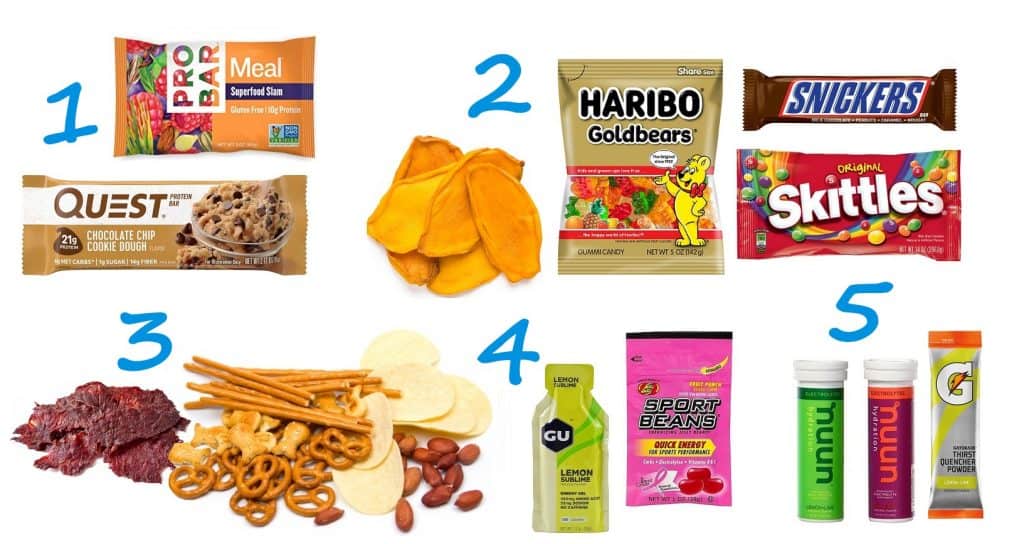
- Nuts and seeds for essential fats and proteins.
- Dried fruits for quick energy from natural sugars.
- Protein bars or jerky to maintain muscle endurance.
- Trail mix combining nuts, dried fruits, and chocolate for balanced nutrition.
- Whole-grain crackers or biscuits for sustained energy release.
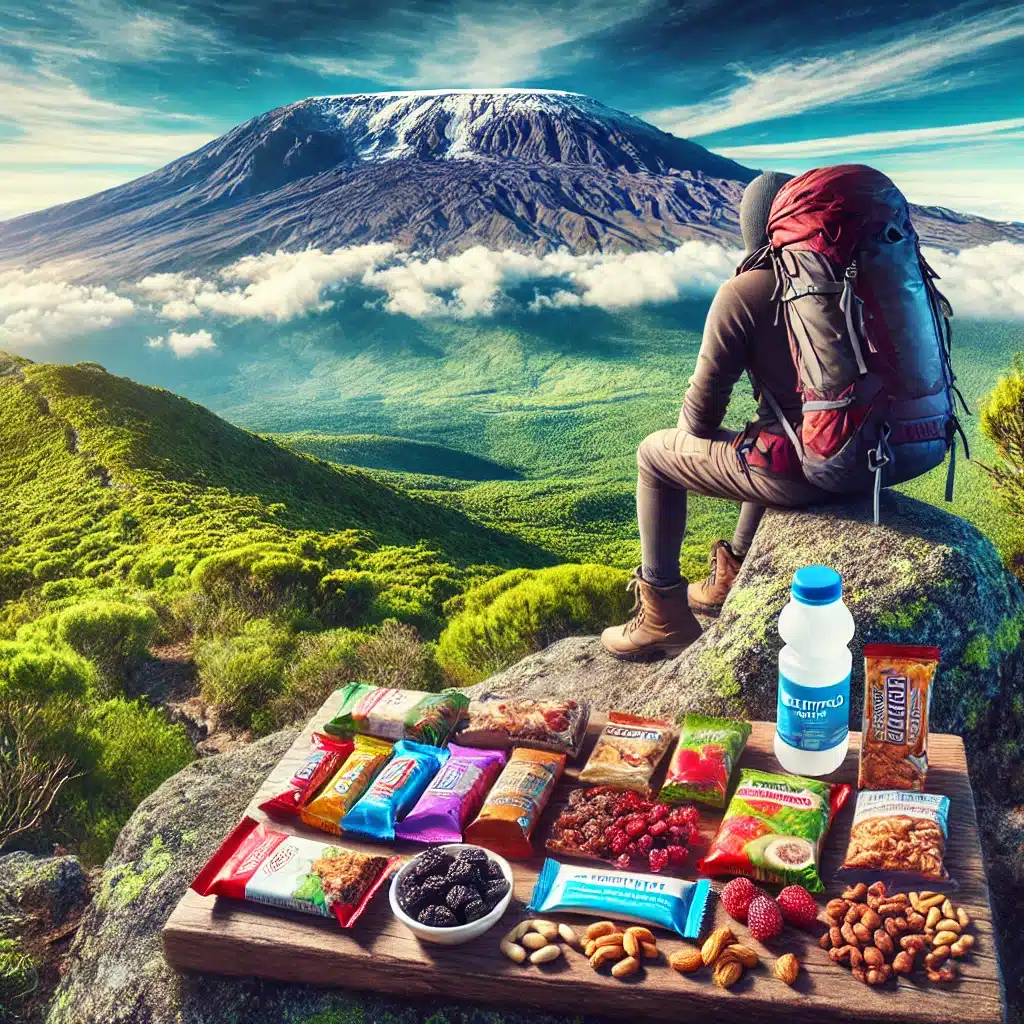
Best Snacks to Fuel Your Kilimanjaro Trek
Trekking up Mount Kilimanjaro demands a lot of energy. Choosing the right snacks can make a big difference in how you feel. Snack choices impact your stamina and help you reach the summit. Protein-rich snacks like peanuts or almonds are excellent choices. They provide the needed energy boost to keep pushing forward while on the trails.
Carbohydrates are vital during long treks. Foods like dried fruits and whole-grain crackers give quick energy. These snacks break down quickly in your body, offering a renewed boost when fatigue sets in. Consuming them in small portions throughout your climb supports maintaining steady energy levels. Plus, they are easy to pack and carry.
Healthy fats are another vital source of energy. Snacks like trail mix pack a punch of both protein and fat, making them ideal. Besides being filling, fats provide a slow release of energy. This gradual release keeps you energized longer. All this can help ensure a more enjoyable trekking experience.
Besides choosing the right snacks, consider how you pack them. Keep them in resealable bags to avoid spills. Opt for containers that are easy to access during the trek. This way, you won’t have to stop and spend time searching through your gear. Preparing beforehand ensures your journey runs smoothly and you can stay focused on the trek.
The Best Snacks to Pack for Kilimanjaro
Protein-Packed Snacks for Stamina
Protein is essential for sustaining energy during challenging climbs like Kilimanjaro. Eating protein-packed snacks can prevent fatigue and keep your muscles strong. Jerky, a lightweight and nutrient-dense option, fits perfectly in a backpack. It offers both flavor and energy without taking up much space. Incorporating jerky into your routine helps maintain endurance throughout the trek.
Nuts like almonds and cashews are ideal for providing protein on the go. They are easy to portion and don’t require refrigeration. These nuts also deliver healthy fats that fuel your body gradually. You can mix them with raisins or dried cranberries to create a tasty trail mix. This snack is not only convenient but also replenishes the calories burned during hiking.
Certain protein bars are designed for outdoor activities. They provide essential nutrients in compact forms. Be sure to select bars with natural ingredients to avoid unwanted additives. These snacks are handy when you need a quick refill of energy. Just unwrap and enjoy while you hike onward!
Some snacks combine both protein and carbohydrates effectively. For instance, hummus packs with carrot sticks are popular choices. They are suitable for short breaks, recharging energy levels efficiently. These snacks not only taste good but also support your stamina during long climbs. Packing a variety of snacks ensures balanced nutrition and keeps your energy up.
The Importance of Hydration on Kilimanjaro
Staying hydrated is crucial when trekking Kilimanjaro. The high altitude and tough trails increase the risk of dehydration. Drinking enough water helps your body adjust to changing conditions. It’s important to drink small amounts regularly rather than gulping down large amounts at once. Doing so helps maintain a steady water reserve in your body.
Dehydration not only drains energy but can also cause dizziness and headaches. To prevent this, carry a refillable water bottle at all times. Filling it up at designated stations ensures you always have water on hand. Electrolyte tablets can also be added to your water for replenishing vital minerals. This extra step boosts hydration benefits, especially during intense climbs.
Tracking your water intake helps keep you mindful of how much you’re drinking. Use a hydration tracker if needed. It’s wise to aim for at least three to four liters of water daily. This may vary based on your personal needs and activity level. Working out your best routine before the climb can be beneficial.
Hydration also impacts how you feel at night. Proper hydration aids in better sleep and recovery. Avoid caffeine and alcohol as they may increase dehydration. Sticking to water and herbal teas can be more beneficial. Preparing accordingly ensures your trek is both safe and enjoyable.
Benefits of Carbohydrate-Rich Snacks for Energy
Carbohydrate-rich snacks are a vital energy source during long treks. They provide quick fuel that helps maintain stamina on steep trails. Trail snacks such as granola bars or oatmeal cookies can be found easily. They are normally lightweight and pack a nutritional punch. Many adventurers rely on these snacks for lasting energy.
Carbohydrates break down quickly in the body, offering immediate benefits. This is crucial when you’re feeling drained and need instant energy. The sugars found in dried fruits like apricots and bananas fulfill this role well. Their natural sweetness offers both taste and energy. Adding them to your snack pack is a smart move.
Rice cakes are another carb-rich option. They offer a satisfying crunch without taking up much room. Eating them with a spread like almond butter can boost energy levels further. This combination provides essential nutrients your body can use. It’s a simple yet effective way to keep going.
Selecting the right combination of snacks ensures all-day energy. Balancing simple and complex carbs is key. Simple carbs offer quick boosts, while complex carbs provide sustained energy. Including both types in your daily intake helps avoid fatigue during the ascent. This strategy will support a more fulfilling trek overall.
A variety of snacks keeps your diet balanced and interesting. Mixing different carbohydrates prevents monotony and enhances meal enjoyment. Plus, you’ll be well prepared to tackle the challenges of the climb. Such planning is crucial for a successful and enjoyable trek. Creating a diverse snack plan can make all the difference.
Fat-Rich Foods: Slow Release Energy Source
Fat-rich foods are an essential part of your Kilimanjaro trek diet. They provide a slow-release source of energy, ensuring sustained stamina throughout the climb. Items like avocados and nuts are excellent choices for this purpose. These snacks help maintain energy levels without the need for frequent refueling. Including them in your diet can make a significant difference in your experience.
One of the primary benefits of fat-rich foods is their high calorie content. This means they offer more energy per gram than carbohydrates or proteins. For example, cheese and dark chocolate are both high in fat. They provide a quick and long-lasting energy boost. These foods are easy to pack and enjoyable to eat.
Nut butters such as peanut or almond butter also serve as great fat sources. They can be paired with fruits, crackers, or by themselves for a quick snack. The healthy fats in these butters contribute to a steady energy flow. They are also versatile and can be included in various meal options. Their convenience makes them popular among trekkers.
Another excellent option is trail mix, which combines fats, proteins, and carbs. This mix can include nuts, seeds, and dry fruits, catering to different energy needs. Such combinations offer balanced nutrition. They make it easier to enjoy your snacks while meeting dietary requirements. Remembering a mix of fat-rich foods ensures steady energy on strenuous trails.
Eggs, particularly boiled eggs, are another slow-release energy food. They are rich in both fats and proteins. Besides providing energy, they are also filling. Carrying a few boiled eggs can enhance your snack variety. This makes your trekking diet more interesting and satisfying.
Packing Tips for Trekking Snacks
Efficient packing of your trekking snacks can save time and reduce stress during the climb. Choose snacks that are easy to open and consume quickly. Organize them by meal or type, using lightweight bags to avoid excess weight. Reusable containers can prevent spills, keeping your bag clean. These steps can ensure you can focus more on your trek and less on logistics.
Avoid packing items that can easily crumble. Granola bars or items with sturdy packaging work well for this. Selecting snacks with individual portions simplifies energizing breaks. Using resealable bags can help keep snacks fresh. This method also minimizes waste, contributing to an eco-friendly trek.
Consider the weather conditions when choosing what to pack. Chocolate can melt, making a sticky mess. Opt for durable alternatives like jerky or seeds under warmer conditions. It’s also wise to prepare for emergencies by packing a little extra. This precaution ensures you have enough snacks in unexpected situations.
Maintaining an organized backpack eliminates unnecessary searching. Pack snacks where you can quickly access them without unpacking everything. External pockets work well for this purpose. Having snacks ready can prevent interruptions and keep you focused on your journey. This setup enhances the overall trekking experience.
Using a checklist can ensure you don’t forget important items. List out all essential snacks before starting your trek. Cross-check periodically to make sure nothing’s missed. This ensures that you’re well-prepared for all situations. Proper planning makes your trekking adventure smoother and more enjoyable.
Key Takeaways
- Nuts and seeds are excellent for essential fats and proteins.
- Dried fruits provide quick energy from natural sugars.
- Protein bars or jerky help maintain muscle endurance.
- Trail mix offers balanced nutrition with its mix of ingredients.
- Whole-grain crackers release energy slowly, keeping you fueled.