In the breathtaking landscapes of northern Tanzania, the Datoga tribe stands as a testament to enduring artisanal traditions, particularly in metalwork. Their expert blacksmiths, masters of their craft, intrigue even the most seasoned historians. What draws experts across the globe is not just their skill but the deep cultural narratives embedded in every crafted piece.
The Datoga’s history reveals an unfaltering dedication to blacksmithing, a skill passed down through generations. This craft is integral, with around 75% of their tools and items made by these artisans. Such expertise showcases not just their craftsmanship but also a sustainable approach to self-sufficiency, critical in today’s world. Their work poignantly reflects a fusion of heritage and continual adaptation, a vital dialogue for experts exploring cultural resilience.
The Datoga tribe is celebrated for their exceptional blacksmithing skills, a cornerstone of their cultural heritage. These artisans craft intricate tools and jewelry by hand, reflecting both traditional techniques and cultural significance. Their work not only serves practical purposes but also preserves the tribe’s rich historical legacy.

Datoga Tribe Cultural Experience: Meet the Skilled Blacksmiths
The Datoga tribe, native to northern Tanzania, is famed for its exceptional blacksmiths. These artisans are not just creators; they are cultural custodians who pass down their craft to each generation. The intricate tools and jewelry they make speak volumes about their precision. Using only basic tools, they transform raw materials into functional art. Visitors often marvel at their skill and the meticulous techniques they employ.
The history of Datoga blacksmithing is rich and ancient. For centuries, this tribe has relied on blacksmiths to produce essential items for their daily life. Historical records show that they have always been self-sufficient, relying on their unique skills. The trade remains vital to their community, providing both economic support and cultural identity. In many ways, the blacksmiths are the backbone of the Datoga society.
The process they use is both fascinating and complex. They start by heating metal pieces in a forge until they’re malleable. With expert hammering, shaping, and cooling, a simple piece of metal becomes a beautiful work of art. Each creation is both practical and symbolic, offering insight into the Datoga’s values and way of life. This blend of utility and beauty is what makes their work so extraordinary.
The cultural significance of blacksmithing in the Datoga tribe extends beyond mere craftsmanship. It is a living tradition that binds generations. Ceremonial items and unique artifacts signify important events and social status. Such objects don’t just serve practical purposes; they also carry profound meaning and reflect the tribe’s vibrant cultural heritage. Observing these traditions offers a deep understanding of the Datoga’s unique and enduring way of life.
Overview of the Datoga Tribe’s Exceptional Blacksmithing Skills
The Datoga tribe, renowned for their exceptional skills, practice blacksmithing with unmatched precision. Their blacksmiths are specialists, crafting exquisite tools and jewelry from raw metals such as iron and copper. What sets them apart is their ability to create intricate designs with the simplest of tools. This skill is passed down through generations, ensuring that each new craftsman adds to the tribe’s legacy. Visitors and researchers alike are amazed by their commitment to perfecting their art.
The techniques employed by the Datoga blacksmiths are both traditional and innovative. They use a forge to heat metals until they’re ready for shaping. With experienced hands and steady hammering, they mold each piece with creativity and care. This mix of old methods and new ideas helps them maintain their cultural heritage while evolving with modern demands. Their work is a testament to their adaptability and craftsmanship.
The tools and items they produce serve various purposes within the tribe. From hunting equipment to decorative items, their creations are an integral part of daily life. Some of the most common items include:
- Spears and arrows
- Jewelry and adornments
- Household tools
- Ceremonial pieces
Beyond functionality, these items hold symbolic significance within the community. They represent connections to ancestors and bear cultural stories. Blacksmiths are not just creators but also keepers of tradition and storytellers. Each piece they produce plays a role in preserving the Datoga’s rich history. This profound respect for their craft fosters a sense of unity among the tribe.
The History and Evolution of Blacksmithing among the Datoga Tribe
The history of blacksmithing among the Datoga tribe is deeply rooted in their culture. For generations, this craft has been passed down from parents to children, ensuring it remains a vital part of their community. In ancient times, blacksmiths were revered for their ability to create essential tools. Their skills were seen as almost mystical, given the transformation of raw metals into functional items. This respect continues today, maintaining the craft’s importance in the tribe.
As the Datoga people migrated across different regions, their blacksmithing techniques evolved. These changes allowed them to adapt to new environments and resources. By incorporating local materials and methods, they enriched their traditional practices. Such adaptability highlights their resilience and ingenuity. The evolution of their craft mirrors the tribe’s journeys and experiences over the centuries.
The advancement in their techniques can be categorized into several eras. Each period reflects a distinct style and method:
| Era | Characteristics |
|---|
| Ancient Period | Basic tools and simple designs |
| Medieval Period | Introduction of more decorative elements |
| Modern Period | Blend of traditional and contemporary techniques |
Today, the Datoga’s blacksmithing remains a blend of history and innovation. Modern-day blacksmiths still use traditional forges but have also adopted some modern tools. This fusion allows them to meet current demands while preserving their heritage. Each piece they create is a testament to their enduring skill and cultural identity. By continuing this practice, they honor their ancestors and inspire future generations.
The Process and Techniques: A Deep Dive into Datoga’s Blacksmithing
The Datoga blacksmithing process begins with selecting the right raw materials. Iron is the most common metal they use, sourced locally to ensure quality. These materials are then transported back to the village, where every piece tells a story. The blacksmiths often involve young apprentices to watch and learn. This traditional approach ensures that skills are effectively passed down.
Once the materials are ready, the next step involves heating them in a forge. The Datoga use a charcoal-built forge, which can reach impressive temperatures. They carefully monitor this heat to keep the metal malleable. By using bellows, blacksmiths control the fire’s intensity. This balance of heat and air plays a crucial role in shaping the metal.
With a traditional hammer and anvil, the blacksmith bends and shapes the heated metal. They use precision strikes to mold the metal into desired forms. This part of the process requires a steady hand and careful attention. The striking continues until the metal cools enough to retain its shape. It’s an art of timing and skill, honed over many years.
To ensure the functionality and appeal of the finished product, blacksmiths engage in a process called “finishing.” They polish the items, giving them a smooth surface and a shine. This step enhances the visual attractiveness of their creations. Additionally, they may add engravings or other intricate details. These details often carry cultural significance and tell stories of the tribe’s heritage.
The types of items crafted by the Datoga vary widely. Some of their most common creations include:
- Tools for farming and hunting
- Ornamental jewelry
- Ceremonial weapons
- Household implements
The combination of traditional techniques and intricate craftsmanship makes every piece unique. By witnessing this process, one gains a deeper appreciation for their art. The dedication to their craft creates a strong community bond. This unity plays a vital role in keeping their culture and traditions alive. The Datoga’s blacksmiths not only forge works of art but also preserve a rich cultural heritage.
Understanding the Cultural Significance of Blacksmithing in the Datoga Tribe
Blacksmithing in the Datoga tribe is not just a trade; it is a significant cultural symbol. The craft is deeply embedded in their way of life, serving as a link between past and present. Each item created by a blacksmith carries with it stories and traditions of the tribe. These objects are often used in important rituals and ceremonies. This cultural practice strengthens the tribe’s identity and unity.
Blacksmiths hold a respected place in Datoga society. They are looked up to not just for their skill but also for their knowledge and wisdom. The role of a blacksmith often extends beyond crafting; they are also seen as keepers of cultural heritage. They play critical roles during initiations, marriages, and other key events. This respected status enhances the value of the items they produce.
The artifacts created by Datoga blacksmiths often symbolize deeper meanings. For instance:
- Jewelry can represent wealth and social status.
- Weapons and tools can symbolize strength and protection.
- Ceremonial items often carry spiritual significance.
- Everyday items can reflect the everyday life and struggles of the tribe.
The process of creating these items is also part of the cultural significance. It involves traditional rituals and chants that have been passed down through generations. This spiritual aspect adds to the reverence of their work. By preserving these customs, the Datoga maintain a living connection to their ancestors. This makes blacksmithing a crucial part of their cultural preservation strategy.
The intergenerational teaching of blacksmithing skills ensures that these traditions remain strong. Young apprentices learn not just the techniques but also the values and stories associated with their craft. This continuous transmission of knowledge helps keep their culture vibrant. The unity forged through this shared practice helps the Datoga navigate modern challenges. It ensures their traditions will endure for years to come.
Interpreting Blacksmithing Artifacts: A Testament to Cultural Heritage
Blacksmithing artifacts among the Datoga tribe hold stories and symbols of their vibrant history. Each piece offers a glimpse into the tribe’s cultural values and social structures. These artifacts are more than just tools or decorations; they carry deeper meanings. By examining them, one can understand the daily life, beliefs, and aspirations of the Datoga. This makes them indispensable cultural treasures.
Many of these artifacts have specific roles and meanings. For example, a handcrafted spear or knife can symbolize strength and protection in the tribe. Jewelry items might be adorned with symbols that denote prosperity or spiritual protection. Every detail is carefully chosen to convey a specific message. Through these symbols, each artifact becomes a cultural text that can be read and understood.
Interpreting these items requires knowledge of Datoga traditions and practices. Researchers often collaborate with tribal elders to understand the stories behind the pieces. This collaboration provides valuable insights into the significance of patterns, shapes, and materials. Elders are essential sources of wisdom, offering firsthand knowledge of the craftsmanship passed down through generations. This partnership enriches the understanding of the tribe’s heritage.
Analysis of blacksmithing artifacts often utilizes various methods to explore their significance. A comparison can be drawn between different eras or tribes, highlighting unique and shared features:
| Artifact Type | Significance | Materials Used |
|---|
| Spear | Protection and War | Iron, Wood |
| Necklace | Wealth and Spirituality | Metal, Beads |
| Tools | Daily Life and Work | Iron, Bone |
These observations underline the importance of blacksmithing in expressing Datoga culture. Artifacts serve as a bridge between the past and present, maintaining the tribe’s cultural continuity. By preserving and interpreting these items, the Datoga ensure that future generations can connect with their roots. This practice of passing down and sharing stories solidifies their identity. It illuminates the resilience and richness of their cultural heritage.
Key Takeaways
- The Datoga tribe is known for their blacksmithing skills.
- They craft tools and jewelry by hand with precision.
- Their work has both practical uses and cultural significance.
- Blacksmithing techniques are passed down generations.
- This tradition helps preserve the tribe’s rich heritage.
Once a modest gathering, the Nguvumali Sculpture Festival has now blossomed into a global attraction, showcasing the rich cultural heritage of Tanzania through exquisite art forms. It is intriguing to see how the festival integrates traditional techniques with contemporary designs, making each sculpture a unique piece of cultural storytelling. This event captivates not just art enthusiasts, but anyone who appreciates the profound connection between heritage and creativity.
Established over two decades ago, the Nguvumali Sculpture Festival has become a cornerstone in celebrating Tanzanian art history, attracting international artists and audiences alike. With an increasing number of attendees each year, the festival reflects a significant 30% growth in visitor numbers since its inception, highlighting its rising popularity. By blending historical context with modern interpretations, the festival not only preserves but also revitalizes the cultural legacy of Tanzania.
The Nguvumali Sculpture Festival showcases Tanzania’s rich artistic heritage through traditional and contemporary sculptures. It serves as a cultural bridge, emphasizing historical narratives and modern interpretations. Renowned globally, the festival attracts artists and enthusiasts alike, fostering international appreciation for Tanzanian art and resulting in significant local socio-economic benefits.

Nguvumali Sculpture Festival: A Fusion of Art and Heritage
The Nguvumali Sculpture Festival is a vibrant celebration of Tanzanian culture and sculpture techniques. It serves as a bridge connecting traditional heritage with contemporary art forms. Visitors can explore a wide array of sculptures that tell stories of the past while reflecting modern influences. This blending of old and new keeps the festival dynamic and engaging for all ages. It’s an artistic journey through time and tradition.
Local and international artists alike showcase their talents at the festival, bringing unique perspectives and styles. Participants often praise the event for its inclusive atmosphere and diverse exhibits. According to an article, the festival attracts art enthusiasts from all over the world, making it a valuable cultural exchange. This wide reach enhances the significance and impact of the festival. As a result, it’s become a highlight on many art calendars globally.
The festival has a profound impact on the local community, both culturally and economically. Local businesses thrive during the event, with increased visitors boosting sales and tourism. Here is the post, small workshops and demos by artists provide educational opportunities for young, aspiring sculptors. Such activities inspire creativity and skill development in the next generation. These efforts ensure the preservation and evolution of Tanzanian art.
Efforts are made to maintain sustainability and conservation within the festival. Organizers focus on using eco-friendly materials and practices to reduce environmental impact. These measures are essential in modern times, balancing cultural celebration with ecological responsibility. The festival sets an example for other cultural events in environmental mindfulness. Given its significance, this festival holds a key place in the cultural heritage of Tanzania.
#gayatrihandicraft #ganpatibappamorya #ganesha #laxmi #saraswati #brassidol #handicraft #culture
The Historical Significance and Cultural Influence
Since its inception, the Nguvumali Sculpture Festival has played a crucial role in preserving Tanzanian history and culture. It began as a local event but quickly grew to international prominence over the years. Traditional sculpting techniques are showcased, allowing visitors to appreciate the craftsmanship passed down through generations. This focus on heritage helps maintain cultural identity. It also highlights the historical roots of Tanzanian society.
A key aspect of the festival is its influence on modern cultural expressions. By blending historical elements with contemporary art, the festival fosters a unique, evolving cultural landscape. This merging offers a fresh perspective on Tanzania’s rich artistic traditions. According to the article, this approach bridges the gap between the past and the future, ensuring the continuity of cultural practices. It also opens doors for new interpretations of traditional art forms.
The event impacts social and economic sectors by boosting local economies and fostering community spirit. Local artisans benefit significantly from the exposure and increased sales during the festival. Small businesses, from food vendors to craft merchants, thrive in this bustling environment. Additionally, educational programs and workshops conducted during the festival enhance the participants’ skills and knowledge. These elements combine to strengthen community bonds and economic stability.
The Nguvumali Sculpture Festival serves as a platform for cultural exchange, attracting artists and visitors globally. This international participation enriches the festival’s diversity, bringing in different artistic styles and perspectives. here is the article, the cultural dialogue initiated by these interactions broadens the understanding of Tanzania’s artistic heritage. It also promotes global appreciation of its cultural significance. Thus, the festival not only preserves but also enhances the cultural legacy.
Key Artists and Sculptors at the Festival
The Nguvumali Sculpture Festival features both renowned and emerging artists, making it an exciting hub for creativity. These sculptors, each with their unique styles, contribute to the festival’s vibrant atmosphere. Many artists hail from different parts of the world, bringing diverse cultural perspectives. This international mix enriches the festival’s offerings. It also fosters a sense of community among artists.
Several local artists have become notable figures within the festival, gaining recognition for their exceptional work. Their sculptures often reflect deep cultural narratives and personal stories. This connectivity between art and storytelling is a hallmark of the festival. Additionally, these artists serve as mentors, nurturing the next generation of sculptors. Through workshops and demonstrations, their influence extends to aspiring artists.
Each year, the festival highlights the contributions of specific artists who have left a lasting impact on the art world.
| Artist | Country |
| John Mwangi | Kenya |
| Amelia Kim | South Africa |
Artists like John Mwangi, known for his intricate designs, and Amelia Kim, celebrated for her innovative techniques, captivate festival goers. Their works not only draw admiration but also inspire fellow artists. Such recognition underscores the festival’s role in shaping the broader art community.
In addition to individual artists, collaborative works play a significant role at the festival. Teams of sculptors often come together to create large-scale installations. These collaborative pieces emphasize teamwork and shared vision. This aspect of the festival showcases unity in diversity. It celebrates the power of collective art in telling bigger stories!
Impact on Local and International Tourism
The Nguvumali Sculpture Festival significantly boosts tourism, attracting visitors from all over the globe. Its reputation as a premier cultural event draws thousands of art enthusiasts each year. This large influx of tourists boosts local businesses, hotels, and restaurants. The festival’s success showcases Tanzania as a vibrant cultural destination. This increased visibility benefits the entire region economically.
Local communities gain economically and culturally from the festival’s popularity. Increased tourist spending supports a range of small businesses, from cafes to markets. Local artisans also see a meaningful sales increase, showcasing their crafts to a broader audience. This boost in business fosters growth and sustainability in the local economy. As a result, the community thrives during and after the festival.
The festival also contributes to a higher global awareness of Tanzanian art and culture. International visitors experience firsthand the rich traditions and artistic expressions of the region. This cultural exchange creates a deeper appreciation for Tanzania’s heritage. Visitors often return home carrying newfound perspectives and stories of their experiences. Such cultural sharing strengthens global connections.
Annual participation statistics indicate steady growth in international attendance.
| Year | International Visitors |
| 2020 | 5,000 |
| 2023 | 7,500 |
Numbers have been rising steadily, showing the festival’s increasing worldwide popularity. This trend points to the growing influence of the festival on global tourism. It also highlights the expanding interest in cultural tourism.
Locals, too, experience a sense of pride and cultural revitalization. When residents see their traditions celebrated by new audiences, it fosters communal pride. Engaging with tourists offers opportunities for storytelling and cultural education. These interactions allow everyone involved to learn and grow. Such exchanges enrich both visitors and hosts, leaving lasting impressions.
Conservation and Sustainability Efforts
The Nguvumali Sculpture Festival is committed to conservation and sustainability, ensuring that its impact on the environment remains minimal. To achieve this, the festival incorporates several green practices in its operations. Visitors can observe eco-friendly measures such as reduced plastic usage and recycling stations throughout the venue. These efforts demonstrate a commitment to preserving natural resources. This approach helps minimize the festival’s ecological footprint.
Artists participating in the festival are encouraged to use sustainable materials and techniques. Sculptors often opt for locally sourced, biodegradable, or recycled materials to create their works. This choice not only reduces waste but also supports local industries. By choosing eco-friendly materials, the festival promotes sustainable art practices. It serves as a model for other cultural events worldwide.
Community involvement plays a vital role in the festival’s sustainability goals. Locals participate in environmental education programs aimed at creating lasting awareness. These initiatives teach the importance of protecting the environment for future generations. By involving the community, the festival fosters a sense of responsibility and pride. Environmental consciousness becomes a shared goal for all involved.
Technological advancements also contribute to enhancing sustainability efforts. Tools like solar energy and energy-efficient lighting help reduce the festival’s carbon emissions. These innovations align with global trends towards greener energy solutions. They ensure the event remains environmentally responsible. Over time, these efforts continue to expand and improve.
Festival organizers set clear sustainability targets, ensuring ongoing growth in this area.
- Reduce waste by 30% by next year
- Increase the use of renewable energy sources
- Enhance educational outreach on sustainability
These goals help track progress and maintain focus. Such forward-thinking strategies inspire similar practices worldwide. As a result, the festival sets new standards for cultural events.

Frequently Asked Questions
The Nguvumali Sculpture Festival is a prominent event celebrating Tanzanian art and heritage. Below are some common questions and detailed responses related to the festival.
1. What makes the Nguvumali Sculpture Festival unique?
The Nguvumali Sculpture Festival stands out because it blends traditional and contemporary art forms. This unique mix showcases Tanzania’s rich heritage and modern artistic trends. Visitors can see sculptures that tell historical stories and reflect current cultural themes. This combination creates a dynamic and engaging experience for all attendees.
Additionally, the festival brings together local and international artists, creating a diverse artistic community. This global participation enriches the cultural exchange and broadens the festival’s impact. The event’s focus on sustainability and community involvement further adds to its distinctiveness. These elements make the Nguvumali Sculpture Festival one of a kind.
2. How does the festival benefit the local community?
The Nguvumali Sculpture Festival provides significant economic benefits to the local community. During the festival, local businesses see increased sales, creating a positive economic impact. Hotels, restaurants, and markets thrive as they cater to the influx of visitors. This boost in business supports the local economy and creates job opportunities.
Besides economic benefits, the festival enhances cultural pride and community spirit. Local artists gain exposure and recognition, encouraging cultural preservation. Workshops and educational programs during the festival inspire younger generations. These initiatives help sustain the rich artistic traditions of the region. Overall, the festival creates a sense of pride and unity among locals.
3. Who are some notable artists featured at the festival?
Many renowned artists are highlighted at the Nguvumali Sculpture Festival. Tanzanian artists like John Mwangi and international talents like Amelia Kim are key figures. John Mwangi is celebrated for his intricate designs that reflect cultural narratives. Amelia Kim is known for her innovative techniques and contemporary approach to traditional themes.
The festival features a mix of established and emerging artists, ensuring a rich variety of artworks. This diversity attracts art enthusiasts from all over the world. Future generations of artists also benefit from the exposure and mentoring provided by these notable figures. Their contributions cement the festival’s reputation as a key cultural event.
4. What sustainability efforts are implemented at the festival?
The Nguvumali Sculpture Festival prioritizes sustainability with several eco-friendly practices. The festival reduces plastic waste by providing recycling stations and promoting reusable materials. Sculptors use sustainable and locally sourced materials to create their art. These efforts help minimize the environmental impact of the event.
Furthermore, the festival incorporates green energy solutions like solar power and energy-efficient lighting. Community programs aimed at environmental education are also part of the event. These initiatives create awareness among visitors and locals alike. Overall, the festival sets a strong example of environmental responsibility.
5. How has the Nguvumali Sculpture Festival evolved over the years?
Since its inception, the Nguvumali Sculpture Festival has grown significantly in size and reputation. Initially a local event, it has now gained international prominence, attracting artists and visitors worldwide. This growth speaks to the festival’s success in celebrating Tanzanian culture and art. Increased participation and attendance rates highlight its rising popularity.
Over the years, the festival has also expanded its offerings to include more workshops, educational programs, and eco-friendly initiatives. These additions enhance the overall experience for attendees. The festival continues to innovate while staying true to its cultural roots. This evolution ensures its relevance and appeal in the global art scene.
Kimbolton Sculpture Festival 2023
Concluding Thoughts
The Nguvumali Sculpture Festival plays a pivotal role in celebrating and preserving Tanzanian culture through art. It uniquely combines tradition with modernity, creating a vibrant cultural exchange. The festival fosters not only artistic innovation but also economic and social benefits for the local community.
Moreover, the festival sets a benchmark in sustainability and community engagement, inspiring similar events globally. Its impact is far-reaching, drawing international admiration and participation. The continued evolution and success of the festival highlight its significance in both the art world and cultural preservation efforts.
Mastering a new language like Swahili isn’t a sprint, it’s more of a marathon. Interestingly, Swahili is considered one of the easiest African languages for English speakers to learn. It uses the Latin alphabet and has straightforward spelling rules, but the road to fluency still requires dedication and consistent practice.
Historical insights show that Swahili emerged as a Bantu language with Arabic influences due to trade along the East African coast. Typically, achieving conversational fluency can take approximately 600-750 hours of study. Immersion, such as living in a Swahili-speaking region, can significantly speed up the learning process, offering rich, everyday language practice.
The time to learn Swahili fluently varies based on several factors. Typically, it takes between 600 to 750 hours of dedicated study. Consistent daily practice, immersion in a Swahili-speaking environment, and engaging with native speakers can significantly speed up the process. Proficiency is achievable within a year with these methods.

Factors Influencing the Time It Takes to Learn Swahili
Your personal commitment plays a huge role in learning Swahili. Spending regular time each day on language practice can speed up the process. According to the article, consistency is key. Without daily practice, the journey to fluency will be longer. Setting achievable goals can keep you motivated.
The learning environment also affects how quickly you can learn Swahili. Immersing yourself in a Swahili-speaking region can significantly improve your skills. Engaging with native speakers and participating in local activities enhances understanding. Classroom settings or structured courses provide a solid foundation. Online resources and apps offer flexible learning options.
Language background is another important factor. If you already know another Bantu language, Swahili might be easier to pick up. Additionally, familiarity with Arabic can help since Swahili has many borrowed words. Even knowing other languages can enhance your learning capabilities. The more language experience you have, the easier it may be to learn new ones.
Using effective study techniques can make a big difference. According to the article, creating a study plan that incorporates different methods keeps your learning exciting. Flashcards, language exchange partners, and Swahili media are great tools. Joining online forums or study groups can provide support and accountability. Trying various techniques helps maintain interest and progress.
Personal Commitment and Learning Environment
When it comes to learning Swahili, personal commitment is crucial. Regular practice ensures steady progress. For example, dedicating 30 minutes a day can make a big difference. Setting achievable goals and celebrating milestones keeps motivation high. It’s all about consistency and not giving up.
Your learning environment also matters a lot. Immersing yourself in a Swahili-speaking region accelerates fluency. Even if you can’t travel, surrounding yourself with Swahili media helps. Watching Swahili shows, listening to Swahili music, and reading Swahili books all contribute. According to this expert opinion, an engaging environment enhances learning.
Combining personal commitment with an immersive learning environment is a winning strategy. Regular interactions with native speakers boost both confidence and comprehension. Engaging with the local culture helps understand the context better. This holistic approach makes learning enjoyable and effective. The richer the environment, the faster the learning.
Sometimes, putting it all together can make the process clearer. Here’s a simple list of what to focus on:
- Regular daily practice
- Immersive Swahili media
- Setting achievable goals
- Engaging with native speakers
These tips can significantly shorten the time it takes to learn Swahili fluently.
Strategies from Sia Yangu Safaris to Accelerate Swahili Learning
Sia Yangu Safaris offers unique strategies to speed up your Swahili learning process. One effective method is immersive travel experiences. By joining their guided tours, you can practice Swahili in real-life situations. This hands-on approach enhances memory retention and conversational skills. It’s a fun way to learn while exploring captivating destinations.
Another strategy Sia Yangu Safaris recommends is interactive language sessions. These sessions focus on conversational Swahili, making them practical and engaging. Small group sizes ensure personalized attention. Participants can ask questions and get instant feedback. This approach helps to build confidence in using the language daily.
Additionally, Sia Yangu Safaris provides access to native Swahili speakers. Interacting with natives helps learners understand context and cultural nuances. These interactions often lead to improved pronunciation and fluency. Native speakers offer valuable insights and tips. This direct exposure is invaluable for accelerated learning.
Having a structured plan is essential for success. Here are key elements recommended by Sia Yangu Safaris:
- Daily practice routines
- Immersive travel experiences
- Interactive group sessions
- Native speaker interactions
These elements work together to make learning Swahili efficient and enjoyable.
Frequently Asked Questions
Learning Swahili is an exciting journey. Below are answers to some common questions about picking up this unique language.
1. Is Swahili hard to learn for English speakers?
Swahili is relatively easier for English speakers compared to other African languages. The Latin alphabet and straightforward grammar rules make the learning process simpler. While it may pose challenges like any new language, consistent practice helps in overcoming them.
Learning Swahili can be enjoyable with engaging methods like language apps. Immersive experiences, such as travel or interaction with native speakers, also contribute significantly. Utilizing a variety of resources can make the journey smoother and more fun.
2. What resources are best for learning Swahili?
There are numerous resources available for learning Swahili. Language learning apps like Duolingo and Babbel offer structured courses. Besides apps, textbooks and online courses also provide comprehensive guides to grammar and vocabulary.
Immersive techniques such as watching Swahili movies or listening to Swahili music can be very effective. Online communities and forums also offer great opportunities for practice and interaction with fellow learners. Combining multiple resources yields the best results.
3. Can I learn Swahili online?
Yes, learning Swahili online is entirely possible and convenient. Numerous websites offer courses, from beginner to advanced levels. These platforms provide interactive exercises, video lessons, and quizzes to reinforce learning.
Additionally, online communities and social media groups can help practice conversational skills. Virtual language exchange programs allow interaction with native Swahili speakers. The flexibility of online learning fits well with varied schedules.
4. What are the benefits of learning Swahili?
Learning Swahili opens doors to cultural understanding and communication with millions of speakers. East Africa, including Kenya and Tanzania, has Swahili as a widely spoken language. Tourism, business, and diplomatic opportunities also increase with Swahili fluency.
Moreover, learning a new language enhances cognitive abilities and memory. It fosters appreciation for diverse cultures and traditions, enriching personal and professional life. Swahili can also be a stepping stone to learning other Bantu languages.
5. Are there any Swahili learning apps recommended for beginners?
Several apps are ideal for beginners in Swahili. Duolingo offers interactive lessons that make learning fun and engaging. Babbel also provides structured tutorials suited for newbies. Both apps feature progress tracking and pronunciation practice.
Another recommended app is Memrise, known for its vocabulary-building tools. According to the article, using multiple apps can enhance learning speed. Combining app use with traditional study methods ensures a well-rounded learning experience.
How many hours do you need to study Swahili?
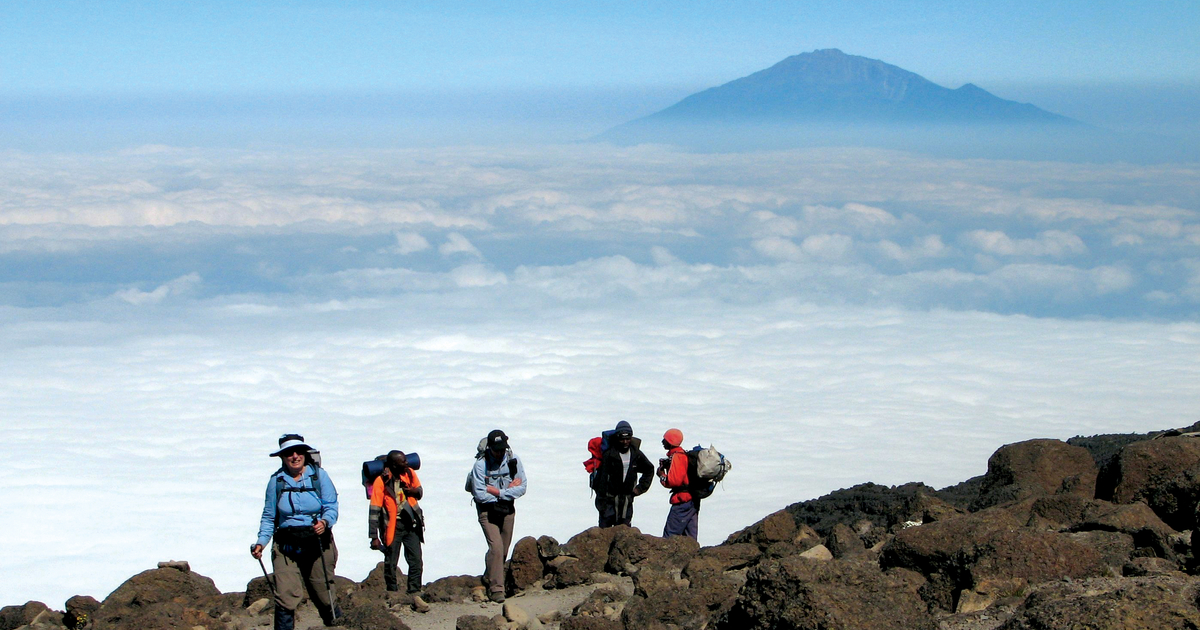
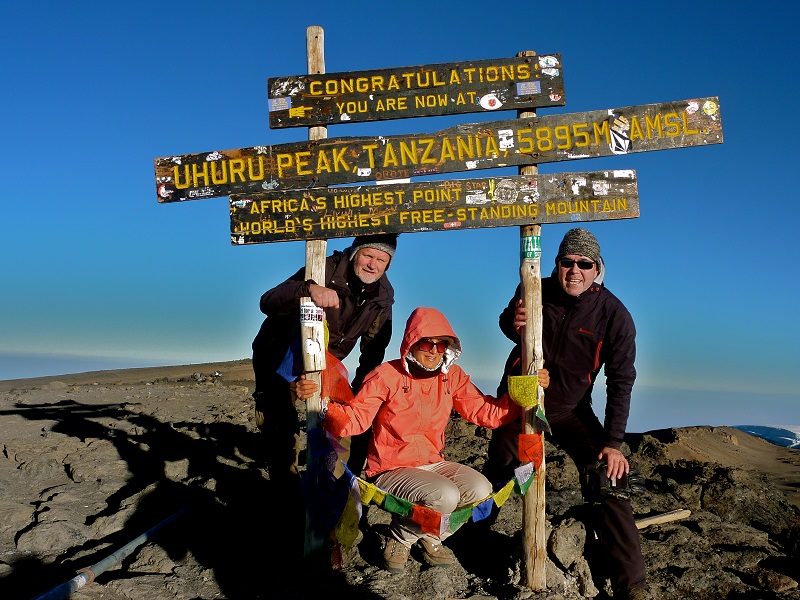
Reaching the summit of Kilimanjaro is an ambition, with nearly 35,000 climbers striving to conquer its heights each year. However, around 40% of trekkers fail due to altitude sickness, amidst breathtaking landscapes. How prepared are you to face such a formidable challenge?
The journey up Kilimanjaro encompasses five distinct climates, reflecting the mountain’s diverse ecosystem. Glacial, snowy conditions await at the top, while lower slopes introduce climbers to lush rainforests. Understanding these transitions and planning acclimatization days significantly enhance the chances of a successful ascent.
Climbing Kilimanjaro presents significant challenges due to varying terrains and altitude. Climbers should expect rigorous physical demands, potential altitude sickness, and unpredictable weather conditions. Proper preparation, including fitness training and acclimatization strategies, along with the right gear, increases the chance of a successful and safe ascent.

Understanding the Physical Challenges of Climbing Kilimanjaro
Kilimanjaro’s towering heights pose significant physical challenges for climbers. One of the most notable hurdles is altitude sickness. As you climb, the reduced oxygen levels can make breathing difficult. Trekkers often experience headaches, dizziness, and nausea. These symptoms can become more serious the higher you go.
The trail itself is tough, with diverse landscapes that test stamina. First, you’ll trek through lush forests brimming with wildlife. Next, you’ll navigate rocky paths and steep inclines. Each terrain requires different skills and muscles. Preparing for such variations is vital for a successful ascent.
Another challenge is the sheer duration of the climb. Most routes take around seven days. This requires consistent energy and endurance. Climbers must pace themselves carefully. Remaining hydrated and eating well are key strategies.
Weather conditions add another layer of complexity. Temperatures can vary drastically from base to summit. At the top, you’ll face freezing winds and snow. Proper gear is essential to protect against these extremes. Layers help manage body heat effectively.
10 Things I Wish I Knew BEFORE Climbing Mt Kilimanjaro! | Follow Alice | 4K
The Impact of Altitude on the Body
Altitude affects the body significantly as you climb higher. The air gets thinner, reducing the amount of oxygen available. This change can make breathing more difficult and strenuous. As a result, climbers often feel short of breath. Symptoms like fatigue and dizziness can occur even with mild exertion.
Altitude sickness is a common challenge for climbers. The symptoms include headaches, nausea, and loss of appetite. In severe cases, it can escalate to High Altitude Pulmonary Edema (HAPE) or High Altitude Cerebral Edema (HACE). Immediate descent becomes necessary if these conditions develop. Knowing how to recognize these signs is crucial for safety.
Acclimatization strategies can help mitigate the effects of altitude. These include ascending slowly and taking rest days. Staying hydrated is also key, as dehydration worsens altitude sickness. Some climbers use medications like acetazolamide to aid acclimatization. Planning for these measures can improve chances of a successful climb.
Understanding how altitude impacts the body will help you prepare better. Here are some common symptoms to watch for:
- Shortness of breath
- Headaches
- Nausea
- Fatigue
- Dizziness
Physical Fitness Requirements
Climbing Kilimanjaro requires good physical fitness. Even though it’s not a technical climb, the trek is still demanding. You need strong muscles for the long hikes and steep ascents. Also, aerobic fitness helps your body cope with lower oxygen levels. Preparing your body ensures you can handle the strain of the climb.
It’s essential to train several months before your trek. Focus on building endurance through cardio exercises. Activities like running, cycling, or swimming are excellent choices. Strength training helps, too, especially for your legs and core. Regular hiking on varied terrain can also prepare you for Kilimanjaro.
Flexibility and balance exercises are important as well. Yoga and stretching routines can improve muscle flexibility. These exercises reduce the risk of injuries during the climb. They also help with balance on uneven paths. Combining these routines can create a well-rounded training program.
A fitness plan could include:
- Cardio activities three times a week
- Strength training twice a week
- Regular hikes with a loaded backpack
- Yoga or stretching exercises
Duration and Terrain Types
Trekking up Mount Kilimanjaro typically takes about seven to nine days, depending on the route chosen. The duration allows climbers to acclimatize to the altitude. Faster ascents can increase the risk of altitude sickness. By taking more time, climbers can enjoy the varied landscapes along the way. Each day presents new challenges and scenery.
The journey begins in lush rainforests at the base of the mountain. This part of the trek is shaded and humid. The trails here are often muddy and can be slippery. You’ll see towering trees and diverse wildlife. This vibrant environment levels off as you ascend.
Next, climbers transition to the moorland zone. The vegetation becomes sparse, with heather and small bushes. The paths are rockier and the air cooler. This section requires careful footing. The landscape starts to appear more rugged.
Further up, you enter the alpine desert zone. The terrain here is harsh and barren. Strong winds and intense sunlight are common. The rocky path can be challenging, with loose stones underfoot. Staying hydrated is critical in this environment.
The final stretch is the arctic summit zone. This area features glaciers and snow. Temperatures drop significantly, and breathing becomes more difficult. The ground is icy and uneven, demanding focus and determination. Reaching the summit is a rewarding and unforgettable experience.
Mental Preparation for Climbing Kilimanjaro
Mental strength is as crucial as physical fitness when climbing Kilimanjaro. Preparing your mind can make the difference between reaching the summit and turning back. It begins with setting realistic expectations. The climb is challenging, and conditions can be tough. A strong mindset helps tackle these obstacles effectively.
Visualization techniques are powerful tools for mental preparation. Picture yourself overcoming each stage of the hike successfully. Imagine the sense of achievement upon reaching the summit. This positive imagery builds confidence and motivation. It helps reinforce your determination in challenging moments.
Stress management is key to maintaining mental focus. Stress can weaken decision-making and sap energy. Practice relaxation techniques such as deep breathing or meditation. These skills can calm the mind and help you handle pressure. Developing these habits before the climb is beneficial.
Having a strong support system can boost morale. Climbing with friends or a team provides encouragement. Sharing the experience eases the weight of the challenge. Talking about fears and anxieties can also be comforting. Communicating openly with your group strengthens bonds.
Set manageable daily goals during the trek. Focus on small, attainable steps rather than the entire climb. Breaking the journey into smaller parts keeps spirits high. Celebrating these smaller milestones encourages continued effort. Remember to enjoy the adventure, not just the destination.
Navigating the Different Routes and Their Difficulties
When planning to climb Kilimanjaro, choosing the right route is vital. The mountain offers several paths, each with unique challenges and scenery. The Marangu Route, known as the “Coca-Cola Route,” is one of the most popular. It’s relatively easier and has huts for accommodation. However, its popularity means it can be crowded.
The Machame Route, also called the “Whiskey Route,” is more challenging but incredibly scenic. It involves steeper climbs and longer days. This route offers varied landscapes, from rainforests to rocky ridges. The extra effort required rewards climbers with stunning views. Machame has a higher success rate due to its longer acclimatization period.
For those seeking a quieter path, the Rongai Route is an excellent choice. This route approaches Kilimanjaro from the north and is less traveled. It features gentler gradients but fewer acclimatization opportunities. Climbers can enjoy solitude and a unique landscape. The descent typically follows the Marangu Route.
The Lemosho Route is known for its beautiful scenery and lower traffic. It starts on the western side of the mountain and merges with the Machame Route. This longer route offers great acclimatization time, boosting success rates. The varied terrain includes lush forests, moorlands, and glaciers. It’s an excellent option for those with more time.
The Northern Circuit Route is the longest and often the most successful. It provides the most acclimatization time, making it ideal for those wary of altitude sickness. The route circles around the north before approaching the summit. It offers stunning, less-seen views of the mountain. This path is perfect for those who enjoy extended hikes and tranquility.
Weather Conditions on Kilimanjaro and Their Effects
The weather on Kilimanjaro changes drastically from base to summit. At the bottom, you’ll find a warm, tropical climate. This area experiences regular rain showers, making trails muddy and slick. As you ascend, the air becomes cooler and drier. Climbers should be prepared for these rapid transitions.
In the moorland zone, temperatures drop further. Expect cooler days and chilly nights here. The winds begin to pick up, which can feel harsh against the face. Dressing in layers is essential to adapt quickly to these shifts. The unpredictable weather demands smart preparation.
The alpine desert zone sees even more severe conditions. Daytime tends to be sunny but cold due to high winds and open exposure. Nights are particularly freezing as the temperature plummets below zero degrees Celsius. Climbers must protect themselves from sunburn and wind chill alike. Hydration is vital since dry air can lead to dehydration.
At the summit, weather conditions become extreme with snow and ice coverage year-round. Temperatures can fall well below freezing any time of day or night. These icy conditions require careful navigation over slippery terrain while conserving heat through proper clothing layers made of insulating materials like wool or synthetic fibers designed for cold climates.
Certain months bring distinct weather patterns that should guide your planning:
- January-March: Warmer with some rain; less crowded
- April-May: Heavy rains; fewer climbers (less recommended)
- June-October: Drier; popular months
- November-December: Increased rainfall; fewer crowds
Essential Gear and Supplies for the Climb
Tackling Mount Kilimanjaro requires the right gear and supplies. Proper clothing is critical to handle varying weather conditions. Layering is the best strategy. Start with moisture-wicking base layers, add insulating mid-layers, and finish with a waterproof outer layer. This combination will keep you warm and dry throughout the climb.
A sturdy pair of hiking boots is a must. They should be well-broken-in to prevent blisters. High-ankle support and waterproofing are beneficial. Along with boots, comfortable socks designed for trekking are important. Make sure to bring enough pairs to change frequently.
Other vital gear includes a quality sleeping bag rated for cold temperatures. Nights can be extremely cold, so having a bag that can withstand below-freezing temperatures is crucial. You’ll also need a good backpack to carry essentials. Look for one with strong support and multiple compartments for easy organization.
Don’t forget essential accessories such as a headlamp, trekking poles, and sun protection. A headlamp is useful for early-morning summit attempts. Trekking poles help with balance and reduce strain on your knees. Sunglasses, sunscreen, and a wide-brimmed hat are necessary to guard against the sun’s harsh rays.
Here’s a basic packing list:
- Moisture-wicking base layers
- Insulating mid-layers
- Waterproof outer layers
- Sturdy hiking boots
- Trekking socks
- Cold weather sleeping bag
- Supportive backpack
- Headlamp
- Trekking poles
- Sun protection
Key Takeaways
- Kilimanjaro’s diverse terrain requires varied physical and mental preparation.
- Altitude sickness is a common challenge many climbers face on the ascent.
- Layered clothing helps manage Kilimanjaro’s changing weather conditions effectively.
- Quality gear, like boots and sleeping bags, ensures safety and comfort.
- Proper acclimatization boosts the odds of a successful climb to the summit.
7 Hard Truths about Climbing Kilimanjaro (That Nobody Wants to Hear)
Once a year, the island of Zanzibar transforms into a vibrant tapestry of tradition and community spirit through the unique spectacle of Mwaka Kogwa. Rumored to have roots in ancient Persian rituals, this festival is celebrated with resilience and joy, fostering social harmony and renewal. Participants don bright clothes, ready to embrace a playful yet symbolic battle—a rare sight in today’s fast-paced world.
Mwaka Kogwa, observed mainly in Makunduchi village, embodies the island’s cultural depth, drawing thousands of visitors annually. With history intertwining with myth, the festival serves as a bridge to long-standing Swahili traditions. The customs of Mwaka Kogwa resonate with themes of reconciliation and healing, making it not just a celebration but a vital step towards community cohesion.
Mwaka Kogwa is a vibrant cultural festival held in Zanzibar, marking the Shirazi New Year. It features symbolic stick fights, traditional music, and dance. Celebrated mainly in Makunduchi village, it fosters community reconciliation and attracts global tourists keen on experiencing Zanzibar’s rich cultural heritage and traditions firsthand.

Mwaka Kogwa: A Unique Cultural Festival
Taking place annually in Zanzibar, the Mwaka Kogwa festival is a blend of tradition and celebration. Originating from the Swahili people, it reflects the island’s harmony and unity. Participants engage in playful rituals, including symbolic sticks fights, signifying community strength. Notably, this event marks the Shirazi New Year, imbuing joy across the island. Various ceremonies entail music, dance, and feasting, keeping cultural vibrancy alive.
Centered in Makunduchi, a village with rich customs, this festival draws locals and tourists alike. The atmosphere combines anticipation and exhilaration, reflecting its historical roots. Onlookers are invited to explore the deeper meanings behind each festivity. Rituals observed during the event serve as tools for forgiveness and fresh starts, promoting reconciliation among participants. These traditions foster a stronger bond within families and the broader community.
Today, Mwaka Kogwa is more than a festival; it’s a celebration of identity and cultural heritage. For visitors, it offers a unique insight into Swahili traditions and Zanzibar’s diverse cultural landscape. Locals use this time to mend relationships, ushering in peace and prosperity. The festival’s significance spreads far beyond Zanzibar, symbolizing African cultural richness. According to here is the article, embracing these traditions enhances communal unity.
The allure of Mwaka Kogwa extends globally, attracting numerous international travelers each year. For tourists, attending offers a rare glimpse into traditional Swahili life that remains authentic to its origins. This cultural gathering doubles as a tourist attraction, boosting the local economy while preserving ancient customs. Visitors return with stories of unforgettable experiences, enriched by Zanzibar’s hospitality. Here, the marriage of tradition and celebration continues to thrive.
Zanzibar’s Unknown Shirazi New Years Festival – Mwaka Kogwa in Makunduchi // Milan Heal
History and Significance of Mwaka Kogwa
The origins of Mwaka Kogwa trace back to the Persian influence on Zanzibar’s culture. Initially celebrated as a way to mark the Persian New Year, it has now evolved into a Swahili festivity symbolizing harmony and renewal. This transformation highlights the island’s openness and adaptability. Connecting generations, the festival enriches cultural continuity. By maintaining these ancestral traditions, it preserves Zanzibar’s distinct identity.
Mwaka Kogwa holds profound significance through its vibrant rituals and community gatherings. Its core themes resonate with renewal and purification. Participating in these traditions strengthens social bonds, encouraging unity. As described here, these rituals harmonize personal relationships and community health. The essence of the festival brings collective joy and healing.
Over time, Mwaka Kogwa has extended its reach, drawing people from different corners of the globe. It serves as a cultural attraction, inviting global visitors to witness its unique customs. Voyagers gain insights into Zanzibar’s rich heritage and engage with locals in celebration. The experience deepens appreciation for Tanzania’s diverse cultural landscape. With each visit, stories of connection and adventure enhance the festival’s mystique.
Today, Mwaka Kogwa thrives as a testament to Zanzibar’s vibrant cultural mosaic. Its enduring legacy continues to shape community identity. Through festivities that blend ancient and modern practices, the festival stays relevant. Residents and tourists alike embrace the lively spirit it embodies. Recognition of its historical roots enriches its ongoing allure.
Roots of Engagement: Makunduchi Village and its Role
Makunduchi Village, located on the southern tip of Zanzibar, holds a vital role in the Mwaka Kogwa festival. Known for its deep-rooted traditions, the village is the heart of this annual celebration. Its residents prepare months in advance, ensuring each ritual is meticulously observed. The community’s dedication brings the festival to life. Visitors are often awestruck by the vibrant scenes that unfold.
The villagers engage in symbolic stick fights, which are the highlight of the festival. This ritual isn’t just for show; it signifies the release of past grievances. Participants playfully duel, showcasing strength and resilience. These acts foster a sense of forgiveness and fresh beginnings. It leaves an impactful message of unity and reconciliation.
Beyond the stick fights, other activities fill the streets of Makunduchi during Mwaka Kogwa. Women serenade the community with traditional songs, adding musical charm. They perform songs that narrate historical tales and cultural values. This enhances the audience’s understanding of the festival’s significance. Together, these activities create an engaging, festive atmosphere.
The role of Makunduchi Village in Mwaka Kogwa extends beyond cultural preservation. It’s a beacon for global travelers seeking authentic experiences. Tourists immerse themselves in local traditions, enriching their cultural appreciation. The festival boosts local tourism and fosters international connections. Each year, the village’s efforts draw admirers worldwide.
Ritualistic Practices in the Mwaka Kogwa Festival
The Mwaka Kogwa festival is rich with unique rituals that showcase Zanzibar’s cultural heritage. One of the festival’s most intriguing practices is the symbolic stick fighting. Participants use banana stems to duel, releasing tensions in a controlled and playful environment. This act represents the cleansing of old grudges and the start of a new year with a clean slate. It’s a spectacle that highlights the community’s resilience and unity.
Another significant ritual involves burning traditional huts made from palm leaves and wood. This symbolizes the destruction of past misfortunes. The ashes left behind are believed to bring good luck and protection against evil in the upcoming year. The villagers gather around the fire, singing and dancing, creating an atmosphere of hope and renewal. This practice connects the community through shared beliefs and traditions.
The women of Makunduchi village play a vital role during the festival, contributing through song and dance. Their performances include traditional songs that tell stories of the village’s history and cultural values. These songs not only entertain but also educate the community and visitors. The women form groups and move from house to house, spreading joy and unity. This involvement of women is crucial to the festival’s inclusive nature.
The festival also features a grand feast, where the entire village comes together to share a meal. This communal dining is essential for strengthening social bonds. Traditional dishes are prepared and enjoyed by all, from elaborate meat stews to fresh fruits. The food symbolizes the community’s abundance and gratitude. It’s a time for everyone to reflect on their blessings and foster a sense of togetherness.
Additionally, the Mwaka Kogwa festival includes various other customs aimed at promoting health and prosperity. People participate in rituals to ward off illness and ensure a productive year. The festival’s activities are designed to align the community’s spirits positively. Each ritual holds a specific meaning and purpose, deeply rooted in the island’s traditions. This comprehensive approach to well-being is what makes the festival so special.
The Social Impact of Mwaka Kogwa on Zanzibar’s Community
The Mwaka Kogwa festival is more than a cultural celebration; it plays a crucial role in strengthening social bonds within Zanzibar’s community. The gathering acts as a platform for reconciliation, where individuals set aside differences from the past year. Families unite, old feuds are forgotten, and new friendships are formed. This spirit of cooperation extends beyond the festival, creating a positive social fabric. It encourages personal and communal growth.
Economically, Mwaka Kogwa brings a boost to local businesses and markets. With an influx of tourists and locals participating, vendors see increased sales. The festival encourages the sale of handcrafted items, traditional outfits, and local delicacies. This economic activity provides financial support and job opportunities for many residents. As a result, the community thrives during this period.
Educational aspects are also embedded within the festival through storytelling and traditional lessons. Elders share stories of Zanzibar’s history with younger generations. These narratives teach cultural morals and instill a sense of pride in their heritage. The shared knowledge strengthens cultural identity and passes down valuable life lessons. Mwaka Kogwa acts as an informal educational institution for the community.
The influence of Mwaka Kogwa extends to promoting inclusivity among the island’s diverse population. Individuals from different religious and social backgrounds come together for the festival. This participation highlights unity in diversity, fostering mutual respect and understanding. This inclusivity strengthens the community’s cohesion. It’s a testament to the harmonious coexistence present in Zanzibar.
The festival’s impact can also be seen in the way it uplifts the local spirit. The vibrant celebrations bring joy to the streets of Zanzibar, creating a festive atmosphere. Music, dance, and laughter fill the surroundings, providing an emotional uplift for those involved. Such communal experiences contribute to improved mental well-being. The sense of shared joy and celebration continues to echo through the community long after the festival has ended.
Mwaka Kogwa: Attraction for Global Tourists
Mwaka Kogwa is a magnet for tourists seeking authentic cultural experiences. The vibrant festival offers visitors a chance to engage with Zanzibar’s rich traditions firsthand. Tourists are drawn by the colorful ceremonies and lively music, providing memories to cherish. They enjoy exploring Makunduchi village, which becomes a hub of activities. This allure places Zanzibar on the global map as a cultural destination.
Travelers from around the world gather to witness the unique stick fighting rituals. These captivating displays of tradition intrigue and excite visitors. Watching locals interact through these age-old customs offers an unforgettable experience. Such interactions bridge cultural gaps, fostering new friendships. This exchange enhances understanding between tourists and residents.
Tourism during the festival benefits the local economy through job creation and income generation. With increased foot traffic, hotels, restaurants, and shops see a boom in business. Local artisans find an eager market for their handcrafted goods and souvenirs. This economic boost helps support families and sustains community projects. Mwaka Kogwa thus contributes significantly to the region’s prosperity.
The festival also encourages responsible tourism by promoting cultural respect and sustainability. Tourists learn about environmental preservation and the importance of protecting heritage sites. This awareness ensures the festival’s longevity, preserving it for future generations. Visitors are invited to participate in eco-friendly initiatives. These efforts nurture a healthier and cleaner environment in Zanzibar.
Mwaka Kogwa’s influence spreads through the stories travelers share worldwide. Inspired by their experiences, others are motivated to visit. Social media amplifies this effect, showcasing the festival’s beauty to a global audience. These narratives enhance Zanzibar’s image as a welcoming and vibrant destination. Through these stories, the festival’s legacy grows year by year.

Frequently Asked Questions
Mwaka Kogwa is a fascinating festival celebrated with tradition and vibrant activities. Here are some questions to dive deeper into its unique aspects.
1. What is the historical origin of the Mwaka Kogwa festival?
Mwaka Kogwa traces its roots back to the Shirazi people who brought Persian customs to Zanzibar. Originally aligned with the Persian New Year, it evolved into a unique Swahili festivity over the centuries. The festival is observed as a symbol of community unity and cultural continuity. Through this evolution, it has gained a distinctive identity, uniting generations under its ancient traditions.
The festival’s origins emphasize the blending of different cultures, making it a rich tapestry of rituals. Historical narratives passed down through families highlight its deep-seated importance to the Zanzibari community. This cultural journey is celebrated every year, keeping alive the proud heritage that has made Mwaka Kogwa a significant social event.
2. How does the ritual of symbolic stick fighting work?
In Mwaka Kogwa, the symbolic stick fighting ritual involves participants wielding banana stems to express emotions. This lighthearted combat allows villagers to resolve past conflicts in a fun, non-threatening manner. The intention is reconciliation, aiming to symbolize settling differences. Such rituals strengthen social bonds and community ties.
The fighting is controlled and joyous, promoting laughter over aggression. This shared experience creates camaraderie among villagers and shows forgiveness in action. As a key part of the festival, it effectively blends entertainment with communal healing.
3. Why is Makunduchi Village central to Mwaka Kogwa celebrations?
Makunduchi Village is the focal point where Mwaka Kogwa’s elaborate festivities unfold. Known for its steadfast preservation of this cultural event, the village hosts the majority of the festival’s activities. Its dedication to tradition ensures authenticity and draws locals and tourists. Many visitors come to experience firsthand the vibrant celebrations and sense of community spirit imbued in the event.
The village’s role as host highlights its cultural and historical importance within Zanzibar. Residents embrace the opportunity to showcase their customs to the outside world. This centrality not only reinforces Makunduchi’s significance but also vitalizes tourism and cultural exchange.
4. What are the main attractions for tourists attending Mwaka Kogwa?
Tourists attending Mwaka Kogwa are captivated by the festival’s lively stick fights, traditional music, and colorful dances. These elements come together in a vibrant display of Zanzibar’s cultural richness. Guests have the opportunity to blend into the festivities and deeply connect with Zanzibari culture.
Local markets flourish during this time, offering unique handicrafts and local cuisine. These offerings give visitors both a sensory and immersive experience into Zanzibari life, thus enhancing the festival’s allure as a prime cultural destination.
5. How does Mwaka Kogwa influence Zanzibar’s community throughout the year?
Mwaka Kogwa has a year-round impact on Zanzibar’s community by promoting social unity and economic activity. Post-festival, the spirit of reconciliation continues to influence interpersonal relationships, enhancing harmony. The festival boosts local economy through tourism, creating jobs and encouraging investments.
Community projects often stem from the festival’s proceeds, helping tackle local challenges. The sense of identity and pride strengthened during Mwaka Kogwa persists throughout the year, weaving tighter social fabric and cultural continuity.
The Mwaka Kogwa Festival is all about welcoming new beginnings by men beating each other
Conclusion
Mwaka Kogwa stands as a testament to the enduring power of cultural traditions in Zanzibar. It highlights the intricate blend of heritage, community spirit, and vibrant celebrations. Through its unique rituals and practices, the festival not only preserves history but fosters unity and harmony among people. This vibrant event draws both locals and international visitors, eager to partake in its rich cultural tapestry.
The festival’s significance extends beyond its annual occurrence, impacting the social and economic aspects of Zanzibar’s community. From boosting tourism to enhancing social bonds, Mwaka Kogwa is much more than a festival—it’s a vital pillar supporting the cultural identity of the island. As it continues to flourish, it remains a beacon of Zanzibar’s diverse cultural heritage, celebrated with pride and joy.