As dawn breaks over the Tanzanian horizon, the wheels of adventure turn more than gears — they spin tales as enthralling as the landscapes themselves. Cycling through the Savannah not only offers an exhilarating ride but immerses participants in a rare tapestry where flora and fauna dramatically unveil at each pedal. This unique form of eco-tourism mitigates noise pollution, allowing wildlife to remain in their natural rhythm undisturbed, offering a pristine perspective for keen explorers.
Originating in the vibrant heart of Arusha, this cycling safari ingeniously merges sustainable tourism with traditional exploration. Guided by local experts with deep understanding and respect for the land, cyclists traverse terrains that are rich in wildlife and culture. Notably, the area boasts a 15% year-on-year increase in eco-tourism, highlighting its growing popularity among conscious travelers. Each expedition not only supports local communities but elevates the travel experience, transforming visitors into storytellers of the wild.
Cycling Safari in Arusha offers a unique way to connect with Tanzania’s natural wonders. Navigating diverse terrains and witnessing wildlife up close provides an unforgettable experience for eco-conscious adventurers. Benefits include sustainable tourism, local community support, and the opportunity to observe rich biodiversity—combining adventure with environmental responsibility.

Cycling Safari Arusha: A Unique Adventure
Embarking on a cycling safari in Arusha is an adventure like no other. This experience offers a blend of excitement and tranquility as you pedal through the stunning landscapes. You ride on paths less traveled, getting close to nature in its raw form. The air is fresh, and the views are breathtaking. It’s both challenging and rewarding, creating memories to last a lifetime.
With your cycling tour, you’ll witness the diverse ecosystems up close. From lush greenery to open savannahs, each turn presents a new scene. Arusha is home to various wildlife, offering sightings of majestic creatures right from your bike. Keeping a steady pace, you can truly savor the sights and sounds of the wild. This adventure connects you to nature in a profound way.
While cycling, you contribute to sustainable tourism, aligning adventure with eco-friendly practices. This type of tourism supports local communities by creating jobs and boosting the economy. Guides and locals benefit from increased tourism, providing a sustainable livelihood. Additionally, cycling emits no pollution, making it an environmentally friendly way to explore. Arusha’s cycling safari is a great example of responsible travel.
In Arusha, you can join group tours or embark on a solo journey. Tours are guided by experienced locals who ensure safety and share knowledge about the region’s history and wildlife. This guided insight enriches the experience, providing an informative ride through nature. Whether with a group or alone, this cycling adventure in Arusha offers an unparalleled look at Tanzania’s heart. Your journey on two wheels promises endless discoveries and encounters.
Benefits of Cycling Safari
One of the primary benefits of a cycling safari is the eco-friendliness it offers. Unlike traditional safaris, cycling produces no emissions, making it a sustainable choice for nature enthusiasts. This method reduces noise pollution, allowing animals to remain undisturbed in their habitats. More wildlife sightings become possible as a result. It’s a win-win for both cyclists and the environment.
Cycling safaris also provide health benefits. Pedaling through the scenic routes of Arusha keeps you fit while enjoying the adventure. Your body gets a workout, strengthening muscles and improving cardiovascular health. It’s a great way to combine exercise with exploration. Plus, being outdoors boosts mood and reduces stress.
The immersive experience is another key advantage. You can feel the wind on your face and smell the fresh scents of nature. Every pedal brings a new sound, from chirping birds to rustling leaves. These sensory experiences make you feel part of the landscape. The closeness to nature is unparalleled.
Social interactions during these safaris are equally rewarding. You can share experiences with fellow cyclists and bond over a shared love for nature. Engaging with local guides and communities adds depth to your understanding of the area. This connection enriches the adventure, making it both personal and meaningful. The relationships formed can last long after the safari ends.
Wildlife Diversity on the Cycling Route
The cycling routes in Arusha are brimming with diverse wildlife. You can spot majestic elephants roaming in their natural habitat. Gazelles and zebras often cross paths with cyclists, adding a thrilling element to the journey. The variety of species underscores the rich biodiversity in this area. Each ride offers a new chance to witness different animals.
Birdwatchers will find the cycling safari particularly rewarding. Numerous bird species, such as flamingos and eagles, inhabit this region. With the quiet approach of a bicycle, birds are less likely to be startled, allowing for closer observations. This makes it easier to photograph or simply enjoy their beauty. The vibrant birdlife adds color and melody to the adventure.
Predators like lions and hyenas can also be observed from a safe distance. These sightings add an element of excitement and awe to the trip. Guides ensure you maintain a respectful distance, prioritizing both your safety and the well-being of the animals. Witnessing these powerful creatures in their domain is a memorable experience. Their presence highlights the unpredictability and thrill of the safari.
The cycling route also takes you through various ecosystems, from savannahs to forests. This diversity in landscapes supports a wide range of flora and fauna. You might pass by towering baobab trees one moment and lush greenery the next. This constantly changing scenery keeps the ride interesting and engaging. The varied habitats ensure that no two rides are the same, offering limitless exploration opportunities.
Eco-tourism and Its Growing Popularity in Arusha
Eco-tourism in Arusha has been gaining traction because of its emphasis on sustainable travel. This approach prioritizes minimizing the environmental impact while highlighting the area’s natural and cultural beauty. Tourists appreciate this responsible travel mode, which allows them to enjoy nature without causing harm. Many visitors choose eco-friendly accommodations and activities that support conservation efforts. This trend benefits both the environment and the local communities.
The rise in eco-tourism has led to increased job opportunities in Arusha. Local guides and service providers are in high demand, offering them steady income. These jobs often include educating visitors about the importance of preserving ecosystems. More employment choices foster higher community engagement and economic growth. This makes eco-tourism a vital part of the local economy.
A popular aspect of eco-tourism is eco-friendly wildlife tours. Cyclists, for instance, can explore without disturbing the habitats they travel through. With zero emissions and minimal noise, cycling allows for intimate encounters with nature. Tours are designed to respect the land and its inhabitants, keeping interference to a minimum. It’s an authentic way to connect with the environment.
Education plays a key role in Arusha’s eco-tourism strategy. Tourists learn about the area’s ecological and cultural significance, broadening their understanding and appreciation. Local schools and organizations often partner to raise awareness and promote sustainable practices. This educational focus encourages more informed and respectful interaction with natural spaces. Such knowledge can inspire tourists to adopt eco-friendly habits even beyond their travels.
The region’s biodiversity is a significant draw for eco-tourists. Arusha’s landscapes host unique species and ecosystems, making it a biodiversity hotspot. Travelers are drawn to the chance to see rare wildlife and distinctive plant life. Preserving these areas for future generations is a shared goal among stakeholders. The commitment to conservation fuels the appeal and success of eco-tourism here.
Impact of Cycling Safari on Local Communities
Cycling safaris bring considerable economic benefits to local communities. They create jobs for guides, hospitality workers, and other service providers. This income improves living standards and supports community development. Local shops and markets enjoy increased business from tourists purchasing supplies and souvenirs. Tourism-related revenue is crucial for sustaining village economies.
Aside from economic advantages, cycling safaris promote cultural exchange. Visitors have the opportunity to learn about local traditions and crafts. This interaction fosters mutual understanding and respect, enriching the experience for both tourists and residents. Oftentimes, tourists leave with a deeper appreciation for the community’s way of life. Such cultural exchanges build lasting connections between travelers and locals.
Environmental awareness in the communities also boosts through eco-tourism activities. Residents learn about sustainable practices and why it’s essential to protect natural resources. This awareness can lead to local conservation efforts, preserving the environment for future generations. Eco-tourism encourages a sustainable mindset among both travelers and locals. It’s a shared responsibility that benefits everyone.
Community projects often receive funding from cycling safari initiatives. These projects might include building schools, health centers, or infrastructure improvements. By investing in these projects, the tourism sector directly contributes to improving local quality of life. Such investments make a tangible difference in everyday lives. They are a testament to the positive ripple effect of eco-tourism.
Thus, the cycling safari experiences foster a sense of pride within local communities. Residents take pride in showcasing their culture, landscapes, and wildlife to the world. The influx of visitors highlights the area’s unique appeal and global relevance. This recognition boosts morale and community spirit. Tourism, therefore, serves as a motivating force for community development.
Thrilling Tales from the Wild
Out in the wild, every cycling safari unfolds incredible stories of adventure and awe. Cyclists often share tales of breathtaking encounters with majestic creatures. Imagine pedaling quietly along a trail and suddenly spotting a herd of elephants. Their sheer size and gentle movements leave one in awe of nature’s design. Such experiences turn an ordinary day into an unforgettable memory.
Sometimes, adventure meets excitement when a predator crosses your path. Observing a lion lounging in the shade or watching a cheetah sprint across the savanna brings thrills like no other. These moments are reminders of the cycles of life playing out in real-time. The guide ensures safety while you soak in the raw beauty of these incredible beings. These are stories you’d want to recount for a lifetime.
On the flip side, the smaller creatures also offer surprising tales from the wild. From colorful birds flitting through the trees to inquisitive meerkats on the lookout, the smaller fauna plays its part in the wild saga. Their activities reflect the lesser-known yet vital parts of the ecosystem. Such encounters often lead to new insights into wildlife behavior. They enrich the safari experience, filling it with vivid diversity.
Nightfall introduces another spectrum of adventure as nocturnal creatures emerge. It’s a different world with sounds and sights unique to the night. Cicadas singing, stars twinkling, and animals that roam only in the dark redefine the safari experience. This is the time for campfire tales and shared reflections of the day’s adventures. Night safaris uncover a mystique that’s captivating and often mythical.
Beyond animals, the landscapes themselves tell their own stories. Riders might venture through lush forests one moment and then emerge into expansive plains the next. These changing backdrops paint nature’s narrative, each scene a new chapter. The diverse terrains of Arusha contribute to the endless stories the wild holds. Every trail invites exploration and discovery beyond anything you’d expect.
Key Takeaways
- Cycling safaris offer an eco-friendly adventure in Arusha’s wild landscapes.
- Experience close wildlife encounters while contributing to sustainable tourism.
- Support local communities by engaging in environmentally conscious travel.
- Discover diverse terrains and rich biodiversity on these immersive tours.
- A cycling safari blends fitness, exploration, and a love for nature.
What if I told you that Swahili Fashion Week wasn’t just a showcase of stunning garments but a vibrant cultural celebration? This annual event, held in Dar es Salaam, Tanzania, brings together the best of African fashion, art, and design. For the fashion connoisseur, it is an occasion that transcends the catwalk and delves deep into the soul of Swahili heritage.
Swahili Fashion Week has its roots in 2008, marked as a cornerstone of East Africa’s fashion industry. Over the years, it has spotlighted numerous designers, echoing the rich cultural tapestries of the Swahili coast. With participation from over 100 professionals each year, this event illuminates the blend of style and tradition, making it a significant player in the global fashion arena.
Swahili Fashion Week fuses style and culture, showcasing African designers and highlighting the rich traditions of the Swahili coast. This annual event celebrates vibrant textiles, bold patterns, and innovative designs, promoting cultural heritage while enhancing Africa’s presence in the global fashion industry. It exemplifies creativity through a celebration of artistic expression.

Swahili Fashion Week: A Fusion of Style and Culture
Swahili Fashion Week is more than a dazzling event; it’s a cultural tapestry woven into fashion. Held annually in Dar es Salaam, it celebrates African designers who bring the vibrant Swahili culture to life through clothing. The event’s popularity has surged over the years, drawing in fashion enthusiasts from far and wide. According to the article, the fusion of traditional and modern styles creates a unique visual experience. Each garment tells a story of heritage and innovation combined.
The rich traditions of the Swahili region are reflected in the designs. Patterns and textiles used in the fashion week often mirror the social and cultural heritage of coastal East Africa. The event is a platform for designers to showcase their creativity while honoring their roots. Attendees are treated to a visual feast of colors, patterns, and textures that symbolize the region’s history. Here is the article that explains how fashion serves as a cultural bridge, connecting past and present.
Beyond just a fashion show, Swahili Fashion Week has become a cultural hub. It attracts artists, musicians, and performers who contribute to the lively atmosphere. The event encourages cross-cultural dialogue and understanding through the universal language of fashion. It offers an excellent opportunity for local designers to gain international exposure. This collaborative spirit boosts the creative industries across Africa.
Swahili Fashion Week’s impact extends to the economy, as it fosters tourism and investment. Visitors attending the event often explore the cultural landmarks of Tanzania, boosting the local economy. The week also provides a sales platform for new and established designers. Businesses seize this post moment to network and establish connections with industry leaders. Such interactions help in sharpening the competitive edge of African fashion.
Swahili Fashion Week
Evolution of Swahili Fashion Week
The Swahili Fashion Week began in 2008 with the vision to promote East African designers. Initially, it was a small affair, but its popularity grew rapidly. Today, the event stands as the leading fashion platform in Africa, showcasing both established and emerging talents. Over the years, more international designers have also graced the event, making it a global spectacle. This inclusivity enriches the diversity of styles presented.
As the event evolved, so did its role in cultural storytelling. Designers started using their collections to narrate tales of their communities and heritage. The fashion week became a melting pot of cultures, uniting different styles and traditions. By doing so, it has strengthened the bond between fashion and cultural identity. This fusion has set Swahili Fashion Week apart on the global stage.
Technology has played a significant part in its evolution. With social media and online platforms, the event has reached a wider audience than ever before. Live streaming has brought the runway to the world, allowing people everywhere to experience the vibrant energy. These advancements have also eased collaboration among designers across continents. As a result, Swahili Fashion Week continues to grow in influence and reach.
Behind the scenes, the week has become a launchpad for careers and new business ventures. Many designers who showcased here found new opportunities internationally. There’s an evident boost in economic activities, from increased tourism to creative industry investments. The evolution of Swahili Fashion Week illustrates how traditional art forms can be adapted for modern audiences. This dynamic transformation continues to inspire designers around the world.
Influence of Swahili Culture on Fashion
Swahili culture has significantly shaped fashion with its rich heritage and vibrant aesthetics. The use of colorful kanga and kitenge fabrics is a staple in fashion designs. These textiles are not just beautiful; they convey messages, stories, and proverbs. Their symbolic patterns and vibrant hues have inspired designers worldwide. Fashion infused with Swahili culture celebrates tradition and modernity.
Traditional Swahili clothing styles, such as the kanzu and buibui, have found their way into modern fashion. These garments are often reimagined to suit contemporary tastes while preserving their cultural essence. Designers experiment with silhouettes, patterns, and textures, offering fresh yet culturally rooted designs. This blend fosters a global appreciation of Swahili cultural elements. It bridges the old with the new, showcasing the timeless appeal of Swahili fashion.
Jewelry and accessories also highlight the influence of Swahili culture. Beaded necklaces, bracelets, and earrings often feature intricate designs inspired by the coast. The incorporation of shells and other natural elements makes each piece unique. This emphasis on detail and craftsmanship resonates with many fashion lovers globally. Such accessories are more than decorative; they are symbols of heritage.
In addition to clothing and accessories, Swahili culture impacts how fashion events are conducted. The colors, music, and dance from Swahili traditions enrich the ambiance of fashion shows. These cultural elements add depth and context to the garments showcased. As a result, audiences gain a comprehensive understanding of the stories behind these designs. Fashion events become an immersive experience, celebrating the essence of Swahili culture.
Prestigious Designers of Swahili Fashion Week
Swahili Fashion Week has been a stage for many prestigious designers who lead the fashion industry with creativity and innovation. Among these talented individuals, names like Mustafa Hassanali and Ally Rehmtullah stand out. These designers have not only showcased remarkable collections but have also put African fashion on the international map. Their imaginative use of color and fabric embodies the essence of Swahili culture. This amalgam of tradition and contemporary style captures the audience every year.
Mustafa Hassanali is celebrated for his glamorous evening wear that often features bold colors and intricate details. His designs reflect a deep connection to Swahili heritage, yet they appeal to modern tastes. The way he uses local materials and patterns has inspired many young designers. His pieces often narrate stories of his cultural background, creating a strong emotional impact. This storytelling aspect makes him one of the most sought-after designers in the region.
Another influential figure is Ally Rehmtullah, known for his sophisticated and elegant designs. His collections are a blend of traditional and modern elements, appealing to a wide audience. Rehmtullah’s work is unique for its ability to merge cultural motifs with modern fashion trends. His signature style often includes hand-dyed fabrics and artisanal craftsmanship. This attention to detail sets him apart from many others.
Several other designers also contribute to the charm of Swahili Fashion Week. Names like Doreen Mashika and Naima Ahmed have made significant impacts with their creative flair. These designers bring fresh perspectives and new ideas, enriching the event further. Their collections often explore themes of identity and heritage. Together, they form a vibrant community that pushes the boundaries of African fashion.
Each year, new designers emerge, adding to the diversity and richness of the fashion week. These innovative talents are given a platform to shine, driving the industry forward.
- They gain recognition quickly with their distinct styles and visions.
- Their creativity and passion fuel the future of Swahili Fashion Week.
This constant infusion of fresh talent ensures that the event remains dynamic and influential.
Impact of Swahili Fashion Week on African Fashion Industry
Swahili Fashion Week has profoundly influenced the African fashion industry, acting as a catalyst for growth and innovation. This event has provided a prominent platform for African designers to exhibit their creativity. By showcasing diverse collections, it has elevated the status of African fashion globally. Many designers have gained international recognition through this platform, further propelling African fashion into the spotlight. It has become a symbol of creativity and cultural pride.
The ripple effect of Swahili Fashion Week is also seen in the economic boost it brings. With increased tourism during the event, local businesses experience a surge in activity. This growth encourages investment in fashion-related enterprises across Africa. As a result, the industry creates more jobs and opportunities. This impact extends beyond fashion, supporting the broader economy.
Moreover, the event fosters collaboration among designers from different countries. It allows for the exchange of ideas, techniques, and styles, enriching the creative landscape.
- Designers network with peers, gaining inspiration and insight that influences their future collections.
- Such interactions break down barriers and unite cultures.
This interconnectedness is a vital force driving the future direction of African fashion.
Swahili Fashion Week has also encouraged sustainability in fashion design. Many designers are now inspired to use eco-friendly materials and processes. This shift aligns with global trends towards more responsible fashion practices. It highlights the potential of African fashion to lead in innovative and sustainable design solutions. Encouraging sustainable practices ensures a positive impact on the environment and society.
The support for young and emerging designers is another significant impact. Swahili Fashion Week serves as a launchpad for newcomers eager to make their mark. These designers bring fresh ideas and new energy into the industry. Their participation boosts creativity and keeps the fashion scene dynamic. Empowering the next generation ensures the continued vibrancy of African fashion.

Frequently Asked Questions
Swahili Fashion Week is a major event that combines traditional culture with modern fashion. Here are some common questions to help you understand its significance and impact.
1. What is the primary objective of Swahili Fashion Week?
The primary objective of Swahili Fashion Week is to promote the work of African designers. It serves as a platform to showcase their creativity and talent to a global audience, particularly focusing on the culture-rich Swahili Coast.
By doing so, it aims to elevate African fashion on the international stage, drawing attention to the creativity that the continent offers. This, in turn, opens doors for designers to expand and grow their influence globally.
2. How has Swahili Fashion Week contributed to the global fashion industry?
Swahili Fashion Week has contributed significantly by introducing unique African aesthetics to the broader fashion world. It allows international audiences to experience the distinct styles that integrate vibrant colors and traditional patterns.
This cultural exchange enhances creativity, inspiring global designers and brands. Moreover, it paves the way for collaborations and fostering relationships that enrich both African and global fashion industries.
3. Which cultural elements are most prominent in the designs showcased?
The designs prominently feature kanga and kitenge fabrics, known for their vivid patterns and hues. Swahili traditional attire, like the kanzu, influences the modern adaptations seen on the runway. These elements not only celebrate cultural heritage but also infuse traditional wisdom into contemporary styles.
Jewelry often includes beaded necklaces and shell ornaments, further emphasizing the connection to Swahili culture. Such accessories accentuate the garments, adding depth and authenticity to the showcased designs.
4. How do emerging designers benefit from participating in Swahili Fashion Week?
Emerging designers gain immense exposure and networking opportunities by participating in this vibrant event. It acts as a springboard, helping them to connect with industry professionals and potential clients.
This visibility often leads to collaborations, openings for showcasing their creations internationally, and boosts in sales. These experiences contribute significantly to building their brand and expanding their career prospects.
5. What role does sustainability play in Swahili Fashion Week?
Sustainability is increasingly becoming a focus, as designers incorporate eco-friendly materials in their collections. Initiatives to reduce waste and promote resource conservation are gaining traction within the event’s framework.
By adopting such practices, Swahili Fashion Week champions responsible fashion and encourages designers to innovate. This approach not only benefits the environment but also elevates the ethical standards in the fashion industry.
Swahili Fashion Week kicks off with vibe
Conclusion
Swahili Fashion Week is a vibrant celebration of fashion and culture. It has successfully bridged the gap between tradition and modernity, creating a unique platform for African designers. Each year, the event showcases creativity and innovation, attracting a global audience.
The impact of Swahili Fashion Week extends beyond the runway. It boosts local economies, encourages sustainable practices, and inspires new talents. This event continues to play a pivotal role in elevating African fashion on the world stage.
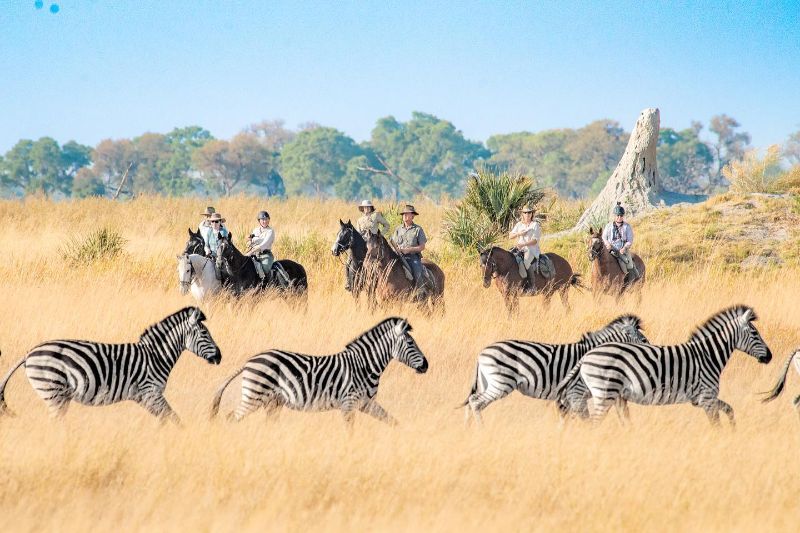
Encountering zebras and giraffes from the saddle offers a unique perspective on the Tanzanian wilderness. This horseback safari provides a blend of thrill and tranquility, as you’re immersed in the rhythm of the African plains. It’s a seamless dance of nature, where each stride reveals the wild magnificence of Tanzania.
Tracing back to visionary conservation efforts, these safaris are now essential for sustainable tourism in Tanzania. Expertly guided, they offer insights into the ecology and wildlife management that have flourished. With over 16% of Tanzania’s land dedicated to conservation areas, such experiences are a testament to the region’s commitment to preserving its natural heritage.
Tanzania horseback safaris offer an unparalleled experience, allowing you to ride alongside zebras and giraffes in their natural habitats. These safaris provide a unique perspective of the Serengeti’s wildlife, guided by experts who ensure both safety and rich educational insights into the region’s diverse ecosystem.

Unique Experiences on a Tanzania Horseback Safari
Riding through the vast plains of Tanzania offers an unmatched connection with nature. As you traverse this open landscape, zebras and giraffes become your companions, providing breathtaking experiences. This safari introduces you to the Serengeti from an extraordinary perspective. The slow rhythm of the horseback ride lets you truly absorb your surroundings. Each moment feels like a scene from a nature documentary.
Guides leading the safari are experienced locals who know the terrain intimately. Their knowledge enriches your adventure, sharing stories and insights about the wildlife you encounter. You will learn about animal behaviors and conservation efforts directly from those who live it daily. This interaction adds depth to the trip. It’s not just a ride; it’s an educational journey.
Witnessing wildlife up close while on horseback is a thrill unlike any other. Imagine seeing a family of giraffes gently moving, or zebras grazing nearby. These moments are unique because you’re part of the environment, not just a spectator. The animals see you as less of a threat while on horseback. Thus, you get closer than on a typical safari drive.
These safaris vary, catering to different levels of riding experience. Whether you’re an expert rider or a beginner, there’s a package for you. Equipment and safety guidelines are always a priority. Lists mention suggested items to pack for the ride:
- Comfortable clothing
- Protective headgear
- Riding boots
- Sunscreen
- Insect repellent
Riding among giraffes and zebras
Imagine the thrill of riding a horse beside a tower of giraffes. Their graceful strides mirror the ease of your horse’s movement. As you venture deeper into their habitat, giraffes may pause to observe you curiously. It’s an incredible feeling to be so close to these gentle giants. The experience is both calming and exhilarating.
Zebras, with their striking stripes, often graze nearby. They might playfully dart away or stand peacefully, eating grass. This serene setting allows for a unique perspective of zebra behavior. Being on horseback makes you part of their world. It’s a rare and memorable experience.
Such encounters with wildlife are a photographer’s dream. A camera captures the harmony between horse, rider, and animal. Pictures serve as vivid reminders of the adventure. Remembering to stay quiet is crucial, allowing animals to remain undisturbed. Lists of wildlife to watch for include:
- Antelope
- Wildebeest
- Lions in the distance
- Colorful birds
Sustainable tourism efforts support these unique adventures. The impact benefits both the environment and local communities. By choosing horseback safaris, tourists help protect the habitats of these animals. This ensures future generations can share similar experiences. Riding with giraffes and zebras becomes a contribution to conservation.
Experiencing the Serengeti from horseback
Exploring the Serengeti on horseback offers a unique vantage point. The vast savannah spreads out like a golden sea, alive with wildlife. Riding here feels like stepping back in time, witnessing nature untouched. As you ride, the rhythm of hooves on the ground blends with the sounds of the wild. It’s an adventure that connects you deeply to the landscape.
The Serengeti teems with life, making each ride an exciting journey. Lions might quietly watch from afar, while herds of wildebeest move across the plains. This proximity to such diverse wildlife is awe-inspiring. Guides ensure that each encounter is respectful and safe. Your interest in the animals fuels a learning experience that’s unforgettable.
The absence of vehicle noise allows the natural sounds of the Serengeti to come alive. Birds chirp melodiously, while the wind whispers through the grass. The peaceful atmosphere enhances the sense of freedom that comes with horseback exploration. This tranquility is contrasted with the exhilarating rush when animals burst into motion. Combining quiet observation with thrilling moments makes each ride exceptional.
Preparing for this adventure involves careful planning. Essential items include:
- Riding helmets
- Sturdy boots
- Lightweight clothing
- Binoculars for spotting distant wildlife
Join a horseback safari to experience a truly remarkable side of the Serengeti.
Guided tours with experienced locals
Local guides bring invaluable knowledge to your horseback safari experience. Their expertise ensures every ride is both safe and informative. They know the terrain like the back of their hands, providing fascinating insights into the Serengeti’s ecosystem. As you follow their lead, you’ll discover hidden spots you might have missed otherwise. These guides share stories that enrich your understanding of the land.
Understanding animal behaviors and tracking them is a skill these guides excel at. They can identify subtle signs of wildlife activity, enhancing your chances of spotting elusive animals. Their keen eyes pick up on details that an untrained observer could overlook. This expertise turns every ride into a learning opportunity. Engaging with these guides makes the safari more interactive and personal.
Experienced guides aren’t just experts in wildlife. They are also well-versed in the community’s culture and history. This knowledge adds depth to your journey, connecting you to the local people and their traditions. Engaging stories about the land and its people unfold during the ride. These tales create a rich tapestry of experiences beyond just wildlife.
A guided tour also provides comfort and security. You can focus on exploring and enjoying the ride, knowing you’re in capable hands. This peace of mind allows you to immerse fully in the adventure. These experts handle any unexpected situations with skill. Your safety and enjoyment are their top priorities.
Choosing a guided tour supports local communities as well. It empowers residents and fosters sustainable tourism. By selecting local guides, you contribute to preserving both cultural and natural heritage. This choice ensures the Serengeti remains a vibrant habitat for generations. Lists of other tasks guides may assist with include:
- Camp setup and management
- First-aid skills and emergency readiness
- Knowledge of local flora and fauna
- Coordination of safari logistics
Seeing wildlife up close in their natural habitats
Experiencing wildlife in their natural habitats is a breathtaking opportunity. On a horseback safari, you become part of the landscape, blending in with the environment. This unique approach allows animals to behave naturally, giving you the chance to see them as they truly are. It’s quite different from a vehicle tour, where noise often keeps animals at a distance. This closeness enriches the safari experience immensely.
Imagine observing a herd of elephants enjoying a waterhole up close. Their playful splashes and gentle interactions reveal the social dynamics within the group. Meanwhile, lions may rest in the shade, showcasing their majestic presence. These sights of the Serengeti come to life when you’re not confined to a car. The intimacy of such encounters is unmatched.
The thrill of spotting a cheetah sprinting across the plains is unforgettable. Witnessing the world’s fastest land animal in action is both exhilarating and educational. You learn about predator-prey relationships and how the ecosystem balances itself. Each sighting reminds you why preserving these natural habitats is crucial. The Serengeti’s diverse wildlife presents endless discoveries.
Experiencing wildlife like this requires certain guidelines. Keeping a respectful distance ensures animals remain undisturbed. Additionally, maintaining silence while observing allows for more genuine interactions. Guides emphasize the importance of safety and respect:
- No sudden movements
- Staying with the group
- Following guide instructions
- Avoiding flash photography
This close connection with wildlife creates lasting memories. Each unique encounter deepens your appreciation for nature’s wonders. It’s an adventure that inspires conservation efforts and fosters a greater understanding of the world. Being so close to wildlife reminds us of the beauty and fragility of these environments. Sharing these experiences helps spread awareness about the importance of protecting them.
The Impact of Horseback Safaris on Wildlife Conservation
Horseback safaris have a significant positive impact on wildlife conservation. By choosing this low-impact mode of exploration, tourists help reduce the carbon footprint typically associated with vehicle safaris. This choice assists in maintaining the serenity of the environment, allowing animals to thrive naturally. Quiet rides keep the disturbance to wildlife minimal. This harmony between tourism and nature is essential for sustainable conservation efforts.
The revenue from horseback safaris plays a crucial role in funding conservation initiatives. Local communities rely on these funds to support various projects aimed at protecting wildlife and their habitats. These financial resources are often directed towards anti-poaching patrols and habitat restoration projects. Encouraging eco-friendly tourism ensures the long-term survival of numerous species. Every safari taken contributes to these vital efforts.
Educational opportunities arise as travelers learn about the importance of conservation. Guides use this platform to inform visitors about current challenges facing wildlife. They discuss topics such as habitat loss and the steps taken to combat these issues. Education through experience creates awareness. This knowledge prompts action and global support for protection measures.
Horseback safaris also foster a deeper connection with nature. When individuals experience the astounding beauty of wildlife firsthand, they are more likely to advocate for its preservation. This emotional bond is powerful in nurturing conservation-minded behaviors. Moreover, these safaris help bridge the gap between humans and wildlife. People leave with a sense of responsibility to protect what they’ve witnessed.
Their impact extends beyond environmental benefits. Job creation within local communities is fueled by the demand for skilled guides and support staff. This economic support imbues residents with a sense of pride in preserving their land and heritage. Lists of benefits include:
- Reduced environmental impact
- Financial support for conservation projects
- Increased education and awareness
- Enhanced emotional connection to nature
- Job creation for locals
Choosing the Right Safari Package for Your Adventure
Selecting the perfect safari package is crucial for a memorable adventure. Various packages cater to different preferences and experience levels. Beginners might want shorter, guided rides, while experienced riders may opt for extended excursions. It’s important to consider the time you want to spend in the saddle. Packages vary greatly and can be customized to meet your needs.
Cost is another critical factor when choosing a safari package. While luxury options offer all-inclusive amenities, there are budget-friendly choices too. It’s essential to balance luxury with affordability. Some packages include additional activities like walking safaris or night drives. Comparing prices and inclusions will help you find the best deal.
Reviewing customer feedback can provide valuable insights into each package’s quality. Reading reviews helps identify reliable operators and highlight any potential issues. Look for testimonials about guide expertise, accommodation standards, and overall satisfaction. Websites often list:
- Tour duration
- Included meals
- Wildlife spotting opportunities
- Group sizes
The diversity of wildlife encountered on different tours should also influence your decision. Specific areas within Tanzania offer varied animal sightings and unique landscapes. Think about what species you are most eager to see up close before selecting a location-specific tour package. Consulting with tour operators can help match your interests with the right route.
If traveling with family or friends, ensure the chosen package suits everyone’s interests and abilities. Some safaris are more family-friendly than others, offering activities suited for children and older adults alike. Group discounts might be available which further enhances value for money spent on these adventures.
What to Prepare Before Your Horseback Safari
Before embarking on a Tanzania horseback safari, proper preparation is essential. Packing the right gear ensures comfort and safety throughout your journey. Sturdy, comfortable boots and a helmet are must-have items. Lightweight clothing in layers is ideal for changing weather conditions. Don’t forget sunscreen and a hat to protect against the sun.
Fitness is another key consideration due to the nature of the activity. Ensuring you are in good physical condition will make your experience more enjoyable. Regular horseback riding practice before your trip helps. It’s advisable to join some riding lessons if you are a beginner. Strength and flexibility exercises can also be beneficial.
Documentation and health precautions should be in place well before departure. Check if your passport is up to date and whether you need a visa for Tanzania. Vaccinations may be required; consult with a healthcare provider to get the necessary shots. Carrying travel insurance that includes adventure activities is wise. Lists of essential documents include:
- Passport and visa
- Travel insurance
- Vaccination records
- Riding certification (if required)
Understanding and following safari guidelines ensures both you and the wildlife are safe. Familiarize yourself with rules provided by your tour operator. Maintain a respectful distance from animals and follow your guide’s instructions. This helps to minimize stress on wildlife and ensures an ethical safari experience. Proper preparation makes your horseback safari both safe and memorable.
Finally, packing extra essentials can enhance your comfort. Items such as a reusable water bottle, insect repellent, and binoculars are useful. A small backpack to carry personal items during rides keeps everything accessible. Keep in mind that some of these items might be provided by the tour operator. Still, having your own ensures personal preferences are met.
Key Takeaways
- Experience the Serengeti’s wildlife up close on horseback safaris.
- Ride alongside majestic zebras and towering giraffes in their habitats.
- Guided tours offer professional insights and ensure safety.
- Sustainable tourism helps protect Tanzania’s diverse ecosystems.
- This adventure combines education with thrilling exploration.
Every year, the serene plains of East Africa come alive with vibrant colors, sounds, and stories during the Maasai Cultural Festival. A tradition that’s both deeply rooted and dynamically evolving, this festival draws communities from afar to converge in celebration. The Maasai people, known for preserving their unique customs, use this occasion to showcase their rich heritage and sharing it with the world.
Having first emerged as a local gathering, the festival now attracts thousands, showcasing traditional dance, music, and crafts from across the region. With origins tracing back centuries, the event bridges generations, blending historical reverence with contemporary relevance. Moreover, the festival not only nurtures cultural identity but also fosters economic opportunities for local artisans, ensuring the community thrives holistically.
The Maasai Cultural Festival is a vibrant celebration that highlights the rich traditions and community spirit of the Maasai people. It features traditional music, dance, storytelling, and artisanal crafts. The festival not only preserves cultural heritage but also fosters unity and provides economic opportunities for the Maasai community.

Significance of the Maasai Cultural Festival
The Maasai Cultural Festival holds a unique place in the hearts of its people. It serves as a vibrant celebration of the Maasai heritage, bringing communities together in unity. Families gather to honor their rich history, and young children learn the ways of their ancestors. Beyond a celebration, the festival plays a vital role in preserving the customs for future generations. It keeps traditions alive, ensuring they are passed down without losing their essence.
One key aspect of the festival is its role in education. Young Maasai people learn essential skills and cultural practices during this time. Songs and dances aren’t just for entertainment; they are lessons in history and storytelling. According to the article, the festival acts as a living classroom, where experiential learning takes the lead. By participating, youths connect with their roots in an interactive and engaging manner.
The festival also impacts the local economy positively. It attracts visitors from all over, boosting tourism and creating income opportunities for residents. Crafts and traditional attire find eager buyers among tourists. Local businesses thrive during the festival season, benefiting from the increased foot traffic. As detailed here is the article, these economic benefits ripple throughout the community, reinforcing the festival’s importance beyond just cultural aspects.
Moreover, the festival fosters a sense of community and identity among the Maasai. It offers a platform for individuals to express their pride in their culture. This sense of belonging strengthens community bonds and supports cultural cohesion. The Maasai people find joy and solidarity in this shared experience, amplifying their collective identity. Through festivities, they reinforce their commitment to maintaining their cultural legacy for years to come.
Cultural festival organised to conserve Maasai Culture in Narok | WION
A Look into Its Historical Roots and Evolution
The Maasai Cultural Festival has deep historical roots, tracing back to traditions long before modern disruptions. Originally, it served as a communal gathering to celebrate significant events and honor ancestral spirits. These early gatherings were intimate, spreading important stories and wisdom through generations. Over time, this intimate event has expanded, adapting to changing times and influences. Yet, the core of the festival remains anchored in honoring heritage.
As it evolved, the festival incorporated new elements while preserving its traditional essence. Changes in Maasai society, like the introduction of modern technology, have added fresh dynamics. Now, one can see a blend of traditional performances with contemporary influences, appealing to younger audiences. According to some local accounts, this fusion keeps the festival relevant and exciting. It not only attracts locals but also international visitors, eager to experience this unique spectacle.
The historical importance of the festival also lies in its role in uniting scattered Maasai communities. Though geographically diverse, the festival offers a central reason to gather and celebrate shared ancestry. It’s a melting pot of experiences where diverse sub-groups showcase their unique customs. Through this exchange, they create a broader understanding and respect for varied traditions. Such unity helps maintain peace and solidarity among various sections of the Maasai people.
Tables at the festival often showcase a rich array of traditional crafts and attire, each with its own story. These items are not merely decorative; they are symbolic of the Maasai identity. Visitors can explore items like intricately beaded jewelry, beautifully woven cloth, and hand-carved artifacts. These crafts reflect the artistry passed down through generations, anchoring historical significance in every piece. Thus, the festival continues to evolve, all the while honoring its deep-rooted origins.
Key Traditions and Rituals Showcased at the Festival
At the heart of the Maasai Cultural Festival are vibrant traditions and rituals that captivate attendees. One of the most striking is the “jumping dance,” or Adumu, performed by young warriors. This dance is more than just a spectacle; it’s a form of expression and competition among the warriors. They jump in turns, aiming to reach incredible heights, showcasing physical prowess and stamina. It’s a visual feast that never fails to amaze the audience.
Another cherished tradition is the storytelling sessions held around crackling fires. Elders share tales passed down from generation to generation, weaving stories of heroism and wisdom. These narratives are crucial for teaching young Maasai about their rich history and cultural beliefs. Sometimes, stories are accompanied by singing or chanting, adding drama and depth. This oral tradition keeps ancient myths and legends alive within the community.
Also featured at the festival are intricate Maasai crafts, showcasing the impressive skills of local artisans. Tables feature a dazzling display of handmade jewelry, colorful beads, and woven items. Each piece tells a story about the craftsman’s family, region, or personal journey. These crafts hold cultural meanings, representing social status, age, and milestones. Visiting stalls, festival-goers often find themselves immersed in Maasai artistry.
The festival wouldn’t be complete without the communal feasts, where traditional Maasai cuisine takes center stage. Dishes like nyama choma (grilled meat) are shared, symbolizing unity and hospitality. These meals provide a delicious way to explore Maasai culinary traditions while fostering camaraderie among attendees. Food, like other traditions, plays a crucial role in celebrating and strengthening community ties. Through these cherished practices, the festival continually honors and showcases the Maasai way of life.
The Role of Music and Dance in Maasai Culture
Music and dance hold a central place in Maasai culture, symbolizing various aspects of their daily life and spirituality. These expressive forms serve more than just entertainment; they embody a connection to the past and present. Songs often accompany significant events like weddings, rites of passage, and community gatherings. The rhythmic patterns and lyrics tell stories of valor, adventures, and ancestral wisdom. Consequently, music and dance help preserve cultural values and narratives for future generations.
The Adumu, or jumping dance, is one of the most recognized Maasai dances worldwide. Performed by young men known as morans, it showcases their strength and agility. The dancers form a circle, taking turns to jump as high as they can, without bending their knees. This dance is not just about physical prowess; it is also a social and ritualistic event. It marks the transition of young warriors into adulthood, symbolizing their readiness to take on responsibilities.
- Rites of Passage: Rituals like Eokoto E-Kule, a dance with intricate footwork, performed by initiates.
- Harvest Celebrations: Songs and dances that express gratitude for good harvests and blessings.
- Weddings: Elaborate performances that celebrate union and community ties.
Women also play a crucial role in Maasai music and dance, adding their voices and movements to various ceremonies. Their songs often revolve around daily chores, family life, and tales of strong women figures. Women’s dances feature synchronized steps and coordinated hand movements, creating a mesmerizing visual effect. These dances are more than just performances; they are community-building activities. Through their participation, women reinforce social bonds and pass on traditions.
Different traditional instruments enhance the musical experience, creating unique sounds that can’t be mistaken. The orutu, a single-stringed instrument, is often used to maintain rhythm during dances. It pairs harmoniously with vocal chants and drumbeats, contributing to a rich sonic landscape. Elders frequently lead the songs, setting the pace and ensuring that the rhythms align with the intended emotions. Every beat and note connects the participants to their cultural essence, making each performance profoundly meaningful.
Click here is the article to learn more about the significance of these cultural practices. The blend of music, dance, and communal participation at the Maasai Cultural Festival illustrates the depth of Maasai heritage. Their performances bring history to life, infusing it with contemporary relevance. In this way, music and dance continue to be vital threads in the fabric of Maasai culture, uniting people across ages and backgrounds.
Economic and Social Impact on the Maasai Community
The Maasai Cultural Festival significantly boosts the local economy by attracting tourists from all over the world. This influx of visitors creates demand for goods and services, such as lodging, food, and transportation. Local artisans also benefit financially by selling traditional crafts like jewelry, clothing, and ornaments. These sales provide a steady source of income, helping families improve their living standards. Moreover, the festival’s economic activities contribute to regional development projects.
The social impact of the festival is equally profound, fostering a strong sense of community and identity among the Maasai people. It offers a venue for communal gatherings, where people of all ages participate and reconnect. This shared experience strengthens family bonds and social networks within the community. Young people learn about their cultural heritage, which helps preserve traditions and pass them down to future generations. The festival also provides a platform for addressing social issues and promoting unity.
Healthcare and education initiatives often align with the festival, addressing pressing community needs. Organizations set up booths to offer health services like vaccinations and screenings. Educational programs inform attendees about various topics, from environmental conservation to women’s rights. These initiatives demonstrate how the festival goes beyond cultural celebration, offering tangible benefits to the community. It’s an integrated approach to development, combining culture with essential services.
- Increased tourism revenue
- Job creation and business growth
- Preservation of cultural heritage
- Strengthened community ties
- Enhanced social services
Through these economic and social benefits, the Maasai Cultural Festival plays a pivotal role in the well-being of the community. It provides a holistic approach to development, where culture and prosperity go hand in hand. The festival allows the Maasai to showcase their rich heritage while evolving to meet contemporary needs. This dynamic balance ensures the sustainability of both their culture and economy.
Preservation Efforts and the Future of the Festival
To ensure the Maasai Cultural Festival continues to thrive, numerous preservation efforts are in place. Community leaders work tirelessly to protect the unique traditions and rituals that define the Maasai culture. Workshops and training programs are organized to teach younger generations about their heritage. These initiatives focus on everything from language preservation to artisanal skills. By engaging the youth, they foster a sense of pride and responsibility towards cultural conservation.
Technology also plays a role in transforming preservation strategies, ensuring the festival’s longevity. Digital platforms help share and document festival activities, making cultural practices accessible to a global audience. Social media campaigns, blogs, and online videos capture the vibrancy of Maasai traditions. Through this medium, the community connects with supporters who value cultural diversity. This broader reach increases awareness and amplifies the festival’s significance worldwide.
Sustainability efforts aim to ensure the festival benefits both people and the environment. Organizers are taking initiatives to reduce waste and promote eco-friendly practices during the event. Traditional practices like foraging and recycling are reintroduced to younger audiences. Collaboration with environmental organizations helps integrate green solutions. These efforts contribute to preserving the natural resources the Maasai community relies upon.
Challenges still exist, such as balancing modernization with cultural retention. External influences and economic pressures sometimes threaten to dilute tradition. Building alliances with cultural preservationists and non-profit organizations helps mitigate these risks. By sharing resources and expertise, the Maasai community fortifies its cultural treasures. Such collaborations are vital for crafting a sustainable future for the festival.
Embracing innovation while staying true to core values will shape the future of the Maasai Cultural Festival. Continued support from local and international allies is crucial. Together, these concerted efforts will ensure the festival remains a vibrant testament to Maasai culture. The focus on sustainability and education is encouraging and paves the way for future generations. This bright outlook ensures that the festival will continue to be a beacon of cultural pride and unity.

Frequently Asked Questions
The Maasai Cultural Festival is a captivating event celebrated by the Maasai community. It showcases unique traditions, fostering unity and cultural preservation. Here are some insightful questions and answers about this vibrant festival.
1. What is the main purpose of the Maasai Cultural Festival?
The primary goal of the Maasai Cultural Festival is to preserve and celebrate the rich traditions of the Maasai people. It offers a platform for showcasing their music, dance, art, and rituals, creating a vibrant tapestry of cultural heritage. This celebration strengthens community bonds and inspires pride among the Maasai, ensuring their cultural identity continues for generations.
Furthermore, the festival serves as a conduit for economic and social development within the Maasai community. It attracts tourists and visitors, boosting local businesses and creating opportunities for artisans. Such economic engagement is vital for sustaining community initiatives and fostering an environment where Maasai culture thrives alongside modern influences.
2. How do music and dance contribute to the festival’s success?
Music and dance are integral components of the Maasai Cultural Festival, providing an engaging backdrop to the celebrations. Performances like the famous “jumping dance” embody the spirit of Maasai traditions, captivating audiences while reinforcing cultural values. These vibrant expressions serve as both entertainment and cultural education, enriching the festival experience for all participants.
Moreover, music and dance offer a unifying platform, bringing together people of all ages. They encourage participation and interaction, nurturing a sense of community and shared identity. By highlighting Maasai history and beliefs through these dynamic mediums, the festival reinforces connections between generations and promotes cultural continuity.
3. How does the festival impact the local economy?
The festival is a significant economic driver for the Maasai community, greatly benefiting local businesses and artisans. During the event, many visitors flock to the region, increasing demand for accommodations, food, and services. This influx of tourists translates into financial gains for local vendors, stimulating the community’s economic growth and sustainability.
Moreover, the spotlight on Maasai crafts and traditional goods opens new markets for artisans. The festival offers a platform to sell handmade jewelry, clothing, and artifacts, establishing a broader customer base. These economic opportunities contribute to job creation and have a lasting impact on the community’s well-being.
4. What are some challenges faced in preserving Maasai traditions?
Preserving Maasai traditions faces challenges such as modernization pressures and external cultural influences. The integration of modern technology and lifestyles can sometimes overshadow traditional practices, putting them at risk of being forgotten. This evolving landscape requires innovative strategies to ensure that Maasai customs remain relevant and resonate with younger generations.
Furthermore, economic hardships can divert focus from cultural preservation as communities strive for basic needs and survival. Resources and support can be limited, making it difficult to prioritize these endeavors. However, continued efforts through education, community participation, and international partnerships are key to overcoming these obstacles and fostering a sustainable future for Maasai culture.
5. How does the festival promote cultural exchange?
The Maasai Cultural Festival acts as a bridge, promoting cultural exchange between the Maasai community and visitors from diverse backgrounds. By inviting attendees into their world, the Maasai people share their stories, customs, and way of life, fostering understanding and respect. This engagement enhances cross-cultural dialogue and appreciation, enriching the experiences of both the hosts and guests.
Additionally, visitors partake in activities such as traditional crafts, games, and food, offering a firsthand glimpse into Maasai life. This interaction provides an invaluable learning opportunity and cultivates global connections. In turn, such exchanges encourage broader support for preserving Maasai traditions, ensuring they remain a cherished part of the world’s cultural tapestry.
Maasai culture in spotlight | World Of Africa
Conclusion
The Maasai Cultural Festival stands as a profound celebration of both tradition and community. Rooted in a rich history, it provides a vibrant platform for showcasing cultural heritage and fostering unity among the Maasai people. The festival offers economic benefits, while also serving as a crucial tool for cultural education and preservation.
As the world evolves, the festival’s blend of ancient practices and contemporary relevance ensures its enduring significance. Efforts to sustain this cultural beacon are vital for nurturing future generations’ connection to their roots. The Maasai Cultural Festival continues to serve as a powerful testament to the resilience and vibrancy of Maasai culture.
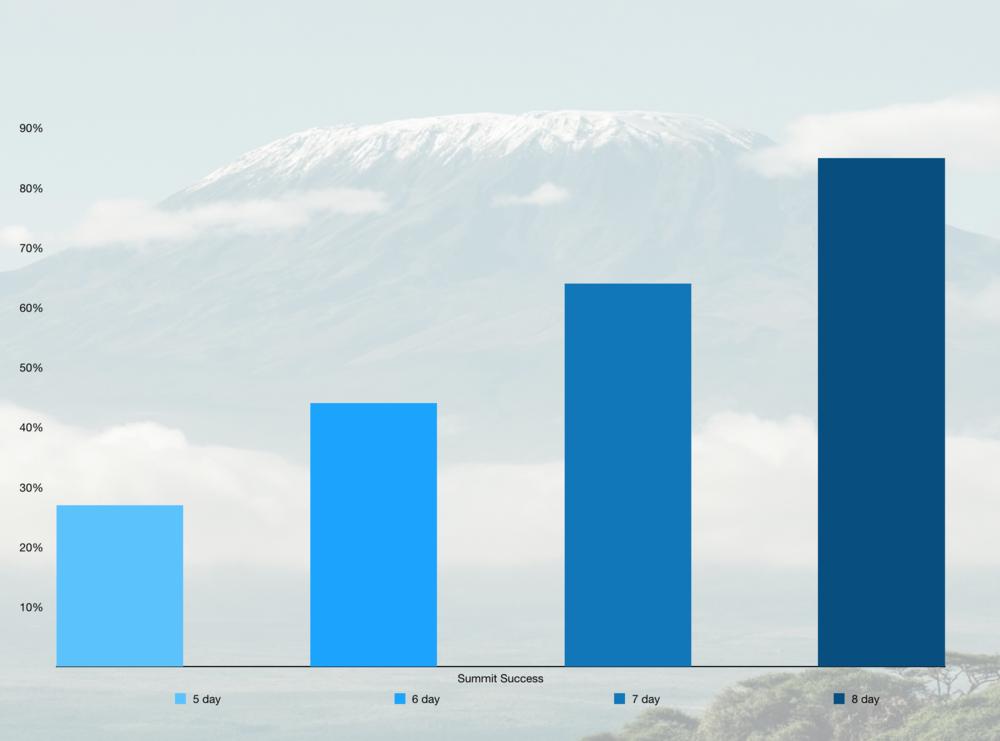
Standing at 19,341 feet, Kilimanjaro is the tallest free-standing mountain in the world and successfully summiting it is an extraordinary achievement. However, the success rate might surprise you; only about 65% of climbers actually reach Uhuru Peak. These figures are influenced by several factors, including route choice, preparation, and altitude sickness.
Kilimanjaro’s climb has a vast history, with Hans Meyer making the first successful ascent in 1889, setting the precedence for future mountaineers. The Machame route is among the most popular, with a higher success rate due to its more gradual ascent. Conversely, the Marangu route, often referred to as the “Coca-Cola route,” has a much quicker ascent, leading to a lower success rate.
The success rate for climbing Kilimanjaro ranges from 50-95%, influenced by route selection, acclimatization, physical preparation, and weather. Routes like Lemosho and Machame offer higher success rates due to gradual ascents that aid acclimatization, while proper training and gear enhance climbers’ chances of reaching the summit successfully.

Success Rate: Climbing Kilimanjaro Successfully
Climbing Kilimanjaro is a dream for many, but only about 65% of climbers reach the summit. This success rate can be affected by a variety of factors. The route chosen, level of preparation, and how well climbers adjust to the altitude all matter. Kilimanjaro is not a technical climb but requires physical stamina. Understanding these elements helps in planning a successful ascent.
Various routes offer different experiences and success rates. The Machame Route, known as the “Whiskey Route,” has a higher success rate due to its gradual incline. In contrast, the Marangu Route, or “Coca-Cola Route,” has a lower success rate because of its rapid ascent. Here’s a quick look at success rates by route:
| Route | Success Rate |
|---|
| Machame | 70-80% |
| Marangu | 50-60% |
| Lemosho | 90-95% |
Proper preparation is vital for a successful climb. Adequate training, proper gear, and acclimatization are key. Many climbers spend months training and conditioning their bodies. Joining a reputable trekking company also increases the likelihood of summiting. They offer guided services that include acclimatization plans and essential tips for the climb.
Altitude sickness is a significant hurdle for many climbers. Symptoms include headaches, nausea, and dizziness. To mitigate these symptoms, climbers should ascend slowly and stay hydrated. Taking medication like Diamox can also help. Always listen to your body and your guides.
7 Hard Truths about Climbing Kilimanjaro (That Nobody Wants to Hear)
Overall Success Rate and Influencing Factors
The overall success rate for climbing Kilimanjaro hovers around 65%. This means that out of every 100 people who attempt the climb, about 65 make it to the top. Factors like weather, physical readiness, and altitude can greatly influence these numbers. Good weather conditions can ease the climb, but unexpected storms make it tough. Training and acclimatization are crucial for achieving climbing success.
Many climbers face challenges due to altitude sickness. As you ascend, the air gets thinner, making it harder to breathe. This lack of oxygen can lead to symptoms like headaches and nausea. To improve chances, climbers should spend more time acclimatizing. Slow acclimation helps your body adjust gradually.
The choice of route also plays a significant role in the success rate. Some routes offer a steady incline with more days, giving the body time to adapt. Here’s a comparison of success rates for key routes:
| Route | Days | Success Rate |
|---|
| Marangu | 5-6 | 50-60% |
| Machame | 6-7 | 70-80% |
| Lemosho | 7-9 | 90-95% |
Proper gear is essential to withstand Kilimanjaro’s challenging conditions. This includes layered clothing and strong boots. Choosing equipment suited for cold and wind is vital. A good sleeping bag ensures rest during chilling nights. Good quality gear can make a significant difference in climbers’ experiences and outcomes.
Routes to Kilimanjaro: Success Rates Compared
Different routes to Kilimanjaro offer unique experiences and chances of reaching the summit. The Marangu Route, known as the “Coca-Cola Route,” is the oldest and easiest, with a success rate around 50-60%. It has hut accommodations rather than tents, making it a common choice for beginners. However, its rapid ascent means less time for acclimatization.
The Machame Route, or “Whiskey Route,” is more challenging but has a higher success rate of about 70-80%. This route is favored for its scenic views and varied terrains. Climbers spend more days on this route, which allows better acclimatization. This generally leads to higher summit success rates.
The Lemosho Route is considered one of the most beautiful. It generally takes 7-9 days, with a stunning success rate of 90-95%. This route provides more time for the body to adjust, resulting in better overall ascent outcomes. Trekkers often see diverse landscapes and fewer crowds.
The Rongai Route approaches from the north. It has success rates between 80-85%. This route offers a unique perspective of Kilimanjaro, avoiding the crowded southern routes. Here is a quick comparison of success rates:
| Route | Days | Success Rate |
|---|
| Marangu | 5-6 | 50-60% |
| Machame | 6-7 | 70-80% |
| Lemosho | 7-9 | 90-95% |
| Rongai | 6-7 | 80-85% |
The Importance of Proper Preparation for Successful Ascent
Preparation is key when climbing Kilimanjaro. This involves both physical and mental readiness. Training for several months before the climb is essential. This includes cardiovascular exercises, hiking with a weighted backpack, and strength training. These activities boost fitness levels, helping you tackle the mountain’s challenges.
Besides physical fitness, selecting the right equipment is crucial. Proper gear ensures comfort and safety during the climb. A well-fitted hiking boot and layered clothing make a significant difference. Remember, temperatures can drop drastically, so warm clothing is necessary. Having the right gear can greatly affect your climb’s outcome.
Acclimatization is another critical preparation aspect. Your body needs time to adjust to high altitudes to prevent altitude sickness. Many climbers opt for routes allowing more acclimatization days. This helps the body adapt and reduces the risk of unpleasant symptoms. Better acclimatization increases your chances of reaching the summit.
Knowledge and research about the climb are indispensable. Understanding the different routes and their demands helps in planning. Joining a good trekking company provides support systems and expert guidance. Being informed about common challenges and solutions is invaluable. It equips climbers to handle unexpected setbacks.
Nutritional preparation plays a vital role too. A balanced diet rich in carbohydrates and proteins boosts energy levels. Staying hydrated throughout the climb is equally important. Packing high-energy snacks is advisable. Proper nutrition supports the physical demands of the trek.
A positive mindset directly influences performance on the mountain. Mental preparation involves visualizing reaching the summit and setting realistic goals. Staying motivated despite setbacks ensures you keep moving forward. Support from fellow climbers and guides can uplift spirits. A positive attitude drives perseverance, especially on challenging days.
How Altitude Sickness Affects Success Rates
Altitude sickness is a common hurdle for those climbing Kilimanjaro. It occurs when the body struggles to adapt to higher altitudes. This sickness can start as low as 8,000 feet. Symptoms include headaches, nausea, and dizziness. These can severely impact a climber’s success rate.
As you ascend, the air pressure decreases, making it difficult to get enough oxygen. Less oxygen leads to the symptoms of altitude sickness. If untreated, it can develop into more severe conditions like High Altitude Pulmonary Edema (HAPE) or High Altitude Cerebral Edema (HACE). These are life-threatening and require immediate descent. Understanding these risks is crucial for climbers.
Strategies to manage altitude sickness are vital. Ascending slowly is one such strategy. Here are some other tips:
- Stay hydrated to help your body adjust.
- Avoid alcohol and caffeine, as they can dehydrate you further.
- Eat carbohydrate-rich foods to fuel your body.
- Consider medications like Diamox with medical advice.
Choosing a longer route also allows for better acclimatization. Routes like Lemosho offer more days to adjust to the altitude. This extra time can make a significant difference in reducing symptoms. It boosts the chances of successful summit attempts. More time spent acclimatizing often correlates to higher success rates.
It’s essential to listen to your body. If symptoms persist or worsen, descending is the best solution. Pushing through severe symptoms can be dangerous. Guides are trained to identify symptoms and offer advice. Early action can prevent complications and keep climbers safe.
Tips to Improve Your Chance of Successfully Climbing Kilimanjaro
Preparation is key to improving your chance of successfully climbing Kilimanjaro. Start by building your physical fitness months in advance. Focus on cardiovascular exercises, strength training, and hiking with a weighted backpack. Regular practice helps your body prepare for the climb’s physical demands. Engaging in these activities consistently is vital.
Choosing the right gear is essential. Invest in a comfortable pair of hiking boots and wear them in before the climb. Layered clothing is important, as temperatures can vary greatly. Ensure you have a high-quality sleeping bag suitable for cold conditions. Proper equipment can make a significant difference in your comfort and safety.
Acclimatization is critical for success. Select a route that allows for a gradual ascent and includes more days. This gives your body time to adjust to the higher altitude. Here are some popular routes with their acclimatization potential:
| Route | Days | Acclimatization Potential |
|---|
| Marangu | 5-6 | Medium |
| Machame | 6-7 | High |
| Lemosho | 7-9 | Very High |
Staying hydrated throughout the climb is crucial. Drink plenty of water to help your body acclimatize. Avoid alcohol and caffeine, as they can contribute to dehydration. Eating a balanced diet with carbohydrates and protein provides the energy needed. Keeping your body well-nourished supports sustained physical exertion.
Mental preparation also plays a significant role. Visualize reaching the summit and set small, achievable goals. Remain positive and stay focused, despite the challenges. Support from fellow climbers and guides can boost your morale. A determined mindset can help you endure difficult moments during the climb.
Key Takeaways
- Success rates vary depending on the chosen climbing route.
- Lemosho and Machame routes offer better acclimatization chances.
- Training and physical preparation are essential for climbers.
- Proper gear and hydration can boost success rates significantly.
- Weather conditions greatly affect the climb’s outcome.

Why People Fail on Mount Kilimanjaro (\u0026 How to Succeed)