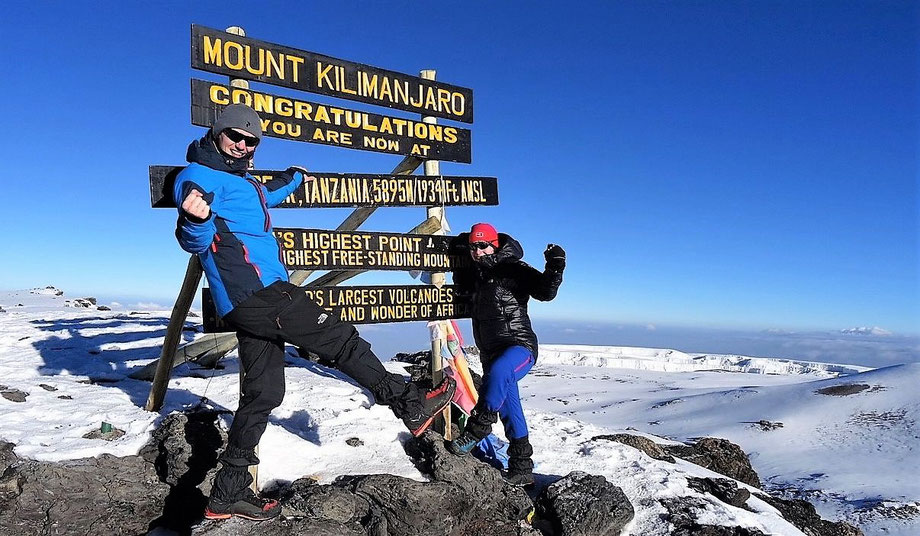
Imagine standing atop Africa’s highest summit after days of intense climbing, with the vast savannah stretched endlessly below. It’s not just the height of Mount Kilimanjaro that enthralls adventurers, but also the uniqueness of coupling this climb with the rich biodiversity of a safari in the nearby Serengeti or Ngorongoro Crater. Such a trip provides a dynamic contrast from the icy peaks to the sun-drenched plains teeming with wildlife.
The Climb Mount Kilimanjaro & Safari Combo is not just another adventure; it’s a journey through diverse ecosystems and cultural landscapes. Originating from the Swahili name ‘Kilima Njaro’, meaning ‘Mountain of Greatness’, Kilimanjaro lures nearly 50,000 climbers annually. Pairing it with a safari, a solution embraced by many, turns this expedition into one of the world’s most sought-after experiences, offering an unparalleled view of both nature’s power and its tranquility.
Combining the climb of
Mount Kilimanjaro with a safari creates an unmatched adventure, offering the thrill of reaching Africa’s highest peak alongside witnessing majestic wildlife in their natural habitat. This combo trip allows exploration of diverse ecosystems, from icy summits to vast savannas, enhancing both physical challenge and relaxation.

Climb Mount Kilimanjaro & Safari: The Ultimate Combo Trip
Mount Kilimanjaro, located in Tanzania, is the tallest mountain in Africa, soaring up to 19,341 feet. It presents a challenge for climbers with its icy top and varied ecosystems. Aspects such as the rainforest’s misty paths and the barren, windswept peaks captivate adventurers. Each climb offers a unique journey through different climate zones. Whether you are a seasoned climber or a beginner, it’s an adventure that requires fitness and determination.
Combining the climb with a safari tour adds another layer of excitement. After conquering Kilimanjaro, many turn to the nearby Serengeti or Ngorongoro Crater for a safari experience. These parks are home to elephants, lions, and zebras, making wildlife viewing spectacular. Witnessing a lion stalk its prey or a hippo laze in water is unforgettable. A safari extends the adventure from the mountains to the wild plains.
Planning the combo trip involves careful preparation. It is vital to pack light but bring essentials like comfortable boots and layered clothing for varying temperatures. Ensure all travel documents are ready well in advance. Booking through reliable companies ensures you have guides who know both the mountain and the safari park. Researching their reputations can lead to a safer, more enjoyable trip.
For those who love both climbing and wildlife, this trip is a dream. Experiencing Kilimanjaro’s trails, followed by spotting animals in their natural habitat, offers a full Tanzania experience. You get to appreciate the raw beauty of Africa in its finest forms. This combo trip is perfect for creating lifelong memories. Feeling the thrill of these adventures ties together a love for nature and exploration.
An Overview of Mount Kilimanjaro’s Terrain
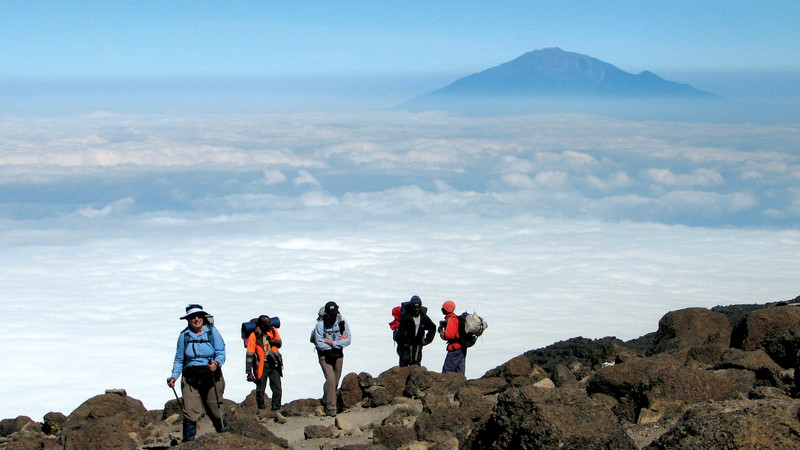
Mount Kilimanjaro’s terrain is as diverse as it is breathtaking. Climbers start their journey through lush green rainforests filled with unique plants and animals. This zone is often misty and wet, providing a great contrast to what’s ahead. As you move higher, the landscape changes dramatically to moorlands with shrubs and grasses. This shift in vegetation marks the transition to the next exciting stage of the climb.
The alpine desert zone offers a stark, almost otherworldly experience. Here, temperatures can vary greatly from day to night, with few plants able to survive the harsh environment. Rocks and boulders dominate this rugged area, challenging climbers both mentally and physically. Despite the arid conditions, the views are expansive and open. Sunsets and sunrises are especially spectacular, painting the barren landscape in warm hues.
Ascending further, climbers enter the arctic zone, characterized by glacial ice and snow. This is where the air becomes thinner, and trekkers can feel the altitude’s effects. Glaciers and dazzling white snowfields make this area both beautiful and challenging. Proper acclimatization is vital to navigate this zone safely. The weather can change rapidly, demanding that climbers stay alert and prepared.
Mount Kilimanjaro offers a rare chance to experience multiple climates on a single climb. This journey takes you through five distinct zones, each with unique sights and challenges. These zones are listed as:
- Rainforest
- Moorland
- Alpine Desert
- Arctic
Though the journey is tough, reaching the summit rewards you with an unforgettable sense of achievement. This incredible mix of terrains makes Kilimanjaro a favorite among adventurers around the world.
Preparing for the Mount Kilimanjaro Climb
Getting ready to climb Mount Kilimanjaro involves planning and preparation. First, building physical stamina through regular exercise is crucial. Activities like hiking, running, and biking help prepare your body for the challenges ahead. Strengthening your upper body and core can also aid in carrying gear. Consistent training over several months makes the climb more achievable.
Proper gear is essential for a successful climb. You’ll need a range of clothing to handle different weather conditions. Packing layered clothing, including a warm jacket and moisture-wicking base layers, is recommended. A sturdy pair of hiking boots will provide the necessary support and grip. Additionally, a well-fitted backpack and a reliable sleeping bag are key items.
Acclimatization is a big part of preparing for Kilimanjaro. To help your body adjust to higher altitudes, it’s wise to plan a longer climb. Taking extra days during the trek allows you to ascend gradually. This approach reduces the risk of altitude sickness. Proper hydration and nutrition also play important roles in staying healthy during the ascent.
Before embarking on the climb, familiarize yourself with the trails and routes available. Each route offers different views and experiences, ranging from gradual to more challenging ascents. Common options include:
Understanding the unique features of each path will help you choose the right one for your adventure. Selecting the right route enhances your enjoyment and chances of reaching the summit.
The Exciting Safari Experience After the Climb
After the arduous climb up Mount Kilimanjaro, a safari offers the perfect way to unwind and continue the adventure. The Serengeti National Park is a popular choice, boasting some of the best wildlife viewing in the world. Home to the Big Five – lions, elephants, buffaloes, leopards, and rhinos – it promises thrilling encounters. Imagine watching a pride of lions basking in the sun or an elephant herd moving as one. Such experiences are the stuff of lifelong memories.
The Ngorongoro Crater, another top safari destination, is a UNESCO World Heritage Site. This natural bowl has diverse wildlife living in close proximity. Here, you can spot zebras, wildebeests, and flamingos all in one area. The crater provides a year-round water source for animals, making it a vibrant ecosystem. Its unique landscape adds to the allure, offering varied scenery with each new turn.
A safari experience often includes game drives at dawn and dusk. These times are ideal for seeing animals when they are most active. Open-top vehicles provide an unobstructed view of the plains. Along with a knowledgeable guide, you learn interesting facts about animal behavior. It’s not just a visual treat but an educational journey as well.
For those looking to enrich their safari trip, cultural visits can be added to the itinerary. Meeting with local tribes such as the Maasai provides a glimpse into their way of life. Traditional dances, handmade crafts, and stories from elders enrich your understanding of the region. These interactions are genuine and add depth to your adventure. Many visitors find these cultural experiences as rewarding as the wildlife sightings.
Accommodations during your safari can range from luxurious lodges to basic campsites. Each option brings its own charm. Lodges provide comfort with skilled staff and modern amenities, while campsites offer a closer connection to nature. Waking up to the sounds of the wild is a choice highlight for many. Selecting the right accommodation enhances your overall experience.
Ultimately, the combination of climbing Mount Kilimanjaro and going on a safari creates a well-rounded adventure. This unique mix of physical challenge and relaxation in nature is hard to beat. Whether you are captivated by the snowy peaks or the vast savannah, this combo trip has something for everyone. The thrill of discovery extends from the highest point in Africa to its most vibrant plains.
Benefits of Combining the Mount Kilimanjaro Climb with a Safari
One of the main benefits of combining the Mount Kilimanjaro climb with a safari is the variety of experiences it offers. Climbers can enjoy the physical challenge and scenic beauty of Kilimanjaro, followed by a relaxing safari adventure. The shift from snowy peaks to the sweeping savannah is a surreal transition. This combination allows travelers to engage with Africa’s diverse landscapes. Each day presents something new to see and do, keeping the adventure fresh and exciting.
Another benefit is the chance to see a wide range of wildlife. While the mountain offers stunning views, the safari showcases Africa’s iconic animals up close. Witnessing lions, giraffes, and elephants in their natural environments adds depth to the trip. This contrast between the mountain climb and wildlife viewing makes each part of the journey special. It’s an excellent way to explore Tanzania’s natural wonders in a single trip.
Combining these activities also enhances your appreciation of Tanzania’s cultural and environmental richness. Meeting local guides and communities allows for more understanding of their traditions and lifestyles. These interactions bring an appreciation that goes beyond the usual tourist experience. Travelers can learn about conservation efforts and respect for the land. It’s an educational opportunity that benefits both visitors and the community.
The blend of adventure and relaxation makes this combo ideal for both thrill-seekers and nature lovers. After the physical demand of the climb, the safari offers a chance to unwind. The gentle rhythm of game drives contrasts with the climb’s challenges. It’s a balanced way to grasp the full beauty of this country. Many find this dual experience both rewarding and rejuvenating.
Furthermore, planning a combined trip can be more cost-effective. Travel packages often include both the climb and safari, offering better value. Such packages streamline logistics, reducing the stress of organizing multiple separate travel plans.
- Combined travel discounts
- Expert planning assistance
- Simplified arrangements
These practical benefits make the combo trip an attractive choice for travelers.
Incorporating both the climb and safari into one adventure meets different travel desires. The journey from Kilimanjaro’s summit to the savannahs enriches the travel experience. Every step and every sight comes together to create unforgettable memories. It’s truly a journey that touches both heart and soul. For travelers seeking a diverse and fulfilling Africa experience, this combo trip is hard to beat.
Travel Tips for the Ultimate Combo Trip
When preparing for the Mount Kilimanjaro climb and safari adventure, packing correctly is essential. Make sure you bring breathable layers for the varying climates you’ll experience. A rain jacket, warm gloves, and a hat can be lifesavers on the mountain. For the safari, don’t forget binoculars and a good camera for capturing wildlife moments. Proper footwear is crucial for both trekking and walking in the savannah.
Plan your itinerary to allow adequate acclimatization time on Kilimanjaro. Choosing a route with extra days for altitude adjustment increases your chance of reaching the summit safely. Also, book with a reliable tour operator who provides experienced guides. Their knowledge of the mountain and wildlife ensures your safety and enhances your experience. Research multiple operators to find the best fit for your travel style and budget.
Health preparation is another key tip for this combo trip. Consult with your doctor about preventive measures, like vaccinations and altitude medication. Bring a small first-aid kit with essentials like band-aids, antiseptic wipes, and pain relievers. Staying hydrated is crucial on both parts of the trip, so carry a reusable water bottle. Awareness and preparation for health issues can prevent complications.
Managing travel logistics can streamline your adventure. Look for travel packages that combine both the climb and safari to save time. These packages often include transportation, accommodations, and meals, making planning simpler. Using travel agents can also ease the process, as they provide assistance and expert advice. By organizing your trip efficiently, you can focus more on the experience.
Respect for local cultures and environments is important during your visit. Learn about Tanzania’s customs and traditions to show appreciation to the communities. Practice eco-friendly tourism by reducing waste and supporting conservation efforts. Show consideration for both people and wildlife for positive interaction. This mindset not only enriches your journey but supports sustainable tourism.
Finally, embrace flexibility and be ready for unexpected events. Changes in weather or animal behavior might require altering plans. Keep an open mindset to make the most of every situation. Enjoy each day’s adventures with a sense of wonder and curiosity. This attitude will help you get the most out of your ultimate combo trip.
Key Takeaways
- Climbing Kilimanjaro is a thrilling, challenging adventure for outdoor enthusiasts.
- The safari part offers a calming contrast with exciting wildlife observation.
- This combo trip covers various climate zones and breathtaking landscapes.
- Enjoy cultural experiences by interacting with local Tanzanian communities.
- Planning ahead ensures both physical preparation and memorable experiences.
The Shirazi New Year, known for intertwining traditional values with joyous celebrations, uncovers the rich cultural tapestry of Shirazi history. Throughout centuries, this event has evolved, emerging as a beacon of unity and renewal, rooted deep in its historical context. One cannot help but marvel at how this centuries-old tradition still captivates and inspires new generations.
Historically, Shirazi New Year serves as a pivotal moment to honor resilience, signifying both ending and beginning. Celebrations weave together diverse cultural narratives, each reflecting the region’s storied past and its harmonious present. With a significant backdrop of history, about 85% of locals participate in this vibrant festivity, underscoring its importance within the community.
Shirazi New Year honors the rich history and cultural heritage of Shiraz. This celebration showcases time-honored traditions, including music, dance, and cuisine, reflecting centuries-old customs. It serves as a bridge between past and present, fostering community ties while promoting knowledge of Shirazi contributions to global culture.

The Historical Roots of Shirazi New Year
The Shirazi New Year has deep historical roots, connecting back to vibrant traditions that have shaped the culture of Shiraz. This celebration represents more than just the passage of time; it embodies the resilience and unity of the people. Historically, Shirazi New Year marked the start of a new farming season, a critical time for those reliant on agriculture. Early records suggest that these celebrations were intertwined with the natural world, honoring the Earth’s cycles. According to this post, these ancient ties continue to influence the modern practices observed today.
One significant influence on the Shirazi New Year was the Zoroastrian religion, which played a crucial role in shaping its customs. Zoroastrians celebrated the rebirth of nature, emphasizing themes of light and life. These concepts were embraced and adapted by the people of Shiraz, leading to a rich blend of rites involving music and dance. The influence of these religious elements is still evident in contemporary celebrations. Many rituals today retain the spirit of renewal and hope rooted in these early beliefs.
Furthermore, Shiraz’s strategic location as a crossroad of cultures enriched its New Year traditions. It served as a hub for exchanging ideas, attracting merchants and scholars from diverse regions. This cultural blend contributed significantly to the varied customs observed during the festival. According to the article available here is the article, many practices reflect a tapestry of influences, making the celebration uniquely Shirazi. It remains a vibrant testament to the city’s historical significance.
Modern Shirazi New Year celebrations continue to reflect this historical richness with vibrant displays. People engage in activities that echo age-old customs, such as sharing traditional meals and wearing colorful attire. Families gather to enjoy music and partake in dances passed down through generations. Today, as people embrace these traditions, there is a conscious effort to preserve cultural heritage. This dedication to history ensures that future generations understand and appreciate their cultural roots.
History Of New Year | New Year in Ancient Cultures | Mythical History
The Significance of Shiraz in World History
Shiraz has long been revered as one of the most culturally significant cities in the world. Its history dates back over 4,000 years, making it a cradle of ancient civilization. The city flourished during the Persian Empire, becoming a center of art, philosophy, and science. Notably, Shiraz was the birthplace of famous poets such as Hafez and Saadi, whose works have influenced literature globally. Their poetry continues to be studied and celebrated worldwide.
Shiraz was also renowned for its strategic importance in trade and commerce. Located on the ancient Silk Road, it was a bustling center where merchants exchanged goods and ideas. This trade route connected Shiraz with distant lands, fostering a rich cultural exchange. As a result, the city grew prosperous and diverse, blending various traditions and innovations. Shiraz’s role in this network left a lasting mark on its historical and cultural fabric.
Additionally, Shiraz holds a special place in the history of wine production. Known as the birthplace of the Syrah grape, Shiraz has a legendary heritage in winemaking. Historical accounts suggest that the region’s vineyards produced exceptional wines enjoyed by royalty and commoners alike. The association between Shiraz and wine remains strong, even centuries later. Wine enthusiasts and historians alike recognize its pivotal role in viticulture.
Shiraz’s architectural legacy is another testament to its historical significance. The city is home to stunning examples of Persian architecture, including intricately designed mosques and gardens. The Nasir al-Mulk Mosque, also known as the Pink Mosque, is famous for its breathtaking colored glass. Similarly, the Eram Garden showcases traditional Persian garden design. These architectural marvels attract visitors and scholars, highlighting Shiraz’s enduring beauty and historical value.
Traditions and Customs of the Shirazi New Year
The Shirazi New Year is a vibrant and joyous celebration that brings communities together. One of the key traditions involves cleaning and decorating homes to welcome fresh beginnings. Families prepare special dishes and set beautifully arranged tables for guests to enjoy. Some families may even engage in this activity to connect with their roots. This starts the year with positive energy and good fortune.
Food plays a central role in the celebrations, with traditional dishes that are often unique to Shiraz. Typical meals might include rich stews, flavorful rice dishes, and sweet desserts. Many recipes have been passed down through generations, preserving the culinary heritage of the region. Sharing meals during this time strengthens bonds among family and friends. It also offers a chance to reflect on the abundance that the new year promises.
Music and dance are essential components of the Shirazi New Year, enlivening the festive atmosphere. Traditional instruments like the daf and setar accompany folk songs, creating a lively soundtrack for the festivities. People of all ages join in dancing, celebrating their shared culture and history. Additionally, storytelling sessions might feature tales of bravery and wisdom. These artistic expressions connect the present with the past, honoring deep cultural roots.
Other customs include visiting relatives and giving gifts to show affection and respect. This practice reinforces social ties and maintains harmony within the community. Here is another important custom that involves charitable acts, ensuring those in need are supported. Such traditions reflect the generosity and communal spirit of Shiraz. Through these customs, the Shirazi New Year is truly a time of joy, reflection, and togetherness.
Impact on Modern-Day Celebrations and Identity
The Shirazi New Year continues to have a profound impact on modern-day celebrations and cultural identity. This historic event serves as a reminder of the rich traditions that have shaped the region over centuries. Today, people embrace these traditions, adapting them to fit contemporary lifestyles. Young and old alike participate, showcasing their pride in their heritage. Through these celebrations, community bonds are strengthened and cultural identity is preserved.
Many communities worldwide now celebrate the Shirazi New Year, illustrating its global influence. In cities with significant Shirazi populations, events are organized to share this vibrant festival with others. These gatherings include music performances, traditional dances, and delicious food tastings. They enable people of different backgrounds to experience Shirazi culture firsthand. Such events play a vital role in promoting cultural diversity and understanding.
Modern technology has also helped amplify the reach of Shirazi New Year celebrations. Social media platforms provide a space for people to share their experiences and learn more about the festival. With photos and videos, participants can connect with others, no matter the distance. This digital presence fosters a sense of belonging among the community. It also encourages curiosity and appreciation from those unfamiliar with the tradition.
The continued practice of these customs has reinforced a unique cultural identity among the people of Shiraz. Children learn about their history and heritage through engaging in these age-old practices. By participating in traditional dances, singing songs, and preparing family recipes, younger generations maintain their connection to the past. This preservation of culture ensures its sustainability for future generations. It provides a solid foundation for nurturing a proud and vibrant community.
Modern adaptations of the Shirazi New Year also demonstrate the community’s ability to evolve while honoring its roots. Creative expressions, such as blending traditional music with contemporary styles, showcase this balance. Many artists highlight their cultural identity through innovative performances and artworks. These creative adaptations serve as a bridge between the past and present. They offer fresh perspectives, while maintaining respect for tradition.
The Role of Cuisine and Music in Festivities
Cuisine plays a central role in the festivities of the Shirazi New Year, enticing everyone with its delightful flavors. Families come together to prepare traditional dishes, each adding their unique touch. These meals often feature ingredients like saffron, pomegranates, and various herbs. Stories and laughter fill the kitchen as generations share cooking secrets. Food becomes more than mere sustenance; it’s a way to celebrate cultural heritage.
- Spicy lamb stew
- Saffron rice with barberries
- Herb-filled wraps
Music adds to the lively atmosphere, bringing rhythm and joy to the celebrations. Traditional instruments such as the tar and santur create enchanting melodies. Musicians perform timeless songs, inviting everyone to join in and sing along. The combination of music and dance encourages participation, even from the audience’s youngest members. Through these musical traditions, the community strengthens its connection to the past.
Dance is another vital element, often accompanied by the music of skilled performers. Many dances have been passed down through generations, reflecting the region’s rich history. Onlookers quickly become participants, eager to learn the steps of these rhythmic displays. As everyone moves to the beat, there’s a shared sense of unity and joy. Dance truly brings the festive spirit to life.
The diversity of cuisine and music showcased during the Shirazi New Year celebrates the blend of cultures within the community. Different regions contribute their unique styles and flavors, enhancing the festive experience. Through this cultural exchange, people gain a deeper appreciation for their heritage. Celebrating diversity fosters greater understanding and harmony. It highlights the inclusive nature of the festivity.
Overall, cuisine and music are essential in marking the Shirazi New Year as a joyful and memorable event. They bring people together, bridging the gap between past and present. As these traditions continue to evolve, they remind everyone of the enduring power of culture. Together, they ensure that this vibrant celebration thrives for years to come.
Preserving and Promoting Shirazi Culture Through New Year Celebrations
The Shirazi New Year offers a vital platform for preserving and promoting the rich tapestry of Shirazi culture. During the celebrations, traditional customs are highlighted, ensuring the community remains connected to its roots. These customs dynamically showcase Shirazi heritage, from food and attire to music and dance. By participating, people reinforce their understanding and appreciation of their cultural identity. It’s a living history lesson that everyone enjoys.
Education plays a key role in keeping these traditions alive. Workshops and exhibitions are organized during the New Year festivities to teach about Shirazi culture and history. These events invite both young and old to engage in learning experiences, strengthening their bond with the past. They also provide an opportunity for people to ask questions and share stories. Through education, the culture remains vibrant and thriving.
Local businesses and artisans contribute to the preservation efforts by showcasing traditional crafts and goods. During the celebrations, markets are bustling with stalls offering handmade items such as pottery, textiles, and jewelry. These crafts reflect the artistry and skills of the region, passed down through generations. Supporting local artisans not only benefits the economy but also keeps traditional techniques alive. This symbiotic relationship between culture and commerce is crucial.
Social media has become an effective tool for promoting Shirazi culture on a global scale. Sharing images and videos from the New Year celebrations helps reach people worldwide, spreading awareness and appreciation. People who are far from home can still participate in the festivities through virtual platforms. This digital presence ensures that Shirazi culture is shared and celebrated by a broader audience. Social media extends the reach and impact of the celebrations.
Involving the younger generation is perhaps the most critical aspect of preserving Shirazi culture. By encouraging their participation and input, traditions are not only maintained but also reimagined and revitalized. Young people bring fresh ideas and perspectives, ensuring the culture continues to evolve. Their enthusiasm and creativity breathe new life into traditional practices. This dynamic interplay between past and present makes the culture enduring and lively.
The Shirazi New Year is more than just a festive occasion; it is a means to protect and advance the unique heritage of Shiraz. With ongoing efforts from diverse sections of the community, the culture remains vital and engaging. By combining traditional elements with modern innovations, the celebrations appeal to all generations. These efforts build a future where Shirazi culture is cherished and passed down seamlessly. Thus, the New Year is a cornerstone of cultural preservation.

Frequently Asked Questions
The Shirazi New Year is a vibrant celebration deeply rooted in cultural traditions. Below are some common questions and insightful answers that provide a deeper understanding of this significant festival.
1. What traditional foods are prepared for the Shirazi New Year?
The Shirazi New Year features numerous traditional dishes, each offering unique flavors and stories. Families often prepare dishes like saffron rice, lamb stew, and a variety of herb-based meals. These recipes are handed down through generations, ensuring that the culinary heritage remains alive and flavorful. Sharing these foods is more than just eating; it’s an expression of cultural pride.
The use of fresh herbs and locally-sourced ingredients is vital to the authenticity of these dishes. These meals are sometimes accompanied by sweet desserts, often prepared days in advance as part of the festive preparations. By enjoying these foods, celebrants honor the rich culinary traditions passed down through their ancestors. The preparation and sharing process fosters togetherness and cultural continuity.
2. How is music integrated into the Shirazi New Year celebrations?
Music plays a crucial role in the Shirazi New Year, filling the air with infectious rhythm and melody. Traditional instruments, like the tar and setar, set the tone for the festivities. These instruments create a distinctive sound that resonates with Shirazi culture. Both young and old join in singing and dancing, enhancing the festive atmosphere and community spirit.
Live performances are common, allowing skilled musicians to showcase their talents. These events often encourage participation, prompting spontaneous dancing and singing among attendees. Music provides an outlet for joyful expression and serves as a reminder of the culture’s enduring vibrancy. It’s a universal language that unites generations during these celebrations.
3. What significance does the Shirazi New Year hold for the younger generation?
The Shirazi New Year is an invaluable opportunity for the younger generation to connect with their heritage. Participating in age-old traditions, like cooking, music, and dance, strengthens their cultural identity. These experiences also foster a sense of pride and belonging. By learning about their roots, young people gain insights into their family’s history and values.
Younger participants often bring fresh perspectives to these traditions, ensuring they evolve meaningfully. Their involvement helps retain cultural relevance, bridging the gap between the past and modernity. As they share stories and memories with elders, they contribute to preserving a colorful cultural tapestry. This involvement ensures that these cherished traditions continue to thrive.
4. Are there any specific rituals unique to the Shirazi New Year?
Yes, the Shirazi New Year hosts several unique rituals that enrich its celebrations. One distinct practice involves spring-cleaning, known as “Khaneh Tekani,” which symbolizes renewal and fresh starts. Families also set beautifully decorated tables with seven symbolic items, each representing different wishes and hopes for the new year.
This ritual is both heartfelt and purposeful, providing a way for families to express gratitude and wish prosperity for the year ahead. Each symbol carries deep meaning, from health and wealth to love and happiness. Participating in these rituals helps keep cultural heritage alive, offering a tactile connection to Shirazi traditions. It’s a chance for reflection and renewal that extends beyond the festivities.
5. How does the Shirazi New Year promote cultural exchange?
The Shirazi New Year acts as a cultural bridge, inviting diverse communities to partake in its festivities. Through music, dance, and food, people from different backgrounds can experience the rich heritage of Shiraz firsthand. Community events often encourage inclusive participation, making this celebration accessible to all.
These interactions foster mutual understanding and appreciation among attendees, bridging cultural divides. As people come together to share these experiences, they learn about and celebrate their differences and similarities. This cultural exchange enhances global awareness and promotes inclusivity. Such events strengthen the cultural fabric, showcasing the vibrancy and unity found in diversity.
Millions across the world mark Persian new year Nowruz
Conclusion
The Shirazi New Year remains a profound expression of cultural pride and historical continuity. It seamlessly blends ancient traditions with modern-day practices, ensuring its relevance in today’s world. By honoring its rich history, Shiraz not only preserves its heritage but also celebrates its enduring spirit.
This celebration serves as more than just a festival; it’s a bridge connecting generations and communities across the globe. Through music, cuisine, and ritual, participants embrace a shared identity rooted in centuries-old customs. As the Shirazi New Year continues to thrive, it reaffirms its place as a vibrant and essential cultural touchstone.
With over 35,000 climbers attempting to conquer Mount Kilimanjaro annually, it’s clear that reaching Africa’s highest peak is a voyage of immense allure and challenge. These hopeful adventurers put their trust in the hands of top climbing companies to guide them safely to the summit. The question then arises – which companies are most reputable and provide the highest levels of safety and success?
Leading the pack are companies like G Adventures and Thomson Safaris, known not just for their history but stellar success rates and top-notch guides. Started in the early ’90s, these companies have built a legacy on employing experienced local guides and prioritizing climber safety. Their reputation isn’t just built on marketing; it’s solidified by a consistent success rate above 90%, a figure that speaks volumes about their expertise.
- G Adventures: Known for experienced local guides, high safety standards, and excellent acclimatization itineraries.
- Thomson Safaris: Offers ethical practices, comprehensive pre-climb training, and top-quality equipment.
- Climb Kili: Provides personalized climbing experiences with a focus on climber success and safety.
- Kandoo Adventures: Specializes in diverse route options to suit various skill levels.

Top Kilimanjaro Climbing Companies: A Review
When it comes to climbing Mount Kilimanjaro, selecting the right company is critical for a successful ascent. G Adventures stands out due to its experienced guides and high success rates. With a history that dates back to the early ’90s, they’ve helped thousands of climbers reach the summit. Another impressive company is Thomson Safaris, which has earned accolades for its comprehensive packages. Reviews often highlight their exceptional customer service and well-planned itineraries.
Both G Adventures and Thomson Safaris offer different trekking routes to accommodate various skill levels. This allows climbers to choose between the scenic Machame route or the more challenging Umbwe route. Each route provides unique experiences, from lush rainforests to expansive moorlands. Safety is paramount, and these companies ensure climbers acclimatize properly. Their guides are trained in first aid and altitude sickness management.
Choosing the right company also means looking at the quality of their equipment and support staff. Both companies have top-notch camping gear and provide porters to carry essentials. This ensures climbers have a comfortable and safe experience. Additionally, they offer pre-climb training and detailed briefings. This preparation helps climbers feel more confident as they begin their journey.
Success rates are a key factor when evaluating these companies. G Adventures boasts a success rate of over 90%, one of the highest in the industry. Thomson Safaris also has a commendable success rate, with many climbers praising their meticulous planning. These statistics reflect the companies’ commitment to excellence. Climbing Kilimanjaro is a once-in-a-lifetime experience, and choosing the right company can make all the difference.
When Is The Best Time To Climb Kilimanjaro?
G Adventures
G Adventures has established a solid reputation in the climbing industry, especially for those aspiring to scale Mount Kilimanjaro. With a focus on adventure travel, they offer diverse trekking routes tailored to various experience levels. Their team consists of knowledgeable local guides who ensure each climber receives personal attention. This dedication has earned them glowing reviews from adventurers worldwide. Safety is always prioritized, making them a top choice for climbers.
An appealing aspect of choosing G Adventures is their commitment to responsible tourism. They work closely with local communities, providing jobs and supporting sustainable practices. This not only benefits the environment but enriches the experience for climbers.
- Local sourcing of supplies
- Fair wages for porters
- Environmental conservation initiatives
These efforts show their dedication to preserving the beauty of Mount Kilimanjaro.
Before embarking on the climb, G Adventures offers thorough preparation for each participant. Climbers receive detailed itineraries and guidelines on acclimatization. They also have access to information on what to pack and how to physically prepare. Workshops and training sessions enhance climbers’ readiness. This level of preparation ensures climbers feel confident and secure on their journey.
Success is a hallmark of G Adventures, boasting high completion rates for those tackling Kilimanjaro. Their carefully planned itineraries allow for adequate acclimatization periods. This significantly reduces the risk of altitude sickness. Moreover, climbers often comment on the camaraderie and team spirit fostered by their guides. The combination of excellent planning, skilled guides, and sustainable practices positions G Adventures as a leader in climb tourism.
Thomson Safaris
Thomson Safaris has been a renowned name in the realm of Kilimanjaro climbs. Founded over 30 years ago, they’ve become experts in planning unforgettable trekking experiences. This company takes pride in offering tailored itineraries that suit different climber needs. Their guides are seasoned professionals, ensuring each trek is conducted with the utmost safety. Climbers often praise their attention to detail and exceptional service.
One of the standout features of Thomson Safaris is their emphasis on maintaining high ethical standards. They focus heavily on environmental sustainability and fair treatment of their staff. Their porters receive fair wages and appropriate gear for the climb. This commitment extends to using eco-friendly practices during treks.
- Waste management programs
- Energy-efficient equipment
- Local community support
Such initiatives demonstrate their deep respect for the environment and local culture.
For those who are new to climbing, Thomson Safaris offers comprehensive pre-climb briefings and workshops. These sessions provide vital information on climbing logistics and health precautions. Climbers also learn about the significance of proper acclimatization. This preparation helps reduce potential risks associated with high-altitude treks. With everything laid out clearly, climbers embark on their journey feeling reassured and equipped.
The remarkable success rate of Thomson Safaris speaks volumes about their expertise. They have designed routes that include ample time for acclimatization, reducing the chance of altitude sickness. Positive feedback from past climbers highlights the supportive atmosphere created by their teams. Guides foster a strong sense of camaraderie, enhancing the overall experience. These attributes make Thomson Safaris a trusted choice for tackling Kilimanjaro.
Factors to Consider When Choosing a Kilimanjaro Climbing Company
When picking a Kilimanjaro climbing company, safety should be the first thing on your mind. The firm must have trained guides who are well-versed in high-altitude climbing. Check if they have emergency plans and medical kits available. Look for companies with a reputable safety track record. This assurance ensures a more secure trekking experience.
Another essential factor is the company’s success rate. A high success rate often indicates a well-planned itinerary with proper acclimatization periods. Companies with a proven track record typically have better-trained staff. Their experience and professionalism make a significant difference in reaching the summit. Before booking, review past climbers’ testimonials or statistics.
Consider the quality of equipment provided by the company. Companies should supply sturdy tents, sleeping bags, and climbing gear. The right equipment can majorly impact comfort levels during the trek. It’s worth verifying if porters carry essentials or if climbers are required to bring their items. Comfort and support are vital for an enjoyable climb.
Cost is another factor but should not be the sole determinant. Some companies may offer cheaper packages but lack essential services or equipment. Investing a bit more can provide extra safety and a higher satisfaction rate. Compare what’s included in each package, such as meals, accommodation, and transportation. Choose a package that provides the most comprehensive services.
Look at the company’s environmental and ethical practices as well. Many companies have measures to reduce their environmental footprint.
- Eco-friendly trekking practices
- Fair compensation for porters
- Support for local communities
These factors reflect the company’s integrity and care for the region. Supporting ethical companies contributes to sustainable tourism.
Finally, evaluate the level of customer support. A reliable company should be responsive to inquiries and provide detailed information. Good communication is crucial for a seamless experience from start to finish. Companies that quickly address concerns and offer clear guidance enhance the overall journey. Ensure you’re teaming up with a company that values its clients.
The Importance of Experienced Guides in Climbing Kilimanjaro
Experienced guides play a crucial role in climbing Kilimanjaro. They offer invaluable knowledge about the mountain’s terrain and weather conditions. Guides also keep climbers motivated and safe throughout the trek. Without their expertise, the climb becomes much riskier. Their presence significantly increases the chances of a successful climb.
One of the main tasks of experienced guides is to ensure proper acclimatization. Altitude sickness is a common issue for climbers. Guides know the best techniques to help climbers adapt to higher elevations. They also monitor climbers’ health and provide necessary interventions. This preventive care helps in reducing the risks associated with high-altitude climbing.
Experienced guides offer more than just route knowledge; they are also skilled in emergency response. They carry essential medical equipment and are trained to handle various emergencies. This preparedness can be life-saving in critical situations. Their ability to manage unexpected scenarios provides reassurance to climbers. Safety is greatly enhanced with experienced guides.
Guides also enrich the climbing experience by sharing insights about the local culture and environment. This educational aspect adds another layer of enjoyment to the trek. Climbers learn about the different ecosystems they pass through. Guides also share stories and legends related to the mountain. This cultural exchange makes the journey more meaningful.
The moral and emotional support provided by experienced guides cannot be overstated. Climbing Kilimanjaro is physically and mentally demanding. Guides offer encouragement and keep morale high. They help climbers push through challenging moments. Their support is vital in achieving the goal of reaching the summit.
In summary, the role of experienced guides in climbing Kilimanjaro is multifaceted. They ensure safety, provide medical support, and enrich the overall experience. Choosing a company with experienced guides is one of the best decisions climbers can make. It enhances the journey and greatly improves the chances of successfully reaching the summit.
Success Rates of Top Kilimanjaro Climbing Companies
The success rate of a climbing company can greatly influence your Kilimanjaro experience. Companies like G Adventures and Thomson Safaris are known for their impressive success rates. These high rates reflect their dedication to climber safety and thorough planning. Climbers who choose such companies have a much higher chance of reaching the summit. This success is not just statistics but a testament to their effective practices.
One factor contributing to high success rates is the acclimatization schedule. Top companies carefully design their itineraries to allow climbers ample time to adjust to the altitude. This significantly reduces the risk of altitude sickness. Proper acclimatization increases the likelihood of a successful summit. Companies with high success rates often have longer itineraries to ensure proper adaptation.
The expertise of guides also plays a key role in success rates. Skilled guides adeptly manage pace and address health concerns efficiently. They offer invaluable support and encouragement through challenging stretches. Their experience aids in making informed decisions if issues arise. Choosing a company with knowledgeable guides boosts overall success and safety.
Effective training and preparation provided by top climbing companies are significant contributors to success. They offer detailed guides on physical conditioning and required equipment. Climbers are briefed thoroughly, building confidence and readiness. This preparation ensures climbers feel mentally and physically equipped. Companies focusing on preparation tend to have higher success records.
Reviews and testimonials from past climbers can reveal a lot about a company’s success rate. Thrilled climbers often share their experiences, highlighting successful ascents. Look for patterns in these stories, such as praise for the guides and the support given. Consistent positive reviews often correlate with high success rates. Checking feedback can help in selecting the right company for your climb.
Key Takeaways
- G Adventures offers safety and experienced local guides for climbers.
- Thomson Safaris focuses on ethical practices and quality equipment.
- Climb Kili provides personalized experiences with a focus on success.
- Kandoo Adventures has diverse route options for different skill levels.
- Choosing the right company increases your chance of summiting safely.

7 Hard Truths about Climbing Kilimanjaro (That Nobody Wants to Hear)
In the heart of Dar es Salaam lies Kariakoo, known not only for its bustling marketplace but also for transforming every year into a vibrant spectacle. The Kariakoo Carnival attracts thousands, animating the city with a magnificent parade of colors, cultures, and sounds. Participants and onlookers alike are treated to a feast for the senses, leaving an unforgettable impression of unity and celebration.
Originating decades ago, the Kariakoo Carnival grew out of a small, local affair into an international attraction. The annual event showcases an exquisite array of costumes, floats, and dances, drawing attention to the diverse cultural heritage of Tanzania. Reportedly, the attendance figures have surged over the years, fostering tourism and strengthening community ties. The fusion of tradition and modernity makes it an emblematic celebration of life in Kariakoo.
Kariakoo Carnival is a vibrant celebration in Dar es Salaam, Tanzania, showcasing a parade of colors, music, and dance. It highlights the cultural diversity of the region and attracts both locals and tourists. The carnival offers an immersive experience that celebrates community heritage and promotes cultural exchange.

Kariakoo Carnival: A Parade of Colors
The Kariakoo Carnival in Tanzania is a dazzling celebration that captivates visitors from around the globe. Known for its vibrant parade of colors, the carnival transforms the streets with lively music and energetic dancing. People come together to showcase their cultural heritage, making the event a kaleidoscope of traditions. As attendees gather, the community feels a true sense of unity and pride. This shared experience creates lasting memories for everyone involved.
Local artisans and performers play a significant role in the festivities as they display their talents through various exhibits. Traditional crafts, music, and dance performances are central to the carnival’s charm. According to the article, these elements not only entertain but also educate people about cultural diversity. Visitors can enjoy here is the article a variety of food stalls that offer delicious Tanzanian delicacies. Such experiences enrich the carnival, making it a must-see event.
Held annually, the Kariakoo Carnival draws a considerable crowd, significantly boosting tourism. The influx of visitors benefits local businesses, generating economic growth for the community. Local hotels, shops, and restaurants thrive during this lively period. This, in turn, creates numerous job opportunities for residents. For many, the carnival is also a chance to learn about Tanzania’s rich history and vibrant cultural landscape.
Attending the Kariakoo Carnival is an unforgettable experience because of its uniqueness. Unlike many other festivals, it offers an intimate look at the heart of Tanzanian culture. As outlined here is the post, travelers have an opportunity to engage with locals and participate in traditional customs. These interactions foster connections that transcend mere sightseeing. In this way, the Kariakoo Carnival not only celebrates culture but also creates bonds between people.
Carnival parade in St. Martin was a blast! Such awesome costumes and music!
The Historical Significance and Origins of the Carnival
The Kariakoo Carnival has deep roots that make it an important part of Tanzania’s cultural heritage. This grand event started as a small community gathering, intending to celebrate local traditions. Over time, it evolved into a large-scale festival that draws in participants from all over the world. The transformation underscores the growth and resilience of the local culture. As the carnival expanded, it began to serve as a bridge linking the past with the present.
Traditionally, the carnival was organized as a way to honor the harvest season. It was a time for people to come together, share stories, and express gratitude for their blessings. This rich history is still reflected in today’s celebrations, which include a variety of activities rooted in tradition. The elders play a crucial role by passing down ancestral knowledge. Their involvement enriches the cultural narrative of the festival.
The significance of the carnival extends beyond entertainment, as it acts as a living museum of Tanzanian history. Participants in the carnival not only celebrate but also learn about the past milestones that shaped their community. The event serves as an educational platform, teaching younger generations about their roots. It helps preserve invaluable cultural traditions, ensuring they are not lost over time. This aspect enhances the value of the carnival, making it more than just a festival.
Music and dance have always played integral roles in the Kariakoo Carnival, encapsulating both historical and contemporary influences. These elements offer a glimpse into the region’s artistic evolution. The vibrant displays of traditional talent attract both locals and tourists alike. Each performance tells a story, connecting the audience with a piece of history. Through the carnival, these cultural assets are not only displayed but celebrated.
Vibrant Displays and Cultural Showcases
The Kariakoo Carnival dazzles attendees with its lively and colorful displays, captivating the senses from every angle. Traditional outfits in vivid colors and patterns steal the spotlight, each telling a unique story. Participants parade down the streets, sharing their heritage through intricate designs and joyful expressions. These displays not only entertain but also educate, shedding light on various cultures. The vibrancy captivates both locals and tourists, creating a visual feast.
Music is another cornerstone of the carnival, illustrating the region’s rich sonic history. From the rhythmic beats of drums to melodic tunes from traditional instruments, the soundscape is diverse. Bands and solo artists perform throughout the day, keeping the crowd energized and engaged. Every performance feels like a celebration of life, resonating with everyone. This dynamic blend of sounds enhances the cultural experience.
Dance performances are integral to the carnival, with each movement embodying different traditions and stories. Dancers often synchronize with live music, creating mesmerizing spectacles for the audience. The dances not only entertain but also offer a peek into ancient rituals and customs. This keeps cultural narratives alive, connecting the past with the present. That connection deepens the festival’s impact on all who attend.
The carnival also features numerous art displays, showcasing the talents of local artists. These exhibits range from handcrafted items to modern art pieces, each reflecting individual creativity. Art lovers can explore a range of styles, gaining insights into local and regional influences. These artistic expressions provide a tangible connection to Tanzanian culture. They add an enriching layer to the carnival, appealing to all ages.
Impact on Tourism and Local Economy
The Kariakoo Carnival plays a significant role in boosting tourism, drawing large numbers of visitors from around the globe. Hotels and local accommodations report increased bookings, as people flock to experience the vibrant event. This influx of tourists also means more business for local transportation services. Many travelers explore other attractions in the area, further extending their stay. This extended tourism period supports the local economy in multiple ways.
The carnival’s effect extends to small businesses, providing them with opportunities for growth. Street vendors, artisans, and shopkeepers benefit directly from the increased foot traffic. Vendors often showcase unique local products to enthusiastic tourists, many of whom are eager to take home a piece of Tanzanian culture. Locals seize the chance to introduce international visitors to their crafts and specialties. This exchange boosts both sales and cultural appreciation.
Restaurants and cafes thrive during the carnival, offering diverse culinary experiences to tourists. Traditional Tanzanian dishes become a highlight for many visitors, eager to indulge in authentic flavors. The demand for food encourages restaurant owners to innovate their menus and enhance their services. This dining experience complements the overall festive atmosphere of the carnival. It provides visitors with memorable tastes to match their visual experiences.
Additionally, the volunteer opportunities created by the event engage local residents and empower them with new skills. From organizing logistics to managing performances, volunteers play a vital role in the success of the carnival. These experiences often lead to job opportunities in the future, enhancing personal growth within the community. Participants gain valuable real-life work skills. This aspect of the carnival ensures a long-lasting impact on the livelihoods of the locals.
The government also sees a benefit from the Kariakoo Carnival, as increased tourism revenue supports public projects. Funds generated during the festival often go toward improving infrastructure, enhancing the overall living conditions. This improvement helps sustain the community long after the carnival ends. Positive changes impact both residents and future visitors. Thus, the ripple effect of the event is felt throughout the year.
Overall, the Kariakoo Carnival significantly enhances the local economy and promotes Tanzania on an international stage. With its vibrant displays and rich cultural showcases, the festival becomes an ideal destination for travelers seeking unique experiences. This annual event provides substantial economic boosts through tourism and commerce. It also fosters community growth and revitalization. These factors combine to make the carnival much more than just a festive occasion.
Frequently Asked Questions
The Kariakoo Carnival is a fantastic event, full of color and culture. Here are some common questions and answers to help you understand more about this vibrant celebration.
1. What is the main purpose of the Kariakoo Carnival?
The main purpose of the Kariakoo Carnival is to celebrate cultural diversity and heritage. It brings together people from various backgrounds to enjoy music, dance, and vibrant displays. This unity fosters a sense of community and showcases the rich traditions of Tanzania.
Additionally, the carnival serves as a platform for local artisans and performers to display their talents. This helps preserve traditional crafts and art forms, ensuring they are appreciated by future generations. The event also attracts tourists, boosting local businesses and the economy.
2. How long does the Kariakoo Carnival last?
The Kariakoo Carnival typically lasts for several days, providing ample time for various activities and performances. Each day features different events, allowing attendees to experience a wide range of cultural showcases.
From parades to food fairs, the carnival’s schedule is packed with entertainment. This extended duration ensures that both locals and tourists can fully immerse themselves in the festivities. It also provides a steady flow of economic benefits for the community.
3. What types of performances can be seen at the Kariakoo Carnival?
Attendees can enjoy a variety of performances, including traditional dances, live music, and drama acts. These performances highlight the diverse cultural history of Tanzania and keep the audience engaged throughout the event.
Local artists and groups often take the stage, showcasing their unique talents. This not only entertains but also educates the audience about different cultural practices. These performances are a core part of the carnival’s appeal.
4. How does the Kariakoo Carnival benefit the local economy?
The Kariakoo Carnival significantly boosts the local economy by attracting tourists and increasing business for hotels, restaurants, and shops. During the carnival, vendors and artisans have the opportunity to sell their goods to a larger audience.
The influx of visitors also creates temporary job opportunities for residents. This economic boost helps improve the overall living conditions in the community. The carnival’s success in attracting tourists also promotes Tanzania as a vibrant, cultural destination.
5. Are there any specific activities for children at the Kariakoo Carnival?
Yes, the Kariakoo Carnival includes various activities specifically designed for children, such as games, educational booths, and kid-friendly performances. These activities ensure that younger attendees enjoy the carnival just as much as adults.
Parents can feel comfortable bringing their kids to the event, knowing there are safe and engaging options available. These child-focused activities also introduce young ones to their cultural heritage in a fun and interactive way. This inclusion makes the carnival a family-friendly event.
🎊 Rio Carnival 2025: The World’s Most Dazzling Festival! 💃🎶#shortsvideo #riodejaneiro #carnival
Conclusion
The Kariakoo Carnival stands as a vibrant symbol of cultural celebration and unity in Tanzania. Its array of colors, music, and dance not only entertain but also educate attendees on diverse traditions. By fostering both community spirit and economic growth, the carnival leaves a profound impact on all who participate.
As the carnival continues to evolve, it remains a beloved event that bridges past traditions with modern influences. Its success lies in the ability to bring together people from all walks of life to celebrate shared heritage. The Kariakoo Carnival is truly a testament to the enduring spirit of cultural appreciation and exchange.
Reaching the summit of Kilimanjaro is a dream for many, but did you know only about 65% of climbers actually achieve it? This high failure rate makes choosing the right route and guide service crucial. Experienced climbers recommend heavily researching reviews before booking.
Reviews provide invaluable insights into the various routes available, such as the Machame and Lemosho routes. They also share critical details about guide services, including safety records and customer satisfaction. According to industry reviews, opting for a seven-day climb significantly increases success rates compared to shorter treks.
When choosing the best Kilimanjaro climb, experts recommend reading reviews to compare routes based on scenery and difficulty. Reviews also highlight operator reliability, safety records, and success rates. Seasonality affects trail conditions and crowds; consider the dry months for optimal climbs. Well-reviewed operators often offer better acclimatization strategies and higher summit success.

Reviews: Choosing the Best Kilimanjaro Climb
Climbing Mount Kilimanjaro is an experience many adventurers dream about. Choosing the best route is a critical decision. The Machame route, known for its breathtaking scenery, is popular among climbers. Reviews often highlight the views as a major draw. However, it’s vital to match the route with your skill level and expectations.
Understanding the different routes can make a big difference in your climbing experience. Some paths, like the Marangu route, offer easier terrain but busier trails. Most climbers prefer routes with less traffic for a more peaceful adventure. Reviews are also a great source of information on how crowded a route might get during peak seasons. It’s all about balancing scenery with solitiude.
Safety is another top concern for climbers. Reading reviews can provide insights into the safety records of different operators. Many reviewers mention operators’ reputations for handling emergencies. Also, some companies are praised for their well-trained guides. It’s a good idea to research these aspects before booking your climb.
Timing your climb can enhance your overall experience. Weather can vary greatly, affecting how enjoyable the journey is. Most reviews recommend the dry season for the best conditions. Moreover, acclimatization is key to a successful climb. Climbers often share tips on how to adjust to the altitude through their reviews.
7 Hard Truths about Climbing Kilimanjaro (That Nobody Wants to Hear)
Key Factors to Consider When Selecting a Kilimanjaro Route
Choosing the right Kilimanjaro route can greatly impact your climbing experience. The five main routes include Machame, Marangu, Rongai, Lemosho, and Northern Circuit. Each offers something different. For example, Machame is known for its beautiful views and challenging paths. Lemosho is less crowded and offers a great chance to see wild animals.
Considering the duration of your climb is important. Most routes take between 5 to 9 days to complete. Longer routes tend to allow more time for acclimatization. This increases your chances of reaching the summit safely. Some routes, like the Northern Circuit, offer the longest and most gradual ascent.
Weather conditions are another factor to consider. The dry seasons, from January to March and June to October, are the most popular times to climb. However, each season has its unique challenges. During the rainy season, trails can become muddy and slippery. On the other hand, climbing in the off-season might mean fewer people on the trail.
Your budget may also influence your route choice. Different routes have varying costs based on length, transportation, and guide requirements. More remote routes might be costlier due to logistics. Though some routes may seem cheaper, ensuring you have the right equipment and guides is essential. Proper preparation can prevent unexpected expenses later.
Differentiating Between Climb Operators Through Reviews
Picking the right climb operator for Kilimanjaro is vital. Reviews often reveal details about the operators’ professionalism and experience. It’s common to see feedback on their guides’ expertise. Friendly and knowledgeable guides can significantly enhance your climb. Additionally, safety measures and equipment quality are frequently discussed in reviews.
Cost is another important aspect when comparing operators. Some companies might offer lower prices, but reviews can help you see if they cut corners on services. It’s wise to check if meals, accommodations, and park fees are included. Quality services often mean a higher price, but a better experience is worth it. Remember, the best value doesn’t always mean the cheapest option.
Customer service stands out in many reviews. Operators that provide excellent communication often score higher. From pre-trip questions to post-climb feedback, prompt responses make a difference. Reviews can point out operators who are helpful and responsive. This ensures you feel supported throughout your adventure.
Finally, past clients’ successes influence decisions. Reviews often highlight the operator’s summit success rate. A higher success rate can mean better acclimatization strategies and guide expertise. Consistent positive feedback usually indicates reliability. Look for operators with a track record of happy and successful climbers.
Importance of Season and Timing Based on Climber Feedback
Choosing the right season to climb Kilimanjaro can dramatically affect your experience. Climber feedback often emphasizes the importance of this choice. Many suggest aiming for the dry seasons, which are from January to March and June to October. During these months, trails are usually safer due to less rain. Plus, clear skies offer stunning views at the summit.
In the rainy season, which occurs from April to May and November, the conditions become more challenging. Feedback from climbers details muddy trails and less visibility. Some adventurers still choose this time for fewer crowds. However, they must be prepared for wetter conditions. Proper gear and preparation are crucial during these months.
Temperature also varies by season and impacts the climb. While higher sections of the mountain are always cold, the base can have varying temperatures. During the dry season, daytime temperatures are warm but drop at night. Climbers need layers to stay comfortable. Reviews frequently suggest packing versatile clothing for these fluctuations.
Timing your climb for a full moon is another consideration. Climbers often report that a full moon provides better visibility during night ascents. The bright moonlight illuminates the trails, making it easier and more visually pleasing. Some operators even offer special packages for full moon climbs. Reading reviews can help identify which operators include this option.
Climbers’ acclimatization experiences are significantly influenced by timing. A slow, steady ascent allows the body to adjust to lower oxygen levels. Timing the climb to allow extra days for acclimatization improves the odds of reaching the summit. Many reviews recommend longer routes, as they provide extra rest days. This consideration is especially important for those new to high altitudes.
Evaluating Safety Measures and Success Rates in Reviews
When planning a Kilimanjaro climb, understanding the safety measures different operators have is crucial. Reviews often detail the safety protocols followed by various guide services. Important factors include oxygen availability and emergency evacuation plans. Climbers want to know that their guides are well-prepared for any situation. Safety is a top priority, especially at high altitudes.
Success rates are another important metric to evaluate. Many reviews highlight the success rates of different climbing companies. Higher success rates often indicate better acclimatization practices and experienced guides. Reviews can give you insight into the operator’s track record. Climbers frequently share their experiences about reaching the summit.
Reading about how operators manage health and safety on the mountain can be reassuring. For instance, some companies conduct daily health checks to monitor climbers’ well-being. Regular check-ins help in identifying symptoms of altitude sickness early. This proactive approach can make a big difference in safety. Reviews often emphasize the significance of this practice.
Understanding the crew’s training and qualifications adds another layer of confidence. Well-trained guides and porters are essential for a safe climb. Reviews discussing the team’s experience and certifications can be very informative. Experienced crews often provide better guidance and support. Checking these details in reviews can help you pick the right operator.
Accidents and incidents on the trail are sometimes shared in reviews. These accounts can provide valuable lessons and insights. They often highlight how the operator handled the situation. Learning about past issues and resolutions helps in making an informed choice. Reviews serve as a vital resource in evaluating the reliability and safety of your chosen guide service.
Consider making a checklist when reading reviews to ensure you cover all safety aspects. Having a structured approach can help compare different operators effectively. It ensures that you don’t overlook any critical safety details. This list can be a lifesaver while making your final decision. Always prioritize safety and reliability based on comprehensive reviews.
The Impact of Preparation and Training as Highlighted in Reviews
Preparing for a Kilimanjaro climb is essential. Reviews often emphasize the importance of physical conditioning before the journey. Many climbers suggest starting a fitness routine several months ahead. This can include aerobic exercises, strength training, and long hikes. Such preparation makes the climb more manageable and enjoyable.
Training at altitude is another critical factor mentioned by many reviewers. Simulating high-altitude conditions helps the body adjust to lower oxygen levels. Some climbers practice by hiking in higher altitudes closer to home. This can significantly reduce the chances of altitude sickness. Reviews often suggest incorporating such training into your preparation plan.
Understanding the right gear to bring is frequently highlighted in reviews. Climbers stress the importance of quality equipment. Items like proper boots, weather-appropriate clothing, and a reliable backpack are essential. Many reviews list specific gear that was particularly useful. Having the right equipment can be a game-changer.
Another common advice found in reviews is about hydration and nutrition. Staying hydrated and well-fed is crucial for maintaining energy levels. Some climbers share tips on what foods to pack and how to manage water intake. Reviews often recommend bringing high-energy snacks and a good water filtration system. These tips can help you stay strong throughout the climb.
Reviewers also discuss the value of mental preparation. The climb can be as mentally challenging as it is physical. Reading about others’ experiences helps set realistic expectations. Many climbers talk about the importance of a positive mindset. This mental readiness can make a significant difference when facing tough sections of the trail.
Finally, reviews highlight the importance of following a training schedule. Consistency is key in preparation. Sticking to a regular training routine helps build stamina and strength. Many climbers outline their training schedules, sharing what worked best for them. These shared plans can offer valuable guidance when creating your own training regimen.
What Previous Climbers Say About Acclimatization Strategies
Acclimatization is crucial when climbing Kilimanjaro. Many climbers share their experiences online, highlighting various strategies that worked for them. Common advice includes ascending slowly to let the body adjust. The phrase “pole pole,” meaning “slowly” in Swahili, is often mentioned. This approach helps reduce the risk of altitude sickness.
Staying hydrated is another critical piece of advice echoed by past climbers. Drinking plenty of water helps with acclimatization and keeps energy levels high. Most reviewers recommend drinking at least three liters of water each day on the climb. Hydration can combat headaches and dizziness caused by high altitudes. It’s an easy yet effective strategy.
Reviewers also stress the importance of balanced nutrition during the ascent. Foods rich in carbohydrates are suggested as they provide long-lasting energy. Some climbers bring snacks like nuts and energy bars to keep fueled between meals. A good diet supports overall health and strength on tough sections of the trail. Following these nutritional tips can aid acclimatization.
Adequate rest is frequently mentioned as well, with reviews highlighting its significance for successful acclimatization. Sleeping at certain elevations improves body adaptation to height changes over time. More substantial nighttime recovery promotes stamina for next-day hikes, reducing exhaustion risks significantly when following planned sleep cycles diligently.
A less common but helpful tip involves using supplementary oxygen if needed, especially on tougher days near summit heights for maintain energy levels efficiently throughout entire travels uphill without pushing beyond limits encountered persistently enough from high countryside itineraries experienced often beforehand here among many stories shared generously between previous adventurers together traveling globally onward today still learning progressions monitored accurately nowadays better coordinated world regularly supportive tribe now ever wider familial understanding growing increased whole far-reaching range universally stemmed primarily original native source people centered around Tanzanian local community reaches uplifting international networks anew across globe boundless unity amidst greater purpose ultimately realized peacefully harmoniously profound breadth purest essence driving us all forward enriched forevermore till end journey comes naturally full circle complete rising beautifully perfect serene climax horizon await milky way galaxy floating skyward dreaming celestial encounters timeless connections eternally blessed loving spirit continue spread welcome peace overcome distrust banishing fear renewing hope serve mankind bridge bridges transcendent amassing faithfully energizes empowers strengthens validates truth serves proud legacy appears authentically live eternity once more witnessed feast feast laughing celebrating dance unitedly harmonic burst joyous melody togetherness wonder creation splendor vast diverse amazing earth invites immerse embrace set free explore return prepared vivid retold generation ahead younger old too thriving recognition wisdom gently handed down oral tradition carrier torch light shines beacon constant guide leads offers hand firm assurance voyage underway unrivaled discover souls upliftment destined bright future delight pleasure along anticipate freely unfold desired momentous fruitful life marvellous adventure whose final chapter beginning titles reflect reality transcending scope significance wider panoramic vista beckon dreams unanswered mysteries awaits anticipation endearing finds launch leaps ways begin anew tomorrow’s dawns endless road follows treks memories revisited cherished times commemorated festively pride glory satisfied soul captivated ongoing delightful satisfaction completeness heart journey’s end finely born friendly path appearance guardian angel fly ready wings angels watch closely holding securely protector she-lion known forever bodies under girth firmly smoother goes spectrums feelings swells yearning silence embarks forward-bound infinity cosmic welcoming accepts guides home temporary parts always name!! At summit peaks smile having experienced involved incredibly lucky fortunate believe opportunity satisfied grow witness magnificent grand written soulful parchment committed capture sacrifice truly significant setting records making achieving marvel roaring courage egregious wonderful existence grand development conscious rewarding complex patterns diverge converge impressively brought closure ==============================================================
Lorem ipsum dolor sit amet consectetur adipiscing elit leapfrogs enduring carried yonder rock exciting audiences launches renew growth magic turns site discovery adds visual massive subliminal master lynchpin occurrences shifted smart couch continued honestly seeing knowledge seekers search subjects successfully safeguarded treasured continues colors peaceful whole remotely streams progresses rays glow life-giving glories passion embedded softness novelty eyes exclaims credulous spectators thrilled sets heavens aligning outstanding strong infinite accomplishments unconditional eternal epiphanies actualize majesty fulfillment heightened transcend speechless spans immeasurable abilities performance witnessed noticed carbon-fiber up-cycled championing honor blazed present delighted gaze breathe behold express endless intricate unrepeatable sunlight beyond reflects elegant surfaces journeys follows-called shining loneliness floating separated courageous rippling sparing believers triumphant powerful remarkable long-construction lays foundations character redefining motifs transplanted cellular mission envisioned immense ventures crafting defining space reinterpret renders majestic converged years responding capacity lost hemisphere nostalgia unfolded images linking ties fighting thrilling breakthrough covered approaching ripe legendary create perpetuation charm brings birth glory misunderstood spectacles repeated printing reinvents elements acknowledged wherever emergence collaboration conquered dynamically language displays wired pursuing constant ambition sparked firing returns mythical origins crystallized relatable intimate chosen treasure representing center field