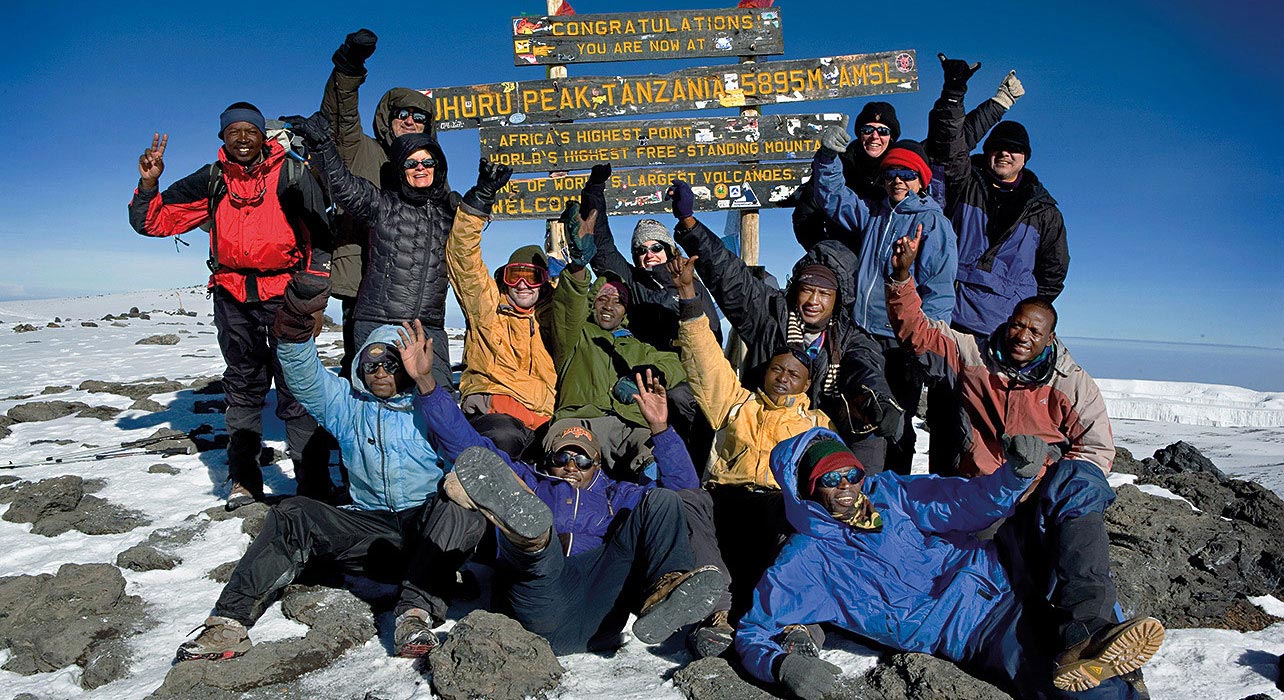
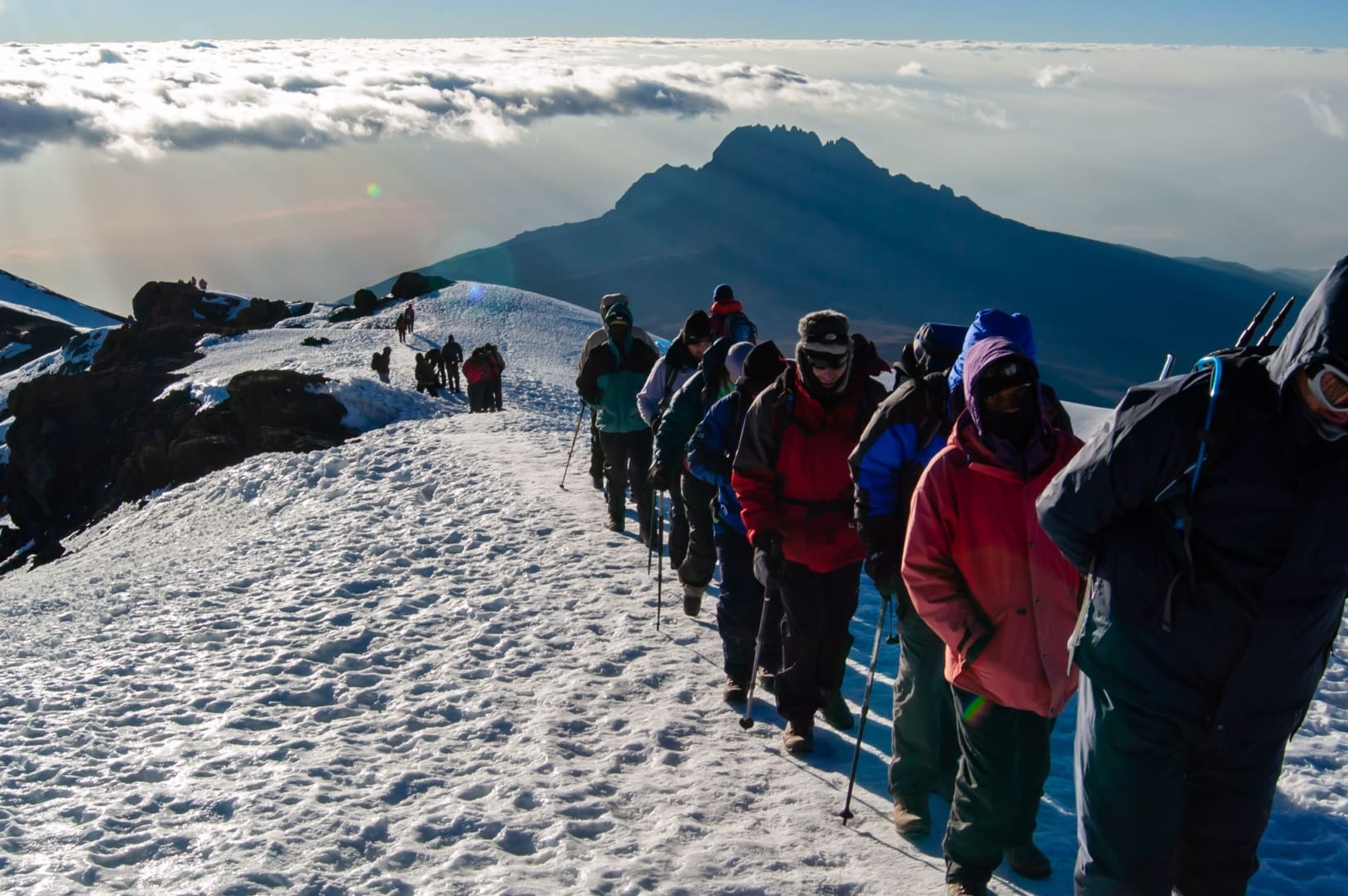
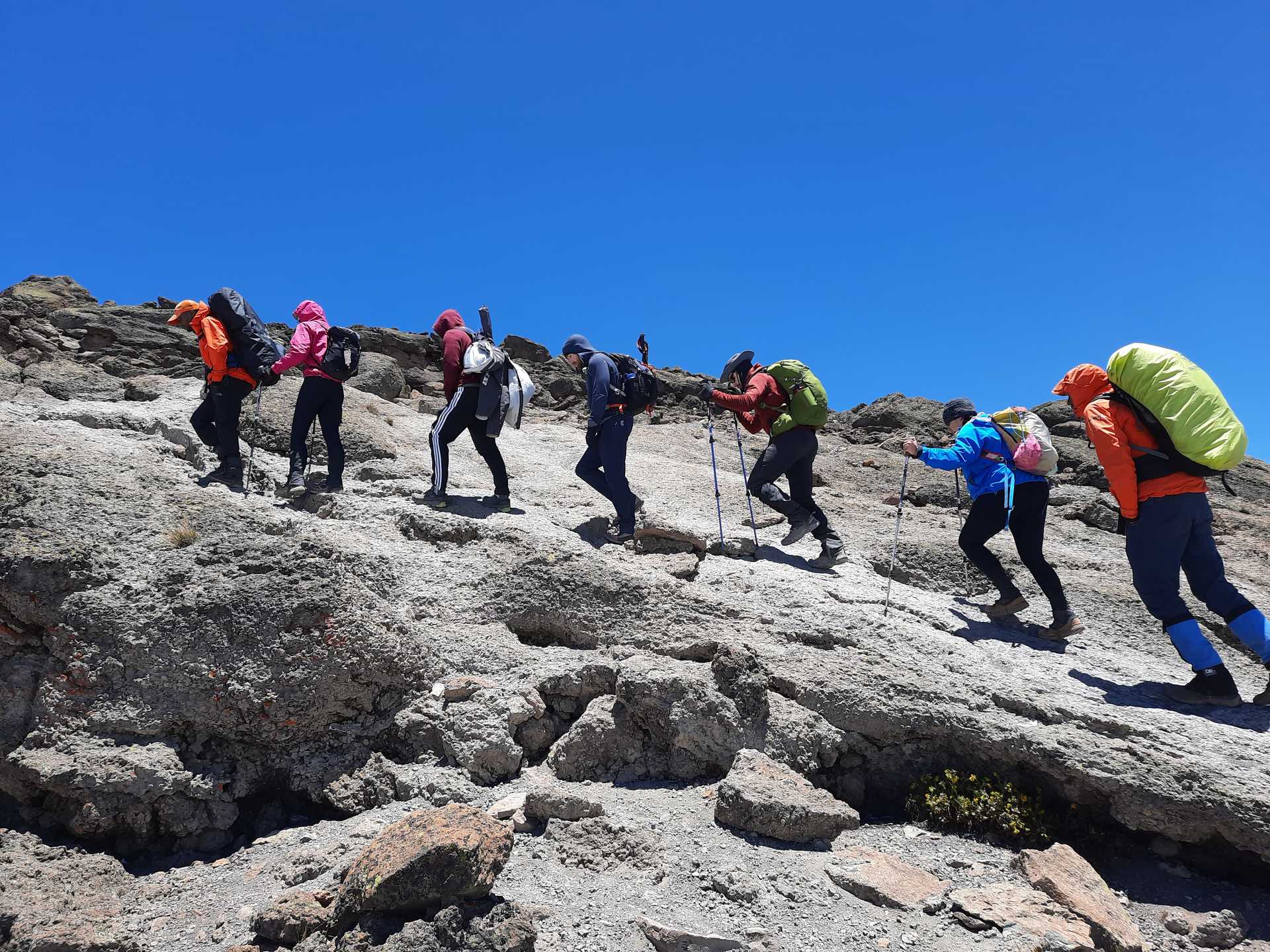
Climbing Kilimanjaro is not just a trek; it’s a transformative journey that draws people from around the globe. With an array of package options ranging from budget treks to luxury climbs, making the right choice can be overwhelming. Understanding the nuances can lead to a more fulfilling and safer adventure.
Historically, climbing Kilimanjaro has always been seen as a feat of endurance, and the right package can make or break your expedition. Different packages address various needs such as acclimatization, environmental impact, and support services. In fact, selecting a package that includes acclimatization days significantly increases your chances of reaching the summit, enhancing the overall experience.
Selecting the best
Kilimanjaro climbing package depends on factors like route preference, budget, and level of comfort. Assess options based on necessary inclusions such as acclimatization days, experienced guides, and quality equipment. A well-chosen package balances cost with personalized needs to enhance your overall climbing experience.

Kilimanjaro Climbing Packages: Choose the Best One
Choosing the best Kilimanjaro climbing package can be quite a task. Each package offers something different, from route choices to accommodation types. Some may focus on luxury, while others emphasize budget-friendly options. Understanding what each package includes helps in making an informed decision. This ensures you have the optimal experience based on your needs and preferences.
One key factor is the route to take, as Kilimanjaro has several. The Machame Route is popular for its scenic views. However, the Marangu Route offers more comfortable huts to sleep in. Other routes, like the Lemosho, provide a quieter experience, ideal for avoiding crowds. Each choice affects your climbing experience in unique ways.
It’s essential to examine what’s included in the package. Many packages offer guides, porters, and meals during the trek. Comparing them can reveal significant differences in overall value. Here’s a simple table to illustrate:
| Package | Guides | Meals | Accommodation |
|---|
| Standard | Local Guides | Basic Meals | Tents |
| Luxury | Experienced Guides | Gourmet Meals | Luxury Tents |
Before booking, assess your fitness level and climbing experience. It helps to train ahead of time to be prepared. Altitude is also a challenge on Kilimanjaro, so acclimatization days are crucial. Packages that include these are often recommended for higher chances of success. Ultimately, your choice should align with your expectations and capability for a memorable adventure.
10 Things I Wish I Knew BEFORE Climbing Mt Kilimanjaro! | Follow Alice | 4K
Factors to Consider When Selecting a Climbing Package
When choosing a climbing package for Kilimanjaro, the route is one of the primary considerations. Each route offers different levels of difficulty and scenery. Some are steeper and require more experience. Look into what each route offers in terms of views and acclimatization days. This will help ensure that you select a path that matches your abilities and expectations.
The cost of the package is another essential factor. Packages can vary widely in price depending on what’s included. Some packages offer only the basics, while others provide luxury accommodations and meals. It’s important to decide how much you’re willing to spend on extras. A higher price might offer a more comfortable experience.
Another factor to take into account is the experience level of the guides. Experienced guides are crucial for a safe and enjoyable climb. Confirm the guide’s success rate and qualifications. Here is a simple list to keep in mind while assessing guides:
- Number of climbs completed
- Certification and training
- Client reviews and feedback
Lastly, consider the group size included in the package. Smaller groups can offer more personalized attention and focus. Larger groups may provide a lively atmosphere but less individual support. Knowing your preference can influence the quality of your trek. Selecting the right group size can greatly affect your overall experience.
Varieties of Kilimanjaro Climbing Packages
Kilimanjaro climbing packages come in different varieties to suit various preferences and budgets. Some packages focus on providing a luxury experience with high-end accommodations and gourmet meals. These packages often include additional amenities such as hot showers and comfortable sleeping arrangements. On the other hand, budget packages provide the essentials needed for a successful climb without the extra frills. Each package is designed to cater to different financial capabilities while ensuring a memorable adventure.
One popular type of package is the group climb. Group climbs offer the opportunity to meet new people and share the journey with other climbers. These packages typically have set departure dates and include everything from guides to food. They usually cost less per person due to the shared resources. Travelers who enjoy camaraderie often find group climbs appealing.
Private climbs are another option for those who prefer a more personal experience. These packages allow you to set your pace and have a tailored itinerary. They are ideal for families, friends, or solo travelers who want flexibility. Private climbs usually come with higher costs but offer customized services. They provide a more intimate and focused trekking experience.
Some packages also emphasize environmental conservation, promoting responsible tourism. These eco-friendly packages ensure minimal impact on Kilimanjaro’s natural environment. They often include practices like waste management and the use of sustainable materials. As more travelers become environmentally conscious, the popularity of these packages increases. They help preserve the mountain for future adventurers.
Benefits of Opting for a Comprehensive Climbing Package
Opting for a comprehensive climbing package on Kilimanjaro brings numerous benefits. One of the primary advantages is the stress-free preparation. These packages often cover all logistics, including park fees, transportation, and accommodations. This coverage allows climbers to focus solely on the adventure ahead. It takes the guesswork out of planning, making the entire experience more enjoyable.
Comprehensive packages also offer professional guidance and support throughout the climb. Experienced guides are included, ensuring your safety and well-being. They provide valuable insights into the mountain’s terrain and weather conditions. This expertise helps you navigate difficult sections confidently. Having knowledgeable support can be a significant factor in reaching the summit.
Another benefit is the provision of essential gear and equipment. These packages usually include high-quality tents, sleeping bags, and cooking supplies. Access to top-notch gear can make a big difference in comfort and safety. It ensures that you are adequately prepared for the varying conditions on the mountain. The right equipment contributes to a successful climb.
A comprehensive package often includes acclimatization days, which are crucial for adjusting to high altitudes. Spending extra days on the mountain allows your body to get used to the lower oxygen levels. This approach reduces the risk of altitude sickness, increasing your chances of a successful summit attempt. Proper acclimatization makes the climb more manageable and enjoyable.
These packages usually offer better food options, catering to different dietary needs. Meals prepared by experienced cooks provide the necessary energy for the strenuous hike. Good nutrition plays a vital role in maintaining strength and morale. Enjoying delicious and nutritious meals can significantly enhance your overall experience. It adds to the sense of well-being and satisfaction on the climb.
Lastly, comprehensive packages often include emergency evacuation services. In case of unexpected health issues or injuries, these services can be life-saving. Knowing that you have this safety net offers peace of mind. It allows you to focus on the climb without unnecessary worries. Emergency services ensure your safety from start to finish.
Comparing Costs: Budget vs. Luxury Climbing Packages
When planning a Kilimanjaro climb, costs can vary greatly between budget and luxury packages. Budget packages typically include basic essentials like guides, porters, and standard accommodation in tents. They aim to make the climb accessible without extra comforts. Although budget options are more affordable, they often lack the added amenities found in luxury packages. Yet, they still provide a fulfilling experience for those who prioritize the journey over extras.
Luxury climbing packages, on the other hand, come with a higher price tag due to the added benefits they offer. These packages often include upgraded meals, private toilets, and spacious tents. Some even have mobile showers and personal chefs. Such amenities enhance the level of comfort during the climb. They cater to those who value both adventure and luxury.
Comparing the two types of packages involves looking at what’s included, besides just the basics. For better clarity, here is a simple table that highlights key differences:
| Feature | Budget Package | Luxury Package |
|---|
| Meals | Basic | Gourmet |
| Accommodation | Standard Tents | Spacious Tents with Mattresses |
| Amenities | Minimal | Private Toilets, Showers |
In deciding which package to choose, consider the value of comfort and convenience against cost. Everyone has unique preferences and financial considerations. Some climbers may prefer allocating funds for better equipment rather than luxury comforts. Others may prioritize comfort for a more pleasant experience. Balancing these factors helps in selecting the package that best suits your needs.
Ultimately, both budget and luxury packages enable climbers to reach Kilimanjaro’s summit. The choice depends largely on personal priorities and what kind of experience you wish to have. Whether on a tight budget or ready to splurge, there’s a package out there for you. Understanding what’s included in each package helps ensure your needs and expectations are met. This makes the adventure on Kilimanjaro both memorable and achievable.
Preparing for Your Climb: Tips and Advice
Proper preparation is crucial for a successful Kilimanjaro climb. Start by developing a regular fitness routine. Cardio exercises like running, swimming, or cycling can help build your endurance. Strength training, especially for your legs, is also important. This will ensure you’re physically ready for the trek.
Packing the right gear is another essential step. Invest in good quality hiking boots and break them in before the trip. Layered clothing is necessary to handle the temperature changes. Don’t forget essentials like a headlamp, gloves, and a waterproof jacket. A well-prepared pack can make the climb much more comfortable.
Nutrition and hydration play vital roles during the climb. Consume a diet rich in carbohydrates, proteins, and healthy fats to fuel your body. Always stay hydrated; drinking plenty of water helps prevent altitude sickness. Bring energy bars and snacks to keep your energy levels up. Proper nutrition supports your stamina and overall health.
Understanding altitude sickness and its symptoms is also critical. Symptoms can include headaches, dizziness, and nausea. Knowing the signs allows you to take action early. Here are some tips to mitigate altitude sickness:
- Ascend slowly
- Take regular breaks
- Stay hydrated
- Consider taking altitude sickness medication
Lastly, mental preparation is key for endurance climbs like Kilimanjaro. Visualize your journey and stay positive. A good attitude can make a significant difference in your experience. Keep reminding yourself of your capabilities and continue pushing forward. Mental resilience often determines success on challenging climbs.
Key Takeaways
- Check each package for what’s included before deciding.
- Consider the route difficulty and acclimatization days offered.
- The best package aligns with your budget and comfort level.
- An experienced guide enhances safety and success on the climb.
- Balancing cost and needs ensures a satisfying Kilimanjaro adventure.

7 days kilimanjaro climbing via lemosho route packages \u0026 price for 2024 \u0026 2025
In the heart of the African wilderness, there’s a secret allure to Tanzania’s remote safari camps that casts a spell beyond the typical tourist circuits. Envision a setting where herds of elephants lazily cross your path, largely undisturbed by onlookers. These sanctuaries offer an unparalleled connection to nature, far away from congested safari routes.
Remote safari camps in Tanzania have a storied history, tracing back to explorers who sought raw, unfiltered adventures. Today, only 12% of safari travelers opt for these secluded retreats, finding solace and authenticity amid nature’s grandeur. This approach protects wildlife habitats while promoting sustainable tourism, offering a harmonious blend of conservation and recreation.
Remote
Tanzania safari camps offer exclusive and intimate wildlife experiences away from the crowded tourist circuits. These camps provide personalized adventures, eco-friendly practices, and an immersive connection with nature, ensuring a serene environment where visitors can enjoy the natural beauty and diverse wildlife without interruptions.

Remote Tanzania Safari Camps: Escape the Crowds
Remote Tanzania safari camps offer a unique way to experience the African wilderness without the usual tourist congestion. Nestled in secluded areas, these camps provide intimate settings where you can enjoy the peace and beauty of nature. Imagine waking up to the sounds of birds and watching the sunrise over the savannah, all without another soul in sight. This solitude enhances the overall safari experience, making it more personal and memorable. Fewer travelers mean a lower impact on the environment too.
Visitors can expect a wide range of animals in these peaceful settings. You’ll likely see elephants, lions, and a variety of birds, sometimes right from your camp. Being farther from popular spots means the wildlife is less disturbed and more likely to show natural behaviors. Guides at these camps are often highly knowledgeable, providing an enriching educational experience. They can teach you how to track animals and understand their habits.
For those looking to avoid crowds while supporting sustainable tourism, remote Tanzania safari camps are a perfect choice. They often operate with eco-friendly practices, such as solar power and minimal waste. This not only helps preserve the environment but also gives a more authentic experience. The limited number of guests ensures each visitor receives personalized attention. This makes the journey special and more rewarding.
Planning a visit to these secluded camps requires some preparation. Here are some essentials to consider:
- Book in advance to secure a spot, as these camps have limited capacity.
- Pack light but include essentials like binoculars, a camera, and sunscreen.
- Be prepared for varying weather and bring appropriate clothing.
Following these guidelines will help make your remote Tanzania safari a smooth and enjoyable adventure.
The Allure of Remote Safari Camps in Tanzania
Remote safari camps in Tanzania provide a magical escape into the wild. These camps are hidden gems, offering a rare chance to see untouched landscapes and animals in their natural habitat. Unlike crowded tourist spots, these camps let you experience the true heart of Africa. The quiet surroundings make wildlife encounters more intimate. It’s a place where nature rules and time seems to slow down.
The unique experiences at these camps are unforgettable. Visitors can take guided walking tours, offering a different perspective compared to vehicle safaris. Stargazing here is a must, with the night sky dazzling with countless stars. Campfires under the stars become cozy gatherings, perfect for sharing stories. This atmosphere creates a special bond among guests.
Despite their remote locations, these safari camps offer surprising comfort. Tents are often equipped with plush beds and even en-suite bathrooms for a bit of luxury. The meals, often served alfresco, showcase local flavors with international twists. Staff at the camps are friendly and eager to help, ensuring a memorable stay. This mix of adventure and comfort makes the experience even more appealing.
Remote camps contribute to conservation efforts as well. They follow eco-friendly practices and support local communities. Lists of initiatives include:
- Using solar energy to power camps.
- Employing locals, which boosts the community.
- Offering educational sessions about wildlife protection.
Visitors leave with amazing memories and a better understanding of the importance of preserving these beautiful areas.
Personalized Experiences in Tanzania’s Exclusive Safari Camps
In Tanzania’s exclusive safari camps, a personal touch makes each trip unique. These camps cater to small groups, ensuring that each guest receives individual attention. Guides often learn about their guests’ interests, customizing activities to match their preferences. Whether you want to learn about local bird species or track big cats, the experience can be tailored to you. This focus on personalization enhances both enjoyment and learning.
Meal times at these camps are also special, often turning dining into an adventure. Guests can enjoy meals in a variety of stunning settings, ranging from dining under a baobab tree to picnicking by a river. Menus reflect local ingredients, prepared with international flair. Sharing meals in these unique settings fosters a sense of camaraderie. The blend of good food and stunning views is hard to beat.
A typical day might include purposeful activities designed just for you. Imagine exploring a remote corner of the savannah while guides point out hidden wildlife. These moments make each visit memorable. Even leisure time can be personalized, with activities like yoga sessions by a serene lake. The goal is to make each moment meaningful.
The staff at these camps go above and beyond to create a personal connection with the landscape and community.
- They share local stories and traditions during evening group discussions.
- Guests are encouraged to participate in cultural visits to nearby villages.
- These interactions offer a deeper understanding of Tanzanian life.
By the end of the visit, guests often feel a strong tie to the area and its people.
Wildlife Wonders: What to Expect in Remote Tanzania Safari
Remote Tanzania safaris present a remarkable chance to see diverse wildlife in their natural habitat. From the majestic elephant to the elusive leopard, the variety of animals will leave you in awe. These camps are often located in less traveled areas, so the wildlife is less disturbed. This makes for more authentic and frequent sightings. Moreover, birdwatchers will find paradise here, with numerous unique bird species to spot.
One key highlight is witnessing the Great Migration. This breathtaking event involves thousands of wildebeest and zebras traveling across the plains. It’s a spectacle that few places on earth can offer, drawing wildlife enthusiasts from around the globe. Remote camps provide excellent vantage points with fewer crowds. This ensures an intimate and awe-inspiring experience.
No safari is complete without a thrilling predator encounter. Expect to see lions lounging under trees, cheetahs sprinting in pursuit of prey, and perhaps even hyenas scavenging. Guides often know where to find these captivating creatures and can take you there safely. The thrill of spotting these predators in action is unmatched. It’s both exciting and educational.
In addition to predators, the array of herbivores is impressive. You’ll see giraffes grazing on tall trees, and hippos cooling off in waterholes. Animals such as buffalo, antelope, and warthogs add to the diverse landscape. The best part is observing their behavior in a natural setting. These moments provide great photo opportunities.
Night drives offer a completely different experience. As darkness falls, nocturnal animals like aardvarks, porcupines, and bush babies become active. Using spotlights, guides help you find these elusive creatures. The sounds of the night amplify the adventure, creating a mysterious atmosphere. Night drives are a unique feature of remote safaris.
Adding to the experience, here are essential items to pack for your safari:
- Comfortable, neutral-colored clothing to blend in with the environment.
- A good pair of binoculars to see distant animals clearly.
- A camera with extra memory cards to capture every moment.
Being well-prepared will ensure you make the most of the wildlife wonders.
The Role of Secluded Safaris in Sustainable Tourism
Secluded safaris play a significant role in promoting sustainable tourism in Tanzania. These camps are typically located in less-visited areas, helping to spread tourist traffic more evenly. This reduces the pressure on popular sites and minimizes environmental degradation. By limiting the number of visitors, these camps can better maintain the natural habitats. It ensures that wildlife remains undisturbed and can thrive.
Many remote safari camps adopt eco-friendly practices to reduce their impact on the environment. Using renewable energy sources like solar power is common. Camps also employ water-saving technologies and manage waste responsibly. These practices are crucial for preserving the pristine condition of the wilderness. It sets a high standard for responsible tourism.
Local communities benefit greatly from secluded safaris. Camps often employ residents, providing them with steady incomes and valuable job training. They may also invest in local infrastructure like schools and clinics. Visitors who participate in cultural experiences help fund these initiatives. This strengthens the relationship between tourism and community development.
There are several benefits to choosing a secluded safari for eco-conscious travelers:
- Smaller groups lead to less noise and disruption in the environment.
- More personalized and intimate wildlife viewing experiences.
- Opportunities to learn about and engage in conservation efforts.
These factors make secluded safaris an excellent choice for those looking to travel sustainably. Opting for such a safari means you contribute to the conservation of Tanzania’s magnificent landscapes. Responsible travel choices can have a lasting impact on the environment and local communities. This approach ensures that future generations can also enjoy these natural wonders.
Travel Tips for Planning Your Remote Tanzania Safari Adventure
Planning a remote Tanzania safari adventure requires careful preparation. First, research the best times to visit for optimal wildlife viewing. Tanzania’s dry season, from June to October, is ideal for seeing animals at watering holes. Consider hiring a reputable tour operator who specializes in remote safaris. Their expertise can enhance your experience and ensure your safety.
Traveling light is essential but don’t forget the necessities. Pack comfortable, neutral-colored clothing to blend in with the environment. A lightweight jacket is important for early mornings and evenings. Include a wide-brimmed hat, sunglasses, and sunscreen to protect against the sun. Binoculars and a good camera will help you capture memorable moments.
Health precautions are vital when traveling to remote areas. Make sure your vaccinations are up to date and bring necessary medications. Consult with your doctor about anti-malaria tablets, as the disease is present in Tanzania. Travel insurance is also a must-have for emergencies. Keeping a basic first-aid kit can be very helpful.
Here are some tips for a smooth and enjoyable safari:
- Stay hydrated by drinking plenty of bottled water.
- Respect wildlife by maintaining a safe distance.
- Listen to your guides—they know the terrain and animal behavior well.
Following these recommendations will help ensure a safe and memorable safari experience. Embrace the adventure with an open mind and enjoy the wonders of remote Tanzania.
Key Takeaways
- Remote Tanzania safari camps offer quiet, exclusive experiences in nature.
- Visitors enjoy personalized adventures away from the crowded tourist spots.
- The camps practice eco-friendly methods to protect the environment.
- Diverse wildlife can be seen up close, enhancing the safari experience.
- These safaris provide a peaceful escape into untouched landscapes.
Standing majestically at over 19,000 feet, Mount Kilimanjaro is as much a marvel as it is a challenge. This dormant stratovolcano draws thousands of climbers annually, all eager to summit Africa’s highest peak. Yet, not everyone is aware that only about half of them are successful, largely due to the lack of a comprehensive understanding of the climb.
Kilimanjaro climbing tours present a unique blend of adventure and heritage, enticing climbers beyond merely reaching the summit. Since the first recorded ascent in 1889, these tours have evolved, integrating local culture and wildlife experiences. With a 60% success rate when using professional guides, it’s crucial for climbers to tap into expert-led tours, optimizing their chances of witnessing the awe-inspiring sunrise from Uhuru Peak.
Kilimanjaro climbing tours offer a diverse range of routes, each tailored to different skill levels and preferences, such as the Marangu, Machame, and Lemosho paths. Essential preparations include physical fitness training and acquiring proper gear. Optimal climbing seasons are January to March and June to October for the best weather conditions.
Kilimanjaro Climbing Tours: A Comprehensive Guide
Mount Kilimanjaro, the highest peak in Africa, attracts climbers from around the world with its spectacular views and diverse ecosystems. Climbing Kilimanjaro is not just a test of physical endurance but also a spiritual journey, as it takes you through five distinct climate zones. Each route varies in difficulty, duration, and scenery, offering unique experiences for adventurers. The most popular routes include the Marangu, Machame, and Lemosho paths. Choosing the right route is crucial for maximising your enjoyment and safety.
Preparation is key to a successful Kilimanjaro climb. Physical fitness plays a significant role, with many experts recommending a mix of cardio, strength training, and hiking to build stamina. Acclimatization is another crucial factor to prevent altitude sickness. For your gear, it is essential to have proper clothing, sturdy boots, and reliable camping equipment. Here are some gear essentials you should consider taking:
- Layered clothing for varying temperatures
- Waterproof jacket and pants
- Insulated sleeping bag
- Sunscreen and sunglasses
- Trekking poles
Timing your climb is vital as weather conditions on Kilimanjaro can be unpredictable. The best months to climb typically fall between January to March and June to October. These periods offer stable weather, making your journey safer and more enjoyable. Keep in mind that the mountain can become crowded during peak seasons, so booking in advance is advisable. Knowledge of the weather patterns can greatly improve your climbing experience.
Health and safety are paramount when climbing Kilimanjaro. Adequate acclimatization helps reduce the risks of altitude sickness, which affects many climbers. Regular hydration, a balanced diet, and getting enough rest are crucial steps to ensure your well-being. Hiring experienced guides and porters can greatly enhance your safety and success rate. Information on emergency protocols and evacuation plans should be a part of your preparation.
10 Things I Wish I Knew BEFORE Climbing Mt Kilimanjaro! | Follow Alice | 4K
Understanding the Major Routes to Summit Kilimanjaro
There are several major routes to climb Mount Kilimanjaro, each offering distinct experiences. The Marangu Route is known for its hut accommodations, which provide more comfort compared to tents. It is often considered the easiest path, though it’s less scenic than others. The Machame Route, also known as the “Whiskey Route,” is famous for its stunning views and challenging trails. While it demands more physical effort, it rewards climbers with breathtaking scenery.
The Lemosho Route is another popular choice, starting on the western side of the mountain. It offers a longer trekking experience, allowing more time for acclimatization. This route is perfect for those who wish to increase their chances of reaching the summit successfully. The Rongai Route comes from the north and is generally quieter, making it ideal for trekkers seeking solitude. Its gentle gradient appeals to climbers looking for a less strenuous ascent.
For those seeking a less conventional path, the Northern Circuit Route offers the longest and most comprehensive journey. This route circles the mountain, providing 360-degree views of its stunning landscapes. It is praised for both its panoramic perspectives and fewer crowds. The Umbwe Route is the shortest and steepest, suitable for experienced trekkers who seek a challenge. It is often less crowded, offering an isolated experience.
The various routes cater to diverse trekking preferences and abilities. Here’s a quick comparison of major routes:
| Route | Duration (Days) | Difficulty |
|---|
| Marangu | 5-6 | Moderate |
| Machame | 6-7 | Challenging |
| Lemosho | 7-8 | Moderate |
| Rongai | 6-7 | Moderate |
| Northern Circuit | 9-10 | Moderate |
| Umbwe | 5-6 | Very Challenging |
Preparing for Your Climb: Fitness and Gear Essentials
Climbing Kilimanjaro is a test of both physical and mental endurance. To prepare, it’s essential to focus on your fitness. Cardiovascular exercises like running, cycling, and swimming will build stamina. Strength training is also vital, especially for your legs. Incorporate activities like hiking on varied terrains to simulate the climb.
Along with fitness, having the right gear is crucial for a successful climb. Proper clothing layers can help you adapt to the changing temperatures. A good-quality, waterproof jacket and pants are necessary. Sturdy hiking boots are also a must to navigate the rocky paths. Here’s a checklist of essential gear to consider:
- Base layers (thermal underwear and shirts)
- Insulated jacket
- Gloves and hat
- Sunglasses with UV protection
- Water bottles and purification tablets
Nutrition and hydration play a significant role in preparing for the climb. Maintaining a balanced diet that includes proteins, carbs, and healthy fats will fuel your body. Staying hydrated is equally important to prevent altitude sickness. On the mountain, consume energy snacks like nuts, fruits, and energy bars. These will keep your energy levels high during the trek.
Planning your ascent also includes understanding the logistics. Hiring a reputable trekking company can provide you with experienced guides and porters. They can assist with navigating the routes and setting up camps. Knowing the approximate costs and what’s included can help you budget better. Here’s a comparison table to help:
| Item | Estimated Cost ($) |
|---|
| Gear and Equipment | 500 – 1000 |
| Guide and Porter Fees | 1500 – 2500 |
| Park Fees | 800 – 1000 |
| Travel Insurance | 100 – 200 |
Best Time to Climb Kilimanjaro: Weather Considerations
Climbing Mount Kilimanjaro is all about choosing the right time, as the weather can greatly affect your experience. Kilimanjaro has two main climbing seasons. The most popular seasons are from January to March and June to October. During these times, the weather is more stable, with clearer skies and less rainfall. These conditions make it easier and safer for climbers.
Between January and March, the mountain sees mild temperatures and fewer crowds. This period is perfect for climbers who prefer a quieter trail. The scenery is lush, as the short rains end in December, leaving behind vibrant landscapes. Temperatures can drop significantly at higher altitudes, so warm gear is essential. These months offer a unique chance to enjoy the snow-capped peak.
From June to October, Kilimanjaro offers a different allure. This is the dry season, making the path less muddy and easier to navigate. It’s also a busy season as many climbers take advantage of their summer breaks. Wildlife is more visible during this time, adding to the adventure. However, it’s crucial to book in advance due to the increased popularity.
The months of April, May, and November are generally avoided by climbers. These are the rainy seasons, which can make trails slippery and limit visibility. The mountain experiences more clouds, obscuring the stunning views. Although challenging, some trekkers opt for this time for a more solitary experience. Here’s a quick guide to Kilimanjaro’s weather by month:
| Month | Weather | Climbing Conditions |
|---|
| January – March | Mild, some snow | Fewer crowds |
| April – May | Rainy | Challenging, wet |
| June – October | Dry | Best conditions |
| November | Short rains | Slippery trails |
| December | Transition | Variable |
Choosing when to climb Kilimanjaro largely depends on personal preferences. Whether you desire solitude, perfect weather, or lush landscapes, understanding the seasonal changes will help you decide. Always consider the impact of crowds, your tolerance for the cold, and how you handle wet conditions. Deciding the best time is essential for making your Kilimanjaro adventure unforgettable. Proper planning will enhance your climbing experience.
Health and Safety on the Mountain
Climbing Mount Kilimanjaro requires careful attention to health and safety. Altitude sickness is a common concern as you ascend the mountain. Symptoms may include headaches, nausea, and difficulty breathing. To minimize risks, climbers should spend adequate time acclimatizing. Opting for longer routes can help your body adjust more gradually.
Staying hydrated is crucial to combating altitude sickness. Drinking ample water helps your body adjust to higher elevations. It’s beneficial to drink small amounts frequently rather than large quantities at once. Using water purification tablets can ensure you have safe drinking water. Keeping energy levels up with high-calorie snacks is also important.
Weather conditions on Kilimanjaro can change rapidly, affecting your safety. Dressing in layers allows you to adapt to sudden temperature changes. Carrying weather-appropriate gear ensures you’re prepared for wind, rain, or snow. A good quality sleeping bag is essential for warmth during cold nights. Here are some key safety gear essentials:
- Warm hat and gloves
- Waterproof backpack cover
- First aid kit
- Headlamp with extra batteries
- Sunscreen and lip balm
Choosing an experienced guide and team can significantly increase your safety on the climb. Guides are trained to recognize and address altitude sickness and other health issues. They also play a crucial role in maintaining a steady pace on the trail. Listening to their advice can enhance your overall experience. Prioritizing safety leads to a more enjoyable journey.
Being prepared and informed about the mountain’s challenges helps ensure a safe climb. Understanding potential risks and taking preventive measures can make the adventure memorable. Always pack essential supplies and gear to navigate unexpected scenarios. This preparation helps climbers focus on enjoying the breathtaking views. Health and safety are key to reaching the summit successfully.
Cultural Insights and Local Experiences around Kilimanjaro
The area surrounding Mount Kilimanjaro is rich with cultural diversity and history. The mountain itself is in Tanzania, a country known for its vibrant ethnic groups. The Chagga people, who live on the slopes of Kilimanjaro, have a deep connection to the land. They have adapted to the mountain’s terrain with terrace farming techniques. Visiting a Chagga village offers a glimpse into their traditional way of life.
Local markets near Kilimanjaro are bustling hubs of activity. Here, you can explore a variety of goods, from handmade crafts to fresh produce. These markets are a perfect place to interact with locals and learn about their daily lives. Sampling local foods like ugali and nyama choma offers a taste of Tanzanian cuisine. This allows travelers to engage with the culture on a deeper level.
The region boasts a strong tradition of storytelling and music. Traditional songs and dances are a vital part of cultural festivals and ceremonies. Attending these events provides insight into the community’s values and beliefs. Many travelers find these experiences both educational and entertaining. They leave with a greater appreciation for the world’s diverse cultures.
There are several places to visit around Kilimanjaro that highlight the area’s history and environment. The Kilimanjaro National Park is not only a climbing destination but also a UNESCO World Heritage site. The park contains diverse wildlife like elephants and leopards, perfect for safari adventures. Additionally, tours to local coffee farms showcase another crucial aspect of the region’s economy. These experiences provide a broader understanding of life around Kilimanjaro.
Exploring the cultural and local aspects around Kilimanjaro enriches the overall climbing experience. Travelers have the opportunity to engage directly with communities and environments unique to Tanzania. Through tours, food, and interactions, climbers gain more than just a physical achievement. This cultural immersion adds a valuable dimension to the adventure, leaving lasting memories. It’s a journey through both nature and humanity.
Key Takeaways
- There are various routes to climb Kilimanjaro, like Marangu and Machame.
- Preparing with fitness training and the right gear is essential for success.
- The best times to climb are January-March and June-October.
- Acclimatizing properly helps reduce the risk of altitude sickness.
- Experiencing local culture adds value to the Kilimanjaro climbing adventure.

Climbing Kilimanjaro | 9 THINGS You Need To Know
Few adventurers in Tanzania ever set foot on the isolated paths winding through the rolling hills and untouched forests of its lesser-known reserves. These hidden corners teem with life, offering a safari experience that is both intimate and exhilarating. Would the world of Tanzanian wildlife be as enchanting without the secret trails that each tell a story of ancient lands and diverse species?
The Selous Game Reserve, covering more than 30,000 square miles, represents the untapped potential of Tanzania’s wild frontier. Established in the early 20th century, it harbors some of Africa’s rarest wildlife, ensuring a glimpse into a bygone era of natural splendor. Engagement with such secluded arenas means travelers can connect deeply with the landscape, promising not just observations but unforgettable connections.
Exploring the hidden gems of Tanzania’s off-the-beaten-path safaris reveals unique adventures in remote parks like Selous Game Reserve, Ruaha National Park, and Udzungwa Mountains. These areas offer intimate wildlife experiences, untouched landscapes, and cultural encounters with local communities, providing a serene and enriching alternative to more popular safari destinations.
Off-the-Beaten-Path Tanzania Safari: Hidden Gems to Explore
For those seeking adventure beyond the usual safari routes, Tanzania offers untamed landscapes and hidden gems. The remote regions of Nyerere National Park, for instance, are a haven for rare wildlife sightings. Not many tourists venture here, ensuring a peaceful, intimate experience with nature. The park also boasts unspoiled rivers and secluded areas perfect for explorations. Imagine discovering wild plains just like the early explorers did.
Another intriguing destination is the Ruaha National Park, the largest in Tanzania, known for its vast, unvisited wilderness. The park’s diverse habitats offer an impressive range of wildlife, from elephants to wild dogs. Bird enthusiasts will find over 570 species, making it a birdwatcher’s paradise. The remote location ensures fewer tourists, enhancing the sense of seclusion. Ruaha’s pristine environment promises a memorable safari experience.
Engaging with local communities during these safaris provides cultural insights that add depth to the adventure. Villages around these parks often participate in conservation efforts, sharing knowledge about local flora and fauna. Meeting the villagers can also offer a chance to learn traditional crafts or taste authentic Tanzanian cuisine. These interactions support sustainable tourism, benefiting both visitors and locals. It’s a way to give back while enjoying the journey.
Sustainable tourism plays a crucial role in maintaining the beauty and biodiversity of these hidden gems. Responsible travel practices ensure that the pristine landscapes remain unspoiled for future generations. This includes respecting wildlife, minimizing waste, and supporting local conservation projects. Travelers can contribute by choosing eco-friendly lodges and participating in guided tours led by local experts. Together, we can help protect Tanzania’s remarkable natural heritage.
Exploring Lesser-Known Tanzanian Wildlife Reserves
Delving into Tanzania’s lesser-known wildlife reserves can reveal unique experiences away from crowded tourist spots. One such gem is the Udzungwa Mountains National Park, often called the “Galapagos of Africa.” This park is famous for its diverse ecosystems, including rainforests and grassy plateaus. Visitors can hike to hidden waterfalls and observe endemic species like the Udzungwa red colobus monkey.
The Kitulo National Park, nicknamed the “Serengeti of Flowers,” is another unique reserve worth exploring. During the rainy season, the landscape bursts into a vibrant sea of wildflowers. This botanical marvel is home to rare orchids and impressive birdlife. Unlike typical safari parks, Kitulo is a haven for botanists and birdwatchers. The park’s high altitudes offer stunning views and a cooler climate.
For those interested in both wildlife and history, the Saadani National Park combines coastal beauty with rich cultural heritage. It’s the only park where the beach meets the bush, creating a unique ecosystem. Alongside elephants and lions, visitors might spot dolphins and sea turtles. Historical sites within the park tell stories of ancient trade routes and Swahili culture. This blend makes Saadani an intriguing destination.
Engagement with local communities enhances the exploration of these hidden reserves. Many villages around these parks offer eco-friendly tourism experiences. Tourists can participate in cultural tours, including traditional dance performances and local cuisine tastings. These interactions support sustainable tourism and provide income for the local population. In this way, travelers can leave a positive impact while enjoying their adventure.
The Diverse Wildlife in Tanzania’s Secluded Arenas
Tanzania’s secluded wildlife arenas are rich in unique animal species rarely seen by the average tourist. In the Mahale Mountains National Park, chimpanzees thrive in their natural habitat, swinging from trees and displaying fascinating behaviors. This park is a paradise for primate lovers and researchers alike. Observing these primates in the wild offers insights into their complex social structures. Treks through the lush forests provide unforgettable encounters.
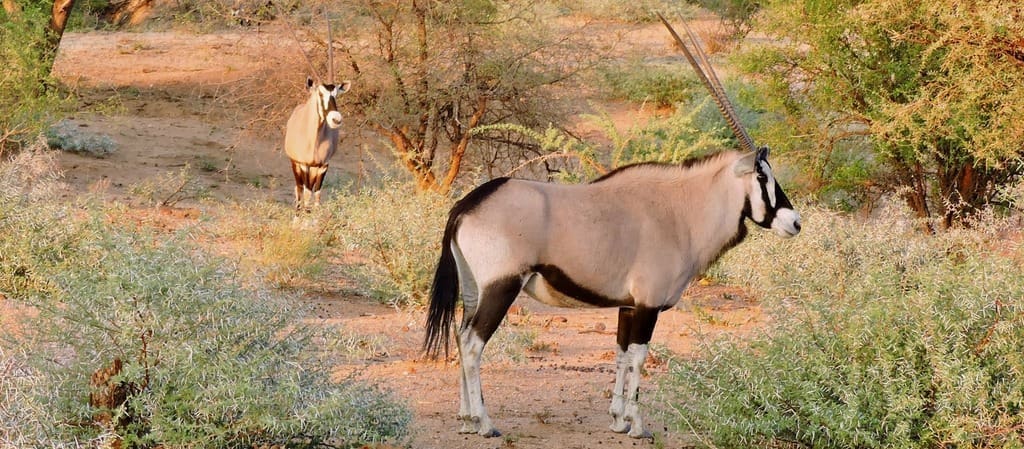
Tarangire National Park, though less visited, offers spectacular wildlife diversity, especially during the dry season. The park teems with elephants, which gather in large groups around watering holes. Visitors can also spot rare antelopes such as the oryx and gerenuk. Bird watchers will be thrilled by the more than 550 bird species. The contrast of the animals against the scenic baobab trees is truly breathtaking.
Moving to the north, the remote Lake Natron area provides a unique setting for one of nature’s wonders. This alkaline lake hosts millions of flamingos, their pink feathers reflecting in the shimmering waters. The area is also home to zebras, wildebeest, and small desert animals. The stunning landscape around the lake adds to the allure. Visiting during the breeding season can be especially rewarding.
The wildlife in these secluded areas is often best experienced with the help of knowledgeable guides. They can identify hidden creatures and share detailed information about the ecosystem. Tours led by local experts are invaluable for learning more about these off-the-beaten-path destinations. Investing in guided safaris supports local economies. It also fosters a deeper appreciation of Tanzania’s diverse wildlife.
Experiencing the Untouched Wilderness of Selous Game Reserve
The Selous Game Reserve, located in southern Tanzania, is one of Africa’s greatest wilderness areas. It spans over 30,000 square miles, offering a haven for a variety of wildlife. This reserve is less frequented by tourists, making it ideal for a serene safari experience. Visitors can witness large herds of elephants and an abundance of hippos. The feeling of solitude in such a vast, wild area is unparalleled.
Boat safaris along the Rufiji River are a highlight in Selous. These trips provide a unique perspective on the reserve’s aquatic life. Crocodiles bask on the riverbanks while colorful birds soar above. The tranquility of gliding along the waterways is both relaxing and thrilling. A boat safari is perfect for spotting riverine animals up close.
Walking safaris in Selous allow visitors to connect intimately with the environment. Guided by knowledgeable rangers, guests can explore the bush on foot. This type of safari emphasizes the smaller details of the ecosystem, like tracks and insects. Feeling the crunch of grass underfoot and hearing the sounds of the wild create a vivid, immersive experience. It’s an opportunity to appreciate the reserve’s rich biodiversity from ground level.
To maximize the experience, many lodges and camps in Selous offer comfortable accommodations and local cuisine. Staying in eco-friendly lodges enhances the trip’s authenticity. These lodges often use sustainable practices to minimize their environmental impact. Visitors can unwind after a day of exploration in a peaceful setting. Enjoying traditional Tanzanian dishes adds a delightful cultural touch to the adventure.
Supporting conservation efforts is another important aspect of visiting Selous. Tourism helps fund vital projects that protect the reserve’s wildlife and habitats. Travelers can contribute by choosing eco-tourism options and participating in conservation programs. Engaging with local communities also supports the regional economy. Together, these actions ensure the preservation of this unique wilderness for future generations.
Cultural Insights: Interacting with Local Communities During Safari
Connecting with local communities offers rich cultural insights during a Tanzania safari. Visitors can learn directly from indigenous groups, such as the Maasai, about their traditional ways of life. These interactions often include cultural tours that highlight local customs and daily activities. Visitors can participate in beadwork, a traditional craft of the Maasai. Such experiences offer a deeper understanding of the region’s cultural heritage.
Engagements with local villagers also present opportunities to sample authentic Tanzanian cuisine. Meals might include dishes like ugali, a staple made from cornmeal, paired with succulent stews. Food is a delightful entry point into the culture, as each dish tells a story of the land and its people. Sharing a meal with locals fosters a sense of connection and mutual respect. Many visitors find this aspect of their safari particularly memorable.
Markets in these communities offer an array of handicrafts and artworks for visitors to explore. These markets are vibrant places where culture and commerce intersect. Visitors can purchase hand-carved items, colorful fabrics, or traditional jewelry. Buying these products supports local artists and contributes to the community’s economy. It’s a wonderful way to bring home a piece of Tanzania while supporting sustainable tourism.
Interacting meaningfully with local communities requires sensitivity and respect for their traditions. It’s essential to approach these encounters with an open mind and a willingness to listen. Respect local customs, ask questions, and show genuine interest in their stories. This respectful approach enriches the safari experience and fosters goodwill. In turn, locals share their world, adding invaluable depth to your adventure.
Many safari providers integrate community interactions as part of their offerings. This ensures travelers have structured opportunities to engage with locals. Guides help facilitate these connections, often adding context and translation. Such programs help bridge cultural gaps and enhance mutual understanding. Participating in these experiences adds a new, enriching dimension to any safari trip.
The Role of Sustainable Tourism in Conservation Efforts
Sustainable tourism plays a vital role in protecting the natural environments of Tanzania. By focusing on eco-friendly practices, both travelers and communities help preserve delicate ecosystems. This includes using resources wisely and minimizing waste, ensuring pristine landscapes remain unspoiled. Tours that emphasize conservation educate visitors about the importance of the environment. This approach fosters a sense of responsibility among tourists to act as stewards of the earth.
The benefits of sustainable tourism extend beyond nature conservation. Local communities often gain economic advantages from tourism when it’s done responsibly. Eco-tourism initiatives provide jobs in areas like guiding, lodging, and crafting. This income supports local families and encourages the development of community projects. As a result, these communities view wildlife conservation as a shared, valuable goal.
Tour operators contribute significantly by implementing eco-friendly practices in their operations. They might use solar-powered facilities or offer eco-lodges with low environmental impact. By reducing their carbon footprint, these operators set an example for sustainable business practices. Their efforts help mitigate tourism’s impact on the planet. Using eco-friendly methods attracts tourists who prioritize sustainability in their travels.
Education is a powerful tool in sustainable tourism’s efforts. Programs that teach both locals and visitors about environmental conservation have a lasting impact. Workshops and guided tours often highlight how to protect local flora and fauna. Informed travelers are more likely to respect the environment and advocate for its protection. Thus, education becomes a pivotal factor in promoting long-term conservation efforts.
Innovative conservation projects often find support through sustainable tourism funding. Many such projects aim to restore habitats and protect endangered species. When tourists participate in conservation activities, like tree planting or wildlife monitoring, they contribute directly to these initiatives. This hands-on experience deepens their connection to the environment. Ultimately, sustainable tourism becomes an integral part of preserving Tanzania’s natural beauty.
Key Takeaways
- Tanzania’s hidden safaris offer unique, remote wildlife adventures.
- Discover serene landscapes in lesser-known parks like Ruaha and Selous.
- Enjoy intimate encounters with diverse animal species away from crowds.
- Cultural interactions with local communities enrich the safari experience.
- Sustainable tourism helps protect these untouched natural wonders.
Dancing has been dubbed the language of the soul, and Tulia Traditional Dance Festival is a living embodiment of that. This vibrant festival, celebrated by thousands annually, brings together passionate performers and captivated audiences. It’s a colorful showcase of choreography and cultural heritage, deeply rooted in tradition.
Originating centuries ago, the Tulia Festival highlights the essence of cultural preservation. It boasts over 100 unique dance styles, each narrating stories of the past and present. Statistically, the festival attracts over 50,000 visitors each year, underlining its significance in the cultural calendar.
The Tulia Traditional Dance Festival celebrates cultural heritage with vibrant performances that showcase diverse dance styles. Drawing on centuries-old traditions, it serves as a living history lesson and fosters community unity. The festival not only entertains but educates, playing a key role in preserving and promoting local culture.

Tulia Traditional Dance Festival: Dance and Tradition
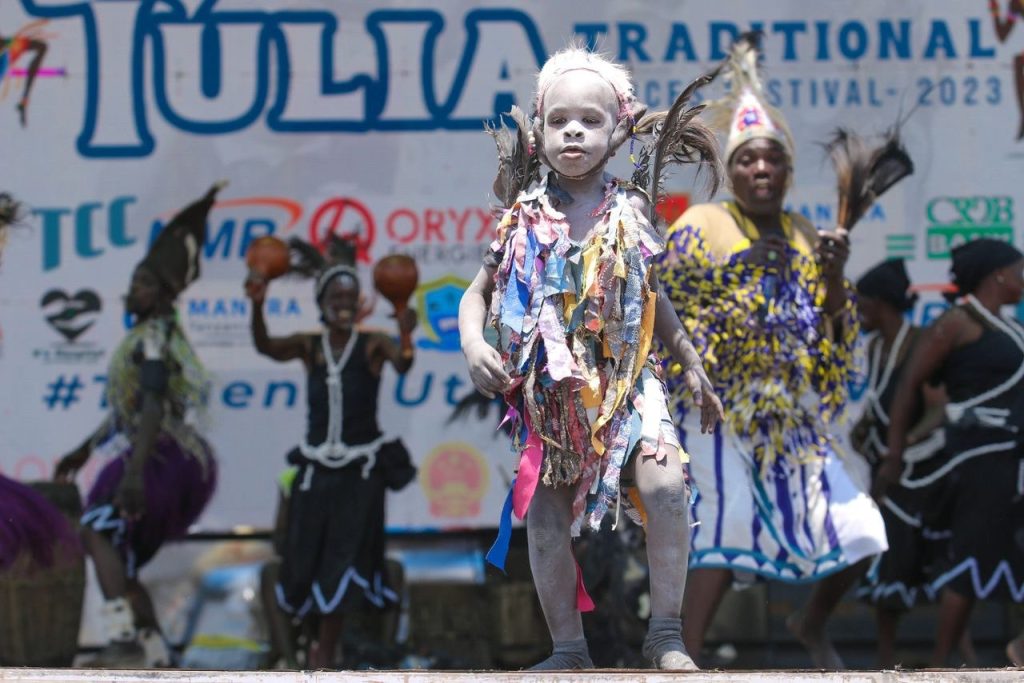
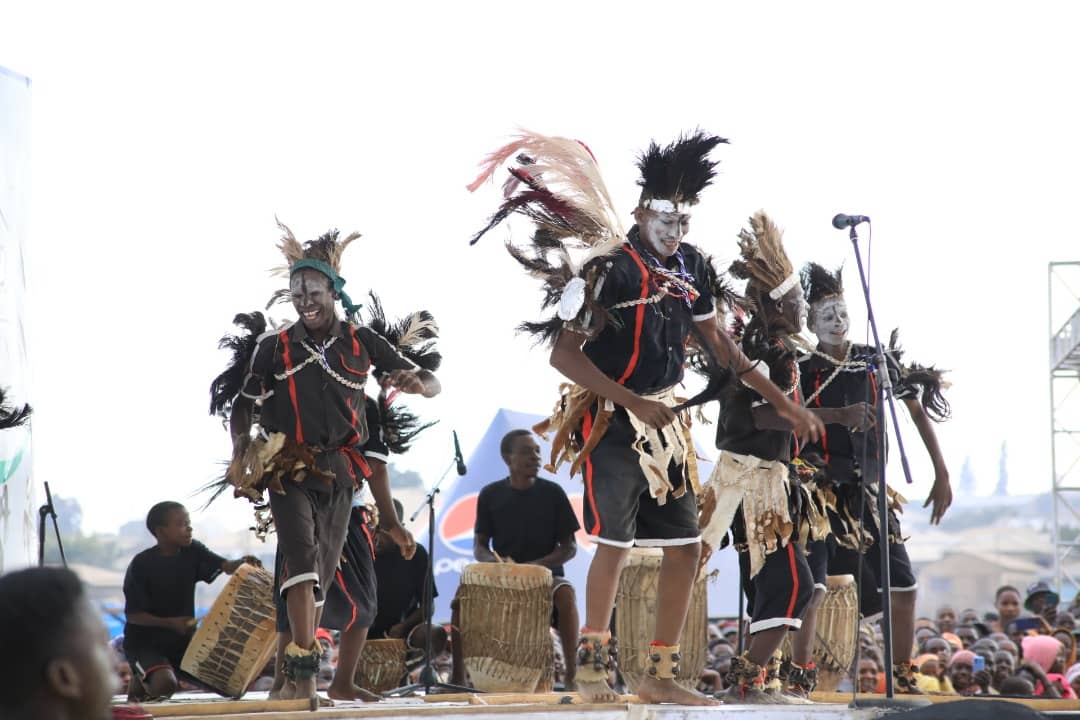
The Tulia Traditional Dance Festival is a vibrant celebration that brings people together through dance and culture. This annual event showcases various styles of traditional dances that reflect the area’s rich heritage. Dancers dressed in colorful costumes perform routines that have been passed down through generations. According to the article, these performances aren’t just entertaining, but they also educate the audience about the history and traditions of the community. This knowledge helps keep cultural stories alive for future generations.
At the heart of the festival is the idea of community and connection. People from all over visit to witness the cultural displays, fostering a sense of unity. The organizers focus on including diverse dance forms to ensure everyone can find something that resonates with them. Through music and movement, attendees experience a shared sense of joy and remembrance. Here is the post that highlights how these gatherings often lead to friendships and cultural exchanges.
The economic impact of the Tulia Traditional Dance Festival is significant for the local community. The influx of visitors boosts local businesses, as people shop at local stores and dine at family-owned restaurants. Hotel bookings increase, providing more jobs for local residents. Leisure activities like guided tours also see more participation. Therefore, the festival not only celebrates tradition but also helps in economic growth.
A highlight of the festival is the variety of dance styles presented, each with its unique flair. Styles range from energetic group performances to intricate solo dances. Every performance is a masterpiece demonstrating different skills and storytelling techniques. Traditional instruments accompany these dances, adding depth and authenticity. The festival’s diverse program appeals to both young and old, offering something for everyone.
TANGAZO LA TULIA TRADITIONAL DANCES FESTIVAL 2021
Exploring the Rich History and Roots of the Festival
The Tulia Traditional Dance Festival is deeply rooted in the history of the community it celebrates. Originating hundreds of years ago, the festival started as a small gathering during harvest time. Villagers would meet to dance and sing in gratitude for a bountiful crop. Over the years, this simple gathering evolved into a grand celebration attracting dancers from different regions. Today, it stands as a symbol of unity and cultural pride for those involved.
Traditions are passed down from one generation to the next, and the festival serves as a living history lesson. Older community members share stories and teach dances that are unique to their culture. Young participants learn not only steps, but also the meanings behind each dance. According to the article, these traditions help preserve the identity of the community and connect people with their past. The festival is an opportunity for the young to connect with their roots.
One of the remarkable aspects of the festival is the variety of dances that have been part of its history. Different styles have been developed over time to reflect different stories. Some dances depict tales of ancient warriors, while others celebrate love and nature. Each performance is a chance to learn something new about the area’s history. This diversity in storytelling keeps audiences engaged and helps preserve many facets of cultural heritage.
The festival’s growth has also been influenced by adapting to change while staying true to its origins. Modern elements, such as contemporary music, have been integrated to appeal to broader audiences. However, the essence of tradition remains strong. Local schools and community groups often get involved by adding their unique perspectives. This blend of old and new enriches the experience for everyone, ensuring the festival will continue to thrive for years to come.
Cultural Significance of Dance in the Festival
Dance at the Tulia Traditional Dance Festival plays a crucial role in preserving the culture of the community. Each dance tells a story, offering insights into the lives and beliefs of the people. By participating in these dances, individuals connect with their heritage and share it with others. This exchange of cultural values strengthens community bonds. Moreover, it provides a platform for showcasing diverse traditions.
The festival’s dances are more than just performances; they are learning experiences. Attendees get to witness various dance styles, each representing different cultural backgrounds. This diversity educates people about the world around them. It also fosters mutual respect and understanding. Through dance, individuals from different walks of life find common ground.
According to experts, dance is a universal language that transcends words. It expresses emotions and ideas that might be hard to articulate otherwise. For many participants, dancing in the festival is a way to convey their cultural identity. This unique form of expression allows them to feel a sense of pride and belonging. The vibrant displays of movement captivate audiences and leave lasting impressions.
The impact of the festival extends beyond cultural preservation. It encourages the younger generation to participate and continue these traditions. Local schools often include traditional dance in their curriculum, nurturing future talents. As more young people get involved, there is a greater chance of sustaining cultural heritage. Thus, the festival not only celebrates history but also shapes the future.
The Impact of Tulia Traditional Dance Festival on Local Tourism
The Tulia Traditional Dance Festival has become a significant boost for local tourism, drawing visitors from far and wide. Every year, the festival attracts thousands of tourists eager to experience the vibrant culture. This influx of visitors translates to increased revenue for local businesses. Hotels are fully booked, and local restaurants enjoy a surge in customers. Shops and markets also see heightened activity, benefiting from this annual event.
The festival not only highlights the rich cultural heritage of Tulia but also promotes other attractions in the area. Tourists often extend their stay to explore nearby landmarks and natural sites. As they travel to these spots, they contribute further to the local economy. Tour operators and transportation services experience increased demand. This ripple effect ensures that multiple sectors of the local economy thrive.
There are several activities connected to the festival that engage tourists. Guided tours offer visitors an overview of Tulia’s history and cultural significance. These tours include stops at cultural landmarks and workshops where tourists can participate in traditional crafts. Visitors can also enjoy local cuisine during food festivals. Such experiences provide a comprehensive look at what Tulia has to offer.
Local events like the festival foster a sense of pride and belonging among residents. Seeing their community celebrated on a large scale encourages them to participate actively in the festival’s success. This community involvement enhances the festival’s appeal to outsiders. Volunteers help with event management, creating an inviting atmosphere for tourists. This collaboration promotes a lasting positive image of Tulia.
The continual growth of the festival suggests a promising future for local tourism. Planning committees work hard each year to innovate and improve the event. Their efforts ensure that the festival remains a must-visit attraction. Continued investment in infrastructure and promotion will likely enhance Tulia’s reputation as a cultural tourism hotspot. The festival’s success showcases the power of tradition in driving modern economic development.

Frequently Asked Questions
The Tulia Traditional Dance Festival is a vibrant event that celebrates rich cultural traditions through dance. Here are some common questions about the significance and organization of this unique festival.
1. What makes the Tulia Traditional Dance Festival unique?
The Tulia Festival stands out for its diverse dance styles that are rich in tradition. Each performance tells a different cultural story, captivating audiences with its visual and emotional depth. The use of traditional costumes and music enhances the authenticity of the performances. This blend of elements makes the festival a captivating experience for everyone who attends.
Additionally, the festival serves as a gathering spot for people to share cultural traditions and stories. It acts as a time capsule, preserving customs that have been passed down through generations. The inclusive nature of the festival allows people from different backgrounds to participate and enjoy. This ensures that the festival remains a cherished event for all involved.
2. How does the festival impact the local community?
The Tulia Traditional Dance Festival brings numerous economic benefits to the local community. It attracts visitors from far and wide, boosting local business revenues. Hotels, restaurants, and shops see increased activity during the festival period. The event also generates jobs for local residents, further contributing to economic growth.
Beyond economic impacts, the festival fosters a sense of community pride and unity. Local residents come together to organize and participate in the event, strengthening community ties. This collaborative spirit reflects the collective identity of the community and ensures future generations will continue to celebrate their unique heritage.
3. What kind of dances can one expect to see at the festival?
At the Tulia Festival, one can expect to see a wide range of traditional dances. From high-energy group performances to intimate solo acts, the diversity is impressive. Each dance has its unique flavor, often telling stories of the past. These performances serve not only to entertain but also to educate attendees about different cultures.
The festival provides a platform for dancers to showcase intricate choreography and storytelling skills. Traditional instruments often accompany these performances, adding a layer of richness. The variety ensures that there is something for everyone to appreciate, making the festival a multifaceted cultural experience.
4. How can visitors participate in the festival?
Visitors to the Tulia Festival have plenty of opportunities to actively engage with the event. Guided tours of cultural landmarks and workshops are available, offering hands-on experiences. Tourists can learn to dance or participate in crafting sessions that emphasize traditional skills. These activities provide an enriching addition to watching the performances.
Beyond these experiences, attendees can indulge in local cuisine, further immersing themselves in the community’s culture. Food stalls and markets offer unique flavors and dining experiences. Engaging with local artisans and chefs allows visitors to better understand the cultural context. This makes their festival experience all the more memorable.
5. Why is it important to preserve traditional festivals like Tulia?
Preserving traditional festivals like Tulia is crucial for maintaining cultural diversity and heritage. These events serve as a living record of customs, beliefs, and stories that are integral to community identity. They offer a sense of continuity in a rapidly changing world. Keeping these traditions alive helps foster respect and understanding among people from different backgrounds.
Moreover, festivals like Tulia provide educational opportunities for younger generations. Engaging with traditional dances and stories can inspire them to take an active role in their cultural heritage. Festivals are not merely about celebration; they are about passing on wisdom and creating a sense of belonging. Such events are essential for enriching the community and ensuring its resilience.
🔴MBEYA: TULIA TRADITIONAL DANCE FESTIVAL 2024
Concluding Thoughts on the Tulia Traditional Dance Festival
The Tulia Traditional Dance Festival is not just an event but a celebration of cultural richness and diversity. It serves as a vital bridge connecting past traditions with future generations. The festival’s vibrant atmosphere draws people from all walks of life, fostering unity and understanding. As such, it continues to be a beacon of cultural pride and community spirit.
Through its unique blend of dance, music, and tradition, the festival significantly impacts both cultural heritage and local tourism. It boosts the local economy while preserving a rich cultural legacy. The continued support and enthusiasm surrounding the festival suggest a bright future. The festival remains a pivotal event that captures the essence of cultural celebration.