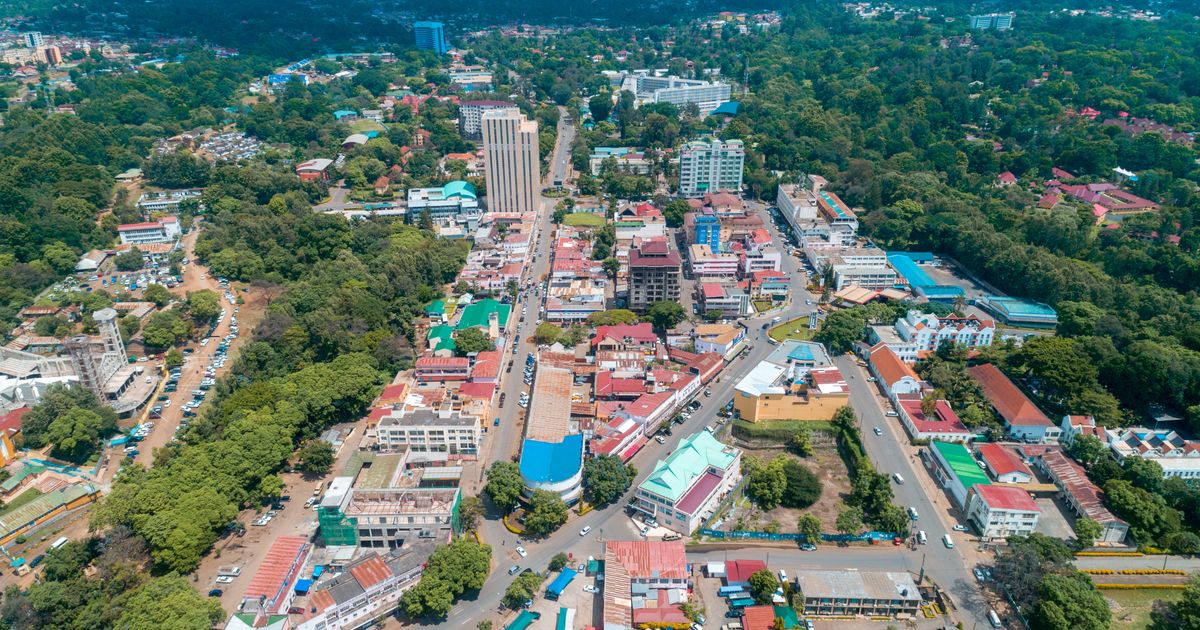
In Arusha, a city nestled at the foot of Mount Meru, uncovering the best routes to traverse its vibrant streets is as captivating as the city itself. Picture this: a local dala-dala expertly maneuvering its way through bustling marketplaces. Exploring Arusha is an adventure where the journey becomes an integral part of the destination.
To navigate Arusha effectively, understanding its diverse transport options is key. The city’s extensive network of mini-buses, known as Dala-Dalas, provides an economical and authentic Tanzanian experience. For those seeking a more personalized ride, taxis are plentiful and offer negotiated rates, reflecting Arusha’s history as a crossroads of trade and exploration.

Exploring Diverse Transport Options in Arusha
Arusha offers a vibrant mix of transport options suitable for every traveler’s needs. Dala-dalas, the popular minibuses, are often packed but provide a glimpse into local life. They’re an affordable choice, allowing extensive exploration of the city. Additionally, dala-dalas run on various routes, connecting the main parts of the city. It’s a fun and budget-friendly way to see Arusha.
Taxis are another convenient option for getting around. They are widely available and can be hired for short or long distances. Unlike dala-dalas, taxis offer more comfort and privacy. Prices can be negotiated, so it’s wise to agree on a fare before starting the journey. This makes taxis perfect for those desiring flexible comfort.
Boda bodas, or motorcycle taxis, offer a speedy option to bypass traffic jams. They are especially useful during peak hours when roads get congested. For adventurous travelers, this mode is both exhilarating and efficient. Riders need to wear helmets for safety; most boda boda drivers carry an extra one. This service is budget-friendly and offers an exciting ride around Arusha.
Car hire services provide yet another travel method for those wishing to explore at their own pace. Several rental companies operate throughout Arusha, offering a wide range of vehicles. This option allows freedom and flexibility to visit distant sights. However, it’s important to familiarize oneself with local driving rules and road conditions. Exploring with a rented car can offer a unique perspective on Arusha’s diverse landscape.
Navigating with Dala-Dalas
Dala-dalas are a popular way to get around Arusha, offering a unique and authentic experience. These minibuses are often bustling, filled with daily commuters and travelers alike. They provide an affordable and efficient mode of transport for short distances within the city. With predetermined routes, dala-dalas make multiple stops, picking up and dropping off passengers along the way. This system ensures that almost every part of the city is accessible.
Using dala-dalas is easy once you get the hang of it. Routes are typically named after the area they serve, so knowing your destination is helpful. Conductors, often found at the door, call out destinations, making it easy for new riders to catch the right one. Pay as you board, usually with small bills or coins to speed up transactions. The fares are low, making this an economical choice for budget travelers.
Timing can be unpredictable, as dala-dalas wait until they are almost full before departing. During peak hours, this means quicker departures, while off-peak times might require some patience. The best part about using dala-dalas is the chance to immerse in the city’s daily vibe. Listening to the lively chatter and music along the ride adds to the cultural experience. Keep an eye out for your stop, as they can come up quickly amidst the bustling city streets.
For safety, it’s good to stay aware of your belongings since the vehicles can become crowded. Most drivers and conductors are friendly and more than willing to help. They assist in ensuring you get off at the correct stop. Embrace the hustle and bustle, as it promises to deliver both an adventure and a glimpse into the everyday lives of Arusha’s residents. Traveling by dala-dala is not just a ride; it’s a memorable part of your journey.
Understanding Rates and Routes for Taxis in Arusha
Taxis in Arusha offer a flexible and comfortable way to move around the city. Unlike the busier dala-dalas, taxis provide a private mode of transportation. They’re available throughout the city and can be hailed from the street or booked through various taxi services. It’s essential to agree on the fare before the ride begins to avoid misunderstandings. This fare often depends on the distance and time of day.
Taxi fares in Arusha are generally reasonable but can vary. Most drivers are open to negotiations, so it’s beneficial to have an idea of the common rates to ensure a fair deal. The base fare typically starts at around TZS 5,000 for short trips within the city. For trips to the outskirts or nearby landmarks, the fare might be higher. Always carry small bills for easier transactions.
The routes for taxis are quite flexible compared to public transport. They can take you directly to your destination, including places not accessible by buses or minibuses. This flexibility is particularly useful for reaching hotels, restaurants, and tourist sites. Taxis can also be hired for longer trips, such as to national parks or neighboring towns, offering a door-to-door service.
Using taxis reduces travel stress, especially if it’s your first time in Arusha. Most drivers are knowledgeable about the city’s layout and can provide information on the best routes and current road conditions. Some taxis are even equipped with GPS, ensuring a smooth and efficient ride. Always look for officially licensed taxis for safety, typically marked with distinctive colors or signs. This ensures a secure and comfortable travel experience in the city.
Tips for Getting Around Arusha Efficiently
Timing is crucial when getting around Arusha efficiently. During peak hours, roads can be congested, so plan your trips accordingly. Early morning and late afternoon are typically the busiest times. Opt for midday travel if possible to avoid the rush. This will help you save time and enjoy a smoother journey.
Understanding the local transport options can make your travel experience more seamless. Dala-dalas are great for short distances and give you a taste of local life. Taxis, on the other hand, provide comfort and direct routes. For those needing speed, consider hopping on a boda boda. Each mode offers its own set of advantages depending on your needs.
Always carry small bills and coins for easier transactions. This is especially important when using dala-dalas and boda bodas. Drivers may not have change for large notes. Small bills speed up the payment process and ensure a hassle-free ride. It’s a small step but makes a big difference in your experience.
For longer trips, renting a car can offer you the most flexibility. Several companies in Arusha provide rental services with a range of vehicle options. This is ideal for exploring areas outside the city at your own pace. Ensure you’re familiar with driving rules and road conditions. Renting a car can give you the freedom to discover less-traveled paths.
Keep an eye on your belongings, especially in crowded areas. Pickpocketing can be a concern in busy spots like markets and bus stations. Being vigilant can help you avoid unwanted surprises. Use crossbody bags or backpacks that are hard to access. Staying alert ensures a safer journey through the city.
Key Takeaways
- Travel early or midday to dodge the Arusha rush hour crowds.
- Dala-dalas offer an affordable, authentic glimpse into local life.
- Taxis provide comfort and direct routes for easy city navigation.
- Boda bodas are super quick, especially during bustling peak hours.
- Always carry small bills; they make payments speedy and simple!
Conclusion
Understanding the diverse transport options in Arusha can enhance your travel experience significantly. By choosing the right mode of transport, you can navigate the city more efficiently and enjoy local life. Being prepared with small bills and knowledge of peak hours further streamlines your journey.
Exploring Arusha with taxis, dala-dalas, and boda bodas offers unique insights and convenience. These tips and strategies ensure that you get the most out of your visit. Embrace the vibrant transport scene and make the most of your time in this lively city.
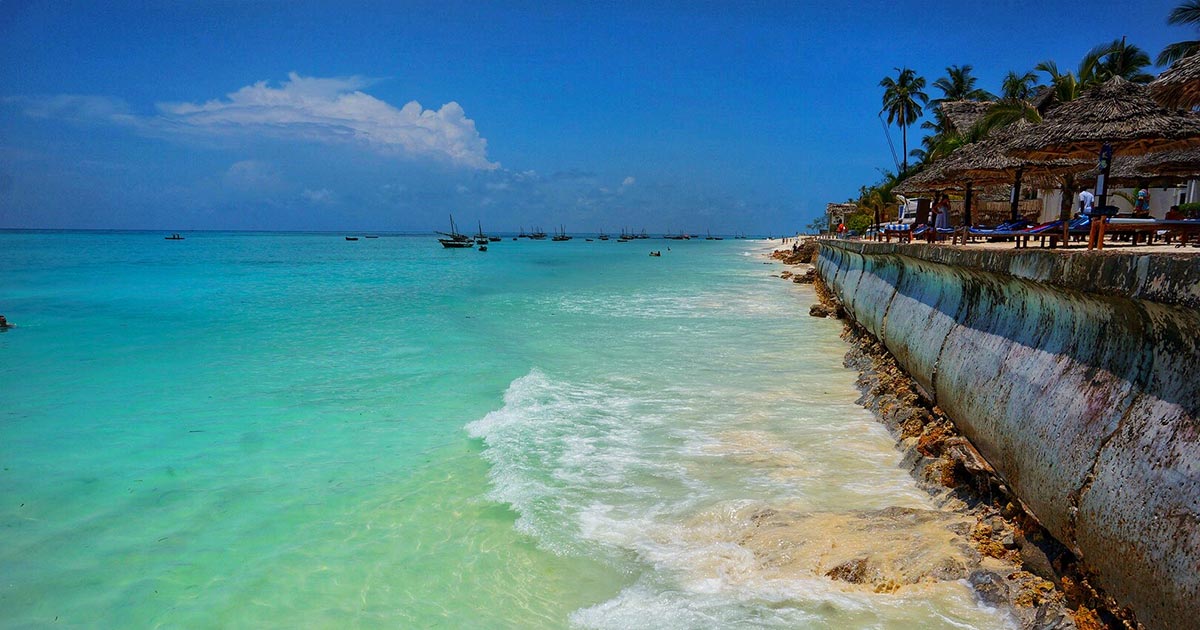
The azure waters of Nungwi Beach, kissing the white sands of Zanzibar, are often lauded as a slice of paradise on earth. While most might think of tropical destinations in the Caribbean or the Maldives, Nungwi Beach stands out for its unspoiled beauty and vibrant underwater life. As an expert, one can’t overlook its significance in attracting adventurers and relaxation seekers alike.
Located at the northern tip of Unguja, Zanzibar’s main island, Nungwi Beach was a quiet fishing village that rapidly transformed into a coveted destination. Its history entwined with the Dhow-building industry, it now garners attention with tourism statistics revealing a significant influx annually. Known for its stunning sunsets, Nungwi also hosts a thriving local culture, interwoven with influences from Arab and Persian traders. This fusion enriches the experience of visitors, making it more than just a beach escape.
Nungwi Beach, located at Zanzibar’s northern tip, is celebrated for its pristine white sands and azure waters. This picturesque beach offers exceptional diving spots and vibrant marine life. Its blend of natural beauty and cultural richness attracts tourists worldwide, making it a quintessential destination for those seeking tranquility and adventure.
 Source: nomadandinlove.com
Nungwi Beach: Unveiling the Jewel of Zanzibar
Nungwi Beach is a stunning gem located at the northern tip of Zanzibar. It is famous for its crystal-clear waters and soft, white sand. Visitors often find themselves mesmerized by the breathtaking sunsets that color the sky in vibrant hues. Whether you’re swimming, snorkeling, or simply relaxing, Nungwi offers a perfect escape. Its beauty makes it a must-see destination for travelers.
The transformation of Nungwi from a quiet fishing village to a bustling tourist spot is fascinating. This beach was once known primarily for dhow-building. Over the years, it has evolved into a hub of activity, attracting visitors from around the globe. Changes in infrastructure and accommodations reflect its growing popularity. Yet, Nungwi still retains its authentic charm.
A visit to Nungwi Beach means exploring rich biodiversity both above and below the water. The coral reefs nearby are teeming with marine life, offering fantastic spots for snorkeling. On land, you might find local wildlife and unique plant species. The area also features vibrant markets where visitors can enjoy local crafts and traditional foods. This blend of nature and culture enriches the experience for everyone.
Nungwi isn’t just about nature; its cultural scene is lively and diverse. Visitors can engage in traditional music and dance. There are cultural tours that highlight the history and traditions of the local people. If you love learning about different ways of life, Nungwi provides countless opportunities. Engaging with the community helps deepen the connection to this beautiful place.
ZANZIBAR, TANZANIA: Guide to PARADISE! The MOST Beautiful Beaches in Africa!
The History and Transformation of Nungwi Beach
Once a quaint fishing village, Nungwi Beach has seen tremendous change over the years. Initially, its economy revolved around fishing and dhow-making. People from the community crafted these traditional boats skillfully. Back then, few tourists visited, keeping Nungwi a hidden gem on Zanzibar’s northern coast. This small village lived quietly, known mainly by locals.
In recent decades, however, Nungwi began to attract more visitors. The allure of white sandy beaches and clear waters caught the attention of travelers. Local businesses and accommodations started to spring up to cater to tourists. This shift brought economic growth and new opportunities for the villagers. Farming and fishing combined with hospitality became the main sources of income.
Today, Nungwi Beach hosts a blend of traditional and modern influences. Visitors can still witness the art of dhow-making if they explore the village. Meanwhile, luxury resorts and charming guesthouses offer more options for travelers. Despite these developments, Nungwi manages to preserve its unique identity. The blend of past and present makes it an exciting place to visit.
Tourism has played a significant role in the transformation of Nungwi Beach. According to this expert opinion, increased exposure has helped the village gain international recognition. This has not only boosted local hospitality businesses but has also enriched cultural interactions. More visitors lead to more cultural exchanges and shared experiences. Together, these elements weave Nungwi’s fascinating narrative.
Exploring the Natural Beauty and Biodiversity of Nungwi Beach
Nungwi Beach is a true haven for nature enthusiasts and adventure seekers alike. Its crystal-clear waters are teeming with life, making it a fantastic spot for snorkeling. Beneath the waves, vibrant coral reefs house numerous fish species. Visitors often spot stunning creatures like parrotfish and butterflyfish in the clear blue sea. Moving closer to the shore, the beach itself is framed by lush palm trees swaying in the gentle breeze.
A stroll along Nungwi Beach reveals a diverse array of plant and animal life. The coastal ecosystem supports various bird species that flit around, adding to the beach’s charm. Additionally, the tidal pools formed during low tide are small worlds of their own. Tiny crabs and starfish make appearances, delighting those taking a closer look. Even a short walk is filled with surprises.
Marine conservation efforts play a crucial role in preserving Nungwi’s biodiversity. Several local initiatives focus on protecting the fragile coral reefs and supporting sustainable practices. These efforts ensure that future generations can enjoy the same natural beauty. Visitors are encouraged to respect the environment and participate in eco-friendly activities. Responsible tourism helps maintain the beach’s pristine condition.
For a complete experience, venturing into the nearby waters is a must. Various water sports and activities provide opportunities to explore further. Options include kayaking and paddleboarding, allowing you to see the beach from a different perspective. Guided tours offer insights into the local marine life and conservation efforts. It’s a perfect blend of fun and learning.
Cultural Influences and Local Life in Nungwi
Nungwi Beach is not only a place of natural beauty but also a hub of rich cultural experiences. The local community is a vibrant mix of traditions influenced by African, Arab, and Indian cultures. As you walk through the village, you can hear Swahili being spoken and see traditional dress worn proudly by the locals. This cultural fusion is evident in the music, dance, and crafts that abound in the region. Visitors often find themselves captivated by the rhythmic beats and colorful displays.
The village life in Nungwi revolves around the sea, with fishing being a central activity. Many local families rely on their daily catch for both food and income. Visitors can observe fishermen bringing in their haul at dawn, sharing a piece of their world. Marketplaces bustling with activity sell fresh seafood and produce. This glimpse into everyday life offers an authentic experience.
The art of dhow-building is a significant cultural craft in Nungwi. Skilled craftsmen continue this tradition, building boats that are both functional and beautiful. Watching the intricate process is a unique opportunity to learn about local craftsmanship. These boats are not only practical for fishing but also have become a symbol of the village’s heritage. This tradition is passed down through generations, preserving its importance.
Community events and celebrations play a major role in Nungwi life. Festivals showcase traditional dances, music, and culinary delights. At these gatherings, the community and visitors mingle to celebrate culture shared joyfully. Engaging in these festivities offers a deeper understanding of Nungwi’s identity. It is an inclusive experience that warms the heart.
Tourists often find hospitality to be a highlight of their stay. The people of Nungwi are known for their friendly and welcoming nature. Sharing meals and stories with locals can lead to memorable connections. This openness enhances the travel experience, making Nungwi feel like a second home. Visitors frequently return for the warmth and smiles that leave a lasting impression.
Activities and Attractions around Nungwi Beach
Nungwi Beach offers a wide range of activities that cater to every type of traveler. For those who love the water, snorkeling and diving are top choices. The coral reefs here are home to colorful fish and marine life. Diving schools provide lessons, ensuring even beginners can explore safely. The underwater world is vivid and full of surprises.
For those who prefer staying above water, various sports are available. You can enjoy kayaking or paddleboarding along the serene coastline. There are also boat tours that take visitors to explore nearby islands. Each adventure brings its own unique views and experiences. These outings are perfect for capturing memorable moments on camera.
On land, Nungwi offers activities that highlight both relaxation and exploration. The local turtle sanctuary is a must-see for animal enthusiasts. It’s dedicated to the conservation of these gentle creatures and offers educational tours. Walking through Nungwi village allows you to explore shops and markets filled with local crafts. This gives insight into the artisan skills of the region.
Cultural attractions also abound in Nungwi. Regular festivals and cultural nights offer vibrant displays of music and dance. Visitors can immerse themselves in traditional Swahili culture. Such events are prime opportunities to enjoy local delicacies. Participating in cultural activities enriches the travel experience.
With so much to see and do, planning your visit around Nungwi Beach can be exciting. From water sports to cultural festivities, there’s something for everyone. Exploring the area allows for experiencing both adventure and serenity. This blend makes Nungwi Beach a versatile destination. Visitors leave with countless stories and cherished memories.
Travel and Accommodation Tips for Nungwi Beach
When planning a trip to Nungwi Beach, choosing the right time is key. The best months to visit are between June and October. During these months, the weather is dry, and the temperatures are pleasant. It’s ideal for outdoor activities and beach relaxation. Avoiding the rainy season ensures a smoother travel experience.
Accommodation options in Nungwi are diverse, catering to various budgets and preferences. Luxury resorts offer top-notch amenities and stunning ocean views. There are also mid-range hotels that provide comfort without breaking the bank. For budget travelers, backpackers’ hostels and guesthouses are available. Booking in advance can help secure better deals and preferred spots.
Transportation around Nungwi is straightforward. Renting a bike is popular for short distances and provides flexibility. Taxis and private transfers are readily available for longer trips. If you enjoy local experiences, the public minibuses, known as “dala dalas,” are budget-friendly. Exploring Nungwi via these means offers both adventure and a closer look at local life.
Packing wisely is crucial for a smooth trip to Nungwi Beach. Lightweight clothing, sunscreen, and a hat are essentials for the sunny weather. Bringing snorkeling gear can be handy if you plan to explore underwater. Don’t forget a good camera or smartphone for capturing the breathtaking scenery. Comfortable footwear is also recommended for beach walks and village explorations.
Staying connected is important, and many accommodations offer Wi-Fi services. However, buying a local SIM card ensures you have internet access on the go. Additionally, respecting local customs and etiquette enhances your travel experience. A friendly smile and basic Swahili phrases can go a long way. With these tips in mind, your Nungwi Beach adventure awaits!
Key Takeaways
- Nungwi Beach is famous for its stunning white sands and clear waters.
- Diving enthusiasts love the vibrant marine life found in Nungwi’s waters.
- Tourists enjoy a mix of relaxation and adventure at this beach destination.
- Cultural richness adds to Nungwi Beach’s allure and visitor experience.
- A perfect spot for tranquility, offering nature’s beauty and calmness.
 Source: wanderwiles.com
The Best Beach in Africa / Travel Vlog / Best Beaches in the World / Nungwi beach in Zanzibar island
- The best time to visit the Maasai and Hadzabe tribes is during the dry season.
- From June to October and late December to March, the weather is ideal for travel.
- This period offers pleasant temperatures, minimal rainfall, and excellent opportunities for cultural immersion.

Best Time of Year to Visit the Maasai and Hadzabe Tribes
The best time to visit the Maasai and Hadzabe tribes is during the dry season. This period typically falls between June and October and again from late December to March. The weather is less humid, making travel more comfortable. Hiking and outdoor activities are also more enjoyable without the frequent rain that occurs in other months. According to this post, these months also offer better conditions for wildlife viewing.
Visiting during the dry season allows for smoother transport and access to rural areas. Rainy seasons can cause muddy and impassable roads which may disrupt plans. You’ll also have the chance to see annual migrations that occur during these months. This can add an extra layer of cultural and natural richness to your trip. Here is the article that highlights why safaris during these periods are highly recommended according to the article.
There are special events hosted by the tribes throughout the year. However, the dry season optimizes the viewing of traditional ceremonies and village activities. It’s easier to plan around these events with the availability of reliable transportation. You can also engage in immersive experiences without the hassle of unpredictable weather.
If you prefer a quieter visit, consider traveling during the off-peak months outside of the major tourism seasons. These quieter times allow for more intimate interactions with tribe members. You can observe daily life without the crowd. This provides a more personal and authentic experience. The off-peak times are typically around April and May or November.
1. Optimal Season for Cultural Immersion
The optimal season for cultural immersion with the Maasai and Hadzabe tribes is the dry season. The Maasai host vibrant ceremonies during this period. The Hadzabe also enjoy clear weather for their traditional hunting practices. You’ll find the tribes’ daily life easier to observe and engage in. From June to October is especially rich with cultural activities.
During this time, transportation is generally more reliable. This allows you to reach remote villages without the hassle of heavy rains. Tribal events are unimpeded by weather, making for better photographs and deeper experiences. You can witness dances, rituals, and community gatherings. These events foster an authentic connection with the tribes.
The dry season also means more opportunities for outdoor adventures. Activities like trekking and wildlife safaris complement your cultural visit. The landscape is beautiful and diverse, adding to the immersive experience. You’ll enjoy participating in tribal routines without weather-related distractions. This leads to a fuller appreciation of their unique lifestyles.
To make the most of your visit, plan ahead. Align your travel with scheduled festivals and important tribal events. By doing this, you can dive deep into their rich cultural tapestry. Engage with local guides who know the best experiences. This preparation ensures a meaningful and memorable journey.
2. Weather Considerations for Travel Plans
Weather plays a crucial role in planning your visit to the Maasai and Hadzabe tribes. The dry season, from June to October and December to March, is ideal for travel. During these months, the weather is usually warm and pleasant, making outdoor activities more enjoyable. Rainfall is minimal, ensuring better road conditions and accessibility. It’s also a good time for wildlife viewing and hiking.
Conversely, the rainy seasons from April to May and November can be challenging. Heavy rains can make roads muddy and difficult to traverse. This might hinder your ability to reach remote tribal areas. Wet conditions can also disrupt planned activities and ceremonies. It’s important to consider these factors when scheduling your trip.
If you plan to visit during the rainy season, be prepared for unpredictable weather. Pack appropriate gear such as waterproof clothing and shoes. Be flexible with your itinerary as some activities may need to be rescheduled. It’s always wise to have alternative plans. This ensures you can still maximize your experience despite the weather.
Another aspect to consider is the impact of weather on health. Mosquitoes are more prevalent during the rainy season, increasing the risk of malaria. Packing insect repellent and taking necessary precautions is advised. Ensure you stay hydrated and protect yourself from the sun. Balancing these considerations will lead to a safer and more comfortable trip.
3. Tour Availability and Scheduling with Sia Yangu Safari
When planning your visit to the Maasai and Hadzabe tribes, Sia Yangu Safari offers a variety of tours. They ensure you can find one that fits your schedule and preferences. Tours are available throughout the year, with each season offering unique experiences. The dry season tours are often more popular due to favorable weather conditions. Booking in advance is recommended to secure your preferred dates.
Sia Yangu Safari provides flexible scheduling options. This helps accommodate your travel plans. They offer both group and private tours depending on your preference. Customizable itineraries are also available. This allows you to tailor your visit based on specific activities and interests. The staff is knowledgeable and eager to help plan the perfect trip.
To enhance your experience, Sia Yangu Safari includes visits to key tribal locations. You’ll get to explore traditional Maasai villages and Hadzabe communities. Each tour is designed to maximize cultural immersion. Learning from tribe members and engaging in authentic activities is a priority. Here is the article describing these immersive tours in detail according to the article.
During peak travel times, tours might fill up quickly. Planning ahead ensures you don’t miss must-see events. Sia Yangu Safari offers online booking services. These make securing your spot simple and efficient. Additionally, you can find deals and discounts on certain tours. Checking their website regularly can provide timely opportunities.
Special seasonal tours are also available. These highlight particular cultural events and ceremonies. You can plan your visit to coincide with significant tribal festivities. These periods offer deep insights into Maasai and Hadzabe traditions. Witnessing these seasonal highlights adds depth to your journey.
Travelers can also opt for themed tours. These include wildlife safaris combined with cultural visits. Such tours enrich your experience by blending nature and culture. Guides ensure a seamless integration of activities. This approach makes your adventure more comprehensive and memorable.
4. Special Events and Ceremonies in Tribal Calendars
The Maasai and Hadzabe tribes celebrate a variety of special events and ceremonies. These include initiation rituals, harvest festivals, and communal gatherings. Such events provide a unique glimpse into their cultural heritage. Timing your visit to coincide with these festivities can be highly rewarding. It allows for deeper immersion into tribal life.
Among the Maasai, the Eunoto ceremony is a significant event. It’s a rite of passage for young warriors transitioning to elder status. This ceremony involves dances, songs, and symbolic activities. It’s usually held during the dry season. Witnessing Eunoto adds profound cultural understanding.
The Hadzabe tribe hosts hunting celebrations, marking successful excursions. These events showcase traditional skills and communal spirit. Archery competitions and storytelling sessions are part of the festivities. Such celebrations embody the Hadzabe’s close relationship with nature. They occur sporadically throughout the year.
Planning around these ceremonies ensures a richer experience. Consulting tribal calendars can help schedule your visit. Engaging with local guides is beneficial. They offer insights into the timing and significance of events. This way, you won’t miss key ceremonies during your stay.
Another notable Maasai event is the Olpul ritual. This celebration involves the consumption of a specially prepared bull. It’s a communal activity that strengthens social bonds. Held usually in the dry months, Olpul emphasizes unity and tradition. Experiencing it offers a unique cultural connection.
Seasonal dances and songs are also prominent. Both tribes use these during different times of the year. These performances reflect the tribes’ spirits and histories. Attending such events enriches your understanding of their customs. Being part of these activities deepens your cultural immersion.
5. Off-Peak Periods for More Personalized Experiences
Traveling during off-peak periods can provide a more personalized experience with the Maasai and Hadzabe tribes. These times are generally quieter, allowing for deeper interactions. The off-peak periods typically fall in April and May or November. These months see fewer tourists, making your visit more intimate. You can engage in meaningful conversations and activities without the rush.
During these quieter times, tribes are more accessible. You have the chance to observe daily routines closely. The Maasai and Hadzabe members may be more available for personal storytelling sessions. This includes sharing their histories and traditions. Off-peak visits often lead to more thoughtful, unique experiences.
Additionally, cultural events and ceremonies are less crowded. You can witness these events in a more relaxed setting. The fewer tourists, the more authentic the interactions. You can participate in traditional dances or communal gatherings with ease. It makes for a memorable and personalized journey.
Booking tours during off-peak periods can also be more economical. Sia Yangu Safari often offers discounted rates and special deals. Check out these deals here. This can make your trip more budget-friendly while ensuring high-quality experiences. It’s worth exploring these options and planning accordingly.
Another advantage is the tranquility of natural surroundings. The scenery during off-peak months is equally stunning, with less disruption. You can enjoy hikes, wildlife watching, and tribal interactions in more peaceful settings. It enhances the overall quality of your adventure. The serene environment adds to the charm of your visit.
Lastly, planning a trip during these periods allows for greater flexibility. There is less competition for accommodation and tour slots. You can customize your itinerary to suit specific interests. This flexibility helps create a tailored and enriching experience. Consider off-peak periods for a truly personalized trip.
The Cultural Richness of the Maasai and Hadzabe Tribes
The Maasai and Hadzabe tribes hold immense cultural richness. Their traditions have been passed down for generations. The Maasai are known for their iconic beadwork, vibrant clothing, and warrior customs. The Hadzabe, on the other hand, are famous for their hunting skills and deep connection to nature. Both tribes offer unique insights into ancient lifestyles.
Maasai culture is centered around cattle herding. They consider cattle as a symbol of wealth and prosperity. Their social structure is organized through age sets and rites of passage. Ceremonies like Eunoto mark significant life transitions. These events are vibrant and filled with song and dance.
The Hadzabe tribe lives a hunter-gatherer lifestyle. They rely on bows and arrows for hunting game in the wilderness. Their knowledge of edible plants is extensive, showcasing a sustainable way of living. Storytelling plays a huge role in preserving their history. It’s mainly done around communal fires.
Both tribes maintain strong connections to their ancestors’ ways of life. Visiting them offers an opportunity to respectfully learn these traditions firsthand. Participation in daily activities provides deeper understanding. This includes everything from Maasai cattle grazing to Hadzabe hunting expeditions.
Their artistic expressions are equally fascinating. Maasai beadwork often holds symbolic meanings related to status, age, or marital status. Hadzabe cave paintings depict historical hunts and events. These artworks narrate stories of survival and community values.
Cultural preservation is crucial for both tribes amid modernization pressures. Efforts are made continuously by tribe members to keep these traditions alive actively practicing rituals helps sustain this heritage for future generations appreciating this cultural richness during your visit contributes positively toward these efforts safeguarding ancient practices while experiencing unforgettable encounters
Activities and Interactions Available During Your Visit
During your visit to the Maasai and Hadzabe tribes, a plethora of activities and interactions await. You can immerse yourself in the colorful Maasai traditions by participating in their dances. These dances are often performed during special ceremonies. Additionally, you can join the warriors in learning about their cattle herding techniques. This hands-on experience offers unique insight into their daily lives.
For those visiting the Hadzabe tribe, engaging in a hunting expedition is a must. The Hadzabe are skilled hunters who use traditional bows and arrows. You will also learn about their foraging practices for finding edible plants and berries. These activities highlight their deep connection with nature. Observing their sustainable lifestyle is both educational and inspiring.
You can also enjoy guided tours of the tribal villages. These tours often include storytelling sessions around communal fires. Here, tribe elders share fascinating tales and legends. These stories provide a deeper understanding of their culture and history. It’s an incredible way to connect with the tribe members.
Interactive workshops are available to learn tribal crafts. Maasai beadwork and Hadzabe cave painting are popular choices. These workshops allow you to create your own art while learning the significance behind each design. It’s a great way to take home a piece of their cultural heritage.
Participating in daily routines offers another level of immersion. You can help prepare traditional meals or assist in gathering firewood. These activities are often simple yet deeply rewarding. They foster a bond between visitors and tribe members. Engaging in these routines provides a genuine taste of tribal life.
Lastly, attending seasonal events and ceremonies is a highlight. Timing your visit to coincide with these events offers an extraordinary experience. From Maasai rites of passage to Hadzabe hunting celebrations, these moments are unforgettable. They showcase the vibrant and rich traditions of the tribes. Don’t miss out on these cultural treasures during your stay.
Travel Tips and Cultural Etiquette
When visiting the Maasai and Hadzabe tribes, it’s crucial to respect their customs. Dress modestly and conservatively to show respect. Avoid wearing bright colors or revealing outfits. Simple, neutral clothing is usually preferred. It helps you blend in and shows you value their traditions.
Always ask for permission before taking photos of tribe members. Showing respect for personal privacy is important. Some community members may not be comfortable with photos. A polite request ensures you maintain good relations. It also helps build trust with the tribes.
Offer greetings before initiating conversations. The Maasai and Hadzabe have specific greetings based on their cultural norms. Learning a few phrases can greatly enhance your interactions. A simple hello or polite inquiry about their well-being is appreciated. It sets a positive tone for your visit.
Participate actively in planned activities and routines. Engage in dances, rituals, and daily chores with enthusiasm. This involvement demonstrates your genuine interest in their way of life. Tribe members often appreciate visitors who immerse themselves respectfully. It creates mutually enriching experiences.
Respect the tribal leaders and elders during your visit. They hold significant authority and wisdom within the community. Listening attentively to their stories and advice is a good practice. It earns their respect and shows your appreciation for their knowledge. Valuing their leadership strengthens your connection with the tribes.
Finally, avoid using sensitive or controversial topics in conversations. Steering clear of political or religious discussions is wise. Focus on cultural and everyday subjects. This avoids misunderstandings or discomfort. Keeping conversations light and respectful fosters a friendly atmosphere.
How Sia Yangu Safari Facilitates Responsible Ethno-Tourism
Sia Yangu Safari is committed to promoting responsible ethno-tourism. They ensure that tours do not disrupt the daily lives of tribal communities. The company follows ethical guidelines to maintain respectful interactions. Visitors are encouraged to engage with local cultures thoughtfully. This approach benefits both the tourists and the tribe members.
The company works closely with tribal leaders to plan tours. This collaboration ensures that the tribe’s needs and preferences are prioritized. Events and activities are scheduled considering tribal routines. Such coordination helps avoid unnecessary interference. It fosters a harmonious relationship between tourists and tribes.
Sustainable practices are integral to Sia Yangu Safari’s operations. They promote environmental conservation during tours. Efforts include reducing waste and maintaining clean surroundings. Guides educate visitors on respecting nature. Such practices help preserve the tribes’ natural habitats.
The company also invests in local communities. Part of the tour fees goes directly to supporting tribal initiatives. These funds aid in healthcare, education, and infrastructure. This investment boosts the overall wellbeing of the tribes. It ensures that tourism contributes positively.
Prioritizing cultural preservation is key for Sia Yangu Safari. They encourage tourists to partake in authentic tribal activities. This includes traditional dances, rituals, and crafts. Such activities help sustain cultural practices. Visitors leave with a deeper appreciation for tribal heritage.
Sia Yangu Safari provides extensive pre-tour education. Tourists are briefed on cultural norms and etiquette. This preparation helps visitors engage respectfully. Understanding traditions enriches their experience. It ensures interactions are meaningful and mindful.
Securing a spot for your Tanzania safari can be as crucial as choosing the right dates for your adventure. The sheer popularity of this destination, especially due to events like the Great Migration, means tickets sell out fast. This calls for mindful planning to avoid disappointment.
Experts suggest booking your safari at least six to twelve months in advance to guarantee availability and peak season rates. The fascinating blend of wildlife and culture draws significant numbers annually. Early booking is not just a smart move; it’s almost a necessity if you want to ensure a seamless and unforgettable experience.
Booking a
Tanzania safari 6 to 12 months in advance is recommended, especially for the peak season during the Great Migration from July to September. Early booking ensures availability of top accommodations, better rates, and flexibility with travel dates. This proactive approach guarantees a seamless and memorable safari experience.

Timing Your Tanzania Safari: Key Factors to Consider
When planning a Tanzania safari, the timing is crucial. You need to consider the annual wildlife events. The Great Migration, for example, takes place from July to September. This period is the most popular among tourists. As a result, bookings fill up rapidly.
Weather is another important factor. Tanzania has both dry and wet seasons. The dry season, which runs from June to October, is ideal for game viewing. However, the wet season can offer fewer crowds and lush landscapes. Balancing these aspects helps in making a well-timed decision.
Another consideration is the availability of accommodations. High-end lodges and campsites are often booked months in advance. Last-minute bookings may leave you with limited choices. Planning ahead ensures you get the best options. It’s also worth checking if your chosen safari dates align with local holidays.
According to this post, it’s important to consider health precautions when planning your trip. Also, remember to sort out your visa requirements early. For more detailed information on this, you can refer to the article here. Good planning can make your safari memorable and stress-free.
Understanding Peak Seasons and Booking Challenges
The peak season for a Tanzania safari is typically during the dry months of June to October. This is when wildlife is easier to spot. Animals gather around water sources, making them more visible. The weather is also more predictable. This leads to a higher number of tourists during these months.
During peak seasons, the best accommodations get booked quickly. Popular lodges and camps are often reserved a year in advance. This high demand can make booking challenging. If you plan to travel during this time, early planning is essential. This ensures you get your preferred accommodation.
Besides wildlife, Tanzania also hosts significant events that attract tourists. The Great Migration is a prime example. Witnessing the mass movement of wildebeest can be a breathtaking experience. However, it heightens the competition for bookings. Planning ahead is the key to securing your spot to witness this marvel.
Understanding these challenges and being proactive can make your trip smoother. Some travelers opt for the shoulder seasons. These are the months just before or after the peak season. This strategy can offer a balance of good weather and fewer crowds. Early planning remains crucial here as well.
Sia Yangu Safari’s Advice on Ideal Booking Periods
Sia Yangu Safari suggests booking your safari 6 to 12 months in advance. This timeframe allows you to secure the best accommodations and guides. You’ll also have more flexibility with your travel dates. This preparation can save you from last-minute stress. Early booking is often rewarded with better rates.
To experience the Great Migration, consider booking at least a year in advance. This event draws thousands of tourists. The prime viewing spots are limited. Booking early ensures you get a front-row seat to this natural spectacle. Sia Yangu Safari will assist you in finding the best times and locations.
If you prefer fewer crowds, think about visiting during the shoulder seasons. These months are just before or after the busy periods. Sia Yangu Safari recommends November and March as excellent options. Wildlife is still abundant, and prices are more affordable. You’ll have a more relaxed experience.
Using Sia Yangu Safari’s advice can make your trip planning much smoother. They are experts in the field. They know the peak times and hidden gems of Tanzania. Their recommendations can help you get the most out of your safari adventure. Early planning with them ensures a memorable and well-organized trip.
Over 1.5 million tourists visit Tanzania annually, with many traveling to enjoy eco-friendly safaris. Eco-conscious travel isn’t just a trend—it’s a necessity to preserve the delicate ecosystems of iconic destinations like the Serengeti. Travelers are now seeking sustainable ways to experience nature without leaving a negative impact.
Sustainable travel in Tanzania involves careful planning. Choosing eco-friendly accommodations, such as lodges that use solar power and conserve water, is one significant step. Additionally, visitors can support local communities by hiring local guides and purchasing locally made products, which help reduce the carbon footprint and boost the local economy.
Choosing eco-friendly travel options in Tanzania involves staying at lodges using renewable energy, hiring local guides to support communities, engaging in conservation activities, and following low-impact safari practices. By doing so, travelers contribute to preserving the environment while ensuring a sustainable tourism experience.

Eco-Friendly Tanzania Safari: Sustainable Travel Tips
Travelers visiting Tanzania can start their eco-friendly journey by selecting sustainable accommodations. Many lodges and camps in Tanzania are now committed to reducing their environmental impact. They incorporate renewable energy sources like solar power and harvest rainwater for use. Some even provide eco-friendly toiletries to reduce waste. By choosing these lodges, tourists can minimize their carbon footprint.
Supporting local communities is a vital aspect of sustainable travel. Hiring local guides not only enriches the experience with their extensive knowledge but also supports the local economy. Tourists can also buy handcrafted items directly from artisans. This encourages fair trade and preserves traditional crafts. Additionally, dining at local restaurants helps the community thrive.
Practicing low-impact safari techniques is crucial to protecting wildlife and landscapes. Stay on designated paths to avoid disturbing the natural habitat. Avoid using plastic bottles; instead, carry reusable water bottles. Tourists should use binoculars for a closer look rather than approaching animals. This ensures minimal disruption to wildlife. Making small changes can have a significant positive impact.
Exploring eco-friendly activities adds value to the safari experience. Visitors can participate in conservation projects, like tree planting or wildlife monitoring. Enjoy guided walking safaris to experience nature up close without contributing to carbon emissions. Educative tours in national parks and reserves provide knowledge about conservation efforts. Lastly, visiting eco-friendly attractions, such as butterfly farms and community-run wildlife sanctuaries, supports sustainable tourism. These engaging activities enhance the overall travel experience while promoting environmental responsibility.
Importance of Eco-Friendly Travel to Tanzania
Eco-friendly travel plays a key role in preserving Tanzania’s natural landscapes. By adopting sustainable tourism practices, travelers help protect vital ecosystems like the Serengeti. This includes preserving habitats for endangered species such as black rhinos and African elephants. With less pollution and waste, these animals thrive in a cleaner, healthier environment. Moreover, protecting these species ensures biodiversity, which is vital for a balanced ecosystem.
Engaging in sustainable travel boosts local communities economically. When tourists choose to support local businesses, it leads to job creation and growth. This includes hiring local guides, buying from regional markets, and staying at community-run lodges. Such support can lift people out of poverty, providing better opportunities for education and healthcare. As a result, these communities can sustain themselves without over-exploiting natural resources.
Eco-friendly travel also enhances cultural preservation. Travelers experience authentic traditions when they interact with local communities. This enriches their journey and fosters mutual respect. Tourists learn about traditional crafts and dances, which are protected and passed down through generations. Cultural exchanges like these promote understanding and appreciation.
Tanzania’s reputation benefits significantly from eco-friendly tourism. Tourists sharing positive experiences encourage others to visit responsibly. As more people embrace sustainable travel, Tanzania becomes a model for environmental preservation. This boosts international recognition and ensures a steady flow of visitors. By promoting responsible tourism, Tanzania maintains its beauty for future generations.
Choosing Sustainable Accommodations in Tanzania
When selecting accommodations in Tanzania, it’s important to choose those that prioritize sustainability. Eco-friendly lodges use renewable energy sources like solar and wind power. This reduces their reliance on fossil fuels and lowers carbon emissions. Additionally, many lodges implement water conservation practices, such as rainwater harvesting. These efforts help preserve the environment.
Sustainable accommodations in Tanzania often adopt waste management practices. This includes recycling programs and composting organic waste. Reducing plastic use is also a common practice, with many lodges providing guests with reusable water bottles. These actions significantly reduce the amount of waste that ends up in landfills. By minimizing waste, lodges help protect natural areas from pollution.
Supporting local communities is another key aspect of sustainable accommodations. Many eco-lodges source their food locally, promoting farm-to-table dining. This not only provides fresher meals for guests but also supports local farmers. Employing local staff helps create jobs and stimulate the economy. Guests can feel good knowing their stay benefits the surrounding community.
Guests can look for certifications to ensure their accommodations are truly eco-friendly. Organizations like the Global Sustainable Tourism Council (GSTC) provide standards for sustainability. Certified lodges meet strict environmental and social criteria. Choosing such accommodations guarantees a commitment to sustainable practices. This not only enhances the travel experience but also supports responsible tourism.
Supporting Local Communities While Traveling
When traveling, supporting local communities can make a huge difference. Tourists can impact local economies positively by spending money where it matters most. This includes buying handmade crafts and souvenirs directly from artisans. Visitors can enjoy authentic meals at local restaurants, offering a true taste of the region’s culture. Making these choices helps create jobs and improve people’s lives.
Choosing local guides for tours enhances the travel experience and supports the community. Local guides have in-depth knowledge of their area, offering unique insights that enrich the journey. They can introduce travelers to hidden gems that tourists might otherwise miss. Guides’ earnings directly benefit their families and communities. Hiring them ensures that tourism dollars circulate locally.
Participating in community-led projects provides visitors with meaningful travel experiences. Tourists can volunteer in conservation projects or educational initiatives. These activities allow travelers to give back in a lasting way. Helping plant trees or build schools not only benefits the community but also leaves a positive mark on the visitor. This involvement fosters connections that transcend cultural differences.
Travelers can choose accommodations that prioritize local involvement. Many eco-lodges employ staff from nearby communities and source local products. These lodges work closely with residents, creating mutual benefits. By staying at such places, tourists support a sustainable tourism model. This approach leads to more equitable development.
Visitors should educate themselves on cultural norms and practices before exploring new places. Respecting local traditions shows appreciation and understanding. Learning a few basic phrases in the local language can create warm connections. Observing cultural etiquette fosters respectful interactions. These small gestures enhance the travel experience and support harmonious relationships.
Low-Impact Safari Practices
Practicing low-impact safari techniques is essential for preserving Tanzania’s natural beauty. One effective approach is staying on designated paths during game drives. By doing so, tourists help protect delicate vegetation and reduce habitat disturbance. It’s also important to adhere to park rules and regulations to prevent environmental harm. These actions ensure the longevity of Tanzania’s unique landscapes.
Using eco-friendly transportation options can greatly reduce a safari’s carbon footprint. Consider choosing providers that offer electric or hybrid safari vehicles. This minimizes emissions and limits pollution. Travelers can also opt for walking safaris where available, offering an up-close and personal experience with nature. These small steps contribute significantly to environmental conservation.
- Avoid Littering: Always carry a reusable bag for trash.
- Limit Noise: Speak softly to prevent scaring wildlife.
- Respect Wildlife: Observe animals from a distance and never feed them.
- Use Biodegradable Products: Choose eco-friendly sunscreens and insect repellents.
Supporting safari operators who promote sustainable practices is another way to lessen environmental impact. These operators engage in conservation efforts, like anti-poaching initiatives and wildlife monitoring. They also educate tourists about the importance of environmental stewardship. By choosing responsible operators, tourists can make a positive difference. This support helps fund crucial conservation projects.
Visitors should be mindful of their energy and water use while staying in safari lodges. Turning off lights and air conditioning when leaving a room conserves resources. Taking quick showers and reusing towels can significantly cut water waste. Lodges often provide opportunities for guests to learn more about sustainability. Participating in these educational programs enhances both awareness and enjoyment of the trip.
Eco-friendly Activities and Attractions in Tanzania
Tanzania offers a range of eco-friendly activities that allow tourists to enjoy nature while respecting the environment. Hiking Mount Kilimanjaro is a popular choice, offering breathtaking views and a sense of adventure. Travelers can join guided tours ensuring minimal impact on this magnificent mountain. Enhancing this experience, visitors learn about local flora and fauna from knowledgeable guides. Such treks encourage responsible exploration and appreciation of nature.
For animal lovers, visiting community-run wildlife sanctuaries provides an ethical way to see Tanzania’s incredible wildlife. These sanctuaries often rescue injured or orphaned animals, giving them a safe home. Tourists can observe animals up close and learn about conservation efforts. This interaction supports ongoing work to protect wildlife. By visiting these sanctuaries, travelers directly contribute to conservation initiatives.
- Explore Coffee Plantations: Discover sustainable farming practices.
- Bird Watching: Observe rare species in their natural habitats.
- Engage in Cultural Tours: Experience Maasai traditions and art.
- Sail on a Dhow: Enjoy traditional wooden sailing vessels on Zanzibar’s coast.
Participating in conservation projects is another rewarding activity for visitors. Projects might involve tree planting or beach clean-ups. These activities not only help the environment but also engage visitors in meaningful ways. It offers a unique chance to work alongside locals towards common goals. Participants leave with a deeper understanding of the challenges and rewards of conservation work.
National parks in Tanzania also offer eco-friendly visits, focusing on both education and enjoyment. The Serengeti, for example, provides eco-tours that spotlight wildlife conservation. Guided walking tours deliver an immersive experience without disturbing the environment. These tours educate travelers about the park’s ecosystems and conservation strategies. Enjoying nature responsibly not only benefits travelers but also the beautiful landscapes they visit.
Key Takeaways
- Stay at lodges using renewable energy sources.
- Hire local guides to support the community economy.
- Engage in conservation activities like tree planting.
- Follow low-impact safari practices for environmental protection.
- Choose accommodation that prioritizes sustainability and eco-friendly practices.