With Serengeti perched in one corner and Maasai Mara in another, both Tanzania and Kenya hold the heart of Africa’s unrivaled safari experiences. Surprisingly, the Great Migration—a breathtaking spectacle—is a shared marvel between these two nations, leaving travelers often at a conundrum. One may wonder, does the vastness of Tanzania or the dramatic landscapes of Kenya offer a superior adventure?
Tanzania boasts an immense diversity of wildlife across its expansive National Parks, making it a favorite among those seeking more solitude. In contrast, Kenya’s Maasai Mara delivers an action-packed experience with its high density of games and the dramatic scenes of predator-prey interactions. However, both nations have rich historical legacies in conservation, with Kenya being one of the first countries to declare official protected wildlife areas in the early 20th century. Whether the impressive stats or the vibrant tales captivate you, each country promises an extraordinary safari journey.

Comparative Wildlife Diversity in Tanzania and Kenya
Tanzania and Kenya are renowned for their rich wildlife diversity. In Tanzania, the Serengeti National Park is home to over 500 bird species, along with big game such as elephants, lions, and rhinos. This makes the Serengeti a major draw for wildlife enthusiasts. Kenya’s Maasai Mara is famed for its dense populations of wildlife. These include not only the Big Five—lion, elephant, buffalo, leopard, and rhino—but also numerous bird species and smaller game.
In addition to the shared species, each country boasts unique wildlife. Tanzania’s Ngorongoro Crater hosts one of the densest large mammal populations in the world. Here, you can encounter rare species like the black rhino. In contrast, Kenya’s Samburu National Reserve is known for its distinctive species. These include Grevy’s zebras, Somali ostriches, and gerenuks.
Protected areas play a crucial role in maintaining biodiversity. In Tanzania, key protected areas include the Serengeti, Ngorongoro Conservation Area, and Selous Game Reserve. Kenya offers well-protected parks like Maasai Mara, Amboseli, and Tsavo National Parks. Both countries invest heavily in conservation to safeguard their natural heritage.
Both nations also host critical migratory routes. The Great Migration defines the Serengeti-Maasai Mara ecosystem. Millions of wildebeest, zebras, and gazelles move between the two countries annually. This event attracts countless tourists, eager to witness one of nature’s most stunning spectacles.
Survey of species and protected areas in both countries
In Tanzania, the variety of wildlife species is striking. The Serengeti National Park alone hosts over 70 large mammal species. This includes iconic creatures like lions, cheetahs, and elephants. Tanzania is also a paradise for bird watchers, with over 1000 different bird species. Conservation efforts ensure these animals thrive in their natural habitats.
Kenya is equally impressive when it comes to biodiversity. In Maasai Mara, you can find the Big Five and many other fascinating species. The park is also renowned for its annual Great Migration, a natural wonder. Beyond the Maasai Mara, Kenya’s Amboseli National Park features vast herds of elephants. It’s a place where wildlife and scenic views coexist harmoniously.
The importance of protected areas is profound in both countries. These regions not only safeguard wildlife but also promote ecological balance. Tanzania has multiple renowned reserves, like Ngorongoro Conservation Area and Selous Game Reserve. In Kenya, notable reserves include Tsavo National Park and Samburu National Reserve. These protected zones are vital for species conservation.
Tourists and scientists alike are drawn to these protected areas, eager to explore their rich biodiversity. Activities such as hiking, photography, and guided tours are popular. Visiting these places often results in unforgettable wildlife encounters. Both Tanzania and Kenya prioritize sustainable tourism, ensuring the protection of their natural wonders for future generations.
Unique Safari Experiences Offered by Each Country
Tanzania offers diverse safari adventures that captivate any nature lover. One of the most iconic events is the Great Migration in the Serengeti, where millions of wildebeest cross the plains. This spectacle is not just about wildlife but also the drama of survival. Balloon safaris offer a unique view of this breathtaking landscape from above. Visitors often savor the stunning vistas as they gently float over the sprawling savannas.
In addition to the Serengeti, Tanzania’s Ngorongoro Crater presents a unique experience. This massive volcanic caldera is home to dense wildlife populations. You can find everything from zebras grazing to lions on the prowl. The crater’s unique topography offers dynamic views unlike any other safari setting. It’s an ideal spot for those looking to witness nature’s raw beauty.
Kenya, on the other hand, is known for its vibrant Maasai Mara safaris. The reserve is famed for its exciting game drives and rich cultural experiences with the Maasai people. Travelers often marvel at the seamless blend of wildlife and tradition. Night safaris in the Mara add another dimension, offering a chance to spot nocturnal creatures. These excursions bring the African night to life.
Apart from the Maasai Mara, Kenya’s Amboseli National Park offers a different charm. This park delivers stunning views of Mount Kilimanjaro, Africa’s tallest peak. Large herds of elephants roam freely, providing excellent photography opportunities. Visitors also enjoy bird watching with sightings of colorful species. Amboseli’s dramatic scenery ensures it’s a favorite among safari-goers.
Impact of Tourism on Conservation Efforts in Tanzania and Kenya
Tourism plays a vital role in conservation efforts in both Tanzania and Kenya. With tourists visiting national parks, entry fees and other charges provide funding needed for wildlife management. These funds help maintain park facilities and support anti-poaching campaigns. In Tanzania, the Serengeti National Park benefits significantly from tourism income. This ensures that wildlife populations remain protected and thrive.
In Kenya, tourism is also a major economic driver, supporting conservation projects. Maasai Mara, for instance, uses revenue from tourism to fund community conservation programs. These initiatives aim to engage local communities in wildlife protection. Engaging locals builds awareness and creates a sense of stewardship. Ultimately, it encourages locals to become active participants in conservation efforts.
The influx of tourists also creates both opportunities and challenges. On one hand, tourism encourages infrastructure development, leading to better roads and facilities in remote areas. On the other hand, it can strain resources and lead to habitat degradation if not managed properly. For this reason, both countries emphasize sustainable tourism practices. They aim to balance ecological preservation with visitor impact.
Wildlife conservation is not just about preserving animals; it’s about supporting entire ecosystems. Eco-friendly lodges and camps in Tanzania and Kenya promote sustainable living. These places minimize waste and use solar energy. They also educate visitors on the importance of conservation. Many tourists leave with a greater appreciation for the need to protect natural habitats.
Finally, partnerships with international conservation organizations make a difference. They provide expertise and funding necessary for large-scale projects. These collaborations enhance monitoring and research efforts. Such strategic partnerships help build capacity within local conservation agencies. Together, these efforts work toward a brighter future for Africa’s wildlife.
Key Takeaways
- Tourism provides essential funding for conservation in Tanzania and Kenya.
- Local communities are engaged to promote wildlife protection.
- Sustainable tourism practices help balance ecological preservation with tourism impact.
- Eco-friendly lodges educate visitors on environmental protection importance.
- International partnerships enhance research and monitoring efforts for wildlife safety.
Conclusion
The ongoing allure of Tanzania and Kenya as premier safari destinations highlights their unparalleled commitment to wildlife conservation. Through sustainable tourism and community involvement, both countries have found ways to support vibrant ecosystems. This ensures that their natural treasures are protected for generations to come.
While each country offers unique safari experiences, their mutual dedication to preserving biodiversity underscores their significant role on the global stage. By balancing tourism with conservation, Tanzania and Kenya not only provide unforgettable adventures but also foster a deeper appreciation for nature. Ultimately, these efforts pave the way for a thriving, sustainable future.
Hidden amidst the breathtaking landscapes of Tanzania, Arusha presents a curious blend of luxury and nature. Its accommodations offer a delightful surprise to travelers who are often unaware of the subtle harmony between modern comforts and the raw beauty of Africa’s wilderness. The influx of tourists seeking unique experiences has sparked a surge in luxurious lodgings tailored to meet diverse tastes and preferences.
Rich in history, Arusha’s hospitality scene has evolved significantly over the years. Properties like Arusha Coffee Lodge pay homage to the area’s coffee heritage, offering plush stays on a working plantation. Statistically, the region’s tourism sector sees over a million annual visitors, prompting a refined array of accommodations from opulent lodges to charming boutique hotels. These facilities consistently push the boundaries of comfort and style while preserving an authentic connection to the surrounding nature.

Best Accommodations in Arusha
In Arusha, luxury lodges offer a unique stay for visitors seeking comfort and elegance. Many lodges are positioned close to major attractions, making it easier to explore the region. Sprawling gardens and impressive views of Mount Meru set these accommodations apart. Guests enjoy top-notch services, including gourmet dining and relaxing spa treatments. For travelers wanting a touch of luxury, these lodges are highly recommended.
Historic plantation stays in Arusha give visitors a glimpse into the area’s rich past. Staying at places like Arusha Coffee Lodge, you experience the history of local coffee production. These lodgings seamlessly blend traditional architecture with modern amenities, providing a comfortable stay. Visitors can tour fragrant coffee plantations, engaging more deeply with the locale. This mix of history and luxury makes plantation stays a popular choice for history buffs.
Boutique hotels in Arusha are perfect for travelers seeking charm and a personal touch. They provide a welcoming atmosphere with fewer rooms, ensuring personalized service. Every detail is crafted to offer guests an unforgettable experience, from stylish interiors to local art displays. Boutique hotels are often family-run, ensuring an intimate and friendly atmosphere. They cater to those who prefer luxury wrapped in a cozy setting.
Overall, Arusha’s diverse accommodations ensure that every visitor finds a perfect fit. For a quick glance at what each option offers, here’s a table summarizing key features:
| Accommodation Type | Main Feature |
|---|
| Luxury Lodges | High-end services and scenic views |
| Historic Plantation Stays | Blend of history and modern amenities |
| Boutique Hotels | Personalized service with local charm |
Luxury Lodges
Luxury lodges in Arusha offer more than just a place to sleep; they promise an exquisite experience. Nestled in scenic locations, these lodges provide breathtaking views of the surrounding landscape. Guests often wake up to picturesque sunrises over Mount Meru, making each morning special. The staff ensures a seamless experience with their attention to detail. From plush furnishings to personalized service, every aspect is designed for comfort and relaxation.
The dining experience in these lodges is a treat for food lovers. Chefs prepare gourmet meals using fresh, locally-sourced ingredients. Some lodges feature open-air dining options, allowing you to savor your meal under the stars. This enhances the natural ambiance, providing a truly immersive experience. Dining becomes more than just a meal; it’s a celebration of flavors and surroundings.
Recreation and relaxation are priorities for luxury lodges, offering a wide range of activities. Guests can indulge in spa treatments, rejuvenating their body and mind. Many lodges also organize guided nature walks, giving guests a chance to explore nearby wildlife. For those seeking adventure, options like hot air balloon rides are available. These activities ensure guests remain engaged and entertained throughout their stay.
For a clearer understanding of what makes each lodge unique, here’s a table highlighting key features:
| Lodge Feature | Description |
|---|
| Scenic Views | Offers picturesque views of Mount Meru and surrounding areas |
| Gourmet Dining | Features meals using fresh, local ingredients |
| Recreational Activities | Includes spa treatments and guided nature walks |
Historic Plantation Stays
Historic plantation stays in Arusha offer a unique blend of history and modern luxury. These accommodations often reside on centuries-old farms, where the echoes of the past coexist with modern comforts. Guests can explore the rich heritage of coffee farms, discovering how they shaped the local culture. Walking through lush gardens and historic estates, visitors gain insight into the agricultural roots of the region. This connection to history adds depth and richness to the travel experience.
One appealing aspect of these plantation stays is the opportunity to witness coffee production firsthand. Guests are invited to tour working farms, learning each step from bean to cup. Participating in coffee workshops offers a hands-on approach, enhancing appreciation for this beloved beverage. Visitors often leave with newfound knowledge and perhaps a bag of freshly roasted coffee beans. These experiences create a memorable connection to the local community and its traditions.
Accommodations within plantation settings feature unique architectural styles, harmonizing with the surrounding environment. Rooms often boast vintage décor, yet remain fresh with modern amenities to ensure comfort. Some properties have beautifully restored colonial houses, offering a cozy and authentic vibe. Each building tells its own story, inviting guests to step back in time while enjoying the conveniences of today. This fusion of history and comfort offers a perfect escape for travelers seeking something special.
Here’s a brief table to highlight what you can expect during your stay:
| Activity | Experience |
|---|
| Coffee Tours | Interactive experiences in bean-to-cup assembly |
| Historic Exploration | Learning about the rich heritage of plantations |
| Unique Architecture | Colonial houses offering authentic lodging |
Boutique Hotels
Boutique hotels in Arusha offer a distinctive charm that caters to guests seeking unique and personalized experiences. Unlike large chain hotels, these are often small, privately owned properties. Each hotel has its own character, often reflecting the cultural aspects of the region. Visitors can expect stylish interiors featuring local art and crafts. This creates a captivating blend of comfort and culture, providing a warm and inviting atmosphere.
The personalized service at boutique hotels sets them apart from other accommodations. With fewer rooms, staff members can offer more attention to each guest. This often includes customized room setups and bottles of fresh fruit juice upon arrival. Guests appreciate this extra level of care, making their stay feel special and individualized. This kind of attention ensures that each visit is both satisfying and memorable.
Location is another highlight of boutique hotels in Arusha. Many are situated near popular tourist attractions or hidden away in peaceful areas for a quiet retreat. This makes it easy for travelers to explore during the day and relax in tranquility at night. Whether located near urban centers or nestled in serene landscapes, boutique hotels offer the best of both worlds.
Amenities offered in these hotels often go above and beyond typical lodging expectations. Guests may find themselves enjoying rooftop lounges, intimate dining areas, or small libraries stocked with local reads. Some also offer curated tours of the area, enhancing the travel experience. These thoughtful amenities ensure guests have a well-rounded and fulfilling stay.
Here’s a list of common features you can expect to find in boutique hotels:
- Personalized guest services
- Unique local art and decor
- Proximity to tourist attractions
- Specialty dining options
- Exclusive local tours
Boutique hotels manage to offer an intimate experience within a luxurious setting, making them a popular choice for discerning travelers. Their focus on individuality, combined with authentic local experiences, helps to create unforgettable memories for every guest. People who opt for boutique hotels often find them to be more than just a place to stay; they become an integral part of the travel adventure.
Factors to Consider When Choosing Accommodations in Arusha
Location is a critical factor when selecting accommodations in Arusha. Consider proximity to key attractions like national parks or local markets. If you plan on exploring Mount Meru, being nearby can save travel time. For city lovers, staying closer to downtown offers easy access to shops and restaurants. Determining what you want to do will help decide the best location for your stay.
Budget is another essential consideration that can greatly influence your choice. Arusha offers a wide range of options, from luxurious lodges to affordable guesthouses. Look for accommodations that offer good value for money, ensuring you get the amenities you desire. Always check for special deals or packages that might be available. Balancing cost with comfort is key to a satisfying stay.
The amenities offered can greatly enhance your experience. From Wi-Fi availability to complimentary breakfasts, different accommodations offer varied perks. Some might provide guided tours, while others could have swimming pools or fitness centers. It’s important to choose a place that meets your expectations and makes your stay enjoyable. Prioritizing your preferred amenities ensures a pleasant visit.
Consider safety and security when choosing a place to stay. Make sure the accommodation has measures like secure locks and good lighting. Reading online reviews can provide insights into how safe past guests felt. Check if the hotel has 24/7 security personnel. Ensuring you feel safe will allow for a stress-free visit.
Here’s a list of important factors to keep in mind:
- Location
- Budget
- Amenities
- Safety and Security
When each factor is considered carefully, you’ll have a rewarding and memorable stay in Arusha.
How the Tourism Boom has Influenced Accommodations in Arusha
The rise in tourism has significantly transformed the accommodation landscape in Arusha. With more visitors each year, there’s been a surge in the number and variety of places to stay. Hoteliers have broadened their offerings, from budget hostels to luxurious resorts, catering to a diverse range of tourists. This growth ensures that both backpackers and high-end travelers find suitable options. It reflects the dynamic nature of the tourism industry in the area.
Competition among accommodations has also intensified due to tourism growth. As new establishments emerge, existing ones strive to improve their services and facilities. Many hotels focus on unique features like eco-friendly practices or authentic cultural experiences. This drive for uniqueness not only attracts more visitors but also enhances Arusha’s appeal as a travel destination. Enhanced competition often leads to better options for tourists seeking the best stay.
Employment opportunities in the sector have expanded, impacting the local economy positively. The need for more staff to run these accommodations creates numerous jobs in hospitality and tourism. Many locals find work as hotel staff, tour guides, or in associated service industries. This employment shift helps support families and contributes to community development. The tourism boom thus benefits individuals as well as the broader economic landscape.
Technology has played a crucial role in the accommodation sector’s expansion. Increased competition has encouraged hotels to adopt online booking platforms and digital marketing strategies. This makes it easier for tourists to find and book accommodations from anywhere worldwide. Technology integration has also allowed for more personalized guest experiences through apps and websites. The digital aspect enhances the efficiency of accommodation services.
Here’s a table showcasing the impact of tourism growth on accommodation:
| Aspect of Influence | Impact |
|---|
| Diverse Accommodations | Wider range from budget to luxury |
| Service Improvement | Enhanced competition drives better offerings |
| Job Creation | Increased employment in hospitality |
| Technology Usage | Greater use of online booking and marketing |
This transformation of accommodations due to the tourism boom highlights Arusha’s ongoing evolution in the travel industry.
Key Takeaways
- The tourism boom has expanded accommodation options in Arusha.
- Competition has improved services and unique guest experiences.
- More hotels mean more job opportunities for locals.
- Technology is enhancing booking processes and customer service.
- Increased tourism strengthens Arusha’s economy and community growth.
Conclusion
In conclusion, the tourism boom in Arusha has significantly influenced the accommodation options available. With an array of choices from budget to luxury lodges, travelers are spoiled for choice. This variety ensures that every type of visitor finds a place that suits their needs.
Additionally, the rise in tourism has led to enhanced services and unique guest experiences. The positive economic impact, including more jobs and community growth, is noteworthy. As Arusha continues to evolve, it remains a prime destination for travelers worldwide.
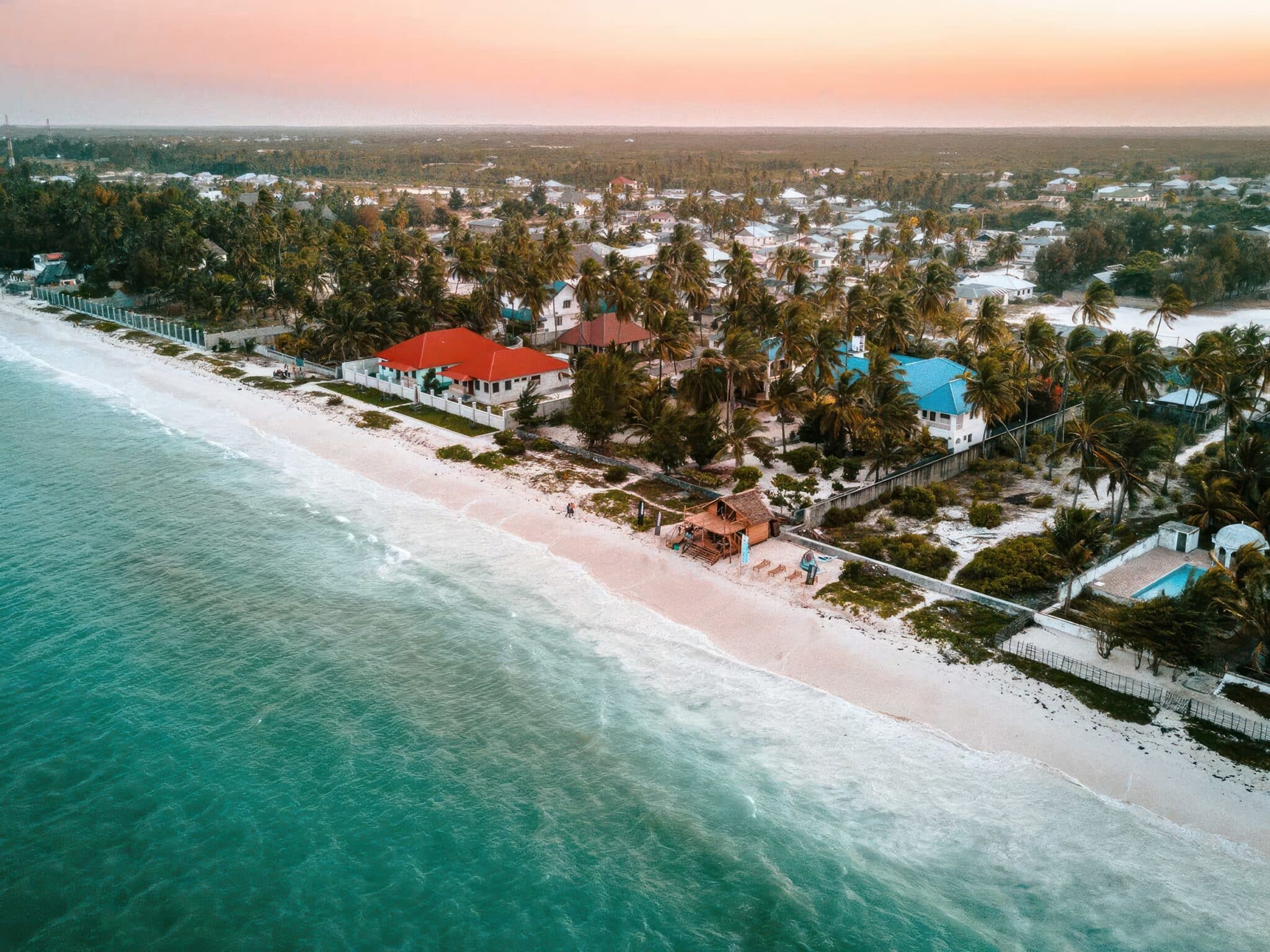
Amidst the azure waters and pristine sands of Zanzibar, Bwejuu Beach stands out with its quiet elegance and surprising seclusion. Renowned as one of the most tranquil beaches on the coast, this hidden gem offers a refuge from the bustling tourist spots found elsewhere on the island. With this serenity comes an opportunity to experience nature in its most untouched form, inviting professionals and travelers alike to pause and rejuvenate.
Historically a quaint fishing village, Bwejuu Beach has gracefully retained its authentic charm while weaving modern hospitality into its tapestry. Here, the tides dictate the rhythm of life, allowing for exploration during low tide when vibrant coral reefs and marine life become accessible. It’s no wonder that in 2015, this beach was rated among the top 30 in Africa, underscoring its allure to those seeking soothing and sustainable retreats.
Bwejuu Beach offers an untouched stretch of white sand and crystal-clear waters, ideal for relaxation. Known for its tranquil environment, it provides opportunities for snorkeling, exploring vibrant coral reefs, and experiencing local culture in nearby villages. Accommodations range from luxurious resorts to charming guesthouses, enhancing the beach’s serene allure.
 Source: easytravel.co.tz
Bwejuu Beach: A Guide to Zanzibar’s Most Relaxing Beach
Located on the southeast coast of Zanzibar, Bwejuu Beach is famed for its stunning beauty and serenity. The white sandy shores stretch for miles, offering a perfect escape from crowded tourist destinations. This beach is ideal for those who enjoy tranquil walks and breathtaking sunsets. Off the coast, the warm Indian Ocean waters host vibrant marine life. Visitors can explore these natural wonders through snorkeling adventures.
Bwejuu Beach is not just about relaxation but also offers a taste of local culture. Visitors can meet friendly locals and experience the vibrant village life that surrounds the beach. Taking part in traditional crafting activities provides a unique glimpse into the island’s rich heritage. The presence of fisherman and their daily routines highlights the simplicity and charm of Bwejuu. This connection to local life adds to Bwejuu’s appeal as a destination.
For accommodations, various options cater to different preferences. From luxurious beachfront resorts to cozy beach bungalows, the choices are diverse. Staying near the beach ensures easy access to its soothing atmosphere any time. Here’s a quick look at accommodation types:
| Option | Description |
|---|
| Resorts | Offer premium amenities and ocean views |
| Bungalows | Cozy and close to the local culture |
| Guesthouses | Affordable and provide a homely feel |
Timing your visit is crucial for an optimal experience. The best months to visit Bwejuu Beach are from June to October, during the dry season. The weather is pleasant, making it ideal for beach activities. Sporadic rains occur from November to May, so checking forecasts before travel is wise. With its unique charm and inviting waters, Bwejuu Beach promises an unforgettable getaway.
I Found Paradise in Zanzibar(Top Things To Do)
Exploring the Unique Location and Landscape of Bwejuu Beach
Bwejuu Beach lies on the southeast coast of Zanzibar, offering visitors a serene retreat away from more populated areas. The beach forms part of a lush and picturesque landscape dotted with towering palm trees. These trees sway gently in the ocean breeze, creating a soothing backdrop. The white sands stretch endlessly, offering plenty of space for peaceful walks. This idyllic setting provides the perfect spot for relaxation and reflection.
Tidal changes at Bwejuu Beach bring unique experiences every day. During low tide, the shoreline reveals tidal pools, teeming with small marine creatures. It’s a great opportunity for kids and adults alike to explore and discover. According to this expert opinion, witnessing these changes adds an educational aspect to the visit. This connection to nature is one reason Bwejuu is cherished by many.
The weather at Bwejuu Beach also plays a big role in the overall experience. Warm and tropical, the climate keeps the waters inviting all year. Visitors can enjoy sunny days for swimming or lounging on the shore. Occasional rains cool down the air, refreshing the surroundings. These weather patterns complement the beach’s natural beauty.
Exploring the behind-the-scenes aspects of the beach’s geography reveals fascinating insights. The nearby coral reefs act as a natural breakwater, providing protection from strong ocean waves. This creates calm, shallow waters ideal for swimming and snorkeling. Here is the solid foundation that supports this vibrant ecosystem:
| Feature | Impact |
|---|
| Coral Reefs | Protect the beach and enhance marine biodiversity |
| Sandy Shores | Provide habitat for various sea creatures |
| Tropical Climate | Ensures year-round beach enjoyment |
Activities and Attractions at Bwejuu Beach
At Bwejuu Beach, there’s always something exciting waiting to be discovered. One of the top attractions is the vibrant coral reefs, perfect for snorkeling enthusiasts. Swimming alongside colorful fish and unique sea creatures is a highlight for many visitors. The calm, clear waters ensure a safe and enjoyable experience for all ages. It’s an unforgettable adventure that showcases the beauty of marine life.
If you prefer to stay dry, strolling along the expansive beach is a popular activity. The beach’s natural beauty creates the perfect backdrop for relaxing walks. Early mornings or late afternoons are prime times to capture stunning sunrises and sunsets. These moments offer picturesque views and peaceful reflection. Photographers often find inspiration in the serene landscapes.
For those interested in local culture, nearby villages offer a glimpse into day-to-day life. Visitors can explore traditional crafts and enjoy local cuisine. Engaging with the friendly community enhances the overall experience. Many visitors leave with memorable stories and new friendships. This cultural connection is a special part of the Bwejuu Beach visit.
Here’s a quick snapshot of available activities:
- Snorkeling and marine exploration
- Beach walks and photography
- Cultural visits to local villages
- Tasting local seafood delicacies
With so much to explore, Bwejuu Beach is more than just a pretty place. It’s a destination that combines natural wonders with cultural richness. Every visit promises new discoveries and cherished memories. Whether you want adventure or relaxation, Bwejuu Beach caters to all interests.
Accommodation Options near Bwejuu Beach
Finding the right place to stay near Bwejuu Beach is simple, with options for every type of traveler. From luxury resorts to cozy guesthouses, there’s something to suit every preference and budget. Many accommodations lie directly along the shoreline, offering stunning views of the ocean. Listening to the soothing waves at night adds an extra touch of magic. Visitors can expect a unique blend of comfort and leisure.
Luxury resorts near Bwejuu Beach offer top-tier amenities for a high-end experience. These resorts typically feature private pools, gourmet dining, and spa services. Guests can unwind in style, enjoying premium services and serene surroundings. Many resorts also provide easy access to beach activities and attractions. Their attentive service ensures a worry-free stay.
For travelers seeking a more homely atmosphere, charming guesthouses and bungalows are available. These spots often run by locals, providing insights into the island’s culture and traditions. Guests often enjoy homemade meals and personalized attention. Staying in such places often results in memorable stories and new friendships. The warm hospitality makes these accommodations feel like home.
A brief overview of popular accommodation types:
| Type | Description |
|---|
| Luxury Resorts | Offer upscale amenities and services |
| Guesthouses | Provide a friendly, local experience |
| Bungalows | Cozy accommodations, often with ocean views |
Location matters when choosing where to stay. Proximity to the beach and other attractions enhances the convenience of your trip. Walking distance to local shops and eateries can add to the experience. This accessibility ensures that everything you need is close by, enhancing your vacation. Whether you prefer luxury or simplicity, Bwejuu Beach has the perfect place for you.
Best Time to Visit Bwejuu Beach
Choosing the ideal time to visit Bwejuu Beach can greatly enhance your experience. The most popular period is during the dry season, which spans from June to October. During these months, the weather is typically sunny, with minimal rainfall. This makes it perfect for beach activities and outdoor adventures. Visitors enjoy clear skies and calm ocean waters.
The months of November through May are considered the wet season. However, that doesn’t mean you should avoid visiting during this time. Rainfall is often short and sporadic, providing sunny breaks in between showers. These months can still offer enjoyable experiences, with fewer tourists around. Prices for accommodations and activities might also be lower during the wet season.
A detailed look at the seasonal weather:
| Season | Months | Characteristics |
|---|
| Dry Season | June – October | Sunny, minimal rain, ideal for outdoor activities |
| Wet Season | November – May | Sporadic rain, occasional sunny periods, fewer tourists |
For those who want to enjoy local festivals and cultural events, timing your visit to coincide with these celebrations can be rewarding. Zanzibar holds various festivals throughout the year, showcasing local music, food, and traditions. Attending these events can add a special touch to your trip. It’s a unique way to immerse yourself in the island’s culture.
No matter when you visit, each season offers its own charm and unique experiences. Whether it’s the bustling dry season or the tranquil wet season, Bwejuu Beach remains a captivating destination. Plan according to your preferences, and you’re sure to have a memorable time. Enjoying Bwejuu Beach is about finding the perfect balance between weather and leisure.
Key Takeaways
- Bwejuu Beach boasts a serene and relaxing environment for visitors.
- Snorkeling offers a chance to explore vibrant coral reefs nearby.
- Accommodations range from luxury resorts to charming guesthouses.
- Local villages provide cultural experiences and traditional crafts.
- The beach is perfect for long walks on its pristine white sands.
 Source: easytravel.co.tz
ZANZIBAR, TANZANIA: Guide to PARADISE! The MOST Beautiful Beaches in Africa!
Can you explore the pristine beaches and rich culture of Zanzibar adequately in just a few days? Many travelers find that a week is perfect to fully immerse themselves in this stunning Tanzanian archipelago. In 7 days, you can enjoy the white sand beaches, take a spice tour, and dive into the vibrant history of Stone Town.
The timeline often recommended by tourism experts considers both relaxation and exploration. Whether it’s the historic alleys of Stone Town or the idyllic shores of Nungwi Beach, a balanced itinerary might require up to 10 days. Local travel data suggests that most visitors maximize their experience with a stay of at least one week, blending leisure and cultural immersion for an unforgettable journey.

How many days do I need in Zanzibar?
Planning the perfect trip to Zanzibar can be exciting yet challenging. This island offers stunning beaches, rich history, and a vibrant culture. Most tourists recommend spending around a week if you want to experience both relaxation and exploration. Within 7 days, you can enjoy the beautiful Nungwi Beach and tour mystical Stone Town. These experiences provide a balanced taste of Zanzibar’s unique charm.
If you have limited time, even a 3 to 4-day trip can be rewarding. Focus on key attractions and plan activities carefully to make the most of your stay. In this short visit, prioritize trips to iconic places like the Jozani Forest or spice farms. You may need to skip some long excursions, but a brief tour can still be memorable. The essence of the island is captured in its vibrant markets and delicious food.
For those who have more time, consider extending your stay to 10 days. A longer visit allows you to explore more remote parts of the island. Take a ferry to explore neighboring islands or a boat trip to Prison Island. This extended time helps explore lesser-known sites at a relaxed pace. Enjoying various adventures without rush makes the experience truly special.
Think about what you want from your holiday as you plan. Are you a history buff, a beach lover, or both? Each person’s ideal itinerary will differ based on personal interests and the activities they wish to explore. Zanzibar caters to different tastes, offering adventurous activities, peaceful retreats, and cultural explorations. Decide the duration based on what experiences entice you the most.
Factors to consider when planning your trip duration
When deciding how long to stay in Zanzibar, consider your interests and must-see spots. Some travelers prioritize beach time, while others focus on cultural experiences. If you love water activities, you might want more days to explore diving or snorkeling locations. For history enthusiasts, a thorough visit to Stone Town and museums can take extra time. Tailor your trip length to enjoy activities that excite you most.
Another factor to think about is travel time. If you’re coming from a distant location, like the United States or Europe, you’ll spend a long time traveling. This could mean needing more days to recover from jet lag and adjust. Planning buffer days for rest can enhance your overall enjoyment. A relaxed traveler makes the most of the destination.
Budget also plays a crucial role in determining your stay duration. Longer holidays mean more accommodation and meal expenses. Create a budget that accommodates activities and sightseeing without feeling rushed.
- Accommodation costs
- Daily meals
- Tours and excursions
Ensuring your financial comfort lets you relax and fully embrace the island vibe.
Your visa requirements also matter. Some nationalities need specific visas for Tanzania, which could affect your scheduled travel days. Check for visa duration if you plan an extensive itinerary, to avoid overstaying. Ensure all documents and requirements are ready in advance to prevent last-minute hassles. Staying organized helps you enjoy your Zanzibar trip without stress.
Typical Itinerary for a week in Zanzibar
On your first day in Zanzibar, ease into the local vibe by exploring Stone Town. Wander through its narrow alleys, where history whispers through every corner. Drop by the Darajani Market for some unique spices and souvenirs. Enjoy a traditional Swahili dinner as you watch a stunning sunset. This sets the perfect tone for your island adventure.
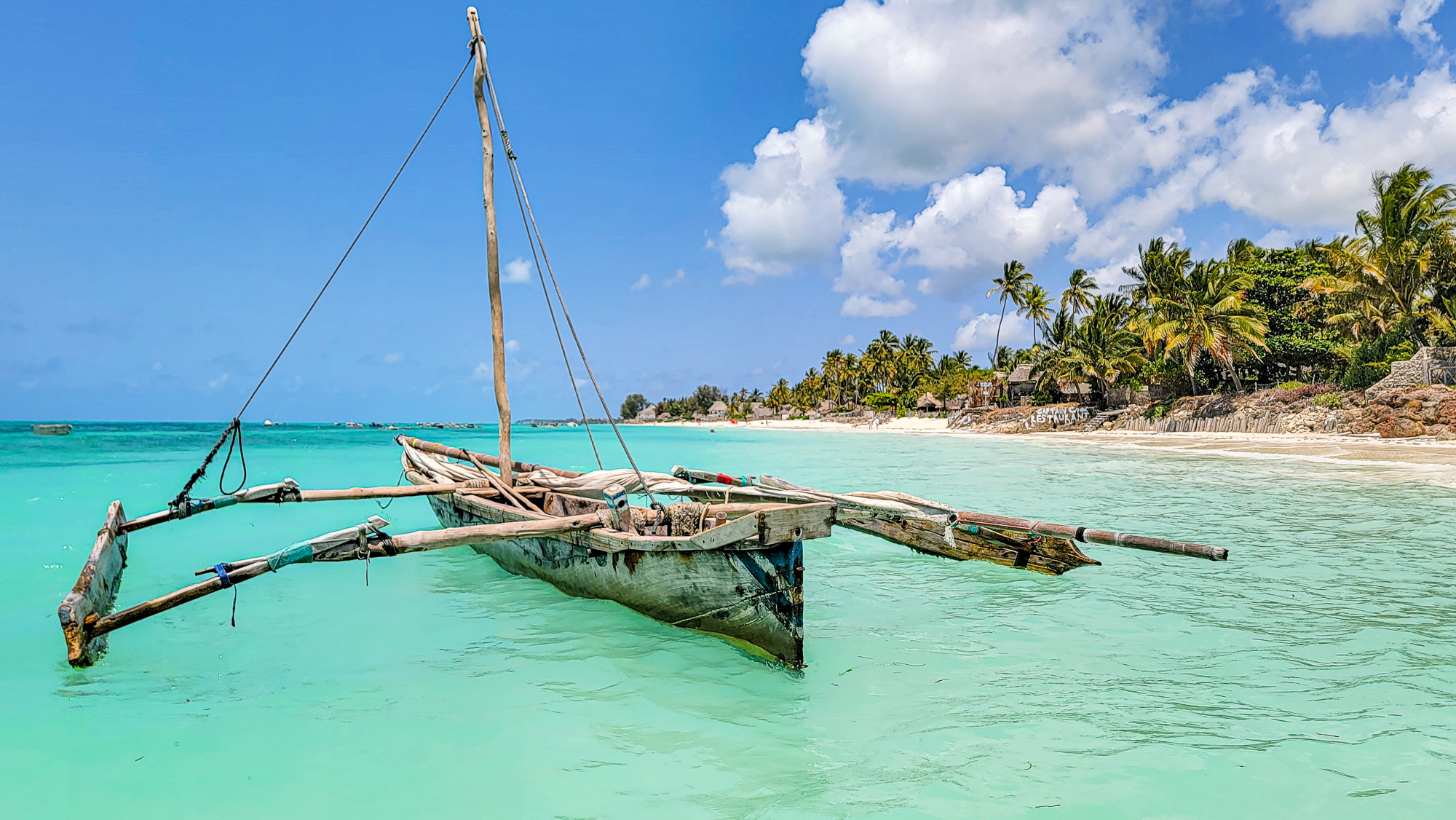
The second day could be spent at Nungwi Beach, a paradise for beach lovers. Along with relaxing on the sand, consider a dhow cruise. Sailing in these traditional boats offers a unique view of the island. A refreshing swim in the turquoise waters caps the day perfectly. Embrace the relaxed pace of island life.
For days three and four, dive into nature with a trip to Jozani Forest and the spice farms. Walk among the red colobus monkeys in the forest and marvel at their playful antics. At the spice farms, discover the fascinating world of cloves and other spices. These tours offer a sensory experience, with sights, sounds, and aromas that linger. Understanding the island’s natural beauty deepens your connection to the place.
On your final days, take advantage of seeing Zanzibar’s underwater world through snorkeling or diving. Visit Mnemba Atoll for some of the best marine life encounters. Schools of colorful fish and the occasional dolphin sighting create unforgettable memories. Before leaving, consider a relaxing evening at Forodhani Gardens. Savoring local street food while enjoying the sea breeze wraps up your enchanting Zanzibar visit.
Extended trip: Exploring Zanzibar in 10 days or more
With 10 days in Zanzibar, your adventure begins in Stone Town, exploring its rich history and vibrant culture. Visit the House of Wonders and the Old Fort, marveling at their architectural splendor. As you wander, discover hidden cafes and bustling markets. Treat yourself to a blend of African, Arab, and European influences reflected in the local cuisine. This profound experience offers a deeper connection to the island’s mixed heritage.
After soaking in the city, venture north to Kendwa Beach for a tranquil escape. Lounge on sun-drenched sands or take part in exciting water sports. Consider kayaking through the clear waters, spotting diverse marine life beneath you.
- Snorkeling in coral reefs
- Jet skiing adventures
- Relaxing under swaying palm trees
Every activity immerses you into the beauty of island coastal life.
Next, head to the southern region to explore Jambiani’s fishing village. Engage with locals to learn about their traditional lifestyle, rich in culture and warmth. Perhaps join a local fishing tour to catch fish the way it’s been done for generations. Feel the community’s spirit and take part in local festivities. This time lets you experience the true heart of Zanzibar’s everyday life.
Day seven takes you to Pemba Island, often considered Zanzibar’s emerald gem. Known for its lush landscapes and untouched nature, Pemba promises an adventure among towering clove farms. Trek through its rainforests and visit natural lagoons for a serene escape. The island’s solitude enhances the sense of discovery and wonder. This off-the-beaten-path journey provides an unforgettable experience.
With the remaining days, explore underwater marvels by diving into Zanzibar’s coastal waters around Mafia Island. Swim alongside colorful fish, turtles, and sometimes mighty whale sharks. This ecosystem brims with life, making each dive a spectacle. Enjoy the vibrant coral reefs and capture the magic with underwater photography. These stunning views will create lasting memories of your extended stay.
Finally, unwind at a luxurious resort or relax with a yoga retreat to recharge before heading home. This gives balance after days full of exploration and excitement. Treat yourself to spa treatments or leisurely strolls along quiet beaches. Reflecting on the myriad experiences gathered over 10 days, you’ll find peace in the gentle rhythm of island life. Rejuvenated and refreshed, your journey concludes with a newfound love for Zanzibar’s wonders.
Key Takeaways
- Spend your first days in Stone Town for cultural experiences.
- Nungwi and Kendwa beaches offer relaxing and active water fun.
- A visit to Pemba Island reveals lush nature and serene views.
- Dive at Mafia Island to see colorful marine life up close.
- End your journey with relaxation at a resort or yoga retreat.
Conclusion
Exploring Zanzibar offers a blend of rich history and breathtaking nature. Whether you spend a week or extend your stay, the island caters to diverse interests. From the ancient alleys of Stone Town to the serene beaches, each day adds layers to your experience. Every moment spent on the island brings you closer to its enchanting spirit.
An extended stay allows for deeper immersion, witnessing lesser-known wonders like Pemba and Mafia Islands. Regardless of your itinerary, the cultural connections and natural beauty will leave an indelible mark. Zanzibar’s charm is its varied offerings, enticing visitors to return for more discovery. A visit is not just a vacation; it’s a voyage into history, culture, and tranquility.
Planning your Kilimanjaro trek involves choosing between peak and off-peak seasons. Peak months like June to October and December to February offer the best weather and views, but more crowds. Off-peak months from March to May and November have fewer trekkers but unpredictable weather. Select based on your preference for solitude or optimal conditions.

Peak vs. Off‑Peak: Best Months to Secure Your Kilimanjaro Trek
Climbing Kilimanjaro is a dream for many adventurers. When planning your trek, choosing between peak and off-peak seasons is essential. Peak months like June to October and December to February offer dry weather, making the trail safer and the views spectacular. However, these months also see larger crowds. Booking early is crucial if you prefer these months.
During off-peak months, such as March to May and November, the weather can be more unpredictable. There might be heavier rains, which can make the trails muddy. Yet, you will find fewer trekkers, providing a more solitary experience. It’s a trade-off between solitude and weather conditions.
The best time to climb heavily depends on what you’re looking for. If you enjoy socializing and meeting other trekkers, the peak season is for you. Conversely, if solitude and a quieter trail appeal to you, consider the off-peak times. Both seasons offer unique experiences.
Regardless of the season, it’s essential to prepare adequately. Sia Yangu Safari recommends packing proper gear for all weather conditions. This includes layering clothing, waterproof items, and sturdy boots. Proper preparation ensures a safe and memorable trek up Kilimanjaro.
Optimal Trekking Conditions: Months to Consider
Choosing the best months to trek Kilimanjaro is critical. The ideal months fall between January to mid-March and June to October. These periods offer the most stable weather conditions. With less rain and clear skies, the views are breathtaking. Wildlife sighting in January and February is also an added bonus.
The dry season from June to October is the most popular. This period sees a high number of climbers due to the pleasant weather. It also coincides with holidays for many people overseas. This makes planning easier. However, it does mean more crowds on the trails.
The wet seasons in March to May and November can be more challenging. While these months may offer quieter trails, the weather can be less predictable. Rains can make the trek slippery and harder to navigate. But the landscape turns lush and green, and the atmosphere is serene. Sia Yangu Safari advises coming prepared for all weather scenarios.
Regardless of when you choose to trek, it’s important to monitor weather forecasts. Being aware of potential weather changes will help you pack appropriately. It’s always good to bring layers and waterproof gear. That way, you’re prepared for any trek conditions. Kilimanjaro is an adventure worth taking at any time of year.
Factors Influencing Your Trekking Experience with Sia Yangu Safari
Several factors can influence your trekking experience with Sia Yangu Safari. One key aspect is the season you choose for your trek. As mentioned before, peak seasons offer favorable weather but more crowds. On the other hand, off-peak seasons bring quieter trails but unpredictable weather. Deciding on the best time to trek greatly affects your journey.
Your physical fitness level plays a huge role. Kilimanjaro isn’t just a casual hike; it requires preparation. Training ahead of time with cardio and strength exercises is recommended. This ensures you can handle the altitude and strenuous trekking days. Sia Yangu Safari provides fitness tips to help trekkers get ready.
Another significant factor is the gear you bring. Proper clothing, shoes, and equipment can make or break your trek. Here are some essentials you should pack:
- Waterproof jacket
- Warm layers
- Hiking boots
- Headlamp
- Sleeping bag
Packing appropriately ensures you’re ready for different weather conditions and helps you stay comfortable throughout the journey.
Your guide’s experience is also crucial. Seasoned guides from Sia Yangu Safari know the mountain well. They can offer advice, help with acclimatization, and ensure your safety. Choosing a reliable guide service ensures you have support at every step. It also enhances the overall trekking experience, providing peace of mind.
When is the Best Time to Climb Kilimanjaro? (Avoid These Months)