Yes, you can visit both Maasai and Hadzabe tribes in one trip. Sia Yangu Safari offers itineraries that include immersive experiences with both tribes. The Maasai are located near Serengeti and Ngorongoro, while the Hadzabe live close to Lake Eyasi. Plan your route and schedule wisely for a seamless cultural journey.

Exploring the Possibility of Visiting Maasai and Hadzabe Tribes in a Single Trip with Sia Yangu Safari
Visiting both the Maasai and Hadzabe tribes in one trip is achievable with Sia Yangu Safari. The Maasai, known for their rich culture and vibrant attire, primarily reside in the regions close to Serengeti and Ngorongoro. On the other hand, the Hadzabe, a hunter-gatherer tribe, live near Lake Eyasi. Despite their different locations, it’s possible to include visits to both tribes in a well-planned itinerary. According to the article, the key is to have a flexible schedule and knowledgeable guides.
Sia Yangu Safari offers customized trips that cater to these unique cultural experiences. They understand the desire to immerse in the Maasai’s pastoral lifestyle while also learning about the Hadzabe’s ancient hunting techniques. Combining these visits provides a comprehensive understanding of Tanzania’s diverse heritage. Here is the post that highlights how Sia Yangu Safari ensures a seamless experience. One can enjoy the vibrant dances of the Maasai and the traditional bow-and-arrow skills of the Hadzabe all in one journey.
Traveling between these tribes involves scenic drives through Tanzania’s beautiful landscapes. Expect to encounter stunning views of savannas, mountains, and plenty of wildlife. This makes the trip more enjoyable and educational. Whether traveling by car or engaging in a more adventurous trek, Sia Yangu Safari ensures that each moment is memorable. The journey itself becomes an essential part of the adventure.
Planning your trip with Sia Yangu Safari also means participating in respectful and sustainable tourism. They emphasize interacting with indigenous communities in a way that benefits both tourists and the tribes. This approach helps preserve traditional practices and supports the local economy. Many of their itineraries include responsible tourism practices. Thus, you get an authentic and ethical cultural experience, making your trip truly unforgettable.
Geographical Proximity Between Maasai and Hadzabe Tribes
The Maasai and Hadzabe tribes are located in Northern Tanzania. The Maasai generally inhabit areas near the Serengeti National Park and the Ngorongoro Conservation Area. These regions are known for their open grasslands and plentiful wildlife. On the other hand, the Hadzabe live closer to Lake Eyasi. This area is characterized by its remote and rugged terrain.
The distance between the Maasai and Hadzabe areas can be covered in a few hours by car. Typically, the routes include both paved roads and off-road tracks. This makes the journey an adventure in itself. Sia Yangu Safari often includes stops at various points of interest along the way. This allows travelers to break up the drive and enjoy the scenic beauty of Northern Tanzania.
Travel between the two tribes provides a unique opportunity to observe different ecosystems. The Maasai lands are mostly open plains, ideal for their cattle-herding lifestyle. Meanwhile, the Hadzabe prefer the bushland and forests near Lake Eyasi. Each environment supports distinct wildlife and plant species, making the trip educational for nature enthusiasts. This diversity adds to the overall experience.
Sia Yangu Safari ensures that trips between these regions are comfortable and well-coordinated. They use reliable vehicles and experienced drivers familiar with the local terrain. This ensures a smooth journey from Maasai villages to Hadzabe camps. Traveling with a knowledgeable guide adds insight into the geographical features and cultural landmarks. Thus, the journey itself becomes an enriching part of your cultural tour.
Cultural Insights and Traditions of the Maasai Tribe
The Maasai tribe is known for its vibrant culture and unique traditions. They are easily recognizable by their colorful shukas, which are traditional cloths draped over their bodies. The Maasai have a deep connection to cattle, which are central to their way of life. Cattle are not only a source of food but also a symbol of wealth and status. This pastoralist lifestyle has been maintained for centuries.
Maasai customs include various rites of passage that are significant in their culture. One of the most well-known ceremonies is the Eunoto, a warrior’s initiation into elderhood. This involves elaborate rituals, dances, and feasts. Maasai warriors, also known as Morans, are vital to the community’s protection. Their bravery and skills are highly respected.
Another fascinating aspect of Maasai culture is their traditional dances and music. These performances usually involve energetic jumping, known as adumu, accompanied by rhythmic singing and chanting. The dances are not just for entertainment but serve to strengthen community bonds. They are often performed during important events, such as marriages and spiritual ceremonies. This makes them an essential part of Maasai social life.
The Maasai also practice traditional crafts, including beadwork and jewelry making. Maasai women create intricate bead necklaces, bracelets, and earrings that are worn during cultural ceremonies. These crafts are an important source of income for many Maasai families. The vibrant colors and patterns used in their beadwork have specific meanings and tell stories about their heritage. Through these crafts, the Maasai preserve their culture and pass it on to future generations.
Unique Practices and Lifestyle of the Hadzabe Tribe
The Hadzabe tribe, one of the last remaining hunter-gatherer communities, practices a unique lifestyle deeply connected to nature. They live in simple, temporary shelters made from branches and grass. Unlike many other tribes, the Hadzabe do not practice farming or cattle herding. Instead, their diet consists of wild game, honey, and wild fruits. This way of life has remained unchanged for thousands of years.
Hunting is a significant part of Hadzabe daily life and is carried out using handmade bows and arrows. Men hunt in groups, tracking animals through the bush with remarkable skill. These hunting expeditions can last hours or even days. The Hadzabe are highly skilled in using poison-tipped arrows to bring down game swiftly. This sustainable hunting method ensures they only take what they need.
Gathering is primarily done by the women of the tribe, who forage for berries, tubers, and roots. They have an extensive knowledge of edible plants and their medicinal uses. Gathering trips are also social activities, allowing women to share stories and songs. It’s a collaborative effort that ensures the community’s nutritional needs are met. This balance between hunting and gathering fosters a close-knit society.
One of the most unique aspects of the Hadzabe is their language, which features click consonants. These clicks, combined with vowel sounds, form an intricate and melodic speech. According to linguistic studies, the Hadzabe language is unrelated to any other language family. This makes it incredibly unique and valuable to researchers. Their oral traditions are rich, filled with stories of ancestors and nature.
The Hadzabe tribe has a deep spiritual connection with their environment. They believe in the spirits of animals and natural elements. This belief system is reflected in their customs and rituals. They often perform dances and songs to honor these spirits. This connection to nature guides their sustainable practices and respect for wildlife.
Planning Your Trip: Tips for a Seamless Experience
Planning a trip to visit the Maasai and Hadzabe tribes can be thrilling yet challenging. Start by researching their cultural practices and traditions. This will prepare you for respectful interactions. Booking with a reputable tour company, like Sia Yangu Safari, ensures a well-organized itinerary. They offer customized trips tailored to your interests.
It’s important to pack strategically, considering the diverse climates of Northern Tanzania. Include items like lightweight clothing, sturdy walking shoes, and a hat. Don’t forget to bring sunscreen and insect repellent. Proper packing ensures comfort during your adventure. A well-prepared traveler enjoys the experience more.
Check your travel documents well in advance. Ensure your passport is up to date and apply for any necessary visas. It’s also a good idea to carry copies of your important documents. This precaution saves time and hassle if you lose anything. Preparing these details before departure avoids last-minute stress.
Health precautions are equally vital. Consult your doctor about necessary vaccinations and medications. Carry a basic first-aid kit with essentials like bandages and antiseptics. Hydration is crucial, so always have a water bottle handy. Staying healthy on your trip allows you to fully enjoy the cultural immersion.
Respecting local customs and etiquette is crucial for a positive experience. Learn a few greetings in the local languages to show respect. Ask for permission before taking photos of people. These small acts of courtesy go a long way. They help you connect more deeply with the communities you visit.
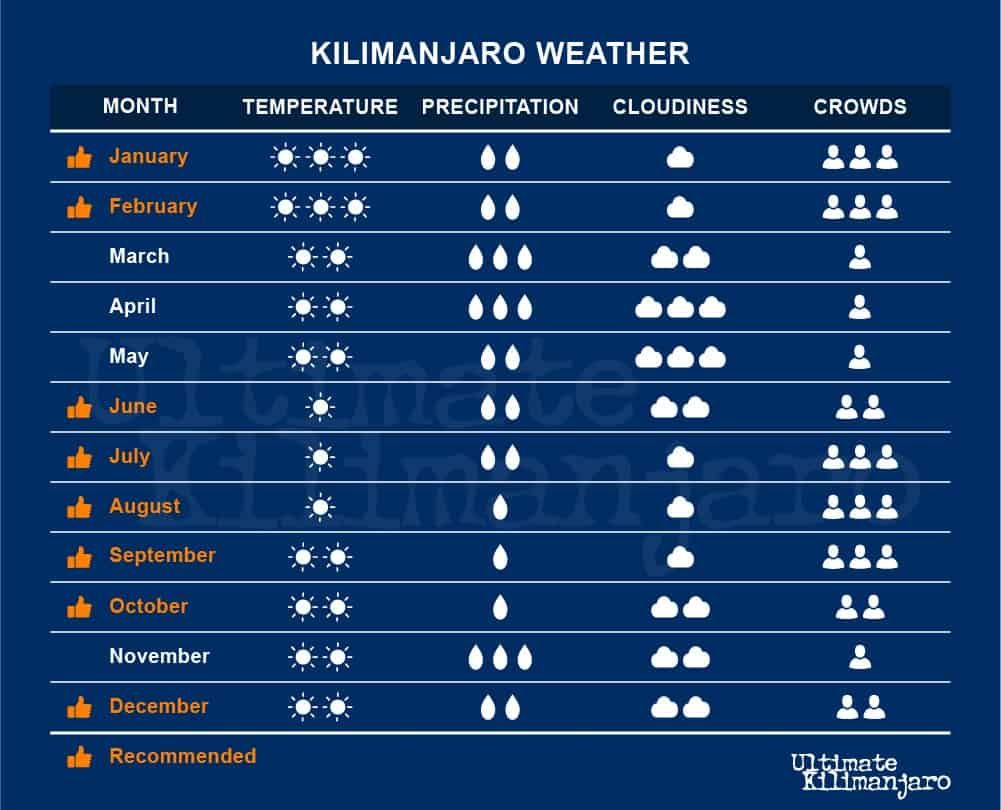
Ever thought about how timing your Tanzania safari can save you a substantial amount of money? Booking during the low season might just be the best decision for your wallet. Not only do you save big, but you also avoid the overcrowded parks packed with tourists.
The difference in cost between peak and low seasons is significant, often reaching up to 30% or more. Historically, the high season runs from June to October, coinciding with the Great Migration. By choosing to explore during the quieter months, you gain an equally rich experience at a fraction of the price.
Booking a
Tanzania safari during the low season, from November to May, offers significant cost savings. Rates for accommodations and tours are lower due to fewer tourists. The parks are less crowded, providing a more relaxed experience while still offering excellent wildlife sightings and lush landscapes.

Understanding Peak vs Low Season for Booking a Tanzania Safari
Booking a safari in Tanzania revolves around timing. Peak season, generally from June to October, attracts a large number of tourists. This period coincides with the Great Migration, making it a busy time. Everything from accommodation to park fees tends to be more expensive. Consequently, the parks are crowded.
In contrast, the low season from November to May offers a different experience. This period often has fewer tourists, resulting in lower prices for many activities. According to this post, traveling during the low season can be quite rewarding. You can enjoy a more peaceful safari with less competition for prime wildlife viewing spots. Additionally, many lodges offer discounts.
During peak season, expect to pay a premium for nearly everything. The high demand leads to elevated prices but also guarantees the best weather for viewing wildlife. Availability can also be a challenge due to the influx of tourists. Often, early booking is necessary to secure spots. However, peak season does offer unforgettable wildlife encounters.
For those seeking a budget-friendly safari, the low season is ideal. Rates drop significantly, and the landscapes are lush from recent rains. Some travelers find the rainy season to be an added charm rather than a deterrent. According to the article, there is still plenty of wildlife to see. Plus, you get the advantage of exploring in a more relaxed environment.
Defining Peak Season: Costs and Crowd Levels
The peak season in Tanzania typically runs from June to October. This period sees an influx of tourists due to the favorable weather and the Great Migration. Prices for accommodation, park fees, and tours are at their highest. Tourists from all over the world flock to the national parks. Consequently, the parks can feel quite crowded.
During peak season, the high demand often means booking well in advance is necessary. Many popular lodges and campsites fill up months ahead. For many, the combination of excellent weather and wildlife viewing justifies the higher costs. However, this increased demand also leads to higher prices across the board. You might find less flexibility in terms of availability.
According to experts, the premium costs during peak season can be significant. From lodging to guided tours, prices can be up to 30% higher than off-peak times. This elevated cost is due to the high volume of tourists eager to see the migration and abundant wildlife. If you have a flexible budget, it might be worth it. Just be prepared for the additional expense.
Despite the crowd levels, the experience of peak season is undeniably rich. Spectacular wildlife sightings are almost guaranteed. Camps and lodges often offer more extensive services and amenities to accommodate the influx. You’ll also meet fellow adventurers from all walks of life. The vibrancy of peak season creates a unique atmosphere.
The Advantages of Low Season Travel: Lower Costs and Fewer Tourists
Traveling during the low season from November to May offers significant cost savings. Many lodges and tour operators reduce their rates during this time. This makes a Tanzania safari more accessible to budget travelers. Moreover, fewer tourists mean a more relaxed experience. You can enjoy the parks without the crowds.
The reduced cost is one of the biggest advantages of low season travel. Safari packages, accommodations, and even flights are often cheaper. Here are the post, you might find discounts up to 40% off peak season prices. These savings allow travelers to extend their stay or enjoy more activities. With fewer tourists, you get more value for your money.
Wildlife sightings can also be exceptional during the low season. Some animals are more active, and bird watching opportunities are abundant. The landscapes are lush from recent rains, making for stunning scenery. Despite common misconceptions, many areas are accessible. You won’t miss out on the wildlife experience.
Fewer tourists translate to a more intimate safari experience. You can take your time at each sighting and savor the moment. Camps and lodges feel less crowded, offering a more tranquil atmosphere. Guides can focus on providing personalized experiences. This allows for a deeper connection with nature.
Strategies for Saving Big with Sia Yangu Safari During Low Season
One effective way to maximize savings with Sia Yangu Safari is to book well in advance. By planning your safari early, you can take advantage of early-bird discounts and secure the best rates. Many lodges and tour operators offer special deals for early bookings. This strategy not only saves money but also ensures you have a spot during your preferred travel dates.
Another smart move is to look for package deals. Sia Yangu Safari frequently bundles accommodations, meals, and activities into discounted packages. According to here is the article, these all-inclusive packages provide excellent value. You get to experience a well-rounded safari without breaking the bank. Plus, it’s less hassle to book everything at once.
Flexible travel dates can also lead to substantial savings. If you can adjust your travel schedule within the low season, you may find even better deals. Mid-week rates are often lower than weekend rates. Additionally, being flexible with your itinerary allows you to take advantage of last-minute promotions.
Traveling in groups is another cost-effective approach. Group rates are typically cheaper per person compared to solo travel. Sia Yangu Safari offers group discounts for larger parties. Sharing the experience with friends or family can make the trip more enjoyable and affordable. Group travel also sometimes affords upgraded accommodations at no extra charge.
Using loyalty programs and memberships can further reduce costs. Sia Yangu Safari often rewards repeat customers with discounts or added perks. Joining a travel club or loyalty program can provide access to exclusive deals. These programs might offer benefits like free upgrades or complimentary activities.
Lastly, consider choosing less frequented parks or reserves. While still offering incredible wildlife experiences, these areas might have lower fees. Sia Yangu Safari can help tailor a perfect and affordable experience. Exploring hidden gems can be a budget-friendly alternative. You get a unique safari experience while keeping costs down.
Booking your Kilimanjaro climb 6–9 months ahead is recommended to secure preferred routes, better accommodation options, and flight deals. Last-minute bookings risk higher costs, fewer choices, and inadequate preparation time, which could affect the success and enjoyment of your climb.
Advantages of Planning Your Kilimanjaro Climb 6–9 Months in Advance
Planning your Kilimanjaro climb 6 to 9 months ahead allows you to secure your spot during peak seasons. These times are popular, and spots fill up quickly. By booking early, you get to choose your preferred dates and routes. This means a more enjoyable and tailored experience. It reduces the risk of last-minute disappointments too.
Having ample time for physical preparation is another benefit. Climbing Kilimanjaro requires a good level of fitness. Training in advance helps you build stamina and strength. You can gradually increase your physical activities. This will make your climb more manageable and enjoyable.
You also get access to better deals on flights and accommodation. Early bookings often come with discounts. This can significantly reduce your overall costs. Plus, it gives you more options to choose from. So you can find the best deals that suit your budget and preferences.
A longer planning period allows you to handle vaccinations and visa arrangements. These are crucial for your health and safety. Some vaccines need multiple doses spread over several months. This timeline ensures you meet all the health requirements. Plus, it gives you peace of mind knowing everything is sorted.
Securing Your Spot During Peak Seasons
Securing your spot during peak seasons for climbing Kilimanjaro is crucial. These times are usually between June to October and December to February. Many climbers aim to trek during these months because of favorable weather. Booking 6-9 months in advance ensures you get a place. It avoids the stress of last-minute arrangements.
Booking your climb early also has other perks. It lets you choose from the best routes available. Popular routes can fill up fast, especially during peak times. By planning ahead, you have a better choice of group sizes too. This means a more personalized and enjoyable experience.
Waiting until the last minute can result in limited options. Less desirable dates and routes might be all that’s left. You may also face higher prices. Operators can charge more for last-minute bookings. It pays to be proactive and secure your spot early.
Booking in advance also helps with travel logistics. You’ll have more flight options and can snag the best deals. Accommodations near Kilimanjaro can book up quickly during peak seasons. Planning ahead ensures you find suitable places to stay. It makes your overall trip smoother and more enjoyable.
Ample Time for Physical Preparation and Training
Giving yourself ample time for physical preparation is key for a successful Kilimanjaro climb. The mountain’s altitude and terrain can be challenging. Training several months in advance helps your body adjust. You can build stamina and increase your fitness levels gradually. This preparation reduces the risks of altitude sickness and fatigue.
A well-planned training schedule can make a big difference. It allows you to incorporate various types of exercises. Some ideas include cardio workouts, strength training, and hiking. You can mix up gym sessions with outdoor runs. Including variety makes training more enjoyable and effective.
Consistency is important when preparing for such a climb. Training over time builds your body’s endurance. It also helps you get used to wearing hiking gear. You’ll feel more comfortable and confident on the mountain. This mental preparation is just as important as physical fitness.
Besides fitness, you need time to acclimate to hiking conditions. Taking weekend hikes can help simulate the climb. It lets you test your equipment in different weather. You get to know your limits and work on improving them. This hands-on approach ensures you’re fully prepared.
Flexibility in Choosing Preferred Routes and Itineraries
One great advantage of planning your Kilimanjaro climb in advance is the flexibility in choosing routes. Kilimanjaro offers several routes, each with unique features. Early planning allows you to select the best one that suits your experience level and preferences. You can choose longer routes for better acclimatization. This enhances your chances of reaching the summit successfully.
Popular routes like Marangu, Machame, and Lemosho tend to fill up quickly, especially during peak seasons. Booking 6-9 months ahead means you get the dates and routes you prefer. This allows you to enjoy the climb with fewer crowds. The experience becomes more personal and rewarding. Your journey will be more enjoyable and memorable.
Flexibility also means you can tailor your itinerary to fit your schedule. Whether you want a shorter adventure or a longer, more leisurely climb, early booking makes it possible. You can add extra days for rest and acclimatization. This not only improves your success rate but also enhances your overall comfort.
Additionally, you have more control over the pace and timing of your climb. You can start on a specific day that’s ideal for you. This is particularly important if you are traveling with a group. Coordinating everyone’s schedules is easier when you book early.
Your choice of itinerary can include special add-ons. For example, you might want to do a wildlife safari before or after the climb. Planning in advance makes it easier to include these activities. It turns your trip into a complete adventure full of diverse experiences.
Finally, advance booking helps you avoid any last-minute stress. Knowing your route and itinerary are set gives you peace of mind. You can focus on enjoying your journey. The anticipation builds excitement and makes the entire trip more gratifying.
Better Deals on Flights and Accommodation
Planning your Kilimanjaro climb 6-9 months in advance often leads to better deals on flights and accommodations. Airlines usually offer lower prices for tickets booked well before the travel date. This allows you to save money on your journey to Tanzania. Having more money to spend on other parts of your trip enhances the overall experience.
Besides flights, early bookings can also secure discounts on accommodations. Hotels and lodges around Kilimanjaro often provide special rates for early birds. By booking early, you can nab these deals. It means staying in comfortable places without blowing your budget. You also have a wider choice of rooms and amenities.
Booking early gives you more flexibility with lodging options. Whether you want to stay in a luxury hotel or a cozy guesthouse, planning ahead opens up all possibilities. Finding the right place that matches your preferences becomes easier. This makes your stay before and after the climb much more pleasant.
Waiting until the last minute can limit your choices. During peak climbing seasons, accommodations fill up quickly. Booking late may lead to higher prices. Availability can become scarce, forcing you to settle for less desirable options. Avoiding this hassle is a significant benefit of early planning.
Additionally, early bookings help with coordinating your travel itinerary. You can align your flight and accommodation plans seamlessly. This ensures a smooth trip from start to finish. Fewer last-minute changes mean less stress and more enjoyment. You can focus on the adventure ahead rather than logistical worries.
Overall, securing better deals on flights and accommodation enhances your Kilimanjaro experience. It allows you to allocate your budget wisely. This financial freedom can be used for other exciting activities or gear. Early planning makes your trip more comfortable and memorable.
Adequate Time for Vaccinations and Visa Arrangements
Having adequate time for vaccinations and visa arrangements is essential for a smooth Kilimanjaro trip. Some vaccinations need to be done months before your departure. Planning ahead ensures you meet all health requirements. Not all vaccines work immediately, some require multiple doses. This timeline helps you complete the necessary procedures without rush.
Getting the required vaccinations protects you from illnesses. Recommended vaccines for Tanzania might include hepatitis A, hepatitis B, and typhoid. Your healthcare provider can offer advice based on your specific needs. It’s also important to stay updated on any new travel health advisories. This proactive approach ensures your safety throughout the journey.
Visa arrangements are another crucial aspect of travel planning. Different countries have varying visa requirements for Tanzania. Researching these requirements well in advance is necessary. It allows you to gather all the necessary documents. This prevents any last-minute stress and delays.
Planning your visa application early can save time and money. Some visas might be processed quickly, while others take longer. Knowing the timeframe helps you avoid expedited processing fees. It also gives you peace of mind knowing your travel documents are in order. This makes your travel plans more secure and enjoyable.
Many countries require proof of vaccinations for entry. For Tanzania, a yellow fever vaccination is often needed. Having time to get this and any other necessary shots is vital. Keeping vaccination records up to date is crucial. These records might be checked at various points during your travel.
Early planning also allows you to handle any unexpected issues. If there are complications with vaccinations or visa applications, you have time to resolve them. This extra buffer ensures all preparations are thorough. Your journey to Kilimanjaro will be smooth and worry-free.
Risks and Challenges of Last-Minute Kilimanjaro Bookings
Booking your Kilimanjaro climb at the last minute can pose significant risks and challenges. One major issue is the limited availability of spots. Popular routes and peak seasons tend to fill up quickly. This leaves you with fewer options for dates and itineraries. You might end up settling for less ideal conditions.
Finding suitable accommodations on short notice can be tough as well. Hotels and lodges near Kilimanjaro often reach full capacity during busy times. Last-minute bookings may force you to stay farther away, increasing travel hassles. Additionally, you might face higher prices due to limited choices. Early bookings often come with discounts that late planners miss out on.
The quality of guide services can also be affected by last-minute arrangements. Reputable guides and porters are usually booked well in advance. You might have to go with less experienced or less reliable operators. This can impact your safety and overall experience on the mountain.
A lack of adequate preparation time is another challenge of last-minute bookings. Physical training for a Kilimanjaro climb typically takes several months. Without proper preparation, you increase the risk of altitude sickness or injury. Adequate training improves your chances of a successful summit attempt.
Managing travel logistics like flights and visas under time pressure can add stress too. Finding affordable flights on short notice can be difficult, especially during peak seasons. Visa applications may also take longer than expected, causing potential delays in your travel plans.
Your packing list might suffer as well if decisions are made in a hurry. Essential gear like hiking boots, clothing, and equipment need careful consideration and possibly testing before departure.
This ensures comfort and functionality during the climb.
Rushed packing can lead to important items being forgotten or left behind.
Things you need to know before booking Kilimanjaro
Ever wondered how quickly you can pick up a new language, especially one as rich as Swahili? With a growing number of East African nations adopting it as a tool for unification, learning Swahili has never been more relevant. Thanks to numerous free apps and websites, diving into Swahili is easier than ever.
Platforms like Duolingo and Memrise offer structured courses that make language learning engaging and fun. With over 15 million active users worldwide, Duolingo’s gamified approach keeps users motivated. Additionally, websites like Omniglot provide an extensive array of grammatical resources, historical background, and cultural insights that enrich your learning experience.
- Duolingo: Offers gamified lessons for engaging, consistent practice.
- Memrise: Features native speakers’ videos to enhance pronunciation.
- HelloTalk: Connects you with native speakers for real-time exchange and corrections.
- FunEasyLearn: Provides extensive vocabulary lists and interactive quizzes.
- BBC Languages: Comprehensive guides with audio clips for immersive learning.
- DigitalDialects: Interactive games focusing on various language skills like numbers and phrases.
- Live Lingua Project: Full courses with textbooks, audio files, and videos for all levels.
- Sia Yangu Safaris Blog: Culturally rich articles offering practical language tips and context.

Best Free Apps to Learn Swahili Fast
Using Duolingo is one of the easiest ways to learn Swahili. Its interactive lessons make learning feel like playing a game, which is a great way to stay motivated. Duolingo’s approach is suitable for beginners and advanced learners alike. You can track your progress and compete with friends. It’s engaging and perfect for consistent practice.
Memrise offers another excellent option with its immersive experience. The app uses videos of native speakers, which enhances pronunciation and listening skills. You’ll get to learn not just words but also how they are used in real-life conversations. Memrise’s unique method keeps the learning process exciting. According to this post, native speaker videos significantly boost language acquisition.
HelloTalk connects you with real people who speak Swahili. This app lets you chat, call, and even send voice messages to native speakers across the world. It’s an intuitive way to get firsthand language practice. Plus, it’s mutual: you teach them your language, and they teach you Swahili. You can also correct each other, making it a community learning effort.
FunEasyLearn makes learning Swahili accessible with its vast vocabulary lists. The app includes quizzes and games to reinforce what you’ve learned. This helps in memorizing new words and phrases effortlessly. According to the article, integrating games into learning can enhance memory retention. This app is excellent for building a strong vocabulary foundation quickly.
1. Duolingo: Interactive Lessons on-the-go
Duolingo offers an enjoyable way to learn Swahili with its interactive lessons. The app’s game-like approach makes language learning feel less like a chore and more like a fun challenge. Lessons are broken down into bite-sized chunks, making it easy to fit learning into a busy schedule. Your progress is tracked with rewarding achievements. This keeps you engaged and motivated to keep advancing.
The app employs a mix of visuals, audio, and text to cater to different learning styles. You can practice vocabulary, grammar, and conversational phrases. Duolingo’s smart algorithm adjusts the difficulty based on your performance. This ensures that you’re always learning at a pace that suits you. According to this resource, diverse methods help reinforce new information.
One of the standout features of Duolingo is its community support. You can join forums and discuss your progress with other learners. This sense of community helps break the isolation that can sometimes come with self-study. It’s easier to stay committed when you know others are sharing your journey. This peer interaction can provide additional tips and encouragement.
Duolingo also offers daily practice reminders to help you stay on track. Missing a day won’t set you back by much as the app helps you quickly catch up. Its streak feature encourages regular use, making it a part of your daily routine. This consistency is key to acquiring a new language. Keeping up with daily lessons solidifies what you’ve learned and builds a strong foundation.
2. Memrise: Native Speakers’ Video Clips
Memrise stands out with its use of native speakers’ video clips. This feature makes it easier to catch the nuances of Swahili pronunciation. Watching and listening to real people helps bridge the gap between textbook learning and real-life conversations. The videos are short and engaging, making the learning experience enjoyable. They give learners a sense of how the language is naturally spoken.
In addition to video clips, Memrise uses spaced repetition to reinforce learning. This technique helps ensure you remember what you’ve learned. The app quizzes you regularly on past material to keep it fresh in your memory. By mixing up the content in this way, it prevents you from forgetting key phrases. It’s an effective way to lock in knowledge.
Another benefit of Memrise is its gamified elements. These keep learners motivated by providing a sense of achievement. Points and badges are awarded for completing lessons and reaching milestones. This adds a layer of fun and excitement to the learning process. It’s like playing a game where the reward is mastering a new language.
Memrise also supports community-created courses. These courses cover a wide range of topics, offering more avenues for practice. You can choose specific subjects that interest you, whether it’s travel-related phrases or Swahili slang. Engaging with varied content keeps your learning experience fresh and exciting. This flexibility helps you tailor the learning process to fit your personal goals.
3. HelloTalk: Language Exchange Platform
HelloTalk offers a unique way to learn Swahili by connecting you with native speakers from around the globe. The app allows you to chat via text, voice, and even video calls. It’s like having a personal tutor while helping others learn your language. This exchange creates a mutual learning environment.
The app’s correction feature is particularly useful. Native speakers can correct your sentences, helping you learn from your mistakes. This immediate feedback is invaluable for improving grammar and vocabulary. It’s a bit like having a personal language coach. This feature can significantly speed up your learning process.
In addition to one-on-one conversations, HelloTalk has a variety of community features. You can join group chats on specific topics or participate in language challenges. These activities provide extra practice and help you meet other language learners. It’s a great way to gain confidence in your Swahili skills. Engaging with a community adds a social aspect to your studies.
The app also includes learning games and quizzes. These elements make studying more interactive and engaging. Gamified learning helps maintain your interest and motivation. Consistent practice through games reinforces what you’ve learned. This fun approach makes it easier to stick with your language learning goals.
4. FunEasyLearn: Extensive Vocabulary Lists
FunEasyLearn is a fantastic option for anyone wanting to build a strong Swahili vocabulary. The app offers extensive lists of words and phrases suitable for different skill levels. It’s ideal for learners who are just starting out or those looking to expand their word bank. The variety ensures that there is always something new to learn. This extensive range keeps the learning experience fresh and engaging.
Besides vocabulary lists, FunEasyLearn uses interactive quizzes to test your knowledge. The quizzes cover different areas such as spelling, pronunciation, and meaning. This multidimensional approach ensures comprehensive learning. By focusing on different aspects of language, it helps reinforce what you’ve learned. You can track your progress and identify areas for improvement.
The app includes visual aids to support learning. Each word or phrase comes with an image to help you remember it better. Visual learning can be particularly effective for remembering new vocabulary. These aids make it easier to recall words in context. It’s a useful feature for visual learners.
FunEasyLearn also boasts a user-friendly interface. The layout is simple and intuitive, making it easy to navigate through different sections. This ease of use encourages consistent practice. Even young learners find it accessible and enjoyable. The app’s design enhances the overall learning experience.
Moreover, the app offers gamified elements to keep users engaged. Points and badges reward your progress and add an element of fun. This gamification motivates regular study sessions. The engaging design helps sustain interest over time. These features make language learning less of a task and more of an enjoyable challenge.
Best Free Websites to Learn Swahili Quickly
BBC Languages offers a comprehensive guide to learning Swahili. The website provides lessons on grammar, vocabulary, and pronunciation. It’s an excellent resource for both beginners and advanced learners. With a wide array of audio clips, you can practice listening and speaking. This immersive experience helps you grasp the language faster.
DigitalDialects is another great site for learning Swahili. It offers a variety of games and activities designed to make learning fun. The games focus on different language skills like numbers, phrases, and verb conjugations. This interactive approach keeps learners engaged. The material is organized into easy-to-follow sections.
Live Lingua Project hosts an extensive collection of Swahili learning resources. You can access full courses, textbooks, and audio files for free. The resources cater to all levels, from beginner to advanced. This allows you to tailor your learning experience to your needs. The site’s well-structured resources make it a one-stop-shop for Swahili learners.
Sia Yangu Safaris Blog is a culturally rich resource for Swahili learners. The blog includes articles on Swahili culture, travel tips, and language lessons. It provides practical language use in real-world contexts. This approach helps you learn Swahili in a meaningful way. Exploring the blog offers a deeper understanding of the language and culture.
1. BBC Languages: Comprehensive Guides and Audio
BBC Languages provides detailed guides for learning Swahili at various levels. Their resources cover everything from basic vocabulary to intricate grammatical rules. Each lesson is supplemented by audio clips, helping you get a feel for correct pronunciation. Listening to native speakers can make a world of difference in how quickly you pick up the language. This immersive method boosts both your confidence and competence.
The site is organized into user-friendly segments, making it easy to navigate through different topics. If you’re just starting out, you can focus on common phrases and greetings. More advanced learners can dive into complex sentence structures and idiomatic expressions. The flexibility in content allows you to pace yourself according to your learning needs. It’s this adaptability that sets BBC Languages apart.
Audio lessons are particularly helpful for improving listening skills. They expose you to real-life conversations, which helps in understanding spoken Swahili better than text alone would allow. You can practice along with the audio clips, mimicking the intonation and rhythm of native speakers. This aspect makes BBC Languages a versatile tool for auditory learners.
Interactive quizzes further enrich the learning experience on BBC Languages. These quizzes test your knowledge and help reinforce what you’ve learned in an enjoyable way. They cover a range of topics, ensuring well-rounded practice sessions. The interactive nature keeps you engaged, preventing the boredom that sometimes accompanies traditional study methods.
The accessibility of BBC Languages also adds to its appeal. You don’t need any special software or subscriptions; all the resources are freely available online. This makes it possible for anyone with an internet connection to start learning Swahili right away. The ease of access ensures that financial constraints don’t hinder your education journey.
2. DigitalDialects: Swahili Games and Activities
DigitalDialects offers a fun way to learn Swahili through games and activities. The site includes engaging learning tools like quizzes and matching games. These activities focus on different aspects of the language, such as numbers, common phrases, and vocabulary. The interactive nature makes learning feel like less of a chore. It’s perfect for making the process both enjoyable and effective.
The games are designed to reinforce your memory. By repeatedly interacting with the material in a playful format, you are more likely to remember it. This method is especially useful for younger learners or those who find traditional study methods dull. Games offer a lively alternative to flashcards and rote memorization. This approach ensures language learning stays exciting.
One of the strengths of DigitalDialects is its accessibility. You don’t need to create an account or download any software. Everything is readily available online, making it easy to start learning right away. This user-friendly setup removes any barriers to access. It’s a straightforward way to incorporate daily language practice.
The site covers a broad range of topics. You can learn essential vocabulary, verbs, and even grammar through these engaging activities. The variety ensures you won’t get bored and can continually challenge yourself. As you progress, you can tackle more complex topics. This comprehensive coverage helps build a strong foundation in Swahili.
The colorful interface adds to the appeal of DigitalDialects. Bright visuals make the learning experience more enjoyable. Each game is attractively designed to keep you coming back for more. The cheerful design supports an engaging learning atmosphere. A visually appealing environment can significantly enhance motivation and retention.
3. Live Lingua Project: Full Swahili Course Resources
The Live Lingua Project offers a treasure trove of Swahili learning resources. The website provides access to full courses, which include textbooks, audio files, and even videos. These resources cover everything from basic greetings to advanced conversational skills. The variety of content ensures comprehensive learning. It’s an excellent destination for serious language learners.
One of the key strengths of the Live Lingua Project is its focus on practical use. The resources are designed to help you navigate real-life situations. For instance, you can find lessons on how to order food, ask for directions, and introduce yourself. This practical approach makes your learning experience relevant and immediately applicable. It helps you gain confidence in using Swahili day-to-day.
The website also offers a well-structured curriculum. The lessons are organized in a progressive manner, allowing you to build on what you’ve already learned. This step-by-step method fosters a deeper understanding of the language. You can easily track your progress from beginner phases to more complex aspects. It’s a logical and efficient way to structure your learning.
The audio and video components are particularly useful. Listening to native speakers helps you get a feel for the rhythm and intonation of Swahili. You can practice along with the audio files to improve your pronunciation. The visual elements also assist in better retention of the material. This multimedia approach caters to different learning styles.
Another great feature is the availability of these resources for free. Unlike many paid courses, Live Lingua Project provides quality materials without a price tag. This makes it accessible to anyone looking to learn Swahili. The cost-free aspect ensures that financial barriers don’t hinder your educational goals. High-quality education becomes available to all.
4. Sia Yangu Safaris Blog: Culturally Rich Insights and Tips
Sia Yangu Safaris Blog is an excellent resource for learning Swahili through culturally rich content. The blog offers a variety of articles that provide insights into Swahili culture, traditions, and daily life. These articles help you understand the context in which the language is used. This cultural exposure enhances your language learning experience. It makes learning more meaningful and engaging.
The blog also offers practical language tips and lessons. You can find useful phrases for travel, greetings, and common interactions. These tips are designed to be immediately applicable in real-life situations. Learning such practical language skills prepares you for actual conversations. It’s a great way to build your confidence when speaking Swahili.
In addition to language tips, the blog features stories and experiences of travelers. Reading about other people’s experiences can serve as both inspiration and education. These stories provide a glimpse into the cultural nuances of Swahili-speaking regions. They offer practical advice on how to navigate different social settings. This first-hand information is incredibly valuable for new learners.
The blog also encourages community interaction. Readers can comment on posts, ask questions, and share their own experiences. This interaction fosters a sense of belonging and support. It also provides an opportunity for learners to practice writing in Swahili. Engaging with a community of learners can be highly motivating.
The visually appealing layout of the blog makes it easy to navigate. High-quality images and videos accompany many of the articles. These visual elements enhance the learning experience by providing context. They make the content more engaging and enjoyable. A well-designed blog layout can significantly improve the reader’s engagement and retention.
Frequently Asked Questions
Learning Swahili is becoming more popular with the rise of online language resources. Below are some common questions about the best ways to learn Swahili quickly and effectively.
1. What are the best tools for improving Swahili pronunciation?
The best tools for improving Swahili pronunciation include apps like Memrise and HelloTalk. Memrise offers video clips of native speakers, allowing you to hear and mimic authentic pronunciation. Meanwhile, HelloTalk connects you with native Swahili speakers online, providing real-time feedback and corrections.
These interactions are invaluable for mastering pronunciation nuances. Regular practice and listening to native speakers will improve your accent and understanding significantly. So, using these tools daily can make a substantial difference in your learning journey.
2. Can I learn Swahili through cultural immersion online?
Yes, cultural immersion online is possible through resources like the Sia Yangu Safaris Blog. This blog provides insights into Swahili culture, traditions, and daily life. Engaging with cultural content helps contextualize your language learning and makes it more relevant and enjoyable.
Additionally, watching Swahili movies and listening to Swahili music online are excellent ways to immerse yourself. These activities expose you to colloquial language and different dialects, enhancing your overall learning experience. Combining cultural immersion with structured lessons can accelerate your progress.
3. How effective are language-learning games for studying Swahili?
Language-learning games, like those found on DigitalDialects, are very effective for studying Swahili. They make the learning process interactive and fun, which can be especially helpful for younger learners. Games focus on different language skills, such as vocabulary and grammar, reinforcing what you’ve learned in an engaging way.
By turning studying into a playful activity, these games help maintain your interest and motivation. Regularly practicing through games can significantly boost your memory retention. This method keeps learning fresh and enjoyable, preventing the process from becoming monotonous.
4. What makes Duolingo a good option for learning Swahili?
Duolingo is a good option for learning Swahili because of its gamified approach. The app’s interactive lessons make language learning fun and motivating, using a game-like structure to track progress and keep users engaged. This method is suitable for all ages and keeps you coming back for more.
Additionally, Duolingo’s lessons are designed to fit into your daily routine easily. The app breaks down complex language concepts into bite-sized lessons, making it simpler to grasp. Consistent daily practice through the app effectively builds your language skills over time.
5. Are there any community resources for learning Swahili online?
Yes, there are various community resources for learning Swahili online. For example, HelloTalk and Memrise both offer community features where learners can interact, share tips, and support each other. These communities provide a platform for practice and exchanging learning experiences.
Engaging with others in a learning community can be incredibly motivating. It offers a sense of belonging and accountability, making the learning process more enjoyable. You can gain practical advice and moral support from fellow learners and native speakers.
The Best Language Learning Apps (and Why Most Don’t Work)
The cost of a Maasai and Hadzabe cultural experience varies based on factors including duration, accommodation type, and group size. Typically, prices range from $1000 to $1500 per person for a week-long tour, with higher costs during peak seasons. For specific packages and detailed pricing, consult with Sia Yangu Safari directly.
Exploring the Costs of a Cultural Safari with Sia Yangu Safari
When planning a cultural safari with Sia Yangu Safari, you’ll need to consider various factors. The cost can vary based on the length of the tour, accommodation type, and included activities. According to this post, group size also affects pricing, with larger groups often enjoying discounted rates. The time of year plays a role too, as high season might bring higher prices due to demand. All these elements combine to create a unique and memorable experience.
For an immersive experience with the Maasai and Hadzabe tribes, Sia Yangu Safari offers diverse packages. These packages typically include guided tours, cultural activities like traditional dances, and local cuisine. Some tours may also incorporate visits to nearby landmarks or natural sites. Costs usually reflect the depth and variety of activities offered. Exploring these cultural treasures can be both rewarding and educational.
Accommodation choices significantly impact the safari cost. Sia Yangu Safari provides options ranging from budget-friendly campsites to luxurious lodges. Price differences arise from the level of comfort and services provided. Here is the article that explains more about these accommodations. Each option ensures a unique way to experience the beauty and culture of Tanzania. Visitors can choose what best fits their needs and budget.
Seasonal pricing is an important factor when deciding on your safari dates. High seasons, usually associated with holidays and peak travel times, may result in higher rates. Conversely, traveling during low seasons can bring cost benefits and quieter tours. Planning ahead and researching different periods can help you find the best deal. This flexibility ensures a tailored and affordable adventure.
Overview of the Maasai and Hadzabe Tours Offered by Sia Yangu Safari
Sia Yangu Safari offers unique tours to explore the rich culture of the Maasai and Hadzabe tribes. These tours are designed to provide an immersive experience, allowing visitors to interact directly with the tribes. The Maasai tour typically includes visits to traditional villages, witnessing daily life, and participating in cultural ceremonies. Guests get to learn about Maasai customs, clothing, and livestock practices, creating a deep connection with this ancient tribe.
The Hadzabe tour is equally fascinating, offering a glimpse into the life of one of Africa’s last hunter-gatherer tribes. Visitors can join the Hadzabe in hunting and gathering activities, using traditional tools and techniques. This hands-on experience provides insight into their survival skills and connection with the land. The tour also includes storytelling sessions where the Hadzabe share their history and traditions. It’s a truly unique cultural experience.
Both tours emphasize authenticity and respect for the tribes’ ways of life. This includes responsible tourism practices that ensure minimal intrusion and maximum benefit for the local communities. Sia Yangu Safari takes great care in organizing these experiences to be educational and sensitive. According to this post, engaging visitors without disrupting tribal life is key. The goal is to foster understanding and appreciation for the tribes.
Guests can choose from various tour durations and packages to fit their schedule and interest. Single-day tours offer a quick, impactful visit, while extended tours allow for deeper engagement. Each package is carefully curated to provide a comprehensive cultural immersion. Flexibility in tour options means there is something for everyone. This approach guarantees a personalized and enriching adventure.
Factors Influencing the Price of a Maasai and Hadzabe Cultural Experience
The cost of a cultural experience with the Maasai and Hadzabe tribes can fluctuate based on several factors. Length of stay is crucial; longer trips tend to be more expensive due to extended accommodations and additional activities. Type of accommodation also plays a role, with options ranging from basic campsites to luxurious lodges. According to this post, these choices can significantly impact your overall budget. Food and additional services offered during the stay, like guided tours, further contribute to the final cost.
Seasonal demand has a notable impact on pricing. Traveling during peak seasons, such as holidays and vacation times, usually results in higher costs due to increased demand. In contrast, off-peak periods can offer better rates and fewer crowds. This variation helps travelers plan according to their budget and preference. Here is the article that provides more details on seasonal pricing and its effects. Understanding these fluctuations helps in making an informed decision.
Group size is another essential factor to consider. Larger groups might benefit from discounted rates, making the experience more economical. This is often due to shared costs on transportation and activities. Smaller groups or solo travelers tend to face higher per-person costs. Hence, planning with friends or family can be a cost-effective approach.
The inclusion of special activities or excursions can affect pricing as well. Optional activities like guided hikes, wildlife safaris, or visits to nearby cultural landmarks can add to the expenses. These extra features provide richer experiences but come at an additional cost. It’s crucial to review what is included in each package to understand the overall value. This ensures a balanced and pleasurable experience.
Typical Cost Breakdown for a Cultural Experience
A typical cultural experience with the Maasai and Hadzabe tribes through Sia Yangu Safari includes several key expenses. The primary cost element is accommodation, which varies from budget campsites to luxury lodges. Prices for accommodations are usually calculated per night, affecting the total trip cost based on duration. According to this post, choosing a lodge with more amenities will naturally be pricier. Your preference for comfort will significantly influence this part of the budget.
Transportation is another major component of the overall cost. This includes both getting to the safari location and moving between different sites during the tour. Vehicle rentals, fuel, and driver fees are common expenses. Group travel can reduce these costs by sharing them. Whether it’s a cozy van or a rugged jeep, transportation arrangements are crucial to your safari experience.
Guided tours and activities form a significant portion of the budget as well. Professional guides, cultural demonstrations, and educational sessions all contribute to the final cost. These services enhance the immersion and understanding of Maasai and Hadzabe cultures. Here is the article that explains the value of having knowledgeable local guides. Paying for these organized activities ensures a richer experience.
Meals and drinks are typically included in the overall package price. The cost depends on the type of cuisine and dining options available. Traditional meals prepared by local tribes might be included or charged separately. This allows visitors to taste and appreciate local flavors. Sharing meals is an integral part of the cultural experience.
Additional expenses may include entrance fees to specific cultural sites or national parks. These fees support conservation efforts and local communities. It’s important to factor in these costs when planning your budget. Optional extras like souvenir shopping or personal expenses can also add up. Being aware of potential extra costs helps manage your finances effectively.
To summarize the costs, here’s a typical breakdown for a week-long cultural safari:
| Expense | Estimated Cost |
|---|
| Accommodation (per night) | $50 – $500 |
| Transportation | $200 – $600 |
| Guided Tours | $100 – $300 |
| Meals | $20 – $70 per day |
| Entrance Fees | $20 – $100 |
| Optional Extras | Varies |
How Pricing Varies with Group Size and Season
Group size is a major factor in determining the price of a Maasai and Hadzabe cultural experience. Larger groups often benefit from discounted rates. This is because costs like transportation and guides can be shared among more people. Smaller groups or individual travelers usually pay a higher rate per person. Planning a trip with family or friends can make it more affordable.
Seasonal variation also affects pricing significantly. High season periods, such as summer holidays and major travel times, generally result in higher costs. The increased demand during these times leads to higher prices for accommodation and activities. On the other hand, traveling in the low season can offer substantial savings. Reduced rates and fewer crowds make off-season travel an attractive option.
To better understand these cost variations, consider the following table:
| Group Size | High Season (Approximate cost per person) | Low Season (Approximate cost per person) |
|---|
| 1-2 people | $1500 | $1200 |
| 3-5 people | $1400 | $1100 |
| 6+ people | $1300 | $1000 |
Transportation costs also see seasonal fluctuations. Booking flights during peak times can be more expensive, while off-peak times often feature lower fares. According to this post, early bookings during low season can secure the best deals. It’s wise to plan trips considering these variations to optimize travel expenses.
Accommodation prices change with the seasons too. High demand periods might see higher rates for lodges and camps. During low season, many lodges offer promotions and discounts. This encourages travel during quieter times and can save significant amounts. Flexibility in travel dates allows visitors to take advantage of these savings.
Special events and festivals can also impact pricing. Times when tribes may hold ceremonies or community events can lead to higher costs. These unique opportunities provide richer experiences but may come at a premium. Being aware of such variations and adjusting plans accordingly can enhance the cultural experience. Planning wisely ensures a balanced, cost-effective adventure.