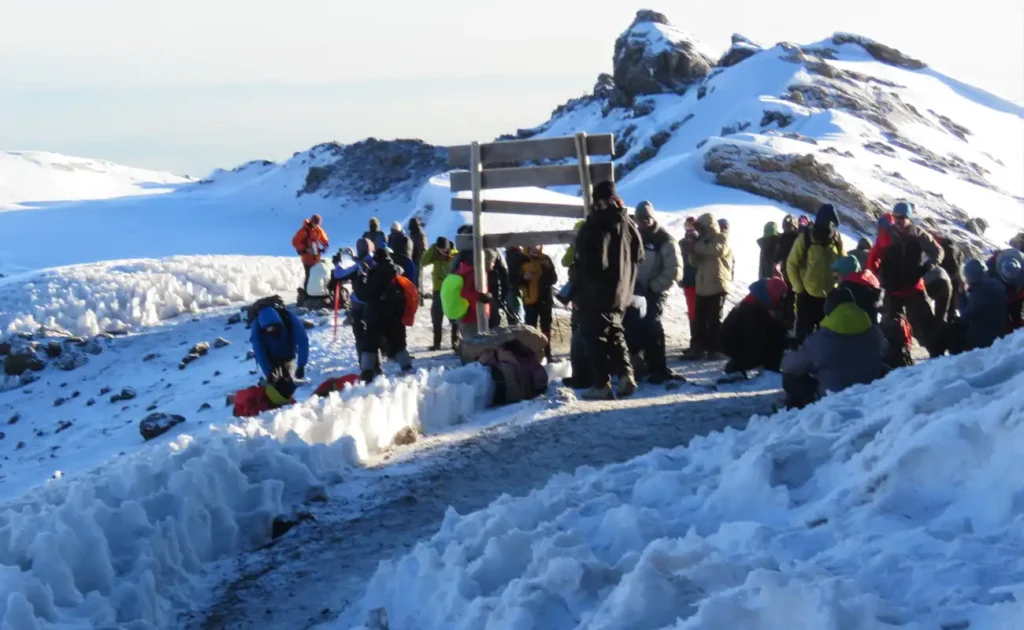
Scaling to the summit of Africa’s tallest mountain is not just a physical challenge but also a financial adventure. With prices ranging anywhere from $2,000 to $6,000, the Kilimanjaro climb cost is surprisingly flexible and is influenced by various factors, such as the route chosen, duration, and the level of service. The mountain draws thousands of enthusiasts annually, each seeking to grasp the cloud-lined crown of Tanzania.
Historically, embarking on this formidable elevation journey involves a meticulous breakdown of expenses, from park fees and Tanzanian taxes to accommodations and guide services. These costs not only maintain the climb’s infrastructure but also support the local communities involved in the climbing industry. Notably, investing in reputable operators is crucial for ensuring safety and a rewarding experience, as vital for both budding climbers and seasoned mountaineers.

How much does a Kilimanjaro climb cost?
Climbing Mount Kilimanjaro is a once-in-a-lifetime adventure. However, before lacing up your boots, understanding the costs is crucial. The price can vary widely, ranging from $2,000 to $6,000. Several factors influence these costs, like the route you choose and the number of days spent climbing. Additionally, the level of service provided by tour operators plays a significant role in determining the final price.
When planning your climb, it’s important to consider the type of package offered. Basic packages usually cover park fees, food, and camping gear. More comprehensive packages might include extra guides, porters, and better meal options. Some tours also provide added amenities, such as showers or personal tents. Hence, what you pay largely depends on what is included in your chosen package.
Choosing a reputable operator is key to balancing cost and safety. Reputable companies often charge more due to higher standards in safety and equipment. Reliable operators also respect guidelines meant to ensure both client and porter welfare. Cheaper options might skimp on these areas, which could affect quality and safety. Thus, it’s crucial to do thorough research and possibly read reviews from past climbers.
Here’s a general cost breakdown using a basic table:
| Expense Item | Estimated Cost |
|---|---|
| Park Fees | $800 – $1,000 |
| Guide Services | $500 – $700 |
| Transportation | $100 – $200 |
| Food and Accommodations | $300 – $500 |
Factors Affecting the Cost of a Kilimanjaro Climb
The choice of route greatly affects the overall cost of climbing Kilimanjaro. Some routes, like the Marangu, are cheaper due to their shorter duration. Others, such as the Lemosho route, may be more expensive because they are longer and offer more scenic views. Each route has its unique characteristics and levels of difficulty. Therefore, travelers should consider both their budget and desired experience when selecting a route.
The total duration of the climb also influences the cost. Longer climbs offer more acclimatization days, which can increase the chance of summiting successfully. However, extended stays require more food, accommodation, and guiding services, leading to higher costs. Here’s a simple table illustrating a typical cost estimate by duration:
| Duration | Estimated Cost |
|---|---|
| 5 Days | $2,000 – $3,000 |
| 7 Days | $3,500 – $4,500 |
| 9 Days | $4,500 – $6,000 |
Seasonal variations can impact climbing costs as well. During peak climbing seasons, prices tend to increase due to higher demand. Climbers experience better weather conditions during these periods, which can enhance the experience. In contrast, off-season climbs might be less expensive but come with more challenging weather. Thus, climbers should weigh the pros and cons of each season when planning their trek.
Additionally, the level of service chosen by climbers can lead to significant cost differences. Basic packages typically offer essential services like guides and porters. For more comfort, some climbers opt for upgraded services, including private tents and gourmet meals. These extras naturally inflate the overall cost of the expedition. Therefore, evaluating these options is important when budgeting for the climb.
The Importance of a Reputable Operator in Determining Climb Costs
Choosing a reputable operator is crucial when planning a Kilimanjaro climb. They may charge higher fees, but the quality and safety they provide justify the cost. Trusted companies ensure that their guides and porters are well-trained and adequately equipped. They also adhere to international safety standards, reducing risks during the climb. Thus, investing in a reputable operator is a wise choice for a safe adventure.
Operators with a good reputation often offer transparent pricing. They break down costs clearly, so you know what you are paying for, from accommodation to meals. This transparency helps climbers avoid hidden fees and unexpected expenses. With a reliable operator, you’re more likely to get value for your money. Transparency also builds trust and confidence in your climbing experience.
Hiring a reputable company also supports ethical practices. These operators often ensure that porters receive fair wages and proper working conditions. They often belong to organizations that promote porter welfare, such as the Kilimanjaro Porters Assistance Project (KPAP). Choosing a responsible operator helps support local communities. These ethical practices make the climb feel even more rewarding.
It’s also important to read reviews and compare different operators. Many climbers share their experiences online, providing valuable insights. Consider the following key points when selecting an operator:
- Safety Standards
- Transparency in Pricing
- Ethical Practices
- Reviews and Recommendations
Breakdown of Kilimanjaro Climb Costs – From Park Fees to Guide Services
Climbing Kilimanjaro involves several costs, starting with park fees. These fees are mandatory and help maintain the mountain’s environment. Park fees can range from $800 to $1,000 per climber, depending on the route and duration of the climb. This cost typically includes conservation fees, camp fees, and rescue fees. Paying these fees ensures that climbers contribute to preserving the natural beauty of Kilimanjaro.
Guide services are another significant expense. Professional guides are essential for a safe and successful climb. Guide fees can vary, but they usually fall between $500 and $700. These guides are trained to navigate the mountain and assist climbers with acclimatization. Their expertise can make the difference between a failed attempt and reaching the summit.
Transportation to and from the mountain is another cost to consider. This includes airport transfers and trips to the base of the mountain. Transportation costs can range from $100 to $200. Reliable transportation ensures that climbers start and end their journey smoothly. A good operator will include this in their package, but it is important to confirm.
Food and accommodations are crucial during the climb. This cost typically ranges from $300 to $500. These expenses cover fresh meals, snacks, and necessary camping gear like tents and sleeping bags. Proper nutrition and rest are vital for maintaining energy levels. Hence, investing in quality food and accommodations can significantly impact the success of the climb.
Other miscellaneous expenses include tips for staff and personal items. Tips are generally expected and can range from $200 to $400 for the entire trip. Personal items might include gear, clothing, and any additional comforts you wish to bring. All these costs can add up, so budgeting carefully is essential. Here’s a detailed table for a clearer view:
| Expense Item | Estimated Cost |
|---|---|
| Park Fees | $800 – $1,000 |
| Guide Services | $500 – $700 |
| Transportation | $100 – $200 |
| Food and Accommodations | $300 – $500 |
| Miscellaneous (Tips, Personal Items) | $200 – $450 |
Frequently Asked Questions
The journey to climb Mount Kilimanjaro comes with many queries. Here, we address some of the most common questions to help you prepare for your adventure.
1. What is the best time of year to climb Kilimanjaro?
The best time to climb Kilimanjaro is during the dry seasons, from January to mid-March and June to October. These months offer the most predictable and comfortable weather conditions. Rainy seasons, which occur in April-May and November-December, can make the trek more challenging due to muddy trails and reduced visibility.
Choosing the right time can significantly affect your climbing experience and success rate. During peak seasons, the trails are busier, but the weather is more favorable. In contrast, climbing in off-peak months offers solitude but comes with weather-related difficulties. Therefore, consider the weather patterns when planning your climb.
2. How long does it take to climb Kilimanjaro?
The duration of a Kilimanjaro climb depends on the chosen route. Most climbers take between five to nine days. Routes like Marangu can be completed in five or six days, while routes like Lemosho and Northern Circuit typically take eight to nine days.
Longer treks allow better acclimatization, increasing the chances of successfully reaching the summit. On shorter treks, the rapid ascent can lead to altitude sickness, reducing success rates. Therefore, a longer, more gradual climb is usually recommended for a safer and more enjoyable experience.
3. Do I need any special equipment to climb Kilimanjaro?
Climbing Kilimanjaro requires specific gear to ensure safety and comfort. Essential items include a good-quality sleeping bag, layered clothing for various weather conditions, and sturdy hiking boots. Additionally, a headlamp, trekking poles, and a backpack are also important.
Most tour operators provide equipment lists and often offer rental services for gear you do not own. Having the right gear is crucial for a successful climb, as the weather on Kilimanjaro can be unpredictable. Proper preparation with suitable equipment enhances the overall climbing experience.
4. Is it safe to climb Kilimanjaro?
Climbing Kilimanjaro is generally safe, provided proper precautions are taken. Reputable tour operators adhere to safety standards and guidelines, ensuring a secure experience. Guides are trained to handle altitude-related issues and other potential hazards.
However, climbers should also prepare by researching and training for the climb. Understanding the risks associated with high altitude and following the advice of experienced guides reduces dangers. With the right preparation and support, the trek can be a safe and memorable adventure.
5. What level of fitness is required to climb Kilimanjaro?
Climbing Kilimanjaro does not require technical climbing skills but does demand good physical fitness. Being in good health and having strong stamina are important. Cardiovascular and strength training can significantly help in preparation.
Regular hiking, walking on inclines, and endurance exercises are recommended. It’s also beneficial to familiarize yourself with long treks at varying altitudes. Proper fitness and preparation make the climb more achievable and enjoyable.
Conclusion
Climbing Kilimanjaro is an exciting endeavor that requires careful planning and preparation. Understanding the costs and factors involved helps ensure a safer and more enjoyable experience. By choosing reputable operators and the right times to climb, adventurers can maximize their chances of success.
Investing in good equipment and physical training will further enhance the journey. With the right approach, reaching the summit of Kilimanjaro becomes a rewarding and memorable achievement. Your dream adventure awaits, standing tall at the “Roof of Africa.”