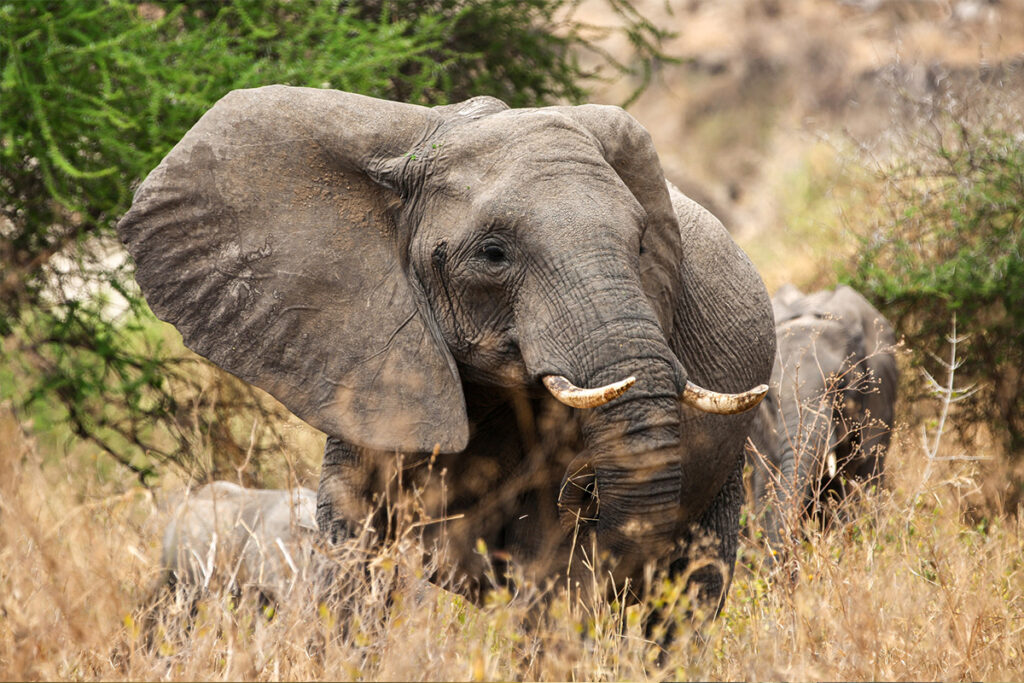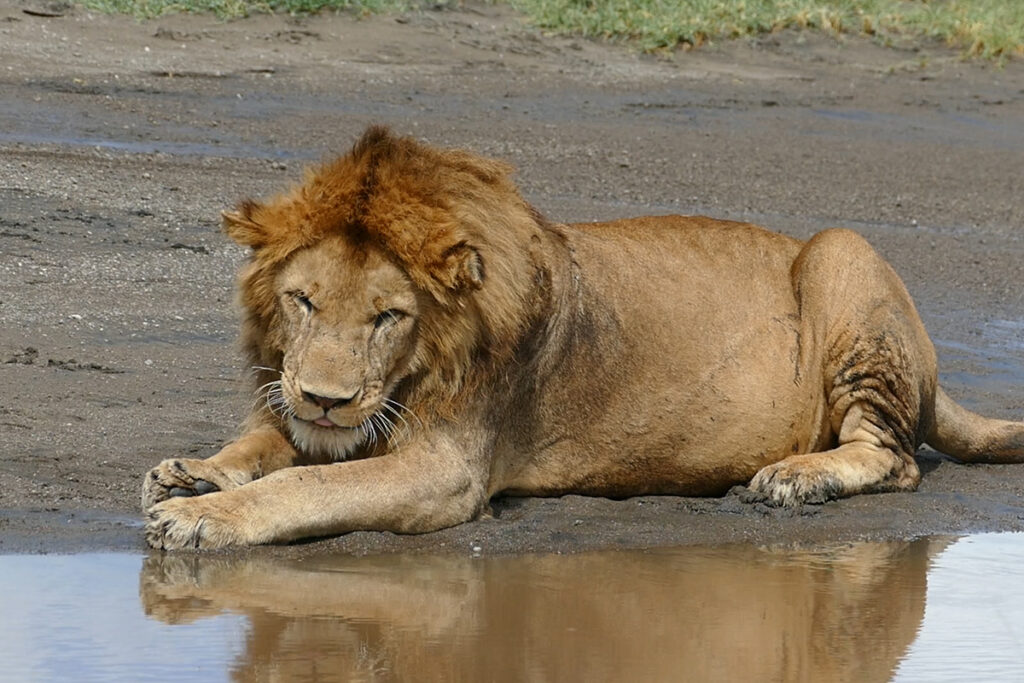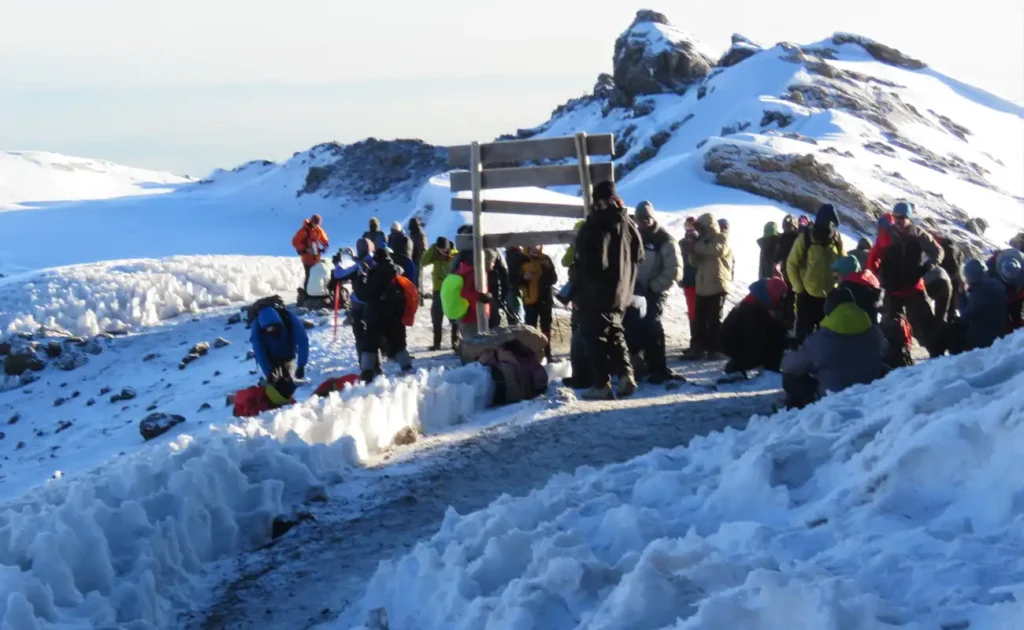
In the wide expanse of East Africa, Tanzania captivates with its majestic Serengeti and the iconic Mount Kilimanjaro. Many travelers are taken aback when learning that a Tanzanian safari can vary dramatically in price. Interestingly, these adventures can range from a budget-friendly $200 per day to a luxurious $1,500 or even more.
The cost of such an expedition is influenced by numerous factors including accommodation type, duration, and transportation methods. Historically, Tanzania has positioned itself as a premier safari destination, offering a spectrum of experiences from camping under the African sky to residing in opulent lodges overlooking breathtaking savannas. According to recent data, a mid-range safari typically costs around $350 to $500 per person per day, balancing cost without compromising the essence of the adventure.

Unraveling the Costs of a Tanzanian Safari
Embarking on a Tanzanian safari adventure is a dream for many wildlife enthusiasts. The cost of such a trip, however, can vary greatly depending on several factors. Basic safaris, which usually involve camping in tents, generally start around $200 per person per day. On the other hand, luxury safaris can soar up to $1,500 daily. These premium packages often include lavish accommodations and personalized services.
One key factor in determining the cost is the type of accommodation you choose. Basic tented camps are the most economical option. Mid-range lodges offer more comfort and amenities. For those seeking ultimate luxury, high-end lodges provide an extravagant experience with stunning views and gourmet meals. Each choice impacts the overall expenses of the safari.
Transportation is another significant contributor to costs. Most safaris include game drives in specialized vehicles. However, some packages offer fly-in safaris where small planes are used for quick park transfers. This option raises the total expense but offers breathtaking views from above.
Park fees also play a role in safari costs, as Tanzania maintains strict conservation efforts. These fees typically range from $50 to $100 per day, per person, depending on the park. Additional costs may include guided tours, walking safaris, and night drives, which all enrich the safari experience. Understanding these elements is crucial for budget planning and ensuring a memorable adventure.
The Major Components of a Safari Budget
When planning a Tanzanian safari, it’s important to understand the major components of your budget. Accommodation, as previously mentioned, plays a significant role. You’ll have choices ranging from basic tented camps to lavish lodges. Each option comes with its own price tag, directly affecting your overall cost. Selecting the right type for your preferences and budget is crucial.
Another major component is transportation. Safaris typically require a reliable 4×4 vehicle, essential for traversing rugged terrains and spotting wildlife. Fuel, maintenance, and guide fees are included in this cost. For those opting for fly-in safaris, small aircraft transport between parks adds an extra expense. Weighing these options can help in managing your budget effectively.
Park entrance fees should also be considered when calculating safari costs. These fees contribute to conservation efforts and vary by park. For instance, visiting the Serengeti National Park usually incurs higher fees than other parks. Below is a typical breakdown of park fees per day:
| Park | Fee (per person per day) |
|---|---|
| Serengeti | $70 |
| Ngorongoro | $60 |
| Tarangire | $45 |
Lastly, don’t forget about ancillary costs. These can include things like tips for guides, souvenirs, and extra activities such as hot air balloon rides or community visits. While these may seem minor, they can add up quickly, impacting your overall safari budget. Being prepared for these additional expenses ensures a smooth and enjoyable experience.
Factors Impacting the Cost of a Tanzanian Safari
The timing of your safari can greatly impact the costs involved. High season, which typically lasts from June to October, sees a surge in prices due to favorable weather conditions and prime wildlife viewing opportunities. Conversely, traveling during the low season can result in significant savings. However, it may come with trade-offs like higher chances of rain and fewer animals spotted. Planning your trip according to the season can help manage expenses.
The choice of safari company also plays a crucial role in determining the cost. Established, reputable tour operators often come with higher price tags. However, they offer the assurance of experienced guides and well-maintained equipment. On the other hand, smaller or newer companies might offer competitive rates. It’s essential to research and read reviews to ensure quality services.
Group size is another factor to consider. Larger groups can share the overall costs, making it more affordable per person. Solo travelers or small groups might find safaris more expensive due to the fixed costs that aren’t split. Below is a typical cost comparison for different group sizes:
| Group Size | Approximate Cost (per person per day) |
|---|---|
| 1-2 people | $500 |
| 3-5 people | $350 |
| 6+ people | $300 |
Finally, the duration of the safari impacts the overall cost. Longer safaris naturally cost more due to extended stays and additional park entry fees. However, some companies offer discounted rates for extended tours. It’s a good idea to compare different packages and find one that fits your budget and interests.
Ways to Save on Your Tanzanian Safari Adventure
Booking your safari during the off-peak season is a smart way to save money. The months of March to May and November often see fewer tourists, which leads to discounted rates. Not only does this lower the cost, but it also provides a more relaxed experience without the crowds. Keep in mind, however, that you might encounter more rain. With the right preparations, the off-season can be a rewarding choice.
Another effective strategy is to opt for budget accommodations. While luxury lodges offer comfort and style, budget options like campsites and hostels can save you a lot. These options allow for a more authentic experience of the Tanzanian wilderness. Look for accommodations that provide essential amenities. Prioritize your preferences and comfort level while making selections.
Traveling in a group can also significantly reduce costs. Sharing expenses such as vehicles, guides, and fuel makes the safari more economical on a per-person basis. Many tour operators offer discounts for larger groups. If you’re traveling solo, consider joining a group tour. It’s a great way to meet new people while saving money.
Consider combining destinations to make the most of your trip. Visiting nearby parks like Ngorongoro Conservation Area or Tarangire National Park can maximize your travel experience. Tour operators often provide package deals for multiple destinations. Planning with an itinerary in mind ensures more sights and activities. This approach provides adventure without increasing overall costs.
Look for special deals and early-bird discounts. Many safari companies offer promotions for travelers willing to book in advance. Subscribing to newsletters or joining travel forums can keep you informed about offers. Flexibility with travel dates can also help in snagging a good deal. Being proactive in your research ensures you get the best price.
Key Takeaways
- Visiting during the off-peak season can save you a lot of money.
- Consider budget accommodations like campsites to cut down on costs.
- Group travel allows you to share expenses and save more.
- Combine destinations for better value and an enriching experience.
- Keep an eye out for special deals or early-bird discounts online.
Conclusion
Understanding the factors that influence the cost of a Tanzanian safari is essential for effective budgeting. By considering the season, accommodation types, and group dynamics, travelers can make informed decisions. With these insights, planning becomes more strategic and rewarding.
Savvy travelers can explore ways to save while still enjoying a rich safari experience. From choosing the right time to travel to looking for special deals, there are numerous options to manage costs. Ultimately, a well-planned safari promises unforgettable adventures and lifelong memories.