
Join Us On Ultimate Tanzania Safari Adventure
Discover the beauty of Tanzania through tailored safari and Kilimanjaro expeditions that promise unforgettable experiences and sustainable travel.
Discover the unparalleled beauty of Tanzania with expertly crafted safari experiences designed just for you. From the majestic Serengeti to the towering peaks of Kilimanjaro, our tailored safaris offer a perfect blend of adventure, luxury, and cultural immersion. Whether you're a seasoned explorer or embarking on your first journey, Sia Yangu Safaris ensures an unforgettable adventure that meets your every need and desire. Begin your Tanzanian odyssey with us today!
Reasons why Travellers choose Sia Yangu Safari for their Tanzania adventure
1. Authentic, Tailor-Made Safari Experiences
At Sia Yangu Safari, we believe that every traveler is unique, which is why we specialize in creating personalized safari experiences tailored to your specific interests and desires. Whether you’re looking for a luxurious getaway, a thrilling adventure, or an immersive cultural journey, we design your safari to match your dreams, ensuring that every moment is unforgettable.
2. Expert Local Guides with Deep Knowledge
Our safaris are led by expert local guides who possess an in-depth understanding of Tanzania’s wildlife, culture, and landscapes. Their intimate knowledge of the terrain, coupled with their passion for conservation and storytelling, guarantees that you’ll experience Tanzania’s natural wonders in a way that few others can offer.
3. Commitment to Sustainable and Responsible Tourism
Sia Yangu Safari is deeply committed to preserving Tanzania’s natural beauty and cultural heritage. We partner with local communities, support conservation initiatives, and ensure that our safaris are conducted in a manner that minimizes environmental impact. By choosing us, you are contributing to the sustainability of Tanzania’s ecosystems and communities.
4. Unparalleled Access to Tanzania's Hidden Gems
With Sia Yangu Safari, you’ll explore not just the famous sites like the Serengeti and Ngorongoro Crater, but also the lesser-known, breathtaking locations that are often overlooked by other tour operators. From remote, pristine wilderness areas to cultural encounters with indigenous tribes, we provide access to experiences that go beyond the typical safari itinerary
Best Tanzania Safari Tours
At Sia Yangu Safaris, we specialize in crafting personalized Tanzanian adventures that cater to your every need. Whether you’re venturing solo, with a loved one, or in a group, we’ll tailor every detail—from the length of your stay to your choice of accommodation. Whether you prefer the luxury of upscale lodges or the simplicity of budget-friendly camping, we have the perfect option for you. Enhance your journey with exclusive experiences, such as cultural encounters or a breathtaking hot air balloon ride over the Serengeti, ensuring your safari is truly unforgettable.
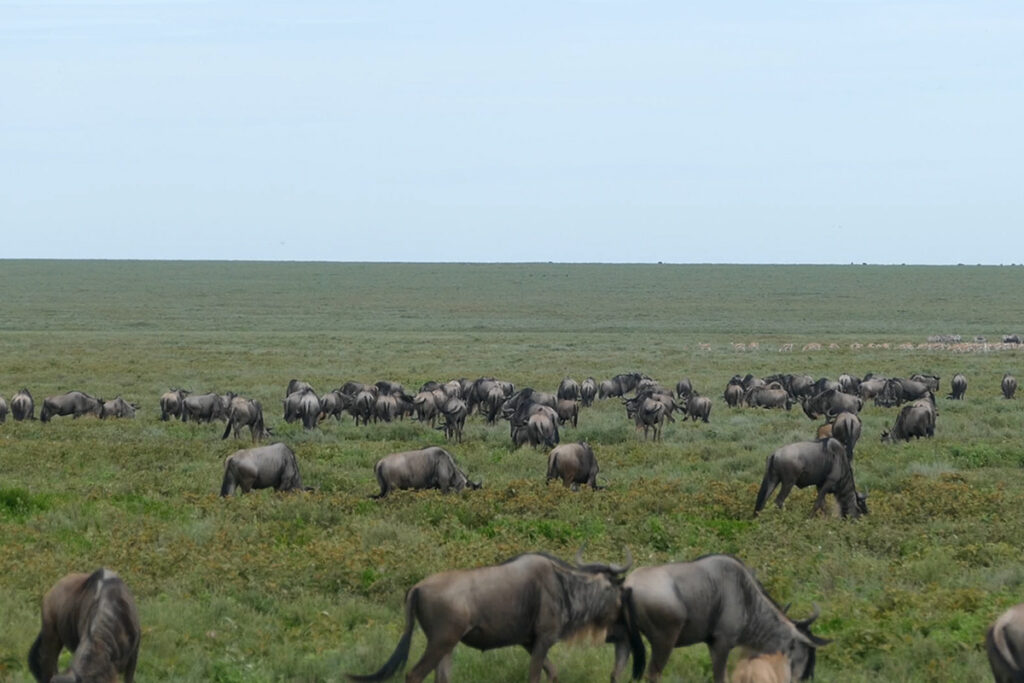
5 Days Serengeti Experience Budget
Tour Type: Budget Safari, Joining Groups
Places To Visit: Ngorongoro Crater, Serengeti NP, Lake Manyara NP, Tarangire NP
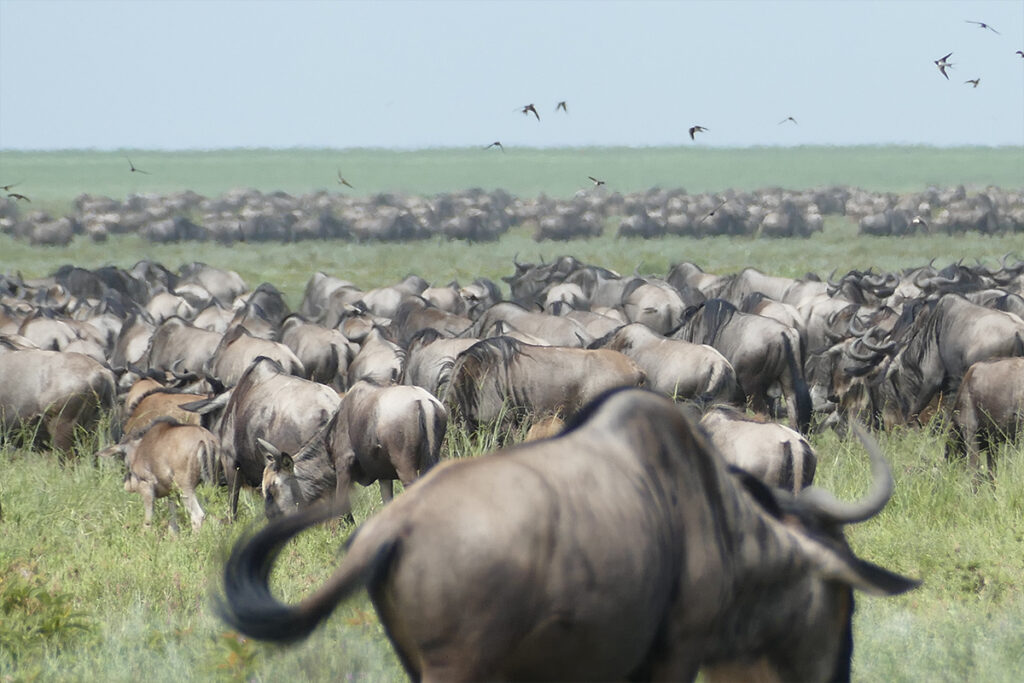
5 Days Great Migration Fly in from Zanzibar
Tour Type: MId-Range Safari, Joining Groups
Places To Visit: Ngorongoro Crater, Serengeti NP
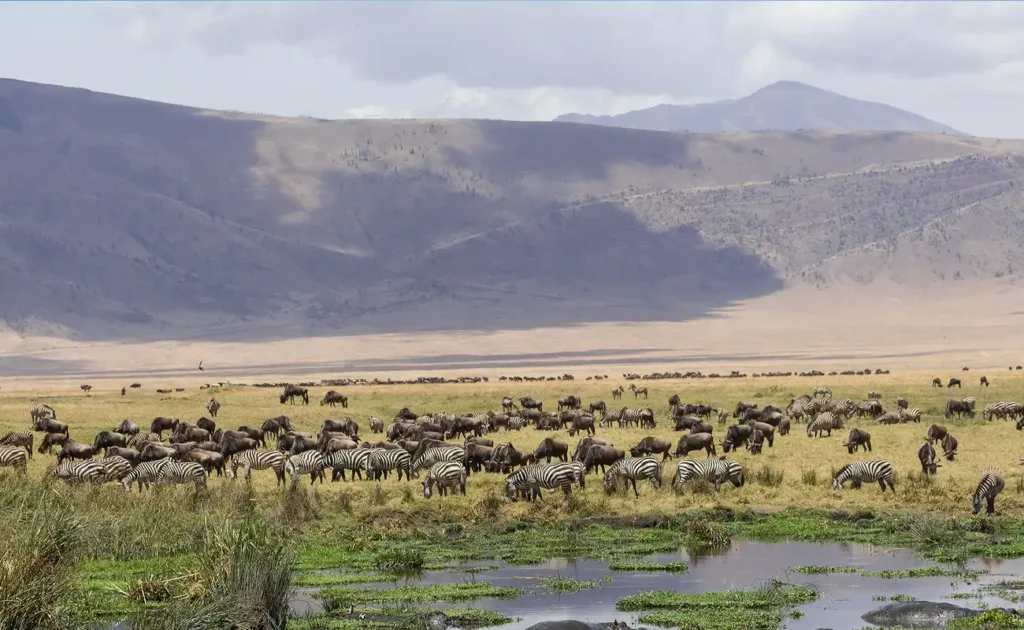
3 Days Fly-in Serengeti, Ngorongoro Safari
Tour Type: Luxuy Safari, Joining Groups
Place Visited: Serengeti, Ngorongoro Crater
Expert Insights on Tanzania Safari Tours

Tanzania National Parks
Imagine endless plains where animals roam freely, like in the Serengeti, or towering mountains, such as Mount Kilimanjaro. You can explore the Ngorongoro Crater, a special place where animals gather in a giant bowl, or trek through lush forests in Gombe and Mahale, home to chimpanzees swinging in the trees.
Activities
Maybe you’d like to relax on the beautiful beaches of Zanzibar, with its crystal-clear waters and white sands or cultural experiences or Balloon Safari on top of Serengeti

Accommodations
In Tanzania, you can stay in fancy lodges and tented camps. If you’re on a mid-range budget, there are comfy lodges and guesthouses all around the country. Tanzania has something for everyone, making sure you’re comfy while you explore its beautiful places.
Top Safari Destinations in Tanzania
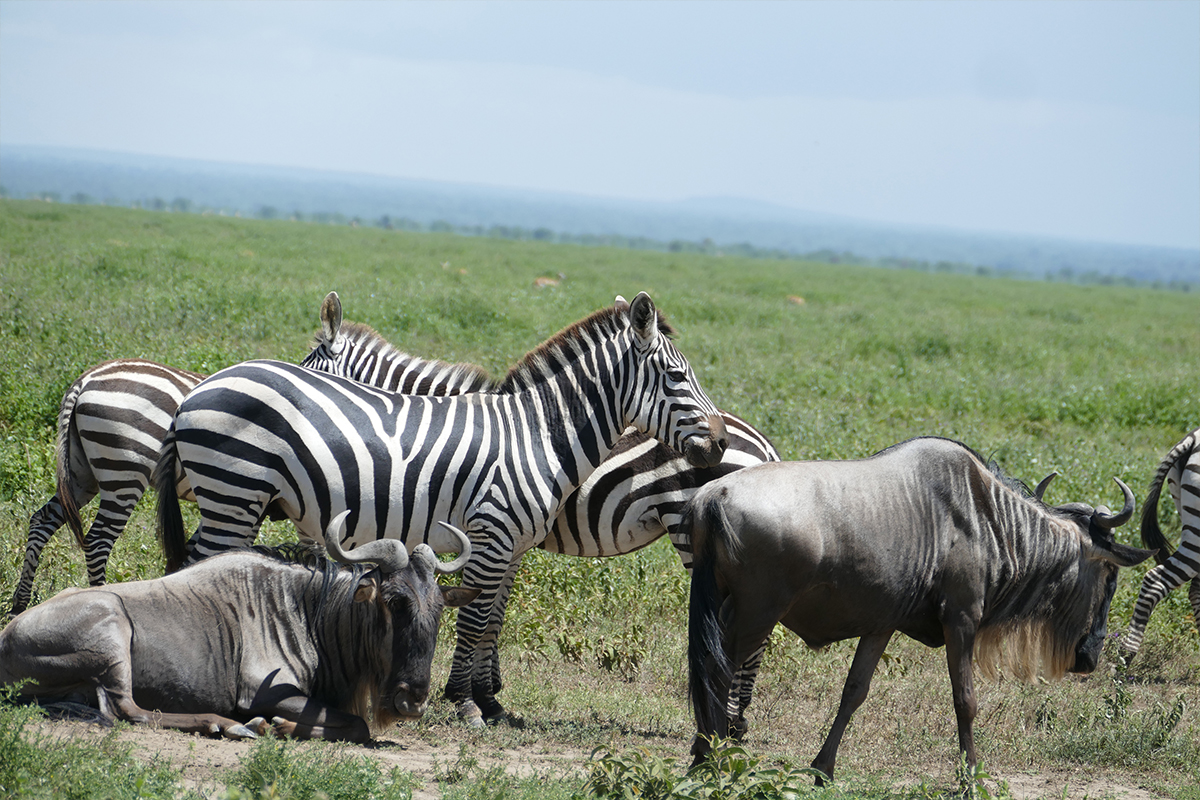
Serengeti National Park
The Serengeti is renowned for its annual migration, where millions of wildebeest, zebras, and gazelles journey across the plains. This park is the epitome of an African safari, offering unparalleled opportunities to see the “Big Five”: lion, leopard, elephant, buffalo, and rhinoceros.
Highlights:
- Best time to visit: June to October during the dry season for optimal wildlife viewing.
- Activities: Sunrise hot air balloon safaris, guided walking tours, and game drives.

Ngorongoro Crater
Often referred to as the “Eighth Wonder of the World,” the Ngorongoro Crater is a UNESCO World Heritage Site and a haven for wildlife. The crater’s lush landscape supports a dense population of animals, making it one of the best places to spot the endangered black rhino.
Highlights:
- Best time to visit: Year-round, with June to September being the most popular.
- Activities: Game drives, Maasai cultural visits, and picnics on the crater floor

Tarangire National Park
Known for its vast elephant herds and ancient baobab trees, Tarangire National Park is a hidden gem. The park is less crowded than its counterparts, offering a more intimate safari experience.
Highlights:
- Best time to visit: July to October during the dry season.
- Activities: Game drives, bird watching, and riverboat safaris.
Tanzania Safari Experience We Can Offer
Tanzania-Experience arranges lodge and camping safaris, trekking and hiking tours and beach holidays.

Hiking
Hike the Majestic Kilimanjaro, Mount Meru and Oldonyo lengai and enjoy your Tanzania adventure

Cultural
We offer a blend of both Tanzania’s wildlife and its cultural heritage safaris

Walking safari
Walking safaris are a great way to meet the magic of the bush. Encountering animals by stepping into their world awakens your senses.

Biking
We are pioneers in making bike safaris. Our experience and hard work have made us able to offer unusual routes.

Canoeing
Tanzania Canoeing Safaris · is the ultimate in relaxing excitement to enjoy the astonishingly beautiful scenery.

Camping
Camping safaris Tanzania are more popular on Northern Tanzania than in the Southern.
Tanzania Safari Articles
Discover helpful tips, guides, and stories in our Tanzania Safari Articles. Learn about the best places to visit, what to expect on your safari, and how to make the most of your adventure
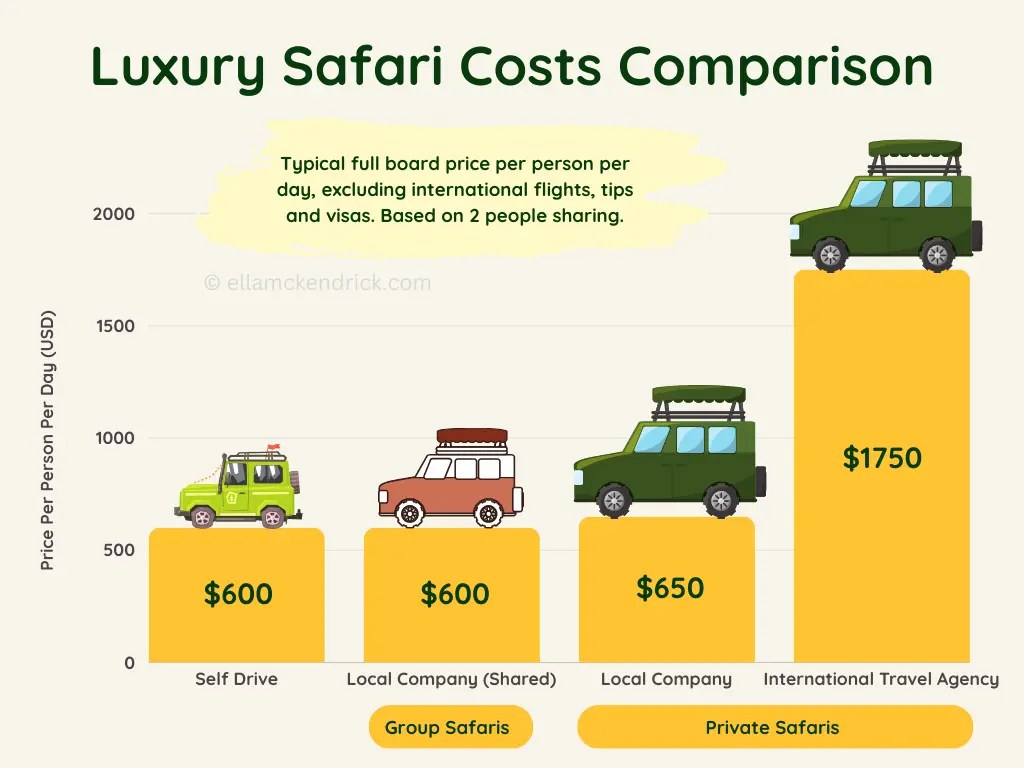
Are Luxury Tanzania Safaris Worth The Price?
From witnessing the Great Migration to staying in opulent lodges with panoramic views of the...
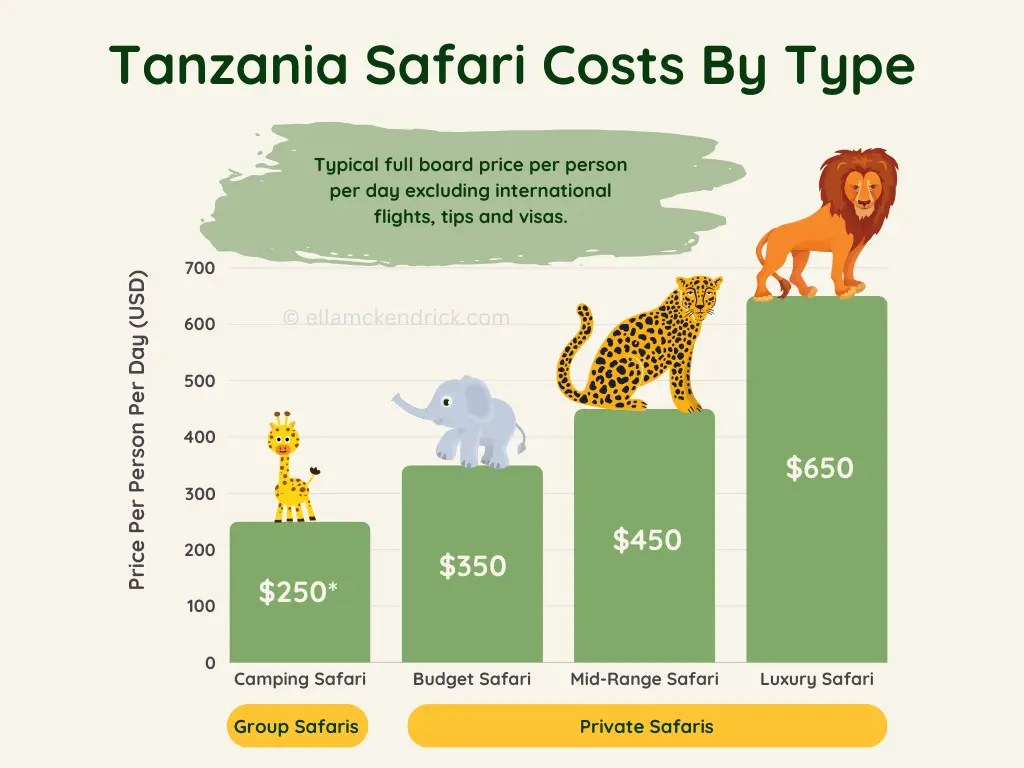
Expert Tips Booking Your Tanzania Safari Around Major Wildlife EventsWhat Is The Cheapest Way To Do A Safari In Tanzania?
Did you know that timing your visit to Tanzania can dramatically enhance your safari...
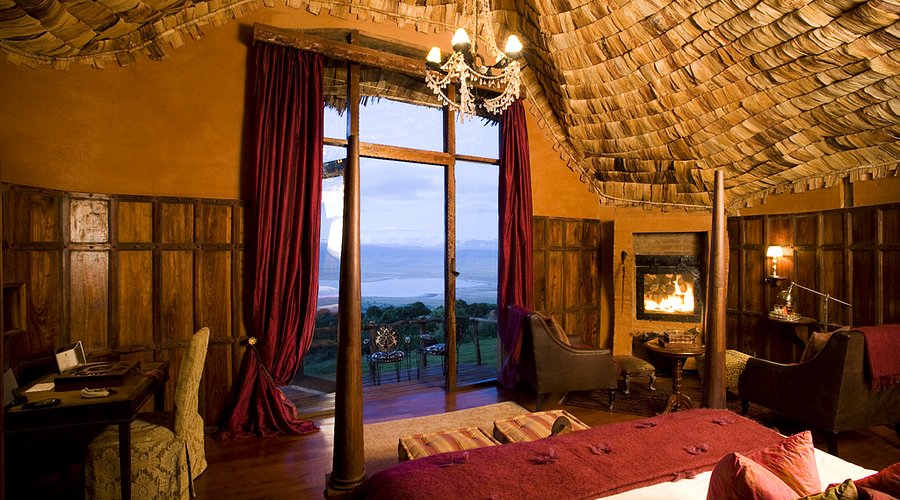
Ngorongoro Crater Lodge
Perched on the rim of one of Africa's most spectacular natural wonders, the Ngorongoro Crater...
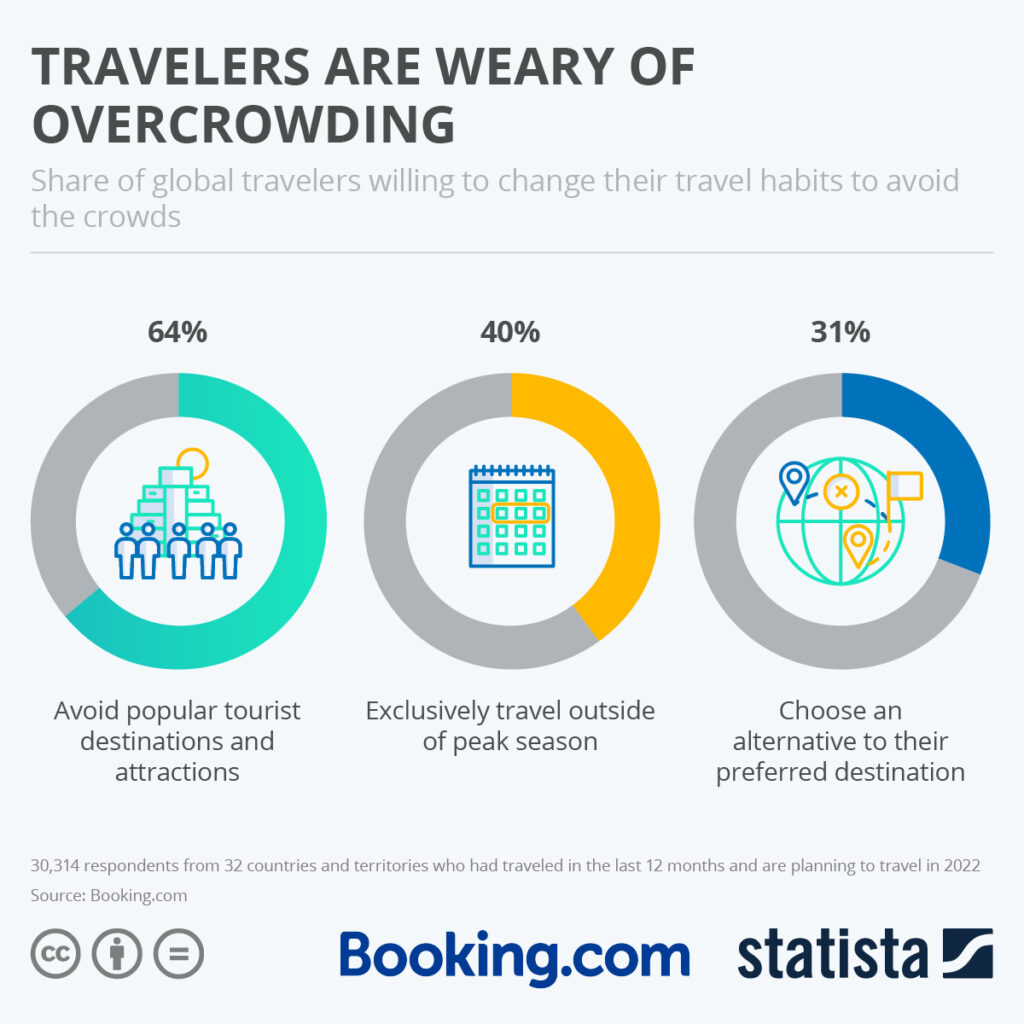
How Crowded Is Too Crowded? Planning Your Climb Around Visitor Trends
Determining how crowded is too crowded depends on the experience you seek. Analyze visitor...
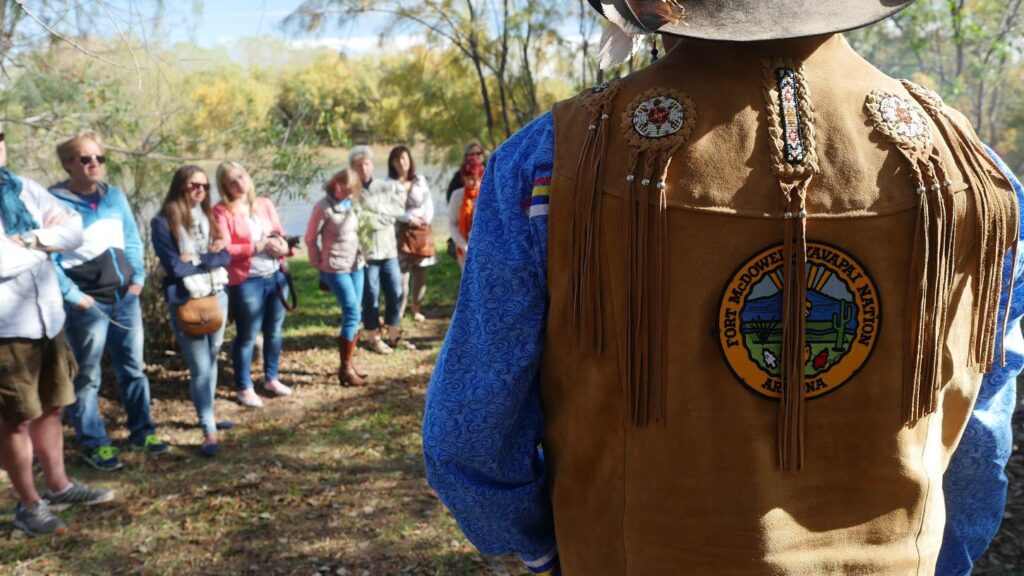
How To Avoid Exploitative Tours When Visiting Indigenous Tribes
Research tour companies thoroughly. Choose tours operated by local indigenous communities....
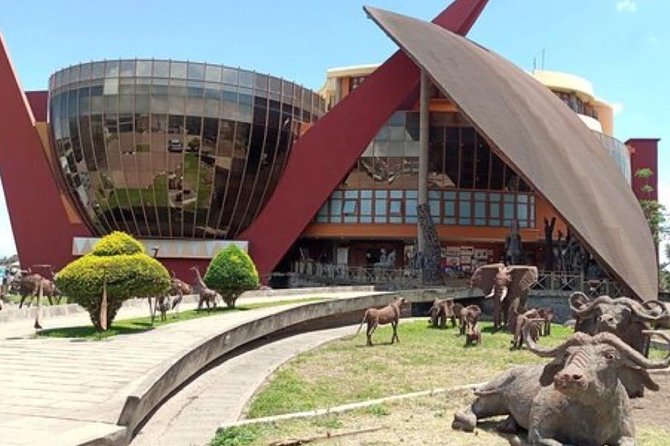
What Are Some Cultural Experiences In Arusha?
Have you ever considered how a city can be a melting pot of traditions yet maintain its unique...
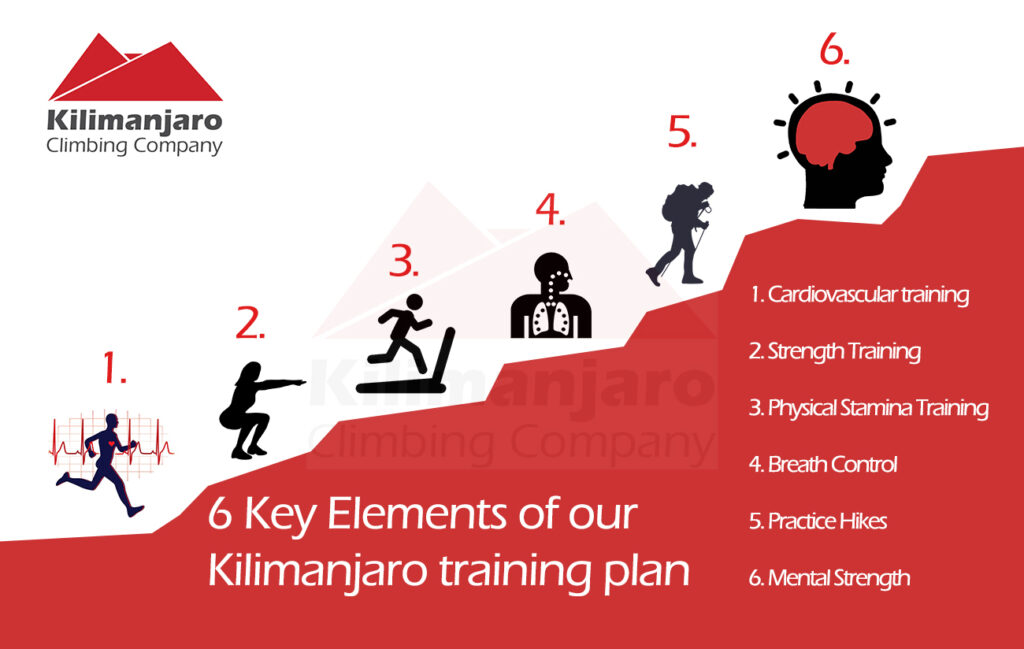
How To Prepare For Your Kilimanjaro Climb: A Complete Guide
Preparing for a climb up Mount Kilimanjaro can be both daunting and exhilarating. Did you know...
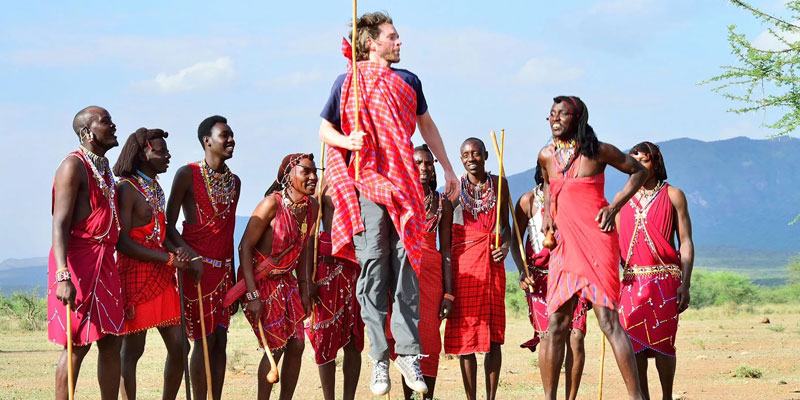
Maasai Cultural Safari Tanzania
In the heart of Tanzania, amidst the vast savannah and the Serengeti's sprawling plains, the...
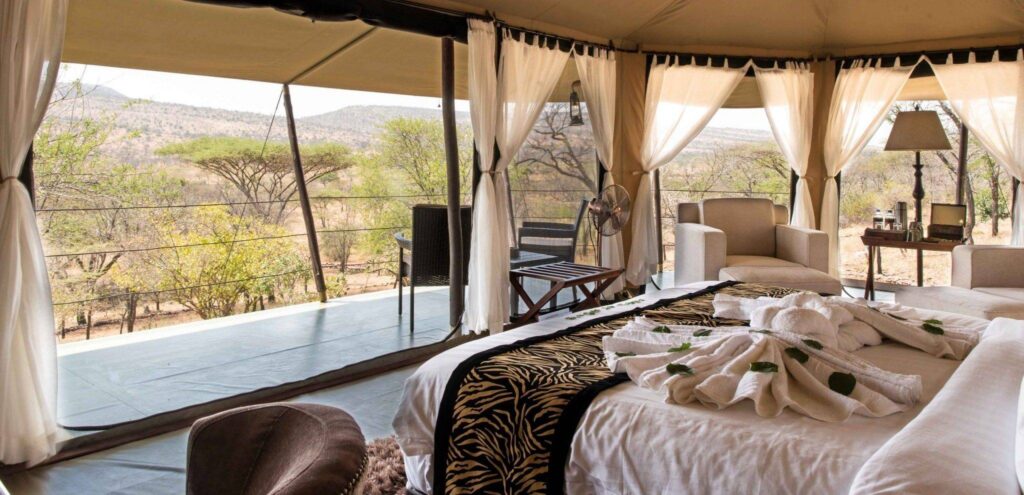
Tanzania Safari All-inclusive Packages
Embarking on a journey that merges the untamed beauty of the Serengeti with luxury is now just...
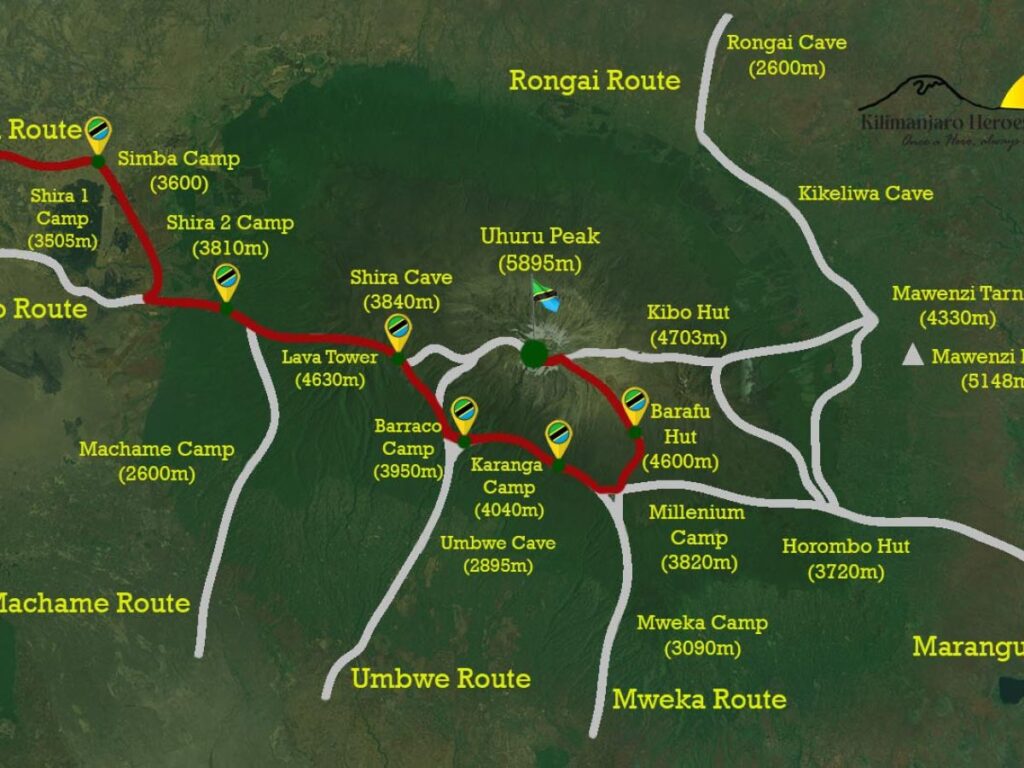
6-Day Shira Itinerary: A Unique Kilimanjaro Experience
Climbing the Shira route on Mount Kilimanjaro is akin to stepping back in time, traversing...