With roots tracing back centuries, the Nyamwezi people are known for their complex societal structures and vibrant traditions. They have a unique heritage that combines intricate wood-carving art, expressive dances, and harmonious music. The Nyamwezi are celebrated for their role in integrative peace initiatives in Western Tanzania, constructing a tapestry of cultural riches that extends beyond mere artifacts.
Historically, the Nyamwezi have been pivotal in regional trade, establishing networks that facilitated the exchange of goods and culture. In recent years, they have gained attention for their sustainable agricultural practices, influencing the region’s socioeconomic landscape positively. The population’s resilience and adaptability underscore their ongoing importance to Tanzania’s cultural and economic fabric, with an estimated 1.5 million members contributing to the nation’s diversity.

Nyamwezi Tribe: Cultural Riches of Western Tanzania
The Nyamwezi tribe is among the largest ethnic groups in Tanzania, offering a colorful tapestry of traditions and cultural practices. Their history is a rich narration of ancient trade routes and vibrant community interactions. They are well-known for elaborate ceremonies that celebrate important life events like marriage and initiation. These events often include music, dance, and unique attire, vividly capturing the tribe’s lively spirit. For more on the Nyamwezi’s significant cultural backdrop, you can explore additional resources like here is the article.
Trading has always played an integral role in Nyamwezi life, with the tribe historically acting as key traders and diplomats in the East African region. They traded ivory, salt, and grains, establishing connections that contributed to their economic resilience. According to the article, their economic activities significantly enhance regional trade dynamics, forming a network that benefits neighboring cultures. A deeper understanding of their trade prowess highlights their historical influence in connecting communities. These economic connections have furthered not just wealth but cultural exchanges as well.
From a social perspective, the Nyamwezi people are celebrated for their community cohesion and collective social structures. Families are often large and interconnected, ensuring strong support networks. Roles in the community are clearly defined but ensure balance and harmony. This collaborative way of living has allowed them to preserve their traditional values and customs through generations. Their emphasis on community well-being continues to inspire surrounding regions.
In modern times, the Nyamwezi tribe’s cultural importance remains significant. They are active participants in cultural festivals and initiatives that promote traditional arts and crafts. This participation helps to sustain their heritage while showcasing their artistry to a broader audience. By integrating traditional and contemporary practices, they successfully navigate the changing landscape of modern Tanzania. Their commitment to preserving their rich cultural riches is a testament to their enduring legacy.
The last Bush hunters of East Africa, 🏹The Hadzabe Bushmen from the northern Tanzania.
The History of the Nyamwezi Tribe
The Nyamwezi tribe is one of the oldest ethnic groups in Western Tanzania, with roots reaching back several centuries. Their early history is marked by the establishment of small chiefdoms, which later combined to form more substantial political entities. Known for their skills as traders, the Nyamwezi developed significant trade routes with coastal and inland communities. Through these routes, they exchanged goods like ivory and salt, integral to their economic stability. This trading prowess contributed to their reputation as skilled negotiators and diplomats.
Throughout history, the Nyamwezi were considered influential people due to their ability to adapt and thrive in different environments. They interacted with European explorers and traders who passed through the region in the 19th century. Their interactions influenced various aspects of their society, including technological advancements and new agricultural methods. During colonial times, the Nyamwezi were known for their resistance and resilience against foreign powers. Such resilience solidified their place as a proud and enduring community.
Social structures within the Nyamwezi community have always centered around family and communal life. By maintaining oral traditions and storytelling, they preserved their rich history and culture. Over time, traditional songs and dances became vital in expressing their identity and experiences. Even today, these cultural elements serve as reminders of their ancestors’ wisdom and creativity. The stories passed down are not just history lessons but lessons in survival and perseverance.
In recent years, the Nyamwezi people have continued to honor their ancestors by preserving and promoting their unique heritage. They participate in cultural festivals, sharing vibrant dances and beautiful crafts with the world. This commitment to tradition ensures their stories and art remain alive for future generations. Historical landmarks and artifacts also provide insights into their storied past. Together, these efforts underscore the Nyamwezi tribe’s commitment to safeguarding their cultural identity.
Economic Influence of the Nyamwezi Tribe
The Nyamwezi tribe has a long-standing reputation as skilled traders in East Africa. Historically, they facilitated trade between the interior lands and coastal regions. Their main trade items included ivory, salt, and grains, which were highly valued. The success in these trading ventures established strong economic ties with neighboring cultures. This trading network helped fortify their economic position in the region.
Their expertise in agriculture also significantly boosted their economic stature. The Nyamwezi are known for cultivating various crops such as millet, corn, and cassava. These agricultural products not only sustained their communities but also provided surplus for trade. Additionally, their innovative farming techniques showcased their adaptability and advanced agricultural knowledge. Such practices have influenced sustainable farming methods in the region, setting an example for other communities.
In modern times, the Nyamwezi people continue to engage in various economic activities. They participate in local markets where they trade not only agricultural produce but also handcrafted items and traditional artifacts. This diversity in economic ventures ensures their resilience in varied economic climates. Moreover, their involvement in regional tourism showcases their rich culture, bringing additional income and opportunities. Economic activities today are as vital as ever, reflecting the tribe’s dynamic adaptation.
Economic influence extends beyond tangible goods; it includes the sharing of knowledge and skills. For instance, many Nyamwezi are involved in educational initiatives, promoting literacy and vocational training. By investing in education, they help create a more skilled workforce, further enhancing economic stability. These efforts demonstrate their holistic approach to economic development, integrating both tradition and modernity. Their contributions to the region’s economy are multifaceted, combining historical prowess with contemporary innovation.
The Unique Traditions of the Nyamwezi People
The Nyamwezi people’s traditions are a vivid depiction of their rich cultural history. One of the signature features of their culture is intricate wood carvings. These carvings often depict stories, animals, or daily life, showcasing their artisans’ exceptional talent. This craft is passed down through generations, ensuring that skill and creativity remain alive. The art of carving not only sustains their cultural heritage but also contributes to their economy.
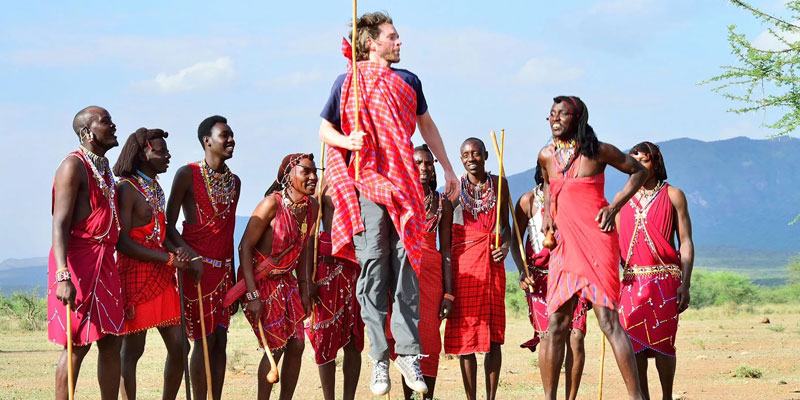
Dance and music form another core aspect of Nyamwezi traditions. These performances are vibrant, involving rhythmic beats and expressive movements. The dances are not just for entertainment; they serve as a medium for storytelling and communication. Each performance is an expression of their history, beliefs, and social values. Special occasions like weddings and harvest festivals often feature these lively celebrations, bringing communities together.
The Nyamwezi people also have unique rituals to mark life events such as births, marriages, and deaths. These ceremonies are deeply rooted in tradition and have symbolic meanings. For instance, initiation ceremonies for young people are significant, as they mark the transition into adulthood. This rite of passage is celebrated with much joy and community involvement. Through these rituals, cultural values and social responsibilities are passed on to future generations.
- Traditional initiation ceremonies
- Vibrant harvest festivals
- Symbolic wood carvings
- Expressive dance performances
The Nyamwezi have also preserved their culinary traditions, which include unique cooking methods and dishes. Their cuisine often features local ingredients like cassava, millet, and fish. These foods are prepared using traditional techniques that enhance their flavors. Meal times are more than just eating; they are occasions for social interaction and storytelling. This focus on food and fellowship strengthens their community bonds.
Today, while the Nyamwezi people embrace modern influences, they continue to celebrate their traditions with pride. Participating in cultural exhibitions allows them to share their heritage with the world. These events help preserve their customs while allowing others to appreciate their rich cultural tapestry. By showcasing their unique traditions, the Nyamwezi actively contribute to the diversity of cultural expressions globally. Their commitment to preserving their heritage ensures it remains vibrant for future generations to appreciate and learn from.
The Nyamwezi’s Role in Agricultural Sustainability
The Nyamwezi tribe has long been recognized for its sustainable agricultural practices. Generations have honed farming techniques that respect the land while producing abundant yields. They cultivate crops like millet, maize, and cassava, which flourish in their environment. These crops are selected for their adaptability to local climate conditions, ensuring steady food supplies. Their farming practices contribute directly to the community’s food security and resilience.
The tribe employs crop rotation and companion planting, which are essential for maintaining soil fertility. By alternating crops, they prevent the depletion of soil nutrients, a key factor in long-term sustainability. They also use natural fertilizers, such as compost, to enrich the soil. This careful management of the land helps to avoid damaging the ecosystem. Their methods provide valuable lessons in sustainable agriculture for other communities.
Water management is another area where the Nyamwezi excel. They have developed efficient systems to conserve water during dry spells. Collecting and storing rainwater allows them to irrigate crops even in drought conditions. These systems are simple yet effective, reflecting their deep understanding of their environment. Such practices help ensure they maintain agricultural productivity throughout the year.
- Crop rotation and companion planting
- Use of natural fertilizers
- Rainwater collection systems
- Drought-resistant crop selection
The Nyamwezi’s agricultural techniques also incorporate traditional knowledge passed down through generations. This includes understanding planting seasons, weather patterns, and pest management. This knowledge, combined with a strong community work ethic, fosters sustainable food production. Sharing these insights through educational initiatives benefits younger members of the tribe and neighboring communities. By doing so, the Nyamwezi continue to lead in promoting agricultural sustainability.
Today, the Nyamwezi’s commitment to sustainable farming is as strong as ever. They actively engage in regional agricultural projects, sharing their insights with broader communities. This collaboration helps propagate sustainable farming techniques, benefiting larger regions beyond their own. The tribe’s practices are essential examples for sustainable development in agriculture. Their success not only supports their own community’s well-being but also contributes to global efforts in sustainable farming.
The Modern Influence and Future of the Nyamwezi Tribe
In contemporary times, the Nyamwezi tribe remains a pivotal part of Tanzania’s cultural and social landscape. They actively engage in both local and national developments, contributing not just through their agricultural prowess but also in education and commerce. Their ability to adapt to changing times while maintaining their cultural identity is commendable. Modern technology has made it easier for them to share their traditions with wider audiences. This balance of old and new ensures their influence continues to grow.
Education plays a crucial role in shaping the Nyamwezi’s future. They have made significant strides in improving literacy rates within their community. Schools focusing on both traditional knowledge and modern sciences prepare young Nyamwezi for diverse futures. By investing in education, they lay the groundwork for future leadership and innovation. It empowers their youth to engage with broader societal developments positively.
- Investment in education and literacy
- Promotion of cultural festivals
- Integration of technology in traditions
- Involvement in regional development projects
As the Nyamwezi continue to engage in regional projects, they increasingly emphasize cultural festivals and events. These gatherings celebrate their rich heritage and foster unity among community members. Such festivals attract visitors, providing a platform for cultural exchange and economic opportunities. They also offer a chance for young Nyamwezi to connect with their roots. This strong embrace of heritage ensures their customs remain vibrant.
Looking ahead, the Nyamwezi tribe strives to create a sustainable future while preserving their traditional legacy. Utilizing modern resources in agriculture, education, and technology, they aim to remain resilient against future challenges. Their active participation in cultural preservation efforts highlights their dedication to safeguarding their identity. This proactive approach shows promise in ensuring the tribe’s cultural and social contributions endure. The Nyamwezi’s journey is a testament to the strength found in adaptability and tradition.

Frequently Asked Questions
The Nyamwezi tribe holds a significant place in Tanzania’s cultural landscape, offering unique traditions and practices. Below are some intriguing questions and answers about the Nyamwezi people and their vibrant heritage.
1. What are the key cultural practices of the Nyamwezi tribe?
The Nyamwezi tribe is renowned for its artistic wood carvings, vibrant dances, and music steeped in tradition. These cultural expressions are not just performances; they are storytelling mediums that convey centuries of history and social values. Each dance or piece of art embodies specific symbolic meanings that tell stories of life, nature, and spirits.
Their ceremonies mark vital life events, ensuring that traditions are passed down through generations. This passing down of practices helps maintain their identity in a rapidly modernizing world. These events are community-centered, further solidifying ties within the tribe, ensuring a strong sense of belonging and cultural pride.
2. How do the Nyamwezi people contribute to agriculture in Tanzania?
The Nyamwezi tribe practices sustainable agriculture, crucial for local food security and ecological balance. They employ traditional methods like crop rotation and natural fertilization, which enhance soil fertility and prevent degradation. Their agricultural strategies have been adopted widely, reflecting their understanding of and respect for the land.
Additionally, the Nyamwezi’s expertise in water management, particularly rainwater harvesting, supports their crop sustainability during dry seasons. This method ensures consistent agricultural productivity, contributing significantly to Tanzania’s food supply. Their approach to farming not only aids their tribe but serves as a model for sustainable agricultural practices across the region.
3. How have the Nyamwezi preserved their traditions in modern times?
The Nyamwezi people embrace cultural festivals as a means to preserve traditions while engaging with modernity. These festivals are platforms for showcasing traditional arts, dances, and crafts, attracting both locals and tourists alike. They bring together generations and foster cultural pride and identity in the face of change.
Moreover, the integration of technology for storytelling and cultural documentation plays a vital role in preservation. Digital media allows them to share their rich history and customs with a global audience, ensuring their traditions endure. This adaptability ensures their cultural legacy thrives while embracing contemporary tools and ideas.
4. How has the Nyamwezi tribe influenced trade in East Africa historically?
Historically, the Nyamwezi were central to trade routes between the interior and coastal regions of East Africa. They traded essential goods like ivory, grains, and salt, creating a robust economic network. Their strategic trade expertise facilitated exchanges that promoted wealth and cultural interactions among diverse groups.
Their trade skills transcended just goods, influencing regional diplomacy and cultural exchange. This role as traders and negotiators earned them respect and established the tribe as pivotal in the region’s economic history. The inherent skills and knowledge from this trading legacy continue to benefit the Nyamwezi people today.
5. What challenges do the Nyamwezi face in preserving their cultural heritage?
In modern times, the Nyamwezi encounter challenges such as globalization and cultural assimilation, which pose risks to their traditions. Rapid urbanization and an influx of foreign influences can lead to cultural dilution. However, the tribe remains committed to preserving its heritage by incorporating traditional education and cultural tourism.
Efforts in promoting and maintaining traditional practices through festivals and cultural education are vital. These initiatives help counteract the pressures of modernization, ensuring their traditions evolve without losing essence. Community leaders play pivotal roles in these efforts, guiding younger generations in upholding and valuing their rich cultural heritage.
Hamer | tribes omo valley #africantribe #shortvideo #short
Conclusion
The Nyamwezi tribe stands as a testament to the balance between tradition and modernity in Tanzania. Their cultural practices, from vibrant dances to sustainable agriculture, reflect their deep-rooted heritage and adaptability. By embracing both historical traditions and contemporary innovations, they ensure the continuity of their cultural legacy.
As the Nyamwezi people navigate future challenges, their resilience and dedication to preserving their identity remain unwavering. Their influence in regional trade and cultural preservation sets an example of cultural unity and sustainability. The Nyamwezi continue to be a beacon of cultural wealth, contributing significantly to Tanzania’s diverse cultural landscape.