In the heart of Tanzania, amidst the vast savannah and the Serengeti’s sprawling plains, the Maasai tribes stand as a vibrant testament to a culture deeply intertwined with nature. Through a Maasai cultural safari, one can experience centuries-old traditions that have remained virtually untouched by the modern world. As globalization sweeps across continents, the Maasai people’s resilience in preserving their unique way of life raises both curiosity and admiration among cultural enthusiasts.
This immersive journey offers attendees an intimate look at traditional Maasai practices, from their iconic jumping dance to the stories behind their striking red shúkà attire. Historically, these semi-nomadic people have traversed East Africa for hundreds of years, with an estimated population of 1.5 million across Kenya and Tanzania. Such cultural safaris provide rare glimpses into their social structures and communal living, enriching participants with invaluable perspectives on harmonious co-existence with the land.

Maasai Cultural Safari Tanzania
A Maasai cultural safari in Tanzania offers a unique glimpse into the lives of one of East Africa’s most iconic tribes. The Maasai people are known for their distinct customs and colorful garments, which have remained largely unchanged for centuries. Visitors have the opportunity to witness traditional dance performances, where warriors demonstrate their famous jumping dance. This cultural immersion enhances understanding and appreciation of the Maasai way of life. Such experiences bring a deeper connection to Tanzania’s rich heritage.
The safari typically includes visits to authentic Maasai villages, where locals welcome you with open arms. Guests can explore the structures of mud-and-stick homes, learning about the craftsmanship involved. According to this post, engaging directly with Maasai families offers insight into their daily routines. Young children, adorned with beaded jewelry, often showcase their skills in herding livestock. This kind of firsthand interaction provides a real sense of community and belonging.
Environmental stewardship is deeply rooted in Maasai culture, making conservation efforts a focal point during the safaris. The Maasai have traditionally lived in harmony with nature, aiming to preserve wildlife and natural resources. These practices are highlighted through educational sessions conducted by Maasai guides. Participants learn about sustainable grazing, water conservation, and anti-poaching initiatives. This ecological awareness is vital for protecting Tanzania’s diverse ecosystems.
Planning a visit requires some consideration of timing and logistics. The best periods to experience a Maasai cultural safari are during the dry seasons, from June to October and from January to February. Essential travel details, such as permits and accommodations, should be smoothly arranged. For more in-depth guidance, here is the article detailing specific preparations. With thorough planning, visitors can ensure a memorable and enlightening safari adventure.
The Significance of Maasai Cultural Safaris
Maasai cultural safaris are vital for preserving and sharing a rich cultural heritage. These safaris offer a gateway to the past, where visitors can witness traditions that have been passed down through generations. The experiences provided in these safaris help bridge cultural gaps, promoting mutual understanding and respect. Exploring Maasai culture up close teaches respect for different ways of life. This type of exchange nurtures global citizenship.
One key aspect of Maasai cultural safaris is the opportunity to learn from the Maasai themselves. Guides, often members of the tribe, provide firsthand stories and cultural insights. They explain customs, such as the significance of beadwork and the art of cattle herding. Engaging in meaningful dialogue enhances the understanding of their traditions. Tourists leave with a deeper appreciation of Maasai contributions to society.
Cultural safaris also support economic sustainability for the Maasai communities. When tourists participate in these experiences, they help generate income for the locals. This revenue supports essential services like education and healthcare. The economic benefits encourage the community to continue showcasing their heritage. Safaris in Maasai regions strengthen both cultural pride and financial stability.
Environmental conservation plays a crucial role in experiencing Maasai culture. The Maasai people have coexisted with nature for centuries, emphasizing the protection of land and wildlife. Educational programs during safaris highlight the importance of conserving resources. Participants learn how traditional practices contribute to ecological balance. This harmony between culture and nature elevates the significance of Maasai cultural safaris.
Traditional Practices of the Maasai People
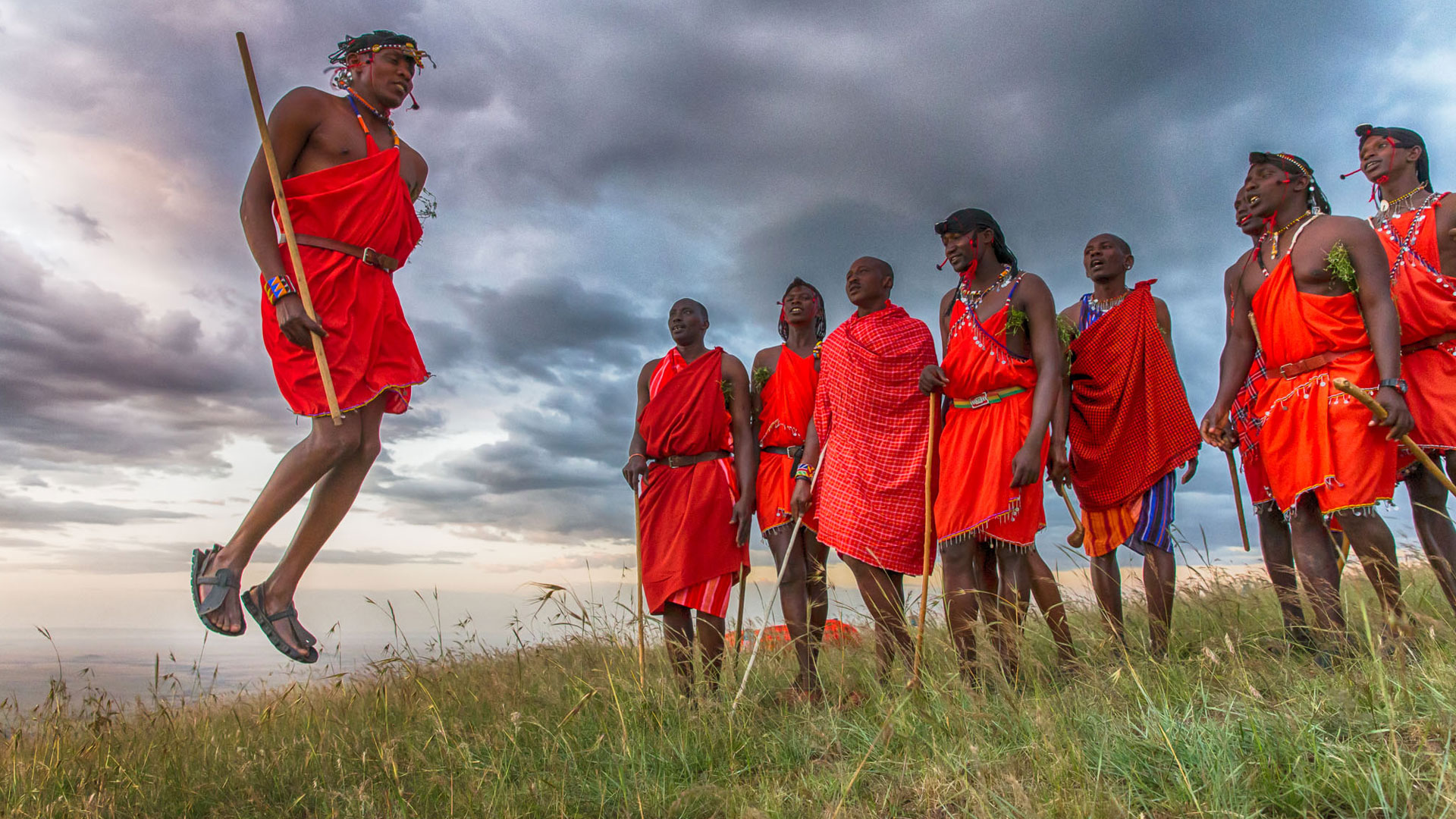
The Maasai people are renowned for their vibrant traditions and cultural practices. One of their most famous customs is the vibrant dance known as the “adumu,” where warriors leap high into the air. This dance not only showcases their physical strength but also fosters a sense of community unity. Besides the dance, Maasai attire is distinct and colorful, often featuring bright shúka and intricate beadwork. These garments and ornaments are more than just fashion; they play a crucial role in expressing identity and social status.
Beadwork is a significant traditional practice among the Maasai, involving the creation of intricate patterns from small glass beads. Women primarily engage in this craft, spending hours stringing beads into decorative pieces. Each color and design tells a story, often indicating aspects like age, marital status, or family heritage. This form of art has been handed down through generations, preserving cultural narratives unique to each Maasai family. Learning about beadwork offers insights into the Maasai’s artistic expressions and values.
Another traditional aspect of Maasai life is their pastoral lifestyle, relying heavily on cattle herding. Cattle are central to their culture, providing food, material for clothing, and a measure of wealth. Every part of the cow is utilized, from milk for sustenance to hides for bedding. The Maasai’s respect for their livestock is reflected in their diligent care and sustainable grazing methods. Such practices underline the strong bond between the Maasai and their environment.
- Adumu dance
- Intricate beadwork
- Pastoral lifestyle
- Respect for livestock
Ceremonial rituals form a pivotal part of Maasai culture, marking different life stages from birth to adulthood. Each milestone is celebrated with events that include songs, dances, and feasts. One significant rite of passage is the transition to adulthood, marked by endurance tests and communal gatherings. Elders serve as mentors, guiding the younger generation through these traditions. These ceremonies ensure that Maasai heritage and values are comprehensively passed down.
Interaction with Maasai Villages and Lifestyle
Interacting with Maasai villages offers a fascinating peek into their daily lives. Visitors can observe the construction of bomas, traditional Maasai homes made of mud, sticks, and grass. These structures are built to withstand the harsh weather conditions of the savannah. Walking through the village, you might see women crafting intricate beadwork or children playing nearby. This immersion provides an authentic feel of Maasai life.
Participating in daily activities with the Maasai people is a highlight for many travelers. Guests often join in on cattle herding, learning the importance of livestock in Maasai culture. This hands-on experience reveals the skills required to manage and protect their herds. Additionally, tourists may help gather firewood or fetch water. Such tasks demonstrate the teamwork and community spirit that are central to Maasai life.
Storytelling is a crucial part of Maasai heritage, and village visits often include evenings of shared tales. Elders recount oral histories that have been passed down through generations. These stories encompass legends, moral lessons, and historical events. Listening to these tales under the stars provides a deep connection to Maasai culture. This practice keeps their traditions alive and educates younger generations.
- Cattle herding
- Gathering firewood
- Storytelling sessions
- Beadwork crafting
Cultural practices also highlight the Maasai’s relationship with nature. The Maasai use locally available materials to craft tools, weapons, and utensils. Visitors can learn about the sustainable methods used to create these items. Demonstrations of traditional skills, such as fire-making and hunting techniques, are educational and impressive. This self-sufficiency shows the Maasai’s ingenuity and deep understanding of their environment.
Participating in Maasai ceremonies offers yet another layer of cultural immersion. Celebrations often include dance, music, and feasts. Guests are welcomed to join these events, enhancing their connection to Maasai traditions. Witnessing a ceremony like the Eunoto, which marks the transition from warrior to elder, is unforgettable. Such experiences leave visitors with a profound respect for Maasai customs and community spirit.
Conservation Efforts Associated with Cultural Safaris
Conservation efforts are a significant aspect of Maasai cultural safaris, aiming to protect both wildlife and indigenous traditions. Many safari programs dedicate resources to environmental education. Participants learn how Maasai practices contribute to preserving ecosystems. By highlighting sustainable grazing and water-saving techniques, these safaris promote environmental stewardship. These educational experiences build awareness about the Maasai’s role in conservation.
Through cultural safaris, tourists can see the impact of anti-poaching initiatives firsthand. Maasai warriors often serve as rangers in national parks and reserves. They use their skills and knowledge of the land to protect wildlife from illegal hunters. Tourists can support these efforts by engaging in conservation-focused tours. Such involvement strengthens the community’s resolve to safeguard their natural heritage.
Revenue generated from cultural safaris also funds various conservation projects. This financial support helps sustain programs that combat habitat destruction and poaching. By visiting Maasai villages, tourists contribute directly to these initiatives. Their spending helps ensure the longevity of both cultural and environmental preservation efforts. This economic boost is essential for the continued success of conservation work.
- Environmental education
- Anti-poaching tasks
- Habitat preservation
- Sustainable grazing techniques
Collaborations between Maasai communities and conservation organizations enhance the impact of these efforts. Joint programs often include training and resources for sustainable agriculture and eco-friendly tourism practices. These partnerships empower the Maasai to take a leading role in protecting their environment. Tourists on cultural safaris witness these collaborations first-hand, fostering a deeper appreciation for collective conservation work. This cooperation promotes a sustainable future for both people and wildlife.
Planning Your Visit: When and How
Planning a visit to experience the rich culture of the Maasai involves choosing the right time. The best months are typically during the dry seasons, from June to October, and January to February. During these periods, wildlife viewing is optimal, and road conditions are better for travel. These months offer clearer skies, making the scenery even more breathtaking. Avoiding the rainy seasons ensures a more comfortable and exciting safari adventure.
Booking a guided tour with a reputable company enhances the experience. Guides are knowledgeable and offer insights into Maasai traditions and the environment. It’s wise to research different tour operators and read reviews from previous tourists. Many tours include visits to Maasai villages, national parks, and conservation sites. Securing a spot early helps avoid disappointment, especially during peak travel times.
- Choose dry seasons for better travel
- Book guided tours with experienced operators
- Research and read reviews
- Consider inclusive packages
When preparing for your visit, ensure you pack appropriately. Light, breathable clothing is essential, along with comfortable walking shoes. It’s crucial to bring sun protection, like hats and sunscreen, due to the intense African sun. A good camera is invaluable for capturing the stunning landscapes and vibrant Maasai culture. Remember, respecting local customs and bringing a sense of curiosity enhances the experience.
Consider travel logistics, such as flights and accommodations. Tanzania is accessible via major airlines, and many lodges offer authentic safari experiences. Booking accommodations that support local communities can make your visit more meaningful. Additionally, ensure your passport and visas are up-to-date. Preparing thoroughly ensures a smooth and enjoyable journey to the Maasai lands.
Frequently Asked Questions
Explore the fascinating world of Maasai cultural safaris in Tanzania with these common questions. Discover insights into the experiences and learn how the Maasai people preserve their rich cultural heritage.
1. What kind of activities can you expect during a Maasai cultural safari?
During a Maasai cultural safari, participants engage in several traditional activities that deeply illustrate the Maasai way of life. Visitors can witness vibrant dances, such as the “adumu,” where warriors skillfully leap into the air. This dance is not only a spectacular display but also a form of communication and celebration. Additionally, tourists are often invited to partake in daily activities, including cattle herding and beading crafts.
These experiences allow for a hands-on understanding of Maasai customs and practices. Engaging with locals in their communities provides unique insights into their pastoral lifestyle. The activities are designed to foster an appreciation of their sustainable practices and the natural environment they work to protect. Such involvement creates lasting memories and enriches the safari journey.
2. How do Maasai cultural safaris contribute to conservation efforts?
Maasai cultural safaris play a vital role in conservation by promoting awareness and supporting sustainable practices. The income generated from tourism provides resources for the Maasai community to invest in conservation initiatives. These funds help protect wildlife habitats and finance anti-poaching efforts, ensuring the preservation of their ecological surroundings.
Visitors gain knowledge about the Maasai’s eco-friendly approaches, such as sustainable grazing techniques that maintain land health and biodiversity. Tour operators often partner with conservation organizations to enhance the positive impact on the environment. By participating in these safaris, visitors directly contribute to the ongoing conservation of Tanzania’s stunning landscapes.
3. When is the best time to go on a Maasai cultural safari?
The ideal time to embark on a Maasai cultural safari in Tanzania is during the dry seasons. These periods run from June to October and January to February, offering the best conditions for wildlife viewing and travel. The dry weather ensures better roads and more predictable safari experiences, enhancing visitors’ overall enjoyment.
During these months, the landscapes are vibrant, and animals are more easily spotted congregating around water sources. Visitors can also enjoy clear skies, making for stunning photographic opportunities. Planning a visit during these times ensures a truly memorable safari adventure, full of cultural and natural wonders.
4. Why is storytelling important in Maasai culture?
Storytelling in Maasai culture is a crucial medium for preserving history and imparting wisdom. Elders share oral narratives that encompass myths, moral lessons, and historical events. These stories educate younger generations about Maasai values, traditions, and societal expectations. Through storytelling, the Maasai ensure the continuity of their cultural identity.
The practice of storytelling also strengthens community bonds by bringing people together. Evenings spent around campfires listening to tales create shared experiences among tribe members and visitors alike. This tradition celebrates Maasai heritage and allows outsiders to connect with their life perspectives, fostering cross-cultural understanding.
5. How do Maasai cultural safaris support local communities?
Maasai cultural safaris significantly benefit local communities by providing economic opportunities and preserving cultural integrity. Revenue from tourism helps fund essential services such as education and healthcare in these regions. Supporting local artisans through the purchase of crafts during safaris contributes to the community’s financial stability and cultural preservation.
Tourists engaging with Maasai communities reinforce the importance of maintaining cultural practices, as demand creates both recognition and appreciation for their lifestyle. These interactions empower the Maasai to sustain their heritage while adapting to modern challenges. Thus, cultural safaris nurture both environmental and cultural resilience.