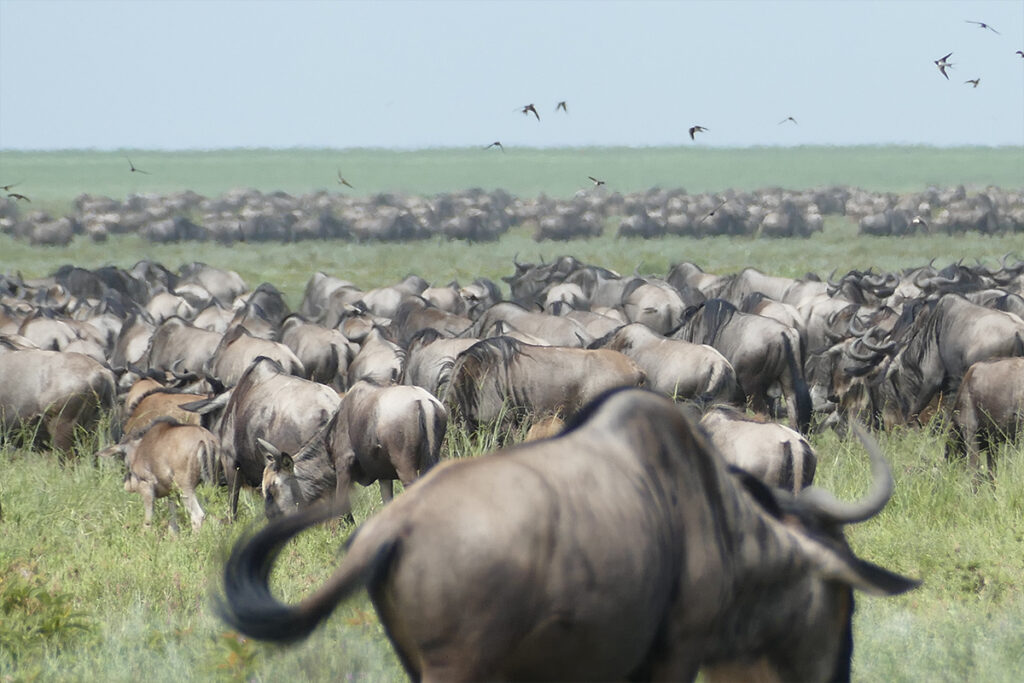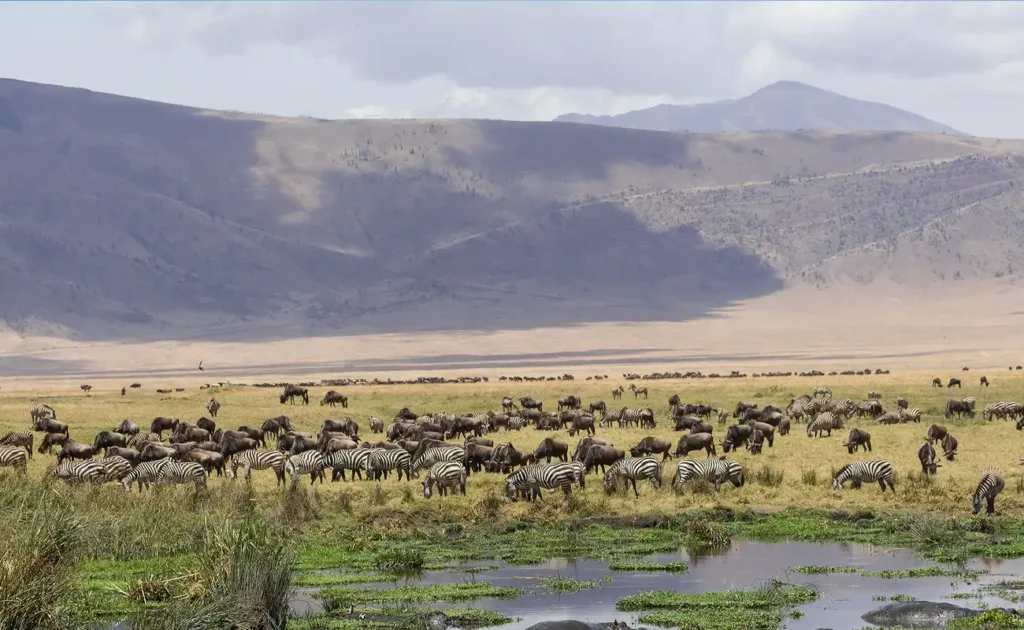
Curiously, over two million wildebeest make their awe-inspiring journey across the Serengeti and Maasai Mara, a spectacle unmatched in the animal kingdom. This massive migration is not only a testament to nature’s grandeur but also a critical ecological event. It raises the question: when is the best time to witness this remarkable phenomenon?
The Great Migration operates like clockwork, heavily influenced by the rains. Generally, from July to October, one can observe the river crossings as herds brave the crocodile-infested waters of the Mara River. Statistics indicate that nearly 250,000 wildebeest die due to exhaustion, starvation, or predator attacks during this perilous trek. Understanding the migration’s timing and the wildebeest’s survival strategies offers profound insights into the intricacies of this natural wonder.

The Phenomenon Known as the Great Migration
The Great Migration is one of the most incredible natural spectacles on Earth. Over two million animals, including wildebeest, zebras, and gazelles, move across the Serengeti. This massive journey is primarily driven by the search for food and water. As the seasons change, so does the movement of these animals, highlighting nature’s rhythmic cycle. Witnessing this event offers a glimpse into the wonders of wildlife and ecology.
During this migration, animals face many challenges, like predators and tough terrains. Yet, they press on with remarkable determination and instinct. Interestingly, about 250,000 wildebeest never complete the journey, falling prey to the harsh conditions. Still, the cycle continues year after year, showcasing nature’s resilience. For many, this event is a testament to the enduring spirit of life.
The migration follows a predictable path that divides the year into distinct phases. Tourists and wildlife enthusiasts often visit to experience this awe-inspiring journey firsthand. They can do so through safaris, where guides provide insights into the behaviors and patterns of the migrating herds. According to the article, the best spots to witness these crossings are along key rivers where tension and drama unfold. With each phase, different parts of the Serengeti come alive with action and life.
This epic migration is not only about animals in motion but also about sustaining their ecosystem. As herds graze and move, they play a crucial role in dispersing seeds and shaping the environment. The migration’s impact is profound, influencing the balance and health of the ecosystem. Observers see the interconnectedness of life and its flows across landscapes. For an insightful look into the cultural aspects intertwined with this natural event, here is the post that connects it to human experiences in the region.
What Makes the Great Migration So Unique?
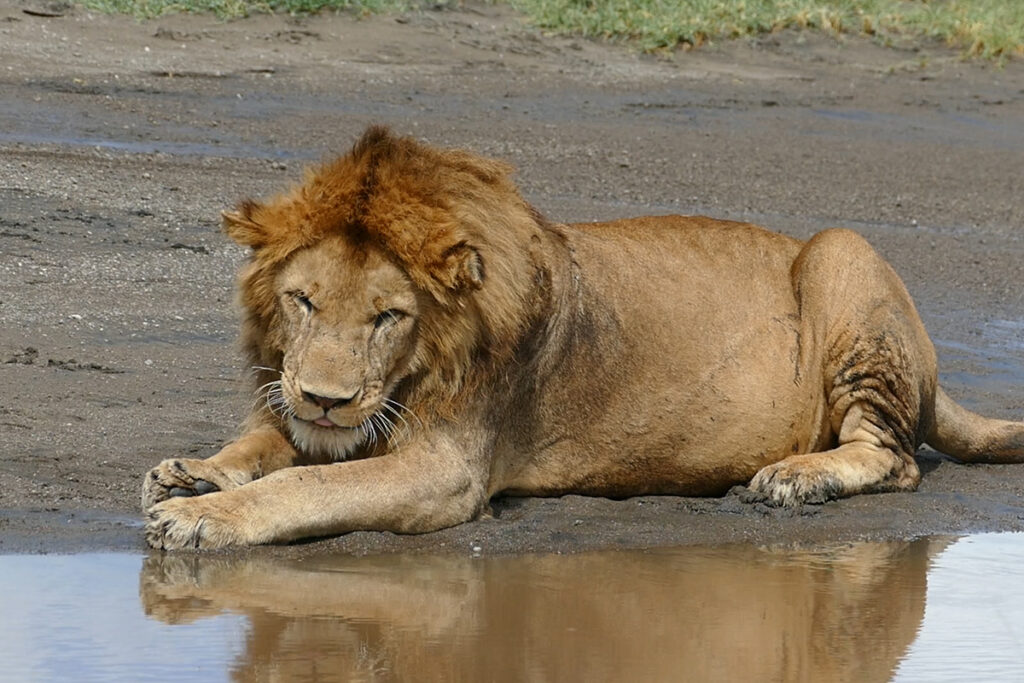
The Great Migration stands out due to its sheer scale and the coordination of millions of animals. It’s a colossal dance of nature, where wildebeest, zebras, and gazelles move in harmony. Each animal plays a vital role, creating a balance in the ecosystem. Predators like lions and crocodiles find their place in this moving feast, maintaining nature’s hierarchy. This interdependence makes the migration a fascinating study of survival.
Another unique feature is the migration’s timing and pattern, shaped by rain and seasons. The animals travel in a clockwise loop, ensuring they find fresh pasture and water. These natural triggers play a pivotal role in the timing of their journey. Consequently, the migration is both predictable and unpredictable, adding to its allure. Wildlife enthusiasts eagerly follow the shifts, hoping for an unforgettable sighting.
List of factors contributing to the uniqueness:
- Massive Herds
- Predators Following the Migration
- Seasonal Weather Patterns
- Interconnected Ecosystems
- Cultural Significance in Local Communities
This migration is not just a natural event but a cultural phenomenon for people living nearby. It influences traditions and practices, weaving a rich tapestry of human and wildlife interactions. For locals, the migration is more than a spectacle; it’s tied to livelihoods and storytelling. Safaris and guided tours offer people insights into this connection. Visitors leave not only with memories of wildlife but also with stories of people who share the land.
The Best Time to See the Great Migration
The timing of the Great Migration is key to planning an unforgettable safari. The dry season from July to October is often regarded as the prime window to witness this event. During this period, the herds gather at the Mara River and make daring crossings. These crossings offer dramatic scenes as wildebeest and zebras brave the crocodile-infested waters. Every moment is packed with tension and excitement.
Another excellent time to observe the migration is between January and March. Around these months, the herds are in the southern Serengeti, where calving takes place. Thousands of baby wildebeest are born, making it a spectacle of new life. Predators are also more active, taking advantage of the vulnerable young. This phase shows the circle of life in its rawest form.
For those who prefer a month-by-month breakdown, here’s a helpful list:
- January-March: Calving Season in the Southern Serengeti
- April-May: Migration Towards the Western Corridor
- June: Crossing the Grumeti River
- July-October: Mara River Crossings
- November-December: Return to the Southern Plains
The rains significantly dictate the migration’s behavior and timing. It’s crucial to stay informed about weather patterns, which can shift the movement slightly. Local guides and wildlife experts are valuable resources for accurate insights. Safaris during the migration period are often fully booked quickly. Planning well in advance ensures that you secure the best spots for viewing.
Factors Influencing the Great Migration Timing
The timing of the Great Migration is influenced primarily by rainfall patterns. The Serengeti’s rainy season triggers the growth of fresh grass, a crucial food source for the large herbivore herds. Consequently, the herds move in search of these fertile grazing lands. The timing and amount of rainfall can vary, making the migration somewhat unpredictable. However, the general pattern tends to follow the seasonal shifts.
Temperature also plays a significant role in the movement of the herds. During the dry season, water sources diminish, pushing animals to congregate around remaining water bodies. This leads to the dramatic river crossings observed at the Mara and Grumeti rivers. These crossings are essential not just for hydration but for reaching new grazing areas. The herds must balance their need for food and water under these conditions.
A table of critical months and their associated factors:
| Month | Key Factors |
|---|---|
| January – March | Calving season, abundance of grass |
| April – May | Long rains, movement towards the Western Corridor |
| June | Crossing the Grumeti River, dwindling water sources |
| July – October | Mara River crossings, peak dry season |
| November – December | Short rains, return to the Southern Plains |
Predator-prey dynamics are another crucial influence on the migration. The presence of predators like lions, cheetahs, and crocodiles adds a layer of risk to the journey. Predator activities can shift the direction or speed of the herd’s movement. This natural balancing act ensures that only the fittest survive, maintaining a healthy population. It’s a fascinating display of nature’s checks and balances.
Human activities also impact the migration’s timing and path. Habitat disruption, climate change, and development projects can alter the traditional routes. Conservation efforts are in place to mitigate these risks and preserve the migration’s integrity. Responsible tourism and local community involvement are key. These efforts strive to maintain the delicate balance needed for this natural event to thrive.
Experiencing the Great Migration: How and Where?
The opportunity to experience the Great Migration is a thrilling adventure for any wildlife enthusiast. To see this magnificent event, planning is crucial. The Serengeti National Park in Tanzania and the Maasai Mara Reserve in Kenya are primary locations for viewing the migration. These areas offer diverse landscapes, providing a perfect backdrop for this natural spectacle. Visitors should consider guided safaris to enhance their experience with expert insights.
Planning a visit requires understanding the migration’s seasonal paths. From July to October, the Mara River crossings provide breathtaking action and drama. Guides help locate the best spots to witness this thrilling spectacle. Additionally, in the early months of the year, the southern Serengeti becomes a hub of activity during calving season. Here, you can witness new life as thousands of young wildebeest are born.
For an enriched experience, many choose to stay in various accommodations that blend comfort with adventure:
- Luxury lodges: Offering panoramic views and premium services.
- Mobile camps: Moving along with the herds for closer proximity.
- Rustic tents: Immersive setups closer to nature.
Booking these accommodations in advance is advised, as spots fill quickly during peak migration periods. Experienced guides and tour operators provide valuable knowledge about the migration’s intricacies. They can tailor the safari experience to suit different preferences and interests. Ensuring a memorable and fulfilling adventure is what these experts aim for.
While there, taking a hot air balloon ride offers a unique vantage point. Floating high above the plains provides a serene yet awe-inspiring view of the moving herds. This perspective allows you to appreciate the true scale of the migration. It’s an unforgettable way to witness the drama and beauty from above. Many visitors say it’s the highlight of their trip.

Frequently Asked Questions
The Great Migration is a breathtaking spectacle of nature, captivating the hearts of many. Explore these common questions to understand more about this magnificent event.
1. What animals participate in the Great Migration?
The Great Migration primarily involves wildebeest, zebras, and various species of antelopes. These animals move in great numbers across the Serengeti and Maasai Mara ecosystems. Predators like lions, leopards, and crocodiles often follow, creating an intricate food web. All these creatures work together to balance their dynamic habitats.
This movement helps spread plant seeds, which enhances the environment. Consequently, each species plays a vital role in maintaining the health of their ecosystem. It’s a captivating natural cycle that draws in both nature enthusiasts and scientific researchers year after year.
2. How do tourists typically experience the Great Migration?
Tourists usually experience the Great Migration through guided safaris. These safaris take them to prime spots within the Serengeti and Maasai Mara. Options include vehicle safaris, walking tours, or hot air balloon rides. Safaris provide in-depth insights into animal behaviors and ecological interactions.
Guides offer valuable knowledge about animal patterns and geography. They ensure a safe and informative experience for all visitors. By planning trips around migration hotspots, tourists maximize their chances of witnessing unforgettable scenes. This experience becomes a memory cherished for a lifetime.
3. What challenges do animals face during the Great Migration?
During the Great Migration, animals encounter numerous natural obstacles. They must navigate dangerous rivers and harsh terrain, often risking their lives. Predators like crocodiles and lions add to the peril. These challenges demand incredible endurance and cooperation from migrating herds.
This perilous journey sees many animals succumb to exhaustion and predation. Despite these odds, survival instincts propel them forward. Overcoming such adversities emphasizes the tenacity and resilience of nature. The migration serves as a significant testament to wildlife determination.
4. How do changes in climate affect the Great Migration?
Climate change can significantly impact the timing and route of the Great Migration. Irregular rainfall patterns may lead to the disruption of traditional grazing paths. As rainfall influences grass availability, animals must adapt to find new pastures. Such changes present challenges for both wildlife and tourism.
Adaptability becomes crucial for the survival of these species. Climate shifts may alter migration dynamics, making some areas less traversed. For tourists and conservationists, understanding these impacts is key. It helps forge strategies to ensure long-term sustainability of this natural wonder.
5. What is the cultural significance of the Great Migration to local communities?
The Great Migration is deeply embedded in the culture of local communities in the Serengeti and Maasai Mara regions. It supports their livelihoods through eco-tourism and employment in wildlife conservation. These communities gain income from tourists seeking close encounters with this natural phenomenon.
Beyond economics, the migration is part of their narrative and traditions. Stories and folklore about this annual spectacle often pass through generations. This cultural connection to nature fosters an appreciation for wildlife and its conservation. It’s a fusion of human life with the pulse of nature’s symphony.