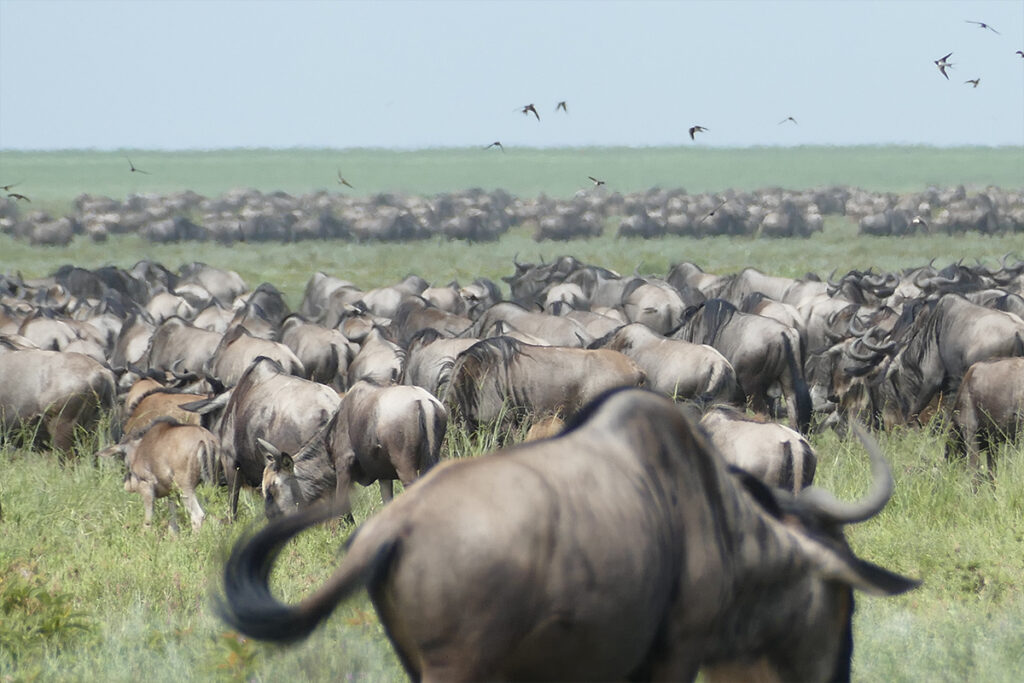
Traversing the boundless plains where the wild meets the sky, Tanzania’s safari tours offer an unparalleled window into nature’s theater. The Serengeti hosts over 1.5 million wildebeest during their Great Migration, a spectacle of survival and splendor. Such epic journeys illustrate not just the beauty but the crucial ecological roles of these migrations.
Rooted in history, Tanzania’s national parks were established with conservation goals in mind, as early as the 1950s. Now, these parks cover over 42,000 square kilometers, protecting some of the planet’s most diverse habitats. With tourism contributing significantly to the nation’s GDP, Tanzania finds a balance between adventure and conservation, ensuring these lands can be cherished for generations.

Exploring the Biodiversity of Tanzanian Safari Parks
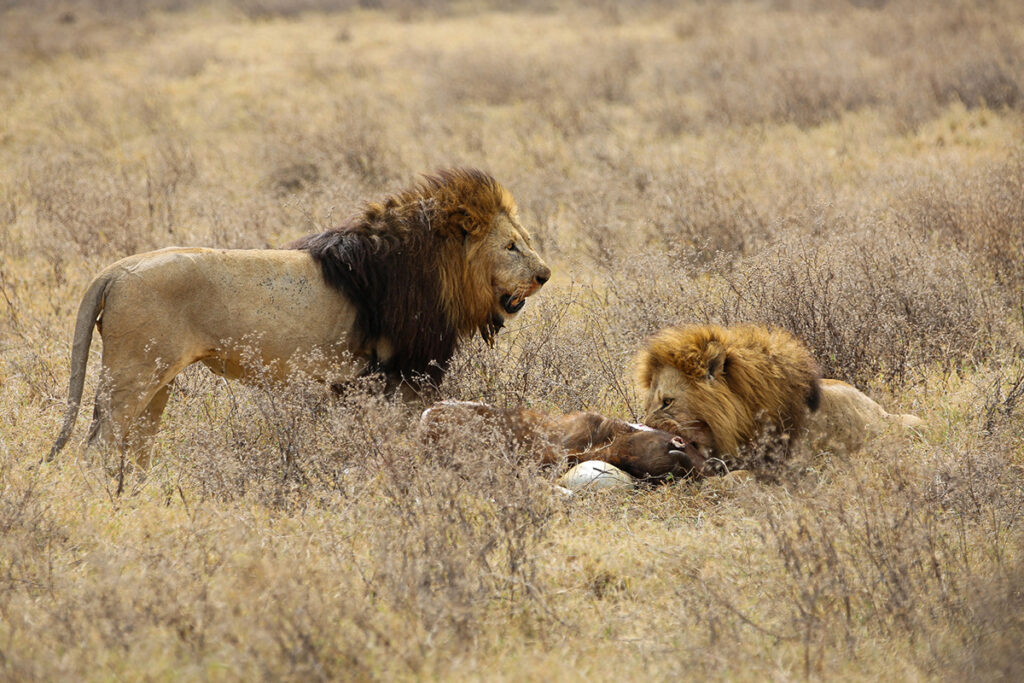
Tanzania’s safari parks are renowned for their incredible biodiversity. The Serengeti, for instance, is home to the famous Great Migration, where millions of wildebeest, zebras, and gazelles travel across vast plains. This spectacle attracts numerous predators, like lions and cheetahs, creating a dynamic ecosystem. According to this post, these interactions are crucial for sustaining the balance of the African savannah. Visitors often find themselves immersed in this vibrant environment, observing nature’s drama unfold.
In addition to large mammals, Tanzanian parks boast an array of bird species. Birdwatchers delight in spotting flamingos, ostriches, and the elusive African fish eagle. The diverse habitats, ranging from wetlands to woodlands, offer perfect conditions for these avian residents. Moreover, parks like Lake Manyara National Park are known for their tree-climbing lions. Here, the balance between land and sky showcases nature’s intricate connections.
Diverse flora forms another important aspect of these ecosystems. From towering baobab trees to the delicate paradise flower, the plant life is as varied as its animal inhabitants. These plants provide food, shelter, and breeding grounds for many species. As highlighted by the article, preserving this vegetation is vital for maintaining ecological health. Conservation efforts focus on managing invasive species and promoting native plants.
A visit to Tanzanian safari parks is not just an encounter with wildlife, but a chance to witness conservation in action. Programs work tirelessly to protect endangered species and restore natural habitats. Safari tourism supports these efforts by funding projects and raising awareness. Guests can also engage in eco-friendly practices during their visits. This shared responsibility helps ensure that Tanzania’s unique biodiversity thrives for future generations.
Key Habitats and Species in Serengeti and Ngorongoro
The Serengeti and Ngorongoro are two of the most famous wildlife habitats in Tanzania. The Serengeti is renowned for its vast open plains, which are perfect for the annual Great Migration of wildebeests and zebras. This migration supports predators like lions, leopards, and cheetahs, creating a delicate balance. The Ngorongoro Crater, on the other hand, offers a unique ecosystem within its volcanic caldera. It is home to various species, including black rhinos and flamingos, which rely on the crater’s resources.
Each habitat boasts a diverse range of species. The Serengeti is not just about large mammals; it also supports smaller creatures such as honey badgers and a multitude of birds. Birdwatchers can spot species like the lilac-breasted roller and the secretary bird. The open grasslands of the Serengeti provide ideal conditions for these birds to thrive. Meanwhile, the Ngorongoro Crater’s varied landscape includes swamps, forests, and savanna, each supporting different wildlife.
Vegetation varies significantly between these two areas. The Serengeti’s plains are dominated by grasses and scattered acacia trees, which provide food and shelter for herbivores. In the Ngorongoro Crater, lush greenery offers an entirely different scene. Dense thickets and rich water sources here support a higher density of wildlife. These differences in plant life contribute to the specialized adaptations seen in each resident species.
Protecting these habitats and their species is crucial. Efforts focus on combating poaching, managing human-wildlife conflict, and promoting sustainable tourism. Conservation programs ensure that species like the endangered black rhino have a future. According to this article, innovative approaches are constantly being developed to support these goals. Visitors can contribute by choosing eco-friendly safari options and respecting wildlife regulations.
When to Visit for the Best Safari Experience
Visiting Tanzania for a safari is an unforgettable adventure, but timing is key. The dry season, from June to October, is often considered the best time for safari tours. During these months, animals gather around waterholes, making them easier to spot. The weather is also more predictable, with clear skies and pleasant temperatures. Many travelers plan their trips around these conditions for optimal wildlife viewing.
However, the wet season has its unique advantages. From November to May, the landscape transforms into a lush green paradise. This period, known as the calving season, brings new life to the savannah. You may witness fascinating moments like the birth of wildebeests and zebras. Additionally, birdwatching is exceptional during this time, with migratory birds visiting the area.
Different parks also have peak seasons. The Serengeti is most famous during the Great Migration, which spans several months. A table outlining the key highlights of each park can help plan your itinerary:
| Park | Best Time to Visit | Highlights |
|---|---|---|
| Serengeti | June to October | Great Migration |
| Ngorongoro | December to March | Calving Season |
Ultimately, the best timing depends on what you hope to experience. Consider what wildlife or scenery interests you most before making a choice. Some prefer the bustling activity of the dry season, while others enjoy the vibrant greenery of the wet months. Planning carefully ensures a safari trip that’s truly unforgettable. Whether it’s tracking the migration or watching new life emerge, each season offers something special.
The Role of Conservation Efforts in Tanzania’s Safari Industry
Conservation plays a vital role in sustaining Tanzania’s thriving safari industry. Many of the country’s parks and reserves focus on protecting endangered species and preserving natural habitats. These efforts ensure that wildlife populations remain healthy and diverse. By maintaining these ecosystems, Tanzania attracts tourists from all over the world. Each visit contributes to conservation funding, creating a positive cycle of preservation and tourism.
Community involvement is crucial for successful conservation. Local communities are now part of programs that encourage sustainable practices. These initiatives involve educating people about the ecological and economic benefits of preserving wildlife. Communities often help patrol parks, reducing poaching and illegal activities. This collaboration fosters a sense of ownership and pride, which benefits both people and the environment.
Sustainable tourism practices are also important in reducing environmental impact. Eco-friendly lodges and camps have emerged, offering accommodations that minimize their footprint. Tour operators are adopting guidelines to ensure their tours are ethical and sustainable. Visitors are encouraged to follow responsible tourism practices, such as minimizing waste and respecting wildlife. These efforts help maintain the delicate balance of the ecosystems tourists come to see.
To demonstrate the impact of conservation, here is a table outlining key initiatives:
| Initiative | Goal | Impact |
|---|---|---|
| Anti-Poaching Units | Protect Wildlife | Reduced Poaching Incidents |
| Community Education | Raise Awareness | Increased Participation |
The long-term success of Tanzania’s safari industry relies heavily on ongoing conservation efforts. By integrating technology and innovation, conservation teams can monitor wildlife more effectively. Drones and GPS trackers are some tools used to gather data and protect animals. Society increasingly values conservation, urging more support and attention. This continued dedication ensures a future where nature and adventure coexist harmoniously.
Guided vs. Self-Guided Safari Tours: What’s Best for You?
Choosing between guided and self-guided safari tours depends on what kind of experience you want. Guided tours provide expert knowledge and ease. A skilled guide can share fascinating facts about wildlife and lead you to prime viewing spots. This not only enhances your understanding but also increases your chances of spotting rare animals. Guided tours usually cover logistics, so you can focus on enjoying the adventure.
On the other hand, self-guided safaris offer more flexibility and independence. You can set your own pace, deciding where and when to stop. This can be perfect for people who love exploring on their own. However, you need to be prepared to handle navigation and safety precautions. Self-guided tours might suit those with prior safari experience or those comfortable with adventure.
Consider the costs involved before making a decision. Guided tours often include a package of transportation, accommodations, and meals, streamlining trip planning. Though they might seem pricier upfront, they can sometimes be more economical due to package deals. Self-guided safaris can vary greatly in price depending on choices for accommodations and other arrangements. Creating a budget can help weigh these options more clearly.
Let’s take a look at some pros and cons:
- Guided Tours: Expert guidance, efficient planning, structured itinerary.
- Self-Guided Tours: Flexibility, self-paced travel, personalized experiences.
Finally, reflect on what you value most in a safari. Do you prefer the security and insights of a guided tour? Or do you treasure the freedom of a self-guided journey? Aligning your choice with your preferences ensures a memorable safari experience. Whether following a guide’s expertise or forging your own path, each option promises a unique and thrilling adventure.
Cultural Interactions and Ethical Tourism on a Tanzanian Safari
Experiencing Tanzania’s vibrant culture is a key part of many safari tours. Visitors often have opportunities to interact with local communities, such as the Maasai people. Learning about their traditions and daily life offers a deeper understanding of Tanzania’s diverse heritage. Ethical tourism emphasizes respecting these communities and supporting their livelihoods. By participating responsibly, tourists can enjoy enriching cultural exchanges while fostering goodwill.
When engaging with local communities, consider practicing ethical tourism. This means being mindful of your actions and their impact. Ask for permission before taking photos and respect community guidelines. Choose to purchase local crafts and goods to support local artisans. These small actions can make a big difference.
Tour operators play a significant role in guiding ethical tourism practices. Many incorporate cultural visits into their itineraries, emphasizing respectful interactions. Some operators engage in partnerships with local communities, ensuring that tourism benefits everyone involved. This collaborative approach helps preserve cultural traditions while providing economic opportunities. Tourists should prioritize operators that demonstrate a commitment to ethical practices.
Here’s a simple table outlining ways to engage in ethical tourism:
| Action | Impact |
|---|---|
| Respect Local Traditions | Fosters Understanding and Respect |
| Support Local Businesses | Boosts Local Economy |
Engaging in cultural interactions on a Tanzanian safari enriches the travel experience. It allows visitors to connect with the spirit of the country beyond its wildlife. Embracing ethical tourism ensures that these encounters are positive and meaningful. By approaching cultural experiences with an open mind and heart, travelers can leave a lasting, positive impact. Enjoying the richness of Tanzanian culture while contributing to its preservation is a rewarding way to travel.

Frequently Asked Questions
Tanzania safari tours open a window to the wonders of Africa’s wildlife and natural beauty. Here are some common questions answered to help you plan your adventure.
1. What is the best time of year to go on a safari in Tanzania?
The best time for a safari in Tanzania is during the dry season, from June to October. During these months, animals are easier to spot because they gather around water sources. The weather is also more predictable, with clear skies and pleasant temperatures, making game drives comfortable and enjoyable.
Visiting in the wet season, from November to May, offers another kind of beauty. The landscape becomes lush and vibrant, and it is also the calving season for many animals. Birdwatching is excellent during this time, with migratory birds arriving. Each season has its unique appeal, so your choice depends on what you hope to see.
2. How long should a typical safari tour in Tanzania last?
A typical safari tour in Tanzania lasts between 7 to 14 days. This duration allows you to visit multiple parks and reserves, maximizing your wildlife viewing opportunities. A week-long safari can cover key sites like the Serengeti and Ngorongoro Crater. Longer tours provide a more relaxed pace and deeper exploration.
For a more immersive experience, some travelers opt for two-week safaris, which may include visits to lesser-known parks. This also provides time to engage in cultural activities with local communities. Your tour length should match your interests and pace. Longer stays often result in a richer understanding of the region.
3. Are guided safaris better than self-guided safaris?
Guided safaris are generally recommended, especially for first-time visitors. Guides are knowledgeable about the local wildlife and landscapes. They can enhance your experience by providing insights and ensuring you visit the best spots for sightings. Additionally, guides handle all logistics, letting you focus on the adventure.
Self-guided safaris offer more flexibility and can be suited for experienced travelers. You can explore at your own pace and create a personalized itinerary. However, you need to handle navigation and safety precautions yourself. Guided safaris provide convenience and expertise, while self-guided tours offer independence and customization.
4. What types of accommodation are available on Tanzania safaris?
Tanzania offers a range of accommodations to suit different preferences and budgets. Options include lodges, tented camps, and mobile camps. Lodges provide comfort and amenities like dining areas and swimming pools, offering a luxurious experience. Tented camps blend comfort with a close-to-nature feel, often located in prime wildlife areas.
Mobile camps are another unique option, moving with the migration to keep you close to the action. These camps provide a more rustic yet immersive safari experience. Budget travelers can find simpler accommodations, such as public campsites. No matter the choice, every option ensures an unforgettable stay in the heart of the wilderness.
5. How should I prepare for my first safari in Tanzania?
Preparing for your first safari involves several steps. First, ensure you have the necessary vaccinations and a comprehensive travel insurance plan. It’s also important to pack appropriately. Comfortable, lightweight clothing in neutral colors is ideal for blending into the environment. Don’t forget essentials like a hat, sunscreen, and insect repellent.
Bringing quality binoculars and a good camera will enhance your wildlife viewing and photography experience. Researching the parks and wildlife you’ll encounter adds value to your trip. Finally, consider reading reviews and choosing reputable tour operators to ensure a safe and enjoyable adventure. Planning ahead makes your safari experience smoother and more enjoyable.