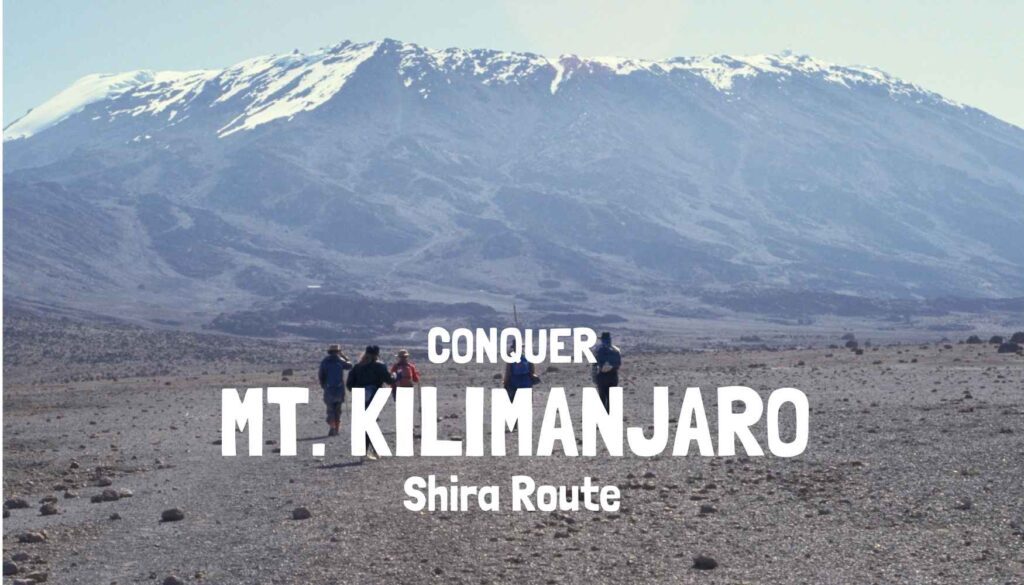
Climbing the Shira route on Mount Kilimanjaro is akin to stepping back in time, traversing terrains where ancient lava flows once forged the landscape. This unique 6-day itinerary not only offers breathtaking vistas but also serves a lesser-trodden path, reducing crowds. It presents adventurers with both challenges and unparalleled serenity found nowhere else on the mountain.
The Shira Plateau, a UNESCO World Heritage site, is a historical marvel, showcasing remnants of volcanic activity that shaped Kilimanjaro. Over 40,000 trekkers annually choose this route for its distinctiveness and ecological marvels. Those who take up this path benefit from better acclimatization, which significantly improves chances of summiting successfully.

6-Day Shira Itinerary: A Unique Kilimanjaro Experience
The Shira route is one of the most scenic paths up Mount Kilimanjaro. This lesser-known route begins at Shira Gate and takes you through lush forests and across the vast Shira Plateau. Over six days, trekkers experience a range of ecosystems, from moorlands to high deserts. The journey also offers spectacular views of the mountain’s rugged landscapes. This itinerary is designed to maximize acclimatization and increase your chances of reaching the summit.
Day 1 focuses on arrival and preparation at Shira Gate, where climbers get ready for the trek. The next day involves a hike through the Shira Plateau, a UNESCO World Heritage site. This area is known for its unique flora and fauna. Trekkers often spot wildlife and enjoy breathtaking views of Mount Meru in the distance. The day’s hike also helps your body adjust to the altitude.
On Day 3, climbers ascend to Shira Camp 2, which offers amazing sunrise and sunset views. Day 4 includes a journey to Barranco via the Lava Tower, a significant altitude marker. Barranco Camp is situated below the infamous Barranco Wall, a challenging but rewarding part of the trek. This day includes a mix of uphill and downhill trekking, which further aids acclimatization. The transition from high altitudes down to the Great Barranco Valley is crucial for your adaptation.
The final days, 5 and 6, are the most demanding but also the most rewarding. After conquering the Barranco Wall and trekking to Karanga Camp, climbers prepare for the ultimate ascent to Uhuru Peak. This part of the adventure usually starts at midnight to reach the summit at sunrise. After celebrating at the top, climbers begin the long descent, feeling a mixture of exhaustion and elation. The Shira route, with its unique features, offers an unforgettable experience for those wishing to conquer Kilimanjaro.
The Kilimanjaro Grand Traverse Route Trek – Day by Day Itinerary with maps
Day 1: Arrival and Preparation at Shira Gate
On the first day of your Kilimanjaro adventure, you arrive at Shira Gate, located at an elevation of about 11,500 feet. This entry point offers a unique beginning, as you start the trek higher than most other routes. On arrival, staff members check trekking permits and gear. This ensures everything is in order before the adventure begins. Guides and porters organize supplies and equipment for the hike ahead.
While the team gets everything ready, you have a chance to explore the gate area. Small trails and viewpoints offer glimpses of the landscape you’ll be traversing in the coming days. You might spot the peak of Kilimanjaro in the distance on clear days. This view serves as motivation for what’s to come. The fresh mountain air fills your lungs, preparing you for the trek.
At Shira Gate, guides provide a detailed briefing on the route, terrain, and daily schedule.
- Discussing what to expect during the hike and how to pace yourself is crucial.
- Staying hydrated and eating well ensures proper energy levels.
- The briefing also covers important safety measures and emergency procedures.
Understanding these key points creates a foundation for a successful climb.
With preparations complete and spirits high, the first leg of the trek begins. It’s a short 2-3 hour hike to the first camp on the Shira Plateau. This initial ascent is gentle, with gradual slopes and stunning views. As you walk, you’ll pass through moorland filled with unique plants and flowers. The short trek is a perfect way to ease into the adventure, allowing you to acclimate to the mountain’s environment gradually.
Day 2: Trekking Through the Shira Plateau
Day 2 of your adventure begins with a journey across the stunning Shira Plateau. This vast, open landscape is like a natural theater, offering breathtaking views in every direction. As the sun rises, it bathes the moorland in a warm glow. You’ll pass through fields dotted with giant lobelias and senecios, unique plants found only in this environment. It’s a day designed to acclimate your body to the altitude, setting a steady pace.
The plateau is part of the World Heritage site, known for its ecological diversity and geological features. Trekking here involves navigating through open grasslands and volcanic formations. The terrain is relatively flat, with slight undulations making the walk enjoyable and not overly strenuous. Midway through the trek, lunch breaks are a welcome chance to rest and refuel. This also provides an opportunity to absorb the serenity and beauty surrounding you.
During the trek, guides often share fascinating facts about the landscape and its history. They point out the different ecosystems within the plateau and explain volcanic activities’ impact on the area’s development.
- Learning about the plateau’s volcanic origins adds an educational layer to the trek.
- This knowledge enriches the hiking experience.
- It also highlights the uniqueness of the Shira route compared to other paths up Kilimanjaro.
With these insights, each step feels like a walk through nature’s classroom.
As the day comes to a close, you’ll reach Shira Camp 2, where tents are set up and waiting. The camp provides stunning sunset views over the plateau, contrasting with the chilly mountain air. Evenings here are spent under starlit skies, with temperatures dropping, but spirits remain high. Sitting around a campfire, climbers share stories and experiences from the day’s hike. This camaraderie builds bonds that make the journey even more memorable.
Day 3: Ascending to Shira Camp 2
On Day 3, the ascent to Shira Camp 2 begins after a hearty breakfast. This part of the journey takes you higher into the alpine desert zone, where vegetation becomes sparse. Although the distance covered is not very long, the altitude presents new challenges. You’ll notice cooler temperatures and thinner air as you climb higher. The path winds through rocky landscapes and offers stunning panoramic views of the mountain.
The day’s trek is a test of endurance and adaptability, pushing climbers to maintain a steady pace. Guides lead the group, ensuring everyone follows the “pole pole” mantra, which means “slowly, slowly” in Swahili. Multiple rest stops along the route allow time for acclimatization and hydration. This approach helps your body adjust to the changing conditions. Staying hydrated is crucial as it aids in fighting altitude sickness.
A highlight of this section is crossing several small streams that crisscross the trail. These natural water features not only offer respite but also add an element of adventure to the trek.
- Listening to the calming sound of flowing water is refreshing for the spirit.
- These moments break the monotony of walking.
- It’s small wonders like these that make the journey memorable.
Nature’s surprises leave lasting impressions on climbers.
Reaching Shira Camp 2 brings a sense of achievement and relief. Strategically located at an altitude of around 12,600 feet, the camp offers breathtaking sunset views over the plains below. Tents are set up on the rocky terrain, providing a cozy refuge from the cold. As night falls, temperatures drop, encouraging climbers to layer up and gather for a warm meal. Sharing dinner tales with fellow adventurers fosters camaraderie and boosts morale for the days ahead.
Despite the challenges faced during the day’s ascent, the experience at Shira Camp 2 is rewarding. Clear nights present fantastic stargazing opportunities, with the Milky Way visible in its full glory. Away from city lights, the sky comes alive, offering a stunning celestial view. This connection with nature, both during the day and at night, enriches the Kilimanjaro experience. It’s moments like these that make the climb truly unforgettable.
Day 4: Journey to Barranco via Lava Tower
The journey on Day 4 up to the Lava Tower is one of the most thrilling parts of the Shira route. As you start the trek, the path takes you higher into the mountain’s alpine region. The day is centered around reaching the Lava Tower, which stands at about 15,190 feet. This natural rock formation is a significant acclimatization point. Climbing to such altitudes helps your body adjust to the increasing heights.
Trekking to the Lava Tower involves walking through a rugged and rocky trail. The landscape becomes more barren, with few plants breaking through the rocky surface. Upon reaching the Lava Tower, climbers often take a break for lunch and admire the towering rock structure. The atmosphere is peaceful, with only the sound of the breeze to keep you company. It’s a prime spot for photos and reflection.
After the break at Lava Tower, the path leads down toward Barranco Camp. This descent gives hikers a chance to recover from altitude exposure experienced earlier in the day. As you lose elevation, the landscape gradually changes to a more hospitable environment. The vegetation starts to return, with giant groundsels and other unique plant species greeting you along the way. This route’s unique ecological transitions make it a scenic journey.
Barranco Camp is nestled in a majestic valley, offering stunning views of the towering Barranco Wall. The camp is popular among trekkers and often a lively place to exchange stories and experiences.
- It sits at approximately 13,000 feet, making the camp a great place for acclimatization.
- At night, the valley’s clear skies offer excellent stargazing opportunities.
- The chilly air encourages climbers to wrap up warm and prepare for the next day’s challenge.
The sense of achievement as you relax at Barranco Camp is unmatched.
Day 5: Conquering Barranco Wall, Descent to Karanga
Day 5 begins with the exhilarating challenge of conquering the Barranco Wall. This steep and rocky ascent is often referred to as the “Breakfast Wall” because climbers tackle it shortly after their morning meal. The climb requires basic scrambling skills, making it both thrilling and rewarding. As you ascend, the views of the valley below become increasingly spectacular. Reaching the top gives a strong sense of accomplishment and breathtaking vistas.
After the Barranco Wall, the trail continues with a series of ridges and valleys. This part of the trek involves navigating through the Karanga Valley, which offers a mix of uphill and downhill hiking. The variations in terrain help with acclimatization, providing short but frequent breaks in effort. You’ll pass through sections filled with giant groundsels and senecios. These unique plants add to the mystical ambiance of the mountain.
Lunch is usually enjoyed in a scenic spot along the trail, providing the perfect opportunity to relax and take in the surroundings. The trek then continues toward Karanga Camp, your destination for the day. The path to the camp involves a final ascent, offering a mix of challenging climbs and steady walks. You’ll cross several small streams along the way, adding an element of adventure. The change in landscape keeps the hike engaging and memorable.
Karanga Camp is set on an exposed ridge, offering stunning views of the Karanga Valley and the snowy summit of Kilimanjaro.
- At an elevation of about 13,100 feet, the camp is ideal for further acclimatization.
- The spacious layout provides plenty of room for tents and communal areas.
- Evenings at Karanga Camp are usually spent discussing the day’s adventure and preparing for the summit push.
The camaraderie among climbers grows stronger as the final challenge approaches.
Day 6: Summit Day to Uhuru Peak and Descent
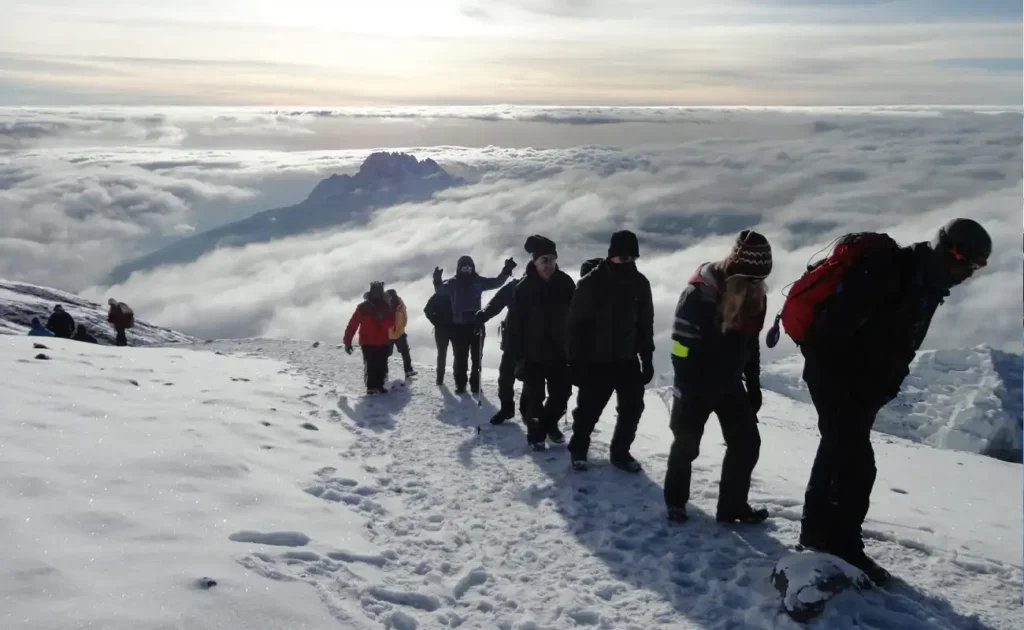
Summit Day, the most anticipated part of the journey, begins with a midnight wake-up call. Climbers start the final ascent under a star-studded sky, using headlamps to light the way. The climb to Uhuru Peak is steep and challenging, requiring persistence and determination. The freezing temperatures and thin air make each step more demanding. Reaching Stella Point at dawn offers a brief respite before pushing on to Uhuru Peak.
The sight of the summit sign at Uhuru Peak fills climbers with overwhelming joy and relief. At 19,341 feet, it’s the highest point in Africa. The views from the top are incredible, offering panoramic vistas of glaciers, craters, and distant landscapes. Trekkers often spend some time capturing photos and celebrating their achievement. Being at the roof of Africa is a powerful and emotional experience for many.
After soaking in the summit’s splendor, the descent begins back down to Barafu Camp. This downward journey can be just as tough as climbing up due to tired legs and slippery scree slopes. It’s essential to pace yourself carefully to avoid injuries or falls. Upon reaching Barafu Camp, trekkers take a much-needed break before continuing further down the mountain later in the day.
The trek continues down to Mweka Camp by late afternoon, where you’ll spend your last night on Kilimanjaro.
- The lower altitude brings warmer temperatures and more oxygen.
- This makes breathing easier after spending days at high elevations.
- Tents are set up in a lush forest environment teeming with life.
Celebrate your successful climb over dinner with fellow adventurers.
The atmosphere at Mweka Camp is usually festive as climbers share stories from their incredible journey up Kilimanjaro. Sleep comes easily after such an exhausting but triumphant day. The following morning involves a short trek through rainforests leading back to civilization. Reflecting on this challenging yet rewarding adventure creates lasting memories cherished for years.
Unique Highlights and Challenges of the Shira Route
The Shira route is renowned for its spectacular landscapes and breathtaking views, offering hikers a unique perspective of Kilimanjaro. Starting at a high elevation, the path provides an immediate sense of being on top of the world. Trekkers enjoy a less crowded experience compared to more popular routes. The diverse terrain showcases everything from lush forests to the stark beauty of the plateau. This diversity is both a visual treat and an educational journey.
A significant highlight is crossing the expansive Shira Plateau, known for its open vistas and striking geology. Here, trekkers can witness unique volcanic rock formations and fields of delicate wildflowers. This part of the route offers fantastic photo opportunities and moments of reflection. The plateau also serves as an excellent acclimatization zone, allowing climbers to adjust slowly to higher altitudes. The gentle slopes make hiking here relatively easy, providing a comfortable start to the adventure.
Climbing the Barranco Wall is one of the most thrilling challenges of the Shira Route. This section involves scrambling up a steep, rocky face, making it both challenging and exhilarating. The reward at the top is unmatched views of the valley below. While it requires careful attention and balance, conquering this wall brings a sense of accomplishment. It’s a perfect mix of adrenaline and awe for adventure seekers.
The route also presents some challenges that test both physical and mental stamina.
- High altitudes can cause shortness of breath and fatigue.
- Changing weather conditions require proper gear and preparation.
- Each day involves significant hiking distances over varied terrain.
These tests of endurance contribute to the overall achievement of summiting Kilimanjaro.
A number of acclimatization benefits are associated with the Shira Route, making it an attractive choice for climbers aiming for the summit. Gradual elevation gain and strategic camp placements improve the chances of adjusting to the altitude. The route allows for “climb high, sleep low” practices, reducing the effects of altitude sickness. Hikers find themselves better prepared for the final push to Uhuru Peak. These advantages make the Shira Route a well-balanced mix of challenge and comfort.
Ecosystem and Wildlife Encounters on Shira Route
The Shira Route takes climbers through some of the most diverse ecosystems on Mount Kilimanjaro. Starting in lush rainforests, the journey transitions to moorlands and alpine deserts. Each zone is unique, offering a variety of flora and fauna. The route’s elevation changes create distinct habitats, supporting a wide range of species. It’s like walking through different worlds, each with its own surprises.
In the lower forests, hikers may spot playful monkeys swinging between branches. Birdwatchers can enjoy sightings of colorful birds like the turaco and sunbird. These forests are full of life and sound, providing a lively start to the trek. As the journey progresses, the landscape shifts to the Shira Plateau. This open area is home to unique plants like giant lobelias and groundsels, adapting to the harsher conditions.
The plateau itself offers an opportunity to encounter wildlife that has adapted to high altitudes.
- Small mammals like hyraxes are often seen sunning on rocks.
- Occasionally, trekkers might spot larger animals such as buffalos or antelopes grazing.
- These sightings remind climbers of the mountain’s natural wonders.
The ability to see such diversity adds to the magic of the Shira Route hike.
Higher up, the alpine desert presents a stark yet beautiful environment. The harsh conditions limit plant life, but the scenery is captivating with rocks and glaciers in view. Trekking through this zone feels like wandering in a different realm. Though wildlife is scarce, the rare sighting of a bird of prey soaring high can be a thrilling moment. It serves as a reminder of the ruggedness and resilience needed to survive here.
Despite the varying conditions, each ecosystem on the Shira Route has a special charm. The journey offers the chance to witness nature in its many forms, from dense forests to barren deserts. It’s an educational and enriching experience that connects hikers with the natural world. The diverse environments highlight the ecological richness of Kilimanjaro. The route provides an unforgettable adventure filled with nature’s wonders.
Preparing Physically and Mentally for the Shira Climb
Preparing for the Shira Climb is crucial to ensure a successful and enjoyable experience. Both physical and mental preparation play essential roles in the journey to Kilimanjaro’s summit. Regular cardio workouts, like running or cycling, help build the stamina needed for long trekking days. Strength training focuses on legs, core, and back muscles, enhancing endurance and reducing fatigue. Flexibility exercises prevent injuries and promote overall body balance.
Besides physical readiness, mental preparation is equally important. The climb can be mentally demanding due to its long durations and challenging conditions. Visualization techniques can help, where you imagine yourself successfully navigating the route. Meditation and breathing exercises also aid in managing stress and maintaining focus. A positive mindset significantly boosts your ability to tackle obstacles along the way.
Proper gear and equipment are vital for comfort and safety during the climb.
- Good-quality hiking boots with proper ankle support are a must.
- Layered clothing helps regulate body temperature in varying weather conditions.
- A reliable backpack carries essential items like water, snacks, and extra layers.
Ensuring gear suitability can make the trek more comfortable and manageable.
Hydration and nutrition are key components of maintaining energy levels. Drinking plenty of water helps combat altitude sickness and keeps you hydrated. Eating balanced meals packed with carbohydrates, proteins, and fats fuels your body for the strenuous activity. Snacks like nuts, energy bars, and dried fruit offer quick boosts of energy. Maintaining a steady intake of fluids and nutrition supports overall well-being during the trek.
Lastly, acclimatization can’t be overlooked when preparing for high-altitude treks. Spending time at higher elevations before the climb helps your body adjust. “Climb high, sleep low” practices during the trek can mitigate altitude sickness symptoms. Taking rest days and following a gradual pace ensure your body acclimates effectively. Preparing both body and mind creates the foundation for a successful Shira Climb.
Why Choose the Shira Route for Your Kilimanjaro Adventure?
The Shira Route is an exceptional choice for those seeking a unique Kilimanjaro experience. This route offers a combination of stunning landscapes and fewer crowds, making it a more serene journey. Trekkers can enjoy panoramic views right from the start. Its high-elevation starting point provides excellent acclimatization opportunities. The adventure begins with unmatched scenery and an immediate sense of being in a remote wilderness.
One key advantage of the Shira Route is the variety of ecosystems you encounter. From lush rainforests to alpine deserts, each day brings different terrain and wildlife. This diversity keeps the trek exciting and engaging.
- Rainforests teem with life and sound.
- The Shira Plateau offers open vistas and unique plants.
- Higher alpine zones provide stark, otherworldly landscapes.
These shifting environments make for an unforgettable hike.
The Shira Route is known for its excellent acclimatization profile. With a gradual ascent and strategically located camps, trekkers have higher chances of reaching the summit. The route follows “climb high, sleep low” practices, which help minimize altitude sickness. This thoughtful itinerary allows your body to adjust gradually. More time spent at altitude before the summit push boosts success rates.
Unique highlights like the Lava Tower and Barranco Wall add adventure and thrill. Climbing these features provides a sense of accomplishment and spectacular views. The Barranco Wall, in particular, is a favorite among trekkers for its challenging yet rewarding nature. These features make the Shira Route stand out from other paths. The combination of scenic beauty and physical challenge appeals to adventure seekers.
The Shira Route’s blend of breathtaking views, diverse ecosystems, and excellent acclimatization make it a top choice. It’s ideal for those looking to escape the crowds and immerse themselves in nature. The route offers a well-rounded experience with highlights at every turn. Choosing Shira means embarking on a journey filled with wonder and achievement. It’s a splendid path for experiencing Kilimanjaro’s myriad delights.
Key Takeaways
- The Shira itinerary starts at a high altitude, boosting acclimatization.
- You cross the scenic Shira Plateau with breathtaking views daily.
- This route encounters diverse landscapes, from forests to alpine deserts.
- The path includes thrilling challenges like Lava Tower and Barranco Wall.
- Less crowded than other routes, it offers a peaceful trekking experience.